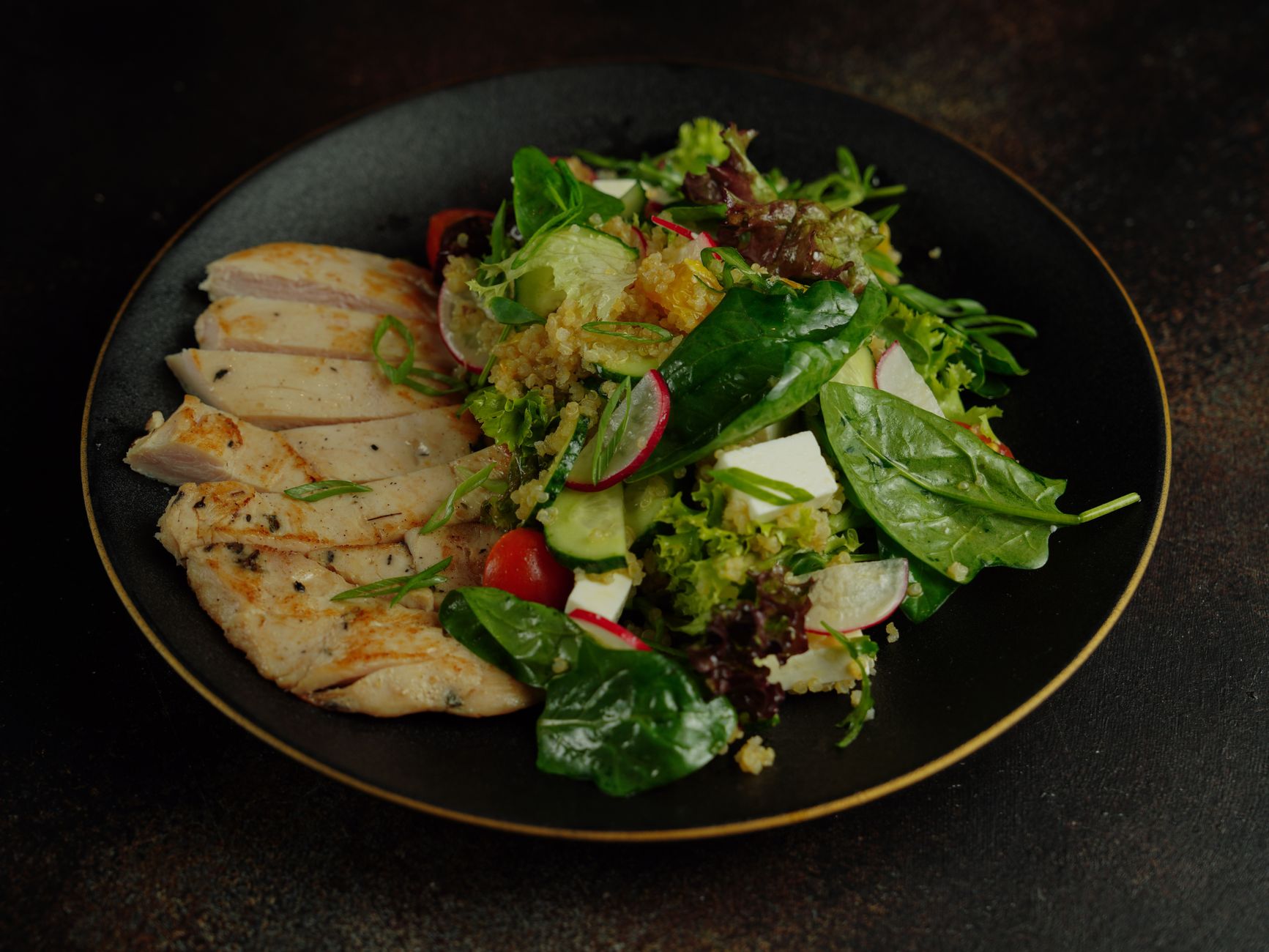

Quick take: A semaglutide-friendly diet focuses on high-protein, high-fiber, low-calorie foods to support weight loss while managing side effects like nausea and constipation. Prioritize hydration, small frequent meals, and nutrient-dense options to avoid deficiencies. Always work with your provider to balance semaglutide with your diet and monitor for nutrient gaps. **Bonus:** Learn how to navigate social situations, optimize exercise, and troubleshoot plateaus—because real-world success isn’t just about what you eat, but how you live with the medication.**Semaglutide Friendly Diet Benefits and Side Effects: The Complete 2026 Guide
It was 3:17 a.m., and the scale had just confirmed what you already knew: the number had crept up again. You’d tried every fad diet, logged every step, and even skipped dessert for a month. Then your doctor mentioned semaglutide—a GLP-1 medication that had helped thousands lose weight without extreme restriction. But now, staring at your phone, you’re scrolling through forums: "Can I still eat pasta?" "Will I throw up every meal?" "Is this even safe?" The truth is, semaglutide *can* work wonders, but the diet that supports it isn’t just about what you can’t eat—it’s about how you can eat *better*. Here’s what you need to know to make it work for you—including how to handle the social, emotional, and practical challenges that come with the journey.
Semaglutide, a glucagon-like peptide-1 (GLP-1) receptor agonist, is FDA-approved for type 2 diabetes and chronic weight management. But its popularity for weight loss has skyrocketed—so much so that many people are curious about how to pair it with a diet that minimizes side effects and maximizes results. This guide covers everything from meal timing to nutrient absorption, so you can navigate semaglutide with confidence. We’ll also dive into the often-overlooked aspects of success: how to manage social outings, exercise smartly, and troubleshoot plateaus—because real-world results matter as much as the science.
--- ## **What foods are safe to eat while taking semaglutide?** The good news? You don’t have to eliminate entire food groups. Instead, focus on foods that support satiety, stabilize blood sugar, and ease digestion—because semaglutide works by slowing stomach emptying, which can make some foods feel harder to tolerate. Think of it as a reset button for your relationship with food: less reliance on volume, more on quality. ### **The Semaglutide-Friendly Food Pyramid** Here’s what to prioritize: | **Food Group** | **Safe Choices** | **Cautious Choices** | **Avoid (or Limit)** | |----------------------|-------------------------------------------------------------------------------|------------------------------------------------------------------------------------|--------------------------------------------------------------------------------------| | **Protein** | Eggs, chicken, turkey, fish (salmon, cod), tofu, Greek yogurt, cottage cheese | Fried or heavily processed meats (hot dogs, sausages) | High-fat cuts (ribs, bacon) or greasy fried foods (unless tolerated) | | **Fiber** | Leafy greens, broccoli, Brussels sprouts, berries, chia seeds, flaxseeds | Whole grains (quinoa, brown rice) if bloating is an issue | High-fiber foods if you’re prone to constipation (e.g., raw nuts, popcorn) | | **Healthy Fats** | Avocados, olive oil, nuts (almonds, walnuts), seeds (pumpkin, sunflower) | Creamy dressings or buttery foods (unless portion-controlled) | Fried or processed fats (fast food, margarine) | | **Carbs** | Non-starchy veggies (zucchini, spinach), small portions of sweet potatoes | White bread, pasta, or rice (may cause bloating) | Sugary snacks, desserts, or high-glycemic fruits (e.g., watermelon) | | **Hydration** | Water, herbal teas, coconut water, electrolyte-enhanced drinks | Caffeine (in moderation) | Sugary sodas or alcohol (dehydrating) | ### **Why This Matters** Semaglutide slows digestion, so foods that are easy to digest—like lean proteins and low-fiber veggies—are your best friends. Many readers tell us they feel fuller faster with these foods, which helps curb cravings. That said, if you’re used to a high-carb diet, transitioning can feel overwhelming. Start small: swap one meal a day for a protein-rich option, like grilled chicken with roasted veggies instead of pasta. ### **Hidden Nutrient Boosters** Don’t overlook the power of **fortified foods**. Many readers find that adding nutrient-dense options like: - **Fortified plant-based milks** (calcium and vitamin D) - **Enriched whole grains** (iron and B vitamins) - **Seaweed snacks** (iodine, often overlooked in weight-loss diets) helps fill gaps without extra calories. For example, swapping regular milk for a fortified almond milk can add 30% more calcium to your day—critical for bone health, especially if you’re a woman over 40. --- ## **How does semaglutide affect appetite and meal timing?** One of the most talked-about effects of semaglutide is its impact on hunger. Many people report feeling less hungry overall, which can make weight loss easier—but it can also create challenges if meals feel like a chore. The key is to work *with* your body’s new signals, not against them. ### **Appetite: The Science Behind the Suppression** Semaglutide mimics a hormone that tells your brain you’re full. Studies show it reduces ghrelin (the "hunger hormone") by up to 30%, which is why many people experience less cravings and snacking. However, this doesn’t mean you should skip meals entirely. Skipping food can lead to overeating later or worsen side effects like nausea. ### **Meal Timing: Small, Frequent, and Strategic** Since semaglutide slows stomach emptying, eating large meals can feel uncomfortable. Here’s how to adjust: 1. **Start with small portions** – Use a smaller plate or bowl to trick your brain into feeling satisfied with less. 2. **Eat every 3–4 hours** – This keeps blood sugar stable and prevents nausea. Think of it like "grazing" but with structure. 3. **Prioritize protein at every meal** – Protein takes longer to digest, which aligns with semaglutide’s mechanism. Aim for 20–30g per meal. 4. **Avoid eating too close to bedtime** – Give your stomach 2–3 hours to digest before lying down to reduce reflux. ### **A Real-World Example** "At first, I thought I’d never eat again," says Sarah, a 38-year-old who started semaglutide after years of failed diets. "My stomach felt like a balloon after lunch, and I’d get nauseous if I ate too much. But when I switched to smaller meals—like a turkey wrap for lunch and a protein smoothie in the afternoon—I didn’t feel sick. The key was listening to my body and not forcing myself to finish everything." ### **The "Hunger vs. Fullness" Confusion** Many people on semaglutide describe feeling "full but still hungry." This is normal because the medication affects both appetite hormones. To navigate this: - **Ask yourself:** "Am I actually hungry, or am I bored/stressed?" Sometimes, a distraction (like a walk or a podcast) can help. - **Try the "plate method":** Fill half your plate with veggies, a quarter with protein, and a quarter with carbs. This ensures you’re getting balanced nutrition without overeating. --- ## **How does semaglutide affect gut motility?** Semaglutide slows stomach emptying, which can lead to **constipation, bloating, or even diarrhea** in some people. The impact varies widely—some feel relief from digestive issues (like IBS symptoms), while others struggle with new challenges. Understanding why this happens and how to manage it is key. ### **Why Gut Motility Changes** Semaglutide mimics a hormone that slows digestion, which can: - **Reduce acid reflux** (since food spends more time in the stomach, it’s less likely to back up). - **Increase constipation** (because food moves slower through the intestines). - **Cause bloating** (due to gas buildup from slower digestion). ### **Personalized Solutions** Not all strategies work for everyone. Here’s how to troubleshoot: - **For constipation:** Increase hydration *and* fiber (start with 10g/day and gradually increase). If you’re still struggling, a stool softener like Miralax can help. - **For bloating:** Try smaller, more frequent meals and avoid gas-producing foods (beans, cabbage). Probiotics may also help some people. - **For diarrhea:** Reduce fiber temporarily and focus on bland, low-residue foods (like bananas or white rice). If this persists, check with your doctor. ### **The "Second-Month Slump"** Many people experience a resurgence of digestive issues around **Month 2 or 3** of semaglutide. This is often due to: - **Adaptation to the medication** (your body’s new baseline). - **Changes in diet** (e.g., accidentally increasing fiber too quickly). - **Stress or lifestyle shifts** (less movement, less sleep). **Pro Tip:** Keep a **food and symptom diary** for a week. Note what you eat, when you eat, and how your body responds. Patterns emerge quickly—like "I feel bloated after beans" or "I’m constipated when I skip my evening walk." --- ## **How to combine semaglutide with a Mediterranean or low-carb diet?** Semaglutide works well with certain dietary patterns, particularly those that emphasize whole foods, lean proteins, and healthy fats. Here’s how to pair it with two popular diets—and what to watch out for. ### **Mediterranean Diet + Semaglutide** The Mediterranean diet is rich in olive oil, fish, veggies, and whole grains—all of which support heart health and steady energy. To adapt it for semaglutide: - **Prioritize lean proteins** – Grilled fish, chicken, and beans help with satiety. - **Use healthy fats wisely** – Avocado, nuts, and olive oil in moderation to avoid bloating. - **Limit refined carbs** – Opt for whole grains like quinoa or farro in smaller portions. - **Include plenty of fiber** – Vegetables, legumes, and whole grains keep you full and aid digestion. **Bonus:** The Mediterranean diet’s emphasis on **social eating** (like family meals) can help you navigate semaglutide’s appetite-suppressing effects without feeling isolated. ### **Low-Carb Diet + Semaglutide** A low-carb approach can complement semaglutide by reducing blood sugar spikes and cravings. However, be cautious: - **Avoid very low-carb (keto) if you’re prone to nausea** – Some people find keto worsens side effects. - **Focus on protein and healthy fats** – Avocado, nuts, and fatty fish are great choices. - **Monitor electrolytes** – Low-carb diets can lead to potassium or magnesium deficiencies, which semaglutide may worsen. ### **Which Diet Works Best?** There’s no one-size-fits-all answer. If you’re new to semaglutide, the Mediterranean diet is often the easiest transition because it’s familiar and balanced. If you’re used to low-carb eating, you can adapt—but listen to your body. Many readers find that a **hybrid approach** (low-carb but not keto) works best. ### **The "Cheat Meal" Debate** Some people worry about "cheat meals" derailing progress. The truth? **Occasional treats can actually help.** Why? Because: - **They prevent feelings of deprivation**, which can lead to binges later. - **They help you practice moderation**, a key skill for long-term success. - **They can boost metabolism** slightly (since your body adapts to lower calories). **How to Do It Right:** - **Plan ahead:** If you’re going to a party, eat a protein-rich snack beforehand to stay full. - **Portion control:** Allow yourself 10–15% of your daily calories as a treat, not 50%. - **Choose wisely:** Opt for foods that align with your goals (e.g., dark chocolate over cake). --- ## **What is the impact of semaglutide on nutrient absorption and potential deficiencies?** Semaglutide slows digestion, which can affect how your body absorbs certain nutrients. The most common deficiencies seen with semaglutide include: - **Vitamin B12** (common in weight loss due to reduced food intake) - **Iron** (if you’re not eating enough red meat or supplements) - **Calcium & Vitamin D** (important for bone health, especially in women over 50) - **Magnesium** (crucial for muscle and nerve function) ### **How to Prevent Deficiencies** 1. **Take a multivitamin** – A daily supplement can fill gaps, but don’t rely on it alone. 2. **Eat nutrient-dense foods** – Leafy greens (calcium), fatty fish (B12), and nuts (magnesium). 3. **Get blood work** – Your doctor should check your levels every 6–12 months, especially if you’re on semaglutide long-term. 4. **Consider targeted supplements** – If you’re deficient, your doctor may recommend: - **B12 shots or sublingual tablets** (if oral absorption is poor) - **Iron supplements** (if you have anemia) - **Calcium + Vitamin D** (especially if you’re postmenopausal) ### **The "Forgetful Eater" Challenge** Many people on semaglutide struggle with **forgetting to eat** or skipping meals due to reduced appetite. This can lead to nutrient deficiencies if not addressed. Here’s how to stay on track: - **Set phone reminders** for meal times. - **Keep easy snacks** (like pre-cut veggies or nuts) handy. - **Pair meals with habits** (e.g., "I eat lunch when I sit at my desk"). --- ## **Strategies for reducing nausea and vomiting while on semaglutide** Nausea is the most reported side effect, but it’s usually temporary. If it’s holding you back, try these strategies: ### **Before Meals** - **Eat a small snack first** – A few saltine crackers or a handful of nuts can help settle your stomach. - **Sip ginger tea** – Studies show ginger can reduce nausea by up to 50%. - **Avoid strong smells** – Cooking spices, perfumes, or even certain foods can trigger nausea. ### **During Meals** - **Eat slowly and chew thoroughly** – This helps your stomach process food more easily. - **Avoid fatty or greasy foods** – These can linger in your stomach and worsen nausea. - **Try bland foods** – Toast, bananas, or plain rice are gentle on the stomach. ### **After Meals** - **Stay upright for 30–60 minutes** – Lying down too soon can cause reflux. - **Take anti-nausea meds if needed** – Ondansetron (Zofran) or dimenhydrinate (Dramamine) can help in a pinch (ask your doctor). - **Stay hydrated** – Sip water or electrolyte drinks to prevent dehydration. ### **The "Nausea Reset" Plan** If nausea persists beyond the first month, try this **3-day reset**: 1. **Day 1:** Bland foods only (toast, bananas, rice). 2. **Day 2:** Add protein (boiled eggs, chicken broth). 3. **Day 3:** Introduce veggies (steamed carrots, cucumber). --- ## **Balancing carbohydrate intake with semaglutide therapy** Carbs are often the tricky part of semaglutide diets. The good news? You don’t have to eliminate them entirely—but you *do* need to manage them carefully to avoid blood sugar spikes and digestive discomfort. ### **How Many Carbs Can You Eat?** There’s no one-size-fits-all answer, but most people do well with: - **20–40g net carbs per meal** (depending on activity level and tolerance). - **Prioritize low-glycemic carbs** – Sweet potatoes, quinoa, and berries spike blood sugar less than white bread or pasta. ### **Carb-Smart Strategies** 1. **Pair carbs with protein/fat** – This slows digestion and prevents spikes. Example: Apple slices with peanut butter. 2. **Avoid sugary carbs** – Candy, soda, and pastries can worsen nausea and energy crashes. 3. **Monitor your tolerance** – Some people do better with fewer carbs at first, while others can handle more as their body adjusts. ### **The "Carb Confusion" Fix** If you’re unsure how many carbs to eat, try this **rule of thumb**: - **If you feel full after 20g of carbs**, stick with that. - **If you’re still hungry**, add another 5–10g (but cap at 40g per meal). - **Track for 3 days** to see what works best for you. --- ## **How to handle social situations while on semaglutide** One of the biggest challenges of semaglutide isn’t the medication itself—it’s the **social pressure** to eat when you’re not hungry. Birthdays, dinners with friends, and office potlucks can feel like minefields. Here’s how to navigate them without guilt or stress. ### **The "Yes, But" Approach** You don’t have to refuse every invitation. Instead, use the **"Yes, but"** strategy: - **Yes, I’ll come to dinner—** *but I’ll bring a protein-rich side dish* (like a big salad or grilled veggies). - **Yes, I’ll join the happy hour—** *but I’ll stick to sparkling water with lime*. - **Yes, I’ll celebrate your birthday—** *but I’ll have a small piece of cake and focus on the company*. ### **Dining Out Tips** - **Call ahead** to ask about healthy options (e.g., grilled chicken instead of fried). - **Split a dish** with a friend to avoid overeating. - **Start with a protein-based appetizer** (like sushi or a charcuterie board) to fill you up before the main course. ### **The "Excuse" That Works** If you need a polite way to decline food, try: - **"I’m trying to be mindful of my portions today."** - **"I’m feeling a little sensitive to certain foods right now."** - **"I’ve been focusing on hydration and light meals."** --- ## **How to optimize exercise while on semaglutide** Exercise is a game-changer for weight loss, but semaglutide can make workouts feel different. Here’s how to adapt without burning out. ### **Start Slow** If you’re new to exercise, begin with **low-impact activities** like walking, swimming, or yoga. Semaglutide can cause dizziness or fatigue, so avoid high-intensity workouts until you’re adjusted. ### **Listen to Your Body** - **If you feel lightheaded**, stop and hydrate. Semaglutide can lower blood sugar, especially if you’re not eating enough. - **If you’re exhausted**, prioritize rest. Fatigue is a common side effect, and pushing through can lead to injury. - **If you’re nauseous**, opt for gentle movement (like stretching) instead of intense workouts. ### **The "Exercise Stacking" Method** Instead of long, grueling sessions, try **short bursts of activity** throughout the day: - **10-minute walk after meals** (aids digestion and boosts metabolism). - **Bodyweight exercises** (squats, lunges) while watching TV. - **Weekend hikes or bike rides** (social and enjoyable). --- ## **Troubleshooting weight loss plateaus** If your weight loss stalls after the first few months, it’s not necessarily a failure—it’s often a sign that your body is adapting. Here’s how to break through the plateau. ### **Common Causes of Plateaus** 1. **Your metabolism has adjusted** to semaglutide. This is normal! 2. **You’re eating more than you think** (portion distortion is real). 3. **Stress or sleep deprivation** is slowing progress. 4. **You’ve hit a genetic weight limit** (some people naturally plateau at a certain weight). ### **How to Break the Plateau** - **Reassess your diet:** Are you still prioritizing protein and fiber? Try a **3-day food log** to spot patterns. - **Increase activity:** Add **10–15 minutes of movement** to your day (e.g., walking meetings, stretching). - **Check your semaglutide dose:** If you’re not losing weight after 3 months, ask your doctor about adjusting your dose. - **Try intermittent fasting (if tolerated):** Some people find that **12-hour overnight fasting** helps reset metabolism. --- ## **Semaglutide diet for weight loss: What to expect in the first 3 months** If you’re starting semaglutide for weight loss, here’s what the first few months might look like: | **Month** | **What to Expect** | **Tips for Success** | |-----------|-----------------------------------------------------------------------------------|------------------------------------------------------------------------------------| | **Month 1** | Rapid weight loss (5–10 lbs), but also nausea, fatigue, and digestive changes. | Start small with meals, stay hydrated, and focus on protein. | | **Month 2** | Weight loss slows slightly, but side effects often improve. | Introduce more variety into your diet to avoid boredom. | | **Month 3** | Steady weight loss (1–2 lbs per week), better energy, and fewer side effects. | Experiment with different meal timing and portion sizes to find what works best. | **Pro Tip:** Track your progress with photos and measurements—sometimes the scale doesn’t tell the whole story. --- ## **Myth vs. Fact: Semaglutide Diet Misconceptions** Let’s clear up some common myths: Myth: "You can eat whatever you want as long as you’re on semaglutide." Fact: While semaglutide helps with weight loss, it doesn’t make unhealthy foods magically disappear. You’ll still feel full faster, but overeating processed foods can lead to digestive issues and nutrient deficiencies. Myth: "Semaglutide is a miracle cure for obesity." Fact: Semaglutide is a powerful tool, but it works best when paired with a healthy diet and lifestyle changes. It’s not a standalone solution. Myth: "You’ll never crave food again." Fact: Cravings can still happen, especially for sugary or carb-heavy foods. The key is to have healthy alternatives ready. Myth: "Semaglutide causes permanent weight loss." Fact: Weight loss is often temporary without lifestyle changes. Many people maintain results by continuing healthy habits post-semaglutide. --- ## **Key Takeaways: Semaglutide and Diet Success** - **Prioritize protein and fiber** – These help with satiety and digestion. - **Eat small, frequent meals** – This aligns with semaglutide’s mechanism and reduces nausea. - **Stay hydrated** – Dehydration worsens side effects like constipation and fatigue. - **Monitor nutrient intake** – Consider supplements if you’re at risk of deficiencies. - **Be patient with side effects** – Most improve within the first month. - **Work with your doctor** – Regular check-ins ensure you’re on the right track. - **Navigate social situations with confidence** – You don’t have to refuse every invitation; just adapt. - **Optimize exercise gently** – Start slow and listen to your body. --- ## **Frequently Asked Questions** ### **What are the side effects of semaglutide?** The most common side effects include nausea (especially in the first few weeks), constipation, diarrhea, and fatigue. These usually improve as your body adjusts. Less common but more serious side effects include pancreatitis, gallbladder issues, and low blood sugar (if you have diabetes). Always report severe or persistent side effects to your doctor. ### **Can I eat carbs while taking semaglutide?** Yes, but in moderation. Focus on low-glycemic carbs like sweet potatoes, berries, and quinoa, and pair them with protein or healthy fats to slow digestion. Avoid sugary carbs, which can worsen nausea and energy crashes. ### **Does semaglutide help with weight loss?** Yes! Clinical trials show semaglutide can lead to **15–20% of body weight loss** in some people over 6–12 months, especially when combined with a reduced-calorie diet. However, individual results vary. ### **How does semaglutide affect appetite?** Semaglutide reduces ghrelin (the hunger hormone) and increases satiety hormones, leading to **reduced appetite and fewer cravings** for many people. However, this doesn’t mean you should skip meals—it’s about eating mindfully and listening to your body’s new signals. ### **Is semaglutide safe during pregnancy?** No, semaglutide is **not recommended during pregnancy** unless absolutely necessary for managing diabetes. If you’re pregnant or trying to conceive, talk to your doctor about safer alternatives. ### **What diet should I follow while on semaglutide?** A **Mediterranean or balanced low-carb diet** works well for most people. Focus on lean proteins, healthy fats, and fiber-rich veggies while avoiding processed foods and excessive sugars. If you’re unsure, a registered dietitian can help tailor a plan to your needs. ### **How does semaglutide affect gut motility?** Semaglutide slows stomach emptying, which can lead to **constipation or bloating** in some people. To counteract this, increase fiber intake, stay hydrated, and consider gentle laxatives if needed. ### **How do I handle social outings while on semaglutide?** You don’t have to refuse invitations! Use the **"Yes, but"** approach—attend events but bring your own healthy options or plan ahead. For example, order a protein-based appetizer before the main course to stay full. ### **Can I exercise while on semaglutide?** Yes, but start slow. Semaglutide can cause dizziness or fatigue, so avoid high-intensity workouts until you’re adjusted. Focus on low-impact activities like walking, swimming, or yoga. --- ## **When to see a doctor or specialist** While semaglutide is generally safe, you should **contact your doctor immediately** if you experience: - Severe or persistent nausea/vomiting (especially if you can’t keep fluids down). - Signs of dehydration (dizziness, dark urine, extreme thirst). - Sudden weight loss (more than 2 lbs per week without explanation). - Signs of gallbladder issues (severe upper abdominal pain, jaundice). - Blood sugar issues (if you have diabetes—hypoglycemia or uncontrolled hyperglycemia). For ongoing support, consider seeing: - A **registered dietitian** (to optimize your diet). - A **gastroenterologist** (if you’re struggling with digestive side effects). - An **endocrinologist** (to monitor blood sugar and hormone levels). - A **therapist or counselor** (to navigate emotional challenges like body image or social pressure). --- ## **References**- American Diabetes Association. (2025). *Standards of Medical Care in Diabetes*. Diabetes Care.
- FDA. (2023). *Wegovy (semaglutide) Prescribing Information*. U.S. Food and Drug Administration.
- Harvard Medical School. (2024). *GLP-1 Receptor Agonists for Weight Loss: What You Need to Know*. Harvard Health Publishing.
- Mayo Clinic. (2025). *Semaglutide for Weight Loss: What to Expect*. Mayo Clinic Proceedings.
- National Institute of Diabetes and Digestive and Kidney Diseases (NIDDK). (2024). *Weight-Loss Medications*. NIH.
- The Menopause Society. (2023). *Hormonal Therapies and Weight Management in Midlife Women*. NAMS Position Statement.
- World Health Organization. (2022). *Guidelines on Obesity Prevention, Management, and Treatment*. WHO Technical Report Series.
- Academy of Nutrition and Dietetics. (2025). *Position Paper: Nutrition Therapy for Weight Management*. Journal of the Academy of Nutrition and Dietetics.
- American Psychological Association. (2024). *Psychosocial Factors in Weight Management*. APA Handbook of Obesity.