I’ll never forget the moment I realized my second baby’s recovery wasn’t just about resting—it was about *moving*. After my first, I’d spent weeks lying on the floor, trying to do pelvic floor exercises while my husband held my legs. With my second, I was already doing light squats while changing diapers. But here’s the thing: just because your body feels "ready" doesn’t mean you should jump into high-impact workouts.
Your pelvic floor and core have already taken a beating, and pushing too hard too soon can lead to diastasis recti (abdominal separation), urinary incontinence, or even prolapse. The good news? You’ve got a head start—you know what worked (or didn’t) last time. But this time, you can do it *smarter*.
**Safe exercises to start early (after 4–6 weeks, with provider approval):**
- Pelvic floor exercises (Kegels): Focus on *gradual* contractions (hold for 3–5 seconds, release for 5). Learn the right way here.
- Diaphragmatic breathing: Helps reconnect your core and reduce stress. Try 5 minutes daily.
- Gentle walks: Start with 5–10 minutes, gradually increasing.
- Postpartum yoga or Pilates: Look for classes specifically designed for pelvic floor recovery (like this one).
**Exercises to avoid (until cleared by your provider):**
- Heavy lifting (more than your baby).
- High-impact cardio (running, jumping).
- Crunches or sit-ups (they can worsen diastasis recti).
- Planks (unless your core is fully healed).
**How to build a safe routine:**
1. **Week 1–2:** Focus on breathing, gentle walks, and pelvic floor exercises.
2. **Week 3–4:** Add light resistance (bands or light dumbbells) for arms/legs.
3. **Week 5–6:** Introduce low-impact cardio (swimming, cycling).
4. **Week 7+:** Gradually return to strength training (with pelvic floor checks).
**Pro tip:** If you had a vaginal delivery, your pelvic floor may already be stronger from the first baby, but that doesn’t mean it’s invincible. Always check for diastasis recti before starting core work. You can do this yourself by lying on your back, lifting your head slightly, and feeling for a gap in your abs—if it’s wider than 2 fingers, wait until it closes.
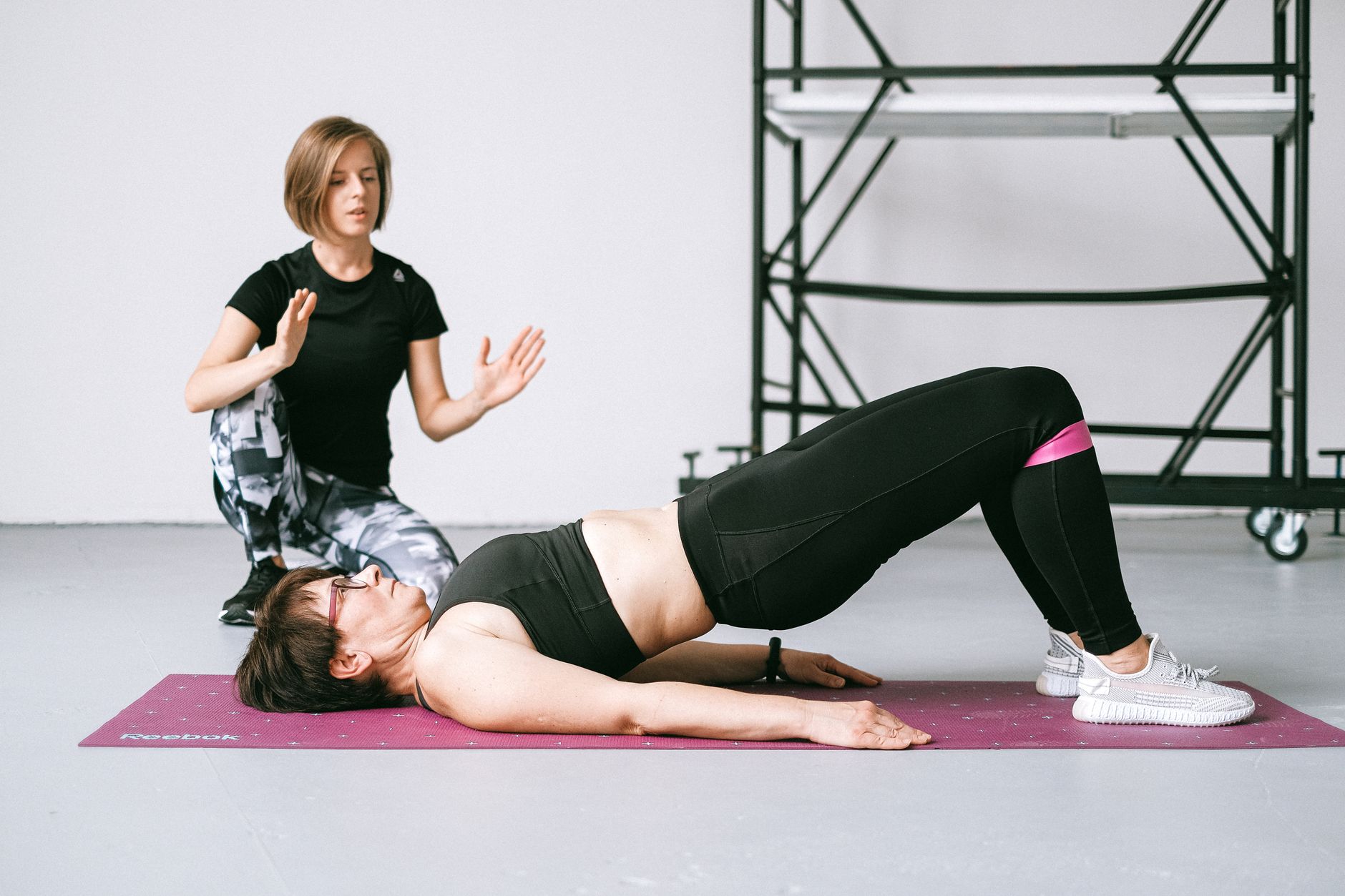
How to manage pelvic floor after a second baby?
Pelvic floor weakness is one of the most underrated challenges of second babies—and it’s something I wish I’d known about with my first. After my second, I was shocked to realize I was leaking when I coughed or laughed. It wasn’t as bad as postpartum incontinence after my first, but it was still *annoying*. And the worst part? I didn’t even notice it until it was already happening.
Your pelvic floor takes a beating during pregnancy and delivery, and while it may heal faster with a second baby, it’s still vulnerable. The good news? You can strengthen it *before* it gets worse. Here’s how:
**Signs your pelvic floor needs attention:**
- Urinary incontinence (leaking when laughing, sneezing, or exercising).
- Feeling of heaviness or pressure in your pelvic area.
- Constipation or difficulty pooping.
- Pain during sex.
**How to strengthen your pelvic floor:**
- **Kegels (but do them right):** Contract your pelvic floor muscles (like you’re stopping urine mid-stream), hold for 3–5 seconds, then release. Do 10–15 reps, 3 times daily. Here’s a step-by-step guide.
- **Biofeedback therapy:** If you’re struggling to isolate your pelvic floor, a physical therapist can use biofeedback to help you target the right muscles.
- **Pelvic floor therapy:** A specialist can assess your strength and teach you tailored exercises.
- **Avoid straining:** Don’t hold your breath when lifting or pushing.
**When to see a specialist:**
If you experience severe pelvic pain, incontinence, or prolapse (feeling like something is "falling out"), see a pelvic floor physical therapist or your OB/GYN. These issues can often be treated with exercises or medical interventions.
**Pro tip:** If you had a C-section, your pelvic floor is still at risk—it’s not just a vaginal delivery issue. Focus on core and pelvic floor strength *before* you get pregnant again.
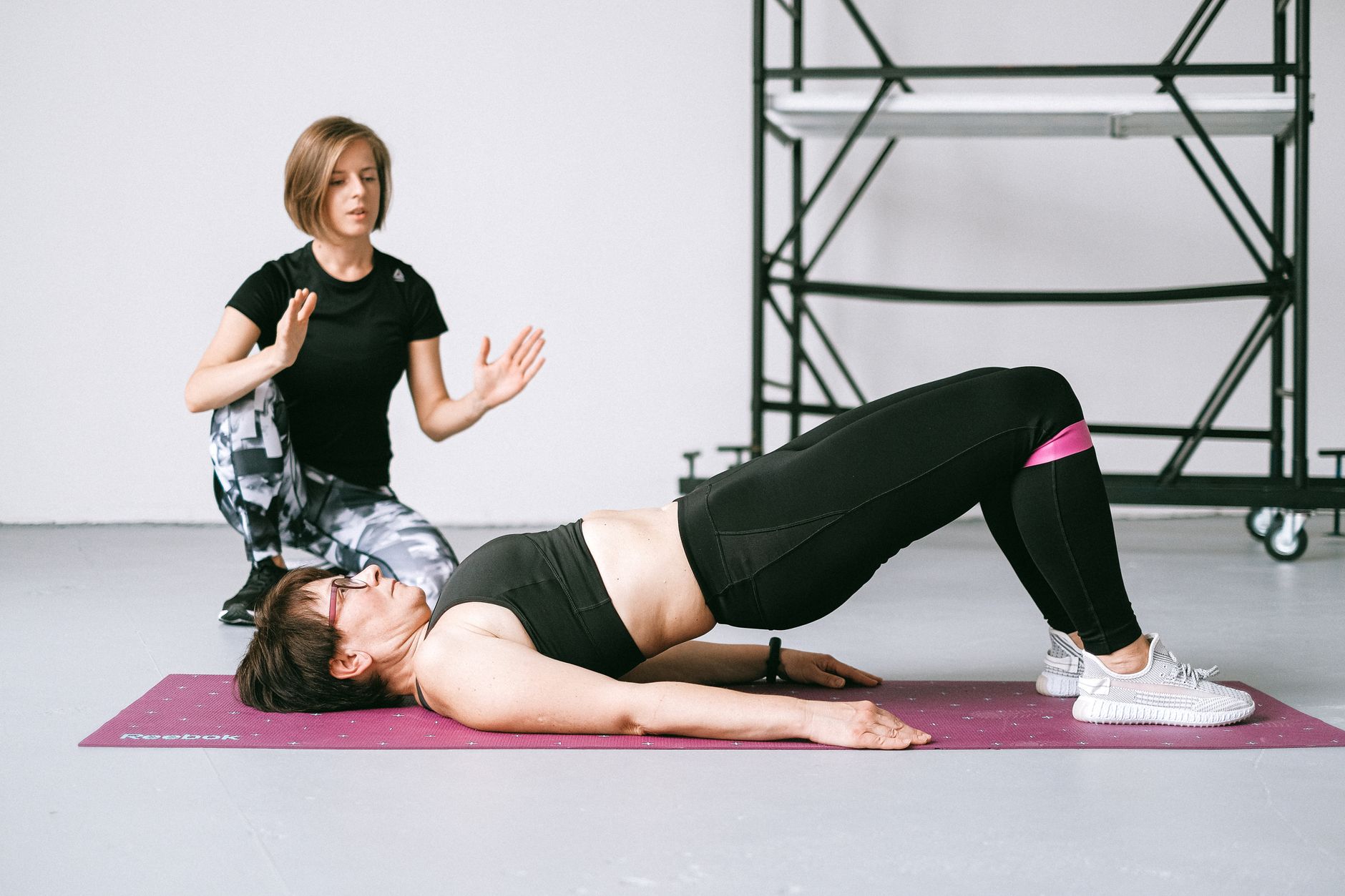
Differences in postpartum recovery between first and second baby
Let’s cut to the chase: your second baby’s recovery *will* feel different. But how? And why? Here’s the breakdown:
**The emotional twist:** While your body may recover faster, the emotional toll of a second baby can feel harder. You’re not just adjusting to a new baby—you’re also navigating the demands of a first child, your partner’s expectations, and the pressure to "do it right this time." If you’re feeling overwhelmed, this article has strategies to help.
**Key takeaway:** Your second baby’s recovery will be *physically* easier, but don’t underestimate the emotional and logistical challenges. Lean on your support system, take it one day at a time, and remember: you’ve done this before.
How to handle back pain after second baby postpartum?
Back pain after a second baby is one of the most common (and frustrating) issues—and it’s something I struggled with both times. With my first, I thought it was just "part of the deal." With my second, I realized I could do better. Here’s how:
**Why does it happen?**
- Your core and pelvic floor are weaker (even if you’ve healed).
- Carrying a baby (and a first child) strains your lower back.
- Poor posture from nursing or holding your baby.
- Hormonal changes that loosen ligaments.
**How to manage it:**
- **Strengthen your core (safely):** Once cleared, start with transverse abdominis exercises (gentle core work that doesn’t strain your pelvic floor). Here’s how.
- **Improve posture:** Stand tall, engage your core when lifting, and avoid slouching while nursing.
- **Use support:** A nursing pillow or back support belt can help.
- **Gentle movement:** Walking, swimming, or prenatal yoga can ease pain.
- **Heat or ice:** Apply heat for muscle tension or ice for inflammation.
**When to see a doctor:**
If your back pain is severe, radiates down your legs, or is accompanied by numbness, see your provider. This could signal a herniated disc or other issue.
**Pro tip:** If you had a C-section, your back pain may be worse due to the incision and core weakness. Focus on pelvic floor and core rehab to prevent long-term issues.

Tips for getting back to pre-pregnancy weight after second baby
Let’s address the elephant in the room: weight loss after a second baby is *harder*—because you’re not just recovering from pregnancy, you’re also managing a first child, work, and life. But it’s not impossible. The key is realistic expectations and gentle, sustainable habits.
**Why is it harder?**
- You’re breastfeeding (which burns calories but also drains energy).
- You’re sleep-deprived (which slows metabolism).
- You’re juggling more (work, childcare, household).
- Your hormones are still adjusting (progesterone and estrogen take time to normalize).
**How to approach it:**
- **Focus on nutrition, not restriction:** Eat enough protein, healthy fats, and fiber. Avoid crash diets—your body needs fuel.
- **Hydrate:** Dehydration can make you feel bloated.
- **Move gently:** Walking, swimming, or postpartum yoga (like this routine) help without straining your body.
- **Prioritize sleep:** Even 20 minutes extra can help with weight loss.
- **Be patient:** It takes time—aim for 1–2 pounds per week.
**Postpartum diet tips:**
- Eat more protein (chicken, fish, beans, Greek yogurt) to support muscle recovery.
- Include fiber-rich foods (veggies, fruits, whole grains) to stay full.
- Stay hydrated—sometimes thirst feels like hunger.
- Avoid processed foods and sugary snacks (they slow recovery).
**What to avoid:**
- Skipping meals (leads to overeating later).
- Extreme diets (they can worsen postpartum depression).
- High-impact workouts (wait until your core is healed).
**Pro tip:** If you’re struggling, consider meal prepping or hiring a postpartum meal service. You don’t have to do it all alone.
**When to see a doctor:**
If you’re not losing weight after 6 months postpartum, or if you experience extreme fatigue, hair loss, or irregular periods, talk to your provider. These could signal hormonal imbalances or thyroid issues.
How to sleep with a second baby postpartum?
Sleep deprivation after a second baby is a myth—it’s a *fact*. And while you might think you’ve got this down by now, the reality is that a second baby changes *everything*. You’re not just sleep-deprived; you’re exhausted, overwhelmed, and emotionally drained. Here’s how to survive (and maybe even thrive) on less sleep.
**Why is it harder?**
- You’re still adjusting to your first child’s schedule.
- You’re breastfeeding (which wakes you up at night).
- You’re juggling more responsibilities (work, chores, etc.).
- Your partner may not be as hands-on as they were with the first baby.
**How to improve your sleep:**
- **Nap when the baby naps (even if it’s just 20 minutes).**
- **Ask for help:** Whether it’s your partner, family, or a postpartum doula, lean on your village.
- **Set realistic expectations:** You won’t get 8 hours of sleep—aim for 4–6 hours in a row.
- **Establish a bedtime routine:** Wind down with a warm bath, reading, or meditation.
- **Use a white noise machine:** Helps block out baby noises.
- **Consider a sleep training method:** If your baby is older, this guide has gentle options.
**When to see a doctor:**
If you’re struggling with severe insomnia, anxiety, or depression, talk to your provider. Postpartum sleep issues can sometimes mask deeper emotional struggles.

How to breastfeed a second baby after postpartum?
Breastfeeding a second baby is *easier*—but it’s also different. With my first, I was a nervous newbie. With my second, I was confident… but also *exhausted*. Here’s what you need to know:
**Why is it easier?**
- You already know how to latch and nurse.
- Your milk supply is more efficient.
- You’re less anxious about "doing it right."
**Why is it harder?**
- You’re sleep-deprived (which affects milk supply).
- You’re juggling a first child (who may want to nurse too).
- Your hormones are different (progesterone levels affect supply).
**How to make it smoother:**
- **Stay hydrated and eat enough calories.**
- **Pump if needed:** If you’re struggling with supply, a breast pump can help.
- **Ask for help:** A lactation consultant can troubleshoot latch issues.
- **Be patient:** It may take a few days to get back into the rhythm.
**Common challenges and solutions:**
- **Low supply?** Try skin-to-skin contact, power pumping, or galactagogues (like fenugreek or blessed thistle—consult your provider first).
- **Sore nipples?** Use lanolin cream and ensure proper latch.
- **Baby refusing?** Try a different position or offer a bottle to break the latch.
**When to see a specialist:**
If you’re struggling with severe pain, low supply, or baby weight loss, see a lactation consultant or OB/GYN.
Postpartum depression after second baby: What to watch for
Postpartum depression after a second baby is real—and it’s more common than you think. While your body may recover faster, your emotional toll can feel heavier. Here’s what to watch for:
**Signs of postpartum depression:**
- Persistent sadness or anxiety.
- Loss of interest in activities you once enjoyed.
- Fatigue or insomnia (even after naps).
- Feeling overwhelmed or hopeless.
- Changes in appetite or weight.
- Thoughts of harming yourself or your baby.
**Why is it harder with a second baby?**
- You’re juggling more responsibilities.
- You may feel guilty for not being as excited as you were with the first baby.
- You’re sleep-deprived *and* emotionally drained.
**How to cope:**
- **Talk to someone:** Share how you’re feeling with your partner, a friend, or a therapist.
- **Therapy or support groups:** This guide has resources.
- **Medication (if needed):** SSRIs are safe during breastfeeding (consult your provider).
- **Self-care:** Even 10 minutes of reading or a warm bath can help.
**When to see a doctor:**
If you’re experiencing any of the signs above, talk to your provider immediately. Postpartum depression is treatable, and you don’t have to suffer alone.
Postpartum exercise routine for second baby
Exercise after a second baby should be *gentle, intentional, and pelvic-floor-safe*. Here’s a simple routine to get you started (after 6 weeks and with provider approval):
**Week 1–2: Gentle Movement**
- 5-minute walk (daily).
- Pelvic floor exercises (10 reps, 3x/day).
- Diaphragmatic breathing (5 minutes, twice daily).
**Week 3–4: Low-Impact Cardio**
- 10-minute walk (daily).
- Gentle yoga or Pilates (20 minutes, 3x/week) (try this routine).
- Bodyweight squats (10 reps, 2x/day).
**Week 5–6: Strength Training**
- 15-minute walk (daily).
- Light resistance bands (arms/legs, 2x/week).
- Pelvic floor therapy (if needed).
**Week 7+: Gradual Return**
- 20-minute walk (daily).
- Low-impact cardio (swimming, cycling).
- Core work (with caution) (only if diastasis recti is healed).
**Pro tip:** If you had a C-section, wait until your incision is fully healed (usually 6–8 weeks) before starting any exercise.
Postpartum weight loss after second baby
Postpartum weight loss after a second baby is a marathon, not a sprint. The key is consistency, not perfection. Here’s how to approach it:
**What works:**
- **Eat enough protein** (helps with muscle recovery).
- **Stay hydrated** (dehydration slows metabolism).
- **Move gently** (walking, swimming, yoga).
- **Prioritize sleep** (even 20 minutes extra helps).
- **Be patient** (aim for 1–2 pounds per week).
**What doesn’t work:**
- Crash diets (they slow metabolism).
- High-impact workouts (wait until your core is healed).
- Skipping meals (leads to overeating later).
**Sample meal plan (postpartum-friendly):**
- Breakfast: Greek yogurt with berries and nuts.
- Lunch: Grilled chicken salad with avocado.
- Dinner: Baked salmon with roasted veggies.
- Snacks: Hummus with veggies, hard-boiled eggs, or protein smoothie.
**When to see a doctor:**
If you’re not losing weight after 6 months postpartum, or if you experience extreme fatigue, hair loss, or irregular periods, talk to your provider. These could signal hormonal imbalances or thyroid issues.
Myth vs. Fact: Second Baby Postpartum Recovery
Myth: "The second baby is always easier—physically and emotionally."
Fact: While your body may recover faster, the emotional and logistical challenges can feel harder. You’re juggling more responsibilities, and the pressure to "do it right" can be overwhelming. Read more about the emotional side here.
Myth: "You can start working out normally after 6 weeks."
Fact: Your pelvic floor and core need time to heal. Always wait until you’re cleared by your provider, and avoid high-impact workouts until your core is strong. Here’s how to safely strengthen your pelvic floor.
Myth: "Breastfeeding a second baby is the same as the first—just easier."
Fact: While it may be easier in some ways, breastfeeding a second baby can be harder due to sleep deprivation, hormonal changes, and juggling a first child. Stay hydrated, eat enough, and don’t hesitate to ask for help.
Myth: "You’ll lose all your baby weight by the time your baby is 6 months old."
Fact: Postpartum weight loss takes time—aim for 1–2 pounds per week. Focus on nutrition, movement, and patience rather than quick fixes.
Key Takeaways
- Your second baby’s recovery is often physically easier (shorter bleeding, faster healing), but the emotional and logistical challenges can feel harder.
- Start gentle movement early (walking, pelvic floor exercises) but avoid high-impact workouts until your core is healed.
- Pelvic floor weakness is common—prioritize Kegels and pelvic floor therapy if needed.
- Back pain is manageable with posture, core support, and gentle movement.
- Postpartum weight loss is a marathon—focus on nutrition, hydration, and patience.
- Sleep deprivation is real—nap when you can, ask for help, and don’t feel guilty for needing support.
- If you’re struggling emotionally, talk to your provider—postpartum depression is treatable.
Frequently Asked Questions
Is it normal to feel more tired after a second baby?
Yes, it’s completely normal—and expected. With a second baby, you’re not just recovering from pregnancy; you’re also managing a first child, work, and life. Sleep deprivation is real, and it’s okay to ask for help. If your fatigue is extreme (making it hard to function), talk to your provider—it could signal postpartum depression or thyroid issues.
What are the most common physical issues after a second baby?
The most common physical issues include:
- Pelvic floor weakness (leading to incontinence or prolapse).
- Back pain (from carrying a baby and poor posture).
- Diastasis recti (abdominal separation).
- Breastfeeding challenges (low supply, sore nipples).
- Weight retention (due to hormonal changes and sleep deprivation).
How long does it take to heal after a second baby?
Most women report a shorter recovery timeline for their second baby—typically 6–8 weeks compared to 8–12 weeks for the first. However, healing isn’t linear, and some issues (like pelvic floor weakness or back pain) may linger. Always follow your provider’s guidance and prioritize rest and gentle movement.
What exercises can I do after a second baby?
Start with gentle movement, such as:
- Walking (5–10 minutes daily).
- Pelvic floor exercises (Kegels, 10–15 reps, 3x/day).
- Diaphragmatic breathing (to reconnect your core).
- Postpartum yoga or Pilates (after 6 weeks and with provider approval).
Wait until your core is healed (usually 8–12 weeks) before starting strength training or high-impact workouts.
When can I resume sexual activity after a second baby?
Most providers recommend waiting until your 6-week postpartum checkup before resuming sexual activity. If you had a C-section, wait until your incision is fully healed (usually 6–8 weeks). If you experience pain, bleeding, or discomfort, stop and talk to your provider.
How to manage back pain after second baby?
Back pain after a second baby is common due to core weakness, poor posture, and carrying a baby. Here’s how to manage it:
- Strengthen your core (safely) with transverse abdominis exercises.
- Use a nursing pillow or back support belt.
- Practice good posture (stand tall, engage your core when lifting).
- Try heat or ice for muscle tension.
- Consider a pelvic floor physical therapist if pain persists.
How to handle fatigue after a second baby?
Fatigue after a second baby is exhausting—but it’s manageable. Here’s how:
- Nap when the baby naps (even 20 minutes helps).
- Ask for help (your partner, family, or a postpartum doula).
- Prioritize sleep hygiene (blackout curtains, white noise machine).
- Eat enough calories and stay hydrated.
- Consider a sleep training method if your baby is older.
When to see a doctor or specialist
While most postpartum recovery is normal, some symptoms require medical attention. See your provider immediately if you experience:
- Heavy bleeding (soaking a pad every hour) after 6 weeks.
- Severe pelvic pain or cramping.
- Fever or signs of infection (redness, swelling, foul-smelling discharge).
- Severe back pain that radiates down your legs or causes numbness.
- Extreme fatigue, sadness, or thoughts of harming yourself or your baby.
- Signs of prolapse (feeling like something is "falling out").
For most issues, your OB/GYN or primary care provider is the first point of contact. If you’re struggling with pelvic floor weakness, see a pelvic floor physical therapist. For emotional struggles, a therapist or psychiatrist can help.
References
- The American College of Obstetricians and Gynecologists (ACOG). Postpartum Care: What to Expect After Delivery. 2023.
- Mayo Clinic. Postpartum Recovery: What to Expect. 2022.
- National Institute of Child Health and Human Development (NICHD). Postpartum Depression. 2021.
- Pelvic Floor Therapy Association. Postpartum Pelvic Floor Recovery. 2020.
- La Leche League International. Breastfeeding After a Second Baby. 2023.
- American Physical Therapy Association. Postpartum Exercise Guidelines. 2022.
- Harvard Medical School. Postpartum Weight Loss: What Works?.



