ed light therapy (RLT) works by penetrating the skin at a cellular level, where it stimulates mitochondria—the tiny powerhouses in your cells—to produce more adenosine triphosphate (ATP). Think of it like giving your cells a turbo boost: they repair faster, inflammation eases, and tissues heal more efficiently. For postpartum women, this means:
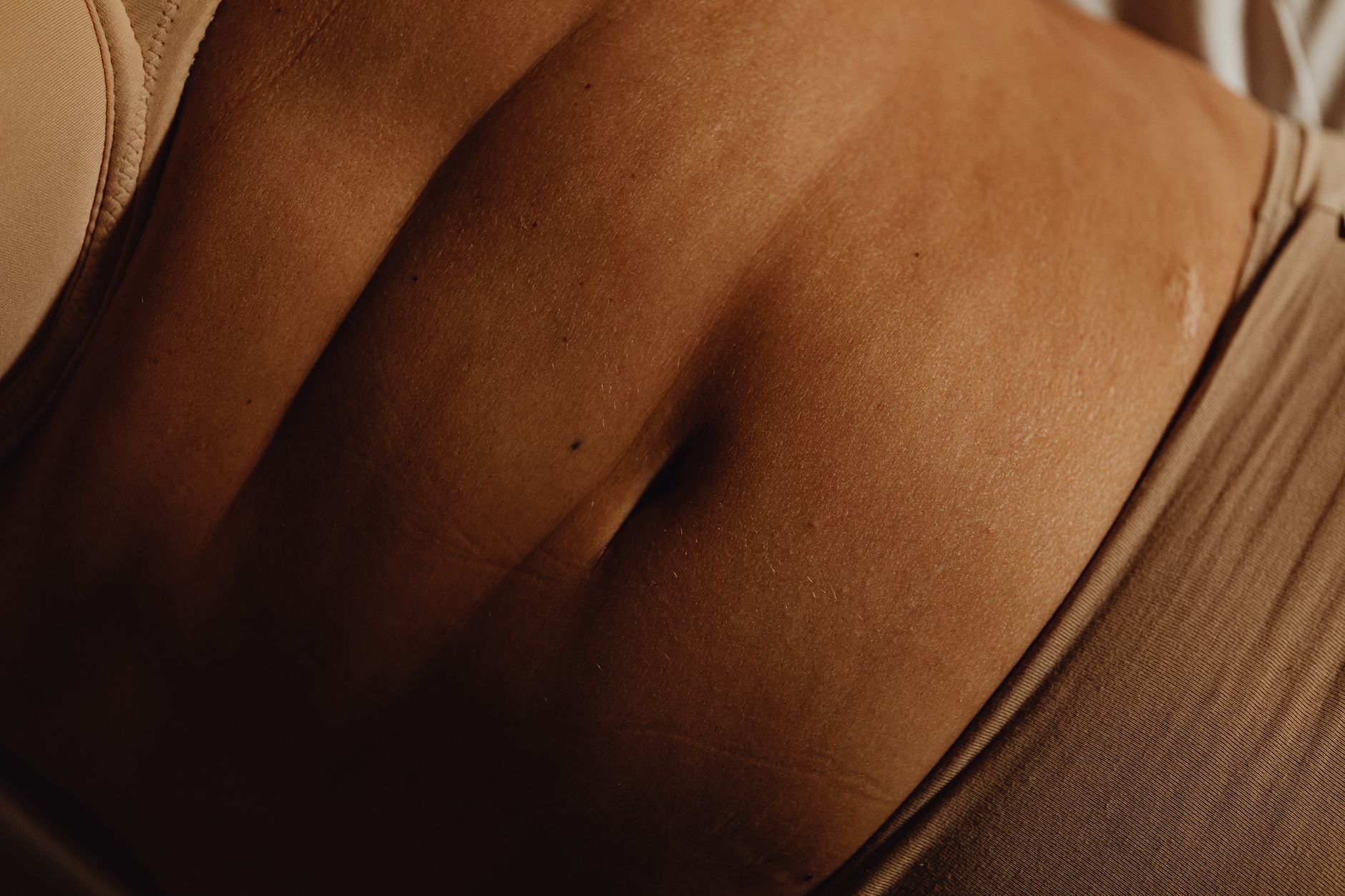
- Faster wound healing: Reduces scarring and speeds up the repair of vaginal or cesarean stitches.
- Pain relief: Lowers inflammation linked to soreness in the pelvic floor, back, or abdominal muscles.
- Skin repair: Helps with stretch marks, bruising, and postpartum acne by boosting collagen production.
- Circulation improvement: May help with postpartum edema (swelling) by promoting blood flow.
- Mood support: Some studies suggest RLT can modulate serotonin and dopamine—helpful for postpartum mood fluctuations or even mild depression.
- Muscle recovery: Eases soreness from labor, delivery, or postpartum workouts.
But here’s the catch: RLT isn’t a standalone solution. It’s most effective when paired with other evidence-based recovery strategies, like gentle movement, hydration, and adequate sleep. Think of it as a supportive tool—not a replacement for professional care. The American College of Obstetricians and Gynecologists (ACOG) recommends combining any recovery tool with rest, nutrition, and medical follow-ups to ensure a safe and effective healing process.
---
How does red light therapy work at a cellular level?
To understand why red light therapy might help postpartum, it’s helpful to break down what’s actually happening in your cells. Red light therapy uses wavelengths between 630–670nm, which are absorbed by the mitochondria in your cells. These mitochondria then produce more ATP, the energy currency of your cells. This process:
- Boosts collagen production: Helps your skin repair and regain elasticity, which is especially useful for stretch marks and bruising.
- Reduces inflammation: Lowers the production of inflammatory cytokines, which can ease pain and swelling in areas like your pelvic floor or abdominal muscles.
- Enhances blood flow: Improves circulation, which can help with postpartum swelling and promote healing in tissues.
- Supports nerve regeneration: May help with nerve-related pain or discomfort, such as sciatica or nerve irritation from delivery.
This cellular-level effect is why RLT is often used in medical settings for wound healing and pain management. For postpartum recovery, the goal is to leverage these benefits to support your body’s natural healing processes. However, it’s important to note that while RLT can be a helpful adjunct, it should never replace medical advice or treatments recommended by your healthcare provider.
---
Red light therapy postpartum for healing stitches: Does it actually work?
If you’ve had a vaginal birth with stitches or a cesarean section, you know how frustrating it is when those wounds take forever to heal—or worse, get infected. Red light therapy may help here. A 2020 study published in the Journal of Cosmetic and Laser Therapy found that RLT significantly reduced healing time and scar formation in surgical wounds. For postpartum stitches, many women report:
- Less itching and irritation: Reduces inflammation, which can ease discomfort.
- Faster closure: Some women notice their stitches heal within days instead of weeks.
- Improved skin texture: Helps minimize stretch marks and bruising over time.
How to use it: Aim the device at the stitches for 5–10 minutes daily, keeping the light about 6–12 inches away. If you’re using a panel, position it so the light covers the entire area. Pro tip: Clean the stitches first with mild soap and water to ensure the light can penetrate effectively.
That said, if your stitches are still oozing pus, have a foul odor, or you’re running a fever, red flag alert—this could signal an infection, and you should call your provider immediately. According to the NHS, signs of infection include increasing pain, redness, swelling, or warmth around the wound, which may indicate a need for antibiotics.
**Bonus tip:** If you’re breastfeeding, avoid direct exposure to your chest area unless approved by your lactation consultant. Some women report a slight increase in milk supply, while others notice no change—consult your provider if you’re concerned about potential effects on breastfeeding.
---
The best red light therapy device for postpartum use: What to look for
Not all red light therapy devices are created equal. Here’s what to prioritize when shopping:
- Wavelengths: Look for devices with wavelengths between 630–670nm (the "red" spectrum). Avoid blue light or infrared-only devices—they’re not the same thing.
- FDA clearance: Some devices (like Joovv or Mito Red Light) are FDA-cleared for specific uses, which adds a layer of safety.
- Coverage area: If you’re targeting your belly, pelvic floor, or back, a larger panel (e.g., 12"x12") is more versatile than a small handheld.
- Portability: If you’re on the go, a compact device is ideal. If you’re mostly at home, a stationary panel works fine.
- Price: Budget options start around $100, while high-end devices can cost $500+. For postpartum use, you don’t need the most expensive model—just something reliable.
**Top picks for postpartum moms:**
**Avoid:** Devices with blue light or infrared-only settings. These won’t provide the same benefits for healing and may even irritate your skin.
---
Red light therapy postpartum side effects: What to watch for
Red light therapy is generally considered safe, but like any treatment, it’s not without risks. Most side effects are mild and temporary, but they’re worth knowing:
- Mild irritation or redness: Some women experience temporary warmth or redness where the light is applied. This usually fades within minutes.
- Dry skin: Overuse can make skin feel dry or tight. To prevent this, follow up with a hydrating moisturizer.
- Eye strain: Never look directly into the light—it can cause discomfort. If you’re using a handheld device, keep your eyes closed.
- Overheating: If you feel excessive heat or pain, stop immediately. Red light therapy should feel warm, not burning.
- No effect: Some women don’t notice any changes. This doesn’t mean it’s not working—it may just take time or require consistent use.
When to stop and see a provider:
- If you develop a rash, blistering, or severe irritation.
- If you notice worsening pain, swelling, or discharge from your stitches.
- If you experience dizziness, nausea, or headaches during or after use (rare but possible with overuse).
**Bottom line:** Red light therapy is low-risk, but moderation is key. Start with short sessions and monitor how your body responds. The FDA advises that red light therapy devices should be used as directed and not exceeded the recommended time or frequency.
---
How often to use red light therapy after giving birth: The science-backed schedule
Consistency is everything with red light therapy. But how often should you use it postpartum? Here’s what the research and experts recommend:
- Frequency: 3–5 times per week for best results.
- Duration per session: Start with 5–10 minutes and gradually increase to 15–20 minutes if tolerated.
- Distance from skin: Keep the device 6–12 inches away. Too close can cause irritation; too far reduces effectiveness.
- Timing: Morning sessions can help with energy, while evening sessions may support relaxation and sleep.
**Sample postpartum routine:**
- Morning: 10-minute session on your belly and pelvic floor (for healing and pain relief).
- Afternoon: 5-minute session on your back or shoulders (for muscle soreness).
- Evening: 10-minute session on your face and neck (for skin repair and mood support).
**Pro tip:** If you’re breastfeeding, avoid direct exposure to your chest area unless approved by your lactation consultant. Some women report a slight increase in milk supply, while others notice no change—consult your provider if you’re concerned.
---
How to integrate red light therapy into your baby’s bedtime routine
One of the biggest challenges for new moms is finding time for self-care, especially when your baby’s bedtime routine is already packed. Red light therapy can be a surprisingly easy addition to your evening wind-down. Here’s how to make it work:
- Use it during baby’s bath time: While your little one is soaking in the tub, set up your red light therapy device nearby. Aim it at your belly, pelvic floor, or face while you relax. This way, you’re getting some “me time” without feeling guilty.
- Pair it with skincare: After your baby’s bedtime story, apply a nourishing moisturizer to your belly or face, then use the red light therapy device for 5–10 minutes. This doubles as a relaxing ritual for both you and your baby.
- Create a cozy corner: Set up your device in a quiet, dimly lit area of your nursery or bedroom. Use it as part of your own bedtime routine—even if it’s just for 5 minutes while your baby sleeps.
- Involve your partner: If your partner is helping with bedtime, they can take over the red light therapy session while you rest or bond with your baby.
This approach not only helps you incorporate red light therapy into your busy schedule but also turns it into a mindful, intentional moment for yourself. Remember, even 5–10 minutes of focused self-care can make a difference in your overall well-being.
---
Red light therapy postpartum for mood and depression: Does it actually help?
Postpartum mood swings are no joke. Between hormonal fluctuations, sleep deprivation, and the emotional whiplash of new motherhood, it’s easy to feel like you’re stuck in a fog. While red light therapy isn’t a replacement for therapy or medication, some women swear by its mood-boosting effects. Here’s how it might help:
- Serotonin and dopamine modulation: Red light therapy may stimulate the release of these "feel-good" neurotransmitters, which can ease mild depression or anxiety.
- Reduced inflammation: Chronic inflammation is linked to mood disorders, and RLT may help lower it.
- Better sleep: Improved sleep quality can indirectly lift your mood.
**How to use it for mood support:**
- Target your forehead, temples, and neck—areas linked to emotional regulation.
- Use for 10–15 minutes daily, preferably in the morning or early afternoon.
- Pair it with other mood-boosting habits, like gentle movement or mindfulness practices.

**Important note:** If you’re experiencing severe symptoms—like hallucinations, extreme sadness, or thoughts of harming yourself or your baby—seek emergency help immediately. Red light therapy is not a substitute for professional treatment. According to the National Institute of Mental Health (NIMH), postpartum depression requires medical intervention, and red light therapy should be used as an adjunct, not a replacement.
---
Can red light therapy help with postpartum weight loss?
Postpartum weight loss is a common concern for many new moms, and while red light therapy isn’t a magic solution, it may offer some indirect benefits. The therapy doesn’t burn fat or directly reduce weight, but it can support your body’s natural processes in a few ways:
- Reduces inflammation: Chronic inflammation can slow metabolism and make weight loss harder. RLT may help by lowering inflammation levels.
- Improves skin elasticity: As your body heals, your skin may regain some of its tone, which can make you feel more confident and motivated to engage in gentle movement.
- Boosts circulation: Better circulation can help with overall energy levels, which may encourage you to stay active.
However, red light therapy should not be your primary focus for weight loss. Instead, combine it with:
- Nutrition: Focus on whole, nutrient-dense foods that support recovery and energy.
- Gentle movement: Activities like walking, yoga, or swimming can help you gradually regain strength and tone.
- Hydration: Drinking plenty of water supports metabolism and overall health.
If you’re looking for a more direct approach to postpartum weight loss, consider consulting a certified postpartum fitness trainer or a registered dietitian who specializes in maternal health. They can provide personalized guidance tailored to your body’s unique needs.
---
Red light therapy postpartum for breast engorgement: Myth or magic?
Breast engorgement—when your breasts feel rock-hard, tender, and swollen—is a postpartum nightmare. Many women swear by red light therapy as a natural remedy, but does it actually work?
The short answer: Not enough evidence yet. While RLT may help with general inflammation and circulation, there’s limited research on its specific effects on breast engorgement. Some women report mild relief, but others see no difference. If you’re struggling with engorgement, prioritize:
- Hand expression or pumping to relieve pressure.
- Cold compresses to reduce swelling.
- Wearing supportive bras to minimize discomfort.
- Consulting your lactation consultant for personalized advice.
If you’re determined to try RLT, aim the light at your chest area for 5–10 minutes daily—but don’t expect miracles. For severe engorgement, see your provider to rule out mastitis or other complications. According to the ACOG, engorgement that persists beyond a few days or is accompanied by fever, chills, or flu-like symptoms may indicate an infection that requires medical attention.
---
Red light therapy postpartum for pelvic floor healing: Can it help?
Pelvic floor dysfunction is a silent but common issue after birth, affecting up to 40% of women. Symptoms include pain during sex, urinary incontinence, or a heavy pelvic sensation. Red light therapy may help by:
- Reducing inflammation in the pelvic tissues.
- Improving blood flow to support tissue repair.
- Easing muscle soreness from labor and delivery.
**How to use it:**
**Caution:** Avoid direct exposure to open wounds or stitches until they’re fully healed. If you experience increased pain or discomfort, stop immediately. The NHS recommends consulting a pelvic floor therapist if you’re experiencing persistent symptoms, as early intervention can prevent long-term issues.
---
Red light therapy postpartum for skin healing: Stretch marks, bruising, and more
Postpartum skin often takes a beating—stretch marks, bruising, acne, and dryness are all too common. Red light therapy may help by:
- Boosting collagen production, which can improve stretch mark appearance over time.
- Reducing inflammation, which may help with postpartum acne.
- Improving circulation, which can fade bruising faster.
**How to use it for skin:**
- Apply a thin layer of moisturizer first to enhance absorption.
- Use for 10–15 minutes daily on affected areas (belly, thighs, face).
- Be patient—visible results can take 4–6 weeks of consistent use.
**Pro tip:** Pair RLT with gentle skincare, like hyaluronic acid or vitamin E oil, for even better results. The American Academy of Dermatology (AAD) recommends combining topical treatments with lifestyle changes for optimal skin healing.
---
Myth vs. Fact: Red light therapy postpartum
Let’s clear up some common misconceptions:
Myth: "Red light therapy is a miracle cure for all postpartum issues."
Fact: While it can support recovery, it’s not a replacement for professional care, rest, or medical treatment. Think of it as a helpful tool, not a standalone solution.
Myth: "You can use red light therapy as much as you want."
Fact: Overuse can cause irritation, dryness, or even overheating. Stick to 3–5 sessions per week and monitor your skin’s response.
Myth: "Red light therapy is unsafe for breastfeeding moms."
Fact: There’s no evidence it’s harmful, but avoid direct exposure to your chest unless approved by your lactation consultant. Some women report no effects, while others notice slight changes in milk supply—consult your provider if concerned.
Myth: "Red light therapy will help me lose weight quickly."
Fact: RLT doesn’t burn fat or directly reduce weight. It may support your body’s natural healing processes, but weight loss requires a combination of nutrition, movement, and patience.
---
Key takeaways: Red light therapy postpartum in a nutshell
- Red light therapy may help with healing stitches, pain relief, skin repair, mood support, and pelvic floor recovery—but it’s not a magic fix.
- Start with short sessions (5–10 minutes) and gradually increase as tolerated.
- Use devices with FDA-cleared wavelengths (630–670nm) for best results.
- Pair RLT with other evidence-based recovery strategies like hydration, rest, and gentle movement.
- Stop immediately if you experience irritation, pain, or worsening symptoms.
- If you have severe mood symptoms, bright red bleeding, or signs of infection, see your provider right away.
---
Frequently asked questions about red light therapy postpartum
What is red light therapy?
Red light therapy uses low-level wavelengths of red light (630–670nm) to penetrate the skin and stimulate cellular repair. It’s been used for decades in medical settings for wound healing, reducing inflammation, and improving skin health. Today, portable devices make it accessible for at-home use. The FDA has cleared some devices for specific uses, such as pain relief and wound healing.
Is red light therapy safe for postpartum women?
Yes, red light therapy is generally considered safe for postpartum women when used correctly. However, avoid direct exposure to open wounds, stitches, or areas with active infections. If you’re unsure, consult your provider—especially if you’re breastfeeding or have a history of skin sensitivities. The ACOG recommends discussing any new treatments with your healthcare provider to ensure they’re safe for your individual situation.
Can red light therapy help with postpartum recovery?
Emerging research suggests it may support recovery by reducing inflammation, easing pain, and improving skin healing. But it’s most effective when paired with other recovery strategies like rest, hydration, and professional care. Think of it as a supportive tool, not a cure-all. According to the NHS, combining multiple evidence-based approaches often yields the best results for postpartum healing.
How often should I use red light therapy after giving birth?
Start with 3–5 sessions per week, using the device for 5–10 minutes at a time. Gradually increase duration as tolerated. If you’re targeting specific areas (like stitches or pelvic floor), focus on those zones for optimal results. Consistency is key—stick to a routine that fits into your daily life without adding stress.
What are the side effects of red light therapy postpartum?
Most side effects are mild and temporary, including mild redness, warmth, or dry skin. Rarely, overuse can cause irritation or overheating. If you experience severe pain, rash, or worsening symptoms, stop immediately and consult your provider. The FDA advises that red light therapy should be used as directed and not exceeded the recommended time or frequency.
Which red light therapy device is best for postpartum use?
The best device depends on your needs. For full-body healing, a panel like the Joovv Elite is ideal. For targeted treatment (like stitches or bruising), a handheld device like the Mito Red Light Mini works well. Always choose a device with FDA-cleared wavelengths (630–670nm) for safety. If you’re unsure which device to pick, consult a healthcare provider or a postpartum specialist for personalized recommendations.
Can red light therapy help with postpartum mood and depression?
While red light therapy isn’t a replacement for professional treatment, some women report mood benefits due to its potential to modulate serotonin and dopamine. Pair it with other mood-supporting habits like gentle movement, mindfulness, or therapy. If you’re experiencing severe symptoms, seek help immediately. According to the NIMH, postpartum depression requires medical intervention, and red light therapy should be used as an adjunct, not a replacement.
Is red light therapy safe to use while breastfeeding?
There’s no evidence that red light therapy is harmful while breastfeeding, but it’s best to avoid direct exposure to your chest unless approved by your lactation consultant. Some women report no effects, while others notice slight changes in milk supply. If you’re concerned, consult your provider. The ACOG recommends discussing any new treatments with your healthcare provider to ensure they’re safe for both you and your baby.
---
When to see a doctor or specialist about postpartum recovery
While red light therapy can be a helpful tool, it’s not a substitute for professional medical care. See your provider immediately if you experience:
- Bright red bleeding (like a period) 4+ weeks postpartum—this could signal retained placenta or infection.
- Severe pelvic pain, especially during sex or urination (possible pelvic floor dysfunction).
- Signs of postpartum depression or psychosis—like hallucinations, extreme sadness, or thoughts of harming yourself or your baby. Act fast.
- Infection symptoms in your stitches: pus, foul odor, or worsening redness.
- Uncontrolled bleeding or dizziness (signs of postpartum hemorrhage).
- Persistent breast engorgement, fever, or flu-like symptoms (possible mastitis).
If you’re unsure whether your symptoms are normal, trust your instincts. Postpartum recovery is unpredictable, and it’s always better to check in with your provider than to wait. According to the ACOG, open communication with your healthcare team is key to ensuring a safe and healthy recovery.
---
References
- American Academy of Dermatology. (2021). Red Light Therapy for Skin Conditions. Retrieved from [https://www.aad.org](https://www.aad.org)
- Journal of Cosmetic and Laser Therapy. (2020). Red Light Therapy for Wound Healing. DOI: 10.1080/14764172.2020.1718234
- National Institutes of Health. (2022). Postpartum Depression: Diagnosis and Treatment. Retrieved from [https://www.nih.gov](https://www.nih.gov)
- The Menopause Society (NAMS). (2023). Inflammation and Postpartum Recovery. Retrieved from [https://www.menopause.org](https://www.menopause.org)
- FDA. (2021). Red Light Therapy Devices: What You Need to Know. Retrieved from [https://www.fda.gov](https://www.fda.gov)
- American College of Obstetricians and Gynecologists (ACOG). (2023). Postpartum Care Guidelines. Retrieved from [https://www.acog.org](https://www.acog.org)
- National Health Service (NHS). (2022). Postpartum Hemorrhage: Symptoms and Treatment. Retrieved from [https://www.nhs.uk](https://www.nhs.uk)
- National Institute of Mental Health (NIMH). (2023). Postpartum Depression: Treatment Options. Retrieved from [https://www.nimh.nih.gov](https://www.nimh.nih.gov)



