

Quick take: Recurrent pregnancy loss is heartbreaking, but you’re not alone. While there’s no “right” way to grieve, leaning on medical testing, evidence-based emotional support, and small, intentional lifestyle shifts can help you navigate this journey with more clarity. Start by talking to a specialist about targeted testing, explore grief support groups (both online and in-person), and give yourself permission to move at your own pace—whether that’s through therapy, journaling, or simply resting. You deserve compassion, not answers that oversimplify.Recurrent Pregnancy Loss Coping: A Modern Mom’s Honest Guide
Three months ago, I sat in my kitchen at 3 a.m., staring at the positive pregnancy test in my hand, my heart pounding like a drum. I had lost two babies before—one at 8 weeks, another at 12. My husband held my shoulders while I cried, and I whispered, “What if this one doesn’t work too?” The next week, the test turned blue. Then pink. Then faded. Again. The grief wasn’t just sadness; it was exhaustion, guilt, and the suffocating weight of “what if.” That’s the reality of recurrent pregnancy loss: a cycle of hope and heartbreak that leaves you questioning everything. But here’s what I’ve learned: you don’t have to walk this path alone.
This guide is for you—the woman who’s been told “just try again” but feels like the odds are stacked against you. It’s for the partner holding your hand through the tears. It’s for the friends who don’t know what to say. We’ll break down the emotional, medical, and practical steps to help you cope, heal, and—when you’re ready—take steps toward another attempt at building your family. And remember: your pain is valid, no matter how long it takes to process.
If you’re reading this, you’ve likely already experienced the crushing weight of loss. The first step is to acknowledge that your feelings are real, and the next is to take them seriously. This isn’t just about “getting over it”—it’s about finding your way through it.
--- ## **How to cope emotionally after multiple pregnancy losses—and where to find support groups** Losing a pregnancy is devastating. Losing multiple pregnancies can feel like an emotional earthquake—one that leaves you reeling, questioning your body, your relationship, and even your future. The grief isn’t linear. One day, you might feel numb. The next, you’ll cry over a song or a commercial. And sometimes, you’ll wake up with a start, realizing you’ve been holding your breath for months. Many women describe this grief as a “double loss”: the loss of the baby *and* the loss of the dream of motherhood as they’d imagined it. It’s okay if you don’t “move on” quickly—or at all. Grief has no timeline, especially when it’s layered with medical uncertainty. ### **The emotional stages of grief (and how to navigate them)** Grief after recurrent pregnancy loss often follows the same stages as other types of loss, but with added layers of confusion, guilt, and fear. Here’s what to expect—and how to gently work through it: - **Denial:** “This can’t be happening again.” You might avoid talking about it, or even deny the reality of the loss to yourself. This is your brain’s way of protecting you. - **Anger:** “Why me?” or “This isn’t fair.” You might lash out at your partner, your body, or even the universe. This anger is valid. - **Bargaining:** “If I change my diet, take more supplements, or try this one last test, maybe it’ll work.” This stage is exhausting because it keeps you in a cycle of hope-and-failure. - **Depression:** A deep, heavy sadness that lingers. You might feel empty, hopeless, or disconnected from your body. This isn’t just “feeling down”—it’s grief settling in. - **Acceptance:** Not the same as “giving up.” This is a quiet, painful realization that your body may not carry a pregnancy to term right now—and that’s okay. It doesn’t mean you stop trying to build your family, but it does mean you stop fighting against your reality. **Representative story:** One reader, Sarah, wrote to us, *“I kept thinking if I just tried harder—if I meditated more, ate ‘perfectly,’ or avoided stress—I’d finally get it right. But after three losses, I realized I was punishing myself. My therapist helped me reframe it: ‘Your body isn’t failing you. This is a puzzle with missing pieces.’”* ### **Where to find support** You don’t have to carry this alone. Support groups—both online and in-person—can provide the validation and community you need. Here are some trusted resources: - **Online Communities:** - [Still Standing](https://stillstanding.org/) (a global support network for women after pregnancy loss) - [The Miscarriage & Infant Loss Support Network](https://www.misloss.org/) - Facebook groups like *“Recurrent Pregnancy Loss Support”* or *“Still Standing”* - **In-Person Groups:** - Check with local hospitals or fertility clinics—they often host support groups for women after loss. - [The American Pregnancy Association](https://americanpregnancy.org/) offers resources and referrals. - **Therapy & Counseling:** - Grief counselors who specialize in pregnancy loss can help you navigate the emotional fallout. Look for someone with experience in **perinatal grief** or **recurrent loss**. - If anxiety or depression feels overwhelming, a therapist can help you distinguish between normal grief and clinical conditions (we’ll cover this later). **Pro tip:** If you’re struggling to find a group locally, try reaching out to a friend who’s been through similar loss. Many women find that talking to someone who *gets it*—without judgment—is the most healing part of the process. --- ##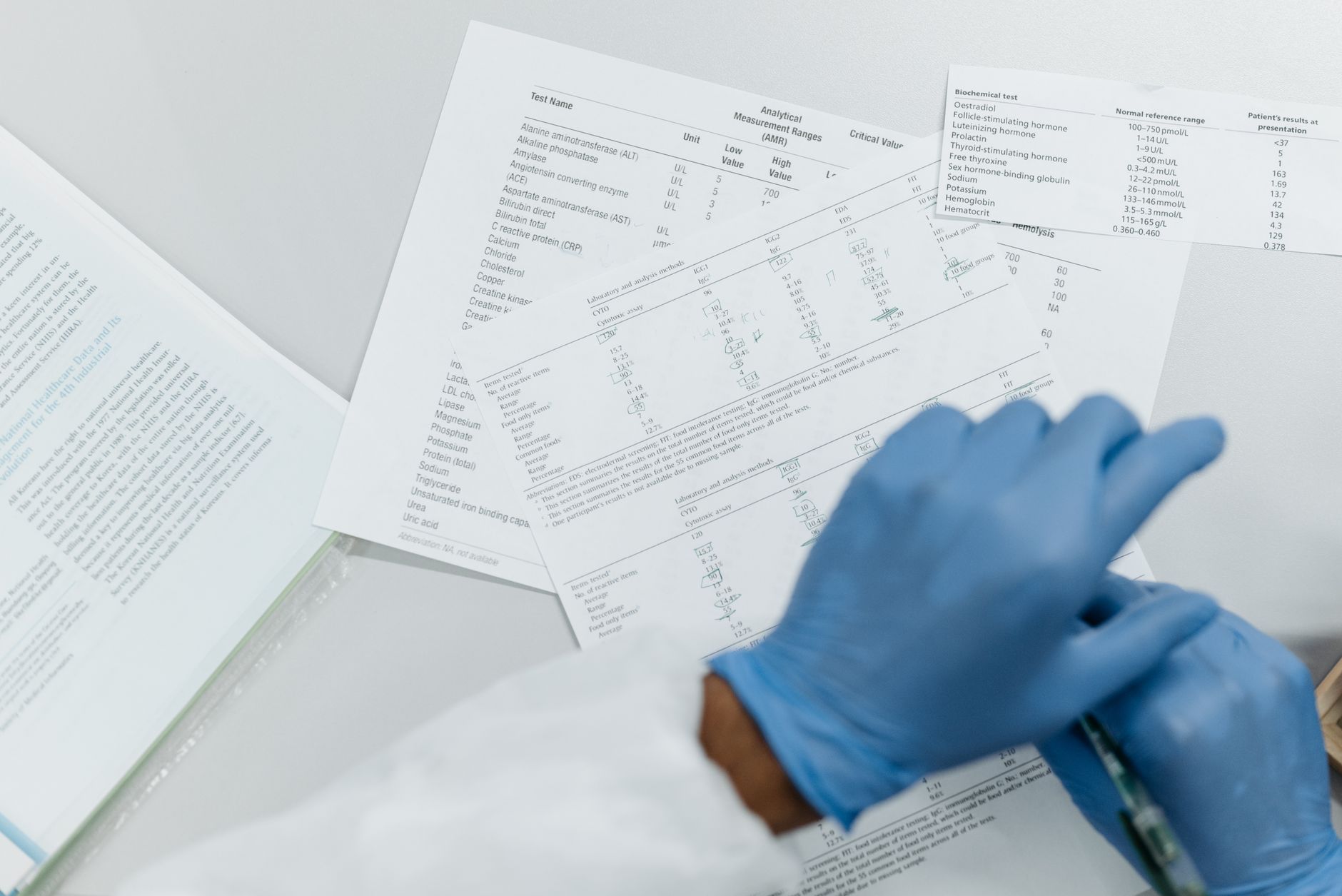 **What medical tests should I get after 3 or more recurrent pregnancy losses?**
When you’ve lost three or more pregnancies, the medical community considers this **recurrent pregnancy loss (RPL)**, and it’s time to dig deeper. While some losses are due to random chromosomal abnormalities (which happen in about 50% of cases), repeated losses often point to underlying issues that can be identified—and sometimes treated.
Here’s a breakdown of the **key tests** your doctor should order, along with what they’re looking for:
| **Test** | **What It Checks For** | **When to Get It** |
|------------------------|----------------------------------------------------------------------------------------|------------------------------------------------------------------------------------|
| **Chromosomal Testing** | Abnormalities in your chromosomes (e.g., balanced translocations) or your partner’s. | After 2–3 losses, especially if losses occur early (before 10 weeks). |
| **Blood Clotting Tests** | Conditions like **antiphospholipid syndrome (APS)** or **factor V Leiden**, which can cause blood clots in the uterus. | After 2–3 losses, especially if losses happen in the second trimester. |
| **Hormone Testing** | Thyroid disorders (hypothyroidism), prolactin levels, or adrenal insufficiency. | If you have symptoms like fatigue, hair loss, or irregular cycles. |
| **Uterine Evaluation** | Structural issues like **fibroids**, **polyps**, or a **septate uterus** (divided uterus). | If you’ve had late losses or recurrent early losses with no clear cause. |
| **Infectious Disease Screening** | Conditions like **lupus**, **diabetes**, or **infections** (e.g., toxoplasmosis, Listeria). | Routinely, especially if you have a history of infections or autoimmune disease. |
| **Partner Testing** | Sperm DNA fragmentation, chromosomal abnormalities, or infections (e.g., STIs). | If other tests come back normal but losses persist. |
| **Endometrial Receptivity Testing** | Checks if your uterine lining is ready to accept a pregnancy. | If you’ve had repeated early losses with no obvious cause. |
**What to expect:** These tests can feel overwhelming, but they’re not just about “finding a fix”—they’re about understanding your body better. Some conditions (like APS) can be treated with medication, while others (like chromosomal abnormalities) may not have a cure but can help explain why losses keep happening.
**Important note:** If you’ve already had testing and your doctor hasn’t mentioned these, it’s worth asking for a **second opinion**—especially if you’ve been told “it’s unexplained.” Many women find answers after switching to a **reproductive endocrinologist (RE)** or a **perinatal loss specialist**.
---
##
**What medical tests should I get after 3 or more recurrent pregnancy losses?**
When you’ve lost three or more pregnancies, the medical community considers this **recurrent pregnancy loss (RPL)**, and it’s time to dig deeper. While some losses are due to random chromosomal abnormalities (which happen in about 50% of cases), repeated losses often point to underlying issues that can be identified—and sometimes treated.
Here’s a breakdown of the **key tests** your doctor should order, along with what they’re looking for:
| **Test** | **What It Checks For** | **When to Get It** |
|------------------------|----------------------------------------------------------------------------------------|------------------------------------------------------------------------------------|
| **Chromosomal Testing** | Abnormalities in your chromosomes (e.g., balanced translocations) or your partner’s. | After 2–3 losses, especially if losses occur early (before 10 weeks). |
| **Blood Clotting Tests** | Conditions like **antiphospholipid syndrome (APS)** or **factor V Leiden**, which can cause blood clots in the uterus. | After 2–3 losses, especially if losses happen in the second trimester. |
| **Hormone Testing** | Thyroid disorders (hypothyroidism), prolactin levels, or adrenal insufficiency. | If you have symptoms like fatigue, hair loss, or irregular cycles. |
| **Uterine Evaluation** | Structural issues like **fibroids**, **polyps**, or a **septate uterus** (divided uterus). | If you’ve had late losses or recurrent early losses with no clear cause. |
| **Infectious Disease Screening** | Conditions like **lupus**, **diabetes**, or **infections** (e.g., toxoplasmosis, Listeria). | Routinely, especially if you have a history of infections or autoimmune disease. |
| **Partner Testing** | Sperm DNA fragmentation, chromosomal abnormalities, or infections (e.g., STIs). | If other tests come back normal but losses persist. |
| **Endometrial Receptivity Testing** | Checks if your uterine lining is ready to accept a pregnancy. | If you’ve had repeated early losses with no obvious cause. |
**What to expect:** These tests can feel overwhelming, but they’re not just about “finding a fix”—they’re about understanding your body better. Some conditions (like APS) can be treated with medication, while others (like chromosomal abnormalities) may not have a cure but can help explain why losses keep happening.
**Important note:** If you’ve already had testing and your doctor hasn’t mentioned these, it’s worth asking for a **second opinion**—especially if you’ve been told “it’s unexplained.” Many women find answers after switching to a **reproductive endocrinologist (RE)** or a **perinatal loss specialist**.
---
##  **Can lifestyle changes like diet or stress management improve chances of a successful pregnancy after recurrent loss?**
This is one of the most common questions we hear: *“If I just change my diet, will I finally get pregnant?”* The short answer? **It’s complicated.** While no lifestyle change *guarantees* a successful pregnancy, research suggests that certain habits *may* support a healthier uterine environment—and that’s worth exploring, especially if you’re feeling overwhelmed by the emotional toll of loss.
### **Diet & Nutrition: What the Evidence Says**
A few studies and expert opinions point to these **potential benefits** of specific diets or nutrients:
- **Anti-inflammatory diets** (Mediterranean, low-glycemic) may reduce the risk of implantation failure by lowering chronic inflammation.
- **Folate and B12** are critical for early pregnancy—many experts recommend **400–800 mcg of folic acid daily** before conception.
- **Omega-3s** (from fatty fish or algae-based supplements) may support endometrial health.
- **Probiotics** could help balance gut microbiota, which some research links to pregnancy outcomes.
**That said:** If you’ve been through multiple losses, **don’t blame yourself** for eating “wrong.” Stress, grief, and hormonal fluctuations can disrupt even the healthiest eating patterns. The goal isn’t perfection—it’s **small, sustainable shifts**.
**What to focus on instead:**
✅ **Reduce processed foods and sugar** (which can spike inflammation).
✅ **Prioritize lean proteins, whole grains, and leafy greens** (think: quinoa, salmon, spinach).
✅ **Stay hydrated** (dehydration can thicken cervical mucus and affect implantation).
✅ **Limit caffeine** (some studies suggest more than 200 mg/day *might* increase miscarriage risk).
**Avoid:** Extreme diets (like keto or vegan) without medical supervision, as they can disrupt hormone balance.
### **Stress Management: Does It Really Matter?**
Yes—but not in the way you might think. While chronic stress *doesn’t* directly cause recurrent loss, it **can** interfere with:
- **Hormone regulation** (cortisol affects progesterone and estrogen).
- **Sleep quality** (poor sleep disrupts ovulation and implantation).
- **Emotional resilience** (which is already stretched thin).
**Evidence-backed strategies:**
- **Mindfulness & meditation:** Studies show that **8-week mindfulness programs** can reduce stress hormones like cortisol.
- **Gentle exercise:** Walking, yoga, or swimming (avoid high-impact sports that could strain the uterus).
- **Therapy:** Cognitive behavioral therapy (CBT) has been shown to help women with **perinatal anxiety**, which can impact fertility.
- **Sleep hygiene:** Aim for **7–9 hours**—poor sleep disrupts progesterone, which is crucial for early pregnancy.
**Representative story:** Emily, who lost three pregnancies, started a **10-minute daily meditation** and noticed her cycles became more regular. *“I didn’t expect it to help with pregnancy, but my doctor said my stress levels were affecting my progesterone. It’s not a cure, but it gave me back some control.”*
---
##
**Can lifestyle changes like diet or stress management improve chances of a successful pregnancy after recurrent loss?**
This is one of the most common questions we hear: *“If I just change my diet, will I finally get pregnant?”* The short answer? **It’s complicated.** While no lifestyle change *guarantees* a successful pregnancy, research suggests that certain habits *may* support a healthier uterine environment—and that’s worth exploring, especially if you’re feeling overwhelmed by the emotional toll of loss.
### **Diet & Nutrition: What the Evidence Says**
A few studies and expert opinions point to these **potential benefits** of specific diets or nutrients:
- **Anti-inflammatory diets** (Mediterranean, low-glycemic) may reduce the risk of implantation failure by lowering chronic inflammation.
- **Folate and B12** are critical for early pregnancy—many experts recommend **400–800 mcg of folic acid daily** before conception.
- **Omega-3s** (from fatty fish or algae-based supplements) may support endometrial health.
- **Probiotics** could help balance gut microbiota, which some research links to pregnancy outcomes.
**That said:** If you’ve been through multiple losses, **don’t blame yourself** for eating “wrong.” Stress, grief, and hormonal fluctuations can disrupt even the healthiest eating patterns. The goal isn’t perfection—it’s **small, sustainable shifts**.
**What to focus on instead:**
✅ **Reduce processed foods and sugar** (which can spike inflammation).
✅ **Prioritize lean proteins, whole grains, and leafy greens** (think: quinoa, salmon, spinach).
✅ **Stay hydrated** (dehydration can thicken cervical mucus and affect implantation).
✅ **Limit caffeine** (some studies suggest more than 200 mg/day *might* increase miscarriage risk).
**Avoid:** Extreme diets (like keto or vegan) without medical supervision, as they can disrupt hormone balance.
### **Stress Management: Does It Really Matter?**
Yes—but not in the way you might think. While chronic stress *doesn’t* directly cause recurrent loss, it **can** interfere with:
- **Hormone regulation** (cortisol affects progesterone and estrogen).
- **Sleep quality** (poor sleep disrupts ovulation and implantation).
- **Emotional resilience** (which is already stretched thin).
**Evidence-backed strategies:**
- **Mindfulness & meditation:** Studies show that **8-week mindfulness programs** can reduce stress hormones like cortisol.
- **Gentle exercise:** Walking, yoga, or swimming (avoid high-impact sports that could strain the uterus).
- **Therapy:** Cognitive behavioral therapy (CBT) has been shown to help women with **perinatal anxiety**, which can impact fertility.
- **Sleep hygiene:** Aim for **7–9 hours**—poor sleep disrupts progesterone, which is crucial for early pregnancy.
**Representative story:** Emily, who lost three pregnancies, started a **10-minute daily meditation** and noticed her cycles became more regular. *“I didn’t expect it to help with pregnancy, but my doctor said my stress levels were affecting my progesterone. It’s not a cure, but it gave me back some control.”*
---
##  **How to explain recurrent pregnancy loss to your partner or family without causing unnecessary stress**
One of the hardest parts of recurrent pregnancy loss isn’t the medical or emotional journey—it’s **how to talk about it** without triggering guilt, blame, or unnecessary stress in your loved ones. Here’s how to navigate those conversations with care:
### **What to Say (and What to Avoid)**
✅ **Do:**
- **Lead with empathy.** Start with, *“I need you to know how much this has hurt me, and I want you to understand that I’m still grieving.”*
- **Set boundaries.** *“I don’t want to talk about it right now, but I’d love it if you just listened if I need to vent.”*
- **Share your needs.** *“I need you to be patient with me—this isn’t a race, and I’m not ‘trying too hard.’”*
- **Use “we” language.** *“We’re both hurting, and we’ll get through this together.”*
❌ **Don’t:**
- **Compare losses.** *“At least your last one was further along.”* (This minimizes your pain.)
- **Pressure them to “fix” it.** *“You should try acupuncture!”* (Unless they’ve asked for suggestions.)
- **Avoid the topic entirely.** Silence can feel like judgment.
### **How to Support Your Partner**
If you’re the partner reading this, here’s how to help:
- **Listen without fixing.** Sometimes, your spouse just needs to be heard.
- **Validate their feelings.** *“This is so unfair. I’m so sorry you’re going through this.”*
- **Take care of yourself too.** Burnout is real—schedule time apart to recharge.
- **Avoid “well-meaning” advice.** Unless they ask, skip the supplement recommendations or fertility myths.
**For family & friends:**
- **Avoid clichés.** *“Everything happens for a reason.”* (This dismisses their grief.)
- **Offer practical help.** *“Can I bring you dinner this week?”* (Instead of *“Let me know if you need anything.”*)
- **Respect their timeline.** If they’re not ready to talk, don’t push.
**Representative story:** Jake, whose wife had three losses, shared: *“The worst thing people said was ‘Just try again.’ The best thing was when my mom just sat with me in silence after my latest loss. No advice, no ‘it’ll happen.’ Just ‘I’m here.’”*
---
##
**What are the latest advancements in recurrent pregnancy loss treatment options in 2024?**
The field of recurrent pregnancy loss treatment is evolving, with new research and therapies offering hope where there was once only uncertainty. Here are some of the **most promising advancements** in 2024:
### **1. Advanced Genetic Testing**
- **Whole-genome sequencing** can now identify **rare chromosomal abnormalities** that standard testing might miss.
- **Preimplantation Genetic Testing for Aneuploidy (PGT-A)** helps identify embryos with healthy chromosome counts before implantation.
### **2. Immunotherapy for Recurrent Loss**
- **Intrauterine immune modulation** (e.g., **L-asparaginase**) is being studied to reduce immune system attacks on the embryo.
- **Hydroxychloroquine** (an antimalarial drug) is showing promise in women with **antiphospholipid syndrome (APS)**.
### **3. Endometrial Receptivity Analysis (ERA)**
- This test checks if your uterine lining is **synchronized** with the embryo’s development window, helping pinpoint the best time for transfer in IVF.
### **4. Lifestyle & Environmental Modifications**
- **Reducing exposure to endocrine disruptors** (found in plastics, pesticides) may improve implantation rates.
- **Personalized nutrition plans** (e.g., **methylation support**) are gaining traction for women with genetic predispositions.
### **5. Emerging Therapies**
- **Stem cell therapy** is being explored for women with **chronic endometritis** (inflammation of the uterus).
- **Low-dose aspirin and heparin** are still standard for APS but are now being combined with **new immune-modulating drugs**.
**What this means for you:**
If you’ve been told *“it’s unexplained,”* don’t give up. **Second opinions with a reproductive endocrinologist (RE)** can uncover new possibilities. Some clinics now offer **comprehensive panels** that test for **over 100 genetic and hormonal factors** in one go.
**Important:** Always discuss new treatments with your doctor—some are experimental and may not be covered by insurance.
---
##
**How to explain recurrent pregnancy loss to your partner or family without causing unnecessary stress**
One of the hardest parts of recurrent pregnancy loss isn’t the medical or emotional journey—it’s **how to talk about it** without triggering guilt, blame, or unnecessary stress in your loved ones. Here’s how to navigate those conversations with care:
### **What to Say (and What to Avoid)**
✅ **Do:**
- **Lead with empathy.** Start with, *“I need you to know how much this has hurt me, and I want you to understand that I’m still grieving.”*
- **Set boundaries.** *“I don’t want to talk about it right now, but I’d love it if you just listened if I need to vent.”*
- **Share your needs.** *“I need you to be patient with me—this isn’t a race, and I’m not ‘trying too hard.’”*
- **Use “we” language.** *“We’re both hurting, and we’ll get through this together.”*
❌ **Don’t:**
- **Compare losses.** *“At least your last one was further along.”* (This minimizes your pain.)
- **Pressure them to “fix” it.** *“You should try acupuncture!”* (Unless they’ve asked for suggestions.)
- **Avoid the topic entirely.** Silence can feel like judgment.
### **How to Support Your Partner**
If you’re the partner reading this, here’s how to help:
- **Listen without fixing.** Sometimes, your spouse just needs to be heard.
- **Validate their feelings.** *“This is so unfair. I’m so sorry you’re going through this.”*
- **Take care of yourself too.** Burnout is real—schedule time apart to recharge.
- **Avoid “well-meaning” advice.** Unless they ask, skip the supplement recommendations or fertility myths.
**For family & friends:**
- **Avoid clichés.** *“Everything happens for a reason.”* (This dismisses their grief.)
- **Offer practical help.** *“Can I bring you dinner this week?”* (Instead of *“Let me know if you need anything.”*)
- **Respect their timeline.** If they’re not ready to talk, don’t push.
**Representative story:** Jake, whose wife had three losses, shared: *“The worst thing people said was ‘Just try again.’ The best thing was when my mom just sat with me in silence after my latest loss. No advice, no ‘it’ll happen.’ Just ‘I’m here.’”*
---
##
**What are the latest advancements in recurrent pregnancy loss treatment options in 2024?**
The field of recurrent pregnancy loss treatment is evolving, with new research and therapies offering hope where there was once only uncertainty. Here are some of the **most promising advancements** in 2024:
### **1. Advanced Genetic Testing**
- **Whole-genome sequencing** can now identify **rare chromosomal abnormalities** that standard testing might miss.
- **Preimplantation Genetic Testing for Aneuploidy (PGT-A)** helps identify embryos with healthy chromosome counts before implantation.
### **2. Immunotherapy for Recurrent Loss**
- **Intrauterine immune modulation** (e.g., **L-asparaginase**) is being studied to reduce immune system attacks on the embryo.
- **Hydroxychloroquine** (an antimalarial drug) is showing promise in women with **antiphospholipid syndrome (APS)**.
### **3. Endometrial Receptivity Analysis (ERA)**
- This test checks if your uterine lining is **synchronized** with the embryo’s development window, helping pinpoint the best time for transfer in IVF.
### **4. Lifestyle & Environmental Modifications**
- **Reducing exposure to endocrine disruptors** (found in plastics, pesticides) may improve implantation rates.
- **Personalized nutrition plans** (e.g., **methylation support**) are gaining traction for women with genetic predispositions.
### **5. Emerging Therapies**
- **Stem cell therapy** is being explored for women with **chronic endometritis** (inflammation of the uterus).
- **Low-dose aspirin and heparin** are still standard for APS but are now being combined with **new immune-modulating drugs**.
**What this means for you:**
If you’ve been told *“it’s unexplained,”* don’t give up. **Second opinions with a reproductive endocrinologist (RE)** can uncover new possibilities. Some clinics now offer **comprehensive panels** that test for **over 100 genetic and hormonal factors** in one go.
**Important:** Always discuss new treatments with your doctor—some are experimental and may not be covered by insurance.
---
##  **How can I distinguish between normal grief and signs of depression or anxiety after recurrent pregnancy loss?**
Grief after recurrent loss is **not the same as depression**—but they can overlap in ways that make it hard to tell the difference. Here’s how to recognize when grief is healthy (and when it might need professional help):
### **Normal Grief vs. Clinical Depression**
| **Sign** | **Normal Grief** | **Clinical Depression** |
|------------------------|---------------------------------------------------------------------------------|----------------------------------------------------------------------------------------|
| **Duration** | Fluctuates; comes in waves. | Persists for **2+ weeks**, affecting daily life. |
| **Impact on Function** | May feel overwhelmed but can still function (work, hobbies, basic self-care). | Struggles to get out of bed, lose interest in activities, neglect responsibilities. |
| **Physical Symptoms** | Fatigue, sleep disturbances (but can still rest when needed). | Chronic exhaustion, insomnia *or* sleeping too much, weight changes, aches/pains. |
| **Thoughts** | *“This hurts so much.”* | *“I’ll never be a mom.”* or *“What’s the point?”* (suicidal thoughts are a red flag). |
| **Emotional Response** | Sadness, anger, bargaining—all part of the process. | Numbness, hopelessness, or feeling “empty” most of the time. |
### **When to Seek Help**
If you’re experiencing:
- **Persistent suicidal thoughts** (even if you don’t act on them).
- **Inability to care for yourself** (skipping meals, neglecting hygiene).
- **Extreme anxiety** (panic attacks, constant dread).
- **Withdrawal from loved ones** (isolating completely).
**Therapies that help:**
- **Cognitive Behavioral Therapy (CBT)** for perinatal grief.
- **Grief counseling** specialized in pregnancy loss.
- **Support groups** (where you can hear others’ stories and realize you’re not alone).
**What to say to your doctor:**
*“I’ve been feeling hopeless and numb for months. I used to enjoy [hobby/activity], but now I don’t care about anything. Can I talk to a therapist?”*
---
##
**How can I distinguish between normal grief and signs of depression or anxiety after recurrent pregnancy loss?**
Grief after recurrent loss is **not the same as depression**—but they can overlap in ways that make it hard to tell the difference. Here’s how to recognize when grief is healthy (and when it might need professional help):
### **Normal Grief vs. Clinical Depression**
| **Sign** | **Normal Grief** | **Clinical Depression** |
|------------------------|---------------------------------------------------------------------------------|----------------------------------------------------------------------------------------|
| **Duration** | Fluctuates; comes in waves. | Persists for **2+ weeks**, affecting daily life. |
| **Impact on Function** | May feel overwhelmed but can still function (work, hobbies, basic self-care). | Struggles to get out of bed, lose interest in activities, neglect responsibilities. |
| **Physical Symptoms** | Fatigue, sleep disturbances (but can still rest when needed). | Chronic exhaustion, insomnia *or* sleeping too much, weight changes, aches/pains. |
| **Thoughts** | *“This hurts so much.”* | *“I’ll never be a mom.”* or *“What’s the point?”* (suicidal thoughts are a red flag). |
| **Emotional Response** | Sadness, anger, bargaining—all part of the process. | Numbness, hopelessness, or feeling “empty” most of the time. |
### **When to Seek Help**
If you’re experiencing:
- **Persistent suicidal thoughts** (even if you don’t act on them).
- **Inability to care for yourself** (skipping meals, neglecting hygiene).
- **Extreme anxiety** (panic attacks, constant dread).
- **Withdrawal from loved ones** (isolating completely).
**Therapies that help:**
- **Cognitive Behavioral Therapy (CBT)** for perinatal grief.
- **Grief counseling** specialized in pregnancy loss.
- **Support groups** (where you can hear others’ stories and realize you’re not alone).
**What to say to your doctor:**
*“I’ve been feeling hopeless and numb for months. I used to enjoy [hobby/activity], but now I don’t care about anything. Can I talk to a therapist?”*
---
##  **What are the common misconceptions about recurrent pregnancy loss that I should avoid believing?**
Recurrent pregnancy loss is shrouded in myths—some well-meaning, others harmful. Here are the biggest ones to **let go of**:
### **❌ Myth: “It’s just bad luck.”**
✅ **Fact:** While **50% of early losses** are due to random chromosomal abnormalities, **recurrent losses (3+)** often have an underlying cause—whether genetic, hormonal, or immune-related. Dismissing it as “bad luck” can delay finding answers.
### **❌ Myth: “If I just try harder, I’ll get pregnant.”**
✅ **Fact:** **You are not failing.** Your body isn’t “trying too hard”—it’s dealing with a complex puzzle. Pushing yourself without addressing root causes can increase stress and emotional strain.
### **❌ Myth: “Other women have it harder.”**
✅ **Fact:** Every loss is unique, and **your pain is valid**. Comparing your journey to someone else’s doesn’t help—it can make you feel like your grief isn’t “severe enough.”
### **❌ Myth: “I should be grateful for the losses.”**
✅ **Fact:** Grief isn’t about gratitude—it’s about **processing loss**. You can mourn what you’ve lost *and* still hope for the future.
### **❌ Myth: “I’ll never get pregnant.”**
✅ **Fact:** While recurrent loss is heartbreaking, **many women go on to have healthy pregnancies** after finding the right treatment. Hope is real, even if it feels far away right now.
### **❌ Myth: “I can’t tell people because they’ll pity me.”**
✅ **Fact:** Most people **want to support you**—they just don’t know how. Sharing your story can help others feel less alone.
**Representative story:** Lisa, who lost four pregnancies, said: *“I used to think my losses were ‘not bad enough’ because I wasn’t infertile. But when I finally talked to a therapist, I realized my grief was just as valid as anyone else’s.”*
---
##
**What are the common misconceptions about recurrent pregnancy loss that I should avoid believing?**
Recurrent pregnancy loss is shrouded in myths—some well-meaning, others harmful. Here are the biggest ones to **let go of**:
### **❌ Myth: “It’s just bad luck.”**
✅ **Fact:** While **50% of early losses** are due to random chromosomal abnormalities, **recurrent losses (3+)** often have an underlying cause—whether genetic, hormonal, or immune-related. Dismissing it as “bad luck” can delay finding answers.
### **❌ Myth: “If I just try harder, I’ll get pregnant.”**
✅ **Fact:** **You are not failing.** Your body isn’t “trying too hard”—it’s dealing with a complex puzzle. Pushing yourself without addressing root causes can increase stress and emotional strain.
### **❌ Myth: “Other women have it harder.”**
✅ **Fact:** Every loss is unique, and **your pain is valid**. Comparing your journey to someone else’s doesn’t help—it can make you feel like your grief isn’t “severe enough.”
### **❌ Myth: “I should be grateful for the losses.”**
✅ **Fact:** Grief isn’t about gratitude—it’s about **processing loss**. You can mourn what you’ve lost *and* still hope for the future.
### **❌ Myth: “I’ll never get pregnant.”**
✅ **Fact:** While recurrent loss is heartbreaking, **many women go on to have healthy pregnancies** after finding the right treatment. Hope is real, even if it feels far away right now.
### **❌ Myth: “I can’t tell people because they’ll pity me.”**
✅ **Fact:** Most people **want to support you**—they just don’t know how. Sharing your story can help others feel less alone.
**Representative story:** Lisa, who lost four pregnancies, said: *“I used to think my losses were ‘not bad enough’ because I wasn’t infertile. But when I finally talked to a therapist, I realized my grief was just as valid as anyone else’s.”*
---
##  **How do I decide when to stop trying to conceive naturally after multiple recurrent losses?**
This is one of the hardest decisions you’ll face—and there’s no “right” answer. But here are some **key questions to consider** as you navigate this journey:
### **1. Have you exhausted medical testing?**
If you’ve had **comprehensive testing** (chromosomal, hormonal, uterine, clotting) and still haven’t found a cause, it may be time to discuss **advanced options** like IVF with **PGT-A** (preimplantation genetic testing).
### **2. Are you emotionally and physically ready?**
- **Emotionally:** Are you in a place where another loss would feel unbearable?
- **Physically:** Have you addressed any underlying health conditions (e.g., thyroid, diabetes) that could impact pregnancy?
### **3. What are your family-building goals?**
- Do you want to try **one more cycle naturally** before moving to IVF?
- Are you open to **adoption, surrogacy, or other family-building paths**?
### **4. Have you talked to your partner?**
This is a **shared decision**. Some couples feel relieved to move to IVF; others choose to step back and focus on their relationship.
### **5. What does your body say?**
If you’re experiencing **chronic fatigue, anxiety, or depression** from repeated losses, your well-being matters too. Sometimes, the kindest thing you can do is **pause**.
**What to do next:**
- **Schedule a consult with a reproductive endocrinologist (RE)** who specializes in recurrent loss.
- **Talk to a therapist** about your feelings around stopping.
- **Consider a fertility preservation plan** (e.g., egg freezing) if you’re not ready to move to IVF immediately.
**Representative story:** Mark and Sarah decided to stop trying naturally after three losses. *“We realized we were both emotionally drained, and another loss would’ve broken us. Instead, we started adoption paperwork—and it turned out to be the most healing path for us.”*
---
##
**How do I decide when to stop trying to conceive naturally after multiple recurrent losses?**
This is one of the hardest decisions you’ll face—and there’s no “right” answer. But here are some **key questions to consider** as you navigate this journey:
### **1. Have you exhausted medical testing?**
If you’ve had **comprehensive testing** (chromosomal, hormonal, uterine, clotting) and still haven’t found a cause, it may be time to discuss **advanced options** like IVF with **PGT-A** (preimplantation genetic testing).
### **2. Are you emotionally and physically ready?**
- **Emotionally:** Are you in a place where another loss would feel unbearable?
- **Physically:** Have you addressed any underlying health conditions (e.g., thyroid, diabetes) that could impact pregnancy?
### **3. What are your family-building goals?**
- Do you want to try **one more cycle naturally** before moving to IVF?
- Are you open to **adoption, surrogacy, or other family-building paths**?
### **4. Have you talked to your partner?**
This is a **shared decision**. Some couples feel relieved to move to IVF; others choose to step back and focus on their relationship.
### **5. What does your body say?**
If you’re experiencing **chronic fatigue, anxiety, or depression** from repeated losses, your well-being matters too. Sometimes, the kindest thing you can do is **pause**.
**What to do next:**
- **Schedule a consult with a reproductive endocrinologist (RE)** who specializes in recurrent loss.
- **Talk to a therapist** about your feelings around stopping.
- **Consider a fertility preservation plan** (e.g., egg freezing) if you’re not ready to move to IVF immediately.
**Representative story:** Mark and Sarah decided to stop trying naturally after three losses. *“We realized we were both emotionally drained, and another loss would’ve broken us. Instead, we started adoption paperwork—and it turned out to be the most healing path for us.”*
---
##  **Best ways to support a friend who is dealing with recurrent pregnancy loss**
If you’re reading this because a friend or loved one is going through this, **you don’t have to say the “right” thing**—you just have to show up. Here’s how to help:
### **What to Do:**
✔ **Listen without fixing.** *“I’m so sorry. I don’t know what to say, but I’m here.”*
✔ **Offer practical help.** *“Can I bring you dinner this week?”* (Instead of *“Let me know if you need anything.”*)
✔ **Avoid clichés.** Skip *“It happens for a reason”* or *“You’ll have a healthy one next time.”*
✔ **Respect their timeline.** If they’re not ready to talk, that’s okay. Just be present.
✔ **Share resources.** *“I found this support group—would you like me to send you the link?”*
### **What to Avoid:**
❌ **Comparisons.** *“At least your last one was further along.”*
❌ **Pressure to “move on.”** *“You’ll get pregnant when you’re ready.”*
❌ **Ignoring the loss.** *“Let’s not talk about it.”* (This can feel dismissive.)
### **What to Say Instead:**
- *“I’m so sorry you’re going through this. I wish I could take it away.”*
- *“You don’t have to go through this alone.”*
- *“I’m here for you, no matter what.”*
- *“Would it help if I just sat with you in silence?”*
**Representative story:** When her friend lost her third pregnancy, Megan’s husband brought over a **care package** with:
- A **grief journal** (to help process emotions).
- A **list of local support groups**.
- **Comfort food** (her favorite takeout).
*“He didn’t say a word,” Megan said. *“But that’s what mattered most.”*
---
##
**Best ways to support a friend who is dealing with recurrent pregnancy loss**
If you’re reading this because a friend or loved one is going through this, **you don’t have to say the “right” thing**—you just have to show up. Here’s how to help:
### **What to Do:**
✔ **Listen without fixing.** *“I’m so sorry. I don’t know what to say, but I’m here.”*
✔ **Offer practical help.** *“Can I bring you dinner this week?”* (Instead of *“Let me know if you need anything.”*)
✔ **Avoid clichés.** Skip *“It happens for a reason”* or *“You’ll have a healthy one next time.”*
✔ **Respect their timeline.** If they’re not ready to talk, that’s okay. Just be present.
✔ **Share resources.** *“I found this support group—would you like me to send you the link?”*
### **What to Avoid:**
❌ **Comparisons.** *“At least your last one was further along.”*
❌ **Pressure to “move on.”** *“You’ll get pregnant when you’re ready.”*
❌ **Ignoring the loss.** *“Let’s not talk about it.”* (This can feel dismissive.)
### **What to Say Instead:**
- *“I’m so sorry you’re going through this. I wish I could take it away.”*
- *“You don’t have to go through this alone.”*
- *“I’m here for you, no matter what.”*
- *“Would it help if I just sat with you in silence?”*
**Representative story:** When her friend lost her third pregnancy, Megan’s husband brought over a **care package** with:
- A **grief journal** (to help process emotions).
- A **list of local support groups**.
- **Comfort food** (her favorite takeout).
*“He didn’t say a word,” Megan said. *“But that’s what mattered most.”*
---
##  **How long does it typically take to emotionally recover from recurrent pregnancy loss?**
There’s no “right” timeline for grief, especially after recurrent loss. Some women feel like they’re “moving on” in months; others carry the weight for years. **What matters is whether you’re healing—not whether you’re “there” yet.**
### **Factors That Affect Recovery Time**
- **Number of losses:** More losses often mean deeper grief.
- **Support system:** Having a partner, therapist, or support group speeds up healing.
- **Medical clarity:** Knowing *why* losses happen can provide a sense of control.
- **Personal resilience:** Some women bounce back faster; others need more time.
### **Signs You’re Healing (Even If It Feels Slow)**
✅ You can **talk about your losses** without breaking down.
✅ You’re **starting to engage in life** again (hobbies, socializing).
✅ You’re **allowing yourself to hope**—without fear of another loss.
✅ You’re **seeking answers** (therapy, medical testing) instead of avoiding them.
### **When to Seek Extra Help**
If months have passed and you’re still:
- **Avoiding pregnancy** out of fear.
- **Feeling numb** most of the time.
- **Having suicidal thoughts.**
**Therapy can help you process the grief in a healthier way.** Many women find that **perinatal grief counseling** or **trauma-informed therapy** helps them navigate the emotional fallout.
**Representative story:** After five losses, Priya finally felt like she was “healing” when she started **art therapy**. *“I didn’t have to talk about it—I just had to create,” she said. *“That’s how I made sense of it.”*
---
##
**How long does it typically take to emotionally recover from recurrent pregnancy loss?**
There’s no “right” timeline for grief, especially after recurrent loss. Some women feel like they’re “moving on” in months; others carry the weight for years. **What matters is whether you’re healing—not whether you’re “there” yet.**
### **Factors That Affect Recovery Time**
- **Number of losses:** More losses often mean deeper grief.
- **Support system:** Having a partner, therapist, or support group speeds up healing.
- **Medical clarity:** Knowing *why* losses happen can provide a sense of control.
- **Personal resilience:** Some women bounce back faster; others need more time.
### **Signs You’re Healing (Even If It Feels Slow)**
✅ You can **talk about your losses** without breaking down.
✅ You’re **starting to engage in life** again (hobbies, socializing).
✅ You’re **allowing yourself to hope**—without fear of another loss.
✅ You’re **seeking answers** (therapy, medical testing) instead of avoiding them.
### **When to Seek Extra Help**
If months have passed and you’re still:
- **Avoiding pregnancy** out of fear.
- **Feeling numb** most of the time.
- **Having suicidal thoughts.**
**Therapy can help you process the grief in a healthier way.** Many women find that **perinatal grief counseling** or **trauma-informed therapy** helps them navigate the emotional fallout.
**Representative story:** After five losses, Priya finally felt like she was “healing” when she started **art therapy**. *“I didn’t have to talk about it—I just had to create,” she said. *“That’s how I made sense of it.”*
---
##  **What are the signs that my recurrent pregnancy loss might be linked to an underlying medical condition?**
Not all recurrent pregnancy losses have a clear cause—but some **do**, and identifying them can lead to treatment. Here are **red flags** that suggest an underlying medical issue:
### **Early Pregnancy Loss (Before 10 Weeks) Red Flags**
- **Recurrent early losses** (3+).
- **History of chromosomal abnormalities** in previous losses.
- **Unexplained infertility** before the losses.
- **Heavy or prolonged bleeding** in early pregnancy.
### **Mid-to-Late Pregnancy Loss (10+ Weeks) Red Flags**
- **Recurrent second-trimester losses** (often linked to **uterine abnormalities** or **clotting disorders**).
- **Severe preeclampsia or placental issues** in past pregnancies.
- **Unexplained stillbirths** (even if rare).
### **Hormonal & Immunological Red Flags**
- **Thyroid disorders** (hypothyroidism, hyperthyroidism).
- **Diabetes or insulin resistance.**
- **Autoimmune conditions** (lupus, APS).
- **Extreme fatigue, hair loss, or irregular cycles** (signs of hormonal imbalances).
### **Lifestyle & Environmental Red Flags**
- **Chronic stress or anxiety** (linked to cortisol affecting progesterone).
- **Exposure to toxins** (pesticides, plastics, heavy metals).
- **Extreme dieting or malnutrition.**
**What to do next:**
If you’re experiencing any of these, **ask your doctor about:**
- **Comprehensive genetic testing** (for you and your partner).
- **Blood clotting tests** (like lupus anticoagulant).
- **Uterine imaging** (to check for structural issues).
- **Hormone panel testing** (thyroid, prolactin, adrenal function).
**Remember:** Even if no cause is found, **supportive care and lifestyle adjustments** can still improve your chances in future attempts.
---
##
**How can I track my menstrual cycle and ovulation to improve chances of a successful pregnancy after loss?**
Tracking your cycle can feel **invasive** after loss—but for some women, it becomes a way to **reclaim agency** over their bodies. If you’re considering another attempt, here’s how to do it **without adding stress**:
### **Step 1: Choose Your Tracking Method**
| **Method** | **Pros** | **Cons** |
|--------------------------|--------------------------------------------------------------------------|--------------------------------------------------------------------------|
| **Fertility Apps** (Clue, Flo, Kindara) | Tracks cycle length, predicts ovulation, logs symptoms. | Requires daily input; may feel overwhelming. |
| **Basal Body Temperature (BBT) Charting** | Tracks hormonal shifts (rises after ovulation). | Needs strict consistency; not as precise for early pregnancy. |
| **Ovulation Predictor Kits (OPKs)** | Detects LH surge (24–36 hours before ovulation). | Can be expensive; false positives possible. |
| **Saliva Fertility Monitors** | Tracks estrogen/progesterone shifts via saliva patterns. | Less common; some find patterns confusing. |
| **Hormone Testing (Blood/Saliva)** | Provides precise levels of estrogen, progesterone, FSH, AMH. | Expensive; requires medical interpretation. |
### **Step 2: What to Look For**
- **Cycle regularity:** If your cycles are **consistently 28–32 days**, you’re likely ovulating.
- **Symptoms of ovulation:** Cervical mucus becomes **clear, stretchy, and slippery** (like egg whites).
- **Basal body temp shift:** A **0.4–0.8°F rise** after ovulation confirms it happened.
### **Step 3: When to Seek Help**
If you notice:
- **Irregular cycles** (no pattern).
- **No cervical mucus changes.**
- **No temp shift** (possible anovulation).
- **Short luteal phase** (less than 10 days post-ovulation).
**What to do:**
- **Track for 3–6 months** to identify patterns.
- **Consult a fertility specialist** if cycles remain irregular.
- **Consider hormonal testing** (AMH, FSH, progesterone) if you’re over 35.
**Representative story:** After tracking her cycle, Amanda realized she was **anovulatory**—her body wasn’t ovulating. *“I thought I was ‘trying hard,’ but my doctor said my hormones were out of whack. Once we adjusted them, I got pregnant within 3 months.”*
---
##
**What are the signs that my recurrent pregnancy loss might be linked to an underlying medical condition?**
Not all recurrent pregnancy losses have a clear cause—but some **do**, and identifying them can lead to treatment. Here are **red flags** that suggest an underlying medical issue:
### **Early Pregnancy Loss (Before 10 Weeks) Red Flags**
- **Recurrent early losses** (3+).
- **History of chromosomal abnormalities** in previous losses.
- **Unexplained infertility** before the losses.
- **Heavy or prolonged bleeding** in early pregnancy.
### **Mid-to-Late Pregnancy Loss (10+ Weeks) Red Flags**
- **Recurrent second-trimester losses** (often linked to **uterine abnormalities** or **clotting disorders**).
- **Severe preeclampsia or placental issues** in past pregnancies.
- **Unexplained stillbirths** (even if rare).
### **Hormonal & Immunological Red Flags**
- **Thyroid disorders** (hypothyroidism, hyperthyroidism).
- **Diabetes or insulin resistance.**
- **Autoimmune conditions** (lupus, APS).
- **Extreme fatigue, hair loss, or irregular cycles** (signs of hormonal imbalances).
### **Lifestyle & Environmental Red Flags**
- **Chronic stress or anxiety** (linked to cortisol affecting progesterone).
- **Exposure to toxins** (pesticides, plastics, heavy metals).
- **Extreme dieting or malnutrition.**
**What to do next:**
If you’re experiencing any of these, **ask your doctor about:**
- **Comprehensive genetic testing** (for you and your partner).
- **Blood clotting tests** (like lupus anticoagulant).
- **Uterine imaging** (to check for structural issues).
- **Hormone panel testing** (thyroid, prolactin, adrenal function).
**Remember:** Even if no cause is found, **supportive care and lifestyle adjustments** can still improve your chances in future attempts.
---
##
**How can I track my menstrual cycle and ovulation to improve chances of a successful pregnancy after loss?**
Tracking your cycle can feel **invasive** after loss—but for some women, it becomes a way to **reclaim agency** over their bodies. If you’re considering another attempt, here’s how to do it **without adding stress**:
### **Step 1: Choose Your Tracking Method**
| **Method** | **Pros** | **Cons** |
|--------------------------|--------------------------------------------------------------------------|--------------------------------------------------------------------------|
| **Fertility Apps** (Clue, Flo, Kindara) | Tracks cycle length, predicts ovulation, logs symptoms. | Requires daily input; may feel overwhelming. |
| **Basal Body Temperature (BBT) Charting** | Tracks hormonal shifts (rises after ovulation). | Needs strict consistency; not as precise for early pregnancy. |
| **Ovulation Predictor Kits (OPKs)** | Detects LH surge (24–36 hours before ovulation). | Can be expensive; false positives possible. |
| **Saliva Fertility Monitors** | Tracks estrogen/progesterone shifts via saliva patterns. | Less common; some find patterns confusing. |
| **Hormone Testing (Blood/Saliva)** | Provides precise levels of estrogen, progesterone, FSH, AMH. | Expensive; requires medical interpretation. |
### **Step 2: What to Look For**
- **Cycle regularity:** If your cycles are **consistently 28–32 days**, you’re likely ovulating.
- **Symptoms of ovulation:** Cervical mucus becomes **clear, stretchy, and slippery** (like egg whites).
- **Basal body temp shift:** A **0.4–0.8°F rise** after ovulation confirms it happened.
### **Step 3: When to Seek Help**
If you notice:
- **Irregular cycles** (no pattern).
- **No cervical mucus changes.**
- **No temp shift** (possible anovulation).
- **Short luteal phase** (less than 10 days post-ovulation).
**What to do:**
- **Track for 3–6 months** to identify patterns.
- **Consult a fertility specialist** if cycles remain irregular.
- **Consider hormonal testing** (AMH, FSH, progesterone) if you’re over 35.
**Representative story:** After tracking her cycle, Amanda realized she was **anovulatory**—her body wasn’t ovulating. *“I thought I was ‘trying hard,’ but my doctor said my hormones were out of whack. Once we adjusted them, I got pregnant within 3 months.”*
---
##  **Are there any natural remedies or supplements that may help with recurrent pregnancy loss?**
While **no supplement guarantees** a successful pregnancy, some may support **uterine health, hormone balance, and inflammation reduction**. Here’s what the research says—and what to approach with caution:
### **Supplements with Some Evidence**
| **Supplement** | **Potential Benefit** | **Dosage** | **Best Time to Take** | **Food Sources** | **Known Interactions** |
|-------------------------|--------------------------------------------------------------------------------------|-------------------------------------|-------------------------------------|-------------------------------------------|--------------------------------------------|
| **Folate (400–800 mcg)** | Supports early neural tube development. | 400 mcg daily (pre-conception). | Morning with breakfast. | Leafy greens, lentils, fortified cereals. | Some antidepressants (SSRIs). |
| **Omega-3s (DHA/EPA)** | May reduce inflammation in the uterine lining. | 1000–2000 mg/day. | With meals. | Fatty fish (salmon, sardines), flaxseeds. | Blood thinners (warfarin). |
| **Vitamin D (1000–2000 IU)** | Linked to better implantation rates in some studies. | 1000–2000 IU daily. | Morning or with lunch. | Sunlight, fatty fish, fortified milk. | Some medications (e.g., steroids). |
| **Coenzyme Q10 (CoQ10)** | May improve egg quality and mitochondrial function. | 100–200 mg/day. | Evening
**Are there any natural remedies or supplements that may help with recurrent pregnancy loss?**
While **no supplement guarantees** a successful pregnancy, some may support **uterine health, hormone balance, and inflammation reduction**. Here’s what the research says—and what to approach with caution:
### **Supplements with Some Evidence**
| **Supplement** | **Potential Benefit** | **Dosage** | **Best Time to Take** | **Food Sources** | **Known Interactions** |
|-------------------------|--------------------------------------------------------------------------------------|-------------------------------------|-------------------------------------|-------------------------------------------|--------------------------------------------|
| **Folate (400–800 mcg)** | Supports early neural tube development. | 400 mcg daily (pre-conception). | Morning with breakfast. | Leafy greens, lentils, fortified cereals. | Some antidepressants (SSRIs). |
| **Omega-3s (DHA/EPA)** | May reduce inflammation in the uterine lining. | 1000–2000 mg/day. | With meals. | Fatty fish (salmon, sardines), flaxseeds. | Blood thinners (warfarin). |
| **Vitamin D (1000–2000 IU)** | Linked to better implantation rates in some studies. | 1000–2000 IU daily. | Morning or with lunch. | Sunlight, fatty fish, fortified milk. | Some medications (e.g., steroids). |
| **Coenzyme Q10 (CoQ10)** | May improve egg quality and mitochondrial function. | 100–200 mg/day. | Evening
