Quick take:
Preparing your toddler for a second baby isn't about making them "ready" — it's about helping them feel seen, included, and excited. Start with simple, honest explanations tailored to their age (even at 18 months, they notice big changes), involve them in small ways (helping pick a baby name or "reading" to the bump), and normalize their emotions. Expect jealousy, but also joy — and be patient. The goal isn't perfection, but connection. Your own emotional prep matters just as much as your toddler's.
How to explain a new baby to your toddler: a mom’s honest first step
It was 7:30 a.m. when I realized my 2-year-old had noticed. I’d just announced the pregnancy to my partner, and our daughter, Lila, had been playing quietly in her room—until she burst into the kitchen, grabbed my hands, and said, “Mommy, you’re fat.” I laughed, but then she got serious: “Is the baby coming out of your tummy?”
That’s the moment I knew: toddlers don’t need a full biology lesson, but they do need honesty, simplicity, and repetition. You’re not just preparing them for a new sibling—you’re helping them process a world that’s about to feel very different. Here’s how to start.
Research from the American Psychological Association confirms what moms have known for decades: toddlers (ages 1–3) understand more than we give them credit for, but their emotional regulation is still developing. They don’t need a detailed timeline, but they do need to know three things:
- Something is happening (the pregnancy, the baby growing).
- They’re part of it (even if just by being a big kid now).
- Their feelings matter (jealousy, excitement, confusion—all are okay).
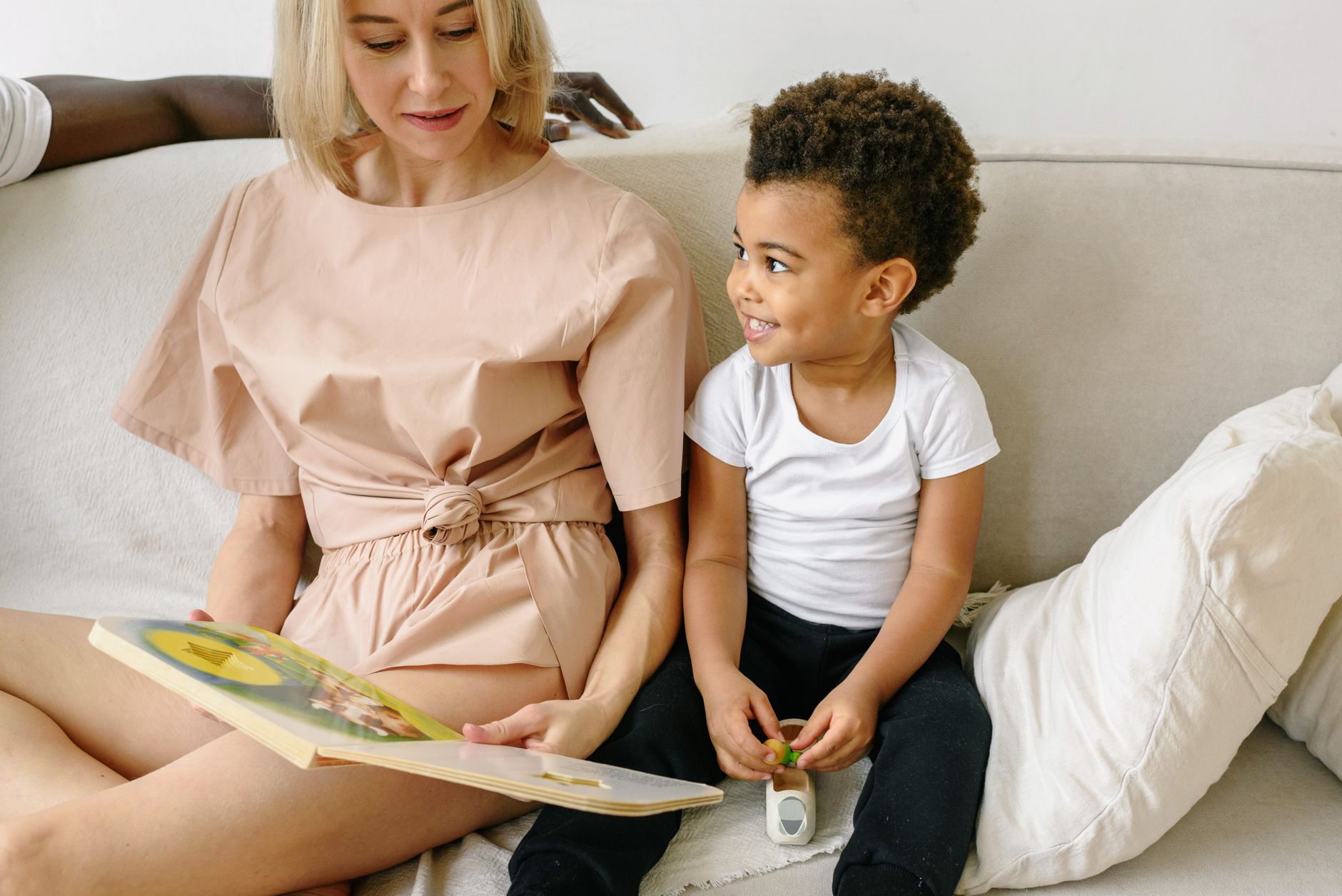
Start with what they’ve already observed. If they’ve asked about your belly, say: “Yes, this is a baby growing inside me! It’s like a little plant.” Use books like Baby’s Coming! by Karen Katz to reinforce the idea visually. For younger toddlers (18–24 months), keep it to one sentence: “Mommy is having a baby brother/sister!” Pair it with a hug and a smile.
Key tip: Toddlers learn through repetition and routine. If you mention the baby once, they’ll forget by bedtime. Make it a daily habit—even just pointing to your belly and saying, “The baby is growing!” during diaper changes or mealtimes.
 >
>
What age is best to introduce a toddler to a new baby: developmental milestones matter
“
But she’s only 18 months old!” you might think. The truth? Toddlers notice changes before they understand them. A study in the Journal of Developmental and Behavioral Pediatrics found that even infants as young as 12 months can detect shifts in parental attention. By 24 months, they’re asking questions—and by 36 months, they’re capable of complex emotions like jealousy or pride.
Here’s the breakdown by age:
Pro tip: If your toddler is under 2, avoid over-explaining. They won’t retain details, but they’ll pick up on your tone. Stay calm, positive, and patient—even if they ask the same question 20 times.
Tips for keeping toddler calm during pregnancy: routines and reassurance
Pregnancy is a whirlwind of appointments, nausea, and belly growth—all while your toddler’s world is already chaotic. The key to keeping them calm? Stick to routines and offer reassurance. A survey by HealthyChildren.org found that toddlers thrive on predictability, and pregnancy disrupts that predictability even before the baby arrives.
Here’s how to mitigate the stress:
- Maintain rituals. If bedtime stories always happen at 7 p.m., keep that. If you read Goodnight Moon every night, do it—even if the baby’s due in two months. Consistency is their anchor.
- Normalize the changes. If your toddler notices your belly growing, say, “Yes, the baby is getting bigger! That’s why Mommy’s tummy is round now.” If they ask about doctor visits, say, “The doctor helps the baby grow strong.”
- Involve them in “special” tasks. Let them “help” with ultrasound photos (print them out and let them color on them). Give them a “big kid” role, like being the one to bring you water during appointments.
- Watch for signs of anxiety. Toddlers may show stress through regression (thumb-sucking, bedtime fears) or clinginess. If they’re suddenly clingy or withdrawn, it’s not “just a phase”—it’s their way of saying, “I’m worried.”
One mom we spoke with, Sarah (whose toddler is now 3), shared: “I thought my daughter wouldn’t notice, but she started asking about the baby before I even told her. I just said, ‘Yes, I’m having a baby! You’re going to be a big sister!’ She hugged me and said, ‘I love you!’ That was my cue to keep it simple.”
 >
>
How to involve toddler in baby preparations: small ways to feel included
Toddlers don’t need to help with diaper changes (yet), but they do need to feel like they’re part of the excitement. The goal? Give them agency—even if it’s just choosing a color for the baby’s room. Research from the Journal of Family Psychology shows that children who feel included in sibling preparations are less likely to experience jealousy later.
Here’s how to include them meaningfully:
- Let them “help” with baby tasks:
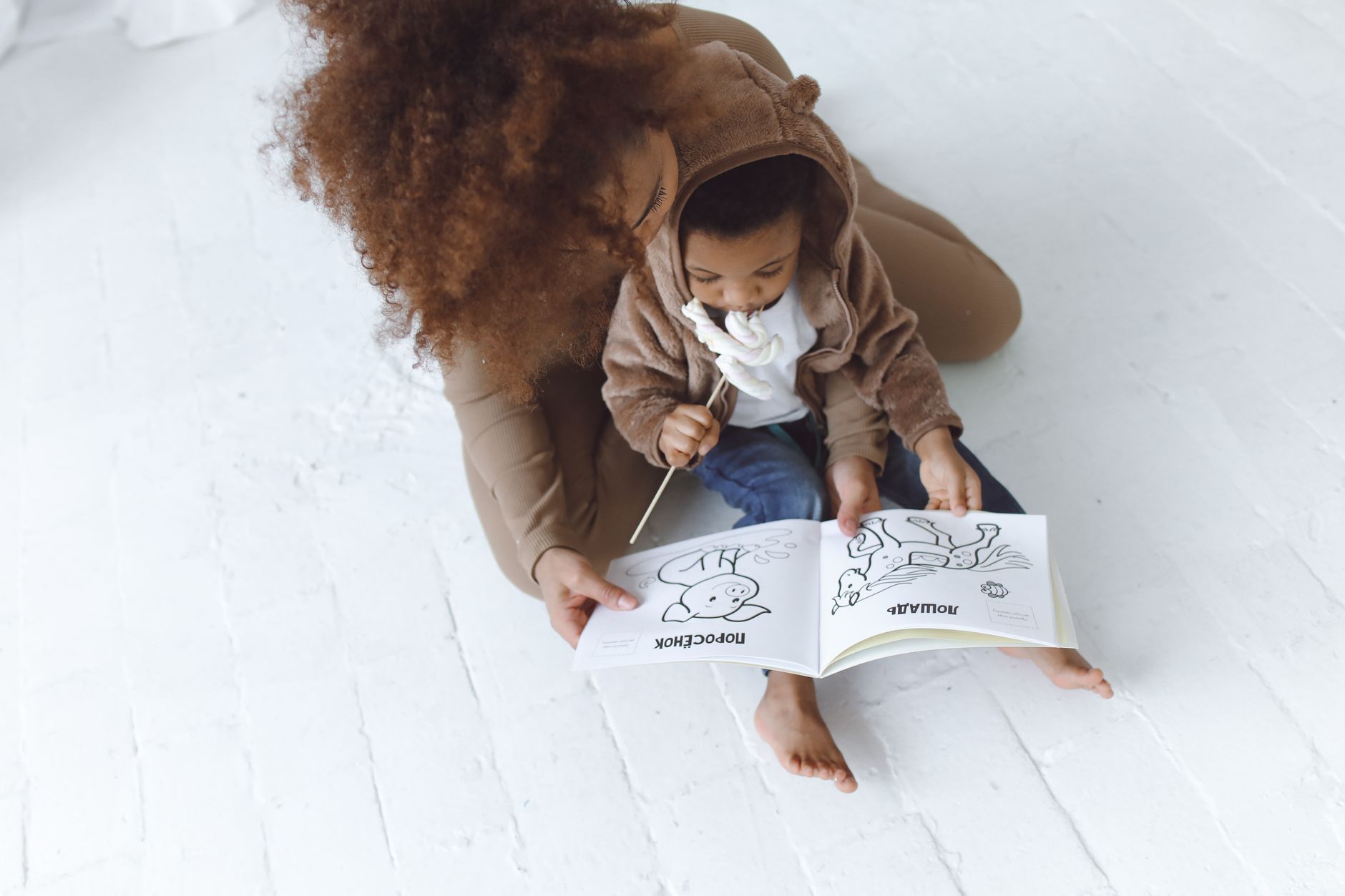
- “Reading” to the bump: Give them a baby book and let them “talk” to your belly. Say, “Tell the baby hello!”
- Choosing a name: Show them a few options (e.g., “Do you like Leo or Luna?”) and let them pick. Write it on a piece of paper and tape it to your belly.
- Decorating the nursery: Let them pick a wall color (use a color swatch book) or choose a mobile for the crib.
- Create “big kid” rituals:
- “Big kid” diaper duty: Give them a small pack of wipes and let them “help” with a doll’s diaper change (supervised).
- Baby bottle washing: Fill a small bowl with water and let them “wash” a baby bottle with a sponge.
- Baby photo album: Print ultrasound photos and let them “read” them to you.
- Involve them in baby care (when safe):
- Bath time help: Let them hold a washcloth for you to use on the baby (after birth).
- Feeding time: If you’re breastfeeding, let them hold a pacifier (sterilized) near the baby’s mouth while you nurse.
- Bedtime stories: Let them pick a book to read to the baby (even if it’s just Brown Bear, Brown Bear).
Pro tip: If your toddler seems uninterested, don’t force it. Some kids are more hands-off, and that’s okay! The key is to offer choices and let them engage at their own pace.
One reader, Emily, shared: “My son was obsessed with the baby’s arrival. He’d ‘talk’ to the ultrasound photos, help me pick out onesies, and even ‘feed’ the baby doll with a bottle. It gave him something to focus on besides his own anxiety about the baby taking up my time.”
Managing sibling jealousy when expecting a second baby: honest strategies
Jealousy is normal—but it doesn’t have to dominate your toddler’s experience. The American Psychological Association notes that sibling rivalry often stems from a toddler’s inability to articulate their feelings. The good news? With the right strategies, you can turn jealousy into excitement.
Here’s how to handle it:
- Acknowledge their feelings:
- If they say, “I don’t want the baby here,” say: “I know you’re feeling sad. It’s okay to feel that way.”
- If they ask, “Why can’t I have a baby too?” say: “You’re already my big kid! The baby is little, and you’re so grown-up.”
- Give them one-on-one time:
- Schedule “special time” with your toddler daily—even if it’s just 10 minutes of playing with their favorite toy.
- Avoid comparing them to the baby (“Look how much the baby can do!”). Instead, praise their unique skills (“You’re such a good helper!”).
- Involve them in baby care (when safe):
- Let them “help” with baby tasks (e.g., holding a washcloth for you to use on the baby).
- Give them a “job” with the baby, like being the one to bring you a snack during feedings.
- Watch for warning signs:
- Regression in skills (potty training, language).
- Aggression toward the baby or you.
- Withdrawal or extreme sadness.
If you see these, it’s time to check in with a therapist or your pediatrician.
One mom, Priya, shared: “My daughter started acting out when the baby was announced. She’d throw toys and say, ‘I don’t want the baby!’ I realized she was feeling left out, so I started giving her ‘big kid’ tasks—like helping me fold the baby’s clothes. It made her feel important, and the jealousy faded.”
 >
>
Activities to bond toddler with future baby: fun ways to build connection
Bonding doesn’t have to wait until the baby arrives. In fact, the earlier your toddler feels connected to the baby, the smoother the transition will be. Here are five activities to foster that connection—even before the baby’s born.
Pro tip: If your toddler seems uninterested, don’t push it. Some kids are more hands-off, and that’s okay! The goal is to plant seeds of connection, not force interaction.
Preparing toddler for second baby age 2: the unique challenges and solutions
Two-year-olds are at a magical stage—curious, energetic, and full of questions. But they’re also still developing their emotional vocabulary, which can make sibling jealousy or anxiety harder to navigate. Here’s how to prepare a 2-year-old for a new baby:
1. Use simple, concrete language:
- Instead of: “You’re going to be a big sister!”
- Say: “The baby is coming, and you’re going to be a big helper!”
2. Involve them in “big kid” tasks:
- Let them “help” with baby tasks (e.g., holding a washcloth for you to use on the baby).
- Give them a “job” with the baby, like being the one to bring you a snack during feedings.
3. Watch for regression:
- Toddlers often regress when a new baby arrives (e.g., bedtime fears, potty accidents). Stay patient and consistent.
- If regression persists, it may be a sign of deeper anxiety. In that case, consider talking to a therapist.
4. Create a “big kid” routine:
- Set aside time each day for one-on-one play with your toddler. This reinforces their role as a big kid.
- Avoid comparing them to the baby. Instead, praise their unique skills (“You’re such a good runner!”).
One mom, Lisa, shared: “My son was 2 when the baby was announced. He didn’t understand why the baby was taking up so much of my time, so I started giving him ‘special’ tasks—like being the one to bring me my phone during feedings. It made him feel important, and he even started ‘helping’ with the baby’s diaper changes (with supervision, of course!).”
How to talk to toddler about new sibling: what to say and when
What you say—and how you say it—matters. Toddlers don’t need a detailed explanation, but they do need to feel heard and included. Here’s a step-by-step guide to talking to your toddler about their new sibling:
- Start early:
- Even if your toddler is young, mention the pregnancy early on. Say something like, “Mommy is having a baby! You’re going to be a big sister/brother!”
- Use simple, concrete language. Avoid abstract terms like “love” or “family”—instead, talk about the baby’s needs (“The baby will need a diaper and a bottle”).
- Acknowledge their feelings:
- If they ask, “Why can’t I have a baby too?” say: “You’re already my big kid! The baby is little, and you’re so grown-up.”
- If they seem sad, say: “It’s okay to feel sad. I know this is a big change.”
- Involve them in the process:
- Let them “help” with baby tasks (e.g., holding a washcloth for you to use on the baby).
- Give them a “job” with the baby, like being the one to bring you a snack during feedings.
- Use books and toys:
- Read books about siblings together. Some great options include My Brother is a Big Brother by Karen Katz and The Baby Book by Karen Katz.
- Let them “talk” to a baby doll or stuffed animal. This helps them practice interacting with the baby.
- Prepare for questions:
- Toddlers often ask repetitive questions. Stay patient and answer honestly. If you don’t know the answer, say, “I don’t know, but let’s find out together.”
- If they ask, “When is the baby coming?” say: “The baby is coming soon! We’ll celebrate when it arrives.”
Pro tip: If your toddler seems confused or anxious, don’t dismiss their feelings. Instead, say: “I know this is a big change. Let’s talk about it together.”
Best books for toddlers about new baby: recommended reads
Books can be a powerful tool for helping toddlers understand and feel excited about a new sibling. Here are some of the best books for toddlers about new babies, based on age-appropriate language and engaging illustrations:
Pro tip: Read these books together and let your toddler “talk” to the baby in the pictures. This helps them feel more connected to the idea of the baby.
Toddler reaction to second baby: what’s normal and when to worry
Every toddler reacts differently to the arrival of a new baby. Some are excited, some are jealous, and some may even seem indifferent. But what’s normal vs. what’s worth worrying about?
Normal reactions:
- Jealousy or sadness: It’s normal for toddlers to feel jealous or sad when a new baby arrives. They may ask repetitive questions or seem clingy.
- Regression: Toddlers often regress when a new baby arrives (e.g., bedtime fears, potty accidents). This is usually temporary and normal.
- Aggression: Some toddlers may act out or become aggressive toward the baby. This is often a way of expressing their feelings.
- Indifference: Some toddlers may seem indifferent to the new baby. This doesn’t mean they’re not affected—it just means they’re processing things in their own way.
When to worry:
- Extreme aggression: If your toddler is consistently aggressive toward the baby (e.g., hitting, kicking), it’s time to seek help.
- Persistent regression: If your toddler’s regression persists for more than a few weeks (e.g., bedtime fears, potty accidents), it may be a sign of deeper anxiety.
- Withdrawal or sadness: If your toddler seems withdrawn or sad for an extended period, it’s worth talking to a therapist.
- Extreme clinginess: If your toddler is constantly clingy and refuses to engage with the baby, it may be a sign of anxiety.
If you’re concerned about your toddler’s reaction, don’t hesitate to talk to a therapist or your pediatrician. They can help you navigate any challenges and ensure your toddler is adjusting well.
How to keep toddler safe during pregnancy: practical tips
Pregnancy comes with new safety considerations, especially when you have a toddler. Here are some practical tips to keep your little one safe during this exciting time:
- Baby-proof the nursery:
- Even if the baby isn’t here yet, toddlers are curious. Make sure the nursery is safe—cover outlets, secure furniture, and keep cords out of reach.
- If you’re decorating the nursery, let your toddler help with safe tasks (e.g., choosing a mobile or coloring a wall color swatch).
- Supervise all interactions:
- If your toddler is around baby items (e.g., bottles, pacifiers), always supervise them. Toddlers can choke on small objects.
- Avoid letting your toddler handle unwashed baby items (e.g., newborn clothes, blankets). These can harbor bacteria.
- Watch for signs of jealousy or anxiety:
- Toddlers may act out when they feel anxious or jealous. Watch for signs like aggression, regression, or withdrawal.
- If you notice these signs, address them early. Give your toddler one-on-one time and involve them in baby preparations.
- Prepare for the baby’s arrival:
- If possible, have a friend or family member stay with your toddler for the first few days after the baby arrives. This gives you time to bond with the baby without feeling overwhelmed.
- Set up a “big kid” space for your toddler. This could be a special bedtime routine, a favorite toy, or a “big kid” chair at the table.
Pro tip: If you’re feeling overwhelmed, remember that it’s okay to ask for help. Whether it’s a friend watching your toddler or a therapist supporting you, don’t hesitate to reach out.
Toddler and baby bonding exercises: activities to try
Bonding between siblings doesn’t happen overnight, but with patience and consistency, you can help your toddler feel connected to their new brother or sister. Here are some bonding exercises to try:
- Baby Doll Practice:
- Give your toddler a doll and let them “take care” of it—feed it, change its diaper, rock it. Praise their efforts and say things like, “You’re such a good big sister/brother!”
- Baby Book Club:
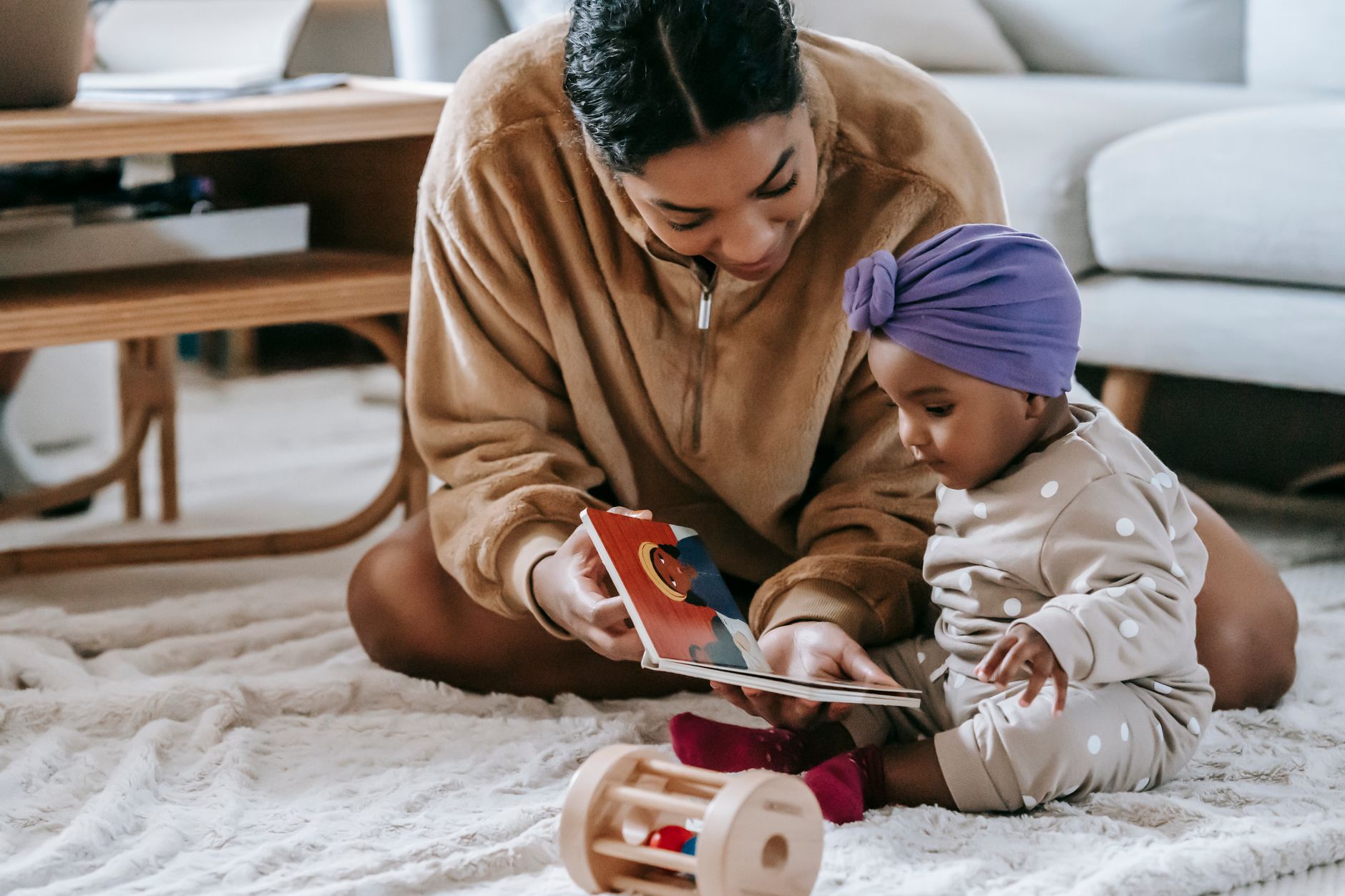
- Read books about babies or siblings together. Let your toddler “read” to the baby (even if it’s just pointing at pictures).
- Baby Bump “Conversations”:
- Let your toddler “talk” to your belly. Say things like, “Tell the baby hello!” or “Ask the baby what color it wants.”
- Baby Photo Album:
- Print ultrasound photos and let your toddler color on them or “write” their own captions. This creates a tangible connection to the baby’s growth.
- Big Kid Jobs:
- Give your toddler “jobs” with the baby, like being the one to bring you a snack during feedings or holding a washcloth for you to use on the baby (after birth).
- Sensory Play:
- Use sensory bins with baby-themed items (e.g., soft blankets, pacifiers, baby bottles). Let your toddler explore these items under supervision.
Pro tip: Bonding is a process, and it’s okay if your toddler isn’t immediately excited about the baby. With time and patience, they’ll develop a relationship with their new sibling.
Myth vs. Fact: preparing toddler for second baby
There are plenty of myths about preparing toddlers for a new baby. Here’s the truth behind some common misconceptions:
- Myth: Toddlers don’t notice or care about a new baby.
Fact: Toddlers are more aware than we give them credit for. They notice changes in routine, attention, and even your physical changes (like a growing belly). The key is to acknowledge their feelings and involve them in the process.
- Myth: You should wait until the baby is born to introduce them to the idea.
Fact: The earlier you introduce the idea of a new baby, the better. Toddlers thrive on predictability, and mentioning the baby early helps them process the changes before they happen.
- Myth: Toddlers will naturally get along with their new sibling.
Fact: Sibling relationships take time to develop. Jealousy, aggression, and even indifference are all normal. The goal is to foster positive interactions and help your toddler feel included.
- Myth: If your toddler is jealous, it means you’re doing something wrong.
Fact: Jealousy is a normal part of sibling dynamics. The key is to address their feelings and involve them in the process so they feel included and valued.
Key takeaways: preparing toddler for second baby
- Start early: Mention the pregnancy early and involve your toddler in the process. Even simple explanations help.
- Acknowledge their feelings: Let your toddler know it’s okay to feel jealous, sad, or excited. Validate their emotions.
- Involve them in preparations: Give your toddler “jobs” with the baby, like helping pick a name or “reading” to the bump.
- Watch for regression: Toddlers often regress when a new baby arrives. Stay patient and consistent.
- Create a “big kid” routine: Set aside time for one-on-one play with your toddler to reinforce their role as a big sibling.
- Seek help if needed: If your toddler seems anxious, aggressive, or withdrawn, don’t hesitate to talk to a therapist or your pediatrician.
Frequently asked questions
How do you prepare a toddler



