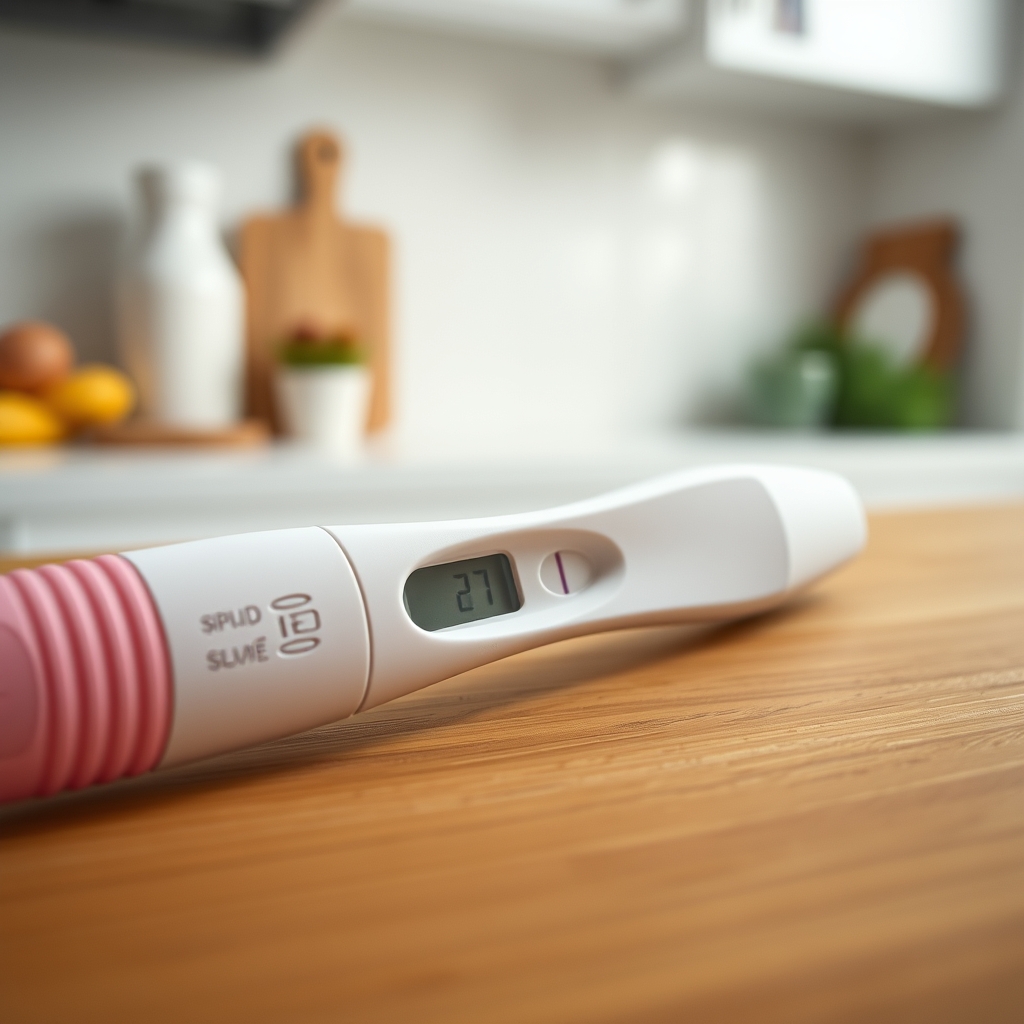
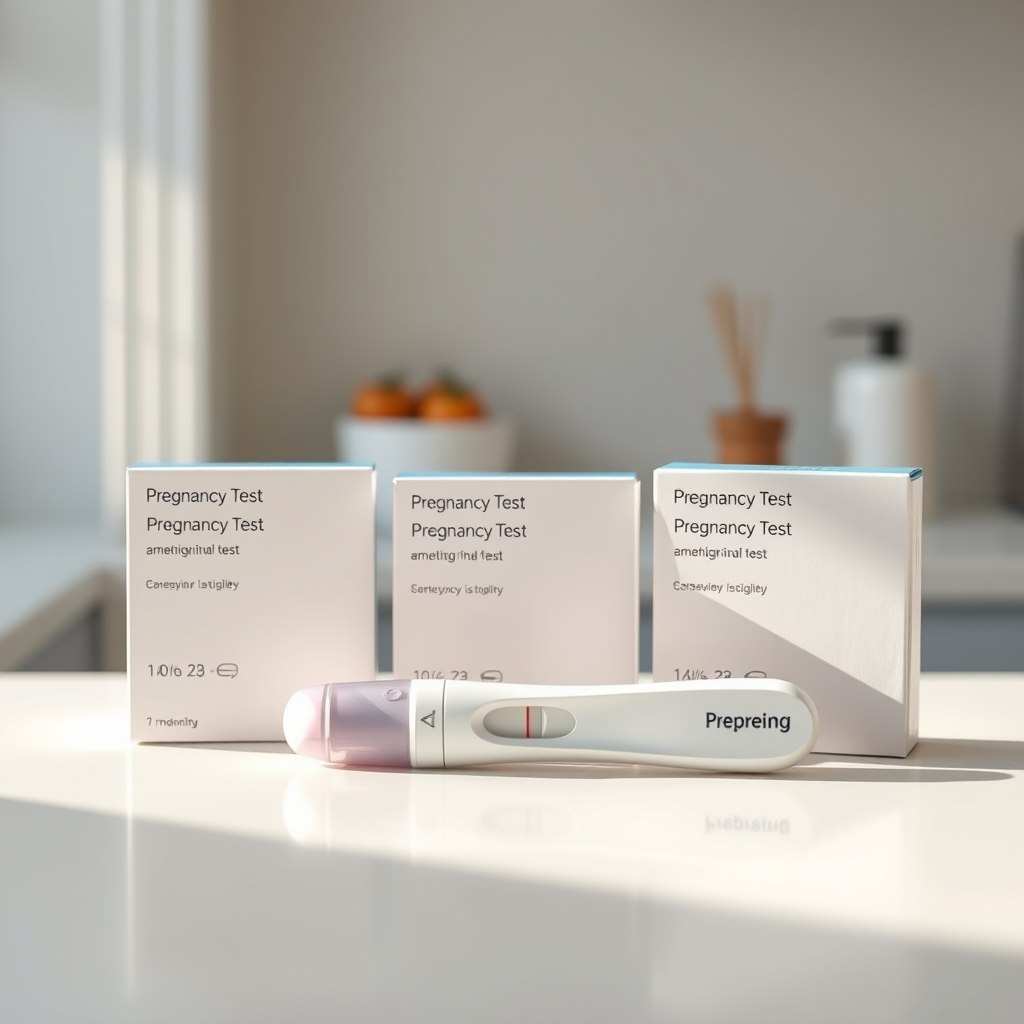
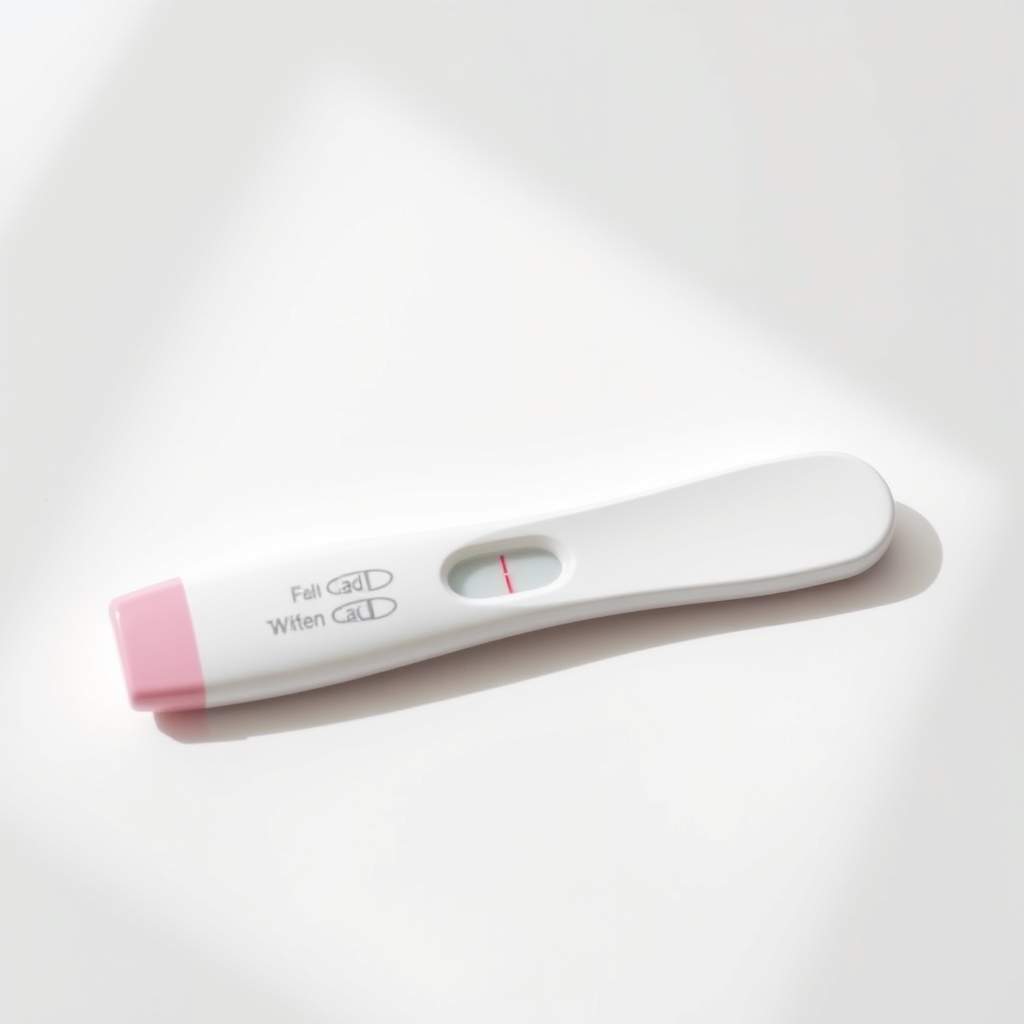
A faint line on a pregnancy test can be confusing, learn if it's an evaporation line or a positive result with our guide on Pregnancy Test Faint Line Evaporation Line or Positive
By Shubhra Mishra — a mom of two who turned her own confusion during pregnancy into BumpBites, a global mission to make food choices clear, safe, and stress-free for every expecting mother. 💛
Check whether any food is safe during pregnancy with the BumpBites Food Safety Checker.
Quick take: A faint line on a home pregnancy test can be either a very early positive result or an evaporation line that appears when the test dries. The key clues are timing (read the result within the manufacturer’s window) and color (a true positive will have the same hue as the control line). If you’re unsure, wait 24 hours and test again – and call your provider if you have any concerning symptoms.
It’s 2 a.m., you’re curled up on the couch, and the sudden urge to check a test strip has you feeling both hopeful and nervous. You’ve just taken a test, and a barely visible line is staring back at you. Is that the first sign of pregnancy, or just a trick of the drying urine?
Most people who see a faint line wonder the same thing: “Is this a real positive, or am I looking at an evaporation line?” The answer depends on a few simple factors – the timing of the test, the color of the line, and how long the test has been sitting.
In this guide we’ll walk through everything you need to know: what an evaporation line looks like, why a faint positive can appear, how early hormones show up, when to retest, and when you should reach out to a clinician. By the end you’ll have a clear plan for interpreting that faint line without second‑guessing yourself.
What is an evaporation line on a pregnancy test?
An evaporation line is a faint, colorless or grayish mark that can appear on the test strip after the recommended reading window (usually 3–5 minutes) has passed. As the urine dries, minerals in the fluid can leave a residue that mimics the shape of a line, but it lacks the pigment that a true positive line contains.
Because evaporation lines are caused by the drying process, they typically appear after the test has been left on a flat surface for a while. They are most common with low‑sensitivity tests and when the test is read beyond the manufacturer’s time‑frame. The line may be very faint, sometimes only visible when you tilt the strip toward a light source.
Visually, an evaporation line is usually lighter than the control line and may have a “ghostly” quality. It rarely has the distinct pink or blue hue that the test’s chemistry produces for a positive result. If you see a line that looks more like a faint shadow than a colored stripe, it’s likely an evaporation artifact.
Understanding that evaporation lines are a physical effect—not a hormonal one—helps you avoid unnecessary worry. They are harmless, but they can be confusing, especially when you’re eager for an answer.
How can you tell the difference between a faint positive and an evaporation line?
The easiest ways to distinguish a true faint positive from an evaporation line are timing, color, and consistency:
Timing: Read the result within the window specified on the packaging (usually 3–5 minutes). Anything that appears after that window is more likely to be an evaporation line.
Color: A true positive line will share the same color as the control line (usually pink, blue, or purple). An evaporation line is often colorless, gray, or very pale.
Intensity: A faint positive may be lighter than the control line but still has a definite hue. An evaporation line may look like a faint smudge rather than a solid line.
Another practical tip is to compare the test strip to a fresh, unused strip. Hold the test up to a bright light; a genuine positive line will reflect light in a way that a dry residue will not. If you’re still unsure, take a photo of the strip and compare it to the control line on the same test.
Finally, consider the test’s sensitivity. High‑sensitivity tests (detecting as low as 10 mIU/mL hCG) can show a faint line earlier in pregnancy, whereas low‑sensitivity tests may not light up at all until later. If your test is marketed as “early detection,” a faint line is more likely to be a true positive.
When you combine these visual cues with the manufacturer’s instructions, you can usually separate a real early pregnancy signal from a harmless drying artifact. If doubt remains, a second test after a day or two will usually settle the question.
What causes a faint positive line on a pregnancy test?
A faint positive line appears when the level of human chorionic gonadotropin (hCG) in your urine is just above the test’s detection threshold. Several situations can lead to this low‑level hCG:
Early implantation: After fertilization, the embryo implants into the uterine lining about 6–10 days later. hCG production begins at this point, but concentrations are still low, producing a faint line.
Low hCG production: Some women naturally produce less hCG in early pregnancy, which can result in a lighter line.
Chemical pregnancy: A brief rise in hCG that ends before a viable pregnancy is established. This often shows as a faint positive that disappears on a repeat test.
Testing too early: If you test before the embryo has fully implanted, the hormone level may be just enough to trigger a faint line.
Other factors such as diluted urine (from high fluid intake) or using a test after the recommended expiration date can also reduce line intensity. In most cases, a faint line is a sign that pregnancy is beginning, but it should be confirmed with a repeat test in a day or two.
It’s also worth noting that certain medications, like hCG injections used in fertility treatments, can artificially raise urine hCG to a level that produces a faint line even when you’re not pregnant. Always factor in recent medical interventions when interpreting results.
How soon can a faint positive line appear after conception?
The earliest a faint line can appear is typically 7–10 days post‑ovulation (DPO). This corresponds to the time when the embryo has just implanted and started secreting hCG. Some ultra‑sensitive tests claim detection as early as 6 DPO, but results at that stage are often faint and can be confused with evaporation lines.
Individual variation is wide. Factors that influence when hCG becomes detectable include:
Because hCG doubles roughly every 48‑72 hours in early pregnancy, a faint line today often becomes a darker, clearer line within a couple of days if the pregnancy is progressing. This rapid rise is why clinicians recommend retesting after 24–48 hours when the first result is ambiguous.
In practice, many people see a faint line on day 8–9 DPO and then a solid line by day 10–11 DPO. If you’re testing earlier than that, a faint line could still be an evaporation artifact, so confirming with a second test is key.
When should you retest after seeing a faint line?
Retesting is the safest way to confirm whether a faint line represents a true early pregnancy or an evaporation artifact. Here’s a practical timeline:
Wait 24 hours: Give the body time for hCG to rise. Most early pregnancies will show a stronger line the next day.
Use first‑morning urine: This urine is more concentrated, increasing the chance of a clearer result.
Follow the same testing method: Use the same brand and same lot if possible, as different tests have different sensitivities.
Read within the window: Always read the result within the manufacturer’s recommended time (usually 3–5 minutes).
If the second test shows a darker line, you’ve likely captured a true positive. If the line disappears or stays faint, consider factors like dilution, testing too early, or a possible chemical pregnancy. In either case, a follow‑up blood test at your provider’s office can give a definitive answer.
It’s also helpful to keep a short log of the dates you test, the time of day, and any symptoms you notice. This record can make it easier for your clinician to interpret trends in hCG levels.
Can a faint line indicate a chemical pregnancy?
Yes, a faint line can be the first sign of a chemical pregnancy—a very early loss that occurs before the embryo can develop enough to be seen on an ultrasound. In a chemical pregnancy, hCG rises enough to produce a faint positive, but the hormone level then drops as the pregnancy ends.
Typical clues that a faint line may be a chemical pregnancy include:
Positive home test followed by a negative test 24–48 hours later.
Absence of pregnancy symptoms (no missed period, no breast tenderness, etc.) after a week.
Low hCG levels on a blood test that fail to double as expected.
While a chemical pregnancy can be disappointing, it is quite common—occurring in up to 50 % of early losses according to the American College of Obstetricians and Gynecologists (ACOG). If you suspect this, a brief discussion with your provider can help you understand the next steps and any emotional support you might need.
Importantly, a chemical pregnancy does not usually affect future fertility, but the emotional impact can be significant. Many clinicians recommend a period of emotional recovery before attempting to conceive again, especially if you feel upset or confused.
What factors can affect pregnancy test results?
Several variables can influence whether a test shows a faint line, a clear positive, or no line at all:
Test sensitivity: Tests that detect 10 mIU/mL hCG will show earlier, lighter lines than those detecting 25 mIU/mL.
Urine concentration: Diluted urine (from excessive fluid intake) can reduce line intensity. First‑morning urine is best.
Timing of reading: Reading after the recommended window can produce evaporation lines.
Medications: Certain fertility drugs containing hCG can cause false positives.
Recent pregnancy loss: Residual hCG can linger for up to two weeks, leading to faint lines even after a miscarriage.
Expiration date: Expired tests may not work reliably, increasing the chance of ambiguous results.
Even lifestyle factors such as high‑intensity exercise or severe stress can temporarily affect hormone levels, although they rarely cause a faint line on their own. Knowing these variables helps you control the testing environment and interpret results more confidently.
For the most reliable outcome, avoid consuming large amounts of caffeine or alcohol right before testing, and keep the test at room temperature (extreme cold or heat can affect reagents).
Even a barely visible line can carry important information—make sure you read it within the test’s time window.
How does test sensitivity influence a faint line?
Test sensitivity refers to the lowest concentration of hCG that a particular brand can detect. High‑sensitivity (or “early‑detection”) tests can pick up hCG as low as 10 mIU/mL, which often translates into a faint line appearing just days after implantation. Low‑sensitivity tests, which usually detect 25 mIU/mL or higher, may not show any line until the hormone has risen further, resulting in a darker, more obvious result.
Because the hormone doubles roughly every 48 hours, a high‑sensitivity test may give you a faint line on day 7 post‑ovulation, while a less sensitive test might remain negative until day 9 or 10. Knowing your test’s detection limit helps set realistic expectations and reduces anxiety about faint results.
Brand (example)
Detection limit (mIU/mL)
Typical faint‑line visibility
Clearblue Early
10
Visible as early as 6 DPO
First Response Early
10
Faint line often appears 7–8 DPO
Pregmate Classic
25
Usually positive after 9 DPO
One Step Pregnancy Test
25
Faint line common 9–10 DPO
All manufacturers are required by the U.S. Food and Drug Administration (FDA) to list their sensitivity on the packaging, and the National Health Service (NHS) in the UK advises consumers to choose a test that matches their timing needs. If you’re testing very early, opt for a brand that advertises a 10 mIU/mL threshold.
Keep the test sealed until you’re ready to use it; exposure to humidity can degrade the reagents and affect sensitivity.
Choosing a test with a lower detection limit can help you catch a faint line earlier.
Can medications or medical conditions cause false faint lines?
Yes. Certain medications that contain hCG, such as fertility treatments (e.g., hCG injections used to trigger ovulation), can produce a positive result even if you’re not pregnant. In these cases the line may be faint if the dose is low or if the test is taken shortly after the injection.
Medical conditions that raise hCG levels—like certain ovarian cysts or trophoblastic disease—are rare but can also generate a faint line. The American College of Obstetricians and Gynecologists (ACOG) notes that these conditions are usually accompanied by other symptoms (e.g., abnormal bleeding, pelvic pain) and are evaluated with blood tests.
If you’ve recently undergone fertility treatment or have a known condition that could affect hCG, discuss the timing of home testing with your provider. They may recommend a quantitative serum hCG test to differentiate between treatment‑related hCG and a natural pregnancy.
Other drugs, such as certain diuretics or anticonvulsants, can alter urine concentration, indirectly affecting line visibility. Always read medication leaflets for any mention of pregnancy‑test interference.
When is a blood (serum) hCG test recommended over a urine test?
A blood test, also called a quantitative serum hCG, measures the exact concentration of hCG in the bloodstream. It is more sensitive than most over‑the‑counter urine tests and can detect pregnancy as early as 6 days after ovulation. This makes it the preferred method when a faint urine line is ambiguous or when early confirmation is medically important (e.g., before fertility procedures).
Blood testing also provides a numeric value, which allows clinicians to track the rise of hCG over 48‑hour intervals. A normal early pregnancy should see the level roughly double; a plateau or decline can signal a miscarriage or ectopic pregnancy. The NHS and ACOG both recommend a serum hCG when a home test yields a faint line that does not become clearer on repeat testing.
While a serum test requires a clinic visit, it removes the variables of urine concentration, test timing, and evaporation lines, giving you a definitive answer faster than a second home test.
In some cases, doctors will order both a quantitative hCG and a transvaginal ultrasound to pinpoint gestational age and confirm viability, especially after a suspected chemical pregnancy.
When should you contact a doctor about a faint pregnancy test line?
If you notice any of the following, it’s time to reach out to a healthcare professional:
Persistent faint line that does not change after two consecutive tests.
Severe abdominal pain, heavy bleeding, or cramping.
Signs of infection such as fever, chills, or foul‑smelling discharge.
History of ectopic pregnancy or other high‑risk conditions.
Uncertainty after a chemical‑pregnancy pattern (positive then negative).
Your provider can order a quantitative serum hCG test, which measures exact hormone levels and can clarify whether the faint line represents a viable pregnancy, a chemical loss, or a false‑positive result. Early medical guidance also ensures you receive any needed prenatal care or support.
Don’t wait for the next menstrual cycle to pass—if you have any of the red‑flag symptoms above, a prompt call can make a big difference in outcomes.
How to compare faint lines across different pregnancy test brands
Not all home tests are created equal. Some brands use a darker dye for the result line, making even a very light line appear more noticeable, while others rely on a subtle color change that can be harder to see. When you’re juggling multiple brands, keep a simple visual reference: place each test side‑by‑side on a white background and compare the faint line to the control line of each kit.
Because each brand lists its detection threshold, you can also match the faintness you see to the advertised sensitivity. For example, a faint pink line on a Clearblue Early (10 mIU/mL) is more likely to be a true early positive than a similar line on a lower‑sensitivity test that advertises 25 mIU/mL. If you’re unsure, the safest route is to choose a single high‑sensitivity brand and stick with it for the first few days of testing.
Finally, remember that digital tests (which display “Pregnant” or “Not Pregnant”) often do not show faint lines at all. If you prefer the visual reassurance of a line, make sure the test you buy specifically mentions “early detection” and includes a clear color chart in the packaging.
Comparing the faint line to the control line on the same brand helps you judge its significance.
Can polycystic ovary syndrome (PCOS) or other hormonal conditions affect faint lines?
PCOS, thyroid disorders, and other endocrine conditions can subtly influence hCG dynamics. Women with PCOS often experience irregular ovulation, which can lead to slightly delayed implantation and consequently lower early‑pregnancy hCG levels. This may manifest as a faint line that takes an extra day or two to become darker.
Additionally, certain hormonal medications used to treat PCOS—such as metformin or clomiphene—can alter urine concentration or affect how quickly hCG is cleared from the bloodstream. While these effects are usually modest, they are worth mentioning if you’re consistently seeing faint lines that don’t progress.
When you have a known hormonal condition, it’s a good idea to discuss testing timing with your provider. They may suggest a serum hCG or an ultrasound to confirm pregnancy rather than relying solely on home urine tests.
In short, a faint line in the context of PCOS isn’t necessarily a cause for alarm, but it does warrant a little extra patience and possibly a follow‑up blood test for certainty.
What steps to take if you suspect a chemical pregnancy after a faint line
A chemical pregnancy often presents as a faint positive that disappears on a repeat test. If you suspect this scenario, give yourself space to process the emotional impact—many people feel a mix of disappointment and confusion.
From a clinical standpoint, schedule a short appointment with your provider within a week. They will likely order a quantitative serum hCG to confirm that the hormone is falling, which is the hallmark of a chemical loss. A follow‑up ultrasound is usually not needed unless the hCG level remains elevated.
After a confirmed chemical pregnancy, most providers recommend waiting until your next natural menstrual cycle before trying again, unless you’re undergoing a specific fertility protocol. In the meantime, focus on self‑care: stay hydrated, maintain a balanced diet, and consider gentle activities like walking or prenatal yoga if you’re comfortable.
Emotional support is equally important. Many clinics offer counseling or support groups for early pregnancy loss. Reaching out to a trusted friend, partner, or mental‑health professional can help you move forward with confidence.
From our medical team: A faint line is most often an early positive, especially if you’ve taken the test first thing in the morning and read it within the recommended window. However, we always recommend confirming with a second test 24‑48 hours later and discussing the result with your provider if you have any pain, heavy bleeding, or lingering uncertainty.
Myth vs. fact
Myth: “A faint line always means you’re pregnant.”
Fact: A faint line can be a true early positive, an evaporation line, or a residual hormone from a recent miscarriage. Context, timing, and repeat testing are essential to determine the meaning.
Myth: “If the line is faint, it will become darker on its own.”
Fact: While hCG levels usually double every 48 hours, a faint line may stay faint or disappear if the pregnancy is not progressing (e.g., a chemical pregnancy). Retesting and a blood test are the only ways to know for sure.
Myth: “Evaporation lines are always colorless.”
Fact: In rare cases, an evaporation line can pick up a faint hue from the urine’s natural pigments, but it will never match the clear color of a true positive line produced by the test’s chemistry.
Key takeaways
Before you decide what to do next, keep these core points in mind:
Read the test within the manufacturer’s window; lines that appear later are likely evaporation artifacts.
A true faint positive will share the same color as the control line, even if it’s lighter.
Retest after 24 hours using first‑morning urine to confirm the result.
Consider a chemical pregnancy if a faint line turns negative on a follow‑up test.
Contact your provider if you experience pain, heavy bleeding, or persistent uncertainty.
If you have hormonal conditions like PCOS, give yourself an extra day before interpreting a faint line.
Frequently asked questions
Is a faint line always a positive pregnancy test?
Direct answer: No, a faint line can be either a very early positive or an evaporation line. The difference is usually determined by the timing of the reading and the line’s color—true positives match the control line’s hue, while evaporation lines are often colorless or gray.
How long does it take for an evaporation line to show up?
Direct answer: Evaporation lines typically appear after the recommended reading window, usually 5–10 minutes after the test is taken. If you read the result after this period, the line you see may be an evaporation artifact rather than a true result.
What does a faint line mean on a pregnancy test after 10 minutes?
Direct answer: A line that appears after the 10‑minute mark is most likely an evaporation line, because the test’s chemistry reaction is complete well before that time. It’s safest to disregard lines that appear beyond the instructed window and retest.
Can a faint line be wrong?
Direct answer: Yes, faint lines can be false‑positives due to evaporation, diluted urine, or residual hCG from a recent miscarriage. Confirm with a repeat test in 24‑48 hours or a blood hCG test for accuracy.
What does a positive line look like on a pregnancy test?
Direct answer: A positive line is a solid, colored stripe that appears within the test’s read window and shares the same hue as the control line—usually pink, blue, or purple depending on the brand.
Should I retest if I see a faint line?
Direct answer: Absolutely. Waiting 24 hours and testing again with first‑morning urine gives the hCG level time to rise, helping you distinguish a true early pregnancy from an evaporation line or a chemical loss.
Can dehydration affect a faint line?
Direct answer: Dehydration can dilute urine, which may make a faint positive line appear lighter or even invisible. Drinking plenty of water and testing with first‑morning urine, which is naturally more concentrated, improves accuracy.
Is it normal to see a faint line on an expired test?
Direct answer: An expired test may give unreliable results, including faint lines that don’t reflect actual hCG levels. The NHS advises discarding any test past its expiration date and using a fresh one for a trustworthy result.
Can a digital pregnancy test show a faint line?
Direct answer: Digital tests usually display a clear “Pregnant” or “Not Pregnant” message and do not reveal faint lines. If you prefer a visual line, choose a traditional strip test that indicates early detection with a faint pink or blue line.
Is it safe to use a home pregnancy test while on birth control?
Direct answer: Yes, birth control does not interfere with the hCG hormone that pregnancy tests detect. However, if you’re on hormonal methods that contain hCG (rarely used for emergency contraception), a faint line could be a false‑positive and should be discussed with your provider.
When to call your doctor
If you experience any of the following, call your healthcare provider right away: persistent faint line after two tests, abdominal pain, heavy bleeding, fever, or a history of ectopic pregnancy. Remember, this article is for informational purposes only and does not replace personalized medical advice.
References
American College of Obstetricians and Gynecologists (ACOG). “Early Pregnancy Loss.” Practice Bulletin, 2022.
National Health Service (NHS). “Pregnancy tests: how they work.” Updated 2023.
U.S. Food and Drug Administration (FDA). “Home Pregnancy Test Guidance for Industry.” 2021.
World Health Organization (WHO). “Human chorionic gonadotropin (hCG) in pregnancy.” 2022.
Centers for Disease Control and Prevention (CDC). “Pregnancy‑Related Mortality Surveillance.” 2023.
Royal College of Obstetricians and Gynaecologists (RCOG). “Early pregnancy assessment.” 2022.
Mayo Clinic. “Pregnancy test results: What they mean.” Accessed 2024.
Fertility Society of America. “Understanding hCG dynamics in early pregnancy.” 2021.
American Society for Reproductive Medicine (ASRM). “PCOS and early pregnancy testing.” 2023.
National Institute for Health and Care Excellence (NICE). “Fertility treatment and home pregnancy testing.” 2022.
Not sure about the label on Pregnancy Test Faint Line Evaporation Line Or Positive products?
Snap the ingredients list and SafeFilter checks every ingredient for your stage — only 3 free scans this month, then you're locked until reset. Unlimited from $7/mo or $50/yr.
When Shubhra Mishra was expecting her first child in 2016, she was overwhelmed by conflicting food advice — one site said yes, another said never. By the time her second baby arrived in 2019, she realized millions of mothers face the same confusion.
That sparked a five-year journey through clinical nutrition papers, cultural diets, and expert conversations — all leading to BumpBites: a calm, compassionate space where science meets everyday motherhood.
Her long-term vision is to build a global community ensuring safe, supported, and free deliveriesfor every mother — because no woman should face pregnancy alone or uninformed. 🌿
🌍 Stand with mothers, shape safer guidance
Join a small circle of experts who review BumpBites articles so expecting parents everywhere can decide with confidence.