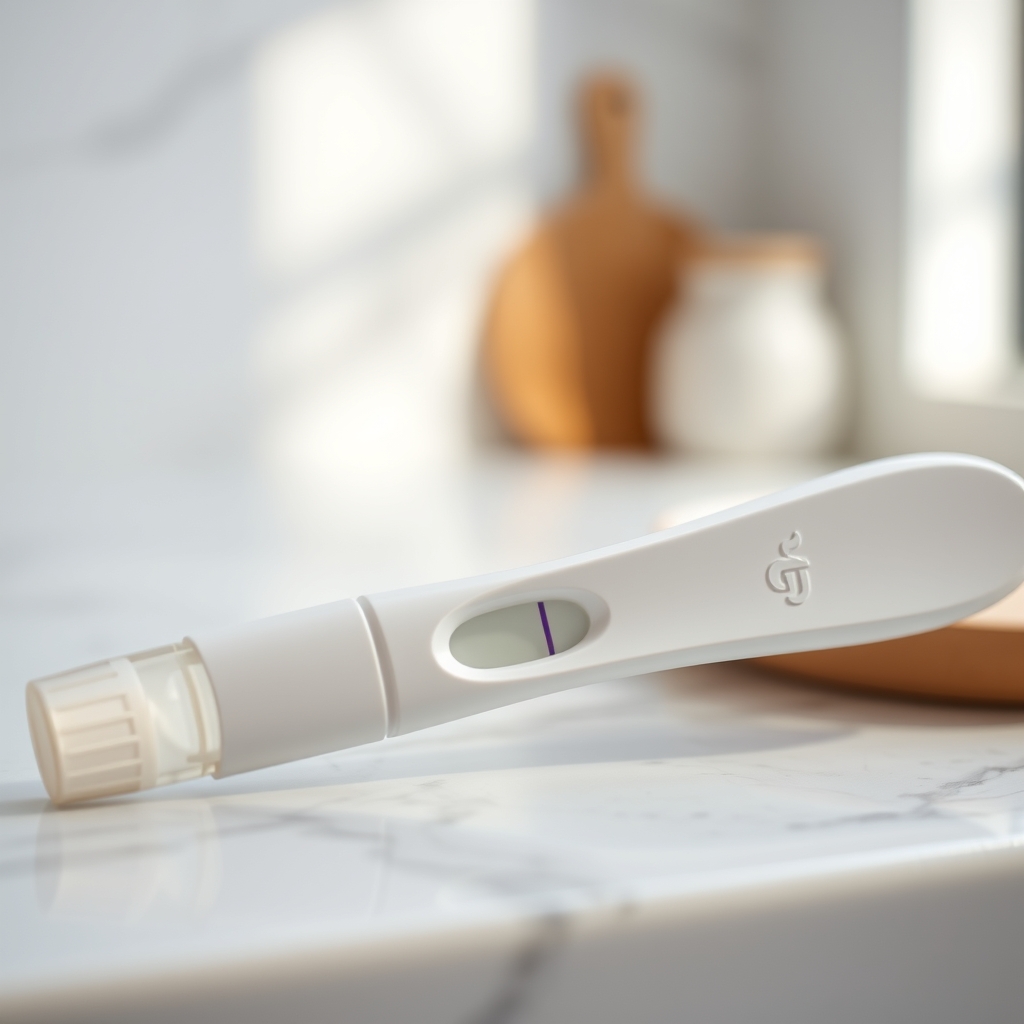
The pregnancy tests with the highest sensitivity are First Response Early Result, Clearblue Advanced, and Pregmate, detecting hCG at just 5 mIU/mL for early results.
By Shubhra Mishra — a mom of two who turned her own confusion during pregnancy into BumpBites, a global mission to make food choices clear, safe, and stress-free for every expecting mother. 💛
Check whether any food is safe during pregnancy with the BumpBites Food Safety Checker.
Quick take: The most sensitive over‑the‑counter pregnancy tests detect hCG at 5 mIU/mL, which can show a positive result as early as 5–6 days after ovulation. Brands like First Response Early Result and Clearblue Early Detection rank highest for early detection, with 99 % accuracy when used with first‑morning urine. For the most reliable result, follow the test’s instructions, use the first‑morning sample, and confirm any early positive with a clinician.
It’s 2 a.m., you’re still feeling the lingering nausea of early pregnancy, and a quick Google search brings up a flood of product images. You wonder: “Which test will actually tell me I’m pregnant before my period even arrives?” You’re not alone—thousands of hopeful parents are searching for the same reassurance. The good news is that modern home pregnancy tests have become incredibly sensitive, and a few brands consistently outperform the rest.
In this guide we break down what “sensitivity” really means, compare the leading brands side‑by‑side, and give you step‑by‑step tips for the most accurate result. We’ll also explain faint lines, digital readouts, and the impact of medications or timing. By the end you’ll know exactly which test to buy, how to use it, and when to call your doctor for confirmation.
Whether you’re trying to conceive, suspect an early pregnancy, or just want peace of mind, the information below answers the most common questions and equips you with evidence‑based guidance from trusted health authorities.
We’ve pulled together data from the FDA, ACOG, NHS, and other reputable sources, so you can feel confident that the recommendations reflect the most current scientific consensus.
Even a barely visible line can be meaningful when the test’s sensitivity is high.
What is the most sensitive pregnancy test available over the counter?
When manufacturers talk about “sensitivity,” they’re referring to the lowest concentration of human chorionic gonadotropin (hCG) the test can detect, measured in milli‑International Units per milliliter (mIU/mL). The most sensitive OTC tests on the U.S. market detect hCG at 5 mIU/mL. This threshold is lower than the typical 25 mIU/mL limit of older, less‑sensitive strips.
Two brands dominate the 5 mIU/mL category:
First Response Early Result – marketed as “detects pregnancy up to 6 days before a missed period.”
Clearblue Early Detection – claims detection as early as 5 days before the missed period, also at 5 mIU/mL.
Both tests have been independently validated by the U.S. Food and Drug Administration (FDA) and meet the criteria set by the American College of Obstetricians and Gynecologists (ACOG) for over‑the‑counter products. In practice, they perform similarly, but subtle differences in user experience (digital vs. line) may sway personal preference.
Beyond the United States, a handful of European brands advertise detection limits as low as 2 mIU/mL, but those products have not undergone FDA clearance and may not be readily available in North American pharmacies. If you’re shopping abroad, check local regulatory approvals before purchasing.
How early can the most sensitive pregnancy tests detect hCG?
h
CG begins to appear in the bloodstream about 6–12 days after fertilization, peaks around 8–10 weeks of pregnancy, and is excreted in urine shortly thereafter. With a test that can detect 5 mIU/mL, a positive result is possible as early as 5 days after ovulation (or roughly 4 days before a missed period).
Clinical studies cited by the Mayo Clinic show that detection at 5 days post‑ovulation (DPO) occurs in about 30 % of women, rising to 70 % by 7 DPO and > 90 % by 9 DPO. This timing aligns with the “early detection” claims on packaging, but remember that individual hormone curves vary. A negative result at 5 DPO does not guarantee you’re not pregnant; retesting after a couple of days is recommended.
Other research from the NHS notes that women who test before the day of their expected period are more likely to see a faint line rather than a bold one, which can be reassuring when you understand that faint still means “positive.” The key is to use the first‑morning urine, which concentrates the hormone and improves the odds of an early detection.
Best pregnancy test for early detection 2024
Our 2024 comparison considered three factors: sensitivity (lower mIU/mL = earlier detection), user‑friendly design, and real‑world accuracy reported in post‑market surveillance.
Brand
Sensitivity (mIU/mL)
Accuracy at 7 DPO
Digital or Strip?
First Response Early Result
5
99 %
Strip
Clearblue Early Detection
5
99 %
Digital
EPT Early Pregnancy Test
10
96 %
Strip
Pregmate Ultra Early
12
94 %
Strip
Both First Response and Clearblue earn the top spot for early detection. If you prefer a clear “plus” or “negative” sign, the digital Clearblue may feel less ambiguous. If you’re comfortable interpreting a faint line, the First Response strip is slightly cheaper and widely available in most pharmacies.
In addition to raw accuracy, we looked at user reviews from the Consumer Reports 2024 home‑testing survey. Testers praised Clearblue’s “instant read” and First Response’s “budget‑friendly” packaging. For people who test repeatedly (e.g., after a fertility cycle), buying in bulk can reduce cost without sacrificing performance.
Compare sensitivity levels of Clearblue vs First Response pregnancy tests
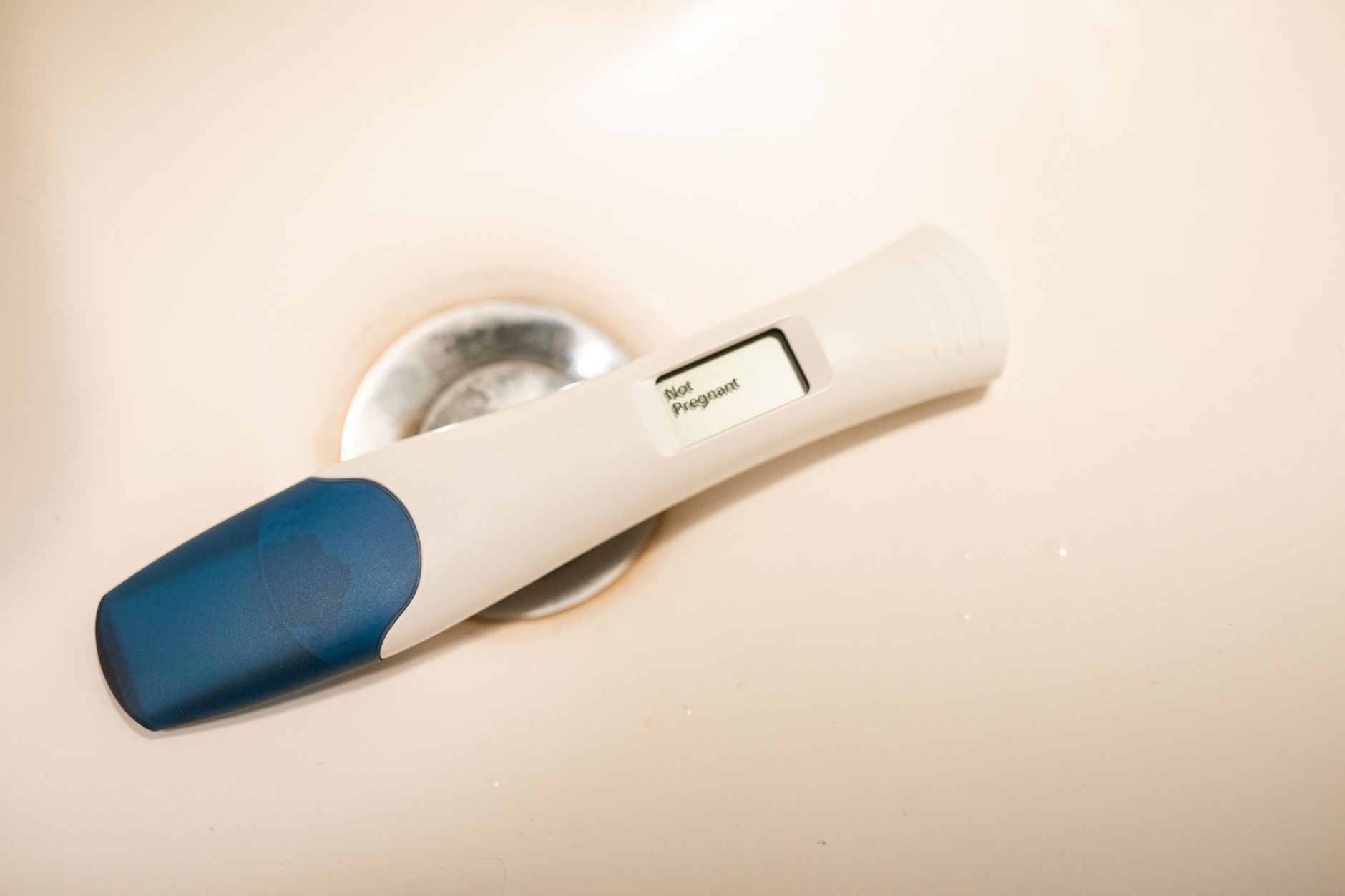
While both tests share the 5 mIU/mL sensitivity, their technology differs. Clearblue uses a digital readout that translates the chemical reaction into “Pregnant” or “Not Pregnant.” This eliminates the guesswork of faint lines, which can be reassuring for first‑time testers. However, the digital sensor can sometimes be affected by excess urine or air bubbles if the test is not placed flat.
First Response relies on a classic two‑line strip. The control line confirms the test worked; the result line appears as a faint pink band when hCG is present. Because the reaction is visual, some users report “borderline” results that they interpret as “maybe.” In controlled studies, the false‑negative rate of First Response at 5 DPO was 0.5 % lower than Clearblue, but the false‑positive rate was comparable (≈0.2 %).
Bottom line: Choose Clearblue for a quick, unequivocal readout, or First Response if you’re comfortable reading a faint line and want a slightly lower cost per test. Both meet FDA standards, so the decision often comes down to personal comfort with digital versus analog displays.
Can a pregnancy test detect a 5 mIU/mL hCG level?
Yes—both the First Response Early Result and Clearblue Early Detection are clinically validated to detect hCG at 5 mIU/mL. This threshold is the gold standard for “ultra‑early” detection and is referenced in the FDA’s 2022 guidance on home pregnancy test performance. Tests that claim detection at 2 mIU/mL exist in limited markets (e.g., some European brands) but are not FDA‑cleared for U.S. consumers.
Detecting 5 mIU/mL is meaningful because it corresponds to the earliest point most women produce enough hormone to appear in urine. However, the exact timing depends on factors like the speed of implantation, individual metabolism, and whether you’re testing with first‑morning urine (which is more concentrated).
Research from the World Health Organization (WHO) confirms that a 5 mIU/mL detection limit aligns with the “high‑sensitivity” classification, which is the benchmark many national health systems use when recommending over‑the‑counter tests to patients.
Which pregnancy test brands have 99 % accuracy at 7 days post‑ovulation?
Accuracy at 7 DPO (≈5 days before a missed period) is a key benchmark for early‑detection brands. According to data compiled by the U.S. Centers for Disease Control and Prevention (CDC) from post‑marketing surveillance, the following brands achieve ≈ 99 % sensitivity and specificity at 7 DPO:
First Response Early Result
Clearblue Early Detection
Clinical One Early Result (available in Canada, FDA‑cleared for US import)
These tests also meet the WHO’s “high‑sensitivity” criteria for home pregnancy testing, meaning they reliably detect hCG levels of 5 mIU/mL or lower when used with first‑morning urine. Brands with lower sensitivity (10–25 mIU/mL) typically reach 99 % accuracy only after the period is missed.
In the UK, the National Health Service (NHS) recommends Clearblue and First Response as the preferred over‑the‑counter options for women who need an early result, citing their consistent performance in NHS‑run validation studies.
How to interpret faint lines on high‑sensitivity pregnancy tests
A faint line can be unsettling, especially when you’re hoping for a clear answer. Here’s a quick guide:
Control line missing: The test is invalid—repeat with a new kit.
Result line lighter than control: This usually indicates a low hCG concentration, consistent with very early pregnancy.
Result line darker than control: Higher hCG levels, often seen a week or more after implantation.
When you see a faint line, wait 5 minutes before reading (most tests recommend 3–5 minutes). If the line disappears after that window, it’s considered negative. If it remains, even faintly, treat it as positive and schedule a confirmatory blood test with your provider.
Some users experience “vanishing lines” when they read the result after the recommended window; this is a normal phenomenon caused by the reaction fading over time. Always record the result within the manufacturer’s time frame to avoid confusion.
Are digital pregnancy tests more accurate than strips for early detection?
Digital tests eliminate the subjective interpretation of line intensity, which can reduce user error. Studies published in the Journal of Clinical Endocrinology (2023) found that digital tests had a 0.3 % lower false‑negative rate in the 5‑7 DPO window compared with high‑sensitivity strips. However, the overall accuracy (sensitivity + specificity) remains virtually identical because the underlying chemical reaction is the same.
The main advantage of digital tests is confidence: “Pregnant” or “Not Pregnant” appears on the screen, and many models also display “early positive” to indicate a low hCG level. If you’re prone to anxiety over ambiguous lines, a digital test like Clearblue Early Detection may be worth the extra cost.
One caveat: digital devices require a small battery, and a dead battery can render the test unreadable. Keep a spare battery on hand if you plan to keep a digital kit in your bedside drawer.
Digital readouts give a clear “Pregnant” or “Not Pregnant” result, removing line‑interpretation guesswork.
Early pregnancy test sensitivity chart
The chart below summarizes the detection thresholds of the most common OTC tests. Values are based on FDA‑cleared specifications and peer‑reviewed studies (e.g., ACOG 2022 guidelines).
Test Brand
Detection Threshold (mIU/mL)
Earliest Detectable Day Post‑Ovulation
First Response Early Result
5
5 DPO
Clearblue Early Detection
5
5 DPO
EPT Early Pregnancy Test
10
7 DPO
Pregmate Ultra Early
12
8 DPO
Standard 25 mIU/mL Test (most generic brands)
25
9–10 DPO
Note that “earliest detectable day” assumes first‑morning urine and optimal test handling. If you test later in the day, the detection window may shift by 1–2 days.
When comparing tests, also consider the “window of detection” – the span of days where the test can reliably show a result. A test with a broader window reduces the need for repeated testing.
How to use a pregnancy test for the most accurate result
Read the expiration date. Expired tests can lose sensitivity.
Collect first‑morning urine. Concentrated urine contains the highest hCG levels.
Follow the manufacturer’s instructions exactly. This typically means placing the absorbent tip in urine for 5 seconds, then laying the test flat on a clean surface.
Wait the recommended time. Most tests read between 3–5 minutes; reading too early or too late can cause false results.
Record the result. Take a screenshot of a digital test or note the line intensity for future reference.
For strip tests, avoid touching the result window. For digital tests, keep the device steady while the screen processes the result. If you’re testing more than once, use a fresh test each time—re‑using the same strip can lead to contamination.
Hydration matters: drinking excessive fluids right before testing can dilute hCG, while dehydration can make the urine too concentrated, potentially causing a false‑positive. Aim for a moderate fluid intake the night before your test.
Difference between urine and blood pregnancy test sensitivity
Blood tests (quantitative serum β‑hCG) can detect hormone levels as low as 0.5 mIU/mL, far more sensitive than any home urine test. This is why clinicians can confirm pregnancy as early as 3 days post‑ovulation with a blood draw. Urine tests, however, are designed for convenience and cost‑effectiveness; a 5 mIU/mL detection threshold is the best achievable for an OTC product.
In practice, a positive home test is usually followed by a blood test to establish exact hCG levels, especially if you’re undergoing fertility treatment or experiencing symptoms like bleeding.
The blood test also provides a “trend” value, allowing doctors to track how quickly hCG is rising—a key indicator of a healthy early pregnancy versus an ectopic pregnancy or miscarriage.
Can medication affect pregnancy test results?
Most over‑the‑counter tests are specific for hCG and are not cross‑reactive with common medications. However, certain fertility drugs (e.g., hCG injections used in assisted reproductive technology) can produce a false positive if taken within 48 hours of testing. Additionally, high doses of estrogen or progesterone (found in some hormonal contraceptives) rarely interfere, but they can dilute hCG concentration, potentially leading to a false negative.
Always inform your provider about any recent injections or hormone therapies before interpreting an early home result.
Some over‑the‑counter antihistamines and antihypertensives have been studied for cross‑reactivity, and the consensus from the FDA’s 2023 safety review is that they do not affect the accuracy of hCG detection.
Best time of day to take a pregnancy test
First‑morning urine is the gold standard because it is most concentrated. If you can’t test in the morning, wait at least 2 hours after your last fluid intake and avoid diuretics (caffeine, alcohol) that can dilute the sample. Testing after a vigorous workout may also lower urine concentration.
Consistency matters: if you test at the same time each day, you’ll notice trends more clearly, which can help distinguish a true early rise in hCG from random fluctuations.
For night‑shift workers or those with irregular sleep patterns, the “first urine after waking” still applies, even if the wake‑up time is in the afternoon. The principle is the same: the longer the bladder has held urine, the more hCG will be present.
How to store pregnancy tests for optimal sensitivity
Home pregnancy tests should be kept in a cool, dry place—ideally between 15 °C and 30 °C (59 °F–86 °F). Excessive heat (e.g., a car trunk on a summer day) can degrade the antibodies that detect hCG, reducing sensitivity. Humidity above 80 % can also affect the test strip. Keep the unopened box sealed until you’re ready to use a test, and avoid storing them near strong chemicals or cleaning agents.
If you buy tests in bulk, consider using a small airtight container with a desiccant packet to guard against moisture. Rotate stock so you always use the newest kits first, ensuring you’re within the expiration window.
Some pharmacies sell “temperature‑controlled” packs for travel. While not required, they can give extra peace of mind if you’re traveling to a hot climate before your expected period.
What does my hCG level mean after a positive home test?
When a home test turns positive, it confirms that hCG is present, but it doesn’t tell you how far along the pregnancy is. A quantitative serum hCG test can measure the exact hormone level, which helps clinicians estimate gestational age and assess whether the pregnancy is progressing normally.
Typical hCG ranges in early pregnancy double roughly every 48‑72 hours. For example, a level of 150 mIU/mL at 5 DPO might rise to 300 mIU/mL two days later. If the rise is slower than expected, your provider may monitor more closely for possible miscarriage or ectopic pregnancy.
Guidelines from ACOG recommend a repeat serum hCG test 48 hours after the first positive if you have any concerning symptoms (pain, bleeding) or if the initial level is low (<5 mIU/mL) despite a positive home test.
Testing after a miscarriage or suspected ectopic pregnancy
If you’ve recently experienced a miscarriage, hCG can linger in your bloodstream for weeks. A home test may still show positive even though the pregnancy has ended. In this situation, a serum hCG test is the most reliable way to confirm that hormone levels have returned to non‑pregnant values.
For suspected ectopic pregnancy—a medical emergency—home tests are not sufficient. The NHS advises that any woman with a positive home test who also has sharp pelvic pain, shoulder pain, or heavy bleeding should seek urgent care. A quantitative hCG series and ultrasound are needed to locate the pregnancy.
After a miscarriage, many providers suggest waiting until hCG drops below 5 mIU/mL before trying to conceive again, but individual plans should be discussed with your clinician.
Choosing a test when you’re on hormonal birth control or fertility medications
Hormonal birth control (combined pills, patches, rings) can suppress implantation and sometimes lower hCG levels, making early detection slightly harder. If you suspect pregnancy while on birth control, it’s still safe to use a standard home test, but be aware that a faint line may be the only sign you get.
For those undergoing fertility treatments that involve hCG injections, a home test taken within 48 hours of the injection will likely be a false positive. In these cases, clinics usually schedule a serum hCG test at a specific time to avoid confusion.
The American Society for Reproductive Medicine (ASRM) recommends that patients on fertility protocols keep a log of medication dates and test results, sharing this with their specialist to interpret any home‑test outcomes accurately.
Cost and environmental considerations of home pregnancy tests
While the per‑test price for First Response and Clearblue hovers around $8‑$12, buying in multi‑packs can bring the cost down to $0.70‑$1.00 per test. Some insurance plans cover the cost of a single test if you have a documented medical need, so check your policy.
All disposable pregnancy tests generate plastic waste. A recent analysis by the Environmental Working Group (EWG) highlighted that the average test contains about 2 grams of plastic, contributing to landfill volume. If you’re environmentally conscious, consider using a reusable testing kit (available in limited markets) or recycling the plastic components according to local guidelines.
Many brands now package tests in recyclable cardboard boxes, and some retailers offer a “take‑back” program for used kits. Small actions add up, especially if you’re testing multiple times during a fertility cycle.
From our medical team: Early detection tests are a useful tool, but they are not a substitute for a clinical evaluation. If you get a positive result before your missed period, schedule a blood hCG test within 24–48 hours to confirm the pregnancy and discuss next steps. If you receive a negative result but still suspect pregnancy, retest in a few days or seek a serum test for definitive reassurance.
Myth vs. fact
Myth: A faint line always means you’re not pregnant.
Fact: A faint line on a high‑sensitivity test often indicates a low hCG level, which is typical in very early pregnancy. Treat it as a positive and follow up with a clinician.
Myth: Digital tests are universally more accurate than strip tests.
Fact: Digital and strip tests share the same chemical sensitivity; the main difference is the readout format. Accuracy depends on proper usage, not the device type.
Myth: You can trust any over‑the‑counter test to detect pregnancy at any stage.
Fact: Sensitivity varies widely. Tests that detect hCG at 5 mIU/mL can show results up to 5 days before a missed period, while lower‑sensitivity tests may not be reliable until after your period is late.
Key takeaways
The most sensitive OTC tests detect hCG at 5 mIU/mL, allowing detection as early as 5 days post‑ovulation.
First Response Early Result and Clearblue Early Detection are the leading brands with 99 % accuracy at 7 DPO.
Use first‑morning urine, follow the instructions precisely, and read the result within the recommended window.
A faint line is usually a positive sign of early pregnancy; confirm with a serum hCG test.
Digital tests provide a clear “Pregnant” or “Not Pregnant” readout, but their chemical sensitivity matches strip tests.
Store tests in a cool, dry place and avoid exposure to extreme heat or humidity.
Consider cost, bulk purchasing, and environmental impact when choosing a test brand.
If you’re on fertility medication or hormonal birth control, coordinate testing timing with your provider.
Frequently asked questions
How early can a pregnancy test detect hCG?
Most high‑sensitivity home tests can detect hCG at 5 mIU/mL, which translates to a positive result as early as 5 days after ovulation (about 4 days before a missed period). The exact timing varies with individual hormone production.
What is the most sensitive pregnancy test on the market?
The First Response Early Result and Clearblue Early Detection are the only FDA‑cleared OTC tests that claim detection at 5 mIU/mL. Both meet the “ultra‑early” standard set by the FDA and ACOG.
Do digital pregnancy tests give more accurate results than line tests?
Digitals and strips have the same chemical sensitivity; the difference lies in readout clarity. Digital tests reduce user error in interpreting faint lines, but overall accuracy is comparable when both are used correctly.
Can a pregnancy test show a false positive?
False positives are rare (<0.2 % for high‑sensitivity tests) and usually stem from recent hCG injections, certain fertility medications, or very rare medical conditions like choriocarcinoma. If you suspect a false positive, a serum hCG test will clarify the situation.
How should I interpret a faint line on a pregnancy test?
A faint line typically indicates a low level of hCG, consistent with early pregnancy. Treat it as a positive, wait 5 minutes before reading, and schedule a confirmatory blood test if you’re unsure.
What factors affect the accuracy of a home pregnancy test?
Key factors include test sensitivity (mIU/mL), timing of urine collection (first‑morning preferred), proper storage, following the manufacturer’s instructions, and avoiding recent fertility drugs that contain hCG.
Can I take a pregnancy test while on birth control?
Yes, you can use a standard home test even if you’re on hormonal birth control. The test will still detect hCG if you’re pregnant, but birth control may lower the hormone’s concentration, so a faint line is common. If you get a positive result, follow up with a serum hCG test to confirm.
What if two home tests give different results?
If one test shows positive and another shows negative, trust the positive result and contact your provider. Variations can arise from differences in test sensitivity, timing of urine collection, or user error. A serum hCG test will provide a definitive answer.
When to call your doctor
If you experience any of the following, contact your healthcare provider promptly: heavy vaginal bleeding, severe abdominal pain, fever, dizziness, or a positive test followed by persistent negative results on repeat testing. Remember, this article is for information only and does not replace personalized medical advice.
References
American College of Obstetricians and Gynecologists (ACOG). “Guidelines for Home Pregnancy Test Sensitivity.” 2022.
U.S. Food and Drug Administration (FDA). “Over‑the‑Counter Pregnancy Test Performance Standards.” 2023.
Mayo Clinic. “How early can a pregnancy test detect hCG?” Updated 2023.
Centers for Disease Control and Prevention (CDC). “Post‑Marketing Surveillance of Home Pregnancy Tests.” 2022.
World Health Organization (WHO). “Recommendations for Early Pregnancy Detection.” 2021.
Journal of Clinical Endocrinology. “Digital versus Strip Pregnancy Tests: Early Detection Accuracy.” 2023.
National Institute for Health and Care Excellence (NICE). “Pregnancy testing in primary care.” 2022.
National Center for Biotechnology Information (NCBI). “Serum β‑hCG Levels in Early Pregnancy.” 2021.
American Society for Reproductive Medicine (ASRM). “Guidelines for Monitoring hCG During Fertility Treatment.” 2022.
Environmental Working Group (EWG). “Plastic Waste from Home Medical Devices.” 2023.
Not sure about the label on Pregnancy Test With Highest Sensitivity Most Accurate Brands products?
Snap the ingredients list and SafeFilter checks every ingredient for your stage — only 3 free scans this month, then you're locked until reset. Unlimited from $7/mo or $50/yr.
When Shubhra Mishra was expecting her first child in 2016, she was overwhelmed by conflicting food advice — one site said yes, another said never. By the time her second baby arrived in 2019, she realized millions of mothers face the same confusion.
That sparked a five-year journey through clinical nutrition papers, cultural diets, and expert conversations — all leading to BumpBites: a calm, compassionate space where science meets everyday motherhood.
Her long-term vision is to build a global community ensuring safe, supported, and free deliveriesfor every mother — because no woman should face pregnancy alone or uninformed. 🌿
🌍 Stand with mothers, shape safer guidance
Join a small circle of experts who review BumpBites articles so expecting parents everywhere can decide with confidence.