Your baby's eye color is set by genetics; most inherit brown or blue, but a calculator can estimate the odds from parents' genes. Find out now today for free.
By Shubhra Mishra — a mom of two who turned her own confusion during pregnancy into BumpBites, a global mission to make food choices clear, safe, and stress-free for every expecting mother. 💛
Check whether any food is safe during pregnancy with the BumpBites Food Safety Checker.
Quick take: Your baby’s eye color is determined by genetics, but it’s not as simple as “dominant” or “recessive” traits. While you can’t predict it with 100% certainty, you can estimate the probabilities based on your and your partner’s eye colors. Most babies’ eyes change color in the first year, so the shade you see at birth isn’t always the final one. Try our Baby Eye Color Predictor for a fun, science-backed guess—but remember, it’s just that: a guess.
You’re lying in bed, scrolling through baby name lists, when it hits you: What color will my baby’s eyes be? Will they have your deep brown eyes, your partner’s bright blue ones, or something completely unexpected? Maybe you’ve heard the old wives’ tale that all babies are born with blue eyes, or that eye color is as simple as “brown beats blue.” The truth? It’s way more fascinating—and a little more complicated.
🔢 Calculate it for your situation: Use our Baby Eye Color Predictor for a personalized result in seconds.
One mom we spoke to, Sarah, remembers the moment her daughter was born. “The nurse said, ‘Look at those big blue eyes!’ and I panicked. My husband and I both have brown eyes—where did blue come from? I spent the next six months Googling ‘baby eye color genetics’ every time she opened her eyes.” Turns out, Sarah’s family tree held a secret: her great-grandmother had hazel eyes, and her husband’s grandfather had green. Those hidden genes had resurfaced in their little one.
If you’re curious (or maybe a little obsessed) about your baby’s future eye color, you’re not alone. This guide will walk you through the science of eye color genetics, how to estimate the odds, and why your baby’s eyes might change in the first year. We’ll also bust some common myths and give you a tool to play with the probabilities yourself. Spoiler: It’s not magic—it’s genetics.
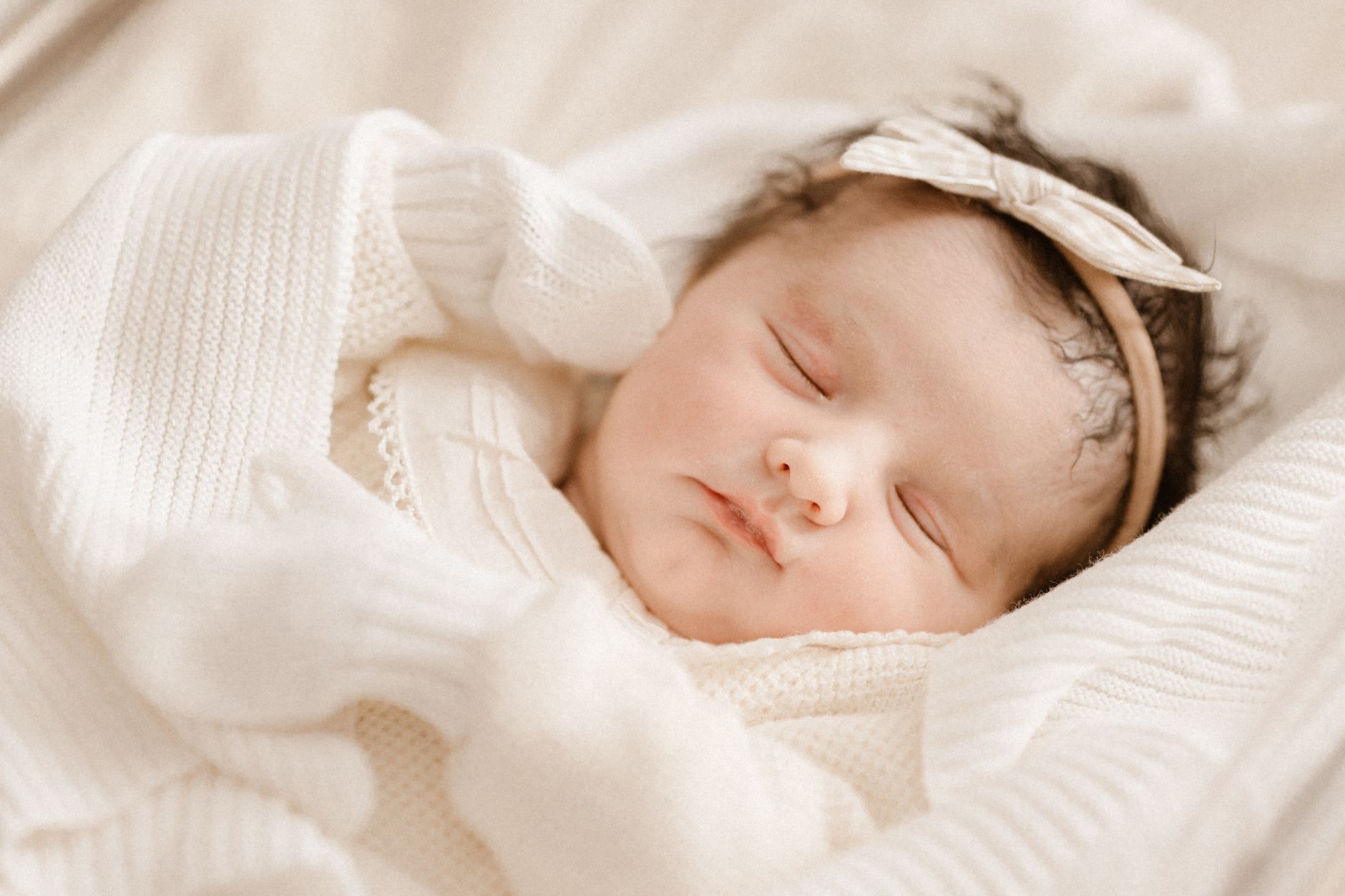
Many babies are born with blue or gray eyes, but that color often changes as melanin builds up in the iris.
How eye color is inherited: The basics of genetics
Eye color is a classic example of how traits are passed down from parents to children, but it’s not as straightforward as the Punnett squares you might remember from high school biology. Here’s what’s really going on.
Genes: The instruction manual for eye color
Your baby’s eye color is determined by genes—tiny segments of DNA that act like instruction manuals for building and maintaining the body. Each gene comes in different versions, called alleles. For eye color, the most important gene is called OCA2, which controls how much melanin (the pigment that gives color to skin, hair, and eyes) is produced in the iris (the colored part of the eye).
But OCA2 isn’t the only player. Scientists have identified at least 16 different genes that influence eye color, including HERC2, SLC24A4, and TYR. These genes interact in complex ways, which is why eye color isn’t just “brown or blue” but a spectrum that includes green, hazel, gray, and even amber.
Dominant vs. recessive: What it really means
You’ve probably heard that brown eyes are “dominant” and blue eyes are “recessive.” This is partly true, but it’s not the whole story. Here’s how it works:
Dominant alleles are like the bossy older siblings of genes. If your baby inherits even one dominant allele for brown eyes (from you or your partner), that allele will “override” any recessive alleles for lighter colors. This is why brown eyes are the most common eye color worldwide.
Recessive alleles are the quiet ones. For your baby to have blue, green, or hazel eyes, they need to inherit two recessive alleles—one from each parent. If they inherit one dominant and one recessive allele, the dominant one wins.
But here’s the twist: Eye color isn’t controlled by just one gene, so even if your baby inherits two recessive alleles for blue eyes, other genes might tweak the shade. That’s why two blue-eyed parents can sometimes have a brown-eyed baby (though it’s rare), or why two brown-eyed parents can have a green-eyed child.
The role of melanin
Melanin is the pigment that gives color to your baby’s eyes, skin, and hair. The more melanin in the iris, the darker the eyes. Here’s how it breaks down:
Brown eyes have the most melanin. They’re the most common eye color globally, especially in Africa, Asia, and Latin America.
Green and hazel eyes have moderate amounts of melanin. They’re less common and often appear in people of European descent.
Blue and gray eyes have the least melanin. They’re most common in Northern and Eastern Europe.
At birth, most babies have low levels of melanin in their irises, which is why many newborns have blue or gray eyes. As they grow, their bodies produce more melanin, and their eye color may darken or change. We’ll dive deeper into this later.
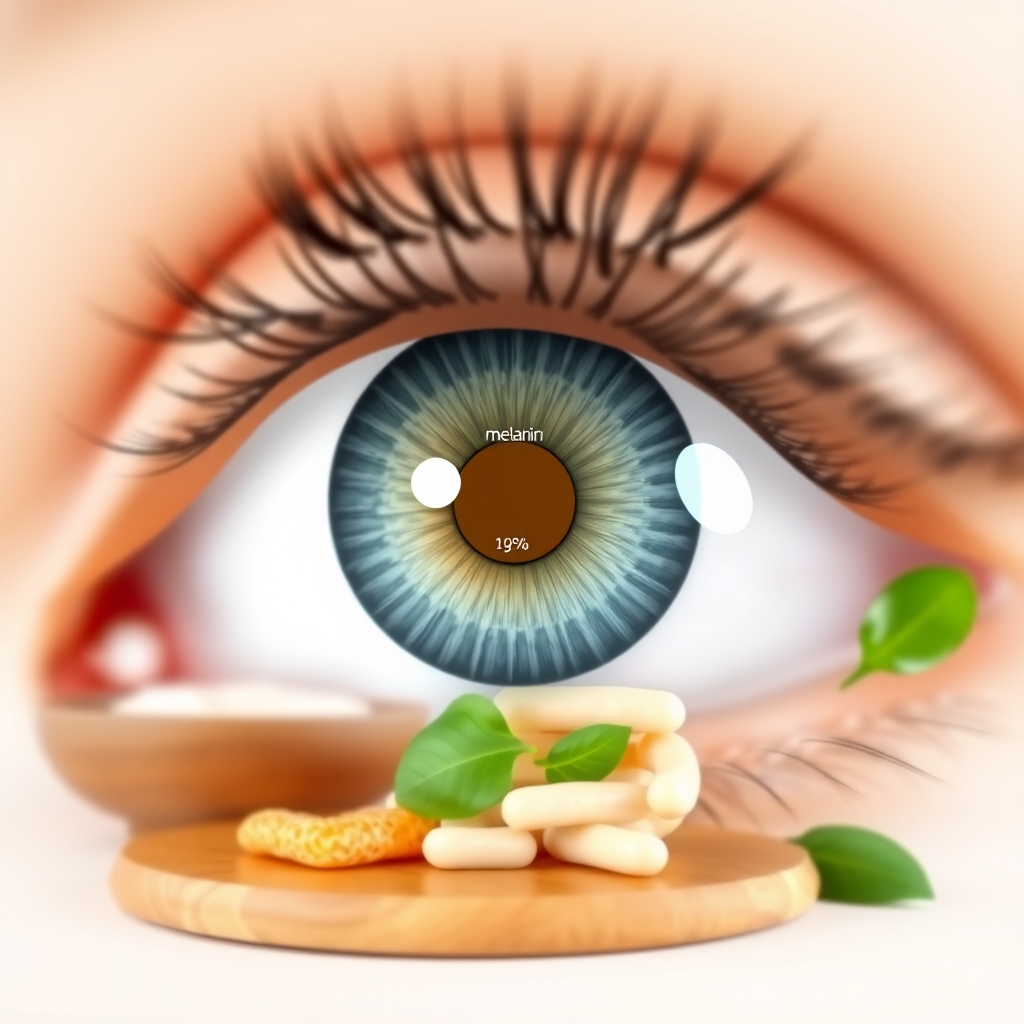
Eye color depends on how much melanin is in the iris. More melanin = darker eyes.
How to predict your baby’s eye color: The genetics calculator
Now f
or the fun part: Can you actually predict your baby’s eye color? The short answer is yes, but with a big asterisk. While you can’t know for sure, you can estimate the probabilities based on your and your partner’s eye colors. Here’s how.
The classic Punnett square (and why it’s not enough)
You might remember Punnett squares from biology class. They’re a simple way to predict the odds of a trait being passed down if you know the parents’ genes. For eye color, a basic Punnett square looks like this:
Parent 1 (Bb)
B (brown)
b (blue)
Parent 2 (Bb)
BB (brown)
Bb (brown)
b (blue)
Bb (brown)
bb (blue)
In this example, both parents have one dominant allele for brown eyes (B) and one recessive allele for blue eyes (b). Their baby has a 75% chance of having brown eyes (BB or Bb) and a 25% chance of having blue eyes (bb).
But here’s the catch: This model only works if eye color is controlled by one gene with two alleles. In reality, eye color is influenced by multiple genes, so the Punnett square is a simplification. It can give you a rough idea, but it’s not the whole picture.
Modern eye color calculators: How they work
Today, scientists use more sophisticated models to predict eye color. These models take into account multiple genes and give a more accurate probability. For example, a 2010 study published in Forensic Science International: Genetics developed a model that predicts eye color with about 90% accuracy by analyzing 16 different genes.
Our Baby Eye Color Predictor uses a simplified version of this science. You input your and your partner’s eye colors, and the tool estimates the probability of your baby’s eye color based on the most common genetic patterns. It’s not a guarantee, but it’s a fun way to play with the odds.
Here’s a quick reference table for common parent combinations and their likely outcomes. Remember, these are probabilities, not certainties:
Parent 1 Eye Color
Parent 2 Eye Color
Most Likely Baby Eye Color (Probability)
Possible But Less Likely
Brown
Brown
Brown (75%)
Green, hazel, blue (25%)
Brown
Green
Brown (50%)
Green, hazel, blue (50%)
Brown
Blue
Brown (50%)
Green, hazel, blue (50%)
Green
Green
Green (75%)
Blue, hazel (25%)
Green
Blue
Green (50%)
Blue, hazel (50%)
Blue
Blue
Blue (99%)
Green (1%)
Keep in mind that these probabilities are based on large population studies. Your baby’s eye color could still surprise you! For example, two blue-eyed parents can have a brown-eyed baby if both carry hidden recessive alleles for brown eyes from their ancestors. It’s rare, but it happens.
Why grandparents (and great-grandparents) matter
You might be wondering: If my parents have blue eyes but I have brown eyes, could my baby still have blue eyes? The answer is yes. Here’s why:
Even if you have brown eyes, you might carry a recessive allele for blue or green eyes that you inherited from your parents or grandparents. If your partner also carries a recessive allele, your baby could inherit two recessive alleles and end up with lighter eyes. This is called genetic recombination, and it’s why eye color can skip generations.
One mom, Lisa, shared her story with us: “My husband and I both have brown eyes, and so do our parents. We were shocked when our son was born with bright green eyes! Turns out, my husband’s grandmother had green eyes, and the gene had been hiding in his family for generations.”
This is also why online calculators ask about grandparents’ eye colors. The more you know about your family’s eye color history, the more accurate your prediction will be.
Why do babies’ eyes change color?
If you’ve ever seen a newborn with piercing blue eyes, you might have heard the saying, “All babies are born with blue eyes.” That’s not quite true, but it’s close. Here’s why.
The science behind newborn eye color
At birth, most babies’ eyes appear blue, gray, or even dark brown. This isn’t because their eye color is “set” yet—it’s because their bodies haven’t started producing much melanin. Melanin is the pigment that gives eyes (and skin and hair) their color, and it takes time for a baby’s melanin-producing cells to kick into gear.
For babies with European ancestry, this lack of melanin often makes their eyes look blue at birth. For babies with African, Asian, or Latin American ancestry, their eyes might look dark brown from day one because their bodies produce more melanin from the start.
When does eye color “settle”?
Most babies’ eye color starts to change around 6 to 9 months, as their bodies produce more melanin. By 12 months, their eye color is usually close to its final shade, though some babies’ eyes continue to darken slightly until they’re 3 years old.
Here’s a rough timeline of what to expect:
Birth to 3 months: Eyes may appear blue, gray, or brown. The color might look different in different lighting.
3 to 6 months: You might start to notice subtle changes. Blue eyes might look grayish, or brown eyes might darken.
6 to 12 months: The most dramatic changes happen here. Eyes may darken significantly or shift to green or hazel.
12 months and beyond: Most babies’ eye color is set, but some continue to change slightly until age 3.
One dad, Mark, told us about his daughter’s eye color journey: “At birth, her eyes were this gorgeous slate gray. By 6 months, they’d turned green. Then, around her first birthday, they started looking more hazel. Now, at 2, they’re a mix of green and gold—like autumn leaves. We never know what color they’ll be from one day to the next!”
Can you predict the final color based on newborn eyes?
Not really. While it’s tempting to guess, there’s no reliable way to predict your baby’s final eye color based on what you see at birth. Some babies’ eyes darken dramatically, while others stay light. The only way to know for sure is to wait and watch.
That said, there are a few clues you can look for:
Dark brown eyes at birth: These babies are likely to keep their dark eyes, though they might lighten slightly.
Blue or gray eyes at birth: These babies are more likely to see a change, especially if their parents or grandparents have darker eyes.
Green or hazel eyes at birth: These babies might stay green or hazel, or their eyes might darken to brown.
Remember, eye color changes are normal and nothing to worry about. If your baby’s eyes seem unusually light or dark, or if you notice other changes (like cloudiness or persistent redness), mention it to your pediatrician at your next checkup.
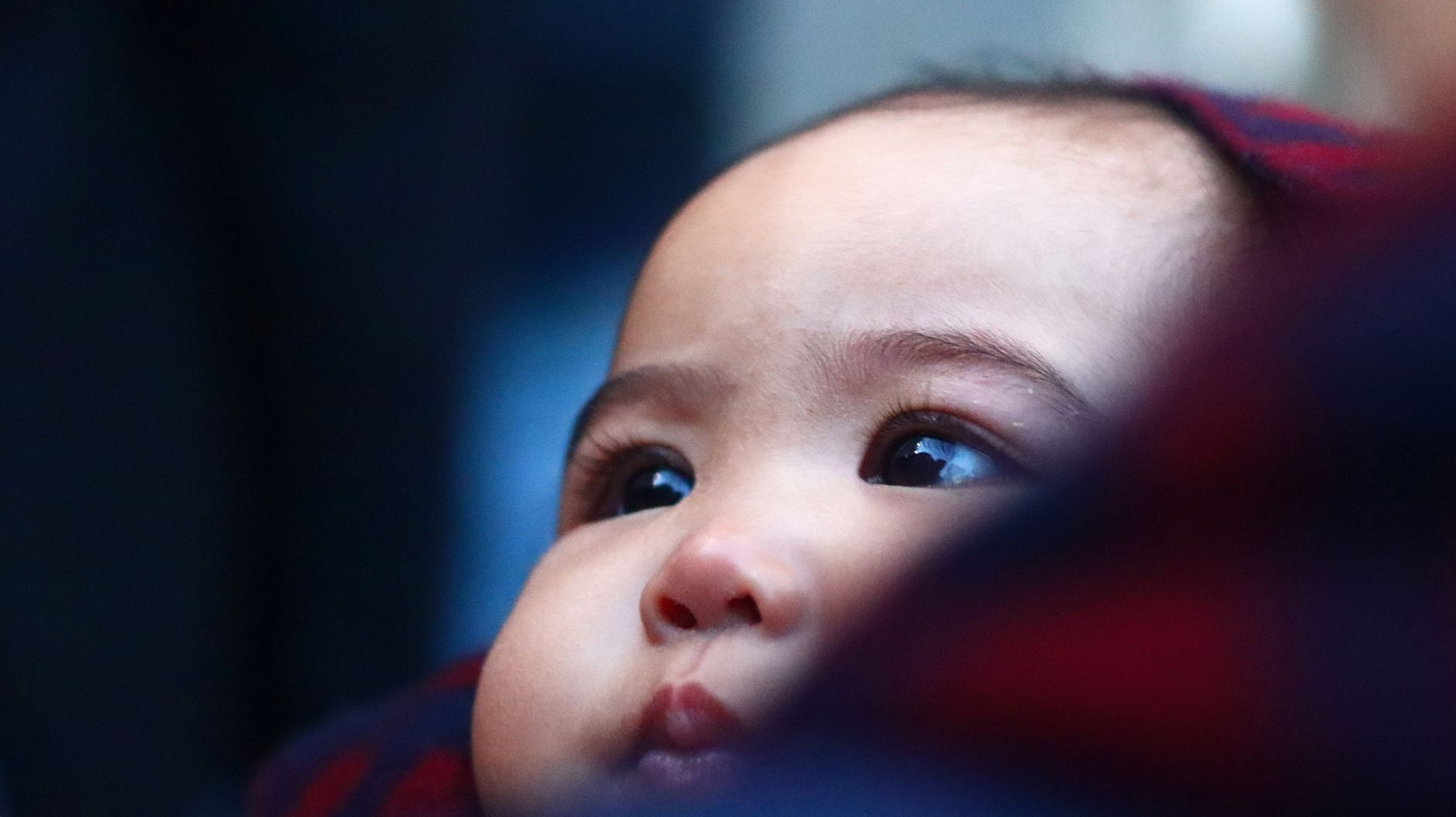
Many babies' eye colors change in the first year as melanin production increases.
Common myths about baby eye color
Eye color genetics are surrounded by myths and old wives’ tales. Let’s set the record straight on some of the most common ones.
Myth 1: “All babies are born with blue eyes.”
Fact: While many babies—especially those of European descent—are born with blue or gray eyes, this isn’t universal. Babies of African, Asian, or Latin American ancestry often have dark brown eyes at birth because their bodies produce more melanin from the start. Even among babies with lighter eyes at birth, the color can change dramatically in the first year.
Myth 2: “Eye color is determined by just one gene.”
Fact: Eye color is influenced by at least 16 different genes, not just one. While the OCA2 gene plays a big role, other genes like HERC2, SLC24A4, and TYR also contribute. This is why eye color can be so unpredictable and why two brown-eyed parents can sometimes have a blue-eyed baby.
Myth 3: “If both parents have brown eyes, their baby will definitely have brown eyes.”
Fact: While it’s likely that two brown-eyed parents will have a brown-eyed baby, it’s not a guarantee. If both parents carry recessive alleles for lighter eye colors (from their own parents or grandparents), their baby could inherit two recessive alleles and end up with green, hazel, or even blue eyes. The probability is low, but it’s possible.
Myth 4: “You can tell a baby’s final eye color at birth.”
Fact: Most babies’ eye colors change in the first year as their bodies produce more melanin. The color you see at birth is rarely the final shade. Even if your baby’s eyes look dark brown at birth, they might lighten slightly, or if they look blue, they might darken to green or hazel.
Myth 5: “Diet during pregnancy affects your baby’s eye color.”
Fact: There’s no evidence that what you eat or drink during pregnancy influences your baby’s eye color. Eye color is determined by genetics, not by prenatal nutrition. So go ahead and enjoy that spinach—it’s good for you, but it won’t turn your baby’s eyes green.
Myth 6: “Eye color can change after age 3.”
Fact: For most people, eye color is set by age 3. However, there are rare exceptions. Some people’s eyes may darken slightly during puberty or pregnancy due to hormonal changes. Others might develop a condition called heterochromia (where the eyes are two different colors) later in life, but this is usually due to injury, illness, or a genetic condition—not a normal part of aging.
Doctor’s note
From our medical team: While predicting your baby’s eye color can be a fun way to bond with your partner and imagine your little one’s future, it’s important to remember that eye color is just one small part of who they’ll become. The science behind it is fascinating, but the real magic is watching your baby grow and change in ways you never expected. If you’re ever concerned about your baby’s eye health—whether it’s unusual color changes, persistent redness, or sensitivity to light—don’t hesitate to bring it up with your pediatrician. We’re here to reassure you and make sure everything is developing as it should.
🔢 Ready to crunch your numbers? Use our Baby Eye Color Predictor for a personalized result in seconds.
Myth vs. fact
Let’s recap some of the most persistent myths about baby eye color—and the facts that debunk them.
Myth: “All babies are born with blue eyes.” Fact: While many babies are born with blue or gray eyes, this isn’t true for all babies. Babies of African, Asian, or Latin American ancestry often have dark brown eyes at birth. Even among babies with lighter eyes at birth, the color often changes as melanin production increases.
Myth: “Two blue-eyed parents can’t have a brown-eyed baby.” Fact: While it’s rare, two blue-eyed parents can have a brown-eyed baby if both carry hidden recessive alleles for brown eyes from their ancestors. Eye color is influenced by multiple genes, so surprises happen!
Myth: “You can predict your baby’s eye color with 100% accuracy.” Fact: Eye color prediction tools, like our Baby Eye Color Predictor, can estimate probabilities based on genetics, but they’re not foolproof. Eye color is influenced by multiple genes, and even the most advanced models can’t account for every possible combination.
Key takeaways
Your baby’s eye color is determined by genetics, specifically by multiple genes that control melanin production in the iris. It’s not as simple as “dominant” or “recessive” traits.
While you can’t predict eye color with 100% certainty, you can estimate the probabilities based on your and your partner’s eye colors. Tools like our Baby Eye Color Predictor can give you a fun, science-backed guess.
Most babies’ eyes change color in the first year as their bodies produce more melanin. The color you see at birth is rarely the final shade.
Eye color can skip generations. Even if you and your partner have brown eyes, your baby might inherit recessive alleles for lighter eyes from grandparents or great-grandparents.
Common myths—like “all babies are born with blue eyes” or “eye color is determined by just one gene”—aren’t true. Eye color genetics are complex and fascinating!
If you’re ever concerned about your baby’s eye health, talk to your pediatrician. Unusual color changes, persistent redness, or sensitivity to light should be checked out.
Frequently asked questions
Why do babies’ eyes change color?
Babies’ eyes change color because their bodies produce more melanin (the pigment that gives color to eyes, skin, and hair) as they grow. At birth, most babies have low levels of melanin in their irises, which is why many newborns have blue or gray eyes. As melanin production increases in the first year, their eyes may darken or shift to green, hazel, or brown. This process usually stabilizes by age 1, though some babies’ eyes continue to change slightly until age 3.
Can you predict baby eye color during pregnancy?
No, you can’t predict your baby’s eye color during pregnancy. Eye color is determined by genetics, but the final shade depends on how much melanin your baby’s body produces after birth. While you can estimate the probabilities based on your and your partner’s eye colors (using tools like our Baby Eye Color Predictor), the only way to know for sure is to wait and see.
What is the most common eye color for babies?
The most common eye color for babies worldwide is brown. Brown eyes are especially common in Africa, Asia, and Latin America. In Europe and among people of European descent, blue and green eyes are more common, but brown is still the most likely outcome for most babies. At birth, many babies’ eyes appear blue or gray due to low melanin levels, but this often changes as they grow.
Do all babies have blue eyes at birth?
No, not all babies have blue eyes at birth. While many babies—especially those of European descent—are born with blue or gray eyes, babies of African, Asian, or Latin American ancestry often have dark brown eyes from day one. Even among babies with lighter eyes at birth, the color can change dramatically in the first year as melanin production increases.
How long does it take for baby eye color to settle?
Most babies’ eye color starts to change around 6 to 9 months and is usually close to its final shade by 12 months. However, some babies’ eyes continue to darken slightly until they’re 3 years old. If your baby’s eyes seem unusually light or dark, or if you notice other changes (like cloudiness or persistent redness), mention it to your pediatrician at your next checkup.
Can eye color be inherited from grandparents?
Yes, eye color can be inherited from grandparents—or even great-grandparents. This happens because of recessive alleles, which are genes that can be passed down through generations without being expressed. For example, if your grandparents had blue eyes but you have brown eyes, you might still carry a recessive allele for blue eyes. If your partner also carries a recessive allele, your baby could inherit two recessive alleles and end up with blue eyes, even if both of you have brown eyes.
When to call your doctor
Eye color changes are usually a normal part of your baby’s development, but there are a few signs that warrant a call to your pediatrician:
Your baby’s eyes appear cloudy or milky (this could be a sign of a cataract or other eye condition).
One or both of your baby’s eyes seem unusually light-sensitive, or they squint or tear up in normal lighting.
Your baby’s eyes don’t track objects or seem to wander or cross frequently after 3 months of age.
You notice persistent redness, discharge, or crusting in or around your baby’s eyes.
Your baby’s eyes change color suddenly or dramatically after the first year (this could be a sign of an underlying condition).
If you notice any of these signs, don’t panic—but do give your pediatrician a call. Most eye issues in babies are treatable, especially if caught early.
This article is for informational purposes only and is not a substitute for professional medical advice, diagnosis, or treatment. Always consult your healthcare provider with any questions or concerns about your baby’s health.
References
American Academy of Ophthalmology (AAO). "Eye Color: How It Develops and Why It Changes." aao.org. (Explains the role of melanin in eye color and why babies' eyes change.)
National Institutes of Health (NIH). "Genetics of Eye Color." ghr.nlm.nih.gov. (Details the multiple genes involved in eye color inheritance.)
Forensic Science International: Genetics. "Predicting Human Eye Color from DNA." (2010 study outlining the 16-gene model for eye color prediction.)
American Academy of Pediatrics (AAP). "Your Baby’s Eyes." healthychildren.org. (Guidance on normal eye development and when to seek medical advice.)
Mayo Clinic. "Baby’s Eye Color: What to Expect." mayoclinic.org. (Overview of why and when babies' eye colors change.)
National Health Service (NHS). "Genetics and Eye Color." nhs.uk. (Explains dominant and recessive genes in eye color inheritance.)
Not sure about the label on What Color Will My Baby S Eyes Be Genetics Probability Calculator products?
Snap the ingredients list and SafeFilter checks every ingredient for your stage — only 3 free scans this month, then you're locked until reset. Unlimited from $7/mo or $50/yr.
When Shubhra Mishra was expecting her first child in 2016, she was overwhelmed by conflicting food advice — one site said yes, another said never. By the time her second baby arrived in 2019, she realized millions of mothers face the same confusion.
That sparked a five-year journey through clinical nutrition papers, cultural diets, and expert conversations — all leading to BumpBites: a calm, compassionate space where science meets everyday motherhood.
Her long-term vision is to build a global community ensuring safe, supported, and free deliveriesfor every mother — because no woman should face pregnancy alone or uninformed. 🌿
🌍 Stand with mothers, shape safer guidance
Join a small circle of experts who review BumpBites articles so expecting parents everywhere can decide with confidence.