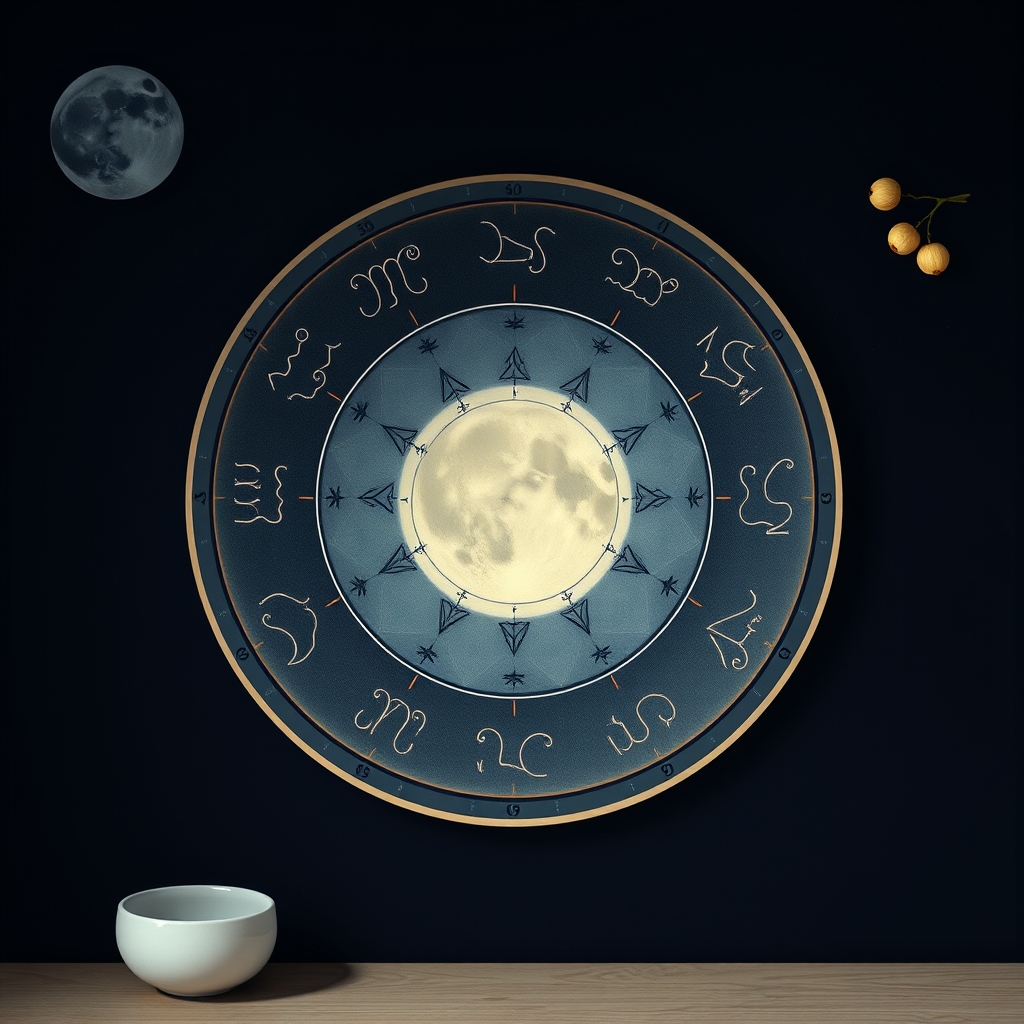
Discover your baby's nakshatra with our Vedic lunar mansion finder using birth details, get accurate results now with Baby's nakshatra: Vedic lunar mansion finder from birth details
By Shubhra Mishra — a mom of two who turned her own confusion during pregnancy into BumpBites, a global mission to make food choices clear, safe, and stress-free for every expecting mother. 💛
Check whether any food is safe during pregnancy with the BumpBites Food Safety Checker.
Quick take: Your baby’s nakshatra— the Vedic lunar mansion determined by the exact date, time, and place of birth— can be found in minutes using a reliable calculator. It tells you which of the 27 moon‑signs the moon occupied at birth, and traditional texts link each nakshatra to personality hints, naming guidelines, and ritual timing. The method is straightforward, but remember it’s a cultural guide, not a medical diagnosis.
It’s 2 a.m., the nursery lights are dim, and you’re scrolling through a page that promises “the perfect name for your little one.” Your heart races because you’ve just learned that in Vedic astrology the moon’s position at birth— the nakshatra— is said to shape a child’s temperament, health tendencies, and even the most auspicious letters for their name. You’re not alone; countless parents pause at this crossroads of tradition and modern life, wondering how to turn a birth chart into a practical, supportive tool.
🔢 Calculate it for your situation: Use our Nakshatra Finder for a personalized result in seconds.
We understand the mix of curiosity and caution you feel. The good news is that calculating a baby’s nakshatra is a quick, transparent process that relies on three pieces of data you already have: the birth date, the exact time (even to the minute), and the geographic location. Below you’ll find a step‑by‑step guide, a concise overview of each nakshatra’s classic traits, and practical tips for naming, rituals, and health‑focused considerations. By the end, you’ll know exactly how to use the Nakshatra Finder and what the results can mean for your growing family.
Whether you’re a first‑time parent, a grandparent‑to‑be, or simply fascinated by Vedic heritage, this article walks you through the entire process—from the math behind the moon’s path to the cultural meanings that have guided families for centuries. Let’s start with the basics.
What is a nakshatra and why does it matter in Vedic astrology?
In Vedic astrology, the sky is divided into 27 lunar mansions called nakshatras, each covering 13° 20′ of the ecliptic. The moon completes a full circle around Earth in about 27.3 days, spending roughly one day in each nakshatra. Unlike the 12‑sign zodiac, which tracks the sun’s position, nakshatras focus on the moon’s rapid journey, making them especially relevant for birth‑time calculations.
The word “nakshatra” translates from Sanskrit as “star” or “constellation.” Ancient sages observed that the moon’s nightly position seemed to influence human moods, health, and destiny. Over millennia, each nakshatra was associated with a ruling deity, an element (like fire, water, earth, or air), a symbol, and a set of characteristic traits. These associations form the backbone of naming conventions, ritual timing, and even health recommendations in many South Asian cultures.
While modern science does not validate astrological predictions, the cultural significance of nakshatras remains strong. Families often consult an astrologer to choose a name that begins with a specific syllable, to schedule a naming ceremony (Namkaran) at an auspicious moment, or to anticipate potential health sensitivities based on the moon’s influence. Understanding the framework helps you decide how much weight to give these traditions in your own parenting toolkit.
In practical terms, the nakshatra is a snapshot of the moon’s energy at the exact moment of birth. For parents who value heritage, it offers a symbolic lens through which to view early development, much like a family heirloom story. For clinicians, it is a neutral cultural factor that can be acknowledged without affecting medical decision‑making.
Today, many families keep the nakshatra information alongside other birth details in digital health records or baby books, treating it as a cherished cultural note rather than a medical metric.
Each of the 27 nakshatras marks a specific segment of the moon’s monthly trek.
How to calculate your baby’s nakshatra: a step‑by‑step guide
Calculating a baby’s nakshatra is a matter of plugging three pieces of information into a reliable algorithm. Below is the exact workflow you can follow at home or with an online tool.
1. Gather the birth details
Date: Use the Gregorian calendar date (day, month, year) as recorded on the birth certificate.
Time: Record the exact time of birth, down to the minute. If the hospital provides “time of birth” in a 24‑hour format, keep that; if you have an approximate time, note the range.
Location: Identify the city or town of birth. You’ll need the latitude and longitude, which most calculators fetch automatically when you type the place name.
2. Convert the time to local sidereal time
Astrologers convert the civil time to sidereal time to align the Earth’s rotation with the fixed stars. Most online calculators handle this conversion for you, but the principle is that the moon’s position is measured against the backdrop of the constellations, not the sun’s apparent path.
3. Locate the moon’s longitude
The moon’s ecliptic longitude on the birth date is the key value. It is expressed in degrees from 0° to 360°. Each nakshatra occupies a 13° 20′ slice, so dividing the moon’s longitude by 13.333… (the length of one nakshatra) tells you which segment the moon was in.
4. Identify the nakshatra
Take the integer part of the division result to get the nakshatra index (0‑26). Add one to align with traditional naming (1‑27). Then match the index to the nakshatra list (see the table below). The remainder of the division gives the “pada” or quarter, which further refines the interpretation.
5. Verify with an online calculator
Enter the three data points into a trusted calculator—such as the Nakshatra Finder—and compare the result with your manual computation. The tool will also display the nakshatra’s ruling deity, element, and the syllable(s) recommended for naming.
Because the moon moves quickly, even a few minutes of error can shift the nakshatra to an adjacent one. If you’re unsure of the exact minute, you can run the calculation for a small time range (e.g., 10 minutes before and after) to see if the result changes. Most families find that the official hospital record provides sufficient precision for a reliable reading.
Using a digital calculator makes the process quick and accurate.
When you’ve confirmed the nakshatra, keep a note of the exact “pada” (quarter) as it can influence the specific sound recommendations for naming. Many parents write the result on a birth announcement card to share the cultural significance with relatives.
It’s helpful to double‑check that the calculator has automatically applied daylight‑saving adjustments for the birth location; a missed hour can place the moon in the wrong nakshatra.
Traits of each nakshatra for newborns
Below is a concise reference that pairs each nakshatra with its traditional deity, element, and a brief personality sketch. These traits are drawn from classic Vedic texts such as the Brihat Parashara Hora Shastra and have been passed down through generations of astrologers.
Nakshatra
Ruling Deity
Element
Typical Traits (Newborn)
Ashwini
Apah (Divine Physicians)
Fire
Energetic, quick‑witted, strong survival instinct
Bharani
Yama (Lord of Death)
Earth
Determined, resilient, sometimes stubborn
Krittika
Agni (God of Fire)
Fire
Sharp, enthusiastic, protective
Rohini
Prahlada (Devoted)
Earth
Affectionate, artistic, comfort‑seeking
Mrigashira
Mitra (Friend)
Earth
Curious, social, adaptable
Ardra
Rudra (Storm God)
Water
Intense, transformative, emotionally deep
Punarvasu
Vishnu (Preserver)
Water
Optimistic, generous, seeks renewal
Pushya
Brahma (Creator)
Water
Nurturing, disciplined, academic
Ashlesha
Naag (Serpent)
Water
Intuitive, secretive, persuasive
Magha
Pitris (Ancestors)
Fire
Regal, proud, leadership‑oriented
Purva Phalguni
Bhaga (Giver)
Fire
Playful, artistic, pleasure‑seeking
Uttara Phalguni
Aryaman (Friendship)
Fire
Responsible, loyal, service‑focused
Hasta
Savitar (Solar Deity)
Earth
Skillful, meticulous, helpful
Chitra
Tvastar (Divine Artisan)
Earth
Creative, charismatic, aesthetic
Swati
Vayu (Wind)
Air
Flexible, diplomatic, independent
Vishakha
Indra‑Agni (King‑Fire)
Air
Ambitious, goal‑driven, competitive
Anuradha
Mitra (Friend)
Air
Cooperative, loyal, community‑oriented
Jyeshtha
Indra (King)
Fire
Leader, protective, sometimes domineering
Mula
Nirriti (Goddess of Destruction)
Earth
Investigative, deep‑thinking, transformative
Purva Ashadha
Apas (Water)
Fire
Optimistic, adventurous, outspoken
Uttara Ashadha
Vishvadevas (Universal Deities)
Fire
Structured, principled, disciplined
Shravana
Vishnu (Preserver)
Earth
Listening, scholarly, reliable
Dhanistha
Varuna (God of Waters)
Earth
Musical, generous, social
Shatabhisha
Varuna (Healing Waters)
Water
Healing, analytical, aloof
Purva Bhadrapada
Ahirbudhnya (Deep Sea)
Water
Mystical, intense, transformative
Uttara Bhadrapada
Ahirbudhnya (Deep Sea)
Water
Steady, philosophical, calm
Revati
Pushan (Nourisher)
Earth
Compassionate, protective, nurturing
The above table offers a quick glance at the classic descriptors. Parents often use these traits as a gentle lens through which to observe their child’s emerging personality, rather than a rigid prediction. When you pair the trait list with everyday observations— a baby who smiles easily may align with the affectionate Rohini description— you create a narrative that feels both personal and rooted in tradition.
It’s worth noting that the scientific community does not support a causal link between lunar position and temperament. Studies from the American Academy of Pediatrics (AAP) and the National Health Service (NHS) find no measurable effect of moon phases on infant behavior. This reinforces the idea that nakshatra meanings are symbolic, not deterministic, and can coexist comfortably with evidence‑based parenting practices.
Many parents keep a simple chart in the baby’s nursery, marking observed behaviors alongside the nakshatra traits, turning the ancient system into a modern developmental log.
Naming and ritual significance tied to the baby’s nakshatra
One of the most tangible ways nakshatra influences a newborn’s life is through naming. Traditional practice holds that a child’s first name should begin with a syllable (called “padi”) that matches the nakshatra’s ruling deity. For example, a baby born under Ashwini might receive a name starting with “Chu,” “Che,” “Cho,” or “La,” because those sounds are linked to the Ashwini nakshatra.
Families typically consult a priest or an astrologer shortly after birth to confirm the nakshatra and select the appropriate syllable. The naming ceremony (Namkaran) is then scheduled at an auspicious “muhurat”— a time when the planetary influences are favorable. While many modern parents adapt these guidelines, the underlying principle is that the name’s vibration aligns with the moon’s energy at birth, fostering harmony throughout life.
Beyond naming, certain rituals such as the “Jatakarma” (birth rite) and “Namkaran” are timed based on the nakshatra. The rituals may involve chanting specific mantras, offering flowers to the ruling deity, or arranging a special feast. If you choose to incorporate these customs, you can coordinate with a local priest or use online resources that list recommended mantras for each nakshatra.
From a health standpoint, the timing of these ceremonies does not affect medical outcomes, but they can provide a calming structure for families. A scheduled ceremony can give parents a clear, positive focus during the early weeks of postpartum recovery, which aligns with recommendations from ACOG that stress‑reduction supports breastfeeding and maternal well‑being.
Modern families often blend the traditional syllable with a name that works in English or another spoken language, creating a bridge between cultural heritage and everyday practicality.
How a nakshatra can influence health, temperament, and future outlook
In Vedic tradition, each nakshatra carries a set of “karaka” (significators) that hint at areas of life where the moon’s influence may be strongest. For newborns, these signifiers are often interpreted as potential health sensitivities, temperament tendencies, and educational inclinations.
Health: Some nakshatras, like Ardra (associated with the lungs) or Ashlesha (linked to the circulatory system), are thought to suggest a predisposition toward respiratory or blood‑related issues. Parents may use this knowledge to monitor specific symptoms, but it should never replace pediatric advice.
Temperament: Nakshatras such as Magha (leadership) or Swati (flexibility) can give clues about a child’s natural disposition. A baby with a strong Magha influence might display early signs of confidence, while a Swati infant may be more adaptable.
Future outlook: Traditional texts connect certain nakshatras with career “dharma” or life‑path themes. For instance, Chitra is linked to artistic professions, while Vishakha aligns with ambitious, goal‑oriented pursuits. While these are broad cultural narratives, they can inspire parents to nurture particular talents.
It’s essential to keep perspective: these interpretations are symbolic, not deterministic. The same child can thrive in any field regardless of nakshatra, especially when supported by love, nutrition, and education. Think of the nakshatra as a cultural lens— a way to celebrate heritage while still prioritizing evidence‑based health care.
For example, the NHS advises that newborns be placed on their backs for sleep to reduce sudden infant death syndrome (SIDS). This safety recommendation applies regardless of nakshatra. Similarly, the FDA’s guidance on infant formula safety is universal. By weaving cultural practices with these evidence‑based guidelines, families can honor tradition without compromising health.
When a family notices a health pattern that aligns with a nakshatra’s traditional warning, they can discuss it openly with their pediatrician, using it as a conversational bridge rather than a diagnostic tool.
Tools, apps, and resources for finding your baby’s nakshatra
Modern technology has made the nakshatra calculation as easy as a few taps. Below are some reliable options, ranging from free web calculators to dedicated mobile apps.
Online calculators: Websites like the BumpBites Nakshatra Finder let you input date, time, and location to instantly retrieve the nakshatra, its deity, and recommended syllables.
Mobile apps: Apps such as “Jyotish Pro” and “AstroSage” provide full birth‑chart generation, including nakshatra, planetary aspects, and daily “panchang” updates.
Printed Panchang: The yearly Indian almanac (Panchang) lists the moon’s position for every day. If you enjoy a paper reference, you can locate the day’s nakshatra manually— though this requires more effort.
Professional astrologers: For families seeking a deeper, personalized reading, a certified Vedic astrologer can interpret the full chart, suggest rituals, and answer nuanced questions about health or education.
When using any tool, double‑check that it uses the correct time zone and accounts for daylight‑saving adjustments. Small errors in time conversion can shift the result by one nakshatra, which may change the suggested naming syllable.
Most reputable calculators also provide a “pada” breakdown, letting you see which quarter of the nakshatra the moon occupied. This extra detail can be especially helpful if you’re interested in more precise mantra recommendations.
Because these tools often store personal data, choose platforms that state a clear privacy policy and avoid sharing birth details with unverified third parties.
Integrating nakshatra insights with modern parenting practices
Many new parents wonder how to weave nakshatra information into daily routines without feeling overwhelmed. One practical approach is to treat the nakshatra description as a “theme” rather than a prescription. For instance, if your child’s nakshatra emphasizes nurturing (as with Pushya), you might intentionally create more skin‑to‑skin contact during feeding— a practice that aligns with ACOG’s recommendations for bonding and successful breastfeeding.
Another way to blend tradition with science is to use the nakshatra’s recommended syllable as a naming inspiration while still selecting a name you love. You can honor the cultural element without feeling constrained, similar to how many families choose middle names that reflect heritage.
Finally, consider the timing of rituals as an opportunity for family connection rather than a strict astrological mandate. Scheduling a naming ceremony on a weekend when grandparents can attend can strengthen support networks, which the NHS identifies as a protective factor for maternal mental health.
Keeping a simple “nakshatra journal” alongside your baby’s health log can help you notice patterns—like whether a child’s sleep rhythm coincides with the traditional description of their moon‑sign—without turning the observation into a rigid rule.
Infant sleep patterns and the lunar connection
It’s common to hear that babies sleep better during certain moon phases. Scientific investigations, including a 2021 review by the American Academy of Sleep Medicine, have found no consistent correlation between lunar cycles and infant sleep duration. However, the symbolic association can still be useful for parents seeking a calming narrative.
If you notice that your newborn seems more restless during a full moon, you might simply be more aware of the night’s brightness. Using blackout curtains, a white‑noise machine, and a consistent bedtime routine— all evidence‑based strategies recommended by the CDC— can help regardless of lunar influence. In this way, the nakshatra serves as a cultural conversation starter rather than a diagnostic tool.
Some parents find comfort in noting the moon’s phase on a baby‑log chart; the act of recording can be soothing even if the scientific link is tenuous.
Limitations, FAQs, and integrating nakshatra with zodiac signs
While nakshatra analysis offers cultural richness, it has clear limits. The system does not replace medical screening, psychological assessment, or educational planning. It’s a symbolic framework, not a scientific predictor.
Many people also wonder how the moon‑based nakshatra interacts with the sun‑based zodiac sign (Aries, Taurus, etc.). In Vedic astrology, both are considered: the zodiac sign conveys the broader personality pattern, while the nakshatra refines specific traits. For example, a baby with a Leo sun sign (confident, expressive) born under the shy‑natured Punarvasu nakshatra might balance confidence with a compassionate outlook.
Understanding both systems can enrich storytelling about a child’s character, but it’s important to keep expectations realistic and avoid over‑interpreting either chart.
When families ask whether the nakshatra can change if daylight‑saving time was in effect, the answer is that the astronomical position of the moon does not shift; only the recorded civil time changes. Accurate conversion to sidereal time ensures the correct nakshatra is identified.
Twins can indeed have different nakshatras if they are born even a few minutes apart, because the moon moves roughly 13° per day. This fine distinction can be a fun fact for families who love the tradition.
From our medical team: Nakshatra information is cultural guidance, not a health diagnosis. If you notice any concerning signs— persistent fever, feeding difficulties, or unusual sleep patterns— consult your pediatrician promptly. Use the astrological insights as a supportive narrative, not a substitute for professional care.
🔢 Ready to crunch your numbers? Use our Nakshatra Finder for a personalized result in seconds.
Myth vs. fact
Myth: A baby’s nakshatra determines their fate and can predict exact events.
Fact: Nakshatra offers symbolic themes that families may find meaningful, but outcomes are shaped by genetics, environment, and personal choices.
Myth: You must know the exact minute of birth to get a useful nakshatra.
Fact: While precise timing gives the most accurate nakshatra, a one‑hour range usually still points to the correct lunar mansion; many practitioners work with approximate times.
Myth: Nakshatra readings are the same across all cultures.
Fact: Vedic astrology is rooted in South Asian traditions; other astrology systems (Western, Chinese) use different celestial divisions and have distinct naming conventions.
Critical thinking helps families enjoy the tradition while staying grounded in modern health advice.
Key takeaways
Baby’s nakshatra is the moon’s position at birth, determined by date, exact time, and location.
Use a reliable calculator— such as the BumpBites Nakshatra Finder— to get quick results.
Each of the 27 nakshatras carries traditional traits, a ruling deity, and recommended name syllables.
Naming and ritual practices align the child’s first name with the nakshatra’s sound, fostering cultural continuity.
Interpret health and temperament cues as symbolic guidance, not medical predictions.
Consult a pediatrician for any health concerns; astrological insights should complement, not replace, professional care.
Integrate nakshatra themes with evidence‑based parenting tips— such as safe sleep, skin‑to‑skin bonding, and responsive feeding—to get the best of both worlds.
Remember, the nakshatra is one thread in the rich tapestry of your child’s story; weaving it with love, science, and tradition creates a balanced narrative.
Frequently asked questions
What is a nakshatra and how does it affect a baby?
In Vedic astrology, a nakshatra is one of 27 lunar mansions that the moon passes through each month. It is believed to shape early temperament, suggest naming sounds, and highlight potential health sensitivities, though it does not dictate destiny.
How can I find my baby’s nakshatra using birth details?
Enter the baby’s birth date, exact time, and city into a trusted online calculator—such as the BumpBites Nakshatra Finder—and the tool will instantly reveal the nakshatra, its deity, element, and recommended syllable.
What does each nakshatra mean for a newborn’s personality?
Each nakshatra carries classic traits; for example, Ashwini babies are energetic, Rohini infants are affectionate, and Magha children often show early leadership. The table above summarizes the traditional descriptors for all 27 mansions.
Is there a free online tool to calculate a baby’s nakshatra?
Yes. Several websites, including the BumpBites Nakshatra Finder, offer free, instant calculations without requiring registration.
Can a baby’s nakshatra influence health and future?
Traditional belief links certain nakshatras to health tendencies (e.g., Ardra with respiratory focus) and career themes (e.g., Chitra with artistic pursuits). These are symbolic guidelines; medical advice should always come from a qualified health professional.
How accurate is a nakshatra reading for a baby?
Accuracy depends on precise birth time and correct geographic data. When these are exact, the lunar mansion is reliably identified. The interpretive layer— personality and health suggestions— is cultural and varies among astrologers.
Can I use nakshatra information to choose a baby name that works in both English and my native language?
Many families blend the traditional syllable with a name that also feels natural in their everyday language. For example, a child born under the Ashwini nakshatra could be named “Chandra” (which starts with “Cha”) while still fitting comfortably in an English‑speaking context. This hybrid approach respects cultural guidelines and modern practicality.
Should I consult a pediatrician if my child’s nakshatra suggests a health predisposition?
No. Nakshatra suggestions are symbolic and should not replace regular well‑child visits. Follow standard pediatric screening schedules recommended by ACOG and the NHS, and discuss any specific concerns with your doctor.
Does daylight‑saving time affect the nakshatra calculation?
Daylight‑saving time changes the civil clock, not the moon’s actual position. Accurate calculators automatically convert the recorded time to sidereal time, so the correct nakshatra is still identified as long as the time zone is entered correctly.
Can twins have different nakshatras?
Yes. If twins are born even a few minutes apart, the moon may have moved into the next nakshatra, giving each child a distinct lunar mansion. This can
Not sure about the label on Baby S Nakshatra Vedic Lunar Mansion Finder From Birth Details products?
Snap the ingredients list and SafeFilter checks every ingredient for your stage — only 3 free scans this month, then you're locked until reset. Unlimited from $7/mo or $50/yr.
When Shubhra Mishra was expecting her first child in 2016, she was overwhelmed by conflicting food advice — one site said yes, another said never. By the time her second baby arrived in 2019, she realized millions of mothers face the same confusion.
That sparked a five-year journey through clinical nutrition papers, cultural diets, and expert conversations — all leading to BumpBites: a calm, compassionate space where science meets everyday motherhood.
Her long-term vision is to build a global community ensuring safe, supported, and free deliveriesfor every mother — because no woman should face pregnancy alone or uninformed. 🌿
🌍 Stand with mothers, shape safer guidance
Join a small circle of experts who review BumpBites articles so expecting parents everywhere can decide with confidence.