The semen analysis result interpreter explains what each parameter means, helping you understand male fertility testing results and next steps for treatment.
By Shubhra Mishra — a mom of two who turned her own confusion during pregnancy into BumpBites, a global mission to make food choices clear, safe, and stress-free for every expecting mother. 💛
Check whether any food is safe during pregnancy with the BumpBites Food Safety Checker.
Quick take: A semen analysis measures several key indicators of male fertility, and most results fall within the World Health Organization’s reference ranges. If your numbers are slightly below those limits, lifestyle tweaks often help; markedly abnormal results usually prompt further testing or treatment. Talk with your provider about any concerns—you’re not alone, and help is available.
It’s 2 a.m., you’ve just finished a late‑night chat with your partner about trying to conceive, and a quick search leads you to a page titled “Male fertility testing: Semen analysis result interpreter.” Your heart races a bit—what do those cryptic numbers really mean? You’re not alone. Many expectant couples wonder whether a single lab report can predict the odds of pregnancy, and whether there’s anything you can do to improve the picture.
🔢 Calculate it for your situation: Use our Semen Analysis (WHO 2021) for a personalized result in seconds.
Good news: a semen analysis is a routine, evidence‑based test that gives a clear snapshot of sperm health. While the numbers can feel intimidating, most men fall within the normal range, and even modest lifestyle changes can shift the results in a positive direction. In this guide we’ll walk through what the test looks for, how to prepare, how to read the report, what to do if something looks off, and how everyday habits influence sperm quality.
What is a semen analysis and why it matters
A semen analysis, also called a sperm count test, is the cornerstone of male fertility testing. Conducted in a certified laboratory, the test evaluates several parameters that together predict a man’s ability to fertilize an egg. The World Health Organization (WHO) defines the reference limits for a “normal” sample and clinicians use these benchmarks to assess reproductive potential.
Why do doctors recommend it? First, it helps identify treatable causes of infertility—such as varicocele, hormonal imbalances, or infections. Second, it guides the choice of assisted reproductive technologies (ART) like intrauterine insemination (IUI) or in‑vitro fertilisation (IVF). Finally, a baseline semen analysis can serve as a health marker; abnormal results sometimes flag broader medical issues, from metabolic syndrome to endocrine disorders.
For couples actively trying to conceive, a semen analysis provides reassurance or a roadmap for next steps. It’s also an opportunity to discuss lifestyle factors that influence sperm health, such as diet, stress, and environmental exposures. In many health systems—including the NHS and ACOG‑endorsed clinics—this test is the first line of evaluation for the male partner. Moreover, clinicians often repeat the analysis after a treatment course to monitor improvement, making it a valuable tool throughout the fertility journey.
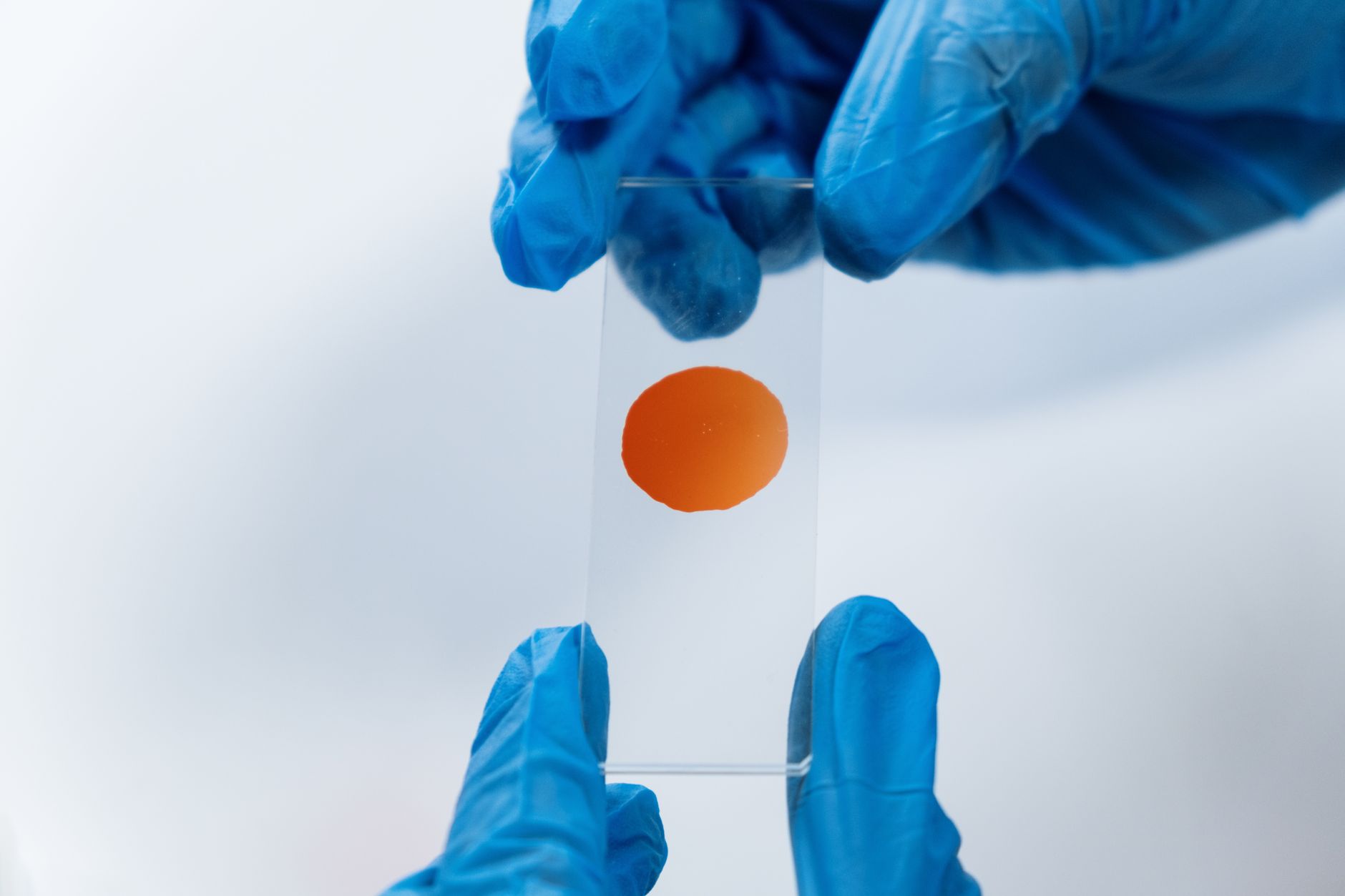
Laboratory technicians use precise equipment to evaluate sperm count, motility, and morphology.
Key parameters measured in a semen analysis
The W
HO’s 2021 reference manual lists six primary parameters. Understanding each helps you interpret your own report and ask informed questions at your next appointment.
Sperm concentration (million/mL)
Concentration is the number of sperm present in each milliliter of semen. The WHO sets the lower reference limit at ≥ 15 million sperm per milliliter. Values below this threshold are termed “oligozoospermia.” Studies from ACOG show that men with concentrations just above the cut‑off still achieve natural conception at rates comparable to those with higher counts, whereas markedly low values correlate with reduced pregnancy odds.
Total sperm count (million per ejaculate)
Total count multiplies concentration by the total ejaculate volume. A total count of ≥ 39 million sperm is considered normal. Low total count can arise from poor production or premature ejaculation. In ART settings, a higher total count improves the likelihood of retrieving sufficient motile sperm for procedures like ICSI.
Motility (%)
Motility measures the percentage of sperm that move forward. The WHO defines normal progressive motility as ≥ 40 % of sperm showing forward movement, with at least 32 % classified as “progressively motile.” Reduced motility is a common cause of infertility and often improves with antioxidant therapy.
Progressive motility (PR) vs. non‑progressive (NP)
Progressive motility refers to sperm that swim in a straight line or large circles. Non‑progressive motility describes slower, erratic movement. Higher PR percentages correlate with better fertilisation potential, especially in natural conception where sperm must travel the female reproductive tract.
Morphology (%)
Morphology assesses the shape of sperm heads, midpieces, and tails. The WHO’s strict criteria consider ≥ 4 % normal forms as the lower limit. Abnormal morphology—termed “teratozoospermia”—does not always preclude pregnancy, but lower percentages can reduce success rates, particularly in IVF cycles where embryo quality depends on sperm integrity.
Volume (mL) and pH
Normal semen volume is ≥ 1.5 mL, and pH typically ranges from 7.2 to 8.0. Low volume may indicate blockage or incomplete ejaculation, while abnormal pH can suggest infection. Both factors are considered when evaluating overall reproductive health.
Other optional tests include DNA fragmentation, oxidative stress, and seminal plasma biochemistry. These are ordered when the basic parameters raise concerns or when ART is being considered.
Parameter
WHO lower reference limit (2021)
Typical normal range
Sperm concentration
≥ 15 million/mL
15–200 million/mL
Total sperm count
≥ 39 million per ejaculate
39–500 million
Progressive motility
≥ 40 %
40–80 %
Normal morphology
≥ 4 %
4–15 %
Volume
≥ 1.5 mL
1.5–5 mL
pH
7.2–8.0
7.2–8.0
These reference ranges are based on large, multinational studies and are endorsed by bodies such as ACOG and the NHS. Remember that “normal” does not guarantee fertility, but it does indicate that sperm parameters are unlikely to be the primary barrier.
How to prepare for a semen analysis appointment
Proper preparation helps ensure the sample reflects your true fertility potential. Follow these practical steps, and you’ll avoid common pitfalls that can skew the results.
Abstinence period: Refrain from ejaculation for 2–7 days before the test. This window balances sperm count (which rises after a longer abstinence) with motility (which can decline if the abstinence is too long).
Avoid heat exposure: Skip hot tubs, saunas, and tight underwear for at least 48 hours before collection. Heat can temporarily reduce sperm production.
Limit alcohol and caffeine: Heavy drinking (> 4 drinks/day) and excessive caffeine (> 300 mg) may impair sperm quality. Reduce intake for a few days leading up to the test.
Medication review: Certain drugs—like testosterone supplements, anabolic steroids, and some antihistamines—affect sperm parameters. Inform your provider of all prescriptions and over‑the‑counter meds.
Stress management: Acute stress can lower motility. Practice relaxation techniques (deep breathing, short walks) the night before.
Collection method: Most labs provide a private room for on‑site collection. If you must collect at home, use a sterile container, keep the sample at body temperature, and deliver it to the lab within an hour.
Hydration and nutrition: Drink plenty of water the day before and eat a balanced meal. Dehydration can concentrate the semen, falsely altering volume measurements.
When you arrive, the lab will typically ask you to fill out a brief questionnaire about recent illnesses, medications, and lifestyle factors. This context helps the technician interpret the results accurately. If you’re unsure about any item, ask the staff—they’re accustomed to guiding patients through this process.
Interpreting your semen analysis results
After the lab processes your sample, you’ll receive a report with numbers for each parameter. The first step is to compare each value to the WHO reference limits. Below each metric, the report usually indicates “within reference range” or “below reference range.” Here’s how to read the common scenarios.
All values within normal limits
If every parameter meets or exceeds the WHO thresholds, the test suggests that sperm quality is not a major barrier to conception. This does not guarantee pregnancy—female factors, timing, and chance still play roles—but it provides reassurance that male fertility is likely adequate.
Isolated low sperm concentration
When only concentration is low but motility and morphology are normal, clinicians may label it “mild oligozoospermia.” Lifestyle adjustments (e.g., weight loss, antioxidant‑rich diet) often improve counts over a 3‑month period, which aligns with the full spermatogenic cycle.
Reduced motility (asthenozoospermia)
Low progressive motility can stem from oxidative stress, infections, or varicocele. Antioxidant supplements (vitamin C, vitamin E, coenzyme Q10) and treating any underlying infection are common first steps. In some cases, a short course of empiric antibiotics is prescribed, per ACOG guidance.
Abnormal morphology (teratozoospermia)
When morphology falls below 4 %, the cause is frequently idiopathic. However, certain environmental toxins (such as pesticides) can affect sperm shape, so reducing exposure is advisable. Some clinics also use advanced imaging to better classify morphology.
Combined abnormalities
If multiple parameters are below reference limits, the clinician may recommend a repeat semen analysis (to rule out lab error) and possibly a referral to a urologist or reproductive endocrinologist for further evaluation. Genetic testing for Y‑chromosome microdeletions may be considered when severe oligozoospermia persists.
For a quick visual reference, you can input your numbers into our Semen Analysis (WHO 2021) calculator. It will highlight which values fall outside the typical range and suggest what to discuss with your provider.
Reviewing the report at home can help you prepare thoughtful questions for your clinician.
When results are outside the typical range – next steps
Abnormal findings do not mean hopelessness; they signal a need for deeper investigation and, often, lifestyle modification. Here’s a roadmap most clinicians follow.
Confirm the result: Because semen quality can fluctuate, a repeat test after 2–4 weeks is standard practice.
Identify reversible causes: Check for recent fevers, illnesses, medication changes, or acute stressors that might temporarily suppress sperm production.
Address underlying medical issues: Conditions such as varicocele, hormonal imbalances, or chronic infections may require surgical or pharmacologic treatment.
Consider specialist referral: A urologist or reproductive endocrinologist can perform advanced diagnostics, including hormonal panels, genetic testing, and testicular biopsy if indicated.
Discuss assisted reproductive options: If natural conception remains unlikely, options like IUI, IVF, or intracytoplasmic sperm injection (ICSI) may be recommended, depending on the severity of the abnormalities.
Throughout this process, maintain open communication with your partner. Fertility challenges affect both members of the couple, and shared decision‑making reduces stress and improves outcomes. Many clinics also offer counseling or support groups, which can help both partners navigate the emotional ups and downs of testing and treatment.
Lifestyle changes to boost semen quality
Even modest adjustments can have measurable effects on sperm parameters. Below are evidence‑based recommendations, grouped by lifestyle domain.
Nutrition
Antioxidant‑rich foods: Berries, citrus fruits, nuts, and leafy greens supply vitamins C and E, selenium, and zinc—nutrients linked to improved motility and reduced DNA fragmentation (Harvard Health Publishing, 2022).
Omega‑3 fatty acids: Fatty fish (salmon, sardines) and flaxseed oil support sperm membrane fluidity, which enhances motility.
Limit processed meats and trans fats: High intake correlates with lower sperm concentration (Mayo Clinic, 2023).
Targeted foods: Pumpkin seeds, Brazil nuts, and oysters are especially high in zinc and selenium, minerals that boost sperm count and morphology.
Weight and exercise
Maintaining a healthy body‑mass index (BMI 18.5–24.9) is associated with optimal sperm production. Regular moderate‑intensity exercise (150 minutes per week) improves hormonal balance, but excessive endurance training can temporarily lower testosterone.
Heat exposure
Avoid hot baths, saunas, laptops on the lap, and tight underwear. Some men find that switching to looser boxers and keeping laptops on a desk reduces scrotal temperature and modestly raises counts.
Substances
Smoking: Quitting can improve motility and morphology within three months.
Alcohol: Limiting intake to ≤ 2 drinks per day helps maintain normal sperm parameters.
Recreational drugs: Cannabis, anabolic steroids, and opioids are linked to reduced sperm production; cessation is advised.
Stress and sleep
Chronic stress elevates cortisol, which can suppress the hypothalamic‑pituitary‑testicular axis. Incorporating relaxation techniques—such as mindfulness meditation, yoga, or brief walks—supports hormonal health. Aim for 7–9 hours of quality sleep per night; poor sleep is associated with lower testosterone and sperm counts.
Supplements (use under medical guidance)
Coenzyme Q10, L‑carnitine, and folic acid have modest evidence for improving motility and concentration. Always discuss supplementation with a healthcare provider to avoid interactions with other medications.
While lifestyle changes are powerful, they typically require 3–6 months to show measurable improvement because sperm development takes roughly 74 days.
Understanding the purpose and accuracy of a semen analysis
The primary purpose of a semen analysis is to objectively assess a man’s reproductive potential. While the test is highly reproducible when performed in a certified laboratory, there is natural variability. Factors such as recent illness, ejaculatory frequency, and even the time of day can cause fluctuations of up to 20 % in some parameters. For this reason, clinicians interpret results in the context of multiple samples and clinical history.
Accuracy is high when standardized WHO protocols are followed, and most commercial labs meet these criteria. However, at‑home kits—while convenient—may lack the same level of quality control, especially for motility and morphology assessment, which require microscopy expertise. If you opt for a home‑based kit, use it as a screening tool and follow up with a clinical laboratory for definitive evaluation, per FDA recommendations on medical device reliability.
In addition, many labs now employ computer‑assisted sperm analysis (CASA) systems, which reduce observer bias and improve repeatability. The inclusion of CASA data is becoming a standard in high‑volume fertility centers worldwide.
Advanced testing beyond basic semen analysis
When the standard parameters raise concerns—or when couples are planning ART—clinicians may order specialized tests. These deeper assessments help pinpoint subtle defects that influence fertilisation success.
Sperm DNA fragmentation (SDF): This test measures the integrity of genetic material inside sperm. Elevated SDF is associated with reduced IVF/ICSI success and higher miscarriage rates. Techniques such as the TUNEL assay or SCSA are commonly used (ESHRE, 2022).
Oxidative stress profile: Reactive oxygen species can damage sperm membranes and DNA. Antioxidant capacity assays can guide targeted supplement strategies.
Hormonal panel: Serum levels of follicle‑stimulating hormone (FSH), luteinizing hormone (LH), testosterone, and prolactin help detect endocrine causes of low sperm production.
Genetic testing: Y‑chromosome microdeletion analysis and karyotyping are recommended when severe oligozoospermia persists, as they can affect both fertility and offspring health.
Proteomic and metabolomic profiling: Emerging research from academic centers suggests that sperm protein signatures may predict ART outcomes, though these tests remain investigational and are not yet standard of care.
These tests are typically covered when a clear clinical indication exists, and they provide a roadmap for personalized treatment—whether medical, surgical, or assisted reproduction.
Impact of environmental toxins and occupational exposures
Beyond personal habits, many men encounter hidden hazards at work or in their surroundings. Studies from the CDC and WHO have linked certain chemicals to poorer semen quality.
Pesticides and herbicides: Agricultural workers exposed to organophosphates often show reduced sperm concentration and motility. Washing fruits thoroughly and limiting direct contact can mitigate risk.
Heavy metals: Lead, cadmium, and mercury accumulate in the testes and can impair spermatogenesis. Testing for occupational exposure is recommended for men in battery manufacturing, welding, or recycling industries.
Endocrine‑disrupting plastics: Bisphenol A (BPA) and phthalates, found in some plastics and personal‑care products, have been associated with lower sperm counts. Choosing BPA‑free containers and limiting use of scented lotions can help.
Radiation exposure: Repeated exposure to high‑energy radiation (e.g., certain medical imaging without protection) can damage sperm DNA. Shielding and limiting unnecessary scans are prudent safeguards.
If you suspect a workplace hazard, discuss it with your provider and consider a referral to occupational health. Reducing exposure often yields rapid improvements in semen parameters.
Partner involvement and shared decision‑making
Male fertility testing is most effective when both partners are engaged. Couples who discuss results together report lower anxiety and higher satisfaction with treatment choices.
During appointments, encourage your partner to ask about:
How the male results influence the overall fertility plan.
Any lifestyle changes that can be made together (e.g., joint exercise, shared meals rich in antioxidants).
Emotional support resources, such as counseling or support groups for couples navigating infertility.
Open dialogue also helps set realistic timelines. For example, if a repeat semen analysis is needed, plan the next collection together and align it with the female partner’s ovulation monitoring to maximise efficiency.
Psychological impact and coping strategies
Receiving a semen analysis report can trigger a range of emotions—disappointment, anxiety, or even relief. It’s normal to feel unsettled, especially if values fall outside the reference range. Research published by the American Psychological Association shows that couples who actively discuss their feelings and set joint goals experience less stress and higher treatment adherence.
Practical coping tips include keeping a fertility journal, scheduling regular check‑ins with your partner, and seeking support from a therapist who specializes in reproductive health. Many fertility clinics also provide group counseling or online forums where you can hear other couples’ stories and feel less isolated.
Timing considerations for semen analysis
While the abstinence window (2–7 days) is the most critical factor, other timing nuances matter. For example, collecting a sample after a recent febrile illness can temporarily lower sperm count and motility; waiting at least one month after a fever is advisable. Additionally, the time of day can influence volume—samples taken in the morning tend to be slightly larger, though this effect is modest.
If you are planning intercourse before a test, most clinicians agree that a single act will not significantly alter the results, provided you maintain the recommended abstinence period afterward. However, if you have had frequent ejaculation in the days leading up to the appointment, the lab may flag the sample as suboptimal and request a repeat.
Nutrition spotlight: foods that support sperm health
Beyond general dietary advice, certain foods have been singled out in peer‑reviewed studies for their positive impact on sperm parameters. A 2021 meta‑analysis in *Fertility and Sterility* highlighted the following:
Walnuts: Rich in omega‑3 fatty acids and L‑arginine, regular consumption (≈ 30 g/day) was associated with a 12 % increase in sperm concentration.
Dark chocolate (≥ 70 % cocoa): Contains flavonoids that improve antioxidant capacity, potentially enhancing motility.
Watermelon: High in citrulline, which may improve blood flow to the testes and support overall sperm health.
Leafy greens (spinach, kale): Provide folate and magnesium—nutrients linked to better morphology.
Incorporating a handful of these foods into daily meals, alongside the broader antioxidant‑rich diet described earlier, can provide a synergistic boost. Remember that consistency over several months is key, as sperm development follows a roughly 2‑month cycle.
🔢 Ready to crunch your numbers? Use our Semen Analysis (WHO 2021) for a personalized result in seconds.
Frequently asked questions
What is a normal sperm count?
According to the WHO 2021 guidelines, a normal sperm concentration is ≥ 15 million sperm per milliliter, and a total count of ≥ 39 million per ejaculate is considered within the typical range.
How long does a semen analysis take?
The laboratory processing itself usually takes 1–2 hours, but you should anticipate a full appointment of 30–45 minutes for collection, paperwork, and counseling. Results are typically available within 3–7 business days, depending on the lab’s workload.
Can I do a semen analysis at home?
Home kits exist, but they often lack the precision of a certified lab, especially for detailed motility and morphology evaluation. They can be useful for an initial check, but a clinical semen analysis is recommended for any definitive diagnosis or treatment planning.
What are the parameters of a semen analysis?
The core parameters include sperm concentration, total sperm count, progressive motility, overall motility, morphology, volume, and pH. Optional tests may assess DNA fragmentation, oxidative stress, or seminal plasma biochemistry.
How accurate is a semen analysis?
When performed according to WHO standards in an accredited laboratory, the semen analysis is highly accurate. Natural biological variation means a single test may not capture the full picture, so clinicians often repeat the test to confirm findings.
What is the purpose of a semen analysis?
The test helps identify potential male factor infertility, guides treatment decisions (e.g., IUI vs. IVF), and can uncover underlying health issues that affect overall well‑being.
Can diet alone normalize abnormal semen parameters?
Dietary improvements—especially increasing antioxidants, omega‑3 fatty acids, and zinc—can boost sperm quality, but the effect size varies. Most studies suggest measurable benefits after 3–6 months of consistent changes (Harvard Health Publishing, 2022). Diet should be combined with other lifestyle modifications for the best results.
How often should I repeat a semen analysis if trying to conceive?
Guidelines from ACOG recommend repeating the test after 2–4 weeks if the first result is abnormal, and again after 3–6 months of lifestyle changes. For couples actively trying to conceive, a repeat every 6 months can track progress, but your provider may tailor timing based on individual circumstances.
Can regular exercise improve sperm quality?
Moderate, regular exercise (about 150 minutes per week) is associated with improved hormone balance and modest gains in sperm concentration and motility. However, intense endurance training can temporarily lower testosterone, so balance is key (American Urological Association, 2022).
Is it safe to have intercourse before a semen analysis?
Having intercourse the day before collection can reduce the volume and concentration of the sample. Most labs advise abstaining for 2–7 days after any sexual activity to ensure the most accurate results.
From our medical team: A semen analysis is a valuable first step in evaluating male fertility, but it’s only one piece of the puzzle. If your results are borderline or you have concerns, discuss repeat testing, lifestyle modifications, and possible referrals with your provider. Most men see improvements with simple changes, and specialized care is available when needed.
Myth vs. fact
Myth: One low sperm count means you’ll never father a child.
Fact: Many men with a single low value can achieve pregnancy after lifestyle changes or with assisted reproduction; the sperm count can also fluctuate between tests.
Myth: You only need to test once before trying to conceive.
Fact: Because sperm production takes about 74 days, a single test may not reflect recent improvements; repeat testing after lifestyle adjustments provides a clearer picture.
Myth: Home semen analysis kits are as reliable as lab tests.
Fact: While convenient, home kits often lack the rigorous quality control of certified labs, especially for detailed motility and morphology assessment.
Key takeaways
Normal semen parameters are defined by WHO: ≥ 15 million/mL concentration, ≥ 39 million total count, ≥ 40 % progressive motility, ≥ 4 % normal morphology, ≥ 1.5 mL volume, pH 7.2–8.0.
Abstain 2–7 days before collection, avoid heat, limit alcohol and caffeine, and report any medications.
Interpret results in context; a single abnormal value often improves with lifestyle changes.
Nutrition, weight management, reduced heat exposure, and quitting smoking can boost sperm quality.
If results remain abnormal, repeat testing, specialist referral, and discussion of ART options are recommended.
Consider advanced testing (DNA fragmentation, hormonal panels) when basic parameters are borderline or when planning IVF/ICSI.
Environmental and occupational exposures can affect sperm; minimizing toxins supports fertility.
Shared decision‑making with your partner improves emotional wellbeing and treatment adherence.
Always discuss any concerns with your provider—your health team is there to guide you through the process.
When to call your doctor
If you notice any of the following, contact your healthcare provider promptly: persistent fever, testicular pain or swelling, sudden loss of libido, a marked change in semen volume or color, or if you receive a semen analysis report showing multiple parameters well below WHO reference limits. This article is for informational purposes only and does not replace personalized medical advice.
References
World Health Organization. “WHO Laboratory Manual for the Examination and Processing of Human Semen,” 2021 edition.
American College of Obstetricians and Gynecologists (ACOG). “Fertility Evaluation of the Male Partner,” Practice Bulletin No. 194, 2022.
National Institute for Health and Care Excellence (NICE). “Fertility: Assessment and Treatment for People with Fertility Problems,” NG126, 2021.
Centers for Disease Control and Prevention (CDC). “Male Infertility,” 2023.
Mayo Clinic. “Semen analysis: What the results mean,” 2023.
Harvard Health Publishing. “Lifestyle changes that can improve male fertility,” 2022.
European Society of Human Reproduction and Embryology (ESHRE). “Guidelines on male infertility testing and treatment,” 2022.
Food and Drug Administration (FDA). “Medical Device Guidance for At‑Home Semen Analysis Kits,” 2022.
National Health Service (NHS). “Semen analysis,” 2023.
American Urological Association. “Physical Activity and Male Reproductive Health,” Clinical Guidelines, 2022.
Fertility and Sterility. “Dietary patterns and sperm quality: a systematic review and meta‑analysis,” 2021.
Not sure about the label on Male Fertility Testing Semen Analysis Result Interpreter products?
Snap the ingredients list and SafeFilter checks every ingredient for your stage — only 3 free scans this month, then you're locked until reset. Unlimited from $7/mo or $50/yr.
When Shubhra Mishra was expecting her first child in 2016, she was overwhelmed by conflicting food advice — one site said yes, another said never. By the time her second baby arrived in 2019, she realized millions of mothers face the same confusion.
That sparked a five-year journey through clinical nutrition papers, cultural diets, and expert conversations — all leading to BumpBites: a calm, compassionate space where science meets everyday motherhood.
Her long-term vision is to build a global community ensuring safe, supported, and free deliveriesfor every mother — because no woman should face pregnancy alone or uninformed. 🌿
🌍 Stand with mothers, shape safer guidance
Join a small circle of experts who review BumpBites articles so expecting parents everywhere can decide with confidence.