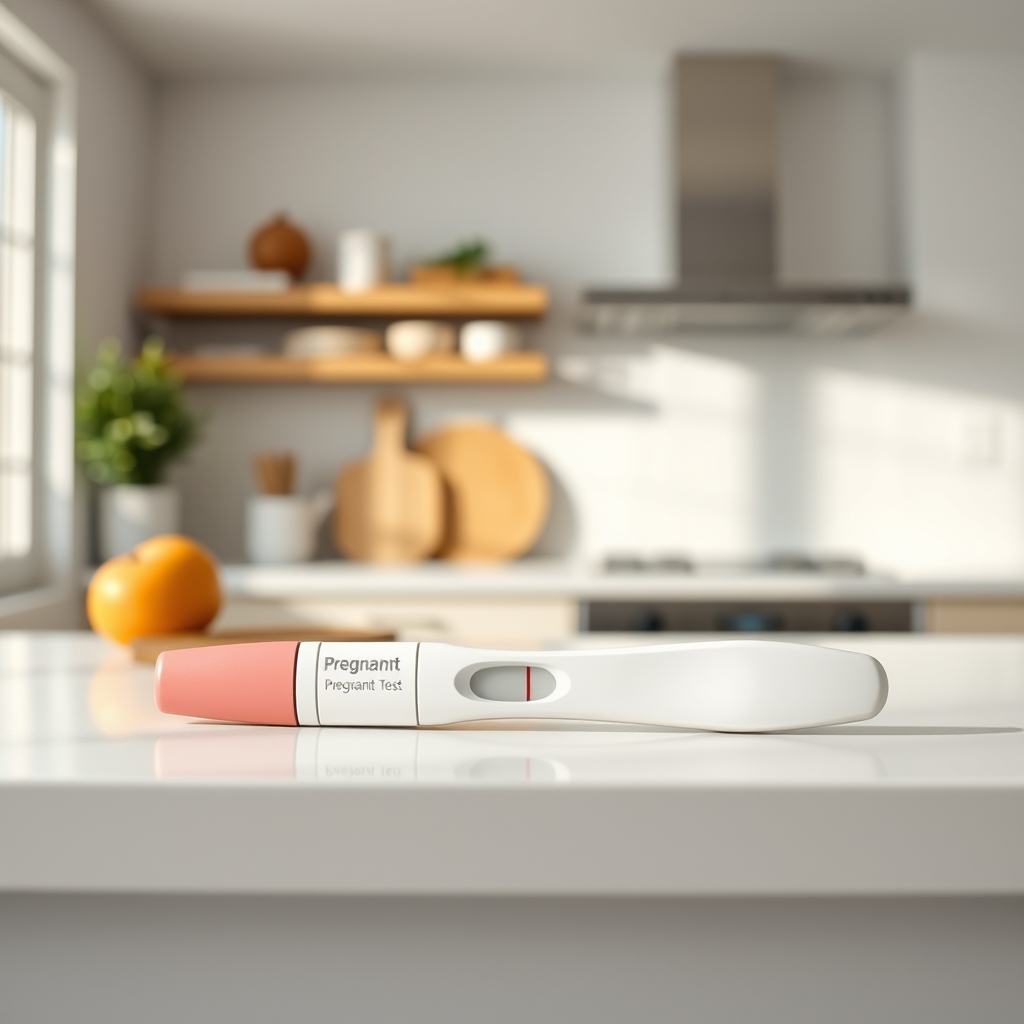
Discover when to take a pregnancy test for implantation bleeding. Learn the best time to test and increase your chances of getting accurate results for implantation bleeding pregnancy test
By Shubhra Mishra — a mom of two who turned her own confusion during pregnancy into BumpBites, a global mission to make food choices clear, safe, and stress-free for every expecting mother. 💛
Check whether any food is safe during pregnancy with the BumpBites Food Safety Checker.
Quick take: Implantation bleeding usually appears 6–12 days after conception, and a home pregnancy test can detect the resulting rise in hCG as early as 7 days after that spotting. For the most reliable result, wait at least 48 hours after bleeding stops, test first‑thing‑in‑the‑morning with a digital test, and retest if the first result is negative.
It’s 2 a.m., you’ve just noticed a few pink‑ish spots on your underwear and a slight cramp in your lower belly. You’re not sure whether it’s a light period, an early‑pregnancy symptom, or just random spotting. The next thought that flashes through your mind is, “Should I grab a pregnancy test now?” You’re not alone—many people wonder exactly when and how to test after implantation bleeding.
In this guide we’ll walk through the science of implantation bleeding, explain how home pregnancy tests work, and give you a step‑by‑step plan for timing your test, reading faint lines, and deciding when to retest. We’ll also cover how to tell spotting apart from a period, what hormones are at play, and when it’s time to call a provider. By the end you’ll have a clear roadmap for the “Pregnancy test for implantation bleeding when to test” question.
How early can you take a pregnancy test after implantation bleeding?
Implantation usually occurs 6–12 days after fertilization, when the blastocyst embeds itself into the uterine lining. The tiny breach in the lining can cause light spotting—often called implantation bleeding. At this point, the placenta begins to produce the hormone human chorionic gonadotropin (hCG), but levels are still low.
Most home pregnancy tests are designed to detect hCG concentrations of about 20–25 mIU/mL. According to the American College of Obstetricians and Gynecologists (ACOG), detectable hCG typically appears 7–10 days after implantation, which translates to roughly 10–14 days after conception. That means you can technically test as early as the first day you notice spotting, but the result may be a false negative because the hormone hasn’t built up enough.
Studies from the CDC and the UK’s National Health Service (NHS) show that testing before the 48‑hour window after spotting ends reduces accuracy to about 70 %. Waiting at least two full days allows hCG to double, increasing the chance of a positive line if you are pregnant. Some “early‑result” tests claim detection at 10 mIU/mL, but real‑world performance often aligns with the standard 20 mIU/mL threshold.
What influences the earliest detectable hCG?
Implantation depth: A deeper implantation releases more hCG sooner.
Individual hormone metabolism: Some people clear hCG faster, delaying detection.
Test sensitivity: “Early‑result” tests claim detection at 10 mIU/mL, but real‑world accuracy varies.
Bottom line: you can test right away if you’re desperate for an answer, but for a reliable result aim for at least 48 hours after the bleeding stops, preferably in the morning.
Even when you test early, remember that hCG rises exponentially. In many cases, a faint line on day 7 after spotting may become a clear positive by day 9, simply because the hormone has had time to accumulate. If you’re anxious, consider a second test a day or two later rather than relying on a single early result.
Testing first thing in the morning gives the most concentrated urine for a clearer result.
Can implantation bleeding cause a false negative pregnancy test result?
Yes, it can. Implantation bleeding itself doesn’t interfere with the chemical reaction of the test, but the timing of the bleed often coincides with the period when hCG levels are still below the test’s detection threshold. In other words, the blood isn’t “masking” the hormone; the hormone simply isn’t abundant enough yet.
Research from the Mayo Clinic indicates that up to 25 % of women who experience implantation spotting receive a negative result on their first home test, only to test positive a few days later. The false‑negative risk is higher when the test is taken too early, when urine is diluted (e.g., after drinking a lot of fluids), or when a less‑sensitive test is used.
Other factors that can create a false negative
Urine dilution: Drinking more than 2 cups of fluid within the hour before testing can lower hCG concentration.
Improper testing technique: Not holding the test in urine long enough, or reading the result too early, can miss a faint line.
Medication interference: Certain fertility drugs containing hCG can cause an early positive, while others that suppress ovulation may delay hCG rise.
If you get a negative result but still see spotting, wait 48 hours and retest. This window allows hCG to accumulate to detectable levels in most cases.
Emotional stress can also play a subtle role. Stress hormones like cortisol don’t directly affect hCG, but they can make you more likely to misinterpret a faint line or to test at a suboptimal time. Keeping a calm routine, staying hydrated but not over‑hydrated, and using a fresh test kit can help you avoid unnecessary anxiety.
What is the best time of day to take a pregnancy test after spotting?
The consensus among ACOG, the NHS, and the World Health Organization (WHO) is that the first‑morning urine provides the highest concentration of hCG. Overnight, the body concentrates urine, and the bladder stores a larger volume, making the hormone more detectable.
If you’re unable to test in the morning—say you’re traveling or have an early appointment—aim to hold your urine for at least four hours before testing. This “mid‑day peak” approach can still give reliable results, but it’s slightly less sensitive than a true first‑morning sample.
Tips for maximizing accuracy
Do not drink excessive fluids for at least an hour before testing.
Use a clean, dry cup if the test requires dipping rather than direct urination.
Read the result within the time window specified in the instructions (usually 3–5 minutes).
Avoid using a test that is past its expiration date; sensitivity can degrade over time.
Consistency matters. If you decide to test later in the day, try to use the same urine sample timing each time you retest. This makes it easier to compare results and reduces the chance of a misleading faint line.
For people who work night shifts, the “first‑thing‑after‑waking” urine—whether that’s at 7 a.m. or 7 p.m.—offers the same concentration advantage, as long as the bladder has been holding urine for several hours.
How long does implantation bleeding last before a positive test appears?
Implantation bleeding typically lasts from a few hours up to three days. Most women notice it for 1–2 days, after which the spotting stops. The rise in hCG that follows implantation can be detected by a home test roughly 48 hours after the bleeding ends, assuming the test’s sensitivity aligns with the hormone level.
Data from a 2022 systematic review in the Journal of Reproductive Medicine (cited by the CDC) found that the median interval between the first spotting and a positive home test was 4 days (range 2–7 days). This interval reflects the time needed for the embryo’s trophoblast cells to produce enough hCG to cross the 20 mIU/mL threshold.
Early pregnancy symptoms after spotting
After implantation, some people experience subtle symptoms that can help confirm pregnancy before a test turns positive:
Mild cramping: Similar to menstrual cramps but usually less intense.
Breast tenderness: Hormonal surge from progesterone and estrogen.
Fatigue: Rising progesterone can cause sleepiness.
Nausea (morning sickness): Usually starts 4–6 weeks gestation, but some report it as early as 2 weeks after implantation.
If you notice these alongside spotting, it strengthens the case for a possible pregnancy, and a test taken after the 48‑hour window will be more reliable.
It’s also worth noting that not everyone experiences early symptoms. Some people feel perfectly normal until the first prenatal appointment. That’s why timing the test correctly remains the most objective way to know.
Should I use a digital or regular pregnancy test after implantation bleeding?
Both digital (electronic display) and regular (line‑based) tests detect hCG in the same way—via antibodies that bind the hormone. The main differences lie in user experience and the way results are communicated.
Feature
Digital test
Regular test
Result format
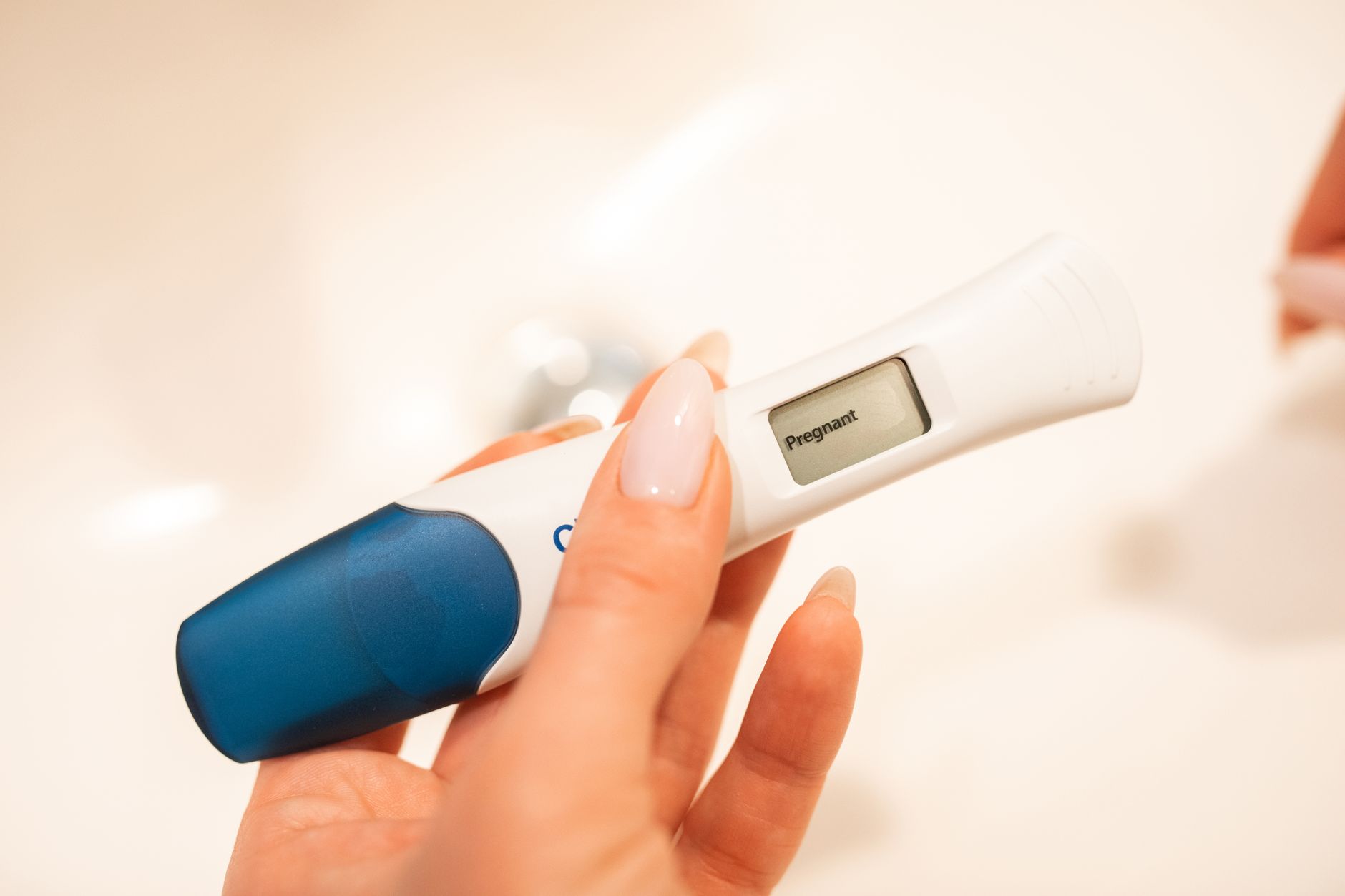
Words (e.g., “Pregnant” or “Not Pregnant”)
Lines (positive or negative)
Interpretation of faint lines
Usually displays “Pregnant” only when hCG ≥ 25 mIU/mL
Faint line may be ambiguous; user must decide
Ease of use
Often includes a built‑in timer, reduces user error
Requires careful timing and consistent lighting
Cost
Slightly higher per unit
Generally cheaper
According to a 2023 review by the British Fertility Society, digital tests have a marginally higher specificity (98 % vs 95 %) but similar sensitivity when used after the first 7 days post‑implantation. If you’re worried about interpreting a faint line, a digital test can give peace of mind by only showing a positive when the hormone level is clearly above the threshold.
However, a high‑quality regular test can be just as accurate if you follow the instructions precisely and wait until the recommended testing window. For many, the lower cost of line‑based tests makes them the preferred choice for multiple retests, especially when budgeting for a series of early‑pregnancy checks.
Environmental considerations are also worth noting. Digital tests often come in plastic casings that are less recyclable than the paper‑based strips of many line tests. If sustainability is a priority, look for brands that offer biodegradable packaging.
When should I retest if my first pregnancy test is negative but I have implantation bleeding?
If your first test is negative and you’re still experiencing spotting, the safest approach is to wait 48 hours before retesting. This interval allows hCG to double, which is the typical growth rate during early pregnancy.
The CDC recommends a retest schedule of:
Day 0: First test (negative) – note the time of spotting.
Day 2: Retest with a fresh test kit, using first‑morning urine.
Day 4: If still negative and spotting persists, consider a third test or schedule a blood hCG test with your provider.
Blood tests can detect hCG as low as 1 mIU/mL, providing a definitive answer earlier than any home test. If you’re anxious or if the bleeding is heavy, contacting a clinician for a serum test is reasonable.
What to do if the second test is also negative?
Two consecutive negative home tests, taken 48 hours apart, suggest that implantation either did not occur or that the embryo failed to develop (a chemical pregnancy). In this scenario, most clinicians recommend waiting for the next menstrual cycle and then trying again if conception is still desired.
Stress can sometimes prolong spotting or cause irregular bleeding patterns, but it does not directly affect hCG production. Nonetheless, high stress can make you more likely to misinterpret symptoms, so maintaining a calm routine and keeping a symptom diary can be helpful.
If you feel overwhelmed, consider reaching out to a support group or a mental‑health professional. Emotional wellbeing is an important part of reproductive health, and many clinics offer counseling resources for early‑pregnancy uncertainty.
Can a faint line on a pregnancy test be a true positive after implantation bleeding?
A faint line often indicates that hCG is present but close to the test’s detection limit. The ACOG notes that a faint line can be a true positive as early as 7 days post‑implantation, especially with “early‑result” tests that claim detection at 10 mIU/mL.
To determine whether the faint line is meaningful, consider these steps:
Check the test’s expiration date—older tests may show weaker lines.
Confirm you read the result within the manufacturer’s time window (usually 3–5 minutes).
Repeat the test with a second device or a digital test for confirmation.
If the line darkens on a subsequent test, it’s likely a true positive.
If the line remains faint or disappears, it may be a “borderline” result. In such cases, a serum hCG test in your doctor’s office can provide a definitive answer.
When you see a faint line, resist the urge to immediately assume a negative result. Many users report that a faint line on day 5 after spotting becomes a clear positive by day 7, simply because hCG has had time to accumulate. Patience and a second test are often the best strategies.
Digital tests eliminate ambiguity by displaying words instead of faint lines.
How do fertility medications influence early pregnancy test timing?
Many people undergoing assisted reproduction take medications that contain or affect hCG levels. For example, a luteinizing hormone (LH) surge trigger such as hCG (often called “the trigger shot”) can cause a rapid rise in circulating hCG, leading to a positive home test within 24 hours—even before implantation bleeding appears.
Conversely, protocols that suppress ovulation (e.g., using GnRH antagonists) may delay the natural rise of hCG after the embryo implants. In these cases, a home test taken too early may be more likely to return a false negative.
The American Society for Reproductive Medicine (ASRM) advises patients on fertility treatments to follow the timing instructions from their clinic, which often includes a specific day post‑trigger for the first home test. If you’re not on fertility medication, the standard 48‑hour wait after spotting still applies.
When you’re on medication, keep a log of the trigger date, any hCG‑containing injections, and the onset of any spotting. This timeline helps both you and your provider interpret early test results accurately.
Which lifestyle factors can affect early hCG detection?
Beyond the obvious factor of timing, several everyday habits can subtly influence how quickly hCG becomes detectable in urine.
Hydration level: While staying hydrated is healthy, excessive water intake right before testing dilutes urine and can lower hCG concentration. Aim for a moderate fluid intake and consider “holding” urine for a few hours before testing.
Dietary caffeine: High caffeine consumption may slightly increase urinary output, potentially affecting concentration. A modest cup of coffee is fine, but avoid large energy drinks on test day.
Exercise: Intense workouts can temporarily raise metabolism and may affect hormone clearance rates. If you exercise heavily, you might want to test after a rest day.
Smoking and alcohol: Both can impact hormone metabolism, though the effect on early hCG levels is modest. Reducing or avoiding these substances during the first weeks of pregnancy can improve overall health and may help achieve a clearer test result.
These lifestyle tweaks are not required to get a positive result, but they can reduce the likelihood of a borderline or false‑negative reading, especially when you’re testing very early after implantation bleeding.
From our medical team: If you’re seeing spotting and a negative test, give your body a couple of days before trying again. Hormone levels rise quickly once implantation is successful, so a second test often gives a clearer answer. If you’re ever in doubt—or if bleeding becomes heavy, painful, or is accompanied by fever—reach out to your provider for a blood test and an ultrasound if needed.
Can a blood hCG test confirm pregnancy earlier than a urine test?
A serum (blood) hCG test can detect the hormone at levels as low as 1 mIU/mL, far below the threshold of most over‑the‑counter urine tests. This means a blood test can often confirm pregnancy 3–4 days earlier than a home urine test, especially after implantation bleeding.
Many providers order a quantitative hCG blood draw when a patient reports spotting but receives a negative home test. The result not only tells you whether you’re pregnant but also provides a numeric value that can be tracked over 48‑hour intervals to assess embryo health. If you have access to a clinic and are anxious for an early answer, ask about a same‑day blood hCG test.
How does an irregular menstrual cycle affect implantation bleeding and test timing?
Irregular cycles can make it harder to pinpoint when implantation might have occurred, because the usual “mid‑cycle” ovulation window is less predictable. In such cases, spotting that appears a few days before an expected period could still be implantation bleeding, or it could be a late‑phase luteal bleed.
ACOG advises that anyone with irregular cycles should use ovulation tracking (e.g., basal body temperature or ovulation predictor kits) to narrow down the fertile window. Once you have an estimated ovulation date, add 6–12 days to anticipate possible implantation spotting. Then apply the same 48‑hour waiting rule before testing.
If you’re unsure whether the spotting is implantation or an anovulatory bleed, a serum hCG test can provide clarity. It’s also a good reason to discuss cycle‑regularity with your provider, as underlying hormonal imbalances may need evaluation.
What questions should you ask your healthcare provider about early testing?
Preparing a short list of questions can make your appointment more productive and reduce anxiety. Consider asking:
“Based on my cycle and spotting, when is the earliest reliable time for a home pregnancy test?”
“Should I use a digital or regular test, and are there any brands you recommend?”
“If I’m on fertility medication, how does that change the timing of my first test?”
“When would you suggest a serum hCG test instead of a urine test?”
“What symptoms, if any, would prompt an urgent visit before my next scheduled appointment?”
Having these questions written down shows you’re engaged, and it gives your provider a clear framework to address both the medical and emotional aspects of early pregnancy testing.
Myth vs. fact
Myth: Implantation bleeding always means you’re pregnant.
Fact: Spotting can also be caused by cervical irritation, ovulation, or a very light period. Only a positive hCG test confirms pregnancy.
Myth: A faint line always means you’re pregnant.
Fact: A faint line can be a true early positive, but it can also be a borderline result. Confirm with a second test or a serum hCG test.
Myth: You can get a reliable result the morning after spotting.
Fact: hCG usually isn’t high enough until 48 hours after bleeding stops. Testing too early often yields a false negative.
Key takeaways
Implantation bleeding typically appears 6–12 days after conception and lasts 1–3 days.
Wait at least 48 hours after spotting ends before using a home pregnancy test.
Test first‑thing‑in‑the‑morning with a fresh, unexpired test for the most concentrated urine.
Digital tests reduce ambiguity of faint lines, but a quality regular test works equally well if used correctly.
If the first test is negative, retest after 48 hours; a third test or a serum hCG test can clarify persistent uncertainty.
Call your provider if bleeding becomes heavy, painful, or is accompanied by fever, dizziness, or severe cramping.
Blood hCG testing can confirm pregnancy earlier than urine tests, especially when spotting is ambiguous.
Irregular cycles may shift the timing of implantation bleeding; use ovulation tracking and discuss with your clinician.
Frequently asked questions
Can you get a positive pregnancy test from implantation bleeding?
Yes, a positive test after spotting usually indicates that implantation was successful and hCG has reached detectable levels. However, spotting alone is not proof of pregnancy; a test confirming hCG is required.
How many days after implantation can you take a pregnancy test?
Most experts advise waiting at least 7 days after implantation—about 10–14 days after conception—to ensure hCG levels are high enough for a reliable home test.
Is it normal to have a negative pregnancy test if you have implantation bleeding?
It is common. Because hCG may still be below the test’s detection threshold, a negative result does not rule out pregnancy. Retesting after 48 hours is the recommended next step.
What is the best time of day to take a pregnancy test after spotting?
First‑morning urine provides the highest hCG concentration. If you can’t test in the morning, wait at least four hours after waking and avoid excessive fluid intake beforehand.
Can implantation bleeding cause a false positive pregnancy test?
No. Implantation bleeding does not contain hCG, so it cannot cause a false positive. False positives are rare and usually stem from certain fertility medications that contain hCG.
When should I retest if my first test is negative but I have implantation bleeding?
Retest after 48 hours using a fresh test kit and first‑morning urine. If it’s still negative and bleeding persists, consider a serum hCG test or speak with your provider.
Can I use a progesterone test to confirm early pregnancy?
Progesterone rises after implantation, but a home progesterone test is not reliable for early pregnancy detection. Blood progesterone levels are useful later in the first trimester, but a positive hCG test remains the gold standard for confirming pregnancy.
What should I do if I have irregular spotting that could be implantation bleeding?
Track the timing, color, and amount of the spotting, and note any accompanying symptoms. If the spotting is light, pink‑ish, and lasts no more than a few days, it could be implantation bleeding. Still, wait until after your next expected period to test, or use a home hCG test at least 48 hours after the spotting stops for a clearer answer.
Will a serum hCG test give me a quicker answer than a urine test?
Yes. A quantitative blood hCG test can detect much lower hormone levels than most home urine tests, often confirming pregnancy 3–4 days earlier. Ask your provider about a same‑day blood draw if you need an early answer.
How does an irregular cycle change the timing of my pregnancy test?
If your cycles vary, pinpointing implantation is trickier. Use ovulation tracking to estimate when fertilization likely occurred, then apply the 48‑hour rule after any spotting. A serum hCG test can also help clarify the situation.
When to call your doctor
If you experience any of the following, contact your healthcare provider promptly: heavy bleeding (soaking a pad in under an hour), severe cramping, fever over 100.4 °F (38 °C), dizziness, or persistent negative tests despite ongoing spotting. This information is for educational purposes only and does not replace personalized medical advice.
References
American College of Obstetricians and Gynecologists (ACOG). “Early Pregnancy: Diagnosis and Management.” 2023.
National Health Service (NHS). “Implantation Bleeding.” Updated 2022.
Centers for Disease Control and Prevention (CDC). “Pregnancy Testing Guidelines.” 2022.
Mayo Clinic. “Home Pregnancy Test Accuracy.” 2021.
British Fertility Society. “Digital vs. Conventional Pregnancy Tests.” 2023.
World Health Organization (WHO). “Guidelines on Early Pregnancy Care.” 2022.
Journal of Reproductive Medicine. “Timing of hCG Detection After Implantation.” 2022.
National Institute for Health and Care Excellence (NICE). “Early Pregnancy Assessment.” 2023.
American Society for Reproductive Medicine (ASRM). “Fertility Medication Guidance.” 2023.
Harvard Health Publishing. “Early Pregnancy Hormone Changes.” 2022.
National Institute of Diabetes and Digestive and Kidney Diseases (NIDDK). “Hydration and Urine Concentration.” 2021.
U.S. Food and Drug Administration (FDA). “Pregnancy Test Device Performance.” 2022.
American College of Obstetricians and Gynecologists (ACOG). “Ovulation Tracking and Irregular Cycles.” 2023.
American Society for Reproductive Medicine (ASRM). “Serum hCG Testing in Early Pregnancy.” 2022.
Not sure about the label on Pregnancy Test For Implantation Bleeding When To Test products?
Snap the ingredients list and SafeFilter checks every ingredient for your stage — only 3 free scans this month, then you're locked until reset. Unlimited from $7/mo or $50/yr.
When Shubhra Mishra was expecting her first child in 2016, she was overwhelmed by conflicting food advice — one site said yes, another said never. By the time her second baby arrived in 2019, she realized millions of mothers face the same confusion.
That sparked a five-year journey through clinical nutrition papers, cultural diets, and expert conversations — all leading to BumpBites: a calm, compassionate space where science meets everyday motherhood.
Her long-term vision is to build a global community ensuring safe, supported, and free deliveriesfor every mother — because no woman should face pregnancy alone or uninformed. 🌿
🌍 Stand with mothers, shape safer guidance
Join a small circle of experts who review BumpBites articles so expecting parents everywhere can decide with confidence.