Postpartum running is generally safe to resume around 6-12 weeks after delivery, with medical clearance and no pain or pelvic floor issues. Discover signs of readiness and a safe return strategy for postpartum running.
By Shubhra Mishra — a mom of two who turned her own confusion during pregnancy into BumpBites, a global mission to make food choices clear, safe, and stress-free for every expecting mother. 💛
Check whether any food is safe during pregnancy with the BumpBites Food Safety Checker.
Quick take: Returning to running postpartum requires patience and a gradual approach, typically starting no sooner than 6 weeks after a vaginal birth and 12 weeks after a C-section, and often much later. It's crucial to prioritize pelvic floor and core recovery, listen to your body for signs of readiness, and consider consulting a pelvic floor physical therapist before lacing up your shoes.
It's 5:30 AM. The baby's finally asleep, the house is quiet, and the thought of hitting the pavement, feeling the wind in your hair, and reclaiming a piece of your pre-baby self feels like a distant dream. Many new moms feel a strong pull to get back to running, whether it's for fitness, stress relief, or simply the joy of movement. But after carrying a pregnancy to term and giving birth, your body has gone through monumental changes, and rushing back into high-impact activities like running can lead to injury and long-term issues.
We get it — you're eager to feel strong and active again. However, knowing *when* and *how* to safely return to running postpartum is key to a sustainable and injury-free comeback. This isn't just about your muscles; it's about your pelvic floor, core, hormones, and overall recovery. Ignoring these vital aspects can lead to complications like incontinence, pelvic pain, or even prolapse, which can affect your quality of life for years to come.
In this comprehensive guide, we'll walk you through the essential considerations for postpartum running, from understanding your body's readiness signals to practical strategies for a gradual return. We'll cover the differences between vaginal and C-section recovery, discuss common challenges like pelvic floor dysfunction and diastasis recti, and empower you with the knowledge to make informed decisions about your postpartum fitness journey.
Listen to your body, not just the calendar, when deciding when to return to running after birth.
When Is It Safe to Start Running After a Vaginal Birth?
After a vaginal birth, your body undergoes significant healing, both internally and externally. While the traditional "6-week postpartum check-up" often signals clearance for exercise, this is typically a general guideline for low-impact activities and not necessarily a green light for high-impact running. For many women, a safe return to running happens closer to **3-6 months postpartum**, and sometimes even later.
The primary reason for this extended timeline is the recovery of your pelvic floor and deep core muscles. During pregnancy and birth, these muscles are stretched, strained, and sometimes traumatized. Your pelvic floor, which acts like a hammock supporting your bladder, uterus, and rectum, takes the brunt of the pressure. Relaxin, a hormone that softens ligaments during pregnancy, can remain in your system for several months postpartum, making joints more lax and potentially increasing injury risk.
Even if you feel "fine" at 6 weeks, your body's tissues are still healing. Running involves repetitive impact, with forces up to 2.5 times your body weight exerted on your pelvic floor with each step. Jumping into this too soon can overstress weakened tissues, leading to issues like urinary incontinence (leaking), pelvic organ prolapse (when organs descend into the vagina), or ongoing pelvic pain. The American College of Obstetricians and Gynecologists (ACOG) emphasizes a gradual return to exercise, encouraging activities like walking, gentle stretching, and core strengthening before high-impact options.
A crucial step before even considering running is a comprehensive assessment by a pelvic floor physical therapist (PFPT). They can evaluate the strength, coordination, and integrity of your pelvic floor and core muscles, identify any diastasis recti (abdominal separation), and provide a personalized recovery plan. Many moms tell us they wish they had seen a PFPT sooner. One reader shared, "I thought I was ready at 8 weeks because I felt good, but my PFPT showed me how weak my deep core still was. Without her guidance, I would have definitely injured myself trying to run."
Consider the 6-week mark as a checkpoint, not a finish line. It's a time to begin gentle core and pelvic floor rehabilitation, progress with walking, and build foundational strength. The National Institute for Health and Care Excellence (NICE) in the UK also advises a cautious and progressive return to exercise, highlighting the importance of listening to your body's signals.
When Can You Safely Run After a C-Section Delivery?
Returning to running after a C-section delivery requires even more caution due to the significant abdominal surgery involved. While the external incision may heal relatively quickly, the internal layers of tissue, including your uterus and abdominal wall, take much longer to recover fully. Most medical guidelines, including those from the Royal College of Obstetricians and Gynaecologists (RCOG), recommend waiting a minimum of **12 weeks (3 months) postpartum** before considering high-impact activities like running after a C-section.
The primary concerns after a C-section are the healing of the incision site and the integrity of your core muscles. The incision cuts through multiple layers of tissue, including muscle and fascia, which need ample time to mend and regain strength. Running puts direct stress on this healing tissue, potentially leading to pain, delayed healing, or even a hernia. Beyond the incision, your deep core muscles have been disrupted, and they need dedicated rehabilitation to function effectively again.
Even at 12 weeks, the decision to run should come with clear medical clearance from your healthcare provider, ideally in conjunction with an assessment by a pelvic floor physical therapist (PFPT) specializing in C-section recovery. A PFPT can evaluate your scar tissue for adhesions, assess your abdominal strength and function, and guide you through specific exercises to rebuild your core safely. Scar tissue massage, for example, can be incredibly beneficial in improving mobility and reducing pain around the incision.
One mom we spoke with recounted her experience: "I had a C-section and felt a lot of pressure to 'bounce back.' I tried to run at 10 weeks, and it felt like my incision was tearing with every step. My doctor reminded me that it was major surgery. I waited until 4 months, worked with a PFPT, and focused on core exercises first. It made all the difference." This highlights the importance of respecting your body's healing process and not comparing your recovery to others.
Before you even think about running, focus on gentle walking, deep core breathing, and exercises recommended by your PFPT to reconnect with your abdominal muscles. Avoid any movements that cause pain, pulling, or bulging at your incision site. A gradual progression from walking to power walking, and then to a walk/run program, is essential to minimize risk and promote long-term recovery.
What Are the Key Signs of Readiness for Postpartum Running?
Deciding when your body is truly ready for postpartum running isn't just about a calendar date; it's about a series of physical and functional signs that indicate your core and pelvic floor can handle the impact. Rushing this process can lead to injury and long-term issues, so it's vital to be honest with yourself and listen to your body. The general recommendation from organizations like the UK's Pelvic, Obstetric and Gynaecological Physiotherapy (POGP) is to wait until at least 12 weeks postpartum, but even then, specific readiness signs should be met.
Here are the key signs that suggest you might be ready to start a gradual return-to-running program:
No Pain or Heaviness in the Pelvis: This is paramount. You should not experience any pain, pressure, or a feeling of "heaviness" or "dropping out" in your pelvic area during or after low-impact activities like walking, lifting your baby, or light exercise. Any sensation of heaviness could indicate pelvic organ prolapse, and running would exacerbate it.
No Urinary or Fecal Leaking: Any involuntary loss of urine, gas, or stool during coughing, sneezing, laughing, jumping, or walking is a red flag. While common, it's not normal and indicates pelvic floor dysfunction that needs addressing *before* running. Running will likely worsen it.
Good Pelvic Floor Function: You should be able to consciously contract and relax your pelvic floor muscles. Can you perform a Kegel correctly? Can you hold it for 5-10 seconds and then fully relax? More importantly, can your pelvic floor react reflexively to impact, like a small jump? A pelvic floor physical therapist can assess this function precisely.
Functional Core Strength: This goes beyond just "no diastasis recti" (abdominal separation). You should be able to perform basic core exercises without bulging or doming of your abdomen. Can you lift your baby, push a stroller, or carry groceries without back pain or abdominal strain? Your deep core muscles (transversus abdominis) should be engaged and supportive.
Ability to Walk Briskly for 30+ Minutes Without Symptoms: Before running, you should be able to walk comfortably and briskly for at least 30-45 minutes without any pain, pelvic pressure, or leaking. This demonstrates foundational endurance and load management.
Single-Leg Balance and Strength: Running is essentially a series of single-leg hops. You should be able to stand on one leg comfortably for at least 10 seconds, perform single-leg squats, and hop in place without pain or instability. This indicates sufficient hip and leg strength.
Good Energy Levels and Hydration: Postpartum life is exhausting. Running is demanding. Ensure you're getting adequate rest (as much as possible!), maintaining good nutrition, and staying well-hydrated, especially if you're breastfeeding. Running on fumes can increase injury risk and make recovery harder.
Mental Readiness: Are you genuinely excited and relaxed about running, or do you feel pressured? Stress can impact recovery. Ensure you're mentally prepared and not pushing yourself due to external expectations or a desire to "bounce back" too quickly.
The 12-week guideline for postpartum exercise, often cited by experts, is a minimum benchmark for when the body has typically healed enough to *begin* assessing readiness for higher impact. It's not a direct permission slip to start running hard. Many healthcare providers and physical therapists now advocate for this "return to running protocol" that systematically tests these readiness signs.
Testing your single-leg balance and strength is a key indicator of readiness for the impact of running.
How to Gradually Return to Running Postpartum Without Injury?
Once you've cleared the initial healing period and assessed your readiness (ideally with a pelvic floor physical therapist), the return to running must be incredibly gradual. This isn't about jumping back into your pre-pregnancy mileage; it's about rebuilding from the ground up. The goal is to progressively load your body, allowing tissues to adapt and strengthen without overload, minimizing the risk of injury, and protecting your pelvic floor.
The Walk/Run Method: Your Best Friend
The most effective strategy is a structured walk/run program. This allows your body to experience the impact of running in short, manageable bursts, followed by recovery periods. Start with very short running intervals and gradually increase them over weeks or even months. Here's a sample progression, but remember to adjust based on your body's response:
Walk 5-7 days/week. Focus on deep core breathing, Kegels (if cleared), glute activation, and gentle mobility. No running yet.
Phase 2: Introduce Run (Weeks 3-4)
Walk 90 sec / Run 30 sec (repeat 5-8 times)
Total workout 20-30 min, 3-4 times/week. Run at an easy conversational pace. If any symptoms (pain, leaking), revert to walking.
Phase 3: Increase Run (Weeks 5-6)
Walk 60 sec / Run 60 sec (repeat 8-10 times)
Total workout 25-35 min, 3-4 times/week. Continue easy pace. Listen to your body. Integrate strength training.
Phase 4: Build Endurance (Weeks 7-8)
Walk 30 sec / Run 2 min (repeat 8-10 times)
Total workout 30-40 min, 3-4 times/week. You should feel comfortable. Consider increasing run time or reducing walk time.
Phase 5: Sustained Run (Weeks 9-12+)
Gradually increase continuous running time (e.g., Run 5 min / Walk 1 min, then Run 10 min / Walk 1 min)
Progress to continuous running only when comfortable and symptom-free. Total running time should be at an easy, conversational pace.
Essential Considerations for a Safe Return
Listen to Your Body: This is non-negotiable. If you experience *any* pain (especially pelvic, hip, or back pain), leaking, heaviness, or coning/doming of your abdomen, stop immediately. It's a sign your body isn't ready for that level of impact. Revert to an easier phase or consult your PFPT.
Strength Training is Key: Running is a full-body activity. Incorporate 2-3 sessions per week of strength training focusing on glutes, hips, core, and upper body. Strong glutes and hips help absorb impact and stabilize your pelvis, reducing the load on your pelvic floor.
Warm-Up and Cool-Down: Always begin with a 5-10 minute dynamic warm-up (leg swings, walking lunges) and end with a 5-10 minute cool-down (gentle static stretches).
Hydration and Nutrition: Especially important if you're breastfeeding. Running increases fluid and caloric needs. Stay well-hydrated with water and electrolytes, and ensure you're consuming enough nutrient-dense foods to support your energy levels and recovery. Dehydration can exacerbate fatigue and muscle cramps.
Proper Footwear: Invest in supportive running shoes that are appropriate for your foot type and gait. Shoes wear out, so replace them every 300-500 miles or every 6-12 months.
Supportive Activewear: Consider high-waisted leggings that offer gentle core support without compression, and a well-fitting, supportive sports bra, especially if you're breastfeeding. Some women find a postpartum support band helpful for walking but avoid relying on it for running, as it can weaken your core over time.
Cross-Training: On non-running days, engage in lower-impact activities like swimming, cycling, or elliptical training. This builds cardiovascular fitness without the repetitive impact, helping your body recover while still staying active.
Manage Expectations: Your pace, endurance, and comfort level will likely be different than pre-pregnancy. Be patient and kind to yourself. Focus on consistency and feeling good, not on speed or distance. Postpartum running weight loss benefits are a bonus, but prioritize safe and sustainable movement first.
Returning to running is a marathon, not a sprint. Celebrate small victories, be patient with your body, and prioritize its long-term health over immediate mileage goals. This careful, progressive approach is how you recover running after childbirth safely and sustainably.
What Are Common Pelvic Floor Issues When Running Postpartum?
The pelvic floor plays a crucial role in running, acting as a shock absorber and supporting your internal organs. After pregnancy and childbirth, this vital muscle group can be weakened, stretched, or traumatized, leading to several common issues when you attempt to run. Understanding these problems is the first step toward addressing them and protecting your long-term health.
1. Urinary Incontinence (Leaking)
This is perhaps the most commonly reported issue. Stress urinary incontinence (SUI) occurs when physical activity, like running, jumping, coughing, or sneezing, puts pressure on your bladder, leading to involuntary urine leakage. It's often due to weakened or poorly coordinated pelvic floor muscles that can't adequately close off the urethra under impact. While common, it is *not* normal and should always be addressed. Many women wrongly assume it's just "part of being a mom," but effective treatments are available.
2. Pelvic Organ Prolapse (POP)
Prolapse occurs when one or more of the pelvic organs (bladder, uterus, or rectum) descend from their normal position and bulge into the vagina. Symptoms can include a feeling of heaviness, pressure, a bulge in the vagina, or discomfort during intercourse. Running, with its repetitive downward force, can worsen existing prolapse or even trigger it in women with weakened pelvic floors. It's crucial to be screened for prolapse by a healthcare provider or PFPT before returning to high-impact exercise.
3. Pelvic Pain
Running postpartum can sometimes lead to pelvic pain, which might manifest as pain in the lower abdomen, groin, hips, tailbone, or even the vagina. This can be due to musculoskeletal imbalances, pelvic floor muscle tension or weakness, nerve irritation, or issues with ligaments that were stretched during pregnancy. Pain is always a signal that something is wrong and should not be ignored.
4. Diastasis Recti Abdominis (DRA)
Often referred to as "diastasis recti postpartum," this is the separation of the rectus abdominis muscles (the "six-pack" muscles) along the linea alba, the connective tissue that runs down the midline of your abdomen. During pregnancy, this separation allows your belly to expand. While some degree of separation is normal, persistent or significant diastasis recti can compromise core stability, leading to back pain and potentially affecting pelvic floor function. Running with unmanaged DRA can put excessive pressure on the weakened midline, potentially worsening the separation or preventing its natural healing. It can also lead to a visible "doming" or "coning" of the abdomen during core-engaging activities, including running.
5. Hip and Knee Pain
While not strictly pelvic floor issues, postpartum changes can indirectly contribute to hip and knee pain during running. Hormonal laxity (from relaxin) can affect joint stability, and compensations for a weak core or pelvic floor can alter your running gait, placing undue stress on your hips and knees. Strengthening your glutes and core is vital for preventing these secondary issues.
It's important to remember that these issues are common but not something you simply have to live with. A pelvic floor physical therapist is specifically trained to diagnose and treat these conditions, helping you regain strength and function so you can return to activities you love, like running, safely and comfortably.
How to Strengthen Your Core and Pelvic Floor for Running After Baby?
Before you even think about hitting the pavement, strengthening your core and pelvic floor is the absolute foundation for safe and comfortable postpartum running. These muscle groups work together to provide stability, absorb impact, and support your organs. Neglecting them can lead to injury and dysfunction. Here's how to build a strong base for your running journey:
1. Reconnect with Your Breath and Deep Core
This is where it all begins. Your diaphragm, pelvic floor, and deep abdominal muscle (transversus abdominis) work together in a coordinated way called the "core canister."
Diaphragmatic Breathing (Belly Breathing): Lie on your back, knees bent. Place one hand on your chest and one on your belly. Inhale deeply, feeling your belly rise, and exhale slowly, feeling your belly fall and gently drawing your navel towards your spine. Focus on a relaxed, full breath. This helps reconnect your brain to your deep core.
Pelvic Tilts: In the same position, gently flatten your lower back into the floor by tilting your pelvis up slightly, then arch your back slightly by tilting your pelvis down. This subtle movement helps to engage your deep core and gently mobilize your spine.
2. Pelvic Floor Exercises (Kegels and Reverse Kegels)
While Kegels are often recommended, it's crucial to do them correctly and ensure you can also *relax* your pelvic floor. A pelvic floor physical therapist can guide you.
Basic Kegel: Imagine you're trying to stop the flow of urine and hold back gas at the same time. Lift and squeeze *up and in* without clenching your glutes, thighs, or abs. Hold for 3-5 seconds, then fully relax for 3-5 seconds. Aim for 10-15 repetitions, 3 times a day.
Quick Flicks: Perform rapid contractions and relaxations of your pelvic floor. This trains the muscles for quick reactions to impact (like during a sneeze or a run).
Reverse Kegel (Relaxation): Equally important! Consciously relax and lengthen your pelvic floor muscles. Imagine letting go, as if you're trying to pass gas or urine. Many women hold tension here, which can lead to pain.
3. Deep Core Strengthening (Beyond Crunches)
Traditional crunches can put excessive pressure on your healing abdominal wall and potentially worsen diastasis recti. Focus on exercises that engage your transversus abdominis.
Heel Slides: Lie on your back, knees bent. Exhale, gently draw your navel towards your spine (without flattening your back), and slide one heel away from you, keeping your core stable. Inhale as you return. Alternate legs.
Toe Taps: From the same starting position, lift one leg to a tabletop position (knee over hip). Exhale, engage your core, and slowly tap your toe down to the floor without letting your back arch. Inhale as you return. Alternate legs.
Bird-Dog: Start on all fours, hands under shoulders, knees under hips. Exhale, engage your core, and slowly extend one arm forward and the opposite leg back, keeping your back flat and hips stable. Inhale as you return. Alternate sides.
4. Glute Activation and Hip Strength
Strong glutes are essential for running stability and power, taking pressure off your pelvic floor and lower back.
Glute Bridges: Lie on your back, knees bent, feet flat. Exhale and lift your hips off the floor, squeezing your glutes at the top. Ensure your core is engaged and your ribs aren't flaring.
Clamshells: Lie on your side, knees bent, hips stacked. Keep your feet together and lift your top knee towards the ceiling, engaging your glutes.
Side Lying Leg Lifts: Lie on your side, legs straight. Lift your top leg straight up towards the ceiling, keeping your hips stacked and engaging your outer hip/glute.
5. Integrate Functional Movements
As you get stronger, incorporate exercises that mimic running movements in a controlled way:
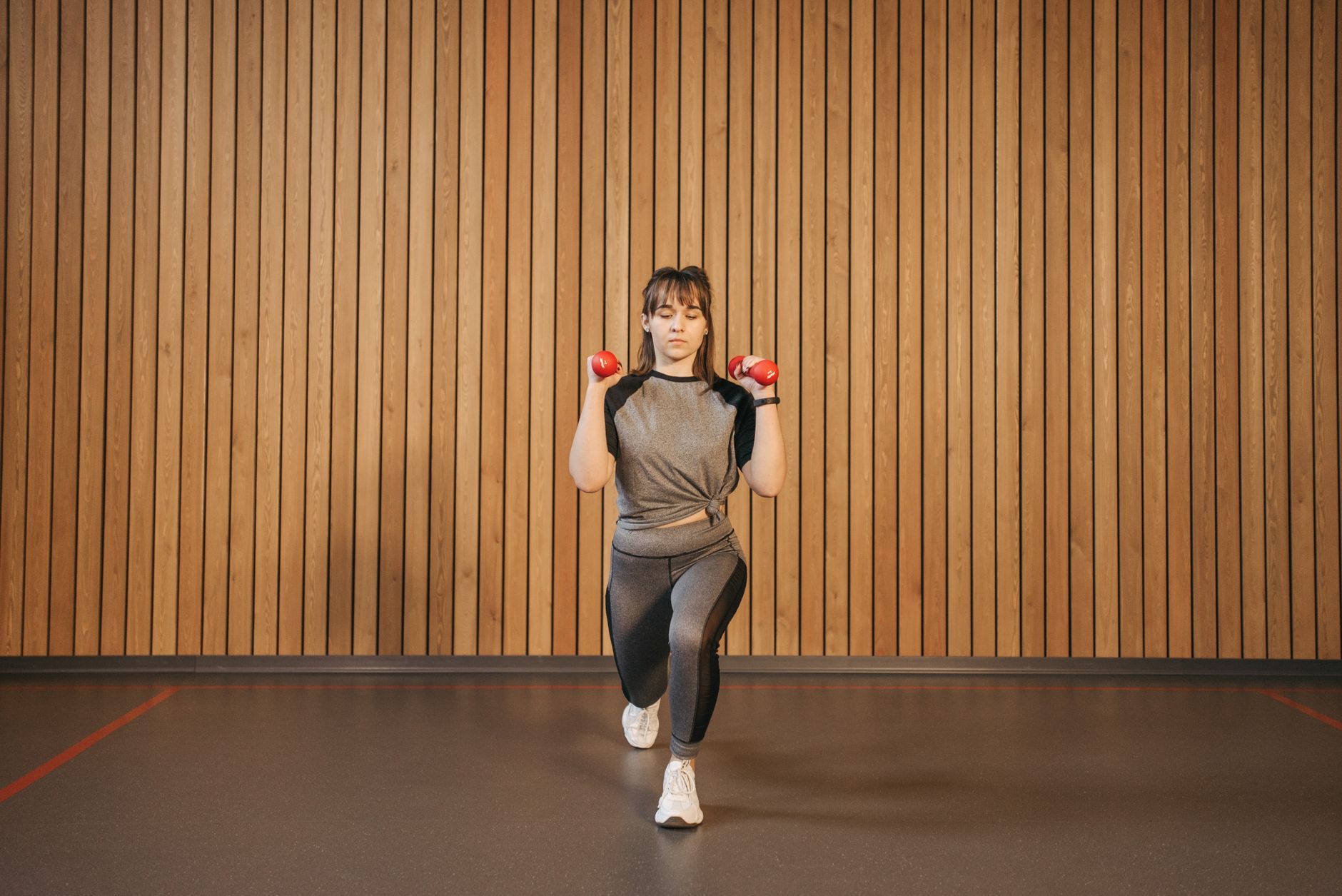
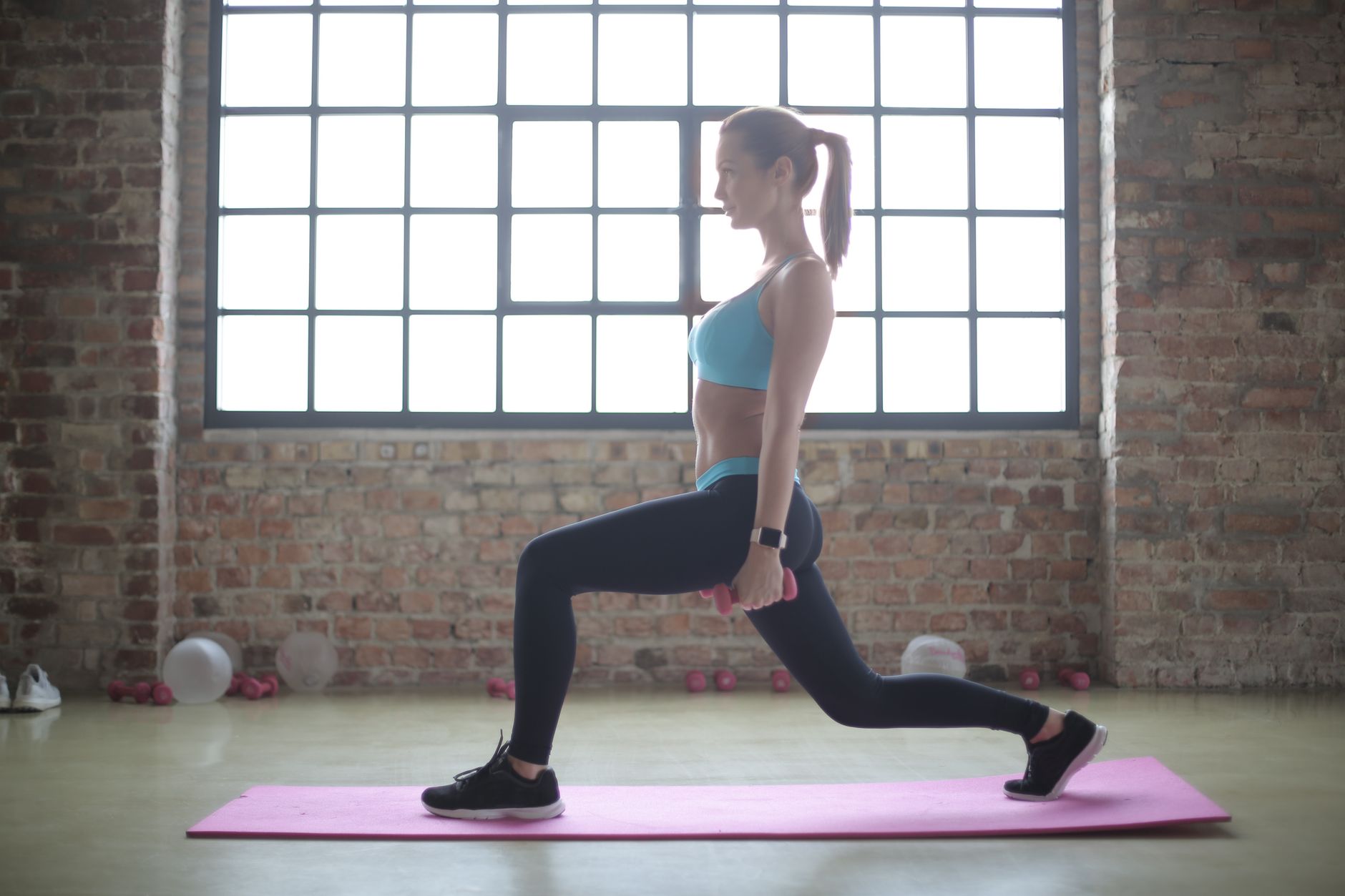
Squats and Lunges: Start with bodyweight, focusing on good form and core engagement.
Step-Ups: Step onto a low box or stair, maintaining core stability.
Strengthening your glutes with exercises like glute bridges is vital for running stability and protecting your pelvic floor.
Remember, consistency is key. Aim for 10-15 minutes of these exercises daily or several times a week. If you have diastasis recti, avoid exercises that cause doming or bulging of your abdomen. A pelvic floor physical therapist can provide a tailored program and ensure you're performing exercises correctly. They are invaluable in guiding you through this crucial phase of recovery.
Is It Normal to Experience Pain or Leaking While Running Postpartum?
This is a crucial question, and the answer is clear: **no, it is not normal or acceptable to experience pain, leaking, or a feeling of heaviness while running postpartum.** While these symptoms are *common* among new mothers, they are definitive signs of pelvic floor or core dysfunction that need to be addressed, not simply endured.
Many women are told, or assume, that "leaking a little" or having some pelvic discomfort is just "part of being a mom" after childbirth. This misconception is harmful because it prevents women from seeking the help they need. Your body is designed to be able to run, jump, and live an active life without these symptoms, even after pregnancy and birth.
What These Symptoms Mean
Urinary or Fecal Leaking: This indicates stress urinary incontinence (SUI) or, less commonly, fecal incontinence. It means your pelvic floor muscles are not strong enough, coordinated enough, or responsive enough to withstand the impact and pressure of running. They aren't closing off your urethra or anus effectively. Continuing to run with leaking can worsen the condition over time.
Pelvic Pain: Pain in the pelvis, hips, lower back, or groin during or after running can signal various issues. It might be due to muscular imbalances, joint instability (especially with lingering relaxin), nerve irritation, or compensatory movements because your core isn't functioning optimally. Pain is your body's way of telling you to stop and investigate.
Feeling of Heaviness or Dragging: This sensation, often described as feeling like "something is falling out" or "dropping down," is a classic symptom of pelvic organ prolapse (POP). Running can significantly increase the downward pressure on your pelvic floor, potentially worsening prolapse. This symptom requires immediate attention from a healthcare provider or pelvic floor physical therapist.
Coning or Doming of the Abdomen: If you see your abdomen bulge outwards along the midline when you run or engage your core, it's a sign of unmanaged diastasis recti. This indicates that your deep core muscles aren't effectively containing intra-abdominal pressure, and the force is being pushed outwards through the weakened linea alba. Running can exacerbate this and hinder the healing of DRA.
What to Do if You Experience Symptoms
If you experience any of these symptoms while running, or even during other activities like walking or lifting your baby, you should:
Stop the activity immediately.
Do not push through the pain or symptoms. This is not a matter of "toughing it out."
Consult a pelvic floor physical therapist (PFPT). They are the experts in diagnosing and treating these postpartum issues. They can assess your pelvic floor, core, posture, and movement patterns to pinpoint the root cause of your symptoms and create a personalized rehabilitation plan.
Revert to lower-impact activities. Focus on walking, gentle core exercises, and pelvic floor rehabilitation until your symptoms resolve.
Remember, postpartum recovery is a marathon, not a sprint. Prioritizing your body's healing and addressing any issues proactively will allow you to return to running safely and enjoyably in the long run. Don't let common problems become your new normal.
From our medical team: "It's easy to feel pressure to 'get back to normal' after having a baby, but your body has undergone a profound transformation. We strongly advocate for a cautious, symptom-free return to running. If you're experiencing any discomfort, leaking, or heaviness, that's your body giving you a clear signal. Don't ignore it; seek advice from your doctor or a pelvic floor physical therapist. Early intervention can prevent minor issues from becoming chronic problems, ensuring you can enjoy an active life for years to come."
When Should You Consult a Doctor or Physical Therapist About Postpartum Running?
While this article provides general guidance, individual recovery paths vary significantly. It's always best to err on the side of caution and seek professional advice when you have questions or experience concerning symptoms. Knowing when to consult a doctor or, more specifically, a pelvic floor physical therapist (PFPT) is crucial for a safe and effective return to postpartum running.
Consult Your Doctor or Midwife If
Your primary care provider or obstetrician is your first point of contact for overall postpartum health. You should consult them if:
You haven't had your 6-week (or 12-week C-section) postpartum check-up yet. Medical clearance for *any* exercise should come from your doctor first.
You have persistent pain beyond typical muscle soreness. This includes pain in your incision site (C-section), perineum, hips, back, or pelvis.
You experience any unusual bleeding, discharge, or fever. These could be signs of infection or other complications.
You have concerns about your mental health. If you're struggling with postpartum depression or anxiety, your doctor can provide support and resources.
You have any pre-existing medical conditions that might affect your return to exercise.
Consult a Pelvic Floor Physical Therapist (PFPT) If
A pelvic floor physical therapist is a specialized physiotherapist who focuses on the muscles and connective tissues of the pelvic floor and core. They are invaluable for postpartum recovery and are often considered the gold standard for guiding a return to running. You should absolutely consult a PFPT if:
You are considering returning to running, even if you feel "fine." A proactive assessment can identify potential weaknesses or imbalances before they become problems. This is especially true for the question, "Should I see a physical therapist before running postpartum?" The answer is almost always yes.
You experience *any* amount of urinary or fecal leaking during running, coughing, sneezing, laughing, or lifting. Remember, this is common but not normal.
You feel a sense of heaviness, pressure, or a bulge in your vagina or rectum. These are classic symptoms of pelvic organ prolapse.
You have persistent pelvic pain, hip pain, or lower back pain that limits your daily activities or exercise.
You notice "doming" or "coning" of your abdomen during core exercises or when getting up from lying down, indicating diastasis recti. A PFPT can assess the severity and provide specific exercises for managing running with diastasis recti postpartum.
You have pain or discomfort with intercourse.
You had a C-section and want to ensure proper scar tissue healing and abdominal wall rehabilitation.
You want a personalized postpartum running progression plan tailored to your specific body and recovery.
You are breastfeeding and want to understand the impact of running on your body and milk supply. While running is generally safe while breastfeeding, a PFPT can help ensure adequate support and hydration strategies.
In many countries, you can self-refer to a PFPT without a doctor's referral. Don't wait for a problem to arise; a proactive assessment can make a significant difference in your long-term health and ability to enjoy running comfortably.
Myth vs. Fact
Myth: If your doctor clears you at 6 weeks, you're good to go for running.
Fact: The 6-week check-up is a general clearance for low-impact activity, not typically for high-impact running. Your doctor assesses overall healing, but a pelvic floor physical therapist provides a specialized assessment of your core and pelvic floor's readiness for the specific demands of running. Many women aren't truly ready for running until 3-6 months postpartum, or even later after a C-section.
Myth: Leaking a little when you run is normal after having a baby.
Fact: Leaking urine (stress urinary incontinence) is common, but it is *not* normal. It's a sign of pelvic floor dysfunction and indicates that your muscles aren't adequately supporting your bladder during impact. This can and should be treated, usually with the help of a pelvic floor physical therapist, to prevent it from worsening or becoming a chronic issue.
Myth: You just need to "push through" any discomfort when getting back to running.
Fact: Pain, heaviness, or leaking are all red flags that your body is not ready for the activity level you're attempting. Pushing through these symptoms can lead to injury, worsen pelvic floor dysfunction, and prolong your recovery. Always listen to your body and back off if you experience any discomfort, then consult a professional.
Key Takeaways
Prioritize pelvic floor and deep core recovery *before* attempting to run postpartum.
Wait at least 6 weeks after a vaginal birth and 12 weeks after a C-section, but be prepared for a longer timeline.
Look for key readiness signs like no pain, no leaking, and functional core strength, not just a calendar date.
Adopt a gradual walk/run progression program to safely rebuild your endurance and strength.
Any pain, leaking, or feeling of heaviness while running is a sign of dysfunction and requires professional attention.
Consult a pelvic floor physical therapist for a comprehensive assessment and personalized rehabilitation plan.
Integrate strength training, especially for glutes and hips, to support your running form and protect your pelvic floor.
Be patient and kind to yourself; postpartum recovery is a unique journey for every woman.
Frequently Asked Questions
How soon can you run after giving birth?
Most medical guidelines suggest waiting at least 6 weeks after a vaginal birth and 12 weeks after a C-section for any high-impact activity like running. However, these are minimums, and many women need longer to heal, often 3-6 months or more, depending on individual recovery and the presence of any symptoms or complications.
Is it safe to run 8 weeks postpartum?
For some women with uncomplicated vaginal births and no symptoms, beginning a *very gradual* walk/run program might be possible at 8 weeks postpartum, but it's still earlier than generally recommended. It's crucial to have had your 6-week check-up, be symptom-free (no pain, leaking, or heaviness), and ideally have been assessed by a pelvic floor physical therapist before attempting to run at this stage.
Can running make diastasis recti worse?
Yes, running can potentially worsen diastasis recti (abdominal separation) or hinder its healing if your deep core muscles aren't strong enough to manage intra-abdominal pressure. The repetitive impact can cause the weakened midline tissue to bulge or "cone." It's essential to have your diastasis recti assessed by a professional and follow a targeted core strengthening program before running.
What is the 12-week rule for postpartum exercise?
The "12-week rule" often refers to the recommendation that women wait until at least 12 weeks postpartum before returning to high-impact exercise like running. This guideline allows more time for hormonal levels to normalize, ligaments to regain stability, and the pelvic floor and core muscles to recover sufficiently from the demands of pregnancy and birth, especially after a C-section.
Should I see a physical therapist before running postpartum?
Yes, absolutely. Consulting a pelvic floor physical therapist (PFPT) before returning to running postpartum is highly recommended. They can assess your pelvic floor and core function, identify any weaknesses or issues like diastasis recti or prolapse, and provide a personalized rehabilitation plan and safe return-to-running progression. This proactive step can prevent injuries and long-term dysfunction.
What is the impact of running while breastfeeding?
Running while breastfeeding is generally safe and won't negatively impact your milk supply, provided you maintain adequate hydration and nutrition. However, you might experience breast engorgement or discomfort if you run with full breasts, so consider feeding or pumping beforehand. Hormonal changes from breastfeeding can also cause increased joint laxity, potentially increasing injury risk, so listen to your body and prioritize proper warm-ups and cool-downs.
When to Call Your Doctor
While this article provides general information, it is not a substitute for professional medical advice. Please consult your doctor or midwife if you experience any of the following symptoms during or after running postpartum:
Any pain, especially in your pelvis, hips, lower back, or incision site (C-section).
Any involuntary leaking of urine, gas, or stool.
A feeling of heaviness, pressure, or a bulge in your vagina or rectum.
Persistent fatigue or dizziness.
Unusual bleeding or discharge.
Swelling, redness, or warmth around your C-section incision.
Any signs of infection, such as fever or chills.
Your healthcare provider can offer personalized advice based on your individual health needs and recovery.
References
American College of Obstetricians and Gynecologists (ACOG). (2020). Exercise During Pregnancy and Postpartum. Committee Opinion No. 804.
National Institute for Health and Care Excellence (NICE). (2021). Postnatal care: Guideline [NG194].
Pelvic, Obstetric and Gynaecological Physiotherapy (POGP). (2019). Returning to Running Postnatally. The Guideline for Medical, Health and Fitness Professionals.
Royal College of Obstetricians and Gynaecologists (RCOG). (2015). Post-delivery advice for women.
Hagen, S., et al. (2014). The effect of pelvic floor muscle training on pelvic floor muscle strength and urinary incontinence in nulliparous pregnant women. International Urogynecology Journal, 25(8), 1021-1028.
Bø, K., & Artal, R. (2019). Exercise and Pregnancy. Springer.
Goom, T., Donnelly, G., & Brockwell, E. (2019). The 'Return to Running Postnatal' Guideline.
Not sure about the label on Postpartum Running When Safe products?
Snap the ingredients list and SafeFilter checks every ingredient for your stage — only 3 free scans this month, then you're locked until reset. Unlimited from $7/mo or $50/yr.
When Shubhra Mishra was expecting her first child in 2016, she was overwhelmed by conflicting food advice — one site said yes, another said never. By the time her second baby arrived in 2019, she realized millions of mothers face the same confusion.
That sparked a five-year journey through clinical nutrition papers, cultural diets, and expert conversations — all leading to BumpBites: a calm, compassionate space where science meets everyday motherhood.
Her long-term vision is to build a global community ensuring safe, supported, and free deliveriesfor every mother — because no woman should face pregnancy alone or uninformed. 🌿
🌍 Stand with mothers, shape safer guidance
Join a small circle of experts who review BumpBites articles so expecting parents everywhere can decide with confidence.