Postpartum night sweats are normal due to hormonal shifts. Learn causes, effective relief tips, and when to consult a doctor for excessive sweating after childbirth.
By Shubhra Mishra — a mom of two who turned her own confusion during pregnancy into BumpBites, a global mission to make food choices clear, safe, and stress-free for every expecting mother. 💛
Check whether any food is safe during pregnancy with the BumpBites Food Safety Checker.
Quick take: Post‑partum night sweats are common and usually stem from the rapid hormone shifts after delivery. They often ease within a few weeks to a few months, but persistent, fever‑ish sweats or other concerning signs should prompt a call to your provider.
It’s 2 a.m., you’ve just settled into bed after a long day of feeding, burping, and soothing a newborn, and suddenly a wave of heat rolls over you. Your sheets feel damp, you’re startled awake, and the first thought that pops into your mind is, “Is something wrong?” You’re not alone—many new parents experience night sweats in the weeks after birth.
In this article we’ll unpack why those midnight sweats happen, how long they typically last, and what distinguishes a normal post‑partum response from something that needs medical attention. We’ll also share practical ways to stay comfortable, explore how breastfeeding fits into the picture, and compare post‑partum sweats with the classic menopause hot flash. By the end you’ll have a clear roadmap for navigating night sweats while caring for your newborn.
Why do I get night sweats after giving birth?
After delivery, your body undergoes one of the fastest hormonal resets of any life stage. During pregnancy, estrogen and progesterone levels rise dramatically to support the placenta and fetal growth. Within hours of the placenta’s removal, those hormones plummet, while prolactin—the hormone that drives milk production—rises sharply. This sudden hormonal swing can tip the body’s temperature‑regulation center in the hypothalamus, causing you to feel hot and to sweat more at night.
Two additional factors amplify the effect:
Prolactin and oxytocin. Both hormones increase blood flow to the skin and stimulate sweat glands, especially when you’re nursing.
Metabolic changes. Your basal metabolic rate can stay elevated as your body works to repair tissues, replenish blood volume, and produce milk, generating extra heat.
Stress hormones such as cortisol also tend to be higher in the early post‑partum period, especially if you’re sleep‑deprived or anxious. Cortisol can interfere with the body’s ability to “reset” temperature, leading to more frequent night sweats.
In short, the hormonal rollercoaster after birth is the primary driver of post‑partum night sweats. Understanding that the cause is physiologic—not a sign of something dangerous—helps reduce anxiety and lets you focus on comfort measures. The same mechanisms are echoed in ACOG’s postpartum care guidelines, which note that “temperature dysregulation is a common, self‑limiting symptom in the early weeks after delivery.”
It’s also helpful to remember that each woman’s hormonal timeline is unique. Some may feel a pronounced dip in estrogen within the first 24‑48 hours, while others notice a more gradual decline over several days. This variability explains why night sweats can start at slightly different times for different parents.
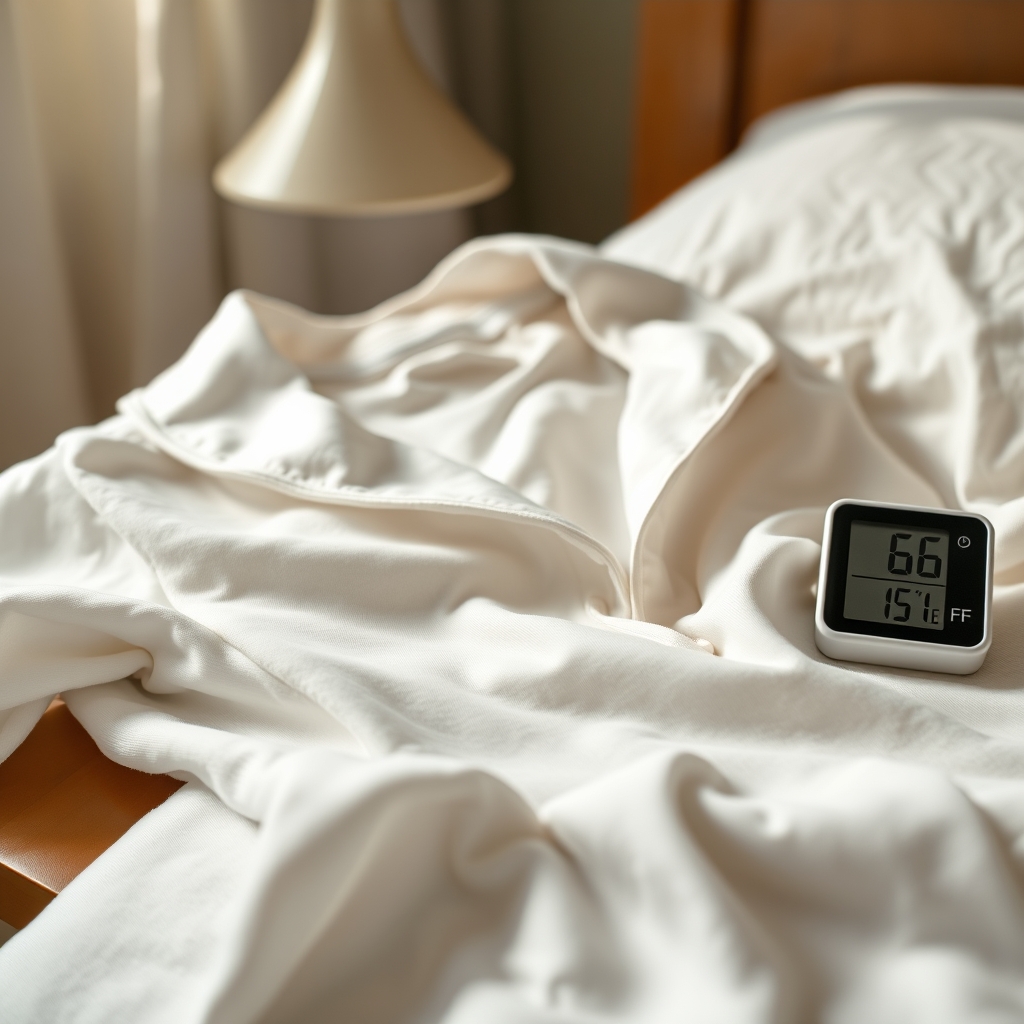
Creating a cool, calming sleep environment can make night sweats feel less intense.
How long do postpartum night sweats last?
M
ost new parents notice night sweats for anywhere from a few days to several weeks. For the majority, the intensity wanes as hormone levels begin to stabilize—usually by the 6‑to‑12‑week mark. However, some mothers report occasional sweats that linger up to six months, especially if they are exclusively breastfeeding.
Here’s a typical timeline:
First 2 weeks. Hormone drop is most abrupt; night sweats are often most frequent.
Weeks 3‑6. Estrogen begins to climb modestly, and prolactin peaks; sweats may start to decrease.
Weeks 7‑12. Hormonal levels start to plateau; many mothers report a noticeable reduction.
3‑6 months. If breastfeeding continues, prolactin stays high, and occasional sweats can persist, especially during growth spurts or night feeds.
It’s also normal for the sweats to fluctuate with other variables—temperature changes, stress spikes, or illness can temporarily reignite them. If they remain severe (soaking through sheets nightly) beyond three months, or if you notice new symptoms, it’s worth discussing with your provider.
Research from the NHS postpartum symptom tracker notes that “persistent night sweats beyond three months should be evaluated for secondary causes such as thyroid dysfunction or infection.” This reinforces the importance of monitoring trends rather than isolated episodes.
For many families, the relief comes as the infant’s sleep patterns settle and nighttime feedings become less frequent. That natural reduction in nursing sessions often coincides with a drop in prolactin, which can further ease sweating.
Are postpartum night sweats a sign of infection?
Night sweats are a classic symptom of many infections, but the context matters. In the post‑partum setting, a feverish night sweat—accompanied by a temperature above 100.4 °F (38 °C), chills, foul‑smelling lochia, or abdominal pain—should raise concern for an infection such as endometritis, urinary tract infection, or mastitis.
Key differences to watch for:
Temperature. Normal post‑partum night sweats usually feel warm but don’t raise your core temperature. A true fever is a red‑flag.
Associated symptoms. Painful breasts, burning urination, foul discharge, or a rapid heart rate suggest infection.
Duration. Infections often cause sudden, worsening sweats that don’t improve with typical comfort measures.
If you experience any of these warning signs, contact your provider promptly. Prompt treatment with antibiotics or other interventions can prevent complications and help you feel better faster. The CDC’s postpartum infection prevention guidelines emphasize early detection of fever and abnormal lochia as critical steps.
Postpartum night sweats vs menopause sweating differences
Both post‑partum sweats and menopause hot flashes involve hormonal changes, yet the underlying patterns differ. The table below highlights the most common distinctions, helping you identify which stage you’re experiencing.
Feature
Post‑partum Night Sweats
Menopause Hot Flashes
Typical Age
20‑40 years (after childbirth)
45‑55 years
Primary Hormone Change
Sharp drop in estrogen & progesterone; rise in prolactin
Gradual decline of estrogen and progesterone
Duration
Weeks to a few months
Several years; can last 5‑10 years
Associated Symptoms
Breast engorgement, lactation, postpartum mood swings
Vaginal dryness, sleep disturbances, bone density loss
Typical Triggers
Nighttime, nursing sessions, stress
Hot drinks, spicy foods, alcohol, warm environments
While the sensations can feel similar—a sudden wave of heat followed by sweating—the context, timing, and accompanying signs usually point you to the correct cause. The ACOG postpartum guideline also notes that “hot flashes in the early postpartum period are distinct from menopausal vasomotor symptoms and resolve more quickly.”
One practical tip: if you’re still within a year of giving birth, the presence of active lactation is a strong clue that your sweats are postpartum rather than menopausal. Conversely, women who are not nursing and are entering their late 40s should discuss hot flashes with their provider, as they may benefit from different management strategies.
What can I do to stop postpartum night sweats?
Because the root cause is hormonal, you can’t “cure” the sweats overnight, but you can make them more tolerable. Below are evidence‑based strategies that many new parents find helpful.
Control bedroom temperature
Keep the room between 65‑68 °F (18‑20 °C). Use a fan or open a window for airflow, and consider a breathable mattress protector. A cooler environment reduces the body’s need to sweat to regulate temperature.
Choose the right sleepwear
Light, moisture‑wicking fabrics such as cotton, bamboo, or moisture‑moving blends keep you dry. Loose‑fitting pajamas allow air to circulate. Some parents swear by moisture‑wicking sleep shirts designed for athletes—these can be a game‑changer.
Stay hydrated
Drinking water throughout the day (aim for 8‑10 cups) replaces fluid lost through sweat. Keep a glass of water on your nightstand so you can sip without getting out of bed.
Mind your diet
Spicy foods, caffeine, and alcohol can raise core temperature. Opt for balanced meals with plenty of fruits, vegetables, lean protein, and whole grains. A small snack before bed—like a banana with nut butter—can stabilize blood sugar and lessen night‑time stress‑related sweats.
Manage stress and anxiety
Post‑partum anxiety can trigger cortisol spikes, which in turn increase sweating. Try a brief breathing exercise before bed, a short guided meditation, or a gentle stretch routine. Even five minutes of mindfulness can calm the nervous system.
Weight considerations
Some parents notice a temporary weight loss in the weeks after birth, which can affect thermoregulation. If you’re losing weight rapidly (more than 2 lbs per week) or feel unusually cold during the day, discuss nutrition with your provider.
Implementing a combination of these tactics often reduces the frequency and intensity of night sweats, allowing you to get the rest you need.
Another often‑overlooked factor is the timing of your evening fluids. Sipping a large glass of cold water right before bed can lower your core temperature, while a hot tea may do the opposite. Small adjustments like this can make a noticeable difference.
Breathable sleepwear helps keep you dry when night sweats strike.
Is it safe to breastfeed while experiencing night sweats?
Yes—breastfeeding is safe and often beneficial during the post‑partum period, even if night sweats are present. In fact, the act of nursing boosts prolactin, which is already high, but this hormone does not harm you or your baby. The primary consideration is comfort.
If you’re waking to feed a sweaty, damp baby, you might find it helpful to keep a clean, dry set of burp‑cloths and a lightweight blanket nearby. Some mothers place a thin, moisture‑wicking sheet over the baby’s back to prevent overheating.
It’s also worth noting that night sweats can be more pronounced during the early weeks of exclusive breastfeeding, when prolactin peaks. As milk supply stabilizes, the sweats often lessen. If you notice any breast‑related issues—such as persistent redness, pain, or fever—these could signal mastitis, which does require medical treatment.
From a nutritional standpoint, staying well‑hydrated supports both milk production and sweat loss. Aim for at least 10 cups of fluid daily, splitting intake between water, herbal teas, and low‑sugar juices.
Postpartum night sweats and hormone levels
To understand why night sweats happen, it helps to look at the main hormones in play:
Estrogen. Drops sharply after delivery. Low estrogen can affect the hypothalamus’s temperature set‑point.
Progesterone. Also falls quickly; its decline reduces the body’s natural cooling effect.
Prolactin. Rises to stimulate milk production; it can increase blood flow to the skin, prompting sweating.
Oxytocin. Released during nursing, it can cause a brief rise in body temperature.
Cortisol. Elevated by sleep loss and stress; high cortisol can interfere with thermoregulation.
The interplay of these hormones makes the early post‑partum weeks a “perfect storm” for night sweats. By the time estrogen and progesterone begin to rise again (around 6‑8 weeks) and prolactin steadies, the sweats typically ease.
If you’re curious about your hormone levels, your provider can order a simple blood test. However, routine testing isn’t usually necessary unless you have other concerning symptoms such as irregular bleeding, severe mood changes, or infertility concerns. The NHS advises reserving hormone panels for cases where clinical clues point to endocrine disorders.
When should I call my doctor about postpartum night sweats?
Most night sweats are harmless, but certain red‑flag symptoms warrant a prompt call:
Fever ≥ 100.4 °F (38 °C) lasting more than 24 hours.
Severe chills, shaking, or feeling unwell despite rest.
Foul‑smelling or heavy lochia, especially after the first two weeks.
Persistent breast pain, redness, or a lump that doesn’t improve.
Rapid weight loss (> 2 lbs per week) or unexplained fatigue.
Sudden onset of anxiety, panic attacks, or thoughts of self‑harm.
When you notice any of these, give your provider a call or head to urgent care. Early evaluation can catch infections, thyroid issues, or other conditions that benefit from timely treatment.
Tracking night sweats: How to monitor patterns and triggers
Keeping a simple log can turn vague worry into actionable data. Write down the date, time, temperature of your bedroom, what you ate or drank before bed, whether you nursed, and how intense the sweat felt (e.g., “light dampness” vs. “soaked sheets”). Over a week or two you may spot patterns—perhaps a spicy dinner or a particularly stressful day correlates with stronger sweats.
Many apps designed for postpartum health allow you to record these details alongside mood, feeding, and diaper changes. Sharing the log with your provider gives them a concrete picture, making it easier to rule out infection or hormonal imbalances. The ACOG postpartum care checklist recommends “documenting any persistent or worsening symptoms for discussion at the 6‑week visit.”
When to consider hormone testing or specialist referral
While most night sweats resolve on their own, a small subset of parents benefit from further evaluation. You might discuss hormone testing if you experience any of the following:
Night sweats that persist beyond six months despite lifestyle adjustments.
Concurrent symptoms such as irregular menstrual cycles, unexplained weight changes, or severe mood swings.
Family history of thyroid disease or autoimmune disorders.
If these red flags appear, your obstetrician may order a thyroid‑stimulating hormone (TSH) test, a basic metabolic panel, or a prolactin level. In rare cases, referral to an endocrinologist is warranted. The FDA’s guidance on postpartum hormone assays emphasizes that “clinical context is essential; isolated lab values rarely dictate management without symptoms.”
Impact of night sweats on postpartum recovery and mental health
Sleep disruption is a well‑documented risk factor for postpartum depression and anxiety. Frequent night sweats can fragment sleep, leaving you exhausted and more emotionally vulnerable. Studies cited by the National Institute for Health and Care Excellence (NICE) link poor sleep quality in the first three months with higher rates of depressive symptoms.
To protect your mental health, try “sleep‑first” strategies: keep a consistent bedtime, use white‑noise machines to mask sudden awakenings, and enlist a partner or support person to handle a feeding if you feel overly fatigued. If you notice persistent low mood, loss of interest, or intrusive thoughts, reach out to a mental‑health professional. Early intervention is key, and many providers integrate postpartum mental‑health screening into routine visits.
Beyond mood, night sweats can affect daily functioning—wet clothing can be uncomfortable during daytime activities, and the need to change bedding frequently may add to household chores. Accepting help from friends or family for light housework can prevent the feeling of being overwhelmed.
Can diet and beverages trigger postpartum night sweats?
While hormones drive the core of the issue, what you eat and drink can amplify or soothe the symptom. Caffeine, found in coffee, tea, and some sodas, stimulates the central nervous system and can raise body temperature. The NHS advises limiting caffeine to no more than 200 mg per day (about one 12‑oz cup of coffee) during the postpartum period.
Spicy foods, hot soups, and alcohol also increase peripheral blood flow, which may make sweats feel more intense. On the other hand, foods rich in water—such as watermelon, cucumber, and citrus—can help keep you cool from the inside out. Including a serving of these fruits at dinner or as a bedtime snack can be a gentle way to support hydration without adding excess calories.
Some mothers find that a modest amount of magnesium‑rich foods (leafy greens, nuts, seeds) helps regulate body temperature, though the evidence is indirect. If you suspect a particular food is worsening sweats, try an elimination approach for a week and note any changes.
Exercise, hydration, and night sweats after birth
Light to moderate exercise is encouraged after delivery, but intense workouts can temporarily raise core temperature and trigger sweating at night. The American College of Obstetricians and Gynecologists (ACOG) recommends waiting 6 weeks after a vaginal birth or 8 weeks after a cesarean before resuming high‑intensity cardio.
When you do exercise, stay well‑hydrated and choose breathable workout attire. Post‑exercise, allow your body to cool down gradually—take a lukewarm shower rather than a hot one, and avoid immediate heavy meals that could raise internal heat.
Walking, gentle yoga, or postpartum‑specific Pilates classes are excellent options that improve circulation without overwhelming your thermoregulatory system. Consistency rather than intensity is the key to feeling energetic without adding extra night sweats.
Doctor's note
From our medical team: Night sweats after birth are usually a normal part of hormonal adjustment, but they shouldn’t keep you up night after night. Simple environmental tweaks—cooler rooms, breathable sleepwear, and staying hydrated—can make a big difference. If you ever feel a fever, intense pain, or any sign of infection, reach out promptly. Your health matters as much as your baby’s, and getting the right support early helps both of you thrive.
Myth vs. fact
Myth: Night sweats mean my body is “failing” after birth.
Fact: Sweating is a common physiological response to the rapid hormone shift after delivery; it usually resolves on its own.
Myth: If I stop breastfeeding, the sweats will disappear immediately.
Fact: While reduced prolactin can lessen sweating, many women still experience night sweats for weeks regardless of feeding method.
Myth: All night sweats are a sign of infection.
Fact: Only sweats accompanied by fever, foul lochia, or other systemic symptoms suggest infection; most are benign.
Key takeaways
Post‑partum night sweats are usually caused by the rapid drop in estrogen and rise in prolactin after birth.
Most women see improvement within 6‑12 weeks; exclusive breastfeeding may extend the timeline slightly.
Fever, foul lochia, severe breast pain, or rapid weight loss are red‑flag signs that require medical attention.
Keep your bedroom cool, wear breathable sleepwear, stay hydrated, and manage stress to reduce sweats.
Breastfeeding is safe while experiencing night sweats; just ensure comfort for both you and baby.
If night sweats persist beyond three months or are accompanied by concerning symptoms, talk to your provider.
Tracking patterns and, when needed, checking hormone levels can help differentiate normal sweats from underlying conditions.
Prioritize sleep hygiene to protect mental health, and seek help if you notice mood changes.
Frequently asked questions
Are night sweats normal after childbirth?
Yes. Most new parents experience some degree of night sweating in the first weeks after delivery due to hormonal changes and the metabolic demands of caring for a newborn.
How long should postpartum night sweats continue?
Typically, night sweats lessen within 6‑12 weeks, though occasional episodes can linger up to six months, especially if you are exclusively breastfeeding.
Can postpartum night sweats indicate a problem?
Only if they are accompanied by fever, foul‑smelling lochia, severe breast pain, or rapid weight loss. Those signs suggest infection or another medical issue that should be evaluated.
What causes night sweats after giving birth?
The primary cause is the sudden drop in estrogen and progesterone combined with a rise in prolactin, which together affect the brain’s temperature‑regulation center.
Do breastfeeding mothers experience more night sweats?
Breastfeeding can heighten night sweats because prolactin stays elevated, but the sweats are still normal and not harmful to you or your baby.
What treatments help reduce postpartum night sweats?
Non‑pharmacologic approaches work best: cooling the bedroom, wearing moisture‑wicking pajamas, staying hydrated, and practicing stress‑reduction techniques. If sweats are severe or linked to infection, antibiotics or other medical treatments may be needed.
Can I take medication to stop night sweats?
Most clinicians recommend lifestyle measures first. Prescription medications such as low‑dose antidepressants are sometimes used for severe vasomotor symptoms, but they are not routinely advised for early postpartum sweats. Always discuss any medication with your provider before starting.
Do night sweats affect my sleep quality?
Yes. Frequent sweating can wake you multiple times a night, leading to fragmented sleep. Using the sleep‑environment tips above—cool room, breathable fabrics, and a consistent bedtime routine—can help mitigate the impact on rest.
Do night sweats affect my milk supply?
Generally, night sweats do not reduce milk production. However, excessive fluid loss without adequate replacement can lead to dehydration, which may subtly impact supply. Keep water handy and sip regularly, especially after a sweating episode.
Are over‑the‑counter remedies safe for postpartum night sweats?
Most over‑the‑counter products, such as topical cooling gels or herbal teas, are safe, but they provide only temporary relief. If you consider any supplement—like sage or black cohosh—talk with your provider first, as some herbs can interact with postpartum medications or affect lactation.
When to call your doctor
If you notice any of the following, contact your provider right away: fever ≥ 100.4 °F (38 °C) lasting more than a day, foul‑smelling lochia, persistent breast redness or pain, rapid weight loss, or intense anxiety or panic attacks. This article provides general information and is not a substitute for personalized medical advice.
References
American College of Obstetricians and Gynecologists (ACOG). “Postpartum Care.” 2023 clinical guidance.
National Health Service (NHS). “Post‑natal care and symptoms.” Updated 2022.
Centers for Disease Control and Prevention (CDC). “Postpartum infection prevention.” 2021.
Mayo Clinic. “Night sweats: Causes and treatments.” Reviewed 2022.
World Health Organization (WHO). “Breastfeeding and maternal health.” 2020.
National Institute for Health and Care Excellence (NICE). “Post‑natal care guidance.” 2023.
American Academy of Pediatrics (AAP). “Breastfeeding recommendations.” 2022.
Food and Drug Administration (FDA). “Guidance on hormone testing in postpartum women.” 2021.
National Institute of Mental Health (NIMH). “Sleep disruption and postpartum depression.” 2022.
National Health Service (NHS). “Caffeine intake during pregnancy and postpartum.” 2022.
American College of Obstetricians and Gynecologists (ACOG). “Physical activity after delivery.” 2022.
Not sure about the label on Postpartum Night Sweats products?
Snap the ingredients list and SafeFilter checks every ingredient for your stage — only 3 free scans this month, then you're locked until reset. Unlimited from $7/mo or $50/yr.
When Shubhra Mishra was expecting her first child in 2016, she was overwhelmed by conflicting food advice — one site said yes, another said never. By the time her second baby arrived in 2019, she realized millions of mothers face the same confusion.
That sparked a five-year journey through clinical nutrition papers, cultural diets, and expert conversations — all leading to BumpBites: a calm, compassionate space where science meets everyday motherhood.
Her long-term vision is to build a global community ensuring safe, supported, and free deliveriesfor every mother — because no woman should face pregnancy alone or uninformed. 🌿
🌍 Stand with mothers, shape safer guidance
Join a small circle of experts who review BumpBites articles so expecting parents everywhere can decide with confidence.