Quick, healthy postpartum meal ideas help new mothers recover faster and keep energy up; discover balanced recipes, snack tips, and meal plans in this guide.
By Shubhra Mishra — a mom of two who turned her own confusion during pregnancy into BumpBites, a global mission to make food choices clear, safe, and stress-free for every expecting mother. 💛
Check whether any food is safe during pregnancy with the BumpBites Food Safety Checker.
Quick take: You can nourish your recovery and support milk production with simple, nutrient‑dense meals that fit a tight schedule and a modest budget. Focus on protein, iron, calcium, and omega‑3s, and use batch‑cooking tricks to have ready‑to‑heat plates for those sleepless nights.
It’s 2 a.m., you’ve just finished a feeding, and a craving for something warm and comforting hits you. You glance at the fridge, wonder if you have the energy to cook, and worry whether that quick bite will actually help your healing body. You’re not alone—most new moms grapple with the same question: “What should I eat after giving birth?” The good news is that postpartum nutrition doesn’t have to be complicated or pricey. By prioritizing a few key nutrients and planning ahead, you can create meals that boost recovery, keep your milk supply steady, and even aid gentle weight loss if that’s a goal.
In this guide we’ll walk through practical meal ideas for every stage of the first month—whether you’re breastfeeding, recovering from a C‑section, managing diabetes, or feeding twins. You’ll find quick‑prep recipes, a budget‑friendly shopping list, snack suggestions for night feeds, and ways to tailor meals to vegetarian, high‑iron, or mood‑supporting needs. All recommendations align with guidance from ACOG, the NHS, and the Academy of Nutrition and Dietetics, so you can feel confident that you’re feeding both yourself and your baby safely.
Grab a pen, set a timer for 10 minutes, and let’s build a postpartum menu that works with your life, not against it.
Quick postpartum meals for new moms
When you’re running on minimal sleep, the best meals are those you can assemble in five minutes or less. Think protein‑rich salads, one‑pot grain bowls, and pre‑chopped veggie wraps. Below are three go‑to options that hit the core macronutrient targets for the first weeks after birth:
Chicken‑and‑quinoa power bowl: Combine rotisserie chicken (or pre‑cooked breast), cooked quinoa, frozen mixed veggies, and a drizzle of olive‑oil‑lemon dressing. Heat for two minutes in the microwave, and you have a balanced plate with roughly 350 kcal, 30 g protein, 45 g carbs, and 12 g fat.
Greek‑yogurt parfait with berries and nuts: Layer ¾ cup plain Greek yogurt, a handful of blueberries, and a sprinkle of almonds. This snack supplies 20 g protein, calcium, and antioxidants that aid tissue repair.
Egg‑and‑avocado toast: Mash half an avocado on whole‑grain toast, top with a soft‑boiled egg, and season with pepper. You get healthy fats, 6 g protein, and fiber to keep digestion smooth.
These meals are designed to meet the average postpartum calorie recommendation of 2,200–2,500 kcal per day for breastfeeding mothers (ACOG, 2023). They also provide iron (from chicken or quinoa), calcium (from yogurt or cheese), and omega‑3s (from avocado or nuts), which are essential for milk production and tissue healing.
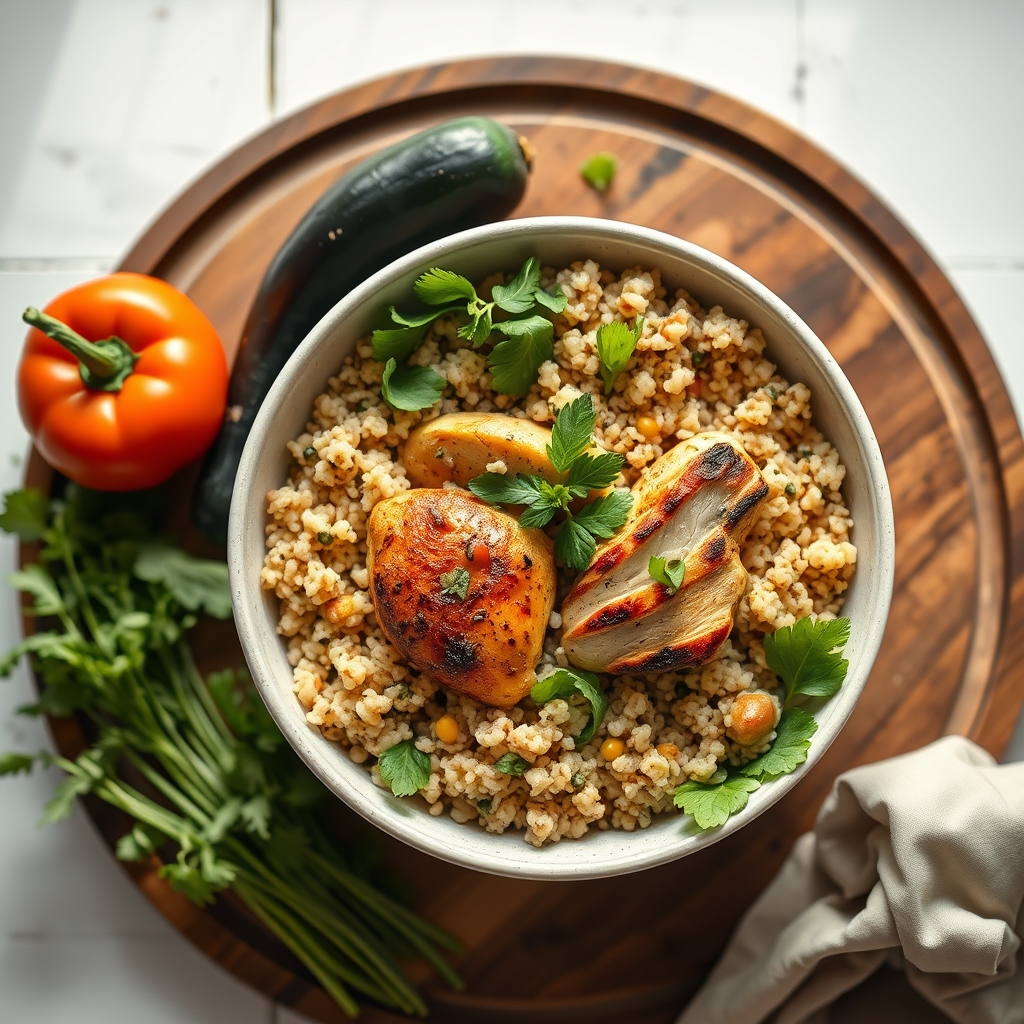
A quick chicken‑quinoa bowl packs protein, iron, and healthy fats in a single pan.
Easy postpartum dinner recipes for breastfeeding
Even after a long day of feeding, you deserve a warm, nourishing dinner that supports lactation. The following recipes require minimal chopping and can be made in a single pot or skillet, preserving both nutrients and your sanity.
Salmon, sweet‑potato, and broccoli sheet‑pan bake: Place 4 oz salmon fillet, cubed sweet potato, and broccoli florets on a parchment‑lined tray. Drizzle with a mixture of olive oil, garlic, and a splash of orange juice. Roast at 400 °F for 20 minutes. This dish delivers ~450 kcal, 35 g protein, 35 g carbs, and 18 g fat, plus omega‑3 fatty acids that are linked to higher milk volume (WHO, 2022).
Lentil‑tomato stew with spinach: Sauté onions, add red lentils, canned tomatoes, vegetable broth, and a handful of fresh spinach. Simmer for 15 minutes. One bowl offers ~380 kcal, 22 g protein, 55 g carbs, and 4 g fat, plus iron and folate crucial for postpartum blood replenishment.
Turkey‑and‑wild‑rice skillet: Brown ground turkey, stir in cooked wild rice, diced carrots, peas, and a dash of low‑sodium soy sauce. Finish with a sprinkle of sesame seeds. Approximate nutrition: 410 kcal, 30 g protein, 45 g carbs, 12 g fat.
All three meals can be doubled and frozen in portion‑size containers, giving you a ready‑made dinner for the next night. Pair any of them with a side of mixed greens dressed lightly with lemon‑tahini sauce for extra calcium and vitamin C.
Postpartum meals for weight loss after baby
Many new mothers wonder, “Can I lose weight while breastfeeding?” The short answer: yes, but only at a gradual pace that doesn’t compromise milk supply. A safe target is 0.5 lb (≈ 0.23 kg) per week, which translates to a modest 250‑300 kcal daily deficit (CDC, 2023). To achieve this, focus on high‑protein, high‑fiber foods that keep you satiated while delivering the nutrients you need.
Here are three calorie‑controlled meals that stay under 400 kcal yet provide ample protein and iron:
Turkey‑chili lettuce wraps: Cook lean ground turkey with black beans, diced tomatoes, chili powder, and cumin. Spoon into large romaine leaves. Each serving is ~340 kcal, 28 g protein, 30 g carbs, and 9 g fat.
Quinoa‑edamame salad: Mix cooked quinoa, shelled edamame, cherry tomatoes, cucumber, and a lime‑ginger vinaigrette. Provides ~365 kcal, 15 g protein, 55 g carbs, and 8 g fat, plus 4 mg iron.
Greek‑yogurt smoothie with spinach and berries: Blend 1 cup plain Greek yogurt, a handful of spinach, ½ cup mixed berries, and a splash of almond milk. Approx. 290 kcal, 22 g protein, 35 g carbs, 4 g fat.
Pair each meal with a glass of water or unsweetened herbal tea to stay hydrated—hydration is key for both milk production and metabolism.
Nutrient‑rich postpartum meals for recovery
Recovery after birth—whether vaginal or via C‑section—relies on a handful of nutrients: iron for blood loss, calcium for bone health, vitamin C for wound healing, and omega‑3s for inflammation reduction. Below is a concise table that matches top foods with the nutrients they supply, based on USDA data.
Food
Key Nutrient
Typical Serving
Amount
Lean beef (cooked)
Iron (heme)
3 oz
2.1 mg
Spinach (cooked)
Iron (non‑heme) + Vitamin C
½ cup
0.8 mg + 14 mg
Greek yogurt (plain)
Calcium + Protein
¾ cup
200 mg + 15 g
Salmon (baked)
Omega‑3 (EPA/DHA)
4 oz
≈ 1.5 g
Almonds (raw)
Magnesium + Vitamin E
¼ cup
80 mg + 7 mg
Lentils (cooked)
Folate + Iron
½ cup
180 µg + 2.5 mg
Use this table as a quick reference when building meals. For example, a salmon‑spinach salad combines iron‑rich spinach with omega‑3‑laden salmon, delivering a synergy that supports tissue repair and reduces inflammation—both crucial after a C‑section (NICE, 2022).
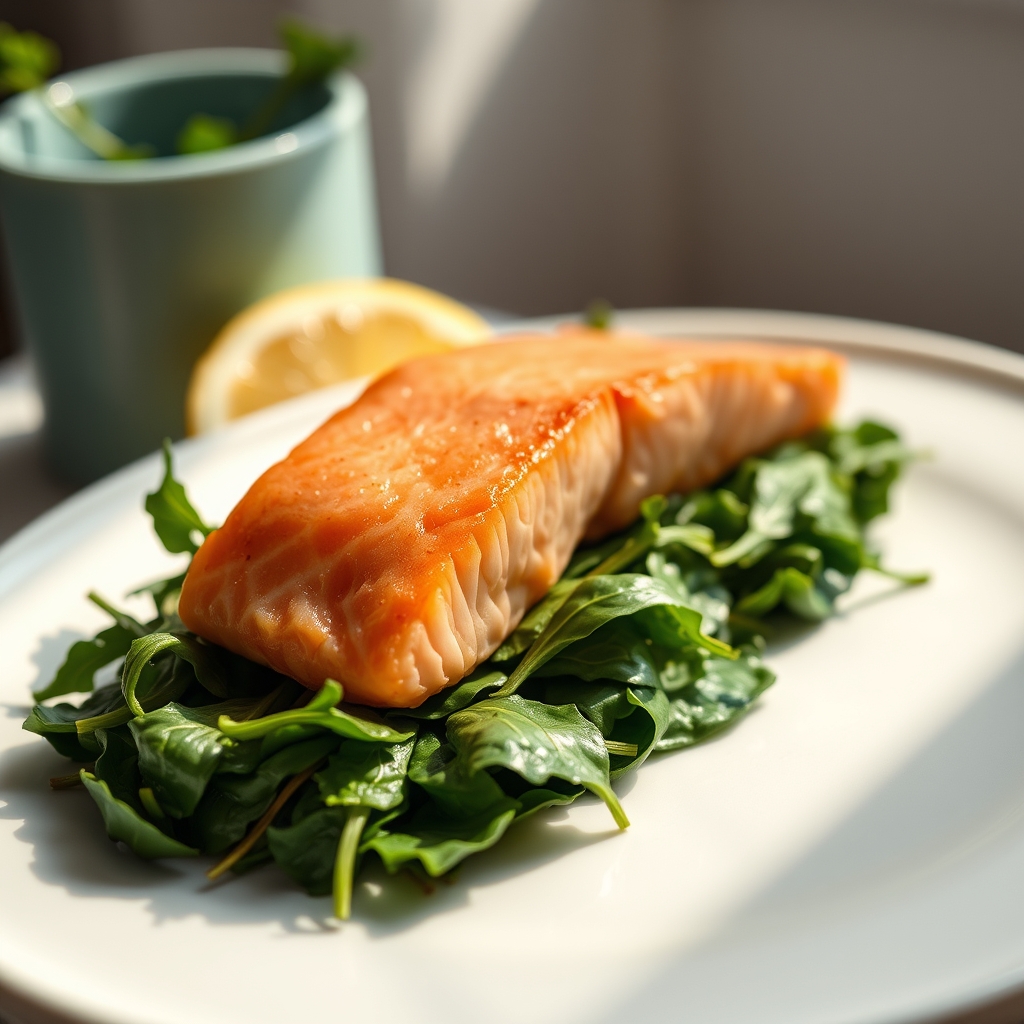
Salmon and spinach deliver iron, calcium, and omega‑3s in one elegant plate.
Budget‑friendly postpartum meal plan for the first month
Postpartum grocery bills can add up quickly, especially when you’re stocking up on fresh produce, protein, and dairy. The key to stretching your dollars is to focus on pantry staples—beans, rice, frozen vegetables, and canned fish—that are inexpensive, shelf‑stable, and nutrient‑dense. Below is a sample seven‑day plan that repeats core ingredients while offering variety.
Day 1: Lentil soup with carrots and kale + whole‑grain roll.
Day 2: Tuna‑and‑brown‑rice salad with peas and olive oil.
Day 3: Chicken‑and‑sweet‑potato sheet‑pan dinner.
Day 4: Egg‑and‑avocado toast + side of cottage cheese.
Day 5: Veggie‑stir‑fry with tofu, frozen mixed veggies, and quinoa.
Day 6: Turkey chili (make a double batch for leftovers).
Day 7: Greek‑yogurt parfait with frozen berries and a sprinkle of oats.
Shopping tips:
Buy frozen berries and vegetables in bulk; they retain nutrients and cost less than fresh out‑of‑season produce.
Choose canned beans and fish (low‑sodium, BPA‑free cans) for protein and omega‑3s.
Invest in a large freezer bag for pre‑portioning cooked grains and proteins, making reheating effortless.
Following this plan for the first four weeks gives you roughly 2,300 kcal per day, 90 g protein, and adequate iron and calcium—all while staying under $150 for the month in most U.S. grocery markets (USDA Food Plans, 2023).
Postpartum meals that boost milk supply naturally
While overall calorie and fluid intake are the biggest drivers of milk production, certain foods are traditionally thought to be lactogenic—meaning they may help increase supply. The evidence is modest, but many mothers report positive effects, and these foods fit easily into a balanced diet.
Top lactation‑supporting foods include:
Oats: A half‑cup of cooked oats provides soluble fiber and B‑vitamins that may aid prolactin secretion (LactMed, 2021).
Fenugreek seeds: Small amounts (¼ tsp) added to smoothies or tea are a common herbal galactagogue, but you should discuss use with your provider if you have thyroid or blood‑sugar concerns.
Almonds and other nuts: Rich in healthy fats, they support hormone production.
Leafy greens (spinach, kale): High in calcium and iron, both of which indirectly support milk volume.
Here’s a “milk‑boost” oatmeal bowl you can prep the night before:
Cook ½ cup rolled oats with 1 cup water; stir in ¼ tsp ground fenugreek.
Top with sliced almonds, a handful of blueberries, and a drizzle of honey.
Enjoy warm or cold, and pair with a glass of fortified soy milk for extra calcium.
Remember, staying well‑hydrated (aim for 3 L of fluid daily) and eating enough calories are the most reliable ways to sustain a healthy milk supply (ACOG, 2023).
Vegetarian postpartum meal ideas for new mothers
Vegetarian diets can absolutely meet postpartum nutrient needs, provided you plan for protein, iron, calcium, and omega‑3s. Legumes, tofu, dairy, eggs, and fortified plant milks become the main protein sources, while leafy greens and nuts cover iron and calcium.
Three vegetarian‑friendly meals that hit the nutrient targets:
Chickpea‑spinach curry with brown rice: Sauté onions, add canned chickpeas, fresh spinach, coconut milk, and curry powder. Serve over ½ cup brown rice. Approx. 420 kcal, 18 g protein, 55 g carbs, 12 g fat, plus 3 mg iron.
Quinoa‑black‑bean stuffed peppers: Mix cooked quinoa, black beans, corn, and shredded cheese; stuff into halved bell peppers and bake 15 minutes. Each pepper provides ~380 kcal, 16 g protein, 45 g carbs, 9 g fat.
Egg‑and‑avocado breakfast burrito: Scramble two eggs, add sliced avocado, salsa, and a whole‑grain tortilla. Delivers ~350 kcal, 20 g protein, 30 g carbs, 18 g fat, and vitamin D from eggs.
If you’re vegan, replace dairy with fortified soy or almond milk, and consider an algae‑based DHA supplement to meet omega‑3 recommendations (FAO, 2022). Adding a tablespoon of ground flaxseed to oatmeal or smoothies supplies ALA, a plant‑based omega‑3 precursor.
Postpartum snack ideas for night feedings
Nighttime feeds often come with cravings for something quick, soothing, and nutrient‑dense. Snacks that combine protein with a modest amount of carbs help stabilize blood sugar and keep you alert without feeling too heavy.
Here are five snack options you can keep on a night‑stand shelf or fridge door:
Greek yogurt with honey and walnuts: ¾ cup yogurt + 1 tsp honey + ¼ cup chopped walnuts.
Whole‑grain crackers with hummus: 4–5 crackers + 2 Tbsp hummus.
Banana‑peanut‑butter toast: One slice whole‑grain bread, 1 Tbsp peanut butter, sliced banana on top.
Cheese stick and a few grapes: One low‑fat cheese stick + ½ cup grapes.
Warm oat‑milk latte with cinnamon: 1 cup oat milk, heated, with a pinch of cinnamon and a splash of maple syrup.
All these snacks sit between 150–250 kcal and provide a mix of protein, healthy fats, and simple carbs—ideal for refueling after a feeding.
Postpartum meal prep schedule for the first six weeks
Planning ahead can turn chaotic evenings into manageable routines. A realistic prep schedule looks like this:
Week 1: Focus on assembling freezer‑ready meals—cook two large batches of a protein (e.g., chicken, lentils) and two grain bases (quinoa, brown rice). Portion into 4‑oz containers.
Week 2‑3: Add one‑pot soups and stews that reheat quickly. Use the same vegetables across dishes to reduce waste.
Week 4‑6: Rotate salads with pre‑cooked proteins, and keep a “quick‑assemble” station with canned beans, pre‑washed greens, and dressings.
Set aside 30 minutes on Sunday to wash and chop veggies, and another 45 minutes on Wednesday to cook a large batch of protein. Store everything in clear, labeled containers so you can grab a portion in under a minute. This schedule respects the typical postpartum recovery timeline—most mothers feel stronger by week 4 and can handle a slightly more varied menu (RCOG, 2022).
Best postpartum foods for healing perineal tears and C‑section recovery
Perineal tears and C‑section incisions both benefit from nutrients that promote collagen formation and reduce inflammation. Key foods include:
Vitamin C‑rich fruits: Oranges, kiwi, strawberries—aim for at least one cup daily.
Protein‑dense sources: Lean meats, eggs, Greek yogurt, and legumes, to supply the amino acids needed for tissue repair.
Zinc‑rich foods: Pumpkin seeds, chickpeas, and lean beef, which support wound healing.
Omega‑3 fatty acids: Fatty fish, chia seeds, and walnuts to curb post‑surgical inflammation.
A simple “healing broth” can be a comforting way to combine these nutrients: simmer chicken bones or vegetable stock with carrots, celery, ginger, and a splash of lemon juice. Add a handful of kale at the end for extra calcium and vitamin C. One cup provides roughly 150 kcal, 12 g protein, and a suite of healing micronutrients.
High‑iron postpartum meals to prevent anemia
Iron loss during delivery can leave many mothers with low ferritin levels. Pairing iron‑rich foods with vitamin C sources boosts absorption (NHS, 2023). Here are three iron‑focused meals:
Beef and broccoli stir‑fry: Thinly sliced lean beef cooked with broccoli, bell peppers, and a ginger‑soy sauce. Serve over brown rice. Provides ~3 mg heme iron plus 30 mg vitamin C from the veggies.
Lentil‑spinach soup: Red lentils simmered with spinach, tomatoes, and a squeeze of lemon. Each bowl delivers ~4 mg non‑heme iron and 40 mg vitamin C.
Quinoa‑black‑bean salad with orange segments: Mix quinoa, black beans, orange slices, and a light vinaigrette. Offers ~2.5 mg iron and 70 mg vitamin C.
If you’re vegetarian, consider an iron‑fortified cereal or a prenatal‑postpartum supplement after discussing with your provider.
Postpartum meals for diabetic moms
Gestational diabetes or pre‑existing type 2 diabetes requires careful carbohydrate monitoring. Aim for a carbohydrate intake of 30–45 g per meal, paired with protein and healthy fats to blunt glucose spikes (ADA, 2023).
Three balanced meals:
Grilled salmon with roasted Brussels sprouts and quinoa: 4 oz salmon, 1 cup Brussels sprouts, ½ cup quinoa. Approx. 35 g carbs, 28 g protein, 12 g fat.
Egg‑white omelet with feta, spinach, and whole‑grain toast: 3 egg whites, ¼ cup feta, ½ cup sautéed spinach, 1 slice toast. ~30 g carbs, 22 g protein.
Chicken‑and‑vegetable stir‑fry over cauliflower rice: 4 oz chicken, mixed bell peppers, 1 cup cauliflower rice. ~15 g carbs, 30 g protein.
Snack wisely: a small apple with 1 Tbsp peanut butter (≈ 15 g carbs) keeps blood sugar stable between meals.
Postpartum meals that help reduce postpartum depression
Emerging research links certain nutrients—especially omega‑3 fatty acids, B‑vitamins, and antioxidants—to mood regulation (Harvard Health, 2022). Including these in your diet may complement other mental‑health strategies.
Meal ideas rich in mood‑supporting nutrients:
Walnut‑and‑blueberry oatmeal: Cook oats with milk, stir in ¼ cup walnuts and a handful of blueberries. Provides omega‑3s, vitamin E, and antioxidants.
Spinach‑and‑lentil soup: Lentils for folate, spinach for magnesium, and a drizzle of olive oil for vitamin E.
Salmon‑avocado salad: Combine baked salmon, avocado slices, mixed greens, and a citrus vinaigrette for DHA, healthy fats, and vitamin C.
Combine these meals with regular physical activity, sunlight exposure, and professional support for the best outcomes.
Postpartum meals for twins and larger families
Feeding two (or more) babies often means double the milk demand and more hands‑on care. Bulk cooking becomes essential. Choose recipes that scale easily and keep leftovers tasty.
Family‑friendly dishes:
Sheet‑pan chicken fajitas: Slice chicken breast, bell peppers, and onions; toss with spices; roast. Serve with tortillas, salsa, and a side of black beans. Makes 8‑10 servings.
One‑pot turkey chili: Ground turkey, kidney beans, diced tomatoes, corn, and spices simmered together. Freeze half for later weeks.
Veggie‑laden pasta bake: Whole‑grain penne, marinara, roasted zucchini, mushrooms, and mozzarella. Provides carbs for the whole family and protein for moms.
When you’re short on time, portion out the cooked protein (chicken, turkey) into individual containers and pair with pre‑cooked grains and steamed veggies. This “assembly line” approach lets you serve a hot plate in under five minutes, even after a double feeding.
Postpartum meals to support hormonal balance and reduce cravings
Hormonal fluctuations after birth can trigger cravings for sweets, salty snacks, or extra caffeine. Certain foods help smooth those swings by stabilizing blood sugar and supporting hormone metabolism. According to ACOG, meals that combine protein with complex carbs and a small amount of healthy fat can blunt rapid glucose spikes, which often underlie intense cravings.
Try a “balanced bite” snack such as a slice of whole‑grain toast topped with almond butter and a few sliced strawberries. The protein and fat from the almond butter slow sugar absorption, while the strawberries provide vitamin C that aids iron uptake—a win‑win for mood and energy. Another option is a mini bowl of quinoa mixed with black beans, a dash of lime juice, and chopped cilantro; the fiber‑rich quinoa and beans keep you full longer, and the lime adds a refreshing flavor without added sugar.
Simple grocery checklist for the first weeks postpartum
Having a well‑stocked pantry reduces the mental load of deciding what to eat when you’re exhausted. The NHS recommends keeping a core list of staples that cover protein, calcium, iron, and omega‑3s. Below is a printable checklist you can hang on your fridge:
When you shop, choose low‑sodium canned items and opt for BPA‑free containers. A quick weekly trip with this list can keep you nourished without a last‑minute dash to the store.
From our medical team: Your postpartum nutrition needs are unique, but the common thread is adequate calories, protein, and key micronutrients. Aim for 2,200–2,500 kcal daily if you’re exclusively breastfeeding, and adjust based on hunger cues and weight trends. Hydration, sleep, and gentle movement also play vital roles in recovery. If you have specific conditions—such as anemia, diabetes, or a recent C‑section—work closely with your provider to tailor portions and supplement choices. Remember, the best diet is one you can sustain without added stress.
Myth vs. fact
Myth: You must eat “super‑foods” like kale smoothies every day to produce enough milk.
Fact: Consistent calorie and fluid intake, plus a balanced mix of protein, iron, calcium, and omega‑3s, are far more important than any single “miracle” food.
Myth: Postpartum weight loss should happen quickly, or you’re not doing it right.
Fact: A gradual loss of 0.5 lb per week is safe while breastfeeding; rapid loss can reduce milk supply and delay healing.
Myth: You can’t follow a vegetarian diet after birth without risking nutrient deficiencies.
Fact: With careful planning—incorporating legumes, dairy, eggs, fortified plant milks, and occasional seafood—vegetarian moms can meet all postpartum nutrient requirements.
Key takeaways
Aim for 2,200–2,500 kcal daily if breastfeeding; adjust based on weight goals.
Prioritize protein (≈ 20–30 g per meal), iron, calcium, and omega‑3s for healing and milk production.
Batch‑cook core proteins and grains on weekends; freeze portions for quick meals.
Include lactation‑supporting foods like oats, almonds, and leafy greens, but focus on overall calorie balance.
Use vitamin C‑rich fruits with iron sources to boost absorption and prevent anemia.
Tailor meals to your dietary needs—vegetarian, diabetic, or post‑C‑section—by swapping protein sources and adjusting carbs.
Frequently asked questions
What should I eat after giving birth?
Start with a balanced plate of protein, whole grains, and colorful vegetables, plus dairy or fortified alternatives for calcium; aim for 2,200–2,500 kcal if you’re nursing.
How many calories should a postpartum mom consume?
Most breastfeeding mothers need about 2,200–2,500 kcal per day, while those who aren’t nursing may require 1,800–2,200 kcal depending on activity level.
Can I lose weight while breastfeeding?
Yes, but only at a modest pace of 0.5 lb (≈ 0.23 kg) per week to protect milk supply; create a small calorie deficit and prioritize nutrient‑dense foods.
How long does it take to recover after a C‑section?
Typical healing spans 6–8 weeks, with full activity resumption by 8–12 weeks; focus on protein, zinc, and vitamin C during the first month.
What foods increase breast milk supply?
Hydration, adequate calories, and lactogenic foods like oats, almonds, and leafy greens can help; the most important factor is overall energy intake.
Are there foods to avoid during the postpartum period?
Limit caffeine to <200 mg per day, avoid high‑mercury fish, and steer clear of unpasteurized dairy if you’re immunocompromised; otherwise, a varied diet is best.
What are safe snack options for postpartum mood swings?
Choose snacks that pair protein with complex carbs—such as a slice of whole‑grain toast with hummus, a handful of trail mix, or Greek yogurt with a drizzle of honey—because steady blood sugar helps stabilize mood (ACOG, 2023).
Can I use meal‑delivery services postpartum?
Yes, as long as the meals meet your calorie and nutrient targets; look for services that label protein, iron, and calcium content, and double‑check that sodium levels are low to align with ACOG recommendations.
When to call your doctor
If you experience any of the following, seek medical attention promptly: heavy vaginal bleeding (soaking a pad in under an hour), fever above 100.4 °F (38 °C), severe abdominal pain, signs of infection at a C‑section incision, sudden swelling or shortness of breath, or a drastic drop in milk supply despite adequate intake. This article is for informational purposes only and does not replace personalized medical advice.
References
American College of Obstetricians and Gynecologists (ACOG). “Nutrition During Pregnancy and Lactation.” 2023.
National Health Service (NHS). “Iron deficiency anaemia.” 2023.
World Health Organization (WHO). “Guidelines on maternal nutrition.” 2022.
Centers for Disease Control and Prevention (CDC). “Postpartum weight loss.” 2023.
National Institute for Health and Care Excellence (NICE). “Postnatal care.” 2022.
Academy of Nutrition and Dietetics. “Postpartum Nutrition.” 2023.
Not sure about the label on Postpartum Meal Ideas products?
Snap the ingredients list and SafeFilter checks every ingredient for your stage — only 3 free scans this month, then you're locked until reset. Unlimited from $7/mo or $50/yr.
When Shubhra Mishra was expecting her first child in 2016, she was overwhelmed by conflicting food advice — one site said yes, another said never. By the time her second baby arrived in 2019, she realized millions of mothers face the same confusion.
That sparked a five-year journey through clinical nutrition papers, cultural diets, and expert conversations — all leading to BumpBites: a calm, compassionate space where science meets everyday motherhood.
Her long-term vision is to build a global community ensuring safe, supported, and free deliveriesfor every mother — because no woman should face pregnancy alone or uninformed. 🌿
🌍 Stand with mothers, shape safer guidance
Join a small circle of experts who review BumpBites articles so expecting parents everywhere can decide with confidence.