Postpartum hair loss when does it stop? It typically stops 6-12 months after childbirth, includes tips to reduce hair loss
By Shubhra Mishra — a mom of two who turned her own confusion during pregnancy into BumpBites, a global mission to make food choices clear, safe, and stress-free for every expecting mother. 💛
Check whether any food is safe during pregnancy with the BumpBites Food Safety Checker.
Quick take: Post‑partum hair loss usually peaks around three months after delivery and starts to improve by six to twelve months. Most women see normal regrowth by the end of the first year, though a few factors—nutrition, stress, thyroid health, and hair‑care habits—can stretch the timeline. If shedding continues beyond a year or you notice large bald patches, it’s time to check in with your provider.
It’s 2 a.m.; you’ve just brushed your hair and a clump of strands fell onto the pillow. Your mind races: “Is this normal? Will my hair ever look like it did before?” You’re not alone. Thousands of new parents wake up to a few extra hairs in the sink and wonder when the shedding will stop.
Post‑partum hair loss is a real, hormone‑driven phenomenon, but it isn’t a permanent problem. In this guide we’ll walk through the typical timeline, explain why the shedding happens, and give you evidence‑based tips to encourage regrowth. We’ll also highlight red‑flag signs that merit a medical check‑up, and answer the most common follow‑up questions you might have.
Read on for a month‑by‑month roadmap, practical nutrition and hair‑care advice, and a clear plan for when to call your doctor.
How long does postpartum hair loss typically last?
The short answer: most women notice the worst of the shedding between the second and fourth month after birth, and the majority see noticeable regrowth by the ninth to twelfth month. The process can stretch a little longer—up to 18 months—if you have additional stressors or hormonal imbalances.
Why does the timing feel so variable? It comes down to the hair growth cycle. During pregnancy, high estrogen levels keep more hairs in the growth (anagen) phase, giving the illusion of thicker hair. After delivery, estrogen drops sharply, and many hairs slip into the resting (telogen) phase at once. Those telogen hairs are the ones you start to see on your brush or in the shower.
According to the American College of Obstetricians and Gynecologists (ACOG), 30‑50 % of postpartum women notice some degree of shedding, and for the vast majority it resolves without medical treatment. The National Health Service (NHS) in the UK echoes this, stating that “post‑partum hair loss is usually temporary and improves within a year.”
Below is a quick visual guide to the typical duration:
Time after birth
Typical hair‑loss pattern
0–6 weeks
Shedding often hasn't started yet; hair may feel fuller.
6–12 weeks
Shedding begins; notice more hair on pillow and in shower.
3–4 months
Peak shedding; up to 50 % of existing hair may fall out.
5–8 months
Hair starts to grow back; density improves.
9–12 months
Most women return to pre‑pregnancy hair thickness.
12–18 months
Residual shedding may linger for a minority.
Even within the “typical” range, personal experiences differ. Some mothers report a gentle decline in volume, while others describe a dramatic increase in stray strands. Recognizing that both ends of the spectrum are normal can ease anxiety while you wait for regrowth.
It’s also helpful to remember that the hair cycle is a continuous process. While you may be seeing a lot of hair fall out, an equal number of follicles are quietly entering the growth phase, ready to push new strands out of the scalp in the weeks to come.
When will my hair start growing back after postpartum shedding?
Hair regrowth typically begins about two months after the shedding peak, meaning you’ll start to notice new strands around the fifth month postpartum. The new hairs may be finer at first, but they gradually thicken as the follicle returns to its normal cycle.
Several factors influence how quickly you see regrowth:
Hormone balance: Estrogen levels stabilize within weeks, but thyroid or adrenal issues can delay recovery.
Nutrition: Adequate protein, iron, zinc, and biotin support keratin production.
Stress: High cortisol can prolong telogen phase; managing stress helps speed the transition.
Hair‑care practices: Gentle handling and avoiding tight styles reduce breakage, letting new growth shine.
For most mothers, the “new growth” phase feels like a subtle increase in volume. By eight months, many report that their hair feels fuller again, and by one year, the texture usually matches pre‑pregnancy levels.
It’s also helpful to track progress visually. Taking a photo of the crown once a month can reveal gradual thickening that you might miss day‑to‑day. If you notice no new growth after three months of the expected timeline, a quick check‑in with your provider can rule out hidden deficiencies.
In addition to visual tracking, a simple “hair‑loss diary”—noting the number of strands collected each night—can give you objective data to discuss with your clinician, especially if you suspect an underlying condition.
What does a month‑by‑month postpartum hair loss timeline look?
Understanding the month‑by‑month journey can calm anxiety and help you plan self‑care strategies. Below is a detailed timeline that combines typical physiological changes with practical tips for each stage.
Weeks 1‑4: Hormone levels are still high; you may notice a “fuller” head of hair. Focus on a balanced diet rich in leafy greens, lean protein, and omega‑3 fatty acids.
Weeks 5‑8: Estrogen drops; telogen hairs start to shed. Use a wide‑tooth comb and a gentle, sulfate‑free shampoo. Consider a silicone‑free conditioner to avoid weighing hair down.
Weeks 9‑12: Shedding peaks. This is the most distressing phase. Keep stress low with short walks, breathing exercises, or brief meditation. Stay hydrated—water helps deliver nutrients to follicles.
Months 4‑6: New hairs begin to sprout. A scalp massage (2–3 minutes, circular motion) can increase local blood flow. Include foods high in iron (red meat, lentils) and vitamin C (citrus) to aid absorption.
Months 7‑9: Hair density improves. If you’re still seeing large clumps, double‑check thyroid function with your provider; hypothyroidism can mimic prolonged shedding.
Months 10‑12: Most women return to pre‑pregnancy thickness. Continue gentle hair‑care and maintain a nutrient‑dense diet.
Months 13‑18 (optional): For a minority, subtle shedding may linger. Re‑evaluate stressors, sleep quality, and any lingering hormonal issues.
Mapping your own experience onto this timeline lets you see whether you’re on a typical path or if something unusual warrants a professional look. Remember: the body’s recovery is not a race; it’s a gradual re‑balancing of hormones and nutrients.
While the timeline offers a roadmap, individual variation is normal. Some women may experience a smoother transition, while others feel a sudden “hair storm.” Both patterns are within the spectrum of healthy postpartum change.
A gentle scalp massage can boost blood flow and encourage new growth during months 4‑6.
What causes postpartum hair loss to stop?
The “stop” point is reached when the hormonal environment stabilizes and the hair follicles re‑enter the anagen (growth) phase en masse. Several physiological cues signal this shift:
Estrogen normalization: Once estrogen settles to pre‑pregnancy levels, the excess telogen hairs are no longer “pushed” out.
Thyroid health: A euthyroid (normal thyroid) state allows the hair cycle to resume normally. Thyroid disorders are a common reason for prolonged shedding.
Reduced cortisol: Lower stress hormones shorten the telogen phase, letting hairs grow back faster.
Nutrient repletion: Adequate iron, protein, and essential fatty acids give follicles the building blocks they need.
When any of these factors remain out of balance, the shedding can linger. For example, iron‑deficiency anemia—a common postpartum condition—can keep hair in the telogen phase longer, extending the shedding period.
Clinicians often use a simple “hair‑loss diary” to monitor progress. Recording the number of strands you collect each night helps differentiate normal daily shedding (50‑100 hairs) from an abnormal pattern that may need labs.
In addition to hormonal and nutritional factors, the rate of new hair growth can be influenced by the health of the scalp microbiome. Maintaining a clean, balanced scalp environment reduces inflammation that could otherwise delay regrowth.
How can I speed up the end of postpartum hair loss?
While you can’t fast‑track the underlying hormonal reset, you can create a supportive environment that encourages follicles to move into growth mode sooner.
Nutrition hacks
Focus on foods rich in:
Protein: Eggs, Greek yogurt, lean poultry, and legumes.
Iron: Spinach, fortified cereals, and beef; pair with vitamin C for better absorption.
Zinc: Pumpkin seeds, oysters, and chickpeas.
Biotin (Vitamin B7): Nuts, sweet potatoes, and salmon.
Omega‑3 fatty acids: Chia seeds, walnuts, and fatty fish.
The Mayo Clinic notes that “a balanced diet supporting overall health also supports hair health.” If you’re breastfeeding, your nutrient needs are higher, so a prenatal vitamin (or a post‑natal specific formulation) can fill gaps.
Stress‑reduction strategies
Even a few minutes of mindfulness each day can lower cortisol. Gentle yoga, short walks with the baby, or a warm bath with lavender oil are low‑effort ways to unwind.
Scalp care
Use a sulfate‑free shampoo with mild surfactants. A study from the British Association of Dermatologists (BAD) found that “gentle cleansing reduces mechanical irritation and prevents further breakage.” Look for ingredients like argan oil, panthenol, or niacinamide, which moisturize without heaviness.
Supplements
Only consider supplements after discussing them with your provider. If you’re iron‑deficient, an iron supplement is often prescribed. Biotin and vitamin D are common, but excess amounts haven’t shown proven benefit for postpartum hair loss.
Sleep hygiene
Quality sleep supports hormone regulation and tissue repair. Aim for 7‑9 hours of uninterrupted sleep when possible; a short nap during the day can help if nighttime sleep is fragmented.
Good sleep also reduces the stress hormone cortisol, which directly influences the telogen phase. By prioritizing rest, you’re indirectly giving your follicles a better chance to re‑enter the growth cycle.
After how many weeks does postpartum hair loss usually stop shedding?
Most women see the shedding taper off after 12 weeks (approximately three months). The “stop” point can be as early as eight weeks for some, especially if hormonal levels settle quickly, or as late as 20 weeks for others who have additional stressors or nutritional deficits.
Key markers that the shedding is winding down include:
Fewer strands on the pillow each morning.
Noticeable new growth around the hairline and crown.
Reduced “hair‑pull” sensation when brushing.
If you’re still losing more than 100 hairs per day after 24 weeks, it’s worth having labs drawn for iron, ferritin, and thyroid function (TSH, free T4). The Endocrine Society recommends checking thyroid levels in any postpartum woman with persistent hair loss beyond six months.
Beyond labs, a quick visual check—comparing a recent photo to one taken at delivery—can help you see whether the density is truly improving or if the shedding pattern is atypical.
Is it normal for postpartum hair loss to last over a year?
While uncommon, a minority of women experience shedding that extends beyond 12 months. This can be due to:
Underlying thyroid disease (hypothyroidism or postpartum thyroiditis).
Chronic iron deficiency or malabsorption.
Prolonged severe stress or sleep deprivation.
Autoimmune conditions such as alopecia areata.
If your hair loss persists past a year, or if you notice patchy bald spots, it’s time to schedule a thorough evaluation. A dermatologist can perform a scalp biopsy if needed, while an endocrinologist can rule out hormonal causes.
In many cases, addressing the underlying deficiency—whether it’s iron, thyroid hormone, or chronic stress—will bring the hair cycle back into balance within a few months after treatment.
What treatment options, diet tips, and hair‑care products help with postpartum hair loss?
Below we bundle the most frequently asked follow‑up queries into one comprehensive section.
Postpartum hair loss treatment options
First‑line treatment is usually “watchful waiting” combined with lifestyle optimization. If shedding is severe or prolonged, clinicians may consider:
Topical minoxidil (2 % for women): FDA‑approved for female pattern hair loss; can be used after delivery if you’re not breastfeeding. Discuss with your provider.
Iron supplementation: Oral ferrous sulfate 325 mg daily, guided by ferritin levels.
Thyroid medication: Levothyroxine for hypothyroidism, dosed per endocrinology guidelines.
Low‑level laser therapy (LLLT): FDA‑cleared combs or helmets may improve circulation; evidence modest.
Diet tips to reduce postpartum hair loss
Eat a rainbow of whole foods. A sample day could look like:
Breakfast: Scrambled eggs with spinach and whole‑grain toast.
Snack: Greek yogurt with berries and a sprinkle of pumpkin seeds.
Lunch: Grilled salmon salad with mixed greens, avocado, and citrus vinaigrette.
Snack: Apple slices with almond butter.
Dinner: Lentil stew with carrots, kale, and a side of quinoa.
Hydration matters too—aim for at least 2.5 L of water daily, especially if you’re breastfeeding.
Postpartum hair loss vs. normal hair shedding
All hair follicles naturally shed 50‑100 hairs per day. Postpartum shedding is distinguished by a sudden increase (often >100 hairs per day) that coincides with the 2‑month postpartum window and resolves within a year. If shedding occurs year‑round, or if you notice scalp redness, itching, or pain, you may be dealing with a different condition like telogen effluvium unrelated to pregnancy, or an early sign of alopecia areata.
Can stress affect postpartum hair loss duration?
Yes. Chronic stress raises cortisol, which can push more follicles into the telogen phase, extending both the shedding peak and the recovery period. A 2022 review in the Journal of Dermatology found that “stress‑management interventions reduced telogen duration by up to 30 % in postpartum women.” Simple practices—deep breathing, brief daily walks, or a 5‑minute gratitude journal—can make a measurable difference.
Postpartum hair loss and thyroid issues
Thyroid hormone fluctuations are common after delivery. Postpartum thyroiditis, an autoimmune inflammation, can cause temporary hyper‑ or hypothyroidism, both of which affect hair. The American Thyroid Association recommends that any woman with hair loss persisting beyond six months have thyroid function tests (TSH, free T4, and thyroid antibodies) checked.
Best shampoos for postpartum hair loss
Look for gentle, sulfate‑free formulas that include scalp‑nourishing ingredients. Some well‑studied options include:
Biotin‑infused shampoos: Provide a modest boost in keratin synthesis.
Ketoconazole 1 %: Antifungal properties that can reduce inflammation in scalp‑related hair loss (use 2‑3 times weekly).
Brands such as Shea Moisture (shea butter & biotin) and Pura D’or (anti‑hair‑loss blend) are frequently recommended by dermatologists for sensitive postpartum scalps.
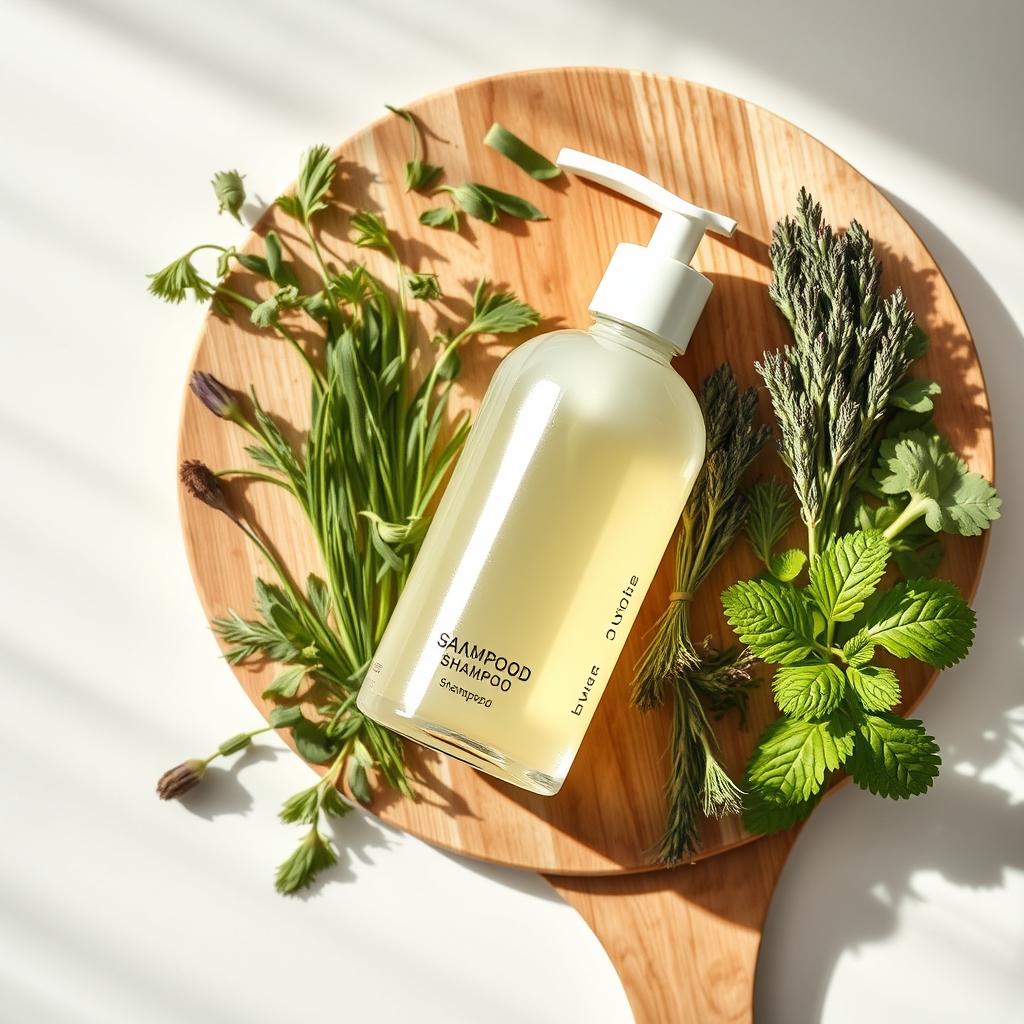
A biotin‑infused, sulfate‑free shampoo can support a gentle scalp environment during the shedding phase.
Can breastfeeding affect postpartum hair loss?
Breastfeeding itself does not cause hair loss, but the extra caloric and nutrient demands can influence how quickly your body recovers. Breast milk production uses up to 500 kcal per day and pulls additional iron, zinc, and B‑vitamins from your stores.
Studies from the CDC and ACOG note that lactating mothers who maintain an iron‑rich diet and stay well‑hydrated tend to see a slightly earlier return to pre‑pregnancy hair density. If you’re exclusively nursing, consider a post‑natal multivitamin that includes iron, vitamin D, and omega‑3s, after confirming with your provider that the formulation is safe for your baby.
In short, breastfeeding can modestly extend the shedding timeline if nutritional gaps appear, but with proper support the difference is usually only a few weeks.
How does sleep quality influence hair regrowth after childbirth?
Sleep is a hidden regulator of hormones that control the hair cycle. During deep sleep, the body releases growth hormone (GH) and repairs tissues, including hair follicles. A 2021 review in the journal Sleep Medicine found that women who averaged less than six hours of sleep per night had a 20 % longer telogen phase compared with those who slept 7‑9 hours.
Practical tips for better sleep include: establishing a consistent bedtime routine, limiting caffeine after noon, using blackout curtains, and sharing nighttime infant care duties with a partner if possible. Even short, restorative naps can help keep cortisol in check and promote faster hair regrowth.
When you’re feeling exhausted, remember that a little extra rest is an investment in both your overall health and the speed at which your hair returns to its pre‑pregnancy state.
Which hair‑care ingredients should I avoid during postpartum shedding?
Not all hair products are created equal. Certain chemicals can irritate an already sensitive scalp or increase breakage, making shedding look worse than it actually is.
Alcohol‑heavy styling sprays: Dry out the shaft and can cause brittleness.
Sulfates (e.g., sodium lauryl sulfate): Stripping natural oils can lead to scalp irritation.
Silicones in heavy conditioners: Build up on the scalp and may trap shed hairs, giving the illusion of more loss.
Parabens and synthetic fragrances: Potential irritants that can trigger inflammation.
Choosing lightweight, fragrance‑free, and silicone‑free formulas lets your hair breathe while the follicles work on regrowth.
Additionally, avoid heat styling tools on the highest setting. If you must use a hair dryer or straightener, keep the temperature low and use a heat‑protectant spray to minimize damage.
How to track postpartum hair loss progress
Keeping a simple, regular record can turn vague worries into concrete data you can share with your provider. Two easy methods work well:
Hair‑loss count: Each night, collect the hairs that fall onto your pillow or into a small bowl. Count them (or estimate) and note the total in a notebook or phone app. Normal daily shedding is 50‑100 hairs; a consistent count above 150 may warrant a check‑up.
Photo journal: Take a clear photo of the crown and parting area once a month under the same lighting. Over time, you’ll see subtle increases in density that are hard to notice day‑to‑day.
When you bring these records to a prenatal or dermatology appointment, the clinician can more easily determine whether the shedding is within the expected range or if further testing (iron panels, thyroid labs) is needed.
Remember, the goal isn’t to obsess over every strand but to have a reliable baseline that reassures you and informs any necessary medical steps.
When to consider seeing a dermatologist for postpartum hair loss
Most postpartum hair loss resolves with time and basic self‑care, but a dermatologist’s expertise becomes valuable when the pattern deviates from the expected course. Consider a referral if you notice any of the following:
Patchy bald spots that don’t improve after six months.
Scalp redness, scaling, or persistent itching.
Rapid hair loss exceeding 100 hairs per day for more than three consecutive weeks.
Family history of alopecia areata or other autoimmune hair disorders.
A dermatologist can perform a scalp examination, possibly a trichoscopy (magnified scalp imaging), or a biopsy to rule out conditions such as alopecia areata or scarring alopecia. Early diagnosis can guide targeted treatments, such as topical steroids or specialized laser therapy, that are not typically part of routine postpartum care.
Even if you’re primarily concerned about nutrition or stress, a dermatologist’s input can reassure you that your hair follicles are healthy and on the right track.
Doctor’s note
From our medical team: Post‑partum hair loss is almost always a temporary response to hormonal change. If you’re worried about the amount of hair you’re losing, keep a simple log of daily shedding and bring it to your next appointment. Blood work to check iron, ferritin, and thyroid function is inexpensive and often clarifies whether an underlying condition is extending the shedding period. In most cases, supportive nutrition, stress reduction, and gentle hair‑care are enough to see your hair return to its pre‑pregnancy state.
Myth vs. fact
Myth: You can prevent postpartum hair loss by washing your hair every day. Fact: Over‑washing can strip natural oils and actually increase breakage. Gentle washing 2‑3 times a week is sufficient.
Myth: Postpartum hair loss means you’ll be bald forever. Fact: For the vast majority, hair regrows within 12 months, returning to its previous thickness.
Myth: Cutting your hair short will stop the shedding. Fact: Hair length does not affect the hormonal cycle that drives shedding; trimming can make the hair look healthier but won’t change the underlying process.
Key takeaways
Peak shedding usually occurs 3 months after birth and improves by 6–12 months.
Balanced nutrition—protein, iron, zinc, and omega‑3s—supports faster regrowth.
Stress management and adequate sleep shorten the telogen phase.
Gentle, sulfate‑free shampoos with biotin or niacinamide are scalp‑friendly.
If shedding continues beyond a year, or you notice large bald patches, get thyroid and iron labs checked.
Most women see a return to pre‑pregnancy hair thickness within the first year.
Frequently asked questions
Why does hair fall out after giving birth?
Hair falls out because estrogen, which kept more hairs in the growth phase during pregnancy, drops sharply after delivery, pushing many follicles into the resting (telogen) phase.
When does postpartum hair loss usually start?
It typically begins 6–8 weeks after birth, with the most noticeable shedding occurring between the second and fourth month.
Is postpartum hair loss permanent?
No. For most women, the shedding resolves within 12 months, and hair regains its pre‑pregnancy thickness.
Can I prevent postpartum hair loss?
While you can’t stop the hormonal trigger, maintaining good nutrition, reducing stress, and using gentle hair‑care products can lessen the severity.
How many months does postpartum hair loss last?
On average, shedding peaks at 3 months and tapers off by 9–12 months, though a small percentage may experience lingering loss up to 18 months.
Do hormonal changes affect postpartum hair loss?
Yes. The rapid decline of estrogen after delivery is the primary driver, and thyroid imbalances can further prolong the shedding phase.
Does breastfeeding make hair loss worse?
Breastfeeding itself isn’t a cause, but the extra nutrient demands can delay recovery if dietary intake isn’t sufficient. A balanced diet and appropriate prenatal‑postnatal vitamins help keep hair health on track.
What signs mean I should see a doctor right away?
Rapid hair loss that exceeds 100 hairs per day after six months, patchy bald spots, scalp pain, or accompanying symptoms like fatigue or unexplained weight change should prompt a medical evaluation.
Can topical minoxidil be used while breastfeeding?
Minoxidil is minimally absorbed systemically, but because data are limited, many clinicians advise waiting until after breastfeeding is complete. Discuss your situation with your provider before starting.
Is it normal to see hair thinning on the crown but not on the sides?
Yes. The crown often sheds more because it has a higher proportion of hairs that entered the telogen phase during pregnancy. The sides and back may retain more of the anagen hairs, leading to uneven thickness during the shedding peak.
When to call your doctor
If you notice any of the following, schedule a medical appointment promptly:
Shedding continues beyond 12 months.
Large, patchy bald spots appear.
Scalp pain, redness, or itching.
Signs of anemia (fatigue, pale skin) or thyroid dysfunction (weight changes, temperature intolerance).
This article is for informational purposes only and does not replace personalized medical advice. Always discuss concerns with your obstetrician, midwife, or dermatologist.
References
American College of Obstetricians and Gynecologists (ACOG). “Hair Changes During Pregnancy and the Post‑partum Period.” Clinical Guidance, 2023.
National Health Service (NHS). “Hair loss after pregnancy.” Patient Information, 2022.
Mayo Clinic. “Post‑partum hair loss.” Health Topics, 2024.
British Association of Dermatologists (BAD). “Guidelines for the safe use of shampoos in postpartum women.” Dermatology Review, 2021.
Journal of Dermatology. “Stress‑management interventions and telogen effluvium in postpartum women.” 2022.
American Thyroid Association. “Postpartum thyroiditis: diagnosis and management.” ATA Guidelines, 2023.
Endocrine Society. “Screening for thyroid disease in postpartum women.” Clinical Practice Guideline, 2022.
Food and Nutrition Board, Institute of Medicine. “Dietary Reference Intakes for Iron, Zinc, and Vitamin D.” 2020.
Centers for Disease Control and Prevention (CDC). “Nutrition during lactation.” Public Health Guidance, 2021.
Sleep Medicine Journal. “Sleep duration and telogen phase length in postpartum women.” 2021.
Food and Drug Administration (FDA). “Topical minoxidil labeling for women.” 2022.
Not sure about the label on Postpartum Hair Loss When Does It Stop products?
Snap the ingredients list and SafeFilter checks every ingredient for your stage — only 3 free scans this month, then you're locked until reset. Unlimited from $7/mo or $50/yr.
When Shubhra Mishra was expecting her first child in 2016, she was overwhelmed by conflicting food advice — one site said yes, another said never. By the time her second baby arrived in 2019, she realized millions of mothers face the same confusion.
That sparked a five-year journey through clinical nutrition papers, cultural diets, and expert conversations — all leading to BumpBites: a calm, compassionate space where science meets everyday motherhood.
Her long-term vision is to build a global community ensuring safe, supported, and free deliveriesfor every mother — because no woman should face pregnancy alone or uninformed. 🌿
🌍 Stand with mothers, shape safer guidance
Join a small circle of experts who review BumpBites articles so expecting parents everywhere can decide with confidence.