Postpartum cramping after birth is normal uterine tightening that eases within weeks; learn its causes, when to seek care, and effective relief methods.
By Shubhra Mishra — a mom of two who turned her own confusion during pregnancy into BumpBites, a global mission to make food choices clear, safe, and stress-free for every expecting mother. 💛
Check whether any food is safe during pregnancy with the BumpBites Food Safety Checker.
Quick take: Post‑partum cramping—often called “afterpains”—is a normal sign that your uterus is shrinking back to its pre‑pregnancy size. Most new parents feel it for a few days to a couple of weeks, and it can get stronger when you breastfeed. It’s usually harmless, but sharp pain, fever, or foul‑smelling discharge may mean an infection and should prompt a call to your provider.
It’s 2 a.m., you’re in the dark, and a sudden tightening in your lower belly wakes you. You’ve just finished feeding your newborn, and now you wonder: “Is this normal? Should I be worried?” You’re not alone. Thousands of new moms wake up with the same question, and the answer isn’t always crystal‑clear.
In this article we’ll demystify postpartum cramping after birth—what it is, why it happens, how long it typically lasts, and what makes it feel worse or better. We’ll also walk through the red‑flag signs that mean it’s time to call your doctor, discuss safe pain‑relief options, and compare how vaginal delivery, C‑section, and multiple births affect the experience.
By the end you’ll have a practical toolbox: the science behind afterpains, realistic expectations for the first weeks, and clear guidance on when to seek help. Let’s turn those nighttime worries into confident, informed decisions.
Why do I feel cramping after giving birth?
After a baby arrives, your uterus—called the uterus—doesn’t simply stop contracting. During pregnancy it expanded to hold your growing baby, and after delivery it needs to shrink back, a process known as uterine involution. This involution is driven by a cascade of hormones, notably oxytocin, which causes the muscle walls of the uterus to contract and squeeze the blood vessels closed.
Each contraction feels like a menstrual cramp—sharp, throbbing, or a dull ache—and is often called an “afterpain”. The sensation is most noticeable in the first 24‑48 hours because the uterus is still large and the muscle fibers are adjusting. As the organ returns to its pre‑pregnancy size, the cramps gradually lessen.
Many parents describe the feeling as a “stomach muscle twitch” or “tightening around the belly button”. One common story we hear is from a mom who, after a night‑time feed, felt a sudden wave of pain that seemed to “pull” at her lower abdomen. She took a deep breath, remembered that afterpains are normal, and found relief by gently massaging the area and sipping warm water.
Key drivers of postpartum cramping include:
Uterine involution: The uterus contracts to close off blood vessels and reduce bleeding.
Oxytocin release: Nursing or pumping stimulates oxytocin, which intensifies the cramps.
Placental site healing: The area where the placenta attached needs time to seal.
Multiple gestations: Carrying twins or more leaves the uterus larger, so the contraction process can be more pronounced.
Understanding that these cramps are a sign of healing can make them feel less alarming. They are the body’s natural way of “tightening the screws” after the biggest stretch of a woman’s life. In the first few days, you might also notice a faint, rhythmic “popping” sensation as the uterus contracts—this is normal and usually resolves on its own.
It helps to keep a simple log for a few days: note the time of each cramp, its intensity (on a 1‑10 scale), and whether you were nursing. Patterns often emerge that show the link between feeding and afterpains, reinforcing that the uterus is doing its job.
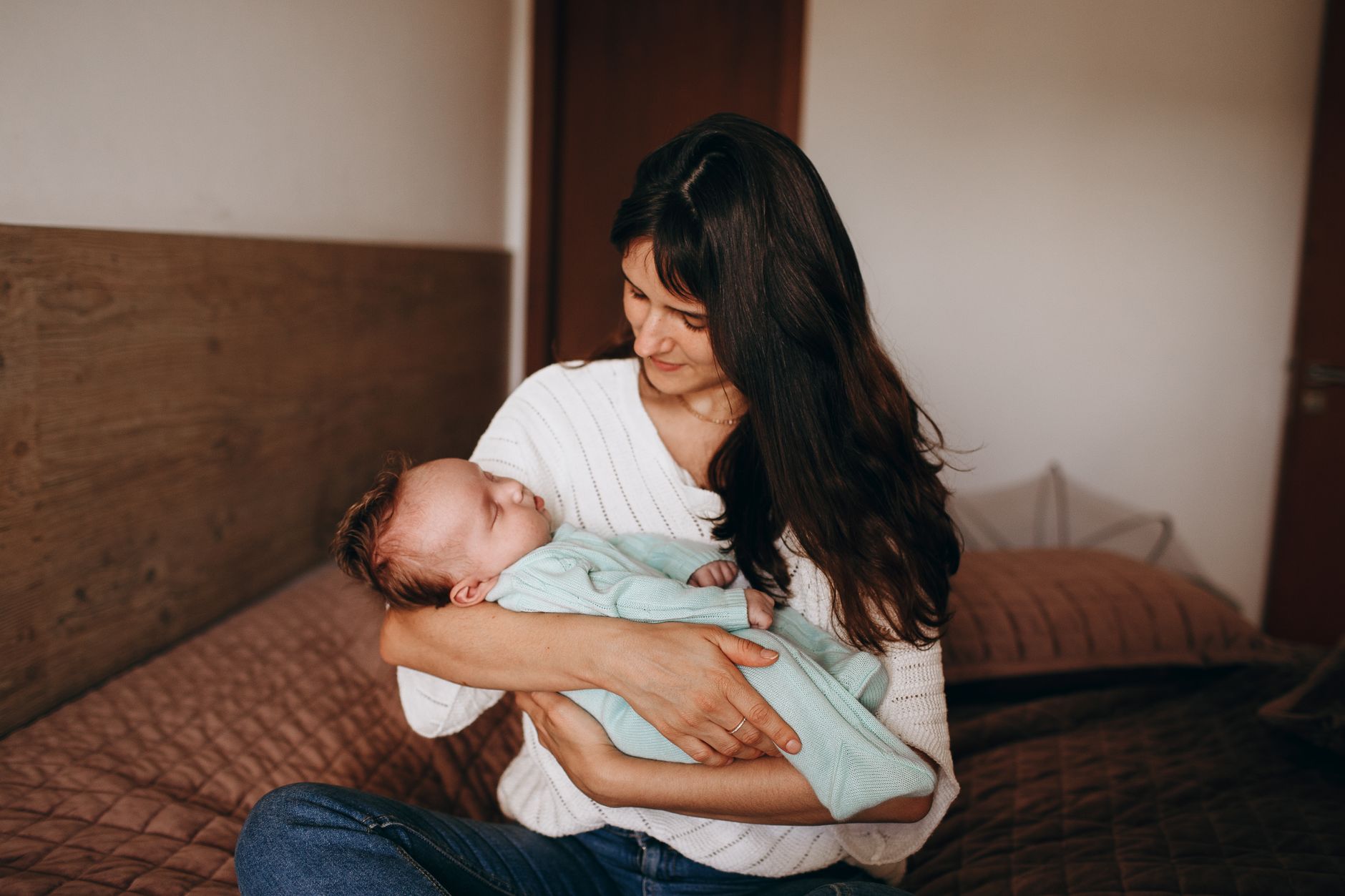
Early mornings can bring afterpains—knowing they’re normal helps you rest easier.
While the sensation can be startling, research from ACOG confirms that these uterine contractions are essential for reducing postpartum bleeding and promoting faster recovery of the uterine wall. If you ever feel the cramps are unusually severe or persistent, a quick check‑in with your provider can reassure you that healing is on track.
How long does postpartum cramping usually last?
Most women report that afterpains are strongest during the first 24‑48 hours after delivery and then gradually fade. For a typical vaginal birth, the cramping often subsides within a week, though some residual tightening can linger for up to two weeks.
When a C‑section is performed, the uterus is still incised, and the muscle has to heal in addition to involuting. In this case, cramping may feel milder but can persist a bit longer—usually 10‑14 days—because the surgical repair adds another layer of healing.
Twins or higher‑order multiples stretch the uterus even more, so the timeline can be extended. Many mothers of twins notice cramping that lasts closer to the two‑week mark, especially if they are breastfeeding frequently, which keeps oxytocin levels high.
Below is a quick reference table that outlines typical cramping duration by delivery type and number of babies:
Delivery type
Number of babies
Typical cramp duration
Vaginal
Singleton
3‑7 days (peak 1‑2 days)
Vaginal
Twin
5‑10 days (peak 2‑3 days)
C‑section
Singleton
7‑14 days (peak 3‑5 days)
C‑section
Twin
10‑14 days (peak 4‑6 days)
Remember, “normal” is a range, not a single number. If your cramps persist beyond three weeks, intensify, or are accompanied by other symptoms, it’s wise to check in with your provider. In many cases, a brief follow‑up visit at 6 weeks postpartum can clarify whether the uterus has fully involuted, especially after a C‑section.
Some women experience “post‑involution” soreness that mimics afterpains but is actually related to scar tissue or adhesions. If you notice a persistent, localized knot that doesn’t change with feeding, bring it up at your postpartum check‑up. Early physical‑therapy referral can help differentiate scar‑related pain from normal uterine cramping.
Is postpartum cramping a sign of infection?
While afterpains themselves are harmless, certain signs can indicate that something else is happening—most notably an infection or retained placenta. The key is to differentiate the usual rhythmic tightening from pain that feels constant, sharp, or worsening.
Red‑flag symptoms include:
Fever higher than 100.4 °F (38 °C) that lasts more than 24 hours.
Foul‑smelling or greenish lochia (post‑birth discharge) rather than the typical reddish‑brown flow.
Severe pain that doesn’t ease with rest or typical pain relievers.
Heavy bleeding that soaks a pad in an hour or more.
Chills, feeling very ill, or a rapid heart rate.
If you notice any of these, contact your obstetrician, midwife, or go to the nearest urgent care. Infections are treatable, but early detection prevents complications.
It’s also helpful to understand the relationship between lochia and cramping. Lochia is the uterus shedding its lining and blood clot remnants, and it often coincides with afterpains. As the uterus contracts, the lining is expelled, which can feel like a brief spasm. This is normal as long as the discharge remains pinkish‑brown and the amount is comparable to a heavy period.
According to the NHS, the color of lochia typically progresses from bright red (days 1‑3) to pinkish‑brown (days 4‑10) and finally to a yellowish or white hue (weeks 2‑6). A sudden shift to a foul odor or green tint should be reported promptly, as it can signal bacterial growth.
When an infection is suspected, clinicians often order a complete blood count and may prescribe a short course of antibiotics that are safe for breastfeeding mothers, such as amoxicillin or clindamycin, following ACOG guidelines.
Difference between afterpains and normal cramping postpartum
The terms “afterpains” and “normal cramping” are sometimes used interchangeably, but they have subtle distinctions. Afterpains specifically refer to uterine cramps that occur after childbirth, driven by oxytocin and the involution process. “Normal cramping” can also describe muscle aches in the abdomen, back, or pelvic floor that result from the physical strain of labor, pushing, and delivery.
Key differences:
Source: Afterpains originate from the uterine muscle; other cramping may come from abdominal wall or pelvic floor strain.
Timing: Afterpains are most noticeable within the first 48 hours and often flare after each nursing session. General postpartum cramping can appear anytime in the first weeks, especially after activity.
Relation to breastfeeding: Afterpains intensify with each feed because oxytocin spikes. General cramping may not have this pattern.
Associated symptoms: Afterpains usually come with lochia and a feeling of “tightening”. Other cramps might be accompanied by soreness, bruising, or muscle fatigue.
By paying attention to the pattern—tightening that coincides with nursing and gradually lessens—you can reassure yourself that you’re experiencing typical afterpains rather than something concerning.
It’s also worth noting that pelvic‑floor dysfunction can cause lingering lower‑back or groin pain unrelated to uterine involution. Physical therapists who specialize in postpartum care can help differentiate these sources and offer targeted exercises.
Can breastfeeding increase postpartum cranking?
Yes. Breastfeeding triggers the release of oxytocin, the hormone that makes the uterus contract. This is why many mothers notice a spike in cramping right after a feed or a pumping session. The more frequently you nurse, the more oxytocin circulates, and the stronger the afterpains can feel.
For most women, this is a positive sign: the uterus is contracting efficiently, which reduces bleeding and speeds up involution. However, if the cramps become painful, you can try a few strategies:
Pre‑feed warm compress: Applying a warm pack to the lower abdomen for 10‑15 minutes before nursing can relax the uterine muscles.
Shorter, more frequent feeds: If you tend to have long feeding sessions, breaking them into shorter intervals may lessen the oxytocin surge each time.
Gentle abdominal massage: Using a soft, circular motion after feeding can help disperse the contraction.
Some mothers find that pumping, rather than direct nursing, produces a milder oxytocin response, though the difference varies. If you’re exclusively pumping, you may still experience afterpains, but often at a lower intensity.
Hydration also plays a subtle role: staying well‑hydrated keeps blood volume stable, which can reduce the intensity of uterine cramping. A glass of water before a feeding session is a simple, low‑risk habit that many new moms find helpful.
Pain relief options for postpartum cramping
Managing afterpains is about balancing comfort with safety for both you and your baby. Below are evidence‑based, doctor‑approved options.
Non‑prescription medications
Ibuprofen (Advil, Motrin) or naproxen (Aleve) are frontline choices. Both are non‑steroidal anti‑inflammatory drugs (NSAIDs) that reduce uterine inflammation and lessen pain. The American College of Obstetricians and Gynecologists (ACOG) states that ibuprofen is safe for breastfeeding mothers when taken at standard doses (up to 600 mg every 6 hours).
Acetaminophen (Tylenol) is another option, especially if you have a sensitivity to NSAIDs. It won’t reduce uterine contractions, but it can calm the pain. The FDA classifies acetaminophen as pregnancy‑category B, meaning it’s generally considered safe when used as directed.
Heat therapy
Warm compresses or a heating pad applied to the lower abdomen for 15‑20 minutes can soothe the muscle fibers. Heat increases blood flow and eases the “tightening” sensation. Be sure the heat isn’t too hot—avoid burns, especially if you have reduced sensation after a C‑section incision.
Relaxation techniques
Deep breathing, guided meditation, or gentle yoga stretches (like child’s pose) can lower stress hormones that may amplify pain perception. A calm mind often translates to a calmer uterus.
Prescription options (when needed)
If over‑the‑counter options aren’t enough, your provider may prescribe a short course of stronger NSAIDs or a mild opioid for a few days. This is usually reserved for severe afterpains, such as after a C‑section or multiple births.
When to avoid certain meds
Avoid aspirin unless specifically prescribed, as it can increase bleeding risk. Also, steer clear of herbal uterine stimulants (like blue cohosh) without medical guidance, because they can interfere with oxytocin and cause unpredictable contractions.
How does diet and hydration influence postpartum cramping?
What you eat and drink can subtly affect the intensity of afterpains. A diet rich in anti‑inflammatory foods—think leafy greens, berries, fatty fish, and nuts—may help reduce uterine inflammation. Conversely, excessive caffeine or very salty foods can increase fluid retention, making cramping feel tighter.
Staying hydrated is especially important. Dehydration can cause uterine muscle fibers to contract more forcefully, similar to a muscle cramp in the leg. Aim for at least 8‑10 cups of water a day, and consider adding an electrolyte‑balanced drink if you’re nursing heavily.
Below is a quick guide to foods and drinks that tend to support smoother involution:
The National Health Service (NHS) advises new parents to avoid excessive caffeine—more than 200 mg per day (about one 12‑oz coffee)—because high caffeine can increase heart rate and may amplify afterpains. If you love coffee, consider switching to a half‑caffeinated blend or decaf during the first two weeks.
Vitamin D and calcium also play a role in muscle function. A modest daily supplement (as recommended by your provider) can help prevent uterine cramping that stems from electrolyte imbalances, especially if you’re exclusively breastfeeding.
Physical activity and pelvic‑floor exercises for afterpains
Gentle movement can actually lessen cramping by improving blood flow and encouraging the uterus to contract evenly. Simple walks around the house or short stroller outings are safe as soon as you feel ready, usually within the first 24‑48 hours. According to ACOG, light activity does not increase bleeding risk and can promote faster involution.
Pelvic‑floor exercises (often called Kegels) are also beneficial. Strengthening these muscles helps support the uterus as it shrinks, reducing the sensation of “tightness”. Start with short sets—five quick squeezes held for three seconds—three times a day. If you’re unsure about technique, many postpartum physiotherapists offer virtual consultations and guided videos.
Avoid high‑impact activities (like running or jumping) for at least six weeks after a vaginal birth, and eight weeks after a C‑section, unless cleared by your provider. Over‑exertion can increase bleeding and delay healing.
Low‑impact yoga or Pilates classes designed for new mothers can also improve core stability and relieve pressure on the lower abdomen, indirectly easing afterpains.
How does postpartum cramping affect sleep and recovery?
Afterpains often strike during nighttime feeds, interrupting the fragile sleep schedule that both you and your baby rely on. The sudden tightening can make it hard to settle back down, leading to fragmented sleep and increased fatigue.
Experts from the Mayo Clinic suggest establishing a calming pre‑feed routine—dim lights, a warm drink, and a brief breathing exercise—to reduce the shock of the cramp. Using a low‑heat heating pad for a few minutes before nursing can also pre‑empt the intensity, making the feed more comfortable and helping you return to sleep faster.
If sleep disruption becomes severe, consider short‑term support: a partner or trusted family member can take over a feeding session, or you might use expressed breast milk to allow a longer stretch of uninterrupted rest. Prioritizing rest is crucial because adequate sleep supports uterine healing, hormone balance, and overall postpartum recovery.
Natural remedies and complementary approaches for afterpains
Many moms look to gentle, non‑pharmacologic options to complement standard care. A few evidence‑backed approaches include:
Magnesium supplements: Magnesium can relax smooth muscle, and a modest dose (200‑300 mg) has been shown to reduce uterine cramping for some women. Always discuss dosing with your provider, especially if you have kidney concerns.
Essential‑oil massage: Diluted lavender or clary sage oil, used with a carrier oil, can provide a soothing sensory distraction. Avoid applying oils directly on the incision site after a C‑section.
Acupressure: Gentle pressure on the “Spleen 6” point (about four finger-widths above the inner ankle) may help ease uterine cramping, according to a small RCOG‑referenced study. It’s a low‑risk adjunct when performed carefully.
While these methods are generally safe, they should never replace medical treatments for severe pain or infection. Always check with your obstetrician before adding supplements or alternative therapies, especially if you’re breastfeeding.
Post‑partum cramping after a home birth or water birth
Women who deliver at home or in a birthing pool often report a slightly different afterpain profile. Because water can reduce tissue swelling, some mothers notice milder cramps in the first 48 hours. However, the underlying hormonal cascade—oxytocin‑driven involution—remains the same, so afterpains still occur.
If you had a water birth, you might have a longer “cool‑down” period after delivery, which can delay the onset of afterpains by a few hours. Still, the same self‑care strategies—warm compresses, NSAIDs, hydration—apply. The Royal College of Obstetricians and Gynaecologists (RCOG) emphasizes that, regardless of setting, postpartum monitoring for infection and excessive bleeding is essential.
For home births, it’s especially important to have a clear plan for postpartum visits. Midwives often schedule a check‑in within 48 hours to assess uterine tone and lochia. If you notice any red‑flag symptoms, contact your midwife or go to the nearest urgent care.
Nutritious foods and plenty of water can help ease afterpains.
When should I call my doctor for postpartum cramping?
Most afterpains are benign, but you should seek medical advice if you notice any of the following:
Fever ≥ 100.4 °F (38 °C) lasting more than 24 hours.
Severe, persistent pain that does not improve with NSAIDs or heat.
Heavy vaginal bleeding (soaking a pad in under an hour) or sudden gushes.
Lochia that turns foul‑smelling, green, or yellow.
Feeling faint, dizzy, or having a rapid heartbeat.
Any new symptoms after the first two weeks, such as swelling or abdominal distension.
These signs could indicate infection, retained placental tissue, or other complications that need prompt evaluation.
From our medical team: “Post‑partum cramping is a normal part of uterine recovery, but never ignore pain that feels out of proportion or is accompanied by fever or heavy bleeding. Early assessment prevents most complications.”
Myth vs. fact
Myth: Afterpains mean something is wrong with my uterus. Fact: They are the uterus’s natural way of shrinking back after pregnancy, driven by oxytocin.
Myth: You should avoid breastfeeding if afterpains are painful. Fact: Breastfeeding actually helps the uterus contract faster; managing the pain with heat or NSAIDs is safer than stopping feeds.
Myth: All afterpains stop within a few days. Fact: While intensity declines quickly, mild cramping can linger for up to two weeks, especially after a C‑section or with twins.
Key takeaways
Post‑partum cramping (afterpains) is normal and signals uterine involution.
Cramping peaks in the first 48 hours and usually fades within 7‑14 days, depending on delivery type and number of babies.
Breastfeeding increases oxytocin, which can intensify afterpains—but it also speeds healing.
Safe relief options include ibuprofen, acetaminophen, warm compresses, and gentle relaxation techniques.
Seek medical care if you develop fever, heavy bleeding, foul lochia, or pain that doesn’t improve.
Overall, afterpains are a sign of recovery, not a cause for alarm—listen to your body and reach out when something feels off.
Frequently asked questions
Is it normal to have cramping after giving birth?
Yes. Cramping, known as afterpains, is a normal part of uterine involution and usually feels strongest in the first 24‑48 hours.
How many days does postpartum cramping typically last?
For most vaginal births, cramping eases within a week; after a C‑section or with twins, it may last up to two weeks.
Can breastfeeding make postpartum cramps worse?
Breastfeeding releases oxytocin, which can increase the intensity of afterpains, but it also helps the uterus contract more efficiently.
What are the signs that postpartum cramping is a problem?
Red‑flag signs include fever, foul‑smelling discharge, heavy bleeding, or pain that doesn’t improve with usual remedies.
Should I take pain medication for afterpains?
Over‑the‑counter NSAIDs like ibuprofen are safe for most breastfeeding moms and effectively reduce afterpain intensity.
Does a C‑section change the experience of postpartum cramping?
Yes. After a C‑section, cramping may feel milder but can persist longer because the uterus also needs to heal the surgical incision.
How can I tell if my afterpains are from the uterus or from pelvic‑floor strain?
Uterine afterpains usually come on shortly after feeding and feel like a tightening deep in the lower abdomen, while pelvic‑floor strain feels more like soreness in the hips or groin and often worsens after prolonged standing.
Is it safe to use a heating pad overnight for afterpains?
Yes, as long as the pad is set to low or medium heat, used for no more than 20 minutes at a time, and you check that the skin stays warm, not burned.
Can I exercise if I still have afterpains?
Light activity such as walking or gentle stretching is generally safe and may even lessen cramping by improving circulation; avoid high‑impact workouts until your provider gives clearance.
Will afterpains be different after a vacuum‑assisted delivery?
Vacuum or forceps deliveries can cause additional perineal soreness, but uterine afterpains follow the same hormonal pattern as any vaginal birth and usually resolve within a week.
When to call your doctor
If you experience fever, heavy or foul‑smelling bleeding, severe pain unrelieved by medication, or any sudden change in your postpartum recovery, call your obstetrician, midwife, or go to urgent care right away. This article is for informational purposes only and does not replace personalized medical advice.
References
American College of Obstetricians and Gynecologists (ACOG). “Postpartum Care.” Clinical guidance, 2023.
National Health Service (NHS). “Afterpains (post‑partum cramps).” Patient information, 2022.
World Health Organization (WHO). “Post‑partum care of the mother.” Guidelines, 2021.
Centers for Disease Control and Prevention (CDC). “Breastfeeding and postpartum health.” Fact sheet, 2022.
Mayo Clinic. “Uterine involution after childbirth.” Health article, 2023.
Royal College of Obstetricians and Gynaecologists (RCOG). “Management of post‑partum haemorrhage.” Clinical practice, 2022.
Food and Drug Administration (FDA). “Acetaminophen: Use in pregnancy and lactation.” Safety communication, 2021.
National Institutes of Health (NIH). “Hydration and postpartum recovery.” Research update, 2022.
American College of Obstetricians and Gynecologists (ACOG). “Physical activity after delivery.” Committee Opinion, 2020.
Mayo Clinic. “Sleep and postpartum recovery.” Patient guide, 2021.
Not sure about the label on Postpartum Cramping After Birth products?
Snap the ingredients list and SafeFilter checks every ingredient for your stage — only 3 free scans this month, then you're locked until reset. Unlimited from $7/mo or $50/yr.
When Shubhra Mishra was expecting her first child in 2016, she was overwhelmed by conflicting food advice — one site said yes, another said never. By the time her second baby arrived in 2019, she realized millions of mothers face the same confusion.
That sparked a five-year journey through clinical nutrition papers, cultural diets, and expert conversations — all leading to BumpBites: a calm, compassionate space where science meets everyday motherhood.
Her long-term vision is to build a global community ensuring safe, supported, and free deliveriesfor every mother — because no woman should face pregnancy alone or uninformed. 🌿
🌍 Stand with mothers, shape safer guidance
Join a small circle of experts who review BumpBites articles so expecting parents everywhere can decide with confidence.