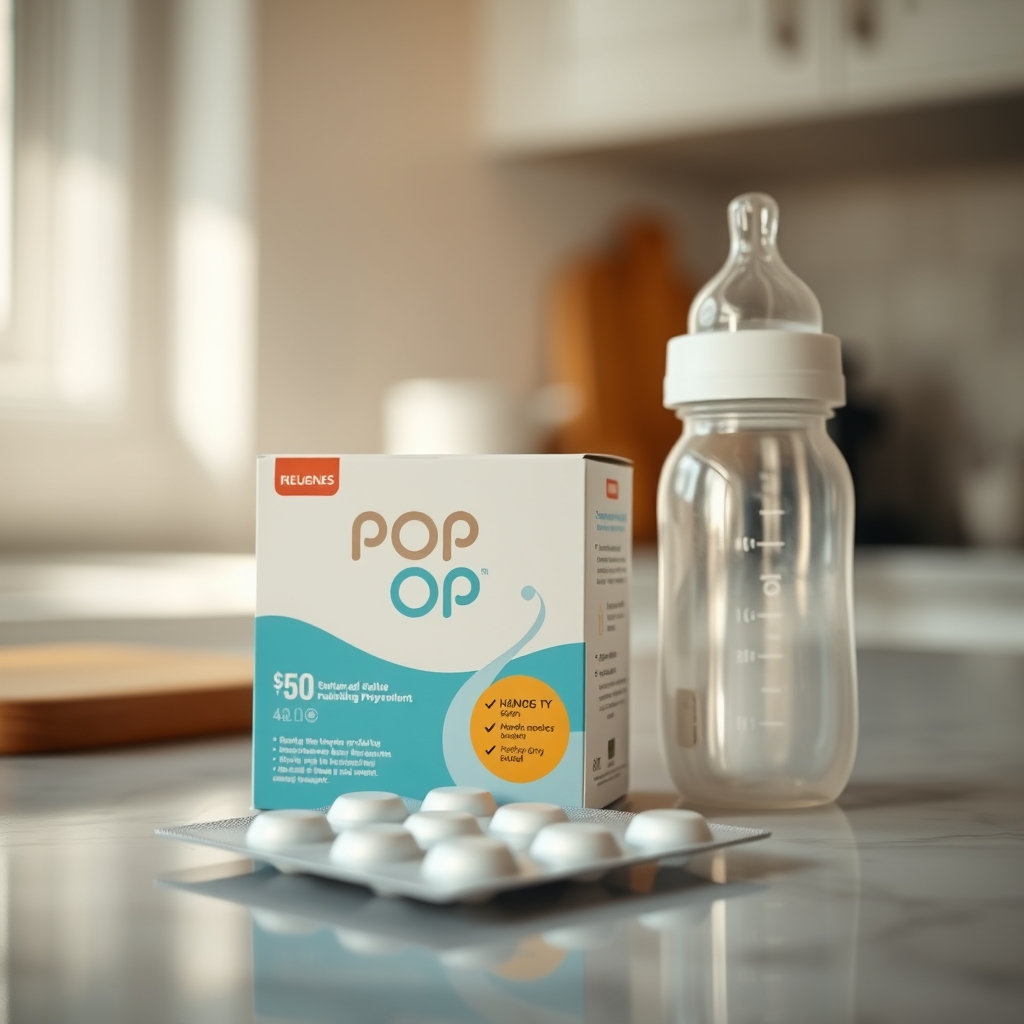
The best postpartum contraception options include progestin-only pills, IUDs, implants, and condoms, offering safe, effective birth control soon after delivery.
By Shubhra Mishra — a mom of two who turned her own confusion during pregnancy into BumpBites, a global mission to make food choices clear, safe, and stress-free for every expecting mother. 💛
Check whether any food is safe during pregnancy with the BumpBites Food Safety Checker.
Quick take: Most birth‑control options can be started safely within a few weeks after delivery, but the ideal choice depends on whether you’re breastfeeding, your health conditions, delivery type, and personal preferences. Hormonal methods (pills, IUDs, implants, patches) are highly effective, while non‑hormonal options (condoms, copper IUD, sterilization) are safe for any mother. Talk with your provider to pick the method that fits your timeline and lifestyle.
It’s 2 a.m., you’re cradling a sleepy newborn, and a text pops up: “Did you remember to get birth control?” Your mind races—what’s safe while you’re still nursing? Will the pill interfere with milk? How long after a C‑section can you get an IUD? You’re not alone. Many new parents face a flood of questions about postpartum contraception, and the answers can feel scattered.
In this guide we break down postpartum contraception options so you can make a confident, personalized decision. We’ll compare methods, explain timing for breastfeeding and non‑breastfeeding moms, outline costs, and highlight special considerations for conditions like diabetes or twin nursing. By the end you’ll have a clear roadmap and a list of concrete questions to ask at your next appointment.
Read on to discover which method matches your recovery, what side effects to expect, how soon each method becomes effective, and how to transition between options without missing a beat.
Understanding timing and safety helps you protect both you and your baby.
Best postpartum contraception methods for breastfeeding mothers
Breastfeeding moms often wonder whether hormonal birth control will reduce milk supply. The good news: most modern methods have minimal impact on lactation.
Which methods are safest while nursing?
Progestin‑only pills (POP) – These contain a low dose of progestin and do not affect milk volume. They become effective after 48 hours of consistent use.
Implants (e.g., Nexplanon) – A tiny rod inserted under the skin releases a steady, low dose of progestin. It’s safe for breastfeeding and works immediately.
Copper IUD – Hormone‑free, lasting up to 10 years. It’s safe for any lactating mother and begins working as soon as it’s placed.
Injectable progestin (Depo‑Provera) – Given every 12 weeks, it’s compatible with breastfeeding, though some women report a slight delay in milk production that usually resolves.
What about combined oral contraceptives?
Combined pills contain estrogen, which can slightly reduce milk supply in the first few weeks postpartum. Most guidelines (e.g., ACOG) recommend waiting until after 6 weeks of exclusive breastfeeding before starting combined pills, unless the mother needs immediate contraception and accepts the potential dip in supply.
How soon can I start these methods?
Most progestin‑only options can be initiated immediately after birth—even before you leave the hospital—if you’re comfortable with the insertion procedure. Copper IUDs can also be placed within 10 minutes of placental delivery, though many providers wait until the uterus has involuted (about 4–6 weeks) for easier placement.
Real‑life snapshot
Emily, a first‑time mom, chose a progestin‑only pill at her 2‑week postpartum visit. “I was nervous about my milk supply,” she says, “but after a couple of days my baby was still feeding well, and I felt protected.” Her experience mirrors many studies showing negligible impact on lactation.
Progestin‑only pills are a popular, breastfeeding‑friendly choice.
Because the hormone exposure is minimal, most lactation consultants reassure mothers that these methods will not compromise the nutritional quality of breast milk. If you notice any sudden change in infant weight gain, a quick check‑in with your pediatrician can help rule out unrelated issues.
How soon after delivery can I start the birth control pill?
Timing depends on the pill type and whether you’re nursing.
Progestin‑only (mini) pill
You can start the mini‑pill as early as 24 hours after delivery, even while breastfeeding. It becomes effective after 48 hours of consistent daily use. No additional backup contraception is needed if you start within the first 24 hours, but a condom for the first 7 days offers extra peace of mind.
Combined oral contraceptive (COC) pill
Guidelines recommend waiting at least 4 weeks after a vaginal delivery and 6 weeks after a C‑section before starting a combined pill, especially if you’re exclusively breastfeeding. This window lets estrogen levels stabilize and milk supply settle.
Backup methods
If you begin any pill later than the recommended window, use condoms or a diaphragm for the first 7 days of pill use, or until you have had two consecutive days of reliable pill intake.
Special scenario: miscarriage
After a miscarriage, hormonal fluctuations can affect pill effectiveness. Starting a combined pill within 7 days is generally safe if you’re not breastfeeding; otherwise, a progestin‑only pill may be preferable.
Many providers also advise a short “wash‑in” period when switching from a combined pill to a progestin‑only pill, simply to avoid overlapping estrogen exposure. This precaution is especially useful for mothers who plan to resume breastfeeding quickly.
Postpartum IUD insertion timing and safety
IUDs are among the most effective reversible methods, but the timing of insertion matters for comfort and safety.
When can I get a postpartum IUD?
Immediate postpartum (within 10 minutes of placental delivery) – Safe for both vaginal and C‑section births. The uterus is still enlarged, making placement easier, though expulsion rates are slightly higher (5‑10 %).
Early postpartum (within 4 weeks) – Allows the uterus to begin involuting while still providing quick protection. Expulsion risk drops to 2‑5 %.
Standard postpartum (6 weeks or later) – Most common timing; the uterus is back to its pre‑pregnancy size, minimizing expulsion and ensuring accurate placement.
Is it safe after a C‑section?
Yes. A copper or hormonal IUD can be inserted through the incision site after the uterus has healed (usually 4–6 weeks). Some clinicians perform the insertion at the same time as skin closure, but many prefer to wait until the incision is fully healed to reduce infection risk.
When can I resume sexual activity after an IUD?
Most providers advise waiting 24 hours after insertion before having intercourse, to allow any minor bleeding or cramping to settle. If you had an immediate postpartum IUD, you may resume activity when you feel comfortable, often within a few days.
Potential side effects
Common post‑insertion symptoms include mild cramping, spotting, and irregular bleeding. Hormonal IUDs may cause lighter periods over time, while copper IUDs can increase menstrual flow initially.
Because the IUD is a foreign object, a small risk of perforation exists, but ultrasound‑guided placement dramatically reduces this. If you experience severe pain or persistent fever after insertion, contact your provider promptly.
Copper IUDs provide hormone‑free protection for up to a decade.
Advantages of hormonal vs non‑hormonal birth control after birth
Choosing between hormonal and non‑hormonal methods often hinges on personal health, breastfeeding status, and side‑effect tolerance.
Hormonal methods
Effectiveness – >99 % with correct use (implants, IUDs, injectables).
When you weigh these options, consider how each aligns with your daily routine. A method that feels “invisible” (like an implant) may be ideal if you’re already sleep‑deprived, while a method you can control (like a pill) might suit those who prefer a visible cue.
Postpartum contraception options after a C‑section
A C‑section adds a few logistical considerations, but most methods remain available.
Can I get an IUD immediately after a C‑section?
Yes. The uterus is still enlarged, and the incision provides a convenient entry point. Many obstetricians place a hormonal IUD at the time of skin closure. The risk of infection is low when sterile technique is followed, and the method offers immediate protection.
Which methods are best for C‑section recovery?
Progestin‑only pill – Simple oral option that can be started as soon as you can tolerate oral medication.
Implant – Insertion takes only a few minutes under local anesthesia; no impact on abdominal incision.
Injectable – No daily effort; fits into the postpartum follow‑up schedule.
Copper IUD – Can be placed during the C‑section or at the 6‑week visit.
When should I avoid estrogen‑containing methods?
Estrogen can increase clotting risk, which is already modestly higher after surgery. ACOG advises waiting 6 weeks before starting combined pills or patches after a C‑section, unless you have a low clotting risk and your provider approves.
Transitioning from hospital‑based contraception
If you receive a hospital‑provided progestin‑only pill at discharge but prefer a longer‑acting method, schedule a follow‑up at 4–6 weeks to discuss switching to an implant or IUD. No “wash‑out” period is needed; your provider can insert the new method while the old one is still active.
Because surgical recovery can limit your mobility, a method that doesn’t require frequent clinic visits—like an implant—can make the first weeks easier. Discuss any incision pain or mobility concerns with your surgeon before choosing a method that involves a pelvic exam.
Cost of postpartum birth control methods without insurance
Financial barriers shouldn’t dictate your contraceptive choice. Below is an overview of typical out‑of‑pocket costs in the United States and the United Kingdom.
United States (no insurance)
Progestin‑only pill: $15‑$30 for a month’s supply.
Combined pill: $20‑$35 per month.
Implant (Nexplanon): $600‑$800 for insertion.
Hormonal IUD (Mirena): $800‑$1,000 for placement.
Copper IUD (Paragard): $500‑$750 for insertion.
Depo‑Provera injection: $70‑$150 per dose.
Condoms: $0.50‑$2 each; bulk packs reduce cost.
United Kingdom (NHS)
All NHS‑provided methods are free at the point of care, including IUDs, implants, and injections.
Over‑the‑counter condoms cost £0.30‑£0.70 each.
If you prefer a brand not stocked by the NHS, typical retail prices mirror US costs (£10‑£30 per month for pills).
Finding low‑cost options
Community health clinics, Planned Parenthood, and local family planning centers often provide free or sliding‑scale contraception. Some pharmacies also offer discount cards for hormonal pills and condoms.
In many regions, telehealth visits can reduce the cost of a prescription visit, but the device itself (IUD or implant) still requires an in‑person insertion. Ask your provider about any patient‑assistance programs that may offset these fees.
Choosing birth control after a miscarriage, twins, diabetes, and other special situations
Life events and health conditions shape the ideal contraceptive plan.
What contraception is safe while nursing twins?
With double the feeding demand, many mothers worry about milk supply. Progestin‑only methods (pill, implant, injection) and copper IUDs have no impact on milk volume. Studies from the CDC show no difference in infant weight gain between twins whose mothers used progestin‑only pills versus those who used no hormonal method.
Postpartum birth control recommendations for diabetic mothers
Women with pre‑existing diabetes should avoid combined estrogen‑containing pills if they have additional clotting risk factors, as estrogen can raise triglyceride levels. Progestin‑only pills, implants, IUDs, and the injectable are safe and do not affect glucose control. Always coordinate with your endocrinologist and obstetrician.
Can I use condoms as sole contraception after delivery?
Yes, condoms provide 85 % typical‑use effectiveness and protect against STIs. For exclusive breastfeeding mothers who prefer a non‑hormonal method, condoms are a viable option, especially if used consistently and correctly.
Postpartum sterilization vs reversible methods
Permanent sterilization (tubal ligation) can be performed during a C‑section or as a separate minor surgery after vaginal delivery. It offers >99 % effectiveness but is irreversible. Reversible methods (IUDs, implants, pills) allow you to regain fertility sooner if you decide to expand your family later.
How effective are postpartum birth control patches?
The transdermal patch delivers combined estrogen‑progestin hormones. Its typical‑use effectiveness mirrors that of combined pills (≈91 %). However, due to estrogen content, the same timing restrictions (≥4 weeks postpartum for vaginal, ≥6 weeks for C‑section) apply.
Impact of postpartum contraception on menstrual cycle
Hormonal IUDs and implants often cause lighter periods or amenorrhea within 3–6 months. Copper IUDs may increase bleeding initially but usually normalize after 6 months. Progestin‑only pills can cause irregular spotting. Understanding these changes helps set realistic expectations.
Switching between methods
If you wish to change methods—say, from a pill to an IUD—most providers recommend a brief overlap (e.g., start the IUD and continue the pill for 7 days) to maintain protection. No “washout” period is required for most hormonal methods, but discuss timing with your clinician.
Do I need a prescription for postpartum birth control?
Yes, most hormonal methods (pills, patches, injectables, IUDs, implants) require a prescription from a qualified provider. However, condoms and the non‑prescription copper IUD (in some regions) can be purchased over the counter.
For mothers who live in rural areas, many health systems now allow electronic prescriptions sent directly to a local pharmacy, reducing the need for an in‑person visit.
Understanding how postpartum contraception affects fertility return
Many new parents wonder when they’ll be able to conceive again after choosing a method. The timeline varies by method, but most long‑acting reversible contraceptives (LARC) allow a rapid return to fertility once removed. For example, fertility typically returns within 1–3 months after IUD or implant removal, according to ACOG.
In contrast, the Depo‑Provera injection can suppress ovulation for up to 10 months after the last dose, which can be frustrating for those planning another pregnancy soon. Progestin‑only pills and combined pills allow a quicker return—often within the first menstrual cycle after discontinuation. Discuss your future family‑building plans with your provider so they can help you choose a method that aligns with both your current needs and future timeline.
If you’re eager to conceive within a year, a copper IUD or implant may be the most convenient because removal is simple and fertility returns quickly. Conversely, if you want a “set‑and‑forget” method that also reduces menstrual bleeding, a hormonal IUD can be a great choice, with fertility returning promptly after removal.
Contraception considerations for postpartum women with hypertension or clotting risk
Hypertension and a personal or family history of blood clots influence method selection. Estrogen‑containing products (combined pills, patches, vaginal rings) increase clotting risk and can raise blood pressure, so ACOG advises women with uncontrolled hypertension or a history of thrombosis to avoid them.
Safer alternatives include progestin‑only pills, implants, hormonal IUDs, copper IUDs, and condoms. If you have a clotting disorder, your provider may also order a thrombophilia panel before prescribing any hormonal method, ensuring the safest choice. Lifestyle measures—such as staying hydrated, moving regularly, and monitoring blood pressure—remain essential regardless of the method you select.
Because hypertension can fluctuate in the postpartum period, many clinicians schedule a blood‑pressure check at the 6‑week visit before initiating estrogen‑containing contraception. This extra step helps protect both mother and baby.
Choosing a method based on when your periods return after birth
Post‑delivery bleeding (lochia) can last up to six weeks, making it hard to tell whether a method is affecting your cycle. Some women prefer methods that induce amenorrhea (no periods) early on, such as hormonal IUDs or implants, to simplify postpartum life. Others want to maintain regular cycles and may choose progestin‑only pills or a copper IUD, which typically preserve menstrual patterns.
Discuss your preferences with your provider. If you experience heavy or prolonged bleeding, a copper IUD may worsen it, while a hormonal IUD often lightens flow. Conversely, if you dislike having no periods, a copper IUD or progestin‑only pill can give you a more predictable monthly bleed.
Remember that the first few months after birth are a hormonal roller‑coaster. Your cycle may be irregular regardless of contraception, and that’s normal. Keep a simple symptom diary to share with your clinician—it can clarify whether a method is truly responsible for changes.
Postpartum contraception and mental health
The postpartum period is a vulnerable time for mood swings, anxiety, and postpartum depression (PPD). Hormonal fluctuations from some contraceptives can theoretically influence mood, though evidence is mixed. ACOG notes that progestin‑only methods have a neutral or slightly positive effect on mood, while combined estrogen‑progestin products may exacerbate anxiety in women with a history of mood disorders.
If you’ve experienced PPD or have a strong family history of depression, discuss your concerns with your provider. Some clinicians recommend starting with a non‑hormonal method (copper IUD or condoms) until you feel emotionally stable, then revisiting hormonal options if needed. Regular follow‑up appointments provide an opportunity to monitor mood changes and adjust contraception accordingly.
Contraception for mothers returning to work
Returning to work often means tighter schedules and less time for daily pill reminders. Long‑acting reversible contraceptives (LARC) shine in this scenario because they require no daily action. An implant or IUD can protect you through the first few months of a new job, letting you focus on your career and newborn.
If you prefer an oral method, a weekly or monthly pill (such as the combined pill on a 28‑day pack) can be easier to manage than a daily regimen, especially if you keep a pill organizer at your desk. Some employers even offer on‑site health clinics where you can obtain a prescription without taking time off.
Consider the logistics of follow‑up visits, too. An IUD insertion usually requires a single appointment, while an implant may need a brief check‑in after a few weeks. Planning these visits before your return‑to‑work date can reduce stress and keep you on schedule.
Environmental considerations: choosing eco‑friendly birth control
Many patients are now thinking about the environmental impact of their contraception. Hormonal pills and patches contain synthetic hormones that can enter water supplies through excretion, potentially affecting aquatic life. Copper IUDs and implants have a much smaller ecological footprint because they are long‑lasting devices with minimal waste.
If you’re concerned about sustainability, ask your provider about copper IUDs or the hormonal IUD, which release a low dose of hormone locally rather than systemically. Additionally, look for pharmacies that offer recycling programs for pill blister packs and patch containers. Small actions—like recycling packaging—can make a meaningful difference.
While the environmental impact is an emerging field, the consensus from agencies such as the EPA and WHO is that the health benefits of effective contraception outweigh potential ecological concerns. Choosing a method that aligns with both your health and values is entirely possible.
From our medical team: “Your postpartum contraceptive choice should align with your recovery timeline, feeding plans, and any underlying health conditions. Most methods become effective within a week to a month after insertion, and many are safe for breastfeeding. When in doubt, schedule a 6‑week postpartum visit to discuss personalized options and any needed labs.”
Myth vs. fact
Myth: “You can’t have any hormonal birth control while breastfeeding.”
Fact: Progestin‑only methods (pills, implants, IUDs) are safe and do not affect milk supply; combined estrogen‑containing pills should be delayed until after 4–6 weeks.
Myth: “IUDs always cause heavy bleeding after delivery.”
Fact: While copper IUDs may increase bleeding initially, hormonal IUDs often lead to lighter periods, and most women adapt within a few months.
Myth: “Contraceptive sterilization is the only permanent option.”
Fact: Hysteroscopic sterilization (e.g., Essure) was discontinued, but tubal ligation remains the primary permanent method; reversible long‑acting methods offer near‑permanent effectiveness without surgery.
Key takeaways
Most postpartum contraceptives can be started within a few weeks; progestin‑only methods are safe for immediate use and while breastfeeding.
Hormonal IUDs, implants, and copper IUDs provide >99 % effectiveness and require minimal maintenance.
Combined estrogen‑containing pills and patches should be delayed 4–6 weeks postpartum, especially after a C‑section or if you’re exclusively nursing.
Cost varies widely; uninsured U.S. patients may pay $15‑$1,000, while NHS patients in the UK receive most methods free of charge.
Special conditions like diabetes, twin nursing, hypertension, or recent miscarriage influence method choice—progestin‑only and non‑hormonal options are generally safest.
Understanding how each method interacts with your menstrual cycle and future fertility goals helps you pick the right fit.
Always discuss timing, side effects, and insurance coverage with your provider before making a final decision.
Frequently asked questions
Can I use the birth control pill while breastfeeding?
Yes, but choose a progestin‑only pill for immediate use; combined pills should be started after 4 weeks (vaginal) or 6 weeks (C‑section) to avoid reducing milk supply.
Is it safe to get an IUD immediately after a C‑section?
Yes, many clinicians insert a hormonal or copper IUD during the same surgery, providing instant protection with low infection risk when sterile technique is used.
How long does it take for postpartum contraception to become effective?
Most hormonal methods (implants, hormonal IUDs) work within 24 hours of insertion; progestin‑only pills need 48 hours of daily use; combined pills and patches require 7 days of consistent use with backup contraception.
What are the most common side effects of postpartum hormonal birth control?
Typical side effects include spotting or irregular bleeding, mild cramping, breast tenderness, and, rarely, mood changes or weight fluctuations. Copper IUDs may cause heavier periods initially.
Can I switch from one postpartum contraceptive method to another?
Yes. Overlap the new method with the old one for 7 days (or as your provider advises) to maintain protection; no “washout” period is needed for most hormonal options.
Do I need a prescription for postpartum birth control?
Hormonal methods (pills, patches, injectables, IUDs, implants) require a prescription, while condoms and some over‑the‑counter copper IUDs can be purchased without one.
What if I have a history of blood clots?
Women with clotting disorders should avoid estrogen‑containing products. Progestin‑only pills, implants, hormonal IUDs, copper IUDs, and condoms are considered safe alternatives per ACOG and WHO guidelines.
When can I expect my period to return after IUD removal?
Most people see the return of a normal menstrual cycle within 4–6 weeks after IUD removal. Hormonal IUDs may cause a brief delay, but fertility typically returns quickly.
Is a contraceptive implant safe for mothers who are very active or exercising postpartum?
Yes. Implants sit under the skin of the upper arm and do not interfere with physical activity. They are a good option for mothers who plan to resume exercise or return to work quickly.
Can I use a hormonal patch if I have a history of mild hypertension?
Because the patch contains estrogen, ACOG recommends checking blood pressure first and waiting at least 4 weeks postpartum before starting it. If your blood pressure is well‑controlled, the patch can be an option, but close monitoring is advised.
When to call your doctor
If you experience any of the following, contact your provider right away: severe abdominal pain, heavy bleeding (soaking a pad in under an hour), fever > 38 °C (100.4 °F), signs of infection at an insertion site, sudden swelling of the legs, or any symptoms of a blood clot. This article is for educational purposes only and does not replace personalized medical advice.
References
American College of Obstetricians and Gynecologists (ACOG). “Guidelines for Contraception After Delivery.” 2023.
World Health Organization (WHO). “Medical eligibility criteria for contraceptive use.” 2022.
Centers for Disease Control and Prevention (CDC). “U.S. Medical Eligibility Criteria for Contraceptive Use.” 2023.
National Institute for Health and Care Excellence (NICE). “Postnatal care: contraception.” 2022.
Mayo Clinic. “Breastfeeding and birth control.” Updated 2024.
Royal College of Obstetricians and Gynaecologists (RCOG). “IUD insertion after C‑section.” 2023.
American Academy of Pediatrics (AAP). “Family planning for the postpartum period.” 2022.
Planned Parenthood. “Cost of birth control without insurance.” 2024.
National Health Service (NHS). “Free contraception services.” 2023.
Not sure about the label on Postpartum Contraception Options products?
Snap the ingredients list and SafeFilter checks every ingredient for your stage — only 3 free scans this month, then you're locked until reset. Unlimited from $7/mo or $50/yr.
When Shubhra Mishra was expecting her first child in 2016, she was overwhelmed by conflicting food advice — one site said yes, another said never. By the time her second baby arrived in 2019, she realized millions of mothers face the same confusion.
That sparked a five-year journey through clinical nutrition papers, cultural diets, and expert conversations — all leading to BumpBites: a calm, compassionate space where science meets everyday motherhood.
Her long-term vision is to build a global community ensuring safe, supported, and free deliveriesfor every mother — because no woman should face pregnancy alone or uninformed. 🌿
🌍 Stand with mothers, shape safer guidance
Join a small circle of experts who review BumpBites articles so expecting parents everywhere can decide with confidence.