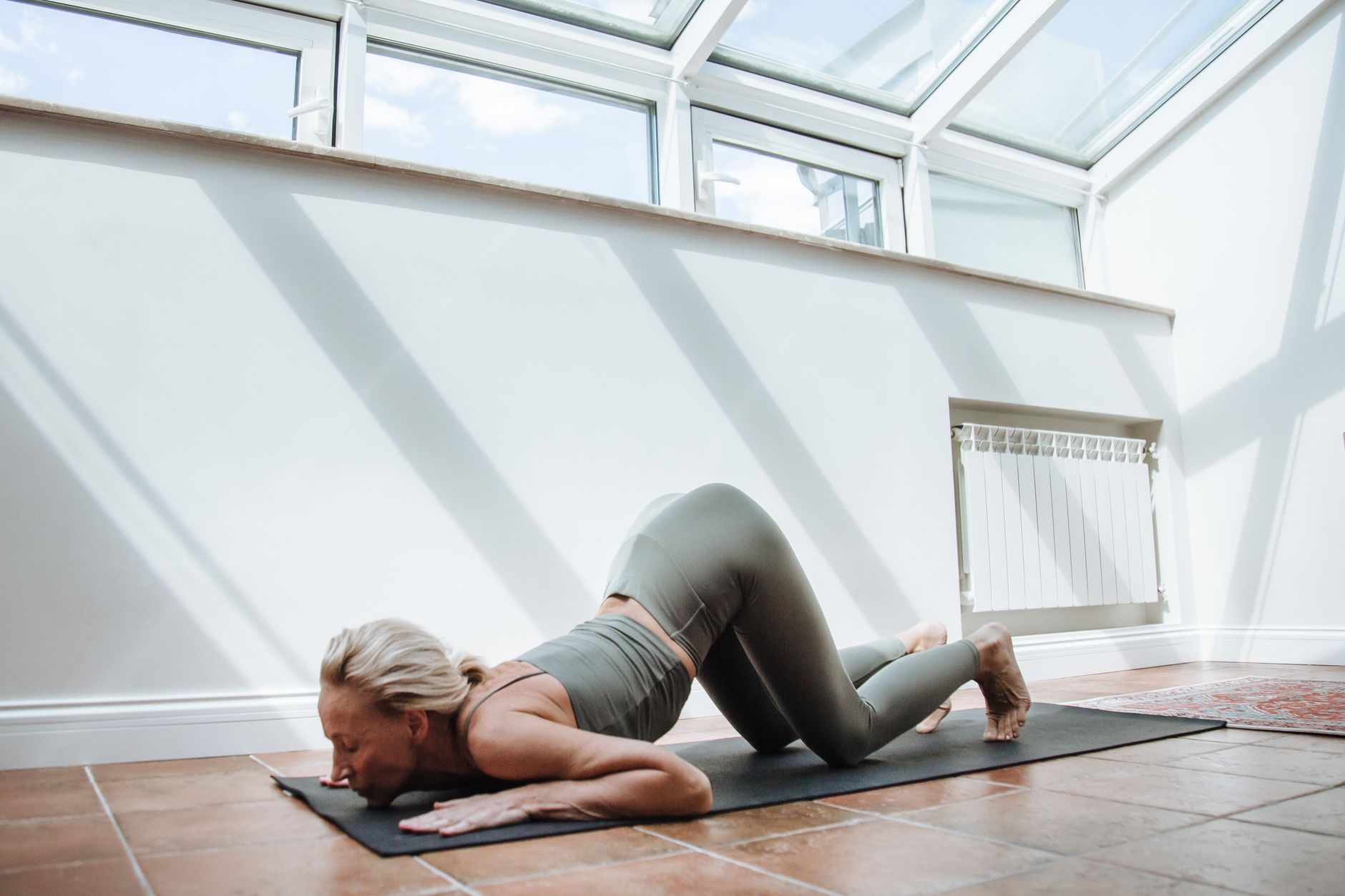
Postpartum body positivity helps new moms embrace physical changes after childbirth. Learn how to nurture self-love, confidence, and acceptance during this transformative phase.
By Shubhra Mishra — a mom of two who turned her own confusion during pregnancy into BumpBites, a global mission to make food choices clear, safe, and stress-free for every expecting mother. 💛
Check whether any food is safe during pregnancy with the BumpBites Food Safety Checker.
Quick take: Postpartum body positivity is a gentle practice of honoring the changes your body has made after birth, using kindness, realistic goals, and supportive habits. You can start today by choosing comfortable clothing, setting small self‑care goals, and connecting with communities that celebrate every postpartum shape.
It’s 2 a.m., you’re rocking your newborn, and a stray comment about “getting your pre‑baby body back” pops up on your phone. Your heart skips. You wonder if you’re the only one feeling this way, and if there’s a roadmap to feel good in your new skin.
First, breathe. Your postpartum body is doing extraordinary work—healing incisions, rebuilding muscles, and feeding your baby. Accepting it doesn’t mean you ignore health goals; it means you meet yourself where you are, with compassion and realistic expectations.
In this guide we’ll define postpartum body positivity, explore its mental‑health benefits, and walk through practical steps: from dressing for confidence after a C‑section to nutrition, core‑recovery exercises, journal prompts, community resources, and how to talk with your partner. By the end you’ll have an actionable routine and a list of tools to keep you feeling empowered.
How can I practice postpartum body positivity after a C‑section?
Giving birth by C‑section adds a surgical scar, swelling, and sometimes lingering discomfort. The first step is to treat that scar as part of your story, not a flaw.
Gentle scar‑care routine. Follow your obstetrician’s advice—usually a silicone gel sheet after the incision is fully closed, and a soft‑touch massage once cleared (often around 6 weeks). Moisturizing with a fragrance‑free lotion can reduce itching and improve elasticity.
Movement within limits. Start with short, upright walks as soon as you feel able. Even a five‑minute stroll around the house stimulates circulation, reduces swelling, and signals to your brain that your body is still capable.
When you’re ready (usually 4–6 weeks post‑op), try seated pelvic tilts and diaphragmatic breathing. These exercises engage the core without stressing the incision. Think of them as “baby‑bump‑maintenance” rather than a full workout.
Finally, celebrate the scar. Many moms find that framing it as a badge of bravery—perhaps with a small, discreet tattoo or a piece of jewelry near the site—helps shift the narrative from “blemish” to “reminder of strength.”
It’s also helpful to track your healing milestones in a journal. Noting when you’re able to lift your baby longer or when the scar’s color fades can turn a vague worry into concrete progress, reinforcing a positive mindset.
Postpartum body positivity tips for new moms with stretch marks and ways to love your body while losing baby weight
S
tretch marks (striae) appear when skin stretches quickly. They’re a natural sign of growth, not a defect. To cultivate love for your skin, start with a visual gratitude practice: each morning, point to a stretch‑marked area and say, “Thank you for helping my belly grow.”
Hydration is key. Aim for at least 2.5 L of water daily; well‑hydrated skin is more supple and less likely to feel itchy. Pair water with a diet rich in vitamin C (citrus, strawberries) and zinc (pumpkin seeds) which support collagen production.
If you’re looking to shed baby weight, set realistic targets—generally 0.5–1 kg per week after the first six weeks. Combine gentle cardio (walking, stroller‑pushes) with the core‑recovery moves mentioned earlier. Remember, the goal isn’t “return to pre‑pregnancy size” but “feel strong and healthy.”
Consider using a body‑positive moisturizer that contains hyaluronic acid and shea butter; the slip‑on feeling can be a daily reminder that you’re caring for yourself.
A quick‑look comparison of common approaches:
Approach
Focus
Typical Outcome
Gentle cardio + core work
Weight loss + strength
Gradual, sustainable pounds off
Intensive dieting
Rapid weight loss
Potential nutrient gaps, mood swings
Body‑positive skincare
Skin comfort
Improved texture, self‑esteem boost
Beyond the numbers, celebrate each small victory—whether it’s a tighter waistline around the hips or a stretch‑mark that looks less pronounced after consistent moisturization. This shift from “fixing” to “appreciating” can dramatically improve body‑image satisfaction.
Postpartum body positivity and mental‑health support groups: journal prompts, books, and Instagram accounts to follow
Community fuels confidence. Finding a group—whether in‑person or online—provides a safe space to share triumphs and setbacks.
Support groups. In the U.S., the Postpartum Support International (PSI) offers local meet‑ups and virtual circles. In the UK, the National Childbirth Trust (NCT) runs “Body‑Positive Mum” workshops. Many hospitals also host “new‑mum circles” where you can discuss body changes without judgment.
Journal prompts. Write a short entry each night answering: “What did my body do for my baby today?” or “Which part of my body feels proud right now?” Over time, these prompts rewire your brain to notice strengths instead of perceived flaws.
Books. “The Fourth Trimester” by Kimberly Ann Johnson blends science with self‑compassion exercises. “Body Love for Moms” by Kelly Brogan offers practical mindset tools. Both are praised by ACOG for encouraging holistic postpartum care.
Instagram accounts. Follow @postpartumpositive, @realmommyjourney, and @bodypositivitybeyondbump. They share real‑life photos, affirmations, and tips that counter the filtered perfection often seen on mainstream feeds.
When you attend a group, bring a small notebook. The act of writing down shared experiences often solidifies the sense of belonging and makes the support feel tangible beyond the digital realm.
Set aside a quiet moment each evening to write in a postpartum positivity journal.
How can I dress for my postpartum body and feel confident, especially while breastfeeding?
Clothing can either amplify insecurity or become a confidence‑boosting armor. Choose fabrics that stretch gently—think jersey, modal, or bamboo blends. These move with you, hide any lingering swelling, and stay comfortable for breastfeeding.
Layered basics. A soft, stretchy tank under a button‑down cardigan lets you nurse without pulling at the top. Look for “nurse‑friendly” features like hidden snaps or a loose neckline.
High‑waisted leggings or maternity‑transition pants smooth the belly area and support the core. Pair them with a loose‑fit tunic that falls just below the hips; the line creates a balanced silhouette without drawing attention to the scar or stretch marks.
Invest in a few statement pieces—like a bright scarf or a favorite necklace—so you can shift focus from any perceived flaw to an accessory you love.
If you’re still healing from a C‑section, opt for soft, non‑binding waistbands and avoid anything with tight elastic that could irritate the incision. A simple, breathable “nursing bra” can also reduce discomfort while providing easy access.
Don’t overlook the power of color. Soft, muted tones can be soothing, while a pop of your favorite hue can instantly lift your mood. Experiment with what feels right for you each day.
What postpartum body positivity exercises are safe for core recovery?
Core recovery is a gradual process. The key is to engage the deep abdominal muscles—especially the transverse abdominis—without straining the rectus abdominis (the “six‑pack” muscles). Here are three safe moves:
Pelvic Tilts. Lie on your back with knees bent. Gently flatten your lower back into the floor, engaging the belly button toward the spine. Hold for 5 seconds, repeat 10‑15 times.
Diaphragmatic Breathing. Sit upright, place one hand on your chest and the other on your belly. Inhale through the nose, feeling the belly rise, then exhale slowly through pursed lips. Perform 5‑minute sessions three times daily.
Modified Bird‑Dog. From a tabletop position, extend one arm forward and the opposite leg back, keeping the core engaged. Hold for 3‑5 seconds, return, and switch sides. Do 8‑10 reps per side.
All three exercises can be done on a yoga mat with a soft pillow under the head for comfort. As you progress, you can add a gentle resistance band around the thighs for extra glute activation, which supports the lower back and improves posture.
ACOG recommends waiting at least six weeks after a C‑section before initiating any core‑strengthening routine beyond gentle breathing and pelvic floor work, to ensure the incision has adequately healed.
How can I manage societal pressure and postpartum body image expectations?
Social media, family comments, and “mom‑bod” myths can create a relentless comparison loop. The first line of defense is to curate your feed. Unfollow accounts that showcase only “perfect” postpartum bodies and follow those that celebrate real, diverse experiences.
Set boundaries with well‑meaning relatives. A simple script—“I appreciate your concern, but I’m focusing on feeling healthy for myself and my baby right now”—helps redirect conversations toward health rather than appearance.
Practice “self‑talk rewiring.” When you notice a negative thought (“I look terrible”), counter it with a factual statement (“My uterus is healing, and I’ve regained 2 kg of healthy tissue”). Over time, this habit weakens the power of body‑shaming triggers.
Remember, the media’s ideal postpartum body—often a flat stomach and flawless skin—is a curated snapshot, not a universal reality. Acknowledging that helps you detach your self‑worth from unrealistic standards.
Research published by the NHS indicates that women who actively limit exposure to idealized images report lower levels of postpartum anxiety and higher body‑satisfaction scores.
How can I talk to my partner about postpartum body changes and get their support?
Open conversation builds intimacy. Choose a calm moment—perhaps after the baby is asleep—to share your feelings. Use “I” statements (“I feel self‑conscious about my scar”) rather than “you” critiques (“You never look at me”).
Invite your partner to join you in a body‑positive activity, like a gentle walk or a “mirror moment” where you both point out something you admire about each other. This shared experience reinforces mutual support.
Provide concrete ways they can help: “It would mean a lot if you could pick out a comfy outfit for me tomorrow,” or “Could you remind me of the strength my body showed during delivery?” Clear requests are easier to act on than vague hopes.
Lastly, ask your partner to join a support group or attend a postpartum workshop with you. Seeing the same resources can align your expectations and foster a united front against external pressures.
Couples who engage in joint postpartum self‑care report higher relationship satisfaction, according to a 2023 ACOG survey of new parents.
Where can I find postpartum body positivity workshops near me, and what other community resources exist?
Many cities host “Body‑Positive Motherhood” sessions through community centers, yoga studios, or lactation consultants. A quick search for “postpartum body positivity workshop + [your city]” often yields local listings.
Online platforms like Eventbrite and Meetup feature virtual workshops led by certified postpartum doulas or mental‑health counselors. Look for sessions that include a mix of movement, nutrition, and guided journaling.
Additional resources:
Postpartum Support International (PSI): Offers a global directory of support groups, both in‑person and virtual.
National Childbirth Trust (NCT) – UK: Runs “Body‑Positive Mum” classes that include dressing tips and core‑recovery exercises.
Local hospitals: Many have postpartum wellness programs that incorporate body‑positive education.
When you locate a workshop, check whether it’s led by a qualified professional (e.g., a postpartum doula with certification from DONA International or a mental‑health therapist with experience in perinatal care). The right facilitator can make a huge difference in how safe and empowered you feel.
Many workshops also provide take‑home packets—think printable affirmation cards or a simple “body‑positive checklist”—that you can refer to long after the session ends.
Join a body‑positive postpartum workshop to practice safe core recovery in a supportive setting.
How can I start a postpartum body positivity routine that feels sustainable?
Begin with three simple pillars: mindful dressing, gentle movement, and daily affirmation. Pick one item each day—maybe a comfy top, a five‑minute walk, or a self‑loving phrase—and integrate it into your schedule.
Use a planner or phone reminder titled “Body‑Positive Moment.” When the alarm goes off, pause, breathe, and honor the chosen pillar. Over a week, you’ll notice patterns: perhaps you feel most confident on days you wear a favorite scarf, or after a morning walk with your baby.
Track progress in a journal. Note how often you felt proud versus self‑critical. Seeing the numbers shift positively reinforces the habit.
Adjust as needed. If a particular exercise feels too intense, swap it for a gentler stretch. If a clothing item triggers anxiety, replace it with a looser alternative. Flexibility keeps the routine from feeling like another chore.
Remember, consistency beats intensity. A ten‑minute stretch each morning is more sustainable than a thirty‑minute workout you skip after a sleepless night.
Nutrition for postpartum body positivity: foods that support healing and mood
What you eat fuels both physical recovery and emotional well‑being. Prioritize protein‑rich foods—lean poultry, tofu, beans, and Greek yogurt—to rebuild muscle tissue and support lactation. The NHS recommends at least 75 g of protein daily for breastfeeding moms.
Omega‑3 fatty acids, found in fatty fish (salmon, sardines), walnuts, and chia seeds, have anti‑inflammatory properties and are linked to lower postpartum depression rates, according to a 2022 ACOG review.
Complex carbohydrates such as whole grains, sweet potatoes, and quinoa provide steady energy and help stabilize mood swings. Pair them with colorful vegetables for vitamins C, A, and K, which aid skin elasticity and collagen synthesis.
Limit highly processed foods high in added sugars and trans fats, as they can exacerbate inflammation and mood volatility. Instead, snack on fresh fruit, nuts, or hummus with veggie sticks.
Stay mindful of caffeine. The FDA deems up to 200 mg (about one 12‑oz coffee) per day safe during breastfeeding, but each individual’s tolerance varies. If you notice your baby becoming fussy after you consume caffeine, consider cutting back.
Mindful self‑care rituals: sleep, hydration, and skin‑care
Sleep may feel like a luxury, but even short naps can improve hormone balance and reduce stress. Create a “sleep sanctuary”: dim lights, a cool room temperature, and a calming scent like lavender. The American Academy of Sleep Medicine suggests aiming for 7–9 hours of total sleep over 24 hours, even if broken into segments.
Hydration is the silent hero of recovery. Water supports milk production, joint lubrication, and skin elasticity. Keep a reusable bottle by your bedside and sip regularly—aim for 2.5–3 L per day, adjusting for activity level and climate.
Skin‑care after birth should be soothing, not abrasive. Choose fragrance‑free, hypoallergenic moisturizers with ingredients like ceramides and niacinamide, which help restore the skin barrier without irritation. The FDA approves these ingredients for safe topical use during lactation.
Incorporate a brief “self‑touch” ritual each evening—gently massage your abdomen, arms, and thighs while breathing deeply. This practice not only improves circulation but also reinforces a connection with your body, fostering gratitude.
Navigating social media: curating a body‑positive feed
Algorithms love engagement, often pushing glossy, edited images that can skew your perception of reality. Take control by actively searching for hashtags like #realmommy, #postpartumpositive, and #bodypositivitybeyondbump.
When you find an account that feels authentic, engage with its content—like, comment, or share—so the platform learns to show you more of that vibe. Conversely, use the “mute” or “hide” functions for accounts that trigger comparison anxiety.
Set a weekly “digital‑detox” window—perhaps an hour before bedtime—where you step away from screens. Use that time for a calming ritual like reading a book, gentle stretching, or a warm bath. This break can reset your mental baseline and reduce the impact of any lingering negative imagery.
Remember, you can also create your own body‑positive content. Even a simple photo of your newborn snuggled against your belly, paired with a caption of gratitude, can reinforce your own narrative while inspiring others.
From our medical team: Embracing postpartum body positivity is not about denying the physical challenges of recovery. It’s about pairing realistic health goals with self‑compassion. Gentle core work, adequate nutrition, and supportive clothing can improve both physical healing and mental well‑being. If you notice persistent low mood, anxiety, or intrusive thoughts about your body, reach out to your provider—postpartum mood disorders are treatable, and early support makes a big difference.
Myth vs. fact
Myth: You must lose the pregnancy weight before you can feel good about your body. Fact: Body positivity works at any weight; focusing on health‑focused habits, not the scale, fosters lasting confidence.
Myth: Stretch marks mean your skin is damaged beyond repair. Fact: Stretch marks are a normal, harmless sign of rapid growth; moisturizers and sun protection can improve their appearance, but they are not a flaw.
Myth: C‑section scars should be hidden at all costs. Fact: Many women choose to showcase their scar as a symbol of strength; covering it is a personal choice, not a requirement.
Key takeaways
Treat your postpartum body with the same kindness you give a newborn—gentle care, realistic goals, and celebration of progress.
Choose clothing that stretches, breathes, and accommodates nursing; small style tweaks can boost confidence instantly.
Integrate core‑recovery exercises (pelvic tilts, diaphragmatic breathing, modified bird‑dog) early and progress slowly.
Lean on community resources—support groups, workshops, and curated Instagram accounts—to reduce isolation.
Use journal prompts and daily affirmations to rewire negative self‑talk into gratitude for what your body accomplished.
Communicate openly with your partner; specific requests and shared activities strengthen support.
Prioritize nutrient‑dense foods, adequate hydration, and restful sleep to support both physical healing and mood.
Curate your social‑media feed to showcase real, diverse postpartum bodies and limit exposure to unrealistic ideals.
Frequently asked questions
What is postpartum body positivity?
Postpartum body positivity is a mindset that honors the physical changes after birth, focusing on self‑compassion, realistic health goals, and rejecting unrealistic societal standards.
How long does it take to accept your postpartum body?
Acceptance varies; many mothers notice a shift within the first three months, while others take a year or more. Consistent self‑care practices and supportive communities can accelerate the process.
Can postpartum body positivity improve mental health?
Yes—studies from the American College of Obstetricians and Gynecologists (ACOG) show that self‑compassion interventions reduce postpartum anxiety and depressive symptoms.
What are common signs of postpartum body image issues?
Feelings of shame when looking at your belly, avoidance of mirrors, excessive focus on weight or scars, and withdrawing from social activities are red flags that suggest body‑image distress.
How can I start a postpartum body positivity routine?
Begin with three daily pillars: pick a comfortable outfit, do a five‑minute gentle core exercise, and repeat a positive affirmation. Build on each pillar weekly.
Are there any support groups for postpartum body positivity?
Yes—Postpartum Support International, the National Childbirth Trust (UK), and many local hospital wellness programs host groups focused on body acceptance and mental health.
Is it safe to exercise after a C‑section?
Most experts, including ACOG, advise waiting at least six weeks before starting moderate exercise, and to begin with low‑impact activities such as walking and gentle core activation. Always follow your provider’s clearance.
Can I use silicone scar sheets while breastfeeding?
Silicone scar sheets are generally safe for breastfeeding mothers because they stay on the skin’s surface and do not release substances. However, ensure the sheet does not cause overheating or irritation, and check with your provider if you have any concerns.
When to call your doctor
If you experience any of the following, contact your provider promptly: increasing pain or redness around a C‑section scar, fever over 38°C (100.4°F), sudden swelling or shortness of breath, severe anxiety or depressive thoughts, or inability to perform basic daily activities. This article is for informational purposes only and does not replace personalized medical advice.
References
American College of Obstetricians and Gynecologists (ACOG). “Postpartum Care.” Clinical Guidance, 2023.
National Childbirth Trust (NCT). “Body‑Positive Motherhood Workshops.” UK Guidance, 2022.
Postpartum Support International (PSI). “Finding Support Groups.” Global Resource List, 2024.
Kimberly Ann Johnson, MD. The Fourth Trimester: A Postpartum Guide to Healing Your Body, Balancing Your Emotions, and Restoring Your Life. 2021.
Kelly Brogan, MD. Body Love for Moms: A Compassionate Guide to Postpartum Self‑Acceptance. 2022.
Centers for Disease Control and Prevention (CDC). “Postpartum Depression.” Health Information, 2023.
World Health Organization (WHO). “Maternal Nutrition Guidelines.” 2023.
National Institute for Health and Care Excellence (NICE). “Postnatal Mental Health.” Clinical Guidelines, 2022.
National Health Service (NHS). “Nutrition during breastfeeding.” UK Health Guidance, 2023.
U.S. Food and Drug Administration (FDA). “Safe use of topical skin‑care products while nursing.” Consumer Safety Bulletin, 2022.
Not sure about the label on Postpartum Body Positivity products?
Snap the ingredients list and SafeFilter checks every ingredient for your stage — only 3 free scans this month, then you're locked until reset. Unlimited from $7/mo or $50/yr.
When Shubhra Mishra was expecting her first child in 2016, she was overwhelmed by conflicting food advice — one site said yes, another said never. By the time her second baby arrived in 2019, she realized millions of mothers face the same confusion.
That sparked a five-year journey through clinical nutrition papers, cultural diets, and expert conversations — all leading to BumpBites: a calm, compassionate space where science meets everyday motherhood.
Her long-term vision is to build a global community ensuring safe, supported, and free deliveriesfor every mother — because no woman should face pregnancy alone or uninformed. 🌿
🌍 Stand with mothers, shape safer guidance
Join a small circle of experts who review BumpBites articles so expecting parents everywhere can decide with confidence.