A positive doctor‑administered pregnancy test confirms you are pregnant. Learn how the results are verified, what the numbers mean, and the next steps to take.
By Shubhra Mishra — a mom of two who turned her own confusion during pregnancy into BumpBites, a global mission to make food choices clear, safe, and stress-free for every expecting mother. 💛
Check whether any food is safe during pregnancy with the BumpBites Food Safety Checker.
Quick take: A positive doctor‑administered pregnancy test means your body is producing the hormone hCG, confirming that you are pregnant. The result is highly reliable, but follow‑up steps—like a blood test and scheduling prenatal care—help you and your provider confirm dates and plan a healthy pregnancy.
It’s 2 a.m., you’ve just taken a home pregnancy test, and the little line turned pink. Your heart races as you stare at the result, wondering whether it’s real or a fluke. You’ve probably Googled “positive doctor pregnancy test” and are looking for reassurance, next‑step guidance, and answers to the flood of questions that pop up in your mind.
First, breathe. A positive test from a clinician is one of the most definitive ways to confirm pregnancy because it uses laboratory‑grade equipment and trained staff. In the next few minutes you’ll learn exactly what that result tells you, how accurate it is, what could cause a false positive, and the practical steps you should take right now.
We’ll walk through everything from how the test works, to interpreting hCG levels, to scheduling your first prenatal visit, and even what insurance might cover. By the end you’ll have a clear roadmap, so you can move from uncertainty to confident, proactive care.
What does a positive doctor pregnancy test mean?
A positive doctor‑administered pregnancy test indicates that the hormone human chorionic gonadotropin (hCG) has been detected in your blood or urine at a level that exceeds the laboratory’s threshold for pregnancy. hCG is produced by the placenta shortly after the embryo implants into the uterine lining, usually about 6–12 days after fertilization. When a clinician’s test reads “positive,” it confirms that implantation has occurred and that you are biologically pregnant.
This tiny hormone is the earliest biological signal of pregnancy, rising rapidly in the initial weeks. Its presence tells your body to maintain the uterine lining and stop menstruation, creating a nourishing environment for the developing embryo. Detecting hCG is the gold standard for confirming pregnancy, and a positive result from a doctor’s office means you’ve crossed a significant milestone on your pregnancy journey.
Difference between urine and blood pregnancy test
Clinics can perform two types of tests:
Urine hCG test – similar to over‑the‑counter kits, but processed in a lab. It’s quick, non‑invasive, and often used for initial screening. While similar in principle to at-home tests, the clinical setting ensures proper sample collection and highly sensitive reagents, minimizing user error and increasing reliability.
Blood hCG test – either a qualitative (yes/no) or quantitative (exact hCG level) assay. Quantitative tests are more sensitive and can detect pregnancy earlier, sometimes as soon as 8 days after conception, and provide precise numerical values.
Both tests look for the same hormone, but blood tests can give you a precise number that helps estimate gestational age and monitor early pregnancy health. This quantitative measurement is particularly useful for tracking the progression of a pregnancy or investigating potential concerns like ectopic pregnancy or miscarriage risk, as hCG levels follow a predictable pattern of increase in a healthy pregnancy.
Aspect
Urine test (clinic)
Blood test (clinic)
Detection window
~10–14 days after ovulation
~8–10 days after ovulation
Sensitivity
~25 mIU/mL threshold
Can detect as low as 5 mIU/mL
Result type
Positive/negative
Positive/negative + exact hCG level
Purpose
Initial screening, quick confirmation
Confirming dates, monitoring early loss risk, assessing viability, ectopic risk
In practice, many providers start with a urine test because it’s fast and inexpensive, then follow up with a quantitative blood test if they need more detail or if there are any clinical concerns. This approach balances efficiency with comprehensive early pregnancy care.
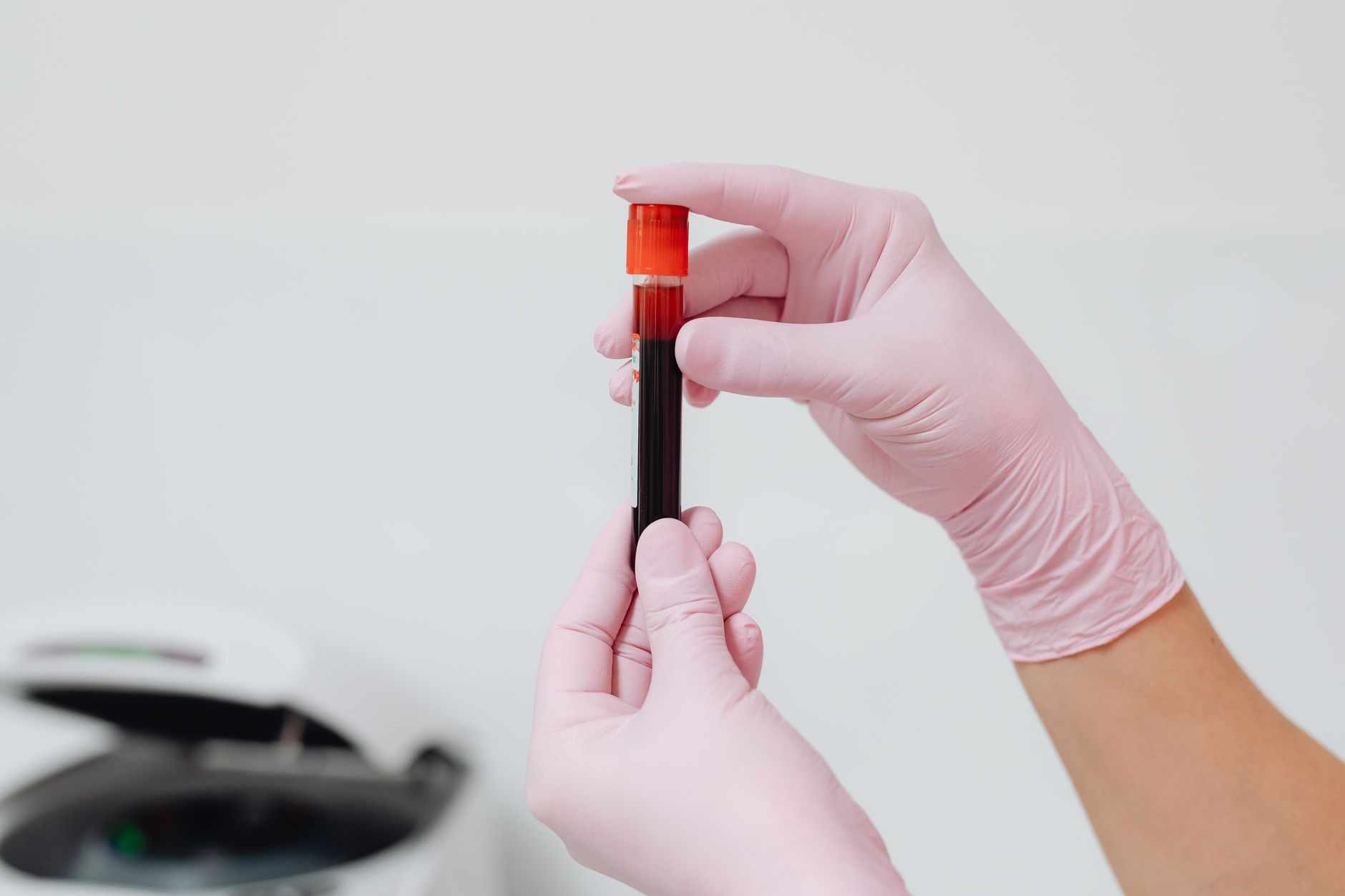
Lab personnel process a blood sample to measure hCG levels accurately.
How accurate is a doctor administered pregnancy test?
Doctor‑administered tests are among the most reliable tools for confirming pregnancy. Sensitivity (the ability to correctly identify pregnancy) for modern urine assays exceeds 99 % when hCG levels are above 25 mIU/mL. Specificity (the ability to correctly identify non‑pregnancy) also hovers around 99 %, meaning false‑positive results are rare.
Compared with home kits, clinical tests benefit from controlled conditions: trained staff handle the specimen, and the laboratory follows strict quality‑control protocols. This reduces the chance of user error, incorrect timing, or misinterpretation of faint lines that can sometimes occur with at-home tests. A study published by the American College of Obstetricians and Gynecologists (ACOG) reports that quantitative blood hCG assays can detect pregnancy as early as 7–8 days after fertilization, which is a full week earlier than most over‑the‑counter urine tests, offering superior precision for early detection and monitoring.
That said, no test is 100 % foolproof. Biological variability, very early testing before sufficient hCG has accumulated, or certain medical conditions can affect results. However, in the vast majority of cases, a positive clinician test is a solid confirmation, and any lingering doubt can typically be resolved with a repeat quantitative blood test to observe the hCG trend over 48-72 hours.
Can a positive pregnancy test be false positive?
While rare, false‑positive results do happen. Understanding the reasons helps you interpret the result and decide whether a follow‑up test is needed. It’s natural to feel anxious about the possibility, but the likelihood is very low, especially with a clinical test.
Can stress cause a false positive pregnancy test?
Stress alone does not raise hCG levels. The human body does not produce hCG in response to emotional or psychological stress. However, extreme physiological stress (such as that caused by a serious illness) or certain conditions that mimic pregnancy symptoms might lead to confusion. In some rare instances, stress can delay ovulation, which might make you *think* you're late for your period, prompting an early test that could be inconclusive. But rest assured, stress itself isn't a direct cause of a false positive.
What medications affect pregnancy test results?
Certain medications can indeed cause a false‑positive urine test, mainly because they contain or interfere with hCG production or detection:
Fertility drugs containing hCG (e.g., Pregnyl, Ovidrel, Novarel) are the most common culprits. These are given as injections to trigger ovulation, and the injected hCG can remain in your system for up to 10-14 days, leading to a positive result even if you're not pregnant. Your doctor will advise you on when to test after such treatments.
Diuretics that concentrate urine, potentially amplifying trace hCG, though this is less common with modern, highly sensitive tests.
Anticonvulsants like phenytoin, which have been reported in isolated cases, though the mechanism isn't fully understood.
Tranquilizers (e.g., benzodiazepines) and some **antihistamines** have also been implicated in very rare instances, but these are not common causes.
Blood tests are generally less susceptible to these interferences because they directly measure serum hCG levels, which are less influenced by urine concentration. If you’re on any of these medications, it’s crucial to inform your provider—they’ll likely order a quantitative blood test to avoid confusion and provide the most accurate assessment.
Other medical conditions causing false positives
Beyond medications, a few rare medical conditions can lead to a false-positive pregnancy test. These are usually conditions that cause the body to produce hCG or a substance structurally similar to it:
Molar pregnancy: This is an abnormal growth in the uterus that forms after conception. It produces high levels of hCG, leading to a positive test, but it is not a viable pregnancy.
Certain types of cancer: Very rarely, some cancers (like choriocarcinoma, germ cell tumors, or even some ovarian or breast cancers) can produce hCG, causing a positive test.
Pituitary problems: In extremely rare cases, issues with the pituitary gland can lead to hCG production.
Perimenopause: As women approach menopause, hormonal fluctuations can sometimes affect test results, though this is more likely to cause irregular periods than a true false positive.
"Vanishing twin" syndrome: If you were initially pregnant with twins but one embryo stopped developing very early, its residual hCG might still be detected, leading to a positive test while only one fetus continues to grow.
While these conditions are uncommon, they are why your doctor will always follow up a positive test with further evaluation, such as repeat blood tests and an ultrasound, to confirm a healthy, viable pregnancy.
From our medical team: "A positive pregnancy test from your doctor is an incredibly reliable indicator. While false positives are exceptionally rare, particularly with blood tests, we always recommend follow-up with your provider. This ensures we can accurately date your pregnancy, monitor its progression, and address any unique health considerations you might have. Early, comprehensive care is key to a healthy start."
What are the next steps after a positive doctor pregnancy test?
Receiving a positive result can feel both exhilarating and overwhelming. The best way to move forward is a step‑by‑step plan that secures your health and your baby’s development. Take a moment to process the news, then focus on these practical steps.
Should I get a blood test after a positive urine pregnancy test?
Yes, especially if you want precise dating or if your provider suspects an ectopic pregnancy or early miscarriage risk. A quantitative blood test measures the exact hCG level, which rises roughly doubling every 48‑72 hours in early pregnancy. This pattern helps confirm that the pregnancy is progressing normally. If your urine test was done at a clinic, the provider may already have taken a blood sample. If you tested at home and then visited a doctor, ask for a quantitative hCG test during that visit. It’s a quick draw—usually less than five minutes—and the results can be ready within a day, providing invaluable information for your care team.
How to interpret hCG levels after a positive test
Typical hCG ranges in early pregnancy (based on weeks since the last menstrual period, LMP) are:
3 weeks LMP: 5–50 mIU/mL
4 weeks LMP: 5–426 mIU/mL
5 weeks LMP: 18–7,340 mIU/mL
6 weeks LMP: 1,080–56,500 mIU/mL
These numbers are broad because individual variation is normal. What’s more important than a single number is the *trend*. Your provider will compare your results to these ranges and repeat the test in 48-72 hours if the rise is slower than expected (e.g., less than a 35% increase in 48 hours, as per ACOG guidelines). A plateau or decline may signal a problem that needs further evaluation, such as an ectopic pregnancy or a non-viable pregnancy. They may also monitor progesterone levels, another hormone crucial for maintaining early pregnancy, as very low levels can sometimes indicate a higher risk of miscarriage.
Immediate actions to take
Confirm the result with a repeat test if you have any doubt, especially if your initial test was very early or at home.
Schedule a prenatal appointment within the next week (details below). Don't delay, as early care is important for both you and baby.
Start prenatal vitamins containing folic acid (400–800 µg daily). The CDC and NHS recommend this to significantly reduce the risk of neural tube defects like spina bifida, which develop very early in pregnancy.
Review medications with your provider to ensure they’re safe. This includes prescription drugs, over-the-counter remedies, and herbal supplements. Never stop a prescription medication without consulting your doctor.
Adopt healthy habits—focus on a balanced diet rich in fruits, vegetables, lean proteins, and whole grains. Ensure adequate hydration (around 8-12 glasses of water a day) and moderate exercise (30 minutes most days, if approved by your doctor). Avoid alcohol, smoking, and recreational drugs entirely. Limit caffeine to under 200mg per day (about one 12-ounce cup of coffee).
Avoid certain foods: Steer clear of raw or undercooked meats, unpasteurized dairy, raw sprouts, high-mercury fish (like shark, swordfish, king mackerel, tilefish), and deli meats (unless heated until steaming hot) to reduce the risk of foodborne illnesses like listeriosis and toxoplasmosis.
Start daily prenatal vitamins as soon as you confirm pregnancy.
Understanding hCG Levels and What They Mean
Once you get that positive result, especially from a quantitative blood test, you might find yourself looking at numbers and wondering what they truly signify. Human Chorionic Gonadotropin (hCG) is not just a "yes" or "no" hormone; its levels and how they change provide valuable insights into the health and progression of your early pregnancy.
In a healthy, singleton pregnancy, hCG levels typically double every 48 to 72 hours during the first few weeks. This rapid rise is a positive sign that the pregnancy is developing as expected. Your doctor will often order serial hCG tests (two or more tests taken a couple of days apart) to observe this doubling time. If the levels aren't rising as quickly, or if they plateau or decline, it could signal a potential issue like an ectopic pregnancy (where the embryo implants outside the uterus) or an impending miscarriage. While these can be worrying possibilities, a slow rise doesn't always mean a problem, and further investigation with ultrasound is usually needed to make a definitive diagnosis.
Extremely high hCG levels can sometimes indicate a multiple pregnancy (twins or more) or a molar pregnancy. Conversely, very low levels might suggest an early miscarriage or a miscalculated gestational age. It's important to remember that hCG ranges are very broad, and a single number isn't diagnostic on its own. It's always best to discuss your specific hCG results with your healthcare provider, who can interpret them in the context of your medical history and other clinical findings.
Dating Your Pregnancy: Why It Matters
One of the first questions many expecting parents have is, "When is my baby due?" Accurately dating your pregnancy is crucial, not just for planning, but also for monitoring fetal growth and development, scheduling important screenings, and making informed decisions about your care. Your provider uses several methods to determine your due date, which is typically calculated as 40 weeks from the first day of your last menstrual period (LMP).
While your LMP is a good starting point, it's not always precise, especially if you have irregular periods or aren't sure of the exact date. This is where your hCG levels and early ultrasound come in. Quantitative hCG levels can help estimate gestational age, though ultrasound is generally considered more accurate for dating in the first trimester. An early ultrasound (usually between 6 and 12 weeks) can measure the embryo or fetus, providing a highly accurate estimated due date (EDD). This early dating scan is particularly important because it's the most reliable way to establish your due date, often more accurate than later scans or calculations based solely on LMP. Knowing your EDD helps your care team track milestones, such as when to perform genetic screenings or when to induce labor if necessary.
When should I schedule my first prenatal appointment after a positive test?
Most obstetricians recommend booking your first prenatal visit as soon as you receive a positive result, ideally within 1–2 weeks. Early booking allows your provider to confirm the gestational age, assess baseline health, and discuss any risk factors—such as chronic conditions, previous miscarriages, or medication use. This initial visit lays the groundwork for all your subsequent care, ensuring you have the support and information you need from the very beginning.
What to expect at the first prenatal visit
Your initial appointment is typically the longest and most comprehensive. It's a chance for your healthcare team to get to know you and your health history thoroughly. It will typically include:
Medical history review—including detailed menstrual dates, prior pregnancies (outcomes, complications), family health history (genetic conditions, chronic diseases), and any personal chronic conditions (diabetes, hypertension, thyroid issues). Your provider will also ask about past surgeries, allergies, and mental health history.
Physical exam—this generally includes measuring your blood pressure, weight, and height to establish baseline health. A basic pelvic exam may be performed to assess the size and position of your uterus and cervix, and a Pap test might be done if you are due for one.
Laboratory work—a comprehensive panel of blood and urine tests. This includes quantitative hCG (if not done already), blood type and Rh factor (critical for Rh incompatibility prevention), a complete blood count (CBC) to check for anemia, a thyroid panel, and screening for infectious diseases (e.g., HIV, Hepatitis B, Syphilis, Rubella immunity, Varicella immunity). A urine sample will also be checked for protein, glucose, and signs of infection.
Discussion of lifestyle—nutrition guidelines (what to eat, what to avoid), safe exercise routines, alcohol, caffeine limits (under 200mg/day), and the absolute importance of stopping smoking and recreational drug use. Your provider will also discuss environmental hazards and safe travel during pregnancy.
Planning—setting a schedule for future visits, discussing the timeline for your first ultrasound (often around 8-12 weeks), and reviewing available prenatal screening and diagnostic tests (e.g., NIPT, nuchal translucency scan). This is also a good time to ask any questions you have about your pregnancy and care.
In the United States, most insurers, including Medicaid, cover the standard prenatal visit and the associated labs. In the United Kingdom, the NHS provides these appointments at no direct cost to the patient. If you’re unsure about coverage, ask your clinic’s billing office; many practices can submit claims directly to insurers and can help you understand your benefits.
Your first prenatal visit is a comprehensive opportunity to discuss your health and ask any questions.
How soon can I see a doctor after a positive home pregnancy test?
If you’ve just taken a home test and it’s positive, you can usually make a same‑day or next‑day appointment. Many clinics reserve “walk‑in” slots or urgent appointments for early pregnancy confirmations, recognizing the emotional urgency and the importance of establishing early care. Don't hesitate to call your provider's office as soon as you get a positive result—they are there to guide you through the next steps.
How long does it take for a pregnancy test to show positive?
Most over‑the‑counter urine tests can detect hCG about 10–14 days after conception, which aligns with the time of a missed period for many women. Blood tests can pick up hCG as early as 7–8 days post-conception. This is because implantation, the process where the fertilized egg attaches to the uterine wall, typically occurs 6-12 days after fertilization, and hCG production begins almost immediately after implantation. If you test before hCG reaches the test’s detection threshold, you may get a false‑negative—not a false‑positive—so waiting until at least the day of your missed period, or a few days after, generally improves accuracy and reduces anxiety over a negative result that might actually be positive later.
What symptoms confirm a positive pregnancy test?
Symptoms alone cannot definitively confirm pregnancy, but they often accompany a positive test and can certainly reassure you while you await a clinical visit. Many women describe a feeling of "just knowing" something is different, even before a missed period.
Early signs of pregnancy after a positive test
These symptoms are caused by the rapid hormonal shifts happening in your body, primarily the surge in hCG, progesterone, and estrogen. While common, their intensity and timing can vary greatly from person to person:
Breast changes—tenderness, swelling, tingling, or darkening and enlargement of the areola (the area around the nipple). These often feel similar to premenstrual breast soreness, but more pronounced.
Fatigue—persistent tiredness and exhaustion due to the dramatic rise in progesterone, which has a sedative effect, and the increased energy demands on your body.
Nausea—commonly called “morning sickness,” this can range from mild queasiness to severe vomiting and can strike at any time of day, not just the morning. It typically starts around 4–6 weeks gestation and often peaks in the first trimester.
Frequent urination—increased blood flow to the kidneys causes them to process more fluid, leading to more frequent trips to the bathroom. This can start very early in pregnancy.
Light spotting—known as implantation bleeding, occurring 6–12 days after conception as the embryo embeds into the uterine wall. It's usually lighter and shorter than a period, often just a few spots or a pinkish discharge.
Food aversions or cravings—sudden strong dislikes or desires for certain foods, often linked to changes in taste and smell due to hormonal shifts.
Mood swings—the rollercoaster of hormones can lead to heightened emotions, similar to PMS, but often more intense.
These signs are common but not universal. Some people experience none of them and still have a healthy pregnancy. Conversely, similar symptoms can arise from hormonal fluctuations unrelated to pregnancy (like PMS or stress), which is why a test is essential for confirmation. If you're experiencing these symptoms alongside a positive test, it's usually a reassuring sign that your pregnancy is progressing.
The Emotional Rollercoaster: Coping with the News
That positive test result can unleash a cascade of emotions—joy, excitement, fear, anxiety, overwhelm, and sometimes even confusion. It's completely normal to feel a mix of all these things, whether this was a planned pregnancy or a surprise. Many parents tell us they felt a profound shift the moment they saw those lines, a mix of profound love and immense responsibility.
Give yourself space to process these feelings. Talk to your partner, a trusted friend, or a family member. It’s also important to acknowledge that your partner might be experiencing their own range of emotions. Open communication about your feelings and fears can strengthen your bond as you embark on this journey together. If you find yourself feeling persistently anxious, overwhelmed, or depressed, remember that mental health support is available and crucial during pregnancy. Your healthcare provider can connect you with resources and professionals who can help you navigate these complex emotions, ensuring you have the emotional well-being you need for a healthy pregnancy.
Myth vs. fact
Myth: A positive pregnancy test always means a healthy, viable pregnancy.
Fact: While a positive test confirms hCG presence, it does not guarantee that the pregnancy will continue to term or is implanted in the correct location. Early monitoring of hCG trends and an ultrasound help identify potential issues like ectopic pregnancy or early miscarriage.
Myth: Stress or anxiety can cause a false‑positive pregnancy test.
Fact: Stress does not raise hCG levels. False positives are usually due to hCG‑containing medications (like fertility drugs), certain rare medical conditions, or very occasionally, lab error—which is rare in reputable clinical settings.
Myth: You must wait until the second trimester to start prenatal vitamins.
Fact: Starting folic acid–rich prenatal vitamins as soon as you suspect pregnancy (or ideally, even before conception) is crucial. The neural tube, which forms the baby's brain and spinal cord, develops in the very first weeks of pregnancy, often before you even know you're pregnant. Early folic acid intake significantly reduces the risk of neural-tube defects.
Myth: Any bleeding during pregnancy means you’re having a miscarriage.
Fact: While bleeding can be a sign of miscarriage, many women experience light spotting or bleeding in early pregnancy due to implantation, cervical changes, or other benign causes. Always report any bleeding to your doctor, but try not to panic, as it doesn't always mean the worst.
Key takeaways
A positive doctor‑administered test confirms that hCG is present, indicating pregnancy, with over 99% accuracy.
Clinical urine and blood tests are highly reliable; blood tests detect pregnancy earlier and provide exact hCG levels for monitoring.
False positives are rare but can result from hCG‑containing fertility drugs or certain medical conditions; stress does not cause them.
Schedule your first prenatal appointment within 1–2 weeks to confirm dates, begin comprehensive labs, and start prenatal vitamins, especially folic acid.
Understanding hCG level trends (doubling every 48-72 hours) is more important than a single reading for assessing early pregnancy health.
Typical early pregnancy symptoms—breast tenderness, fatigue, nausea—support the test result but are not definitive on their own; a clinical test is essential.
Most insurance plans cover the initial visit and standard labs; verify coverage with your clinic’s billing team to understand your benefits.
Allow yourself to experience the full range of emotions that come with a positive test, and don't hesitate to seek support if you feel overwhelmed.
Frequently asked questions
Can a pregnancy test be wrong?
Yes, but it’s uncommon. A false‑negative can happen if you test too early before hCG reaches the detection threshold; a false‑positive is rare and usually linked to hCG-containing medications, certain medical conditions, or lab error. If you doubt a result, repeat the test after a few days or get a quantitative blood hCG test from your provider.
How soon after a missed period can a doctor confirm pregnancy?
Most clinicians can confirm pregnancy with a urine test as soon as you miss your period, typically about 14 days after ovulation. A quantitative blood test can confirm pregnancy even earlier, as early as 7–8 days after conception, often before a missed period.
What is the most accurate pregnancy test?
The most accurate test is a quantitative serum hCG assay performed in a certified laboratory. It detects hCG at levels as low as 5 mIU/mL and provides an exact hormone concentration, allowing precise dating and early monitoring of the pregnancy's progression.
Do I need a blood test if my urine test is positive?
While a positive urine test confirms pregnancy, a blood test adds valuable information: an exact hCG level, which helps with gestational age estimation, and the ability to monitor hormone trends over time. Your provider will usually recommend a blood test if you’re very early in pregnancy, have risk factors, or if precise dating is important.
When should I call my doctor after a positive pregnancy test?
Call your provider right away if you experience severe abdominal pain, heavy bleeding (more than spotting), fever, dizziness, or sudden swelling. Also reach out if you have concerns about medications you are taking, chronic medical conditions, or if you need clarification on any next steps or advice.
What are the signs of early pregnancy?
Common early signs include breast tenderness, fatigue, mild nausea or "morning sickness," frequent urination, and light spotting (implantation bleeding). Some people also notice a heightened sense of smell, food cravings or aversions, or mood swings. These symptoms vary widely and may appear before or after a positive test.
When will my first ultrasound be?
Typically, your first ultrasound is scheduled between 8 and 12 weeks of pregnancy. This early scan helps to confirm the pregnancy, determine the gestational age and estimated due date, verify the location of the pregnancy (ruling out ectopic), and check for fetal heart activity, offering reassuring visual confirmation of your baby's early development.
When to call your doctor
If you notice any of the following, seek medical attention promptly: heavy vaginal bleeding (soaking a pad in an hour or more), severe abdominal or pelvic pain (especially on one side), persistent vomiting that prevents you from keeping down food or liquids, fever over 100.4 °F (38 °C), faintness or dizziness, or sudden swelling of hands, feet, or face. Remember, this article provides general information and is not a substitute for personalized medical advice—always discuss your specific situation and any concerns with your healthcare provider.
References
American College of Obstetricians and Gynecologists (ACOG). “Early Pregnancy Testing.” Clinical Guidance, 2023.
World Health Organization (WHO). “Guidelines for the Management of Early Pregnancy.” 2022.
National Institute for Health and Care Excellence (NICE). “Antenatal Care Guidelines.” Updated 2023.
Centers for Disease Control and Prevention (CDC). “Pregnancy Testing and hCG.” 2022.
U.S. Food and Drug Administration (FDA). “Pregnancy Test Accuracy and Regulatory Standards.” 2021.
Royal College of Obstetricians and Gynaecologists (RCOG). “Management of Early Pregnancy Loss.” 2023.
Mayo Clinic. “hCG Blood Test.” Patient Education, 2023.
National Health Service (NHS). “Prenatal Care and Early Pregnancy Tests.” 2023.
American Pregnancy Association. "hCG Levels in Pregnancy." 2023.
Not sure about the label on Positive Doctor Pregnancy Test Confirming Results products?
Snap the ingredients list and SafeFilter checks every ingredient for your stage — only 3 free scans this month, then you're locked until reset. Unlimited from $7/mo or $50/yr.
When Shubhra Mishra was expecting her first child in 2016, she was overwhelmed by conflicting food advice — one site said yes, another said never. By the time her second baby arrived in 2019, she realized millions of mothers face the same confusion.
That sparked a five-year journey through clinical nutrition papers, cultural diets, and expert conversations — all leading to BumpBites: a calm, compassionate space where science meets everyday motherhood.
Her long-term vision is to build a global community ensuring safe, supported, and free deliveriesfor every mother — because no woman should face pregnancy alone or uninformed. 🌿
🌍 Stand with mothers, shape safer guidance
Join a small circle of experts who review BumpBites articles so expecting parents everywhere can decide with confidence.