Quick take: Massage therapy for new moms can ease postpartum recovery by reducing back pain, improving circulation, lowering stress, and even helping with sleep and mood. Most women can safely enjoy massage within weeks of delivery—just avoid deep pressure on the abdomen and check with your provider if you’ve had a C-section. Start with gentle sessions (once a month) and gradually increase frequency as your body heals.
How does massage therapy help new moms with postpartum recovery?
It was 3 a.m., and the baby was finally asleep—but my back was screaming. I’d spent the last six weeks hunched over a bassinet, rocking a fussy newborn, and trying to remember how to breathe. My husband suggested massage, and I laughed. “I don’t have time for spa days!” But a week later, I found myself booking my first postpartum massage—and by the end of the session, I realized how desperately my body needed it. Massage isn’t just a luxury; for new moms, it’s a tool for survival.
Postpartum recovery is a marathon, not a sprint. Your body has just undergone incredible changes—labor, delivery, hormonal shifts, and sleepless nights—and massage can help by addressing both the physical and emotional toll. Here’s how it works:
Physical healing
Massage boosts circulation, which helps deliver oxygen and nutrients to healing tissues—critical after birth, especially if you had a vaginal delivery or episiotomy. It also reduces muscle tension in the shoulders, back, and hips, areas that bear the brunt of carrying a baby, breastfeeding, and poor sleep posture. For moms with a C-section, gentle massage can help soften scar tissue and improve mobility.
Hormonal balance
Massage stimulates the release of oxytocin, the “love hormone,” which not only strengthens bonding with your baby but also helps regulate stress and mood. It also lowers cortisol, the stress hormone that’s often elevated in new moms. Lower cortisol means better sleep, fewer headaches, and less emotional reactivity—all of which are game-changers when you’re already stretched thin.
Digestive and urinary relief
Postpartum massage can also ease constipation and bloating by stimulating the digestive system. Many moms experience slowed motility due to pain medications or hormonal changes, and gentle abdominal massage (when safe) can help get things moving. Similarly, massage can improve pelvic floor function, reducing urinary urgency or incontinence—a common but often overlooked postpartum issue.
**Representative story:** “I didn’t realize how much my pelvic floor was affected until I tried postpartum yoga and massage. The therapist showed me how to gently release tension in my hips and lower back, and within a few sessions, I noticed I wasn’t leaking as much when I laughed or coughed. It was like my body was finally catching up to the chaos I’d been in.” —Sarah, 32
When to start
Most women can begin massage within 2–4 weeks postpartum, depending on their delivery type and healing progress. If you had a vaginal delivery with no complications, you can usually start sooner. For C-sections, wait until your incision is fully healed (typically 4–6 weeks) and your provider gives the green light. Always check with your healthcare team before starting, especially if you experienced perineal tearing or had a complicated delivery.
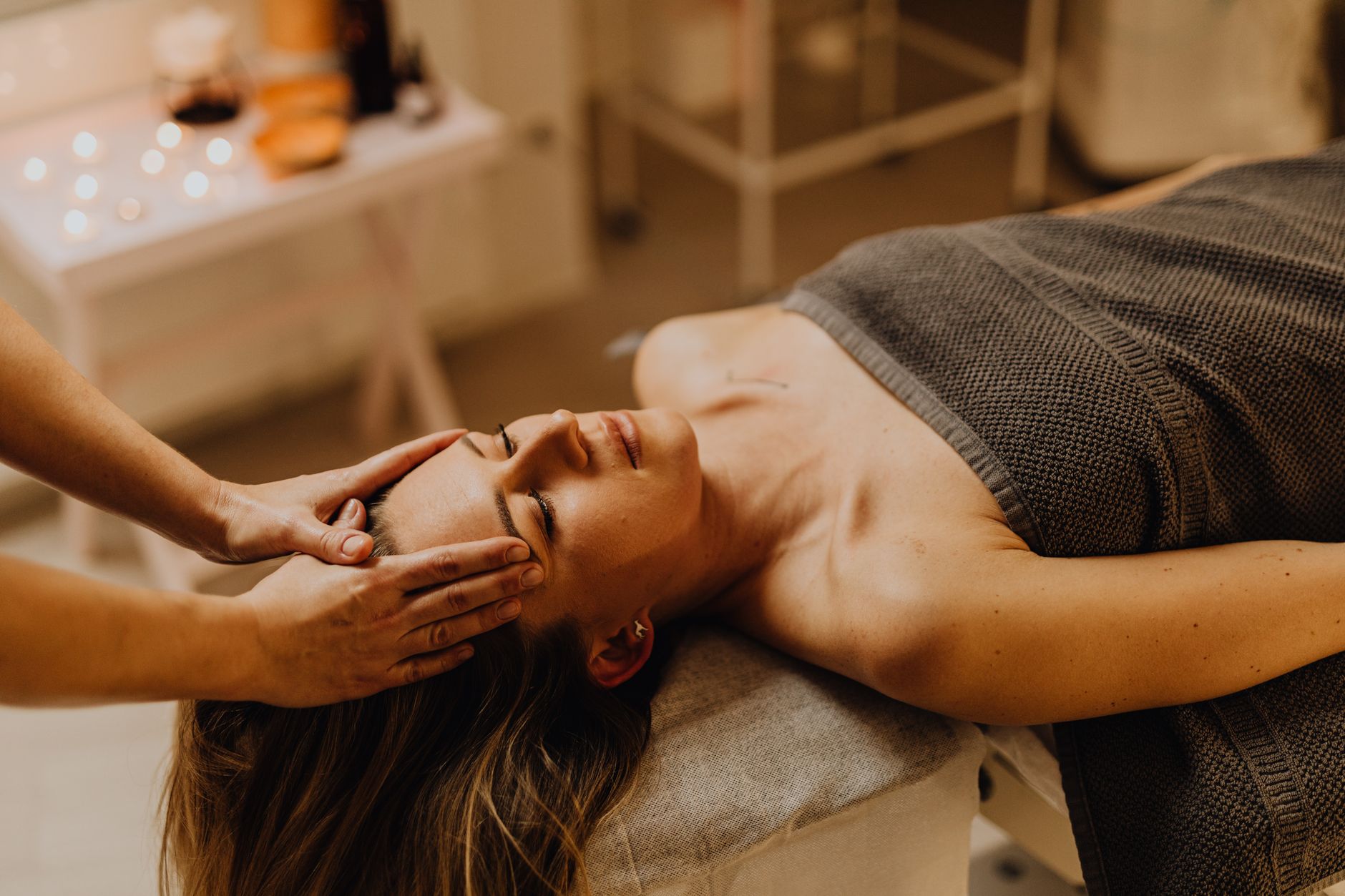
What are the best massage techniques for new moms with back pain?
B
ack pain is the silent epidemic of new motherhood. Whether it’s from lifting a car seat, nursing in awkward positions, or just the physical toll of carrying a baby, your spine is under siege. The good news? Massage can be a game-changer. But not all techniques are created equal—some are too intense for postpartum bodies, while others are specifically designed to ease tension without causing discomfort.
Gentle Swedish massage
This is the safest and most common type of massage for new moms. Swedish massage uses long, flowing strokes to relax muscles, improve circulation, and reduce stress. It’s gentle enough for sensitive postpartum bodies but effective at releasing tension in the back, shoulders, and neck. Many therapists specialize in prenatal/postpartum massage and will avoid deep pressure on the abdomen or lower back if needed.
Trigger point therapy
If your back pain feels like knots or specific “hot spots,” trigger point therapy might be ideal. This technique targets tight muscle fibers (trigger points) that refer pain to other areas. For new moms, trigger point therapy can help with:
- Upper back pain from breastfeeding
- Hip pain from carrying a baby
- Neck stiffness from looking down at a bassinet
A skilled therapist will use firm (but not painful) pressure to release these points. Ask for a light to medium pressure approach if you’re sensitive.
Myofascial release
This technique focuses on the fascia—the connective tissue surrounding muscles. Tight fascia can restrict movement and cause pain, especially in the lower back and hips. Myofascial release uses gentle stretching and pressure to loosen these restrictions. It’s particularly helpful for moms who feel stiff or “stuck” due to poor posture or muscle imbalances.
Avoid these techniques postpartum
While massage is generally safe, some styles are too intense for new moms. Skip these until you’ve fully recovered:
- Deep tissue massage: Too much pressure on healing tissues can cause discomfort or delay recovery.
- Hot stone massage: Heat can increase blood flow to the abdomen, which isn’t ideal right after birth.
- Sports massage: Often too aggressive for postpartum bodies, especially if you’re still healing from a C-section or episiotomy.
DIY techniques for back pain relief
Not ready for a professional session? Try these at home:
- Foam rolling: Roll your upper back (not the lower back) for 1–2 minutes to release tension. Use a soft foam roller and avoid direct pressure on your spine.
- Self-massage with a tennis ball: Place the ball between your lower back and a wall, then gently roll side to side to target tight spots.
- Prenatal yoga poses: Try child’s pose or cat-cow stretch to mobilize your spine.
**Pro tip:** Pair your massage with a short morning routine to set the tone for the day. Even 10 minutes of deep breathing and gentle stretching can make a difference.
Can massage therapy reduce postpartum anxiety in new moms?
When my daughter was three weeks old, I remember sitting on the couch at 2 a.m., staring at her tiny face while my mind raced with “what ifs.” The exhaustion was real, but the anxiety was worse. I’d heard massage could help with stress, but I hadn’t expected it to also ease the heavy, suffocating feeling of postpartum anxiety. Turns out, massage isn’t just about physical relief—it’s a powerful tool for mental health.
How massage affects anxiety
Massage lowers cortisol (the stress hormone) and increases serotonin and dopamine (the “feel-good” neurotransmitters). It also activates the parasympathetic nervous system, which helps your body transition from “fight or flight” to “rest and digest.” For new moms, this means:
- Less irritability and emotional reactivity
- Better emotional regulation
- Reduced feelings of overwhelm
A 2017 study in the Journal of Alternative and Complementary Medicine found that massage therapy significantly reduced anxiety and depression in postpartum women.
Massage for postpartum depression (PPD)
While massage isn’t a replacement for therapy or medication, it can be a helpful adjunct for mild to moderate postpartum depression. If you’re struggling with PPD, look for a therapist trained in Trauma-Informed Massage or Mind-Body Massage, which focuses on emotional release alongside physical relaxation.
**Signs massage might help your mood:**
- You feel more emotionally present with your baby
- You sleep slightly better after a session
- You notice less irritability or sadness
Breathwork + massage for anxiety relief
Pair your massage with these simple breathwork techniques to amplify the calming effect:
- 4-7-8 breathing: Inhale for 4 seconds, hold for 7, exhale for 8. Repeat 3–5 times.
- Box breathing: Inhale for 4, hold for 4, exhale for 4, hold for 4. Repeat.
Try these during your massage or at home to reduce anxiety spikes.
**Representative story:** “I was so skeptical about massage helping my anxiety, but after my first session, I could feel my shoulders dropping. My therapist used essential oils (lavender and chamomile), and by the end of the hour, I was actually laughing—a rare occurrence with a newborn. It wasn’t a cure, but it gave me a moment of peace I desperately needed.” —Priya, 28
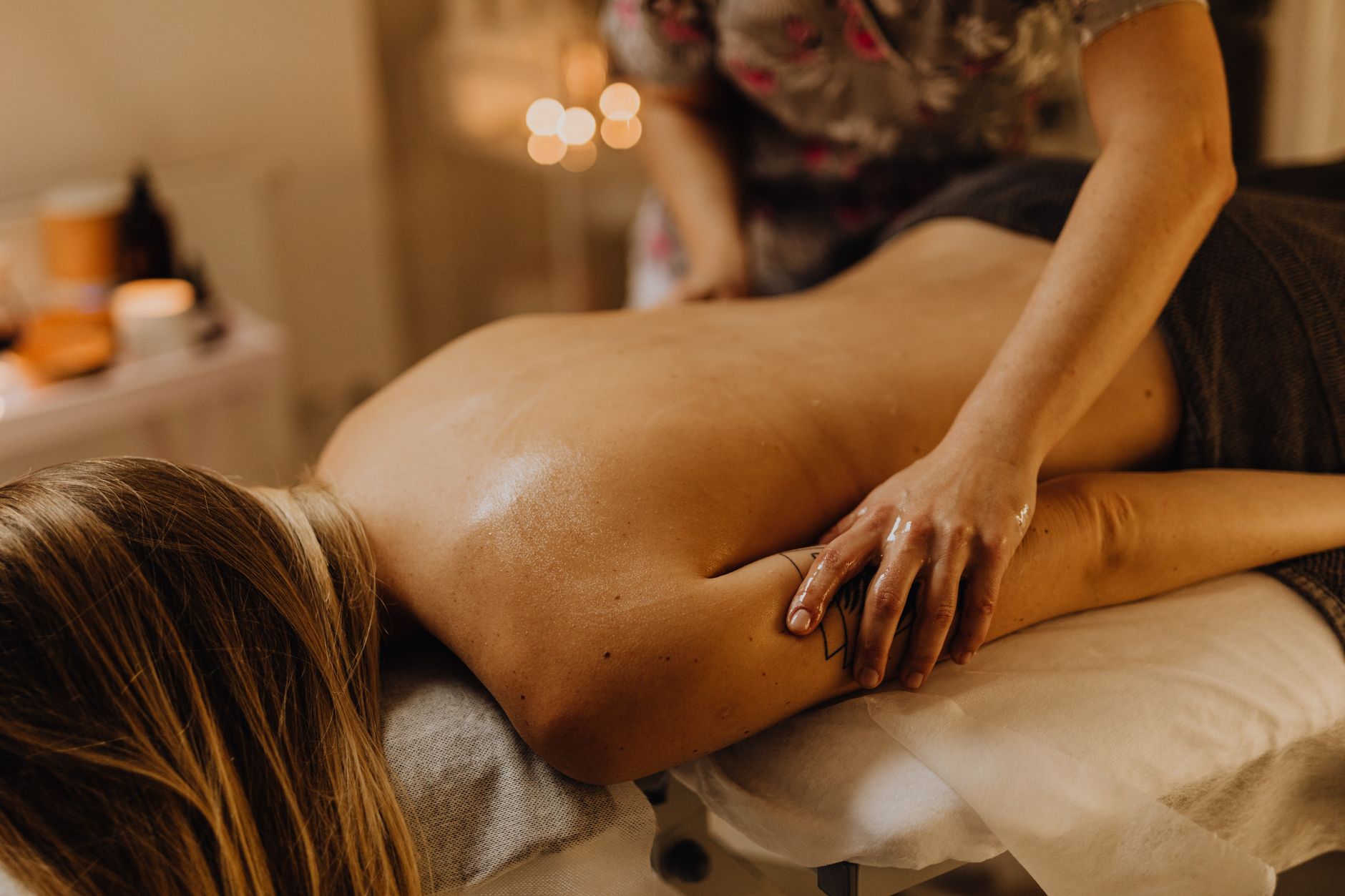
How often should new moms get a therapeutic massage?
When I first started massage, I wanted to go every week. But my therapist gently reminded me: “Your body needs time to integrate the changes.” Frequency depends on your healing progress, energy levels, and goals. Here’s a practical guide to help you decide.
Postpartum massage frequency timeline
Most new moms follow this general schedule, but adjust based on your needs:
Signs you need more frequent massage
Increase sessions if you experience:
- Chronic back or neck pain
- Persistent anxiety or mood swings
- Poor sleep despite other efforts
- Digestive issues (constipation, bloating)
- Pelvic floor dysfunction (leaking, discomfort)
Signs you can space out sessions
If you’re feeling:
- Physically recovered (no pain, good mobility)
- Emotionally stable (sleeping better, less irritable)
- Engaged in other stress-relief activities (yoga, therapy, walks)
You can reduce frequency to once a month or as a “tune-up” when needed.
At-home massage routine
If professional sessions aren’t feasible, try this 5-minute daily routine:
- Shoulders and neck: Use your fingers to massage the base of your skull in slow circles for 1 minute.
- Upper back: Cross your arms and gently press your palms into your upper back, then roll your shoulders forward and back for 1 minute.
- Hands and wrists: Massage your palms and wrists (where tension often builds) for 1 minute.
- Legs: Roll your feet between your hands for 1 minute to improve circulation.
**Pro tip:** Pair your at-home massage with a support group or family therapy session if you’re feeling isolated. Connection amplifies the benefits of self-care.
What are the risks of massage therapy for new moms with breastfeeding?
Breastfeeding moms have one extra question on their minds: “Is this safe for my milk supply?” The short answer is yes, massage is generally safe for breastfeeding moms—but there are a few precautions to keep in mind. The key is choosing the right techniques and avoiding certain oils or pressures.
Safe practices for breastfeeding moms
Most massage therapists are trained to accommodate breastfeeding moms. Here’s how to ensure safety:
- Avoid deep pressure on the breasts: Gentle, light strokes are fine, but avoid firm massage or manipulation of the breast tissue.
- Skip essential oils with hormonal effects: Avoid oils like clary sage, fennel, or thyme, which may affect milk supply. Stick to lavender, chamomile, or frankincense if using aromatherapy.
- Stay hydrated: Massage increases circulation, which can temporarily increase milk supply. Drink extra water post-session to support lactation.
- Check with your therapist: Let them know you’re breastfeeding so they can adjust techniques accordingly.
Potential risks and how to avoid them
While rare, these risks can be mitigated with caution:
- Blocked ducts or mastitis: If you have a history of clogged ducts, ask for lymphatic drainage massage, which can help prevent buildup.
- Increased milk supply: Some moms notice a temporary surge in milk production after massage. If this bothers you, schedule sessions for non-nursing times.
- Sensitivity to touch: If you’re sensitive to pressure, ask for a light touch or Swedish massage instead of deep tissue.
What to ask your massage therapist
Before your session, clarify:
- “Are you trained in postpartum/birthwork?”
- “What oils do you use, and are they safe for breastfeeding?”
- “How will you adapt techniques for my breastfeeding body?”
- “Can you show me gentle self-massage techniques for at home?”
**Representative story:** “I was nervous about massage affecting my milk supply, but my therapist assured me it was fine. She even taught me how to massage my back and shoulders at home. Now, I do it every night before bed, and it’s helped me relax enough to actually sleep—something I thought was impossible.” —Aisha, 30
When to avoid massage while breastfeeding
Skip massage if you’re experiencing:
- Active mastitis or a breast infection
- Severe engorgement or blocked ducts
- Recent surgery (e.g., breast reduction or augmentation)
In these cases, focus on gentle self-care and consult your lactation consultant or healthcare provider.
Does massage therapy improve sleep quality for new moms?
Sleep deprivation is the unspoken curse of new motherhood. I’ve spent countless nights staring at the ceiling, wondering how other moms do it. The answer? Massage. Not as a cure-all, but as a powerful tool to reset your nervous system and improve sleep quality. Here’s how it works—and how to make the most of it.
How massage enhances sleep
Massage lowers cortisol, reduces muscle tension, and increases melatonin (the sleep hormone). It also activates the vagus nerve, which helps shift your body from “hypervigilance” to “rest mode.” Studies show that massage can:
- Increase deep sleep by up to 30%
- Reduce time to fall asleep
- Improve sleep quality and reduce nighttime awakenings
Best massage techniques for sleep
For sleep-focused sessions, ask for these techniques:
- Gentle Swedish massage: Long, flowing strokes to relax the entire body.
- Lymphatic drainage: Light, rhythmic movements to reduce swelling and promote relaxation.
- Aromatherapy: Lavender or chamomile oils can enhance the calming effect.
- Foot reflexology: Targeting pressure points linked to sleep and stress relief.
Pre-sleep massage routine
If you can’t make it to a professional session, try this 10-minute pre-bed routine:
- Warm up: Take a warm shower or bath to relax your muscles.
- Massage your hands and feet: Use a lotion or oil and gently massage each finger and toe for 1 minute.
- Neck and shoulder release: Use your fingertips to massage the base of your skull in circular motions for 2 minutes.
- Back massage: Lie on your side and use a tennis ball to roll along your upper back for 2 minutes.
- Legs and feet: Gently squeeze and release your calves and feet for 2 minutes.
- Full-body stretch: Lie on your back and stretch your arms and legs to release tension.
Creating a sleep-friendly environment
Pair your massage with these sleep-boosting habits:
- Keep your bedroom cool (65–68°F / 18–20°C)
- Avoid screens 1 hour before bed
- Use blackout curtains to block light
- Try a consistent wind-down routine (e.g., reading, meditation, or light stretching)
**Representative story:** “I used to lie in bed for hours, wide awake, while my baby slept beside me. After trying a pre-bed massage, I noticed I fell asleep faster and stayed asleep longer. It’s not a miracle, but it’s given me back some of my sanity.” —Mira, 29

How to prepare for a postpartum massage session
First massage after birth? You’re not alone—many new moms feel nervous about what to expect. The good news is, with a little prep, you can make the most of your session. Here’s how to set yourself up for success.
What to wear
Comfort is key. Opt for:
- Loose, breathable clothing (like a postpartum wrap or leggings)
- A tank top or sports bra for easy access to your back
- Slip-on shoes or socks (you’ll likely be barefoot on the table)
If you’re breastfeeding, wear a nursing-friendly top that’s easy to adjust.
What to bring
Pack these essentials for your session:
- Your baby (if you’re bringing them—many therapists offer baby-friendly massage where you can bring your little one)
- A nursing pillow or blanket for comfort
- A water bottle (massage increases hydration needs)
- A list of concerns (e.g., back pain, anxiety, sleep issues)
- Your healthcare provider’s notes (if you have specific postpartum conditions)
What to tell your therapist
Be upfront about:
- Your delivery type (vaginal, C-section, forceps)
- Any complications (episiotomy, perineal tearing, hemorrhoids)
- Breastfeeding status and any concerns (engorgement, clogged ducts)
- Current medications or supplements
- Your goals (pain relief, stress reduction, sleep, etc.)
What to expect during the session
Most postpartum massages last 60–90 minutes and follow this general flow:
- Check-in: You’ll discuss your concerns and goals.
- Baby care: If you’re bringing your baby, they’ll be in a bassinet or with you (some therapists offer lactation-friendly massage where you can nurse during the session).
- Initial assessment: The therapist will check for tender areas or restrictions.
- Massage: Gentle strokes, pressure points, and techniques tailored to your needs.
- Cool-down: Light stretching or breathing exercises to integrate the session.
- Aftercare: Hydration tips, self-massage techniques, and follow-up advice.
Post-massage care
To maximize benefits, do this after your session:
- Drink 2–3 cups of water to flush out toxins.
- Avoid intense exercise for 2–4 hours.
- Take it easy the rest of the day—rest or gentle movement.
- Monitor your milk supply if breastfeeding (some moms notice a temporary increase).
- Track how you feel the next day (sleep, pain levels, mood).
How to book a postpartum massage
Not all massage therapists specialize in postpartum care. Here’s how to find the right one:
- Look for certified prenatal/postpartum massage therapists (check directories like AMTA or Prenatal Massage Association).
- Ask for referrals from your OB/GYN or lactation consultant.
- Read reviews for postpartum-specific experiences.
- Call ahead to ask about their protocol for breastfeeding moms.
- Consider online directories like Healthline’s massage finder or local doula networks.
**Pro tip:** Many therapists offer home visits or mobile postpartum massage. This can be a lifesaver if you’re recovering at home with a newborn. Ask if they provide baby care services (e.g., soothing your baby while you relax).
What are the long-term benefits of regular massage for new moms?
Massage isn’t just a short-term fix—it’s an investment in your long-term health and well-being. Think of it like self-care on steroids. While the immediate benefits (pain relief, stress reduction) are obvious, the long-term effects can transform your life as a mom. Here’s what regular massage does for you over time.
Physical health benefits
Consistent massage helps:
- Prevent chronic back and neck pain (common in moms who carry babies for years)
- Improve pelvic floor function and reduce incontinence
- Enhance posture and mobility (critical as kids grow and you carry them longer)
- Reduce joint stiffness from years of breastfeeding and carrying
- Support hormonal balance as you transition through perimenopause
Mental health benefits
Regular massage becomes a mental health anchor for new moms:
- Builds resilience to stress over time
- Reduces symptoms of postpartum depression and anxiety long-term
- Improves emotional regulation (helps you handle meltdowns, sleep deprivation, and parenting frustrations)
- Strengthens body awareness, helping you recognize tension before it becomes chronic
- Enhances parenting joy by reducing emotional exhaustion
Relationship and family benefits
Massage isn’t just for you—it ripples into your family dynamics:
- More patience and emotional availability for your partner and kids
- Less irritability, meaning fewer conflicts at home
- Better energy levels to engage in family activities
- Stronger bonding with your baby (less stress = more present, loving interactions)
Lifestyle benefits
Over time, massage helps you:
- Develop healthier habits (better sleep, hydration, movement)
- Feel more confident in your body as it recovers and changes
- Reduce reliance on medications for pain or anxiety
- Create a self-care routine that extends beyond postpartum
- Model self-compassion for your kids (they learn to prioritize their own well-being too)
Many moms find that massage becomes a lifelong practice, not just a postpartum hack. As your kids grow, you’ll use it to:
- Manage stress from school drop-offs and pick-ups
- Recover from sports injuries or overuse (carrying groceries, playing tag)
- Ease hormonal shifts during perimenopause
- Address chronic pain from years of parenting
**Representative story:** “I started massage when my daughter was six weeks old, thinking it was just for the immediate pain. But now, at 3 years old, I still get monthly massages—and I’ve noticed how much it’s helped me handle the chaos of parenting. I’m less snappy, I sleep better, and I actually enjoy my body again. It’s not just a luxury; it’s a necessity.” —Lena, 34
Myth vs. Fact: Postpartum Massage
Myths about postpartum massage can hold new moms back from experiencing its full benefits. Let’s set the record straight.
Myth: “Massage is too intense after birth.”
Fact: Postpartum massage is designed to be gentle and adaptive. Therapists specializing in birthwork avoid deep pressure on healing tissues and focus on relaxation and circulation. The goal is to support recovery, not cause discomfort.
Myth: “Massage will hurt my milk supply if I’m breastfeeding.”
Fact: Massage is safe for breastfeeding moms when done correctly. Avoid deep breast manipulation, and opt for light strokes or lymphatic drainage. Some moms even notice a temporary increase in milk supply due to improved circulation, but this is harmless and often welcome.
Myth: “I don’t have time for massage.”
Fact: Massage doesn’t have to be a long, expensive session. Many moms benefit from short, frequent sessions (e.g., 30-minute appointments) or at-home routines (5–10 minutes daily). Even a few minutes of self-massage in the morning or before bed can make a difference.
Myth: “Massage is only for physical pain.”
Fact: While massage does relieve physical tension, its mental health benefits are just as powerful. It reduces anxiety, improves mood, and helps with postpartum depression and emotional regulation. Many moms report feeling more emotionally present with their babies after a session.
Myth: “I can’t get a massage if I had a C-section.”
Fact: You can safely get massage after a C-section, but wait until your incision is fully healed (typically 4–6 weeks). Avoid deep pressure on the scar, and choose a therapist experienced in abdominal massage for C-section recovery. This can help soften scar tissue and improve mobility.
Key Takeaways: Massage Therapy for New Moms
- Massage is safe and beneficial for most new moms within 2–4 weeks postpartum, depending on delivery type.
- It reduces pain, improves circulation, and lowers stress—critical for postpartum recovery.
- Gentle techniques like Swedish massage or trigger point therapy are ideal for back pain and tension.
- Massage can reduce anxiety and improve sleep quality, making it a powerful tool for mental health.
- Breastfeeding moms can safely enjoy massage with light pressure and safe oils.
- Start with monthly sessions and gradually increase frequency as your body heals.
- Look for certified prenatal/postpartum therapists who understand your unique needs.
- At-home massage routines can supplement professional sessions when time is limited.
- Massage offers long-term benefits, from chronic pain relief to emotional resilience.
Frequently Asked Questions
What are the benefits of massage therapy for new moms?
Massage therapy offers a triple benefit for new moms: it eases physical pain (back, neck, hips), reduces stress and anxiety (lowering cortisol and increasing serotonin), and improves sleep quality (by relaxing the nervous system). For breastfeeding moms, it can also support milk production and lymphatic drainage when done gently. Many moms report feeling more emotionally present with their babies after a session, which is a game-changer during the sleep-deprived early months.
Is massage therapy safe for breastfeeding mothers?
Yes, massage is generally safe for breastfeeding moms when done correctly. The key is avoiding deep pressure on the breasts and using light, supportive techniques. Skip essential oils with hormonal effects (like clary sage or fennel) and opt for lavender or chamom



