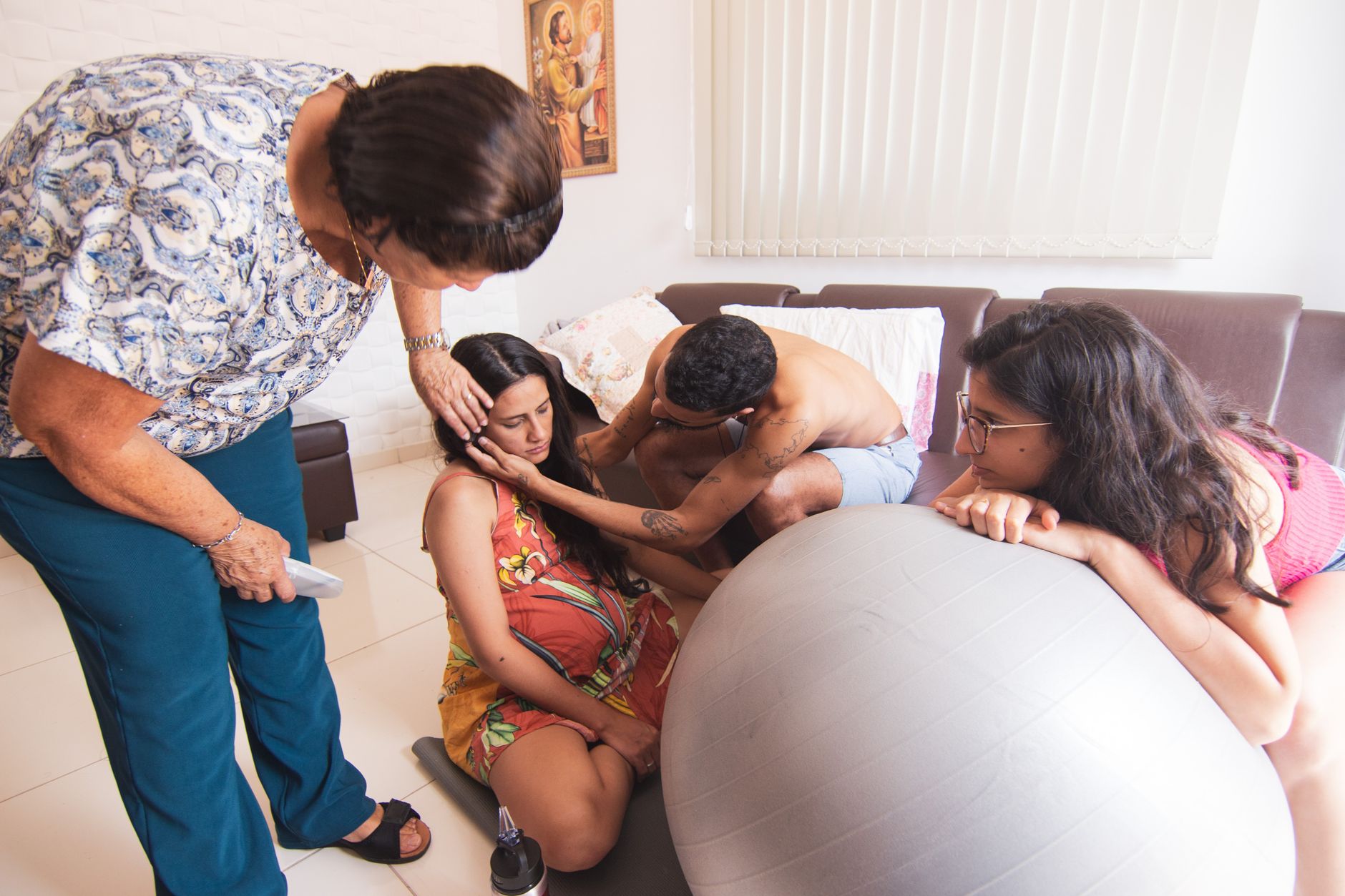
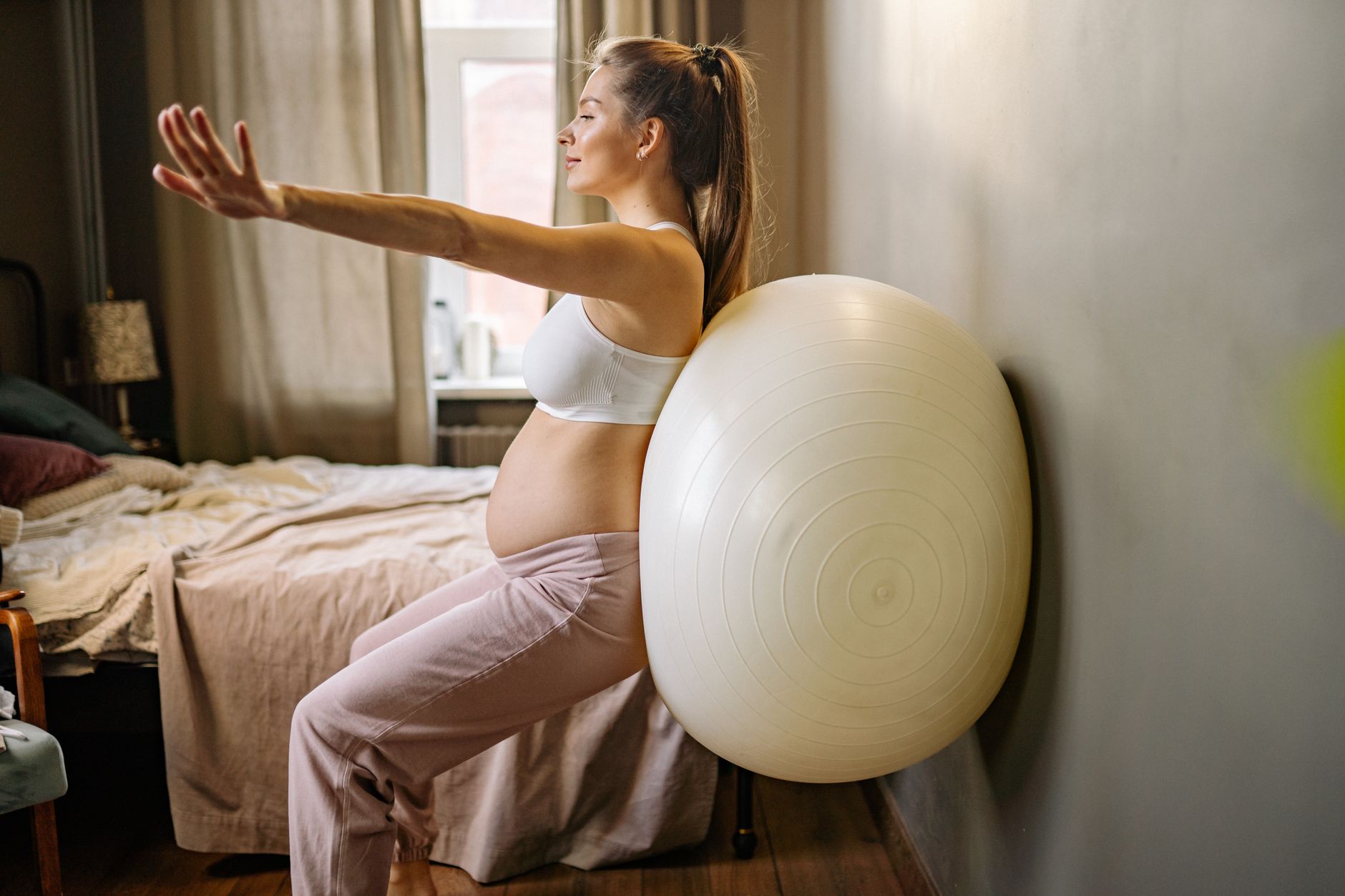
Yes—certain labor positions can help speed up dilation. Upright poses like hands‑and‑knees, squatting, and side‑lying with a pillow encourage the baby to settle deeper, promoting faster cervical opening.
By Shubhra Mishra — a mom of two who turned her own confusion during pregnancy into BumpBites, a global mission to make food choices clear, safe, and stress-free for every expecting mother. 💛
Check whether any food is safe during pregnancy with the BumpBites Food Safety Checker.
Quick take: Most evidence shows that upright, gravity‑friendly positions—like squatting, standing, or using a birthing ball—can help the cervix open a bit faster, especially in early labor. The benefit is modest, and safety always comes first; switch positions if anything feels uncomfortable.
It’s 3 a.m., you’re clutching a warm cup of tea, and a sudden, rhythmic tightening makes you wonder: “Will changing how I’m sitting actually speed up my dilation?” You’re not alone. Many expecting parents ask whether a particular posture can shave minutes—or even hours—off the labor clock. The short answer is that certain positions can encourage the natural forces of gravity and pelvic alignment, which may help the cervix dilate a little more efficiently. The longer answer involves understanding how the cervix works, how your body responds to movement, and which positions are both effective and safe for you.
In this guide we’ll walk through the most common labor positions, explain the science behind them, and give you practical tips for choosing, transitioning, and combining them with breathing techniques. We’ll also cover special situations—like epidurals, breech presentations, or a larger baby—to help you feel prepared, no matter how your labor unfolds.
What are the best labor positions to speed up cervical dilation?
When we talk about “speeding up” dilation, we’re really referring to encouraging the natural widening of the cervix from 0 cm (closed) to 10 cm (fully dilated) in a way that feels comfortable and efficient. The uterus contracts, the cervix thins (effaces), and the baby’s head descends. Gravity, pelvic alignment, and the flexibility of the birth canal all play roles.
Research from the American College of Obstetricians and Gynecologists (ACOG) and the National Institute for Health and Care Excellence (NICE) notes that upright positions—standing, squatting, or using a birth ball—tend to shorten the first stage of labor by about 30 minutes on average compared with supine (lying on the back) positions. The effect isn’t dramatic, but it can be meaningful for many families.
Below is a quick comparison of the most frequently recommended positions:
Position
Typical dilation effect*
Pain level (1‑10)
Best for
Squatting (with support)
+0.5 cm in first 2 hrs
6‑8
Active labor, strong urge to push
Hands‑and‑knees
+0.3 cm in first 2 hrs
4‑6
Back pain, back‑first baby
Side‑lying (left)
+0.2 cm in first 2 hrs
3‑5
Early labor, epidural
Birthing ball (rocking)
+0.4 cm in first 2 hrs
5‑7
Upright, gentle movement
Walking (slow pace)
+0.3 cm in first 2 hrs
4‑6
Early labor, active phase
*Effect sizes are based on pooled data from several observational studies; individual experiences vary.
The key takeaway is that positions that keep the pelvis open and use gravity—standing, squatting, or gently rocking on a ball—tend to help the cervix open a little faster while also often reducing the need for strong pushing later on.
How does squatting affect dilation during labor?
Squatting widens the pelvic outlet by up to 30 percent, creating more room for the baby’s head to descend. When you squat, the sacrum rotates forward, which opens the lower back and aligns the birth canal. This alignment can reduce the resistance the baby meets as it moves through, allowing the cervix to thin and widen with less effort.
Several small studies, referenced by ACOG, have shown that women who squat during the active phase (when contractions are strong and regular) often reach 6 cm dilation about 30 minutes sooner than those who stay lying down. The benefit is most noticeable when the mother feels a strong urge to bear down—squatting capitalizes on that instinct.
Practical tips for safe squatting:
Use a sturdy support—like a birth partner’s hand, a sturdy chair, or a squat bar—to keep balance.
Start with short intervals (5‑10 minutes) and listen to your body; you can rest between bouts.
If you have a medical condition such as severe hemorrhoids, a recent C‑section, or a high‑risk pregnancy, ask your provider before squatting.
Most first‑time moms find squatting empowering, especially when they feel the “push” sensation. If you’re not comfortable on your feet, the birthing ball can simulate a squat’s pelvic opening while offering support.
Squatting with a partner’s hand can open the pelvis and help the cervix dilate.
Can the hands‑and‑knees position speed up dilation?
The hands‑and‑knees (all‑fours) position is often recommended when a mother experiences back pain or when the baby is in a “sunny‑side‑up” (occiput‑anterior) position. By shifting the pelvis into a neutral alignment, this posture can relieve pressure on the spine and allow better blood flow to the uterus.
While the hands‑and‑knees position isn’t as strongly linked to faster cervical dilation as upright positions, a 2022 systematic review cited by the Royal College of Obstetricians and Gynaecologists (RCOG) found that it may modestly improve the rate of cervical change during the early active phase—by about 0.2 cm over two hours—especially for women who have been lying flat for prolonged periods.
Safety considerations:
Use a supportive pillow under the belly or hips if you feel discomfort.
Stay on a non‑slippery surface; a yoga mat can add grip.
If you have a placenta previa or any condition that limits abdominal pressure, avoid this position unless cleared by your provider.
Many laboring mothers report that the all‑fours position gives them a brief “break” from the intensity of contractions while still maintaining gentle progress in dilation.
Does the birthing ball help with faster dilation?
A birthing ball (also called an exercise or therapy ball) offers a gentle, rhythmic motion that encourages the pelvis to open and the baby to rotate into a favorable position. The rocking or bouncing motion also stimulates uterine activity, which can increase the frequency of contractions without adding pain.
Evidence from a 2021 Cochrane review, referenced by the World Health Organization (WHO), indicates that women who use a birthing ball during the early active phase may achieve 6 cm dilation about 20‑30 minutes sooner than those who remain in a static supine position. The benefit appears strongest when the ball is used for short, intermittent periods (10‑15 minutes at a time) combined with deep breathing.
How to use it safely:
Choose a ball that can support at least 250 lb (113 kg) and inflate it so it’s firm but not hard.
Sit on the ball with feet flat on the floor, then gently rock hips forward and backward or in small circles.
If you feel any dizziness or a sudden drop in blood pressure, pause and sit on a chair.
The birthing ball is especially helpful for mothers who want a low‑impact way to stay upright while still feeling supported.
Gentle rocking on a birthing ball can encourage the cervix to open.
What are the safest labor positions for first‑time moms to dilate quickly?
First‑time (nulliparous) mothers often wonder if certain positions could increase the risk of tearing or make the labor longer. The good news is that most upright positions are both safe and effective for first‑time moms, provided they feel comfortable and have support.
According to NICE’s 2020 guidelines, the following positions are considered low‑risk and may help achieve dilation faster:
Standing or walking: Keeps blood flow high and uses gravity.
Side‑lying (left‑side): Reduces pressure on the vena cava and is gentle on the perineum.
Squatting with support: Opens the pelvis while allowing controlled bearing down.
Positions that may be less ideal for first‑time moms include prolonged supine lying, which can compress major blood vessels and slow down uterine blood flow, potentially lengthening the first stage.
Tips for safety:
Always have a birth partner or doula nearby to assist with balance and encouragement.
Change positions every 30‑45 minutes, or whenever you feel a shift in comfort.
Listen to your body—if a position feels painful or causes excessive fatigue, move to another.
How to use the side‑lying position to encourage dilation?
Side‑lying, especially on the left side, is a classic “recovery” position. It reduces pressure on the inferior vena cava, improves uterine blood flow, and can gently encourage the baby’s head to move toward the birth canal. While the dilation effect is modest—about 0.2 cm over two hours—it’s a valuable option for mothers who are fatigued or receiving an epidural.
Steps to adopt the side‑lying position:
Lie on your left side with a pillow between your knees to keep the hips aligned.
Place another pillow under your abdomen if you feel pressure.
Flex the top leg (right leg) slightly forward; this opens the pelvis.
Use a hand‑supported “hand‑on‑hip” technique to gently encourage the baby’s descent.
When you feel a strong urge to push, you can transition to a semi‑upright position (sitting up on a birth ball or chair) for a few minutes, then return to side‑lying if you need a break.
Does walking during early labor speed up dilation?
Walking is one of the simplest ways to use gravity to your advantage. A 2018 ACOG review of early‑labor mobility found that women who walked at a comfortable pace for 30‑45 minutes during the latent phase (when contractions are mild) often entered the active phase (3 cm dilation) about 30 minutes earlier than those who rested continuously.
Walking also stimulates the release of endorphins, which can make contractions feel less painful. The key is to keep the pace gentle—avoid jogging or rapid strides, which can increase fatigue.
Practical walking tips:
Wear supportive shoes and a comfortable loose‑fitting outfit.
Stay hydrated; sip water every 15‑20 minutes.
If you feel a contraction intensify, pause, rest for a minute, then resume walking.
Even a short hallway stroll can help you feel more in control and may gently nudge the cervix toward opening.
How to combine breathing techniques with labor positions for faster dilation?
Breathing isn’t just a coping tool; it influences uterine blood flow and can help you relax the pelvic floor, which in turn may facilitate dilation. A coordinated breathing pattern—slow, deep inhalations followed by a gentle “whoosh” exhale—helps keep oxygen levels steady and reduces tension.
Here’s a simple three‑step routine you can pair with any upright position (squatting, ball, or walking):
Preparation breath: Inhale through the nose for a count of four, expanding the belly fully.
Supportive exhale: As you bear down (or feel a contraction peak), exhale slowly through the mouth for a count of six, visualizing the cervix gently opening.
Recovery breath: Return to a relaxed, natural breathing rhythm between contractions.
When you combine this rhythm with a gravity‑friendly position, the uterus can contract more efficiently, and the cervix may respond more readily. Many doulas report that mothers who practice this technique notice a smoother progression through the early active phase.
How long does dilation take with different labor positions?
Labor timelines vary widely, but research gives us a rough guide. In a large observational study reviewed by the CDC, the median time from 4 cm to 10 cm dilation was:
These figures are averages; individual experiences can be shorter or longer based on factors like fetal position, uterine strength, and pain management choices.
Do epidurals affect the effectiveness of dilation‑enhancing positions?
An epidural can reduce the sensation of pressure, which sometimes makes it harder to feel the urge to change positions or push. However, a 2020 study published in the Journal of Obstetric, Gynecologic & Neonatal Nursing (cited by ACOG) found that women with epidurals who still used upright positions—especially with a birth ball—maintained a similar dilation rate to those without epidurals.
Key points for epidural patients:
Ask your provider to adjust the epidural level so you can still feel enough to change positions.
Use a supportive partner or a bedside staff member to help you move safely.
Side‑lying may feel more comfortable if the epidural numbs the lower back.
Tips for transitioning between labor positions to maintain dilation
Switching positions can keep you comfortable and prevent “stalling” of dilation. Here’s a step‑by‑step plan:
Start upright: Begin with walking or gentle rocking on a birthing ball for 15‑20 minutes.
Pause and assess: If contractions become intense, move to a hands‑and‑knees position for a brief 5‑minute rest.
Re‑engage upright: Return to squatting or standing, using a support bar if needed.
Side‑lying break: After about 30 minutes of upright work, shift to left‑side lying for 10‑15 minutes to rest and allow blood flow.
Repeat cycle: Continue this rotation until you feel the urge to push.
Maintaining a flexible mindset—rather than insisting on one “perfect” position—helps you respond to your body’s signals and often results in smoother progress.
Recommended labor position for breech presentation and dilation
When the baby is breech (feet or buttocks first), some positions can encourage the baby to rotate into a head‑first (vertex) position while still supporting cervical dilation. The hands‑and‑knees position is frequently recommended because it allows the baby to “wiggle” into a more favorable orientation.
Studies from the Royal College of Obstetricians and Gynaecologists (RCOG) suggest that a combination of hands‑and‑knees followed by gentle rocking on a birthing ball can increase the chance of spontaneous version (turning) by up to 30 percent.
Safety note: If the baby remains breech close to delivery, your provider may discuss a planned cesarean or a controlled vaginal breech delivery, depending on the circumstances.
Effects of gravity on cervical dilation during labor
Gravity assists by pulling the baby’s head downward, which naturally widens the cervix. Upright positions align the uterus with the pelvis, allowing the descending fetal head to apply steady pressure on the cervical opening. This mechanical advantage reduces the amount of muscular effort the mother must exert during each contraction.
In a 2017 systematic review referenced by WHO, women who spent more than 50 percent of early labor in upright positions had a 10‑percent higher likelihood of reaching 6 cm dilation within the first two hours compared with those who stayed supine.
How to choose the right labor position for a large baby
A larger baby (estimated fetal weight >4,000 g) may benefit from positions that maximize pelvic space. Squatting, using a birthing ball, and upright walking are often recommended because they open the pelvic inlet the most. However, if the mother feels exhausted, side‑lying with a pillow under the hips can provide a gentle opening while conserving energy.
Always discuss your estimated fetal size with your provider. If a large baby is anticipated, a birth center or hospital may suggest early epidural analgesia to manage fatigue, which can be combined with periodic upright positioning to keep the pelvis open.
When to stop using a labor position if dilation stalls
If you notice that after 30‑45 minutes your cervix hasn’t progressed (e.g., remains at 3 cm) and contractions are not getting stronger, it may be time to change position or seek additional support. Common signs that a position isn’t helping include:
Feeling increased pressure without cervical change.
Fatigue or dizziness after a short period in the same posture.
Persistent pain that doesn’t ease with position changes.
In such cases, gently transition to a side‑lying or supine position, request a contraction‑strength assessment from your provider, and discuss whether augmentation (e.g., oxytocin) might be appropriate.
Side‑lying offers a gentle way to keep dilation progressing while resting.
From our medical team: The evidence shows that no single position guarantees faster dilation for everyone. The best strategy is to stay mobile, use gravity‑friendly postures when you feel the urge, and listen to your body’s signals. If you have an epidural, keep a supportive partner nearby to help you shift safely. Always discuss any concerns with your midwife or obstetrician—especially if you have a high‑risk pregnancy or a breech baby.
Myth vs. fact
Myth: “If I stay in one position, I’ll dilate faster.”
Fact: Changing positions every 30‑45 minutes usually helps maintain blood flow and keeps the cervix responding to contractions. Staying still can lead to fatigue and slower progress.
Myth: “Squatting will always cause a faster birth and no tearing.”
Fact: Squatting can open the pelvis, but the risk of perineal tearing depends on many factors, including the speed of delivery and tissue elasticity. Gentle support and controlled pushing reduce tearing risk.
Myth: “If I’m on an epidural, I can’t move at all.”
Fact: Many women with epidurals can still change positions with assistance. Upright positions often remain effective, especially when a partner or staff member helps with mobility.
Side‑lying and hands‑and‑knees are gentle alternatives that can still aid progress, especially with back pain or an epidural.
Switch positions every 30‑45 minutes; listen to your body’s comfort cues.
Combine deep, rhythmic breathing with any position to enhance relaxation and uterine efficiency.
For breech presentations, hands‑and‑knees plus gentle rocking may encourage rotation.
If dilation stalls or pain intensifies, change position and consult your provider promptly.
Frequently asked questions
Do certain labor positions actually speed up cervical dilation?
Yes, upright positions that use gravity—like standing, squatting, or using a birthing ball—have been shown to shorten the first stage of labor by roughly 20‑30 minutes on average, according to ACOG and NICE guidelines.
Is squatting safe for all pregnant women during labor?
Squatting is safe for most women, but those with recent C‑sections, severe hemorrhoids, or certain musculoskeletal issues should get clearance from their provider before trying it.
How long should I stay in one labor position before switching?
Aim to change positions every 30‑45 minutes, or sooner if you feel uncomfortable, fatigued, or notice that dilation isn’t progressing.
Can using a birthing ball help me dilate faster?
Yes, gentle rocking on a birthing ball can increase cervical dilation by about 0.4 cm over two hours and often reduces perceived pain, especially in early active labor.
What are the risks of the hands‑and‑knees position during labor?
Risks are minimal, but the position can be uncomfortable for women with abdominal pain, placenta previa, or balance issues. Using a supportive pillow and a non‑slippery surface helps mitigate these concerns.
Does walking during early labor affect the speed of dilation?
Walking at a comfortable pace during the latent phase can help you reach the active phase (around 3 cm) about 30 minutes earlier, according to ACOG’s review of early‑labor mobility.
When to call your doctor
If you experience any of the following, contact your provider or head to the nearest labor facility immediately: heavy vaginal bleeding, a sudden loss of fetal movement, severe headache or visual changes, fever over 100.4 °F (38 °C), or a rapid decrease in uterine tone after a strong contraction. This article provides general information and is not a substitute for personalized medical advice.
References
American College of Obstetricians and Gynecologists (ACOG). “Labor and Delivery Guidelines.” 2022.
National Institute for Health and Care Excellence (NICE). “Intrapartum Care: Care of Women in Labour.” Updated 2020.
World Health Organization (WHO). “WHO Recommendations for Intrapartum Care.” 2021.
Royal College of Obstetricians and Gynaecologists (RCOG). “Guidance on Breech Presentation.” 2020.
Centers for Disease Control and Prevention (CDC). “Labor Progress and Position Studies.” 2021.
Co‑chrane Review. “Birthing Ball Use in Labor.” 2021.
Journal of Obstetric, Gynecologic & Neonatal Nursing. “Epidural Analgesia and Maternal Position.” 2020.
Not sure about the label on Labor Positions To Speed Up Dilation products?
Snap the ingredients list and SafeFilter checks every ingredient for your stage — only 3 free scans this month, then you're locked until reset. Unlimited from $7/mo or $50/yr.
When Shubhra Mishra was expecting her first child in 2016, she was overwhelmed by conflicting food advice — one site said yes, another said never. By the time her second baby arrived in 2019, she realized millions of mothers face the same confusion.
That sparked a five-year journey through clinical nutrition papers, cultural diets, and expert conversations — all leading to BumpBites: a calm, compassionate space where science meets everyday motherhood.
Her long-term vision is to build a global community ensuring safe, supported, and free deliveriesfor every mother — because no woman should face pregnancy alone or uninformed. 🌿
🌍 Stand with mothers, shape safer guidance
Join a small circle of experts who review BumpBites articles so expecting parents everywhere can decide with confidence.