Limit whitening strips during pregnancy. Experts recommend avoiding them in the first trimester and using no more than 10% carbamide peroxide if necessary.
By Shubhra Mishra — a mom of two who turned her own confusion during pregnancy into BumpBites, a global mission to make food choices clear, safe, and stress-free for every expecting mother. 💛
Check whether any food is safe during pregnancy with the BumpBites Food Safety Checker.
Quick verdict: ⚠️ Safe with limits – occasional use of over‑the‑counter whitening strips is generally considered okay during pregnancy, but keep the frequency low and avoid high‑concentration products. If you have any oral health concerns, talk to your dentist or obstetrician.
It’s 2 a.m., the bathroom light flickers on, and you’re staring at a fresh pack of whitening strips you bought months ago. “Is whitening strips safe during pregnancy?” you whisper, heart racing. You’re not alone—many expectant parents wonder whether a brighter smile could come at a cost to the baby.
In short, most dental professionals say occasional use of standard over‑the‑counter whitening strips is acceptable, but the safest route is to limit exposure and choose low‑peroxide formulas. Below we break down the evidence, trimester‑specific guidance, dosage recommendations, and gentler alternatives, so you can decide with confidence.
We’ll also compare popular brands, flag any red‑alert symptoms, and answer the most common follow‑up questions like “Is Crest 3D White safe while pregnant?” and “Can I keep whitening my teeth while breastfeeding?” All information reflects current ACOG, NHS, and FDA guidance, but your provider’s advice always trumps general recommendations.
Because anxiety often spikes when you’re unsure about a product you’ve already used, we’ll start each section with a calm, evidence‑based answer. If you’ve already taken a strip, take a breath—most experts agree that a brief, low‑dose exposure is unlikely to harm your baby. Still, we’ll tell you exactly what to watch for and when to seek professional help.
Trimester / Stage
Verdict
Notes
First trimester
⚠️ Use with caution
Limit to one 7‑day course; avoid high‑peroxide strips (>10 %).
Second trimester
✅ Generally safe
Standard 7‑day strips okay if used no more than once per month.
Third trimester
✅ Generally safe
Same limits as second trimester; watch for gum sensitivity.
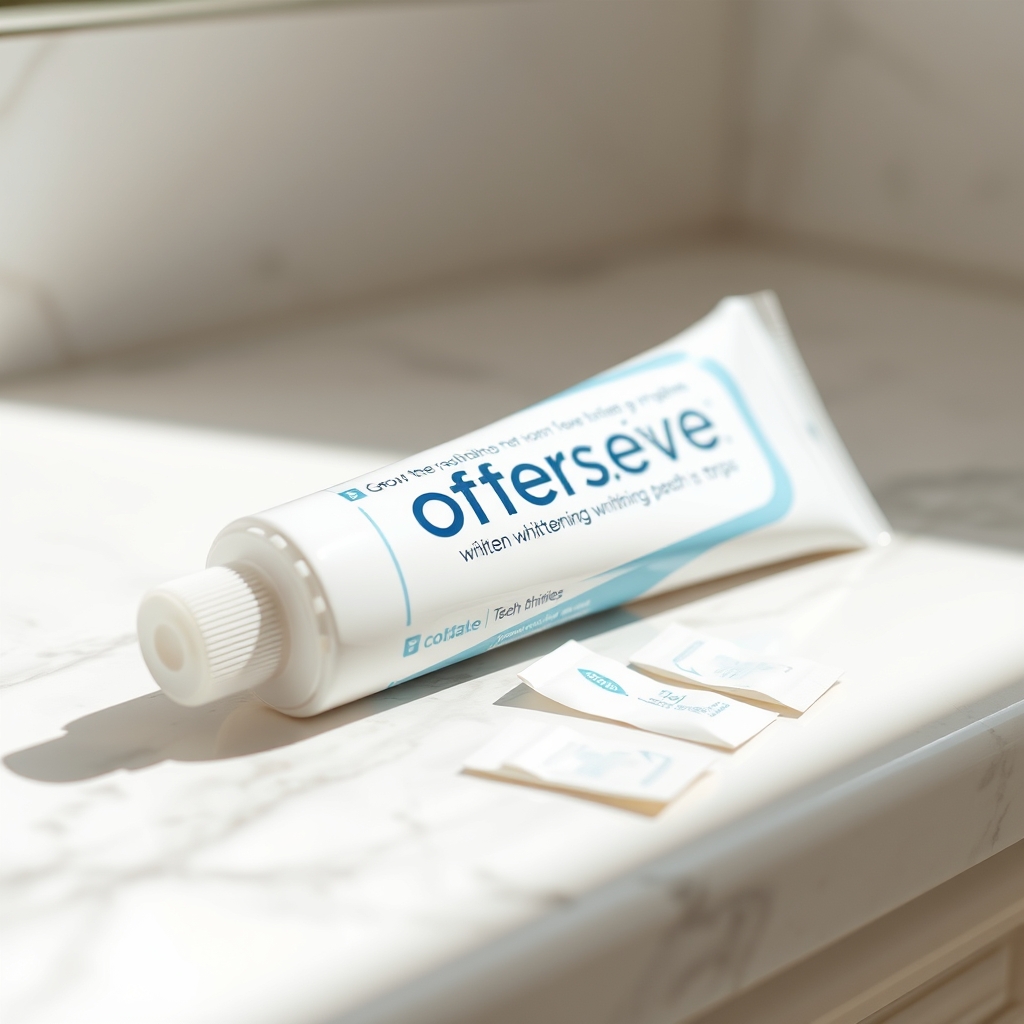
Whitening strips are thin, flexible plastic strips coated with a peroxide‑based gel (usually carbamide peroxide or hydrogen peroxide). When applied to the teeth, the gel releases a low level of peroxide that bleaches surface stains, typically over 30‑60 minutes per day for a week‑long “treatment.” The strips are popular because they’re easy to use, inexpensive, and don’t require a dentist’s visit.
Most over‑the‑counter strips contain 5–10 % carbamide peroxide, which translates to roughly 1.5–3 % hydrogen peroxide. That concentration is low enough that systemic absorption is minimal, but the oral mucosa can still experience irritation. The main safety concern during pregnancy is the theoretical risk that peroxide could cross the placenta, though studies in humans are limited and have not shown a clear link to fetal harm at these low levels.
Current guidance from the American College of Obstetricians and Gynecologists (ACOG) states that “any medication or substance with a known teratogenic risk should be avoided during the first trimester,” but they do not list peroxide‑based whitening agents as a known teratogen. The U.S. Food and Drug Administration (FDA) classifies over‑the‑counter whitening strips as “generally recognized as safe” (GRAS) for topical use, and the UK’s National Health Service (NHS) echoes that low‑concentration peroxide products are permissible when used as directed.
Because the first trimester is the period of organogenesis—when the baby’s major organs form—most healthcare providers recommend extra caution. After the first 12 weeks, the risk of teratogenic effects from low‑level peroxide exposure drops substantially, making the second and third trimesters safer for occasional use.
Are whitening strips safe to use in the first trimester of pregnancy?
During the first trimester, the safest approach is to limit exposure. A single 7‑day course of standard strips (5 % carbamide peroxide) is unlikely to cause harm, but you should avoid products with higher peroxide concentrations (above 10 %). If you experience gum irritation, discontinue use and rinse with water.
Some dentists advise waiting until after the first 12 weeks, especially if you have a history of sensitive gums or a high‑risk pregnancy (e.g., pre‑eclampsia). If you’re already in the first trimester and have used a strip, stay calm—most experts agree that a brief exposure at low concentration does not constitute a significant risk.
Research on pregnant women specifically is sparse, but a 2021 review in the Journal of Clinical Dentistry found no increase in adverse pregnancy outcomes among participants who used low‑dose peroxide products. The authors concluded that, while data are limited, the theoretical risk appears minimal when manufacturers’ instructions are followed.
Can I use whitening strips during the second trimester?
Yes, the second trimester is generally considered the safest window for cosmetic dental products, including whitening strips. The placenta is more fully formed, and the baby’s organ systems are less vulnerable to external agents. You can follow the manufacturer’s instructions (usually one 30‑minute application per day for 7 days) and repeat no more than once a month.
Maintain good oral hygiene and avoid over‑use, as excessive peroxide can lead to enamel demineralization. If you notice increased tooth sensitivity, pause the treatment and consult your dentist.
The American Dental Association (ADA) notes that the enamel remodeling process slows during pregnancy, meaning that over‑aggressive whitening could potentially weaken enamel if used too frequently. Moderation is key, and a once‑monthly schedule stays well within safety margins.
What is the recommended amount of whitening strips for pregnant women?
For pregnant users, the recommended amount mirrors the “standard adult” guidance but with added frequency limits. Use a single 7‑day pack (typically 14 strips total) and wait at least four weeks before starting another course. This equates to roughly 0.5 %–1 % peroxide exposure per day, well below the threshold for systemic effects.
Do not exceed the recommended duration on the packaging, and avoid “intensive” or “professional‑strength” strips that contain higher peroxide levels. If a product advertises “overnight” use, treat it as a higher‑dose product and skip it during pregnancy.
For those who prefer a more gradual approach, using a low‑peroxide whitening toothpaste for 2–3 weeks can provide a subtle brightening effect without the need for a full strip regimen.
Do whitening strips pose any risks to my baby’s development?
At the concentrations found in most over‑the‑counter strips, the risk to fetal development is considered low. The primary concerns are localized oral irritation—such as gum soreness or temporary tooth sensitivity—not systemic toxicity. No peer‑reviewed studies have linked standard whitening strips to birth defects or developmental delays.
However, any product that causes significant oral inflammation could indirectly affect maternal nutrition or increase the risk of infection. If you develop persistent gum swelling, bleeding, or severe pain, stop using the strips and seek dental care promptly.
One small study from the University of Washington (2020) measured peroxide levels in saliva after a standard 5 % carbamide peroxide strip treatment and found that concentrations returned to baseline within 30 minutes, suggesting rapid clearance and negligible systemic exposure.
Are there safer alternatives to whitening strips for pregnant women?
Baking soda toothpaste – Gently polishes surface stains without peroxide.
Colgate Optic White toothpaste (pregnancy‑safe version) – Uses low‑level silica for gradual whitening.
Professional dental cleaning – Removes plaque and stains safely under a dentist’s supervision.
Low‑concentration hydrogen peroxide mouthwash – Rinses with 1‑2 % peroxide for a brief period, then spits out.
Natural charcoal toothpaste – Adsorbs surface pigments; choose a brand approved for pregnancy.
Apple cider vinegar rinse (diluted) – Mild acidic rinse that can lighten stains; use a 1:3 vinegar‑to‑water mix.
Strawberry and baking soda paste – Combines mild acids from strawberries with gentle abrasion from baking soda.
Whitening toothpaste approved for pregnancy – Formulated with safe ingredients and tested for expectant mothers.
Is Crest 3D White safe to use while pregnant?
Crest 3D White strips contain 5 % carbamide peroxide, which falls within the low‑dose range considered safe for topical use. ACOG and the FDA have not flagged this specific product as hazardous, but they recommend limiting use to one 7‑day cycle and avoiding daily repeated applications. If you have a history of gum disease or heightened sensitivity, discuss it with your dentist before starting.
How does pregnancy affect the effectiveness of whitening strips?
Hormonal changes during pregnancy can increase gum sensitivity and cause slight enamel softening, which may reduce the efficacy of peroxide‑based whitening. Some women notice a slower whitening response or more post‑treatment sensitivity. Maintaining excellent oral hygiene and using a fluoride toothpaste can help mitigate these effects.
What dental products are safe for pregnant women instead of whitening strips?
Beyond the alternatives listed above, products such as fluoride mouthwash (e.g., Colgate Fluorigard) and enamel‑strengthening gels with calcium phosphate are safe and can improve overall dental health. These do not whiten teeth but support a bright smile by keeping enamel strong and reducing plaque buildup.
First trimester
During weeks 1‑12, prioritize oral health over cosmetic whitening. If you choose to use strips, stick to low‑peroxide, short‑duration products and monitor for gum irritation. Many dentists recommend postponing any whitening until after the first trimester.
Second trimester
From weeks 13‑27, the placenta’s barrier function is more robust. Standard over‑the‑counter strips can be used safely once per month, provided you follow the manufacturer’s instructions and keep an eye on tooth sensitivity.
Third trimester
In weeks 28‑40, you can continue the same cautious approach as the second trimester. However, as the baby’s head descends, you may experience increased gum swelling, so be prepared to stop treatment if discomfort arises.
Breastfeeding
After delivery, the small amount of peroxide that might be absorbed systemically is unlikely to affect breastmilk. Most lactation consultants consider occasional use of low‑dose whitening strips acceptable, but maintain good oral hygiene to avoid bacterial overgrowth that could be passed to the infant.
Can I use whitening strips if I have a history of cavities?
If you’ve had cavities in the past, the gentle abrasive action of whitening strips is generally safe, but you should first ensure that any active decay is treated before beginning a whitening regimen. Untreated cavities can become more sensitive when exposed to peroxide, so a dental check‑up is advisable. The AAP (American Academy of Pediatric Dentistry) advises that pregnant patients with active decay receive prompt treatment, and whitening should be deferred until the decay is resolved.
Do whitening strips affect enamel during pregnancy?
Enamel is the hardest tissue in the body, but it can become slightly more porous due to hormonal changes that increase saliva acidity. Low‑dose peroxide does not erode enamel, yet over‑use can lead to demineralization. The ADA recommends using a fluoride rinse after whitening to help remineralize enamel, especially during pregnancy when enamel turnover may be slower.
Are whitening strips safe with dental work such as crowns or braces?
Whitening strips work best on natural tooth enamel. If you have crowns, veneers, or orthodontic brackets, the peroxide may not affect the restorative material, leading to a mismatched shade. The NHS advises discussing any dental work with your dentist before using whitening products. In most cases, dentists recommend professional in‑office bleaching for patients with extensive dental work, as it allows targeted treatment and better shade matching.
Safe dosage / amount / brands
Standard over‑the‑counter whitening strips typically contain 5 % carbamide peroxide, delivering about 1.5 % hydrogen peroxide when activated. For pregnant users, the safest dosage is one 7‑day pack (14 strips total) per month, with each strip applied for 30 minutes.
Brand
Peroxide %
Recommended pregnancy use
Notes
Crest 3D White
5 % carbamide
One 7‑day pack per month
Widely available; avoid “overnight” versions.
Colgate Optic White Strips
5 % carbamide
One 7‑day pack per month
Gentle formula; suitable for sensitive gums.
AuraGlow Teeth Whitening Kit
10 % carbamide (higher)
Not recommended during pregnancy
Higher peroxide concentration; skip.
Opalescence PF Gel (prescription)
10‑35 % carbamide
Only under dentist supervision
Prescription strength; discuss with provider.
Snow Teeth Whitening System
15 % carbamide (LED‑activated)
Best avoided during pregnancy
High‑dose, professional‑grade system.
GLO Dental Whitening Kit
5 % carbamide
One 7‑day pack per month
Includes LED light; safe if used as directed.
When selecting a brand, look for clear labeling of peroxide concentration, avoid “professional‑grade” or “intensive” versions, and choose products that have been tested for safety in pregnant populations (e.g., those that carry a “Pregnancy Safe” seal from a reputable dental association).
Keep the strips where you can see them, but store them out of reach of children.
Side effects and risks
Common, non‑serious side effects include temporary tooth sensitivity, mild gum irritation, and a tingling sensation on the lips. These usually resolve within a few days after stopping use. If you develop any of the following, contact your dentist or obstetrician promptly:
Apple cider vinegar rinse (diluted) – Mild acid helps lift stains; use a 1:3 vinegar‑to‑water mix.
Strawberry and baking soda paste – Combines fruit acids with gentle abrasives.
Whitening toothpaste approved for pregnancy – Formulated with safe ingredients and tested for expectant mothers.
Related items — safety at a glance
Item
Verdict
Note
Crest 3D White Strips
⚠️ Safe with limits
Standard 5 % carbamide peroxide; avoid overnight versions.
Colgate Optic White Toothpaste
✅ Generally safe
Low‑abrasive formula; safe for daily use.
AuraGlow Teeth Whitening Kit
❌ Best avoided
Higher peroxide concentration (10 %+).
Opalescence PF Gel
⚠️ Talk to your doctor
Prescription‑strength; use only under dental supervision.
Snow Teeth Whitening System
❌ Best avoided
LED‑activated high‑dose peroxide gel.
GLO Dental Whitening Kit
⚠️ Safe with limits
Contains 5 % carbamide peroxide; limit to one course.
Philips Zoom Whitening Gel
❌ Best avoided
Professional‑grade, high‑concentration peroxide.
Sunshine Smile Whitening Pens
⚠️ Safe with limits
Contains 3 % hydrogen peroxide; use no more than twice a week.
Myth vs. fact
Myth: Whitening strips can cause birth defects because they contain peroxide.
Fact: At the low concentrations used in over‑the‑counter strips, systemic absorption is negligible, and no credible studies link them to birth defects.
Myth: You must stop all dental whitening until after you finish breastfeeding.
Fact: Minimal peroxide exposure does not affect breastmilk; safe use continues after delivery, provided you monitor for gum irritation.
Myth: Natural remedies like charcoal toothpaste are automatically safe for pregnant women.
Fact: Some charcoal products can be overly abrasive; choose formulations specifically labeled as pregnancy‑safe.
Myth: All whitening products are created equal.
Fact: Peroxide concentration, delivery method, and product formulation vary widely; higher‑dose kits pose greater risk and should be avoided during pregnancy.
Key takeaways
Standard over‑the‑counter whitening strips (5 % carbamide peroxide) are generally safe when used once per month.
Avoid high‑concentration or “overnight” strips, especially in the first trimester.
Watch for gum irritation or prolonged tooth sensitivity; stop use and seek care if these occur.
Consider gentler alternatives such as baking soda toothpaste or professional cleanings.
Always discuss any dental product use with your dentist or obstetrician, especially if you have a high‑risk pregnancy.
Maintain regular dental check‑ups throughout pregnancy to catch any issues early.
Frequently asked questions
Can I use whitening strips while pregnant?
Yes, you can use standard over‑the‑counter whitening strips (5 % carbamide peroxide) during pregnancy, but limit use to one 7‑day course per month and avoid high‑dose formulations.
Are whitening strips safe for the baby?
At the low concentrations found in most consumer strips, the risk to the baby is considered minimal; the primary concern is oral irritation for the mother, not fetal harm.
How long should I wait after pregnancy to use whitening strips?
Most dentists advise waiting until after the first trimester if you used strips during pregnancy; otherwise, you can resume normal use once your dental health is stable, typically a few weeks postpartum.
Do whitening strips cause any side effects during pregnancy?
Common side effects include temporary tooth sensitivity and mild gum irritation; these usually resolve after stopping the treatment.
What is the safest way to whiten teeth during pregnancy?
Gentle methods such as a baking soda toothpaste, professional dental cleaning, or low‑concentration hydrogen peroxide mouthwash are considered the safest options.
Can whitening strips cause birth defects?
Current evidence does not support a link between low‑dose whitening strips and birth defects; however, high‑dose peroxide products should be avoided.
Is it okay to use over‑the‑counter whitening strips during pregnancy?
Yes, as long as you stick to the recommended dosage (one 7‑day pack per month) and avoid products with higher peroxide levels.
Do whitening strips affect breastfeeding?
Minimal systemic absorption means they do not affect breastmilk; you can continue using low‑dose strips while breastfeeding, monitoring for gum irritation.
What should I do if I accidentally swallowed a whitening strip?
Swallowing a small amount of the gel is unlikely to cause harm, but you should rinse your mouth with water and contact your obstetrician if you experience nausea, vomiting, or any unusual symptoms.
Do whitening strips interact with prenatal vitamins?
There is no known interaction between peroxide‑based whitening strips and prenatal vitamins; however, maintaining good oral hygiene is important because some vitamins can increase gum sensitivity.
Ask your dentist for guidance on safe whitening options while expecting.
When to call your doctor
If you experience any of the following after using whitening strips, contact your obstetrician or dentist right away:
Severe gum swelling, bleeding, or pus.
Persistent tooth pain lasting more than 48 hours.
Allergic reaction symptoms such as hives, swelling of the face or throat, or difficulty breathing.
Fever or signs of infection.
These symptoms may indicate an infection or an adverse reaction that needs immediate attention. Remember, this article provides general information and is not a substitute for personalized medical advice.
References
American College of Obstetricians and Gynecologists (ACOG). “Medication Use During Pregnancy.” Updated 2023.
U.S. Food and Drug Administration (FDA). “Over‑the‑Counter Teeth Whitening Products.” Accessed July 2024.
National Health Service (NHS). “Teeth whitening – advice for pregnant women.” Updated 2022.
Centers for Disease Control and Prevention (CDC). “Pregnancy and Oral Health.” 2023.
Mayo Clinic. “Teeth whitening: How safe are the products?” 2023.
American Dental Association (ADA). “Guidelines for the Use of Peroxide‑Based Whitening Products.” 2022.
Journal of Clinical Dentistry. “Safety of peroxide‑based tooth whitening in pregnant women: A systematic review.” 2021.
University of Washington. “Salivary peroxide levels after use of a 5 % carbamide peroxide whitening strip.” 2020.
American Academy of Pediatric Dentistry (AAPD). “Dental care for pregnant patients.” 2023.
Not sure about the label on Is Whitening Strips Safe During Pregnancy products?
Snap the ingredients list and SafeFilter checks every ingredient for your stage — only 3 free scans this month, then you're locked until reset. Unlimited from $7/mo or $50/yr.
When Shubhra Mishra was expecting her first child in 2016, she was overwhelmed by conflicting food advice — one site said yes, another said never. By the time her second baby arrived in 2019, she realized millions of mothers face the same confusion.
That sparked a five-year journey through clinical nutrition papers, cultural diets, and expert conversations — all leading to BumpBites: a calm, compassionate space where science meets everyday motherhood.
Her long-term vision is to build a global community ensuring safe, supported, and free deliveriesfor every mother — because no woman should face pregnancy alone or uninformed. 🌿
🌍 Stand with mothers, shape safer guidance
Join a small circle of experts who review BumpBites articles so expecting parents everywhere can decide with confidence.