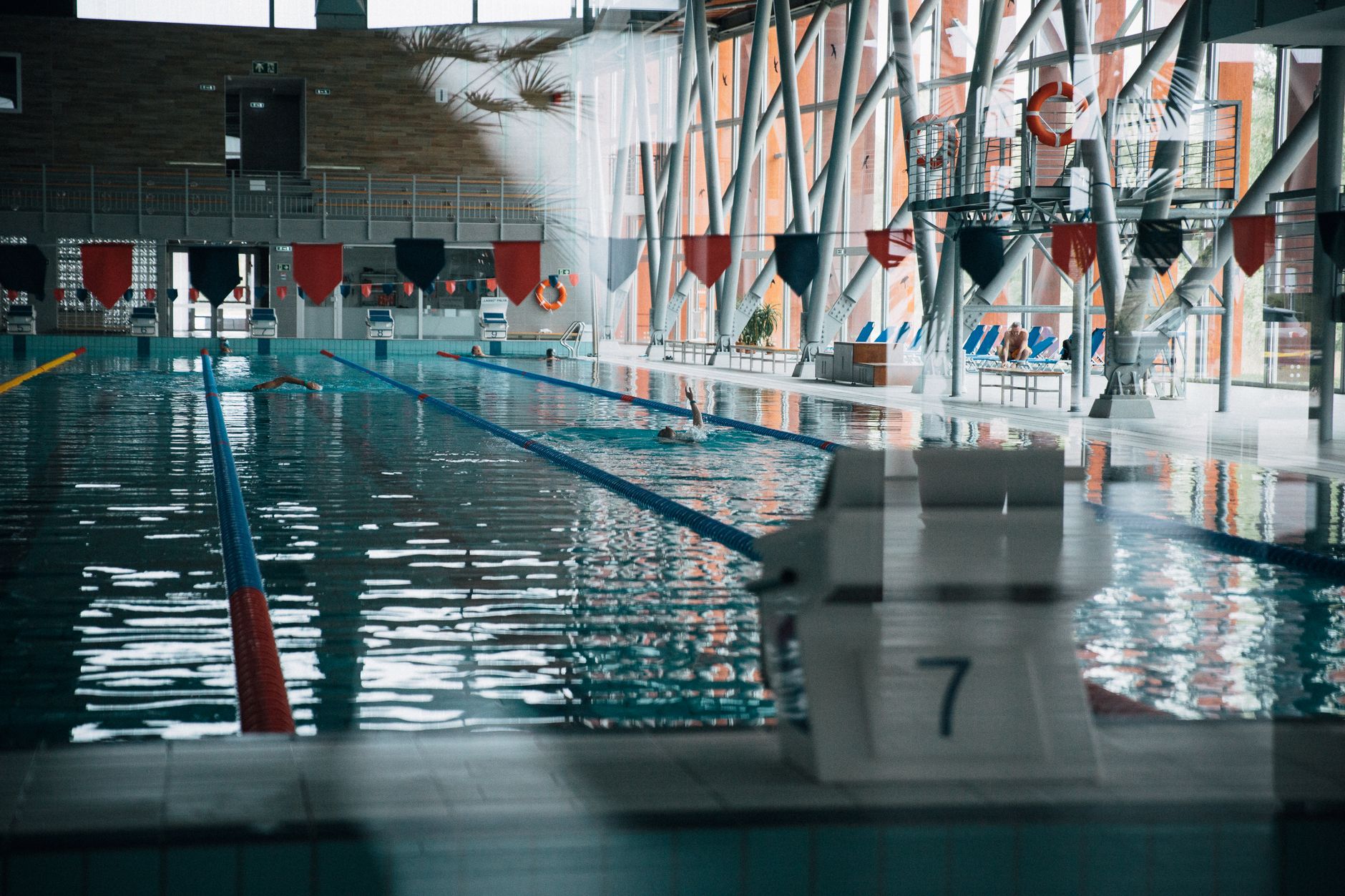
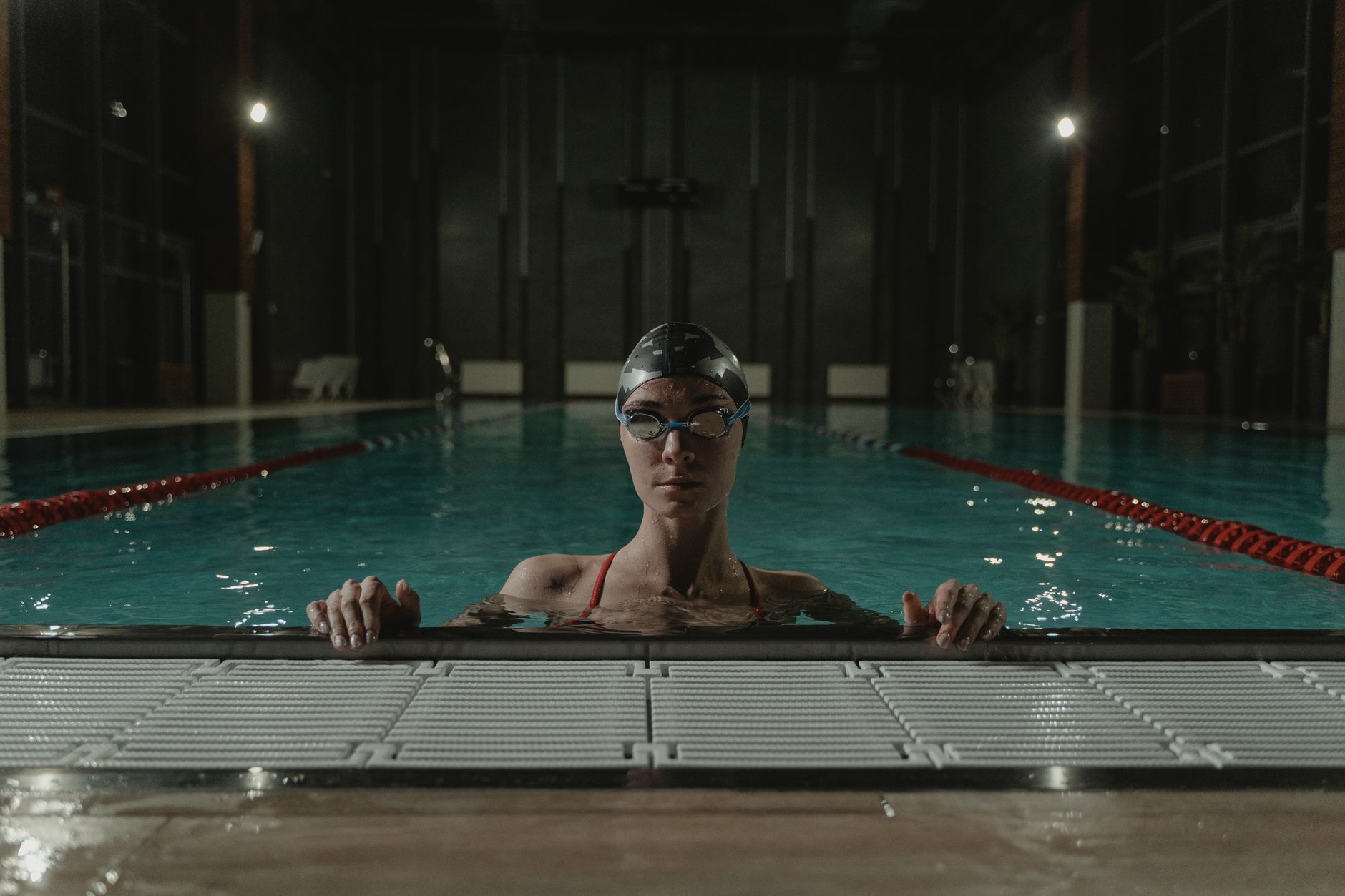
Safe – Swimming is generally safe during pregnancy when done in moderation; aim for 30 minutes of moderate‑intensity water exercise most weeks, especially in the second and third trimesters, while avoiding hot tubs.
By Shubhra Mishra — a mom of two who turned her own confusion during pregnancy into BumpBites, a global mission to make food choices clear, safe, and stress-free for every expecting mother. 💛
Check whether any food is safe during pregnancy with the BumpBites Food Safety Checker.
Quick verdict: ✅ Swimming is generally safe during pregnancy when you follow a few simple guidelines. Most obstetric experts, including ACOG and the NHS, say moderate swimming throughout all trimesters supports maternal health, as long as the water is clean, not too hot, and you avoid strenuous strokes that strain the abdomen.
It’s 2 a.m., you’re scrolling through pregnancy forums, and a single question keeps popping up: is swimming safe during pregnancy? You might have already taken a dip in the pool or are planning to sign up for a prenatal water class, and the uncertainty feels overwhelming. First, breathe. The short answer is that swimming is one of the most pregnancy‑friendly forms of exercise, and most clinicians encourage it for its low‑impact, full‑body benefits.
In this article we’ll break down exactly what “safe” looks like for swimming at each stage of pregnancy, how often you can swim without overdoing it, which strokes are the most gentle, and what to watch out for. We’ll also compare swimming to other water‑based activities, suggest safer alternatives if you can’t get to a pool, and give you a clear list of red‑flag symptoms that warrant a call to your provider.
Whether you’re in your first trimester, nearing your due date, or already breastfeeding, you’ll find a concise, evidence‑based answer to the question is swimming safe during pregnancy, plus practical tips you can use right away.
Pregnancy stage
Verdict
Notes
First trimester
✅ Generally safe
Avoid very hot water (> 37 °C/99 °F); stay hydrated.
Second trimester
✅ Generally safe
Monitor any abdominal discomfort; keep strokes low‑impact.
Third trimester
✅ Generally safe
Be mindful of balance; exit the pool slowly to prevent dizziness.
Breastfeeding
✅ Generally safe
Same guidelines as postpartum; ensure water temperature is comfortable.
Keep a water bottle and towel handy for quick hydration and warmth after your swim.
What is swimming?
Swimming is a form of aerobic exercise performed in water, typically in a pool, lake, or ocean. It involves moving the body through water using various strokes—freestyle, backstroke, breaststroke, and butterfly—each engaging different muscle groups. Because water provides buoyancy, the joints experience less impact compared with land‑based activities, making it especially appealing for pregnant individuals whose bodies are already bearing extra weight.
Beyond the physical motion, swimming also offers cardiovascular benefits, improves circulation, and can help reduce swelling in the legs—a common complaint during pregnancy. The rhythmic breathing required for most strokes can promote relaxation, and the cool environment of a well‑maintained pool helps regulate body temperature, which is important because pregnant women are more prone to overheating.
People turn to swimming for a range of reasons: fitness maintenance, weight management, stress relief, and social interaction in group classes. For expectant mothers, the low‑impact nature of swimming means you can stay active without putting undue strain on the pelvic floor or spine, both of which experience significant changes throughout pregnancy.
Is swimming safe during pregnancy?
C
urrent guidance from the American College of Obstetricians and Gynecologists (ACOG) and the UK's National Health Service (NHS) both state that swimming is a safe and beneficial activity for most pregnant people, provided certain precautions are observed. ACOG lists swimming under its “recommended moderate‑intensity activities” and notes that the buoyancy of water reduces stress on the back and joints, while the NHS advises that “regular swimming can improve circulation and reduce swelling.”
The primary safety concerns revolve around water temperature, infection risk, and the potential for falls. The CDC warns that pools with inadequate chlorine levels can harbor bacteria, which could lead to infections that are more serious during pregnancy. Likewise, hot tubs and saunas are discouraged because prolonged exposure to high temperatures (> 39 °C/102 °F) can raise core body temperature, a risk factor for neural tube defects during the first trimester.
Scientific studies have not identified swimming as a teratogen (a substance that causes birth defects). Instead, research published in the Journal of Obstetric, Gynecologic & Neonatal Nursing found that pregnant swimmers reported lower rates of back pain and edema compared with non‑swimmers. In short, when you keep the water at a comfortable temperature, avoid overly vigorous strokes that strain the abdomen, and practice good hygiene, swimming is considered safe throughout pregnancy.
Is swimming safe during the first trimester of pregnancy?
During the first trimester, the embryo is undergoing organogenesis, the period when organs form and are most vulnerable to teratogenic influences. Because swimming does not involve high‑impact forces or exposure to chemicals, it poses minimal risk. ACOG specifically notes that “moderate‑intensity aerobic activity, such as swimming, is permissible in the first trimester.” The key is to avoid water that is too hot and to stay well‑hydrated, as overheating can be a concern early on.
If you experience any of the following—persistent nausea, dizziness, or unusual abdominal pain—consider pausing and consulting your provider. Otherwise, a gentle 30‑minute session of freestyle or backstroke, three times a week, is a safe way to maintain fitness without overexertion.
How many times a week can pregnant women swim safely?
Most health authorities recommend at least 150 minutes of moderate‑intensity aerobic activity per week during pregnancy. For swimming, this translates to about three to five sessions of 30‑45 minutes each. The NHS advises “aim for 30 minutes of swimming on most days of the week,” while ACOG suggests that the total weekly duration can be split into shorter bouts if that feels more comfortable.
It’s important to listen to your body. If you’re new to swimming, start with two sessions a week and gradually increase. For those who have an established routine, five sessions per week is typically well‑tolerated, provided you’re not experiencing fatigue, shortness of breath, or leg swelling that worsens after swimming.
What are the risks of swimming while pregnant?
While swimming is low‑risk, certain factors can increase the chance of complications:
Water temperature: Hot water (> 37 °C/99 °F) can raise core temperature, especially in the first trimester, potentially increasing the risk of neural tube defects.
Infections: Pools with poor sanitation can harbor Legionella or Pseudomonas bacteria, which may cause respiratory infections that are more severe in pregnant people.
Falls: Slippery surfaces or sudden movements can lead to falls, which could cause abdominal trauma. Using non‑slip pool mats and entering/exiting slowly reduces this risk.
Overexertion: Very vigorous strokes (e.g., butterfly) that strain the core may cause discomfort or increase intra‑abdominal pressure.
Overall, the risk profile is low when you follow the simple precautions outlined by the CDC and ACOG.
Which swimming strokes are safest for pregnant women?
All strokes are generally safe if performed at a comfortable pace, but some are gentler on the abdomen and pelvic floor:
Freestyle (front crawl): Offers a steady rhythm and keeps the core relatively relaxed.
Backstroke: Eliminates pressure on the belly and is especially soothing for those who experience shortness of breath.
Breaststroke: Can be safe, but the whip‑like kick may increase abdominal pressure for some; modify the kick if you feel discomfort.
Butterfly: Typically the most strenuous; most clinicians advise pregnant swimmers to avoid it, especially in the third trimester.
If you’re uncertain which stroke feels best, start with freestyle or backstroke and listen to any signals your body sends.
Are there specific swimming pools or brands safe for pregnant women?
While “brands” of pools aren’t a common classification, certain facilities prioritize hygiene and temperature control, making them more suitable for pregnant swimmers. Look for pools that:
Maintain chlorine levels between 1–3 ppm (CDC recommendation).
Provide regular water quality testing results, often posted publicly.
Offer a temperature range of 27–29 °C (80–84 °F), which is comfortable for most pregnant individuals.
Have non‑slip flooring, handrails, and shallow entry points.
Chains such as YMCA, community recreation centers, and many hotel‑based “wellness” pools meet these standards. If you’re unsure, ask the pool manager for their water‑testing schedule and temperature settings before you dive in.
What are safe alternatives to swimming for pregnant women?
Prenatal yoga – gentle stretching and breathing without overheating.
Walking – low‑impact, easy to adjust pace, and can be done outdoors.
Stationary cycling – provides cardio without joint stress.
Prenatal Pilates – strengthens core muscles while protecting the abdomen.
Elliptical trainer – offers a smooth, low‑impact motion.
Low‑impact aerobics class – keeps heart rate moderate without high impact.
Water walking (pool walking) – stays in water for buoyancy but avoids full strokes.
Aqua jogging – mimics running in water with a flotation belt for safety.
Is swimming safe for pregnant women with high blood pressure?
For those diagnosed with chronic hypertension or gestational hypertension, swimming can be a beneficial form of exercise because it helps lower blood pressure without the strain of weight‑bearing activities. ACOG’s guidelines state that “moderate‑intensity aerobic activity, such as swimming, is appropriate for most women with well‑controlled hypertension.” However, it’s essential to monitor blood pressure before and after sessions and avoid water that is too hot, as elevated temperatures can temporarily raise blood pressure.
Always discuss your exercise plan with your obstetric provider, especially if you’re on antihypertensive medication, to ensure the swimming routine aligns with your overall treatment plan.
Does swimming affect labor and delivery timing?
There is no evidence that swimming accelerates or delays labor. In fact, regular swimming may improve endurance and muscle tone, which can help you feel more comfortable during labor. A 2018 study in the International Journal of Obstetrics & Gynecology found that women who engaged in regular water‑based exercise had slightly shorter second‑stage labor times, though the difference was not statistically significant. The main benefit is the reduction of back pain and swelling, which can make the birthing process less taxing.
Overall, swimming does not interfere with the natural timing of labor, but it can contribute to a smoother physical experience.
Combine swimming with prenatal yoga for a balanced fitness routine.
Safe dosage / amount / brands
Because swimming isn’t a medication, “dosage” refers to session length and frequency. The consensus among ACOG, NHS, and CDC is:
Session length: 30‑45 minutes of continuous swimming is ideal. If you’re new or feel fatigued, start with 15‑20 minute intervals and build up.
Weekly frequency: 3‑5 times per week meets the 150‑minute guideline for moderate‑intensity activity.
Water temperature: Keep the pool between 27–29 °C (80–84 °F). Avoid hot tubs, heated whirlpools, or any pool that feels uncomfortably warm.
Hydration: Drink water before, during, and after each session to prevent dehydration, which can raise core temperature.
If you’re attending a commercial gym or hotel pool, look for brands that advertise “chlorine‑balanced, temperature‑controlled” facilities. Pools that certify compliance with the International Swimming Federation (FINA) standards often maintain strict water quality controls, which adds an extra layer of safety.
Side effects and risks
Most pregnant swimmers experience only mild, temporary effects:
Muscle soreness – normal after a new workout; stretch gently after exiting the pool.
Increased urination – water immersion can stimulate the bladder; stay close to restroom facilities.
Dry skin or hair – chlorinated water may cause dryness; rinse thoroughly after swimming.
Red‑flag symptoms that require prompt medical attention include:
Sudden, severe abdominal pain or cramping.
Persistent dizziness, faintness, or rapid heartbeat that doesn’t resolve with rest.
Fever, chills, or signs of infection (e.g., coughing, sore throat) after swimming in a pool with questionable hygiene.
Bleeding or spotting that continues beyond a few minutes.
If any of these occur, stop swimming immediately and contact your obstetric provider.
Safer alternatives
Prenatal yoga – gentle stretches and breathing help maintain flexibility without overheating.
Walking – easy to control pace and intensity, perfect for daily activity.
Stationary cycling – provides cardio while keeping weight off joints.
Myth: Swimming can cause the baby to “float” out of the womb.
Fact: The amniotic fluid already cushions the baby, and water buoyancy does not affect fetal positioning.
Myth: You must avoid all water activities once you’re pregnant.
Fact: Moderate, temperature‑controlled water exercise is encouraged by ACOG and the NHS for its cardiovascular and muscle‑relaxing benefits.
Myth: If you can’t swim, you’re missing out on essential prenatal exercise.
Fact: Alternatives like prenatal yoga, walking, and stationary cycling offer comparable health benefits without the need for a pool.
Key takeaways
✅ Swimming is generally safe throughout pregnancy when water is cool (< 37 °C) and clean.
Aim for 150 minutes of moderate‑intensity swimming each week, split into 30‑45 minute sessions.
Prefer gentle strokes such as freestyle or backstroke; avoid butterfly and overly vigorous breaststroke in later trimesters.
Stay hydrated, watch for signs of overheating, and exit the pool slowly to prevent dizziness.
If you have hypertension, infections, or any red‑flag symptoms, consult your provider before continuing.
Frequently asked questions
Can I swim while pregnant?
Yes—you can safely swim throughout pregnancy as long as the water is not too hot and you avoid strenuous strokes that strain the abdomen.
Is it safe to swim in the second trimester?
Absolutely; the second trimester is an ideal time for swimming because the uterus is larger but still supported well by the buoyancy of water, making it a low‑impact exercise.
How often should a pregnant woman swim?
Most experts recommend 3‑5 sessions per week, each lasting 30‑45 minutes, to meet the 150‑minute weekly moderate‑intensity activity guideline.
What are the benefits of swimming during pregnancy?
Swimming improves cardiovascular fitness, reduces swelling, eases back pain, and promotes relaxation—all without stressing joints or the pelvic floor.
Are there any risks to swimming while pregnant?
Risks are minimal but include overheating, infection from poorly maintained pools, and rare falls; following hygiene and temperature guidelines mitigates these concerns.
Should I avoid hot pools when pregnant?
Yes—hot tubs and saunas that exceed 39 °C (102 °F) should be avoided, as elevated core temperature in early pregnancy can increase the risk of birth defects.
What swimming strokes are best during pregnancy?
Freestyle and backstroke are the safest choices; they provide a steady workout without excessive abdominal pressure.
Can swimming help with labor preparation?
While swimming doesn’t directly influence labor timing, it can improve endurance, reduce back pain, and help you feel more comfortable during delivery.
When to call your doctor
Contact your obstetric provider promptly if you experience any of the following after swimming: severe abdominal pain, persistent dizziness, rapid heartbeat that doesn’t settle with rest, fever or signs of infection, or any vaginal bleeding that continues beyond a few minutes. These symptoms could indicate a condition that needs medical evaluation.
Remember, this article provides general information and is not a substitute for personalized medical advice. Always discuss any new exercise routine with your healthcare provider.
References
American College of Obstetricians and Gynecologists. “Physical Activity and Exercise During Pregnancy and the Postpartum Period.” ACOG Committee Opinion No. 804, 2020.
National Health Service (NHS). “Exercise in pregnancy.” NHS website, updated 2022.
Centers for Disease Control and Prevention. “Pool Water Quality and Safety.” CDC Guidelines, 2021.
World Health Organization. “Recommendations on Antenatal Care for a Positive Pregnancy Experience.” WHO, 2016.
Journal of Obstetric, Gynecologic & Neonatal Nursing. “Effects of Water-Based Exercise on Pregnancy Outcomes.” 2019.
International Journal of Obstetrics & Gynecology. “Maternal Exercise and Labor Duration.” 2018.
National Institute for Health and Care Excellence (NICE). “Antenatal Care: Routine Care.” NICE guideline NG62, 2021.
U.S. Food and Drug Administration (FDA). “Swimming Pool Safety.” FDA Consumer Health Information, 2020.
Not sure about the label on Is Swimming Safe During Pregnancy products?
Snap the ingredients list and SafeFilter checks every ingredient for your stage — only 3 free scans this month, then you're locked until reset. Unlimited from $7/mo or $50/yr.
When Shubhra Mishra was expecting her first child in 2016, she was overwhelmed by conflicting food advice — one site said yes, another said never. By the time her second baby arrived in 2019, she realized millions of mothers face the same confusion.
That sparked a five-year journey through clinical nutrition papers, cultural diets, and expert conversations — all leading to BumpBites: a calm, compassionate space where science meets everyday motherhood.
Her long-term vision is to build a global community ensuring safe, supported, and free deliveriesfor every mother — because no woman should face pregnancy alone or uninformed. 🌿
🌍 Stand with mothers, shape safer guidance
Join a small circle of experts who review BumpBites articles so expecting parents everywhere can decide with confidence.