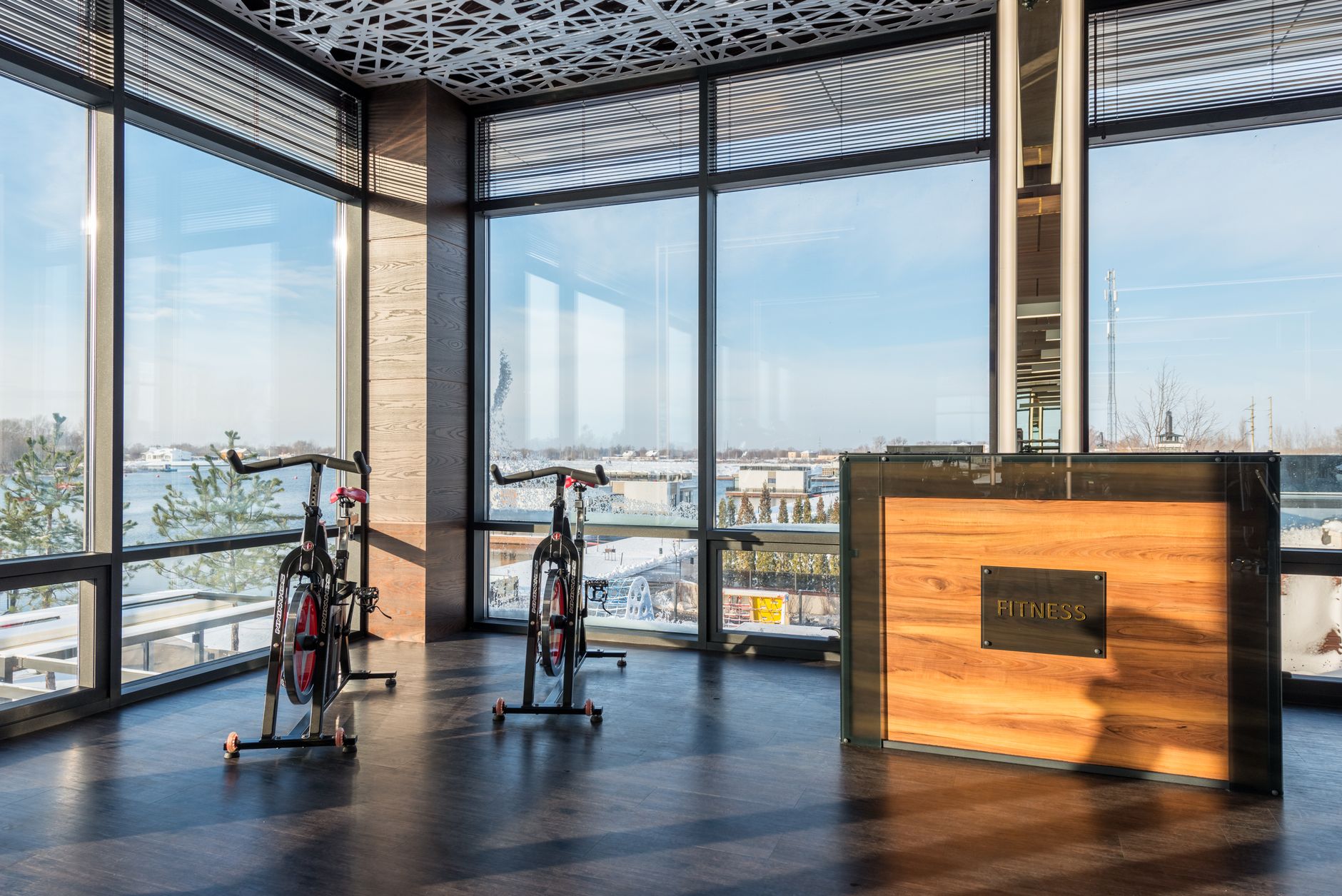
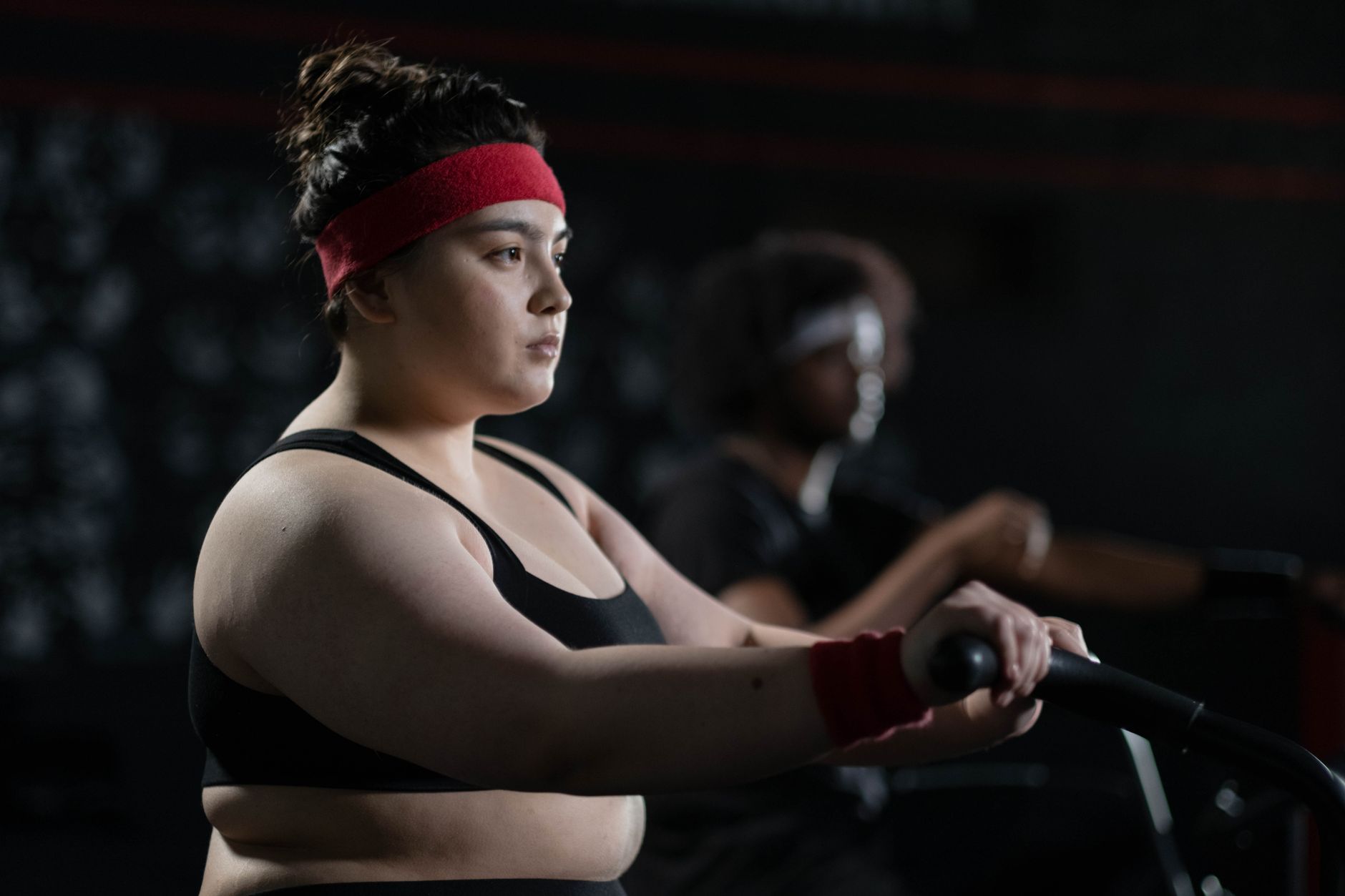
Safe: Spin class is generally safe during pregnancy when intensity is moderated; aim for 30‑45 minutes per session, 2‑3 times weekly, especially in the second trimester, and stay hydrated.
By Shubhra Mishra — a mom of two who turned her own confusion during pregnancy into BumpBites, a global mission to make food choices clear, safe, and stress-free for every expecting mother. 💛
Check whether any food is safe during pregnancy with the BumpBites Food Safety Checker.
Quick verdict: ⚠️ Talk to your doctor first. Spin class can be safe for many pregnant people when intensity is moderated and proper precautions are taken, but you should get individualized clearance, especially if you have any health concerns.
It’s that 2 a.m. moment when you stare at the spin studio schedule and wonder, “is spin class safe during pregnancy?” You might have already taken a few rides before confirming you’re pregnant, or you’re planning your next workout and want to be sure you won’t jeopardize your baby’s health. You’re not alone—many expecting parents wrestle with the same question, and the good news is that the answer isn’t a simple “yes” or “no.” It depends on the trimester, the intensity of the class, your fitness background, and any pre‑existing conditions.
In this article we’ll break down the current guidance from the American College of Obstetricians and Gynecologists (ACOG), the UK’s National Health Service (NHS), and other reputable bodies. You’ll learn the trimester‑specific recommendations, how often and how long you can safely spin, what warning signs to watch for, and which alternative workouts can keep you moving without the same risks. By the end, you’ll have a clear, evidence‑based plan and know exactly when to call your provider.
Whether you’re a seasoned cyclist or a newcomer curious about the spin buzz, the sections below answer the most common queries, from “Is spin class safe during the first trimester?” to “Which spin bike brands are pregnancy‑friendly?” Let’s get moving safely.
Trimester / Breastfeeding
Verdict
Notes
First trimester
⚠️ Conditional
Low‑to‑moderate intensity okay if cleared by provider; avoid high‑intensity intervals.
Shorter sessions, lower resistance; be ready to stop if balance or comfort changes.
Breastfeeding
✅ Safe
Same moderate guidelines; ensure adequate caloric intake and hydration.
Tip: Keep a water bottle and a small towel nearby to stay hydrated and comfortable during each ride.
What is spin class?
Spin class is a group cycling workout that typically lasts 30–60 minutes and is led by an instructor who guides participants through intervals of varying resistance and cadence. The class is performed on stationary bikes equipped with a flywheel that simulates outdoor cycling resistance. Instructors use upbeat music and motivational cues to encourage riders to push through sprints, climbs, and recovery phases. Spin classes are popular because they provide a high‑calorie burn, improve cardiovascular endurance, and strengthen the lower body without the impact forces associated with running.
For many pregnant people, the appeal lies in the controlled environment—no traffic, weather, or uneven terrain—to maintain fitness. However, the high‑intensity nature of many spin sessions can raise concerns about heart rate spikes, dehydration, and balance, especially as the uterus expands and the center of gravity shifts. Understanding how to modify the workout safely is key to reaping the benefits while protecting both mother and baby.
Is spin class safe during pregnancy?
C
urrent guidance from ACOG states that pregnant individuals can continue most forms of aerobic exercise, including stationary cycling, as long as the activity is moderate in intensity and does not cause overheating, excessive strain, or dizziness (ACOG, 2023). The NHS echoes this, recommending that pregnant people aim for at least 150 minutes of moderate‑intensity activity per week, with adjustments made for comfort and safety (NHS, 2022). The CDC’s physical activity guidelines for pregnant women also list stationary cycling as a low‑impact option that can be safely continued with medical clearance.
Spin class is generally considered safe when the intensity stays within a moderate heart‑rate range—roughly 50‑70 % of your maximum heart rate, which translates to about 120‑140 bpm for most pregnant adults. High‑intensity interval training (HIIT) elements that push heart rates above 140 bpm are where the risk rises, potentially leading to reduced uterine blood flow. Studies have not shown a direct link between moderate stationary cycling and adverse pregnancy outcomes, but they do advise caution for those with hypertension, gestational diabetes, or a history of preterm labor.
Because each pregnancy is unique, the safest route is to obtain personalized clearance from your obstetric provider before joining a spin class, especially if you’re new to the activity or have underlying health conditions. If cleared, start with low resistance, focus on steady cadence, and listen to your body—stop if you feel light‑headed, experience abdominal pain, or notice any unusual vaginal bleeding.
Is spin class safe during the first trimester of pregnancy?
The first trimester is a period of rapid organ development, and many providers advise a gentle approach to exercise. ACOG recommends that pregnant people who were already active before conception can continue their routine if they keep intensity moderate and avoid overheating (ACOG, 2023). For spin class, this means selecting a beginner‑friendly session, using low resistance, and staying well‑hydrated.
Key considerations for the first trimester include:
Keeping heart rate below 140 bpm.
Choosing a class with a “low‑impact” or “beginner” label.
Avoiding steep climbs that require excessive force on the lower abdomen.
Monitoring for nausea, which can be common early in pregnancy.
If you experience increased fatigue, dizziness, or any vaginal spotting, stop the class immediately and notify your provider. Many women find that a short 20‑minute ride at a comfortable cadence is sufficient to maintain fitness without overtaxing the body.
Can I do spin class in my second trimester and what modifications are needed?
The second trimester often feels like the “golden window” for exercise. Energy levels usually rise, and the risk of miscarriage drops. ACOG and the NHS both endorse moderate‑intensity aerobic activity, including spin, during this stage (NHS, 2022). However, as the uterus expands, balance can become a challenge, so modifications are essential.
Recommended adjustments for a second‑trimester spin class include:
Reducing resistance to a level where you can maintain a steady cadence without straining.
Shortening high‑intensity intervals to 30 seconds or less.
Ensuring the bike seat is positioned to accommodate a slightly forward‑tilted pelvis, reducing pressure on the lower back.
Staying upright; avoid leaning too far forward, which can compress the abdomen.
Keeping a water bottle within arm’s reach to sip regularly.
Most providers suggest limiting sessions to 45 minutes and keeping the overall weekly cardio time at 150 minutes. If you notice swelling in your feet or calf pain, it may be a sign to reduce duration or intensity and consider compression socks.
What is the recommended frequency and duration of spin class for pregnant women?
Guidelines from ACOG, the NHS, and the CDC converge on a target of 150 minutes of moderate‑intensity aerobic activity per week for healthy pregnant adults. For spin class specifically, this translates to:
Frequency: 2‑3 sessions per week.
Duration per session: 30‑45 minutes, including a 5‑minute warm‑up and cool‑down.
Intensity: Keep heart rate under 140 bpm and perceived exertion at a “somewhat hard” level (5–6 on a 0‑10 scale).
Women who were highly active before pregnancy may safely increase to 60‑minute sessions, but they should still respect the heart‑rate ceiling and stay attuned to any signs of fatigue or overheating. Remember that the goal is to maintain fitness, not to achieve new performance milestones.
Use a heart‑rate monitor to stay within the recommended range while you ride.
What are the safest spin class alternatives for pregnant women?
Prenatal yoga – gentle stretching and breath work that improves flexibility without impact.
Low‑impact stationary bike – similar cardio benefits with the ability to control resistance more precisely.
Walking on treadmill – weight‑bearing exercise that’s easy to adjust speed and incline.
Swimming laps – full‑body workout that supports the uterus and reduces joint stress.
Elliptical trainer – low‑impact cardio that mimics walking while protecting the joints.
Prenatal Pilates – core strengthening with a focus on pelvic floor stability.
Water aerobics – combines resistance and cardio in a buoyant environment.
Gentle dance classes – keeps you moving with rhythmic motion and low impact.
Which spin bike brands are pregnancy‑friendly?
When selecting a spin bike for home use during pregnancy, look for models that offer easy seat adjustments, a sturdy frame, and a smooth flywheel. Brands that consistently receive positive reviews from pregnant users include:
Peloton – ergonomic seat, adjustable resistance knob, and a built‑in heart‑rate monitor.
NordicTrack – commercial‑grade flywheel, wide seat, and quiet magnetic resistance.
Schwinn IC4 – compact design with Bluetooth connectivity for tracking heart rate.
Keiser M3 – magnetic resistance that allows fine‑tuned changes without jerky movements.
Sunny Health & Fitness – budget‑friendly with a stable frame and easy‑to‑adjust seat post.
Regardless of brand, ensure the bike’s seat can be moved forward enough to accommodate a shifting pelvis, and that the handlebars can be positioned to keep you upright. A sturdy non‑slip footplate is also important to prevent falls.
What are the risks of high‑intensity spin class for pregnant women?
High‑intensity spin sessions often involve rapid sprints and steep climbs that can raise heart rate above 150 bpm. For pregnant individuals, the primary concerns are:
Reduced uterine blood flow due to vasoconstriction.
Overheating, which can impair fetal development.
Excessive impact on the lower abdomen during high resistance climbs.
Potential for dizziness or fainting if blood pressure drops.
While occasional short bursts are unlikely to cause harm, sustained high‑intensity work is not recommended by ACOG or the NHS. If you experience any of the following, stop immediately and contact your provider: persistent shortness of breath, chest pain, vaginal bleeding, sudden swelling of hands or feet, or a rapid increase in abdominal pain.
How does a history of hypertension affect spin class safety in pregnancy?
Pregnancy‑induced hypertension (PIH) or pre‑existing high blood pressure adds a layer of risk to any vigorous activity. The ACOG advises that women with hypertension keep their exercise intensity low to moderate and avoid activities that cause rapid spikes in blood pressure (ACOG, 2023). In spin class, this means:
Monitoring blood pressure before and after each session.
Choosing low‑resistance rides with steady cadence.
Avoiding sudden increases in resistance or sprint intervals.
Staying well‑hydrated and cooling down gradually.
If your provider prescribes medication for hypertension, ensure that the drug’s dosing schedule aligns with your workout times, as some antihypertensives can cause dizziness during exercise.
Is it okay to attend spin class after a C‑section?
Recovery after a cesarean delivery typically involves a 6‑week healing period for the abdominal incision. ACOG recommends avoiding high‑impact or high‑resistance activities that place strain on the incision site during this time (ACOG, 2023). Light stationary cycling can be introduced gradually once you have clearance, but it should be at a very low resistance and for short durations (10‑15 minutes) to ensure the incision is not stressed.
Listen to your body: if you notice any pulling, increased pain at the incision, or abdominal discomfort, stop and consult your surgeon. As your core strength returns, you can slowly increase resistance and session length, always staying under the moderate heart‑rate threshold.
Side effects and risks
Most pregnant riders experience no serious side effects when they follow the moderate‑intensity guidelines. Common, non‑dangerous sensations include mild muscle fatigue, a slight increase in heart rate, and occasional leg cramps—often alleviated by proper hydration and stretching. However, certain warning signs should prompt immediate cessation of the class and a call to your provider:
Sudden or severe abdominal pain.
Vaginal bleeding or spotting.
Dizziness, faintness, or shortness of breath that does not resolve with rest.
Swelling of hands, face, or feet accompanied by headaches (possible pre‑eclampsia).
These symptoms are rare when intensity is kept moderate, but they underline the importance of listening to your body and having a clear communication plan with your obstetric team.
Safer alternatives
Prenatal yoga – supports flexibility and stress reduction without high heart‑rate spikes.
Low‑impact stationary bike – same cardio benefits with easier resistance control.
Walking on treadmill – weight‑bearing but low‑impact, easy to adjust speed.
Swimming laps – full‑body workout that keeps the body cool.
Prenatal Pilates – strengthens core and pelvic floor safely.
Water aerobics – combines resistance and cardio in a buoyant environment.
Gentle dance classes – keeps you moving with rhythmic, low‑impact steps.
Related items — safety at a glance
Activity
Verdict
One‑line note
Zumba
✅ Generally safe
Low‑impact dance moves; keep intensity moderate.
HIIT workouts
⚠️ Conditional
Short bursts okay if heart rate stays < 140 bpm.
Running
⚠️ Conditional
Avoid high‑impact, especially in later trimesters.
Step aerobics
✅ Safe
Low‑impact; watch for balance issues.
Kickboxing
⚠️ Avoid
High‑impact punches/kicks can strain abdomen.
Rowing machine
✅ Generally safe
Maintain good form; keep resistance moderate.
CrossFit
⚠️ Avoid
Heavy lifting and high‑intensity bursts not recommended.
Stair climbing
⚠️ Conditional
Low‑step options fine; avoid steep climbs.
Myth vs. fact
Myth: Spin class is too risky at any point in pregnancy.
Fact: When performed at moderate intensity and with proper modifications, spin class is considered safe for most pregnant individuals, especially after the first trimester.
Myth: You must stop all cardio once you’re pregnant.
Fact: Regular, moderate‑intensity cardio, including spin, can improve circulation, reduce gestational diabetes risk, and support mood—benefits endorsed by ACOG and the NHS.
Myth: High‑intensity intervals are always harmful.
Fact: Short, controlled intervals that keep heart rate below 140 bpm are acceptable for many pregnant athletes, but they should be cleared by a provider first.
Key takeaways
✅ Spin class can be safe during pregnancy if you keep intensity moderate (heart rate < 140 bpm).
📅 Aim for 2‑3 sessions per week, 30‑45 minutes each, with a proper warm‑up and cool‑down.
⚠️ Modify resistance, avoid steep climbs, and stay upright to protect the abdomen.
🩺 Get clearance from your obstetric provider, especially if you have hypertension, gestational diabetes, or a recent C‑section.
🔄 Consider low‑impact alternatives like prenatal yoga, swimming, or a gentle stationary bike if you’re unsure.
🚨 Stop immediately and call your provider if you notice abdominal pain, vaginal bleeding, dizziness, or swelling.
Frequently asked questions
Can pregnant women do spin classes?
Yes—most pregnant women can attend spin classes if they keep the workout at a moderate intensity, stay hydrated, and have clearance from their healthcare provider.
What are the benefits of spin class during pregnancy?
Spin class can improve cardiovascular fitness, help control weight gain, reduce stress, and strengthen the lower body, all of which support a healthier pregnancy and delivery.
How often should I spin bike if I'm pregnant?
Aim for 2‑3 sessions per week, each lasting 30‑45 minutes, staying within a heart‑rate range of 120‑140 bpm and avoiding high‑intensity bursts.
Is it safe to do high‑intensity interval training while pregnant?
Short, moderate‑intensity intervals are generally safe, but HIIT that pushes heart rate above 150 bpm or includes rapid resistance changes should be avoided unless cleared by a provider.
What modifications should I make for spin class in the third trimester?
Reduce resistance, shorten climbs, keep sessions under 30 minutes, stay upright, and monitor for any signs of dizziness or abdominal discomfort.
Should I avoid spin class if I have gestational diabetes?
With gestational diabetes, moderate aerobic exercise like spin can help regulate blood sugar, but you should work with your provider to set safe intensity limits and monitor glucose levels before and after sessions.
Can I continue spin class after my due date?
Postpartum, many women resume spin after the six‑week recovery period, but you should first get clearance from your obstetrician, especially if you had a C‑section or experienced complications.
When to call your doctor
If you experience any of the following after or during a spin class, contact your healthcare provider promptly:
Sudden abdominal pain or uterine cramping.
Vaginal bleeding or spotting.
Dizziness, faintness, or shortness of breath that does not improve with rest.
Swelling of hands, face, or feet combined with headaches (possible pre‑eclampsia).
These symptoms may indicate a condition that requires immediate medical attention. This article provides general information and is not a substitute for personalized medical advice. Always discuss any new exercise regimen with your obstetric provider.
References
American College of Obstetricians and Gynecologists. “Physical Activity and Exercise During Pregnancy and the Postpartum Period.” ACOG Committee Opinion No. 804, 2023.
National Health Service (NHS). “Exercise in pregnancy.” NHS.uk, updated 2022.
Centers for Disease Control and Prevention. “Physical Activity for Pregnant Women.” CDC Pregnancy and Birth, 2023.
World Health Organization. “Recommendations on Antenatal Care for a Positive Pregnancy Experience.” WHO, 2022.
American College of Obstetricians and Gynecologists. “Hypertension in Pregnancy.” ACOG Practice Bulletin No. 222, 2023.
National Institute for Health and Care Excellence (NICE). “Antenatal care for uncomplicated pregnancies.” NICE guideline NG62, 2021.
Not sure about the label on Is Spin Class Safe During Pregnancy products?
Snap the ingredients list and SafeFilter checks every ingredient for your stage — only 3 free scans this month, then you're locked until reset. Unlimited from $7/mo or $50/yr.
When Shubhra Mishra was expecting her first child in 2016, she was overwhelmed by conflicting food advice — one site said yes, another said never. By the time her second baby arrived in 2019, she realized millions of mothers face the same confusion.
That sparked a five-year journey through clinical nutrition papers, cultural diets, and expert conversations — all leading to BumpBites: a calm, compassionate space where science meets everyday motherhood.
Her long-term vision is to build a global community ensuring safe, supported, and free deliveriesfor every mother — because no woman should face pregnancy alone or uninformed. 🌿
🌍 Stand with mothers, shape safer guidance
Join a small circle of experts who review BumpBites articles so expecting parents everywhere can decide with confidence.