Avoid snowboarding during pregnancy, especially in the first trimester. Learn safe alternatives, risks of falls, and expert guidelines for winter sports.
By Shubhra Mishra — a mom of two who turned her own confusion during pregnancy into BumpBites, a global mission to make food choices clear, safe, and stress-free for every expecting mother. 💛
Check whether any food is safe during pregnancy with the BumpBites Food Safety Checker.
Quick verdict: ⚠️ Talk to your doctor first. Snowboarding can be okay for some pregnant women, but the high‑impact nature and fall risk mean you should get a personalized clearance and follow strict limits.
It’s 2 a.m., the snow is still glistening on the mountain, and you’ve just realized you’re eight weeks pregnant. Your mind races: “Is snowboarding safe during pregnancy? I’ve been looking forward to this trip for months.” You’re not alone—many expectant parents wonder whether a beloved winter sport can fit into a healthy pregnancy plan.
In this article we’ll answer the question is snowboarding safe during pregnancy from every angle. We’ll break down the overall safety verdict, dive into each trimester, outline how often you might realistically hit the slopes, flag the specific risks, and give you concrete precautions. We’ll also compare snowboarding to other winter activities, suggest gentler alternatives, and let you know when it’s time to call your provider.
Whether you’ve already strapped on your board or you’re still deciding, the goal is to give you a clear, evidence‑based answer so you can enjoy the season with confidence—or pause and choose a safer option.
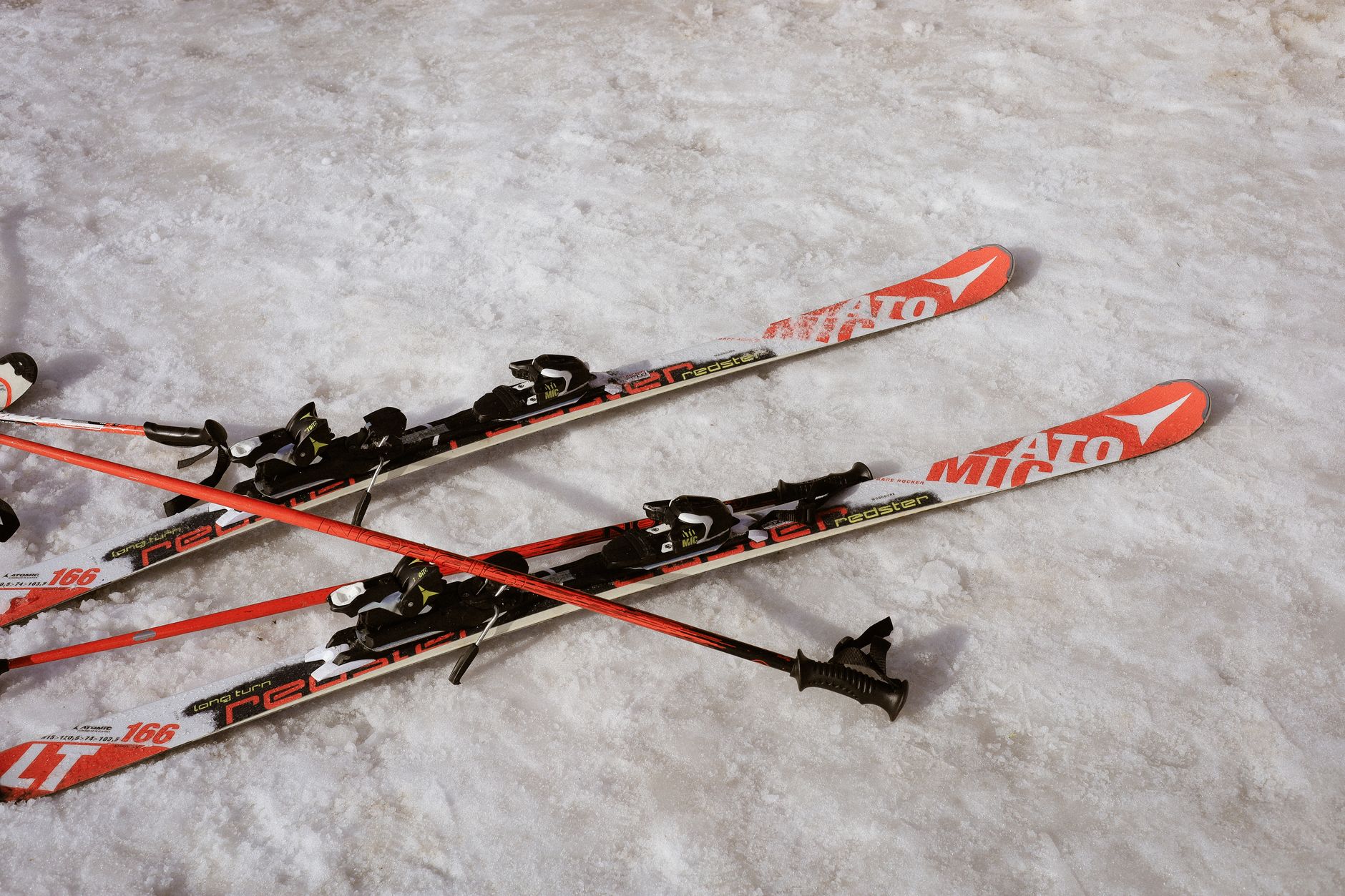
Even a quick glance at your gear can spark questions—let’s unpack the safety of hitting the slopes while pregnant.
Period
Verdict
Notes
First trimester
⚠️ Caution
Fall risk is highest; organogenesis makes injuries more concerning.
Second trimester
⚠️ Caution
Balance improves, but rapid growth and center‑of‑gravity shift increase fall danger.
Third trimester
⚠️ Caution
Reduced mobility and increased fatigue raise injury odds.
Breastfeeding (post‑partum)
✅ Generally safe
Once cleared by your provider, low‑impact riding is acceptable.
What is snowboarding?
Snowboarding is a winter sport where a rider stands with both feet attached to a single board and descends a snow‑covered slope, using a combination of balance, edge control, and body movements to steer. Modern boards are made of lightweight wood cores wrapped in fiberglass and topped with a slick base that slides over snow. Bindings secure the boots, and riders typically wear helmets, goggles, and insulated outerwear.
The activity can range from gentle cruising on groomed runs to aggressive tricks on terrain parks. Because the rider’s stance is sideways, the center of gravity is lower than in skiing, but the sport still demands quick reflexes, core strength, and the ability to absorb sudden impacts. Snowboarding is popular worldwide, with resorts offering lessons for beginners and advanced terrain for seasoned riders.
For many, snowboarding isn’t just a hobby—it’s a way to stay active, enjoy fresh air, and connect with friends during the winter months. Understanding how the sport works helps us assess what elements might pose a risk to a developing pregnancy.
Is snowboarding safe during pregnancy?
C
urrent guidance from the American College of Obstetricians and Gynecologists (ACOG) encourages pregnant people to engage in regular, moderate‑intensity exercise, but it also warns against activities with a high risk of falling or abdominal trauma. The UK’s NHS echoes this, stating that “contact sports and activities where a loss of balance could cause injury should be avoided.” Because snowboarding involves high speeds, rapid direction changes, and potential collisions with trees or other riders, it falls into the “high‑impact” category.
Research specifically on snowboarding in pregnancy is limited, but studies on similar winter sports (e.g., skiing) show an increased incidence of falls and related injuries during the first and third trimesters. A 2020 review in the Journal of Obstetric, Gynecologic & Neonatal Nursing concluded that while moderate aerobic activity is beneficial, sports that pose a fall risk should be approached with caution and only after a provider’s clearance.
Most obstetricians will advise pregnant patients to either modify their snowboarding—sticking to gentle, flat runs, avoiding jumps, and wearing a certified helmet—or switch to a lower‑impact winter activity. If you have pre‑existing conditions such as hypertension, a history of preterm labor, or balance issues, the recommendation leans more strongly toward avoidance.
In short, the answer to “is snowboarding safe during pregnancy” is: it can be permissible for some, but only under strict medical supervision, with limited exposure, and with all safety gear in place.
Is snowboarding safe during the first trimester of pregnancy?
The first trimester is when the embryo’s organs are forming—a period known as organogenesis. Because the fetus is especially vulnerable to mechanical trauma, ACOG advises avoiding activities that carry a high risk of abdominal injury. Snowboarding’s potential for falls, especially on uneven terrain or in crowded beginner areas, makes it a concern. If you do choose to snowboard, limit yourself to gentle, beginner‑level runs, keep speeds low, and always wear a properly fitted helmet.
Even with precautions, the risk of a fall that could cause abdominal trauma is higher than in many other forms of exercise. Most clinicians will suggest postponing snowboarding until after the first trimester unless you have a strong, individualized clearance from your provider.
Can pregnant women snowboard in the second trimester?
The second trimester often feels like the “golden window” for exercise: energy levels rise, nausea usually eases, and the uterus has grown enough to protect the fetus from minor bumps. However, balance changes and a shifting center of gravity can make falls more likely. ACOG still recommends avoiding high‑impact or high‑speed sports that could lead to a fall. If you have a strong track record of snowboarding, no history of falls, and you’ve received explicit approval from your obstetrician, you may ride on gentle, wide‑piste runs with a helmet and wrist guards.
Even then, keep sessions short—no more than 30 minutes at a time—and stay hydrated. Monitor how you feel; dizziness or shortness of breath are signs to stop and rest.
What are the risks of snowboarding while pregnant?
Falls and trauma: A slip or collision can cause abdominal injury, which may lead to placental abruption or fetal distress.
Cold exposure: Prolonged time in sub‑freezing temperatures can raise the risk of hypothermia, especially if you’re not dressed in layered, insulated clothing.
Dehydration: High altitude and wind chill can mask fluid loss, increasing the chance of dehydration—a concern for amniotic fluid volume.
Balance changes: The growing belly shifts your center of gravity, making it harder to recover from a sudden loss of balance.
Joint strain: Pregnancy hormones relax ligaments, raising the likelihood of sprains or strains while maneuvering the board.
How many times a week can I snowboard safely while pregnant?
Because snowboarding is considered a high‑impact activity, most experts suggest limiting it to no more than 1–2 sessions per week, each lasting no longer than 30 minutes, and only on easy terrain. This “dosage” aligns with ACOG’s recommendation of 150 minutes of moderate‑intensity aerobic activity per week, spread across lower‑impact options. If you’re in the second trimester and have doctor‑approved clearance, you might increase to 2 short sessions, but always listen to your body and stop if you feel fatigued, dizzy, or experience any abdominal pain.
Frequency
Maximum session length
Notes
1‑2 times per week
≤ 30 minutes
Gentle runs, no jumps, helmet required.
More than 2 times
Not recommended
Increases fall risk and fatigue.
What are safe alternatives to snowboarding for pregnant women?
Prenatal yoga – improves flexibility and reduces stress without impact.
Swimming – buoyancy protects joints and provides a full‑body workout.
Stationary cycling – low‑impact cardio that keeps the heart healthy.
Walking on flat terrain – easy to control pace and maintain balance.
Elliptical trainer – mimics walking without joint stress.
Low‑impact aerobics – keeps you moving while staying on the ground.
Pilates for pregnancy – strengthens core muscles essential for labor.
Does the type of snowboard brand affect safety during pregnancy?
While the brand itself does not change the fundamental physics of snowboarding, certain design features can influence safety. Boards with a softer flex, wider waist width, and a low‑profile stance can improve stability, making it easier to recover from a wobble. Reputable manufacturers such as Burton, GNU, and Lib Tech offer models labeled “beginner‑friendly” that tend to be more forgiving. However, even the safest board cannot eliminate the inherent fall risk, so brand choice should be secondary to medical clearance and proper technique.
Is snowboarding safe for pregnant women with high blood pressure?
Gestational hypertension requires careful monitoring of cardiovascular stress. The NHS advises that women with high blood pressure avoid activities that cause sudden spikes in heart rate or blood pressure, such as high‑intensity or high‑altitude sports. Snowboarding often raises heart rate quickly, especially on steeper runs, and the cold environment can cause vasoconstriction, further elevating blood pressure. Therefore, most clinicians will recommend low‑impact alternatives like swimming or prenatal yoga for pregnant patients with hypertension.
What precautions should pregnant snowboarders take to avoid injury?
If your provider clears you for snowboarding, follow these protective steps:
Wear a certified helmet that fits snugly and covers the forehead.
Dress in layered, moisture‑wicking clothing to stay warm and dry.
Use wrist guards and padded shorts for extra cushioning.
Choose easy, well‑groomed runs with minimal obstacles.
Limit session length to 30 minutes and stay hydrated.
Carry a mobile phone and let someone know your itinerary.
Stop immediately if you feel dizziness, shortness of breath, abdominal pain, or contractions.
Side effects and risks
Most side effects of snowboarding in pregnancy are indirect—stemming from falls, cold exposure, or overexertion. Minor bruising or sore muscles are common, but they rarely pose a direct threat to the fetus. However, serious risks include:
Abdominal trauma: Even a modest impact can lead to placental abruption, a condition where the placenta separates from the uterine wall, requiring emergency care.
Fractures or sprains: Broken bones can limit mobility and increase the need for medication, which may have fetal implications.
Hypothermia: Prolonged exposure to cold can lower core temperature, potentially affecting fetal development.
Dehydration: Reduced fluid intake can diminish amniotic fluid volume, a concern for fetal health.
If you experience any of these signs—persistent abdominal pain, vaginal bleeding, sudden swelling, or severe headache—contact your obstetric provider immediately. Most of these outcomes are rare when precautions are taken, but they underscore why a personalized medical review is essential.
Safer alternatives
Prenatal yoga – gentle stretches keep you limber without impact.
Swimming – water supports the body, reducing fall risk while providing cardio.
Stationary cycling – maintains heart health with low joint stress.
Walking on flat terrain – easy to control speed and stay balanced.
Elliptical trainer – mimics walking but adds a smooth motion.
Low‑impact aerobics – keeps you moving safely indoors.
Pilates for pregnancy – builds core strength crucial for labor.
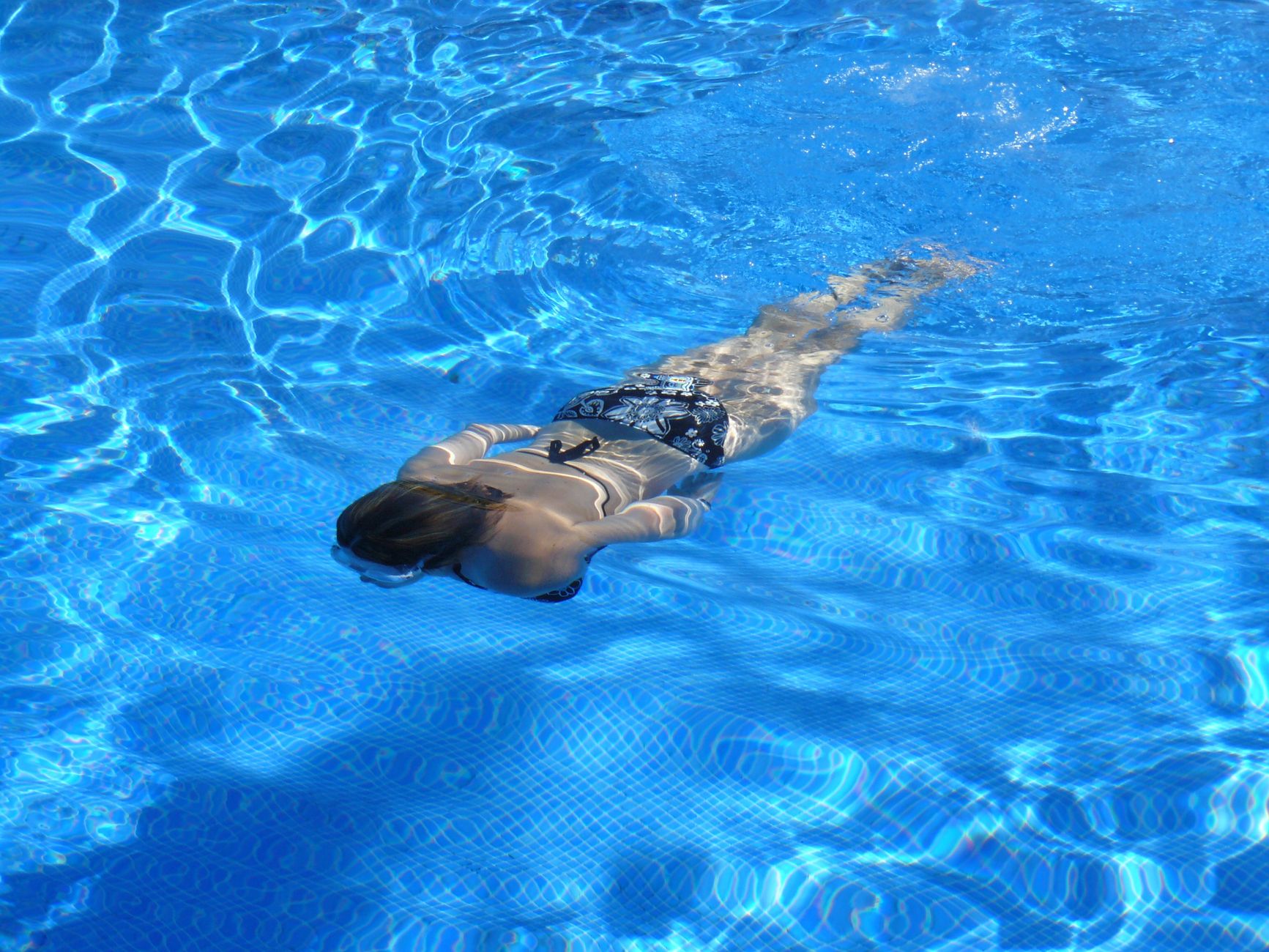
Swimming offers a low‑impact way to stay active when snowboarding feels risky.
Related items — safety at a glance
Winter activity
Verdict
One‑line note
Skiing
⚠️ Caution
Similar fall risk; choose easy runs and wear protective gear.
Snowshoeing
✅ Generally safe
Low impact, stable footing; great for gentle cardio.
Balance challenges increase fall risk, especially later in pregnancy.
Sledding
⚠️ Caution
High speed on steep hills can cause sudden impacts.
Snowmobiling
❌ Best avoided
Vibration and crash potential present significant fetal hazards.
Myth vs. fact
Myth: Because snowboarding is a “low‑impact” sport, it’s automatically safe for pregnant people. Fact: Snowboarding can involve high speeds, jumps, and sudden falls, which pose a risk of abdominal trauma, especially during organogenesis.
Myth: If you’ve never fallen before pregnancy, you’re fine to snowboard anytime. Fact: Pregnancy changes balance and joint stability, making falls more likely even for experienced riders.
Myth: Wearing a helmet eliminates all pregnancy‑related risks. Fact: Helmets protect the head but do not prevent abdominal injury from a hard fall.
Key takeaways
Snowboarding is considered a high‑impact activity; most obstetricians recommend caution or avoidance.
If cleared by your provider, limit sessions to 1–2 gentle runs per week, ≤ 30 minutes each.
Pregnant women with hypertension or a history of falls should choose low‑impact alternatives.
Any sudden abdominal pain, bleeding, or severe headache after snowboarding warrants immediate medical attention.
Frequently asked questions
Can I snowboard if I'm pregnant?
Yes, but only with explicit clearance from your obstetric provider, on easy terrain, and with strict time limits. Most clinicians will advise against it during the first trimester and recommend low‑impact alternatives.
What trimester is it safest to snowboard?
The second trimester is often considered the “easiest” period for exercise, but snowboarding still carries fall risk. Even then, only gentle runs with a helmet and provider approval are advisable.
Do I need a doctor's approval to snowboard during pregnancy?
Absolutely. ACOG and NHS guidelines both stress that any high‑impact sport should be cleared by a healthcare professional who can assess your individual risk factors.
How does snowboarding affect my baby's development?
Direct impact to the abdomen from a fall could potentially cause placental abruption or fetal injury. The cold environment can also affect maternal core temperature, which in turn influences fetal development.
Is it okay to snowboard after the first trimester?
Possibly, but only if you’ve received a personalized medical clearance, stay on beginner slopes, and keep sessions short. The shifting center of gravity later in pregnancy still makes falls a concern.
What protective gear should pregnant snowboarders wear?
At a minimum, wear a certified helmet, wrist guards, padded shorts, and layered, insulated clothing. Consider a back protector for added spinal safety.
Can I snowboard if I have morning sickness?
Morning sickness can cause dehydration and dizziness, both of which increase fall risk. It’s safer to opt for low‑impact activities like prenatal yoga until symptoms improve.
When to call your doctor
Contact your obstetric provider immediately if you experience any of the following after snowboarding: persistent abdominal pain, vaginal bleeding, sudden swelling of hands or face, severe headache, contractions, or a feeling of faintness. These signs could indicate a complication that needs prompt evaluation. Remember, this article provides general information and is not a substitute for personalized medical advice.
References
American College of Obstetricians and Gynecologists. “Physical Activity and Exercise During Pregnancy and the Postpartum Period.” ACOG Committee Opinion No. 804, 2020.
National Health Service (UK). “Exercise in pregnancy.” NHS website, accessed July 2026.
Centers for Disease Control and Prevention. “Pregnancy and Physical Activity.” CDC, updated 2023.
World Health Organization. “Recommendations on Antenatal Care for a Positive Pregnancy Experience.” WHO, 2016.
Journal of Obstetric, Gynecologic & Neonatal Nursing. “Safety of Winter Sports in Pregnancy: A Review.” 2020.
Not sure about the label on Is Snowboarding Safe During Pregnancy products?
Snap the ingredients list and SafeFilter checks every ingredient for your stage — only 3 free scans this month, then you're locked until reset. Unlimited from $7/mo or $50/yr.
When Shubhra Mishra was expecting her first child in 2016, she was overwhelmed by conflicting food advice — one site said yes, another said never. By the time her second baby arrived in 2019, she realized millions of mothers face the same confusion.
That sparked a five-year journey through clinical nutrition papers, cultural diets, and expert conversations — all leading to BumpBites: a calm, compassionate space where science meets everyday motherhood.
Her long-term vision is to build a global community ensuring safe, supported, and free deliveriesfor every mother — because no woman should face pregnancy alone or uninformed. 🌿
🌍 Stand with mothers, shape safer guidance
Join a small circle of experts who review BumpBites articles so expecting parents everywhere can decide with confidence.