Limit skiing during pregnancy. Experts recommend avoiding it after the first trimester due to fall risks and high-altitude exposure for fetal safety.
By Shubhra Mishra — a mom of two who turned her own confusion during pregnancy into BumpBites, a global mission to make food choices clear, safe, and stress-free for every expecting mother. 💛
Check whether any food is safe during pregnancy with the BumpBites Food Safety Checker.
Quick verdict: ⚠️ Safe with limits – downhill skiing can be enjoyed during pregnancy if you stay within recommended duration, avoid high‑speed runs, and have clearance from your provider. Most experts agree that moderate, well‑controlled skiing poses low risk, but every pregnancy is unique, so talk to your obstetrician before hitting the slopes.
It’s 2 a.m., the snow is falling outside, and you just opened a travel guide that lists the “top ski resorts for families.” Your mind races: is skiing safe during pregnancy? You might already have a lift ticket in hand, or you’re weighing whether to book a trip for later in the year. First, take a deep breath. You’re not alone—many expecting parents wonder about winter sports, especially the exhilaration of gliding down a mountain.
In this article we’ll give you a clear, evidence‑based answer to the question is skiing safe during pregnancy, break down safety by each trimester, outline how many hours per week are reasonable, discuss equipment and resort considerations, and list safer alternatives for those who prefer to stay on solid ground. We’ll also compare skiing to related winter activities so you can see the whole safety picture at a glance.
By the end of this guide you’ll know exactly what the leading health authorities say, how to modify your ski routine, and when it’s time to call your doctor. Let’s turn that 3 a.m. worry into confidence.
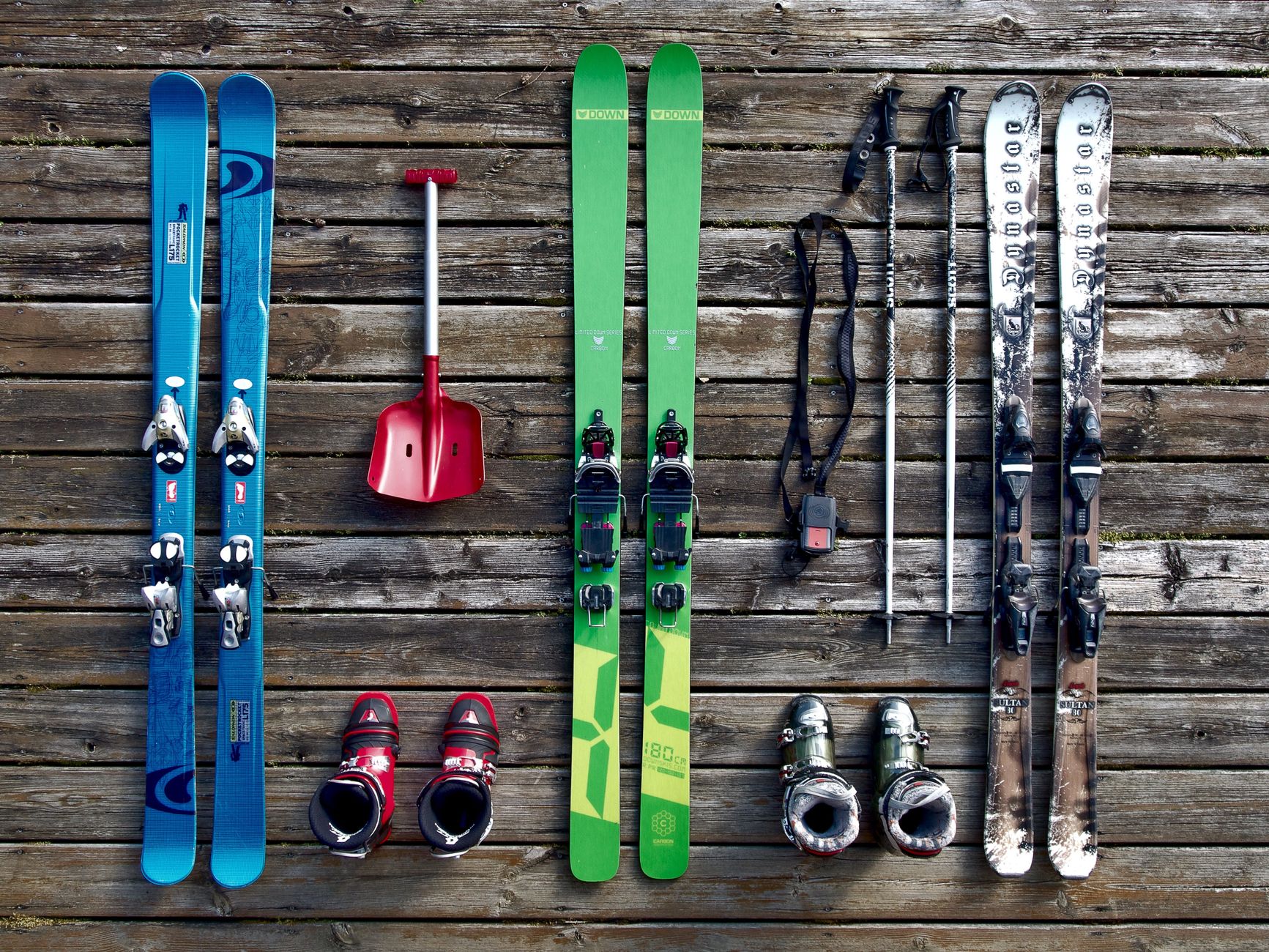
Before you head out, gather your gear and double‑check safety features—comfort matters as much as style.
Trimester
Verdict
Notes
First (0‑13 weeks)
⚠️ Conditional
Limit to gentle slopes, avoid high speeds, and ensure good balance; consult your provider.
Second (14‑27 weeks)
✅ Generally safe
Moderate runs are fine if you have no complications; keep sessions under 2 hours.
Third (28‑40 weeks)
⚠️ Conditional
Shorter runs, more frequent breaks, and avoid deep powder that can increase fatigue.
Breastfeeding
✅ Safe
Same guidelines as postpartum recovery; stay hydrated and protect your abdomen.
Skiing is a recreational activity that involves gliding down snow‑covered slopes on skis, using poles for balance and turning. It can be broken into several sub‑disciplines, from high‑speed alpine (downhill) racing to leisurely “green‑circle” runs for beginners. The sport offers cardiovascular benefits, improves balance, and can lift mood—factors that many pregnant women appreciate. However, the physical demands and potential for falls mean that safety recommendations differ from those for low‑impact activities like walking.
Is skiing safe during pregnancy?
Current guidance from the American College of Obstetricians and Gynecologists (ACOG) states that most moderate, low‑impact exercise is beneficial during pregnancy, and that pregnant people may continue activities they enjoyed before conception, provided there are no medical contraindications. The UK’s National Health Service (NHS) echoes this, noting that “skiing can be safe if you are an experienced skier and your pregnancy is uncomplicated.” The Centers for Disease Control and Prevention (CDC) adds that any activity with a risk of falling should be approached with caution, especially in the first trimester when the embryo is undergoing organogenesis.
When it comes to downhill skiing, the primary concern is the risk of a fall or collision that could cause abdominal trauma. Studies of winter sports injuries in pregnant athletes are limited, but the available data suggest that the overall incidence of serious pregnancy‑related injury from skiing is low when proper precautions are taken. ACOG emphasizes that the benefits of staying active—improved circulation, reduced swelling, and better mood—generally outweigh the small injury risk for healthy pregnant skiers.
Therefore, the answer to is skiing safe during pregnancy is: it can be safe for most pregnant people, especially those who are already confident on the slopes, as long as they follow trimester‑specific guidelines, keep runs moderate, and obtain medical clearance when any pregnancy complication exists.
Is downhill skiing safe for pregnant women in the first trimester?
The first trimester is the period of organ formation, making it the most sensitive window for potential teratogens or mechanical trauma. ACOG advises that activities with a higher fall risk should be limited during this time. If you’re an experienced skier, a gentle “green” slope with minimal speed and frequent breaks is generally acceptable, but you should avoid moguls, steep runs, and crowded lifts that increase the chance of a tumble.
Because balance can be affected by early‑pregnancy nausea and fatigue, many clinicians recommend substituting skiing with lower‑impact alternatives—such as indoor treadmill walking—until the second trimester. If you choose to ski, keep each session under an hour, stay well‑hydrated, and wear a protective helmet. Always discuss your plans with your obstetrician, especially if you have a history of miscarriage or other concerns.
Can pregnant women ski on gentle slopes without risk?
Gentle slopes (often marked as “green” runs) are designed for beginners and feature mild gradients, wide turns, and a forgiving surface. For pregnant skiers without complications, these runs pose minimal risk when combined with sensible precautions: wearing a well‑fitted helmet, using properly adjusted bindings, and limiting speed. The NHS specifically mentions that “skiing on easy runs is permissible for most pregnant women,” provided you feel confident and have no balance issues.
Even on gentle terrain, stay aware of your body’s signals. If you feel dizzy, short‑of‑breath, or experience any abdominal pain, descend immediately and rest. The key is to treat the slope as a “light‑exercise” session rather than a high‑intensity sport.
How many hours of skiing per week is safe during pregnancy?
Most experts agree that a maximum of 2 hours of moderate skiing per week is a reasonable ceiling for healthy pregnancies. This aligns with ACOG’s recommendation of 150 minutes of moderate aerobic activity per week. Break the time into 30‑minute sessions to avoid overheating and fatigue, especially in colder, high‑altitude environments where oxygen levels are lower.
In the second trimester, many women find they have more stamina, so they may extend sessions to 90 minutes, but still keep total weekly time under 2 hours. The third trimester often brings reduced balance and increased joint looseness, so limit sessions to 30‑45 minutes and prioritize frequent rest stops.
What are the safest ski resorts for pregnant skiers?
When selecting a resort, look for those that offer:
Well‑maintained, wide “green” runs and easy‑access lifts.
On‑site medical facilities with obstetric support or a nearby hospital.
Low altitude (under 2,000 m) to reduce hypoxia risk.
Family‑friendly amenities, such as warm rest areas and easy‑going ski schools.
Resorts in the Alps that meet these criteria include Alpe d’Huez (France) and Obertauern (Austria). In North America, resorts like Park City (Utah) and Whistler Blackcomb (Canada) provide extensive beginner terrain and reliable medical services. Always verify the resort’s emergency response plan before you book.
What are the risks of skiing while pregnant with high blood pressure?
Gestational hypertension or pre‑existing high blood pressure increases the risk of complications from high‑altitude or strenuous activity. The CDC advises that pregnant people with hypertension should avoid activities that significantly raise heart rate or blood pressure. Skiing can cause spikes in systolic pressure, especially on steep runs or in cold, high‑altitude conditions.
If you have high blood pressure, discuss your skiing plans with your provider. They may recommend limiting activity to low‑intensity runs, staying at lower elevations, and monitoring blood pressure before and after each session. In many cases, a safer alternative such as indoor treadmill walking is preferred.
Are there alternative winter activities for pregnant women instead of skiing?
If you’d rather keep your feet on solid ground—or if your provider advises against downhill skiing—there are several winter pursuits that provide similar cardio benefits with a lower fall risk:
Cross‑country skiing: a low‑impact, full‑body workout that keeps you upright and steady.
Snowshoeing: easy on the joints and allows you to control pace.
Indoor treadmill walking: climate‑controlled and fully adjustable.
Prenatal yoga: improves flexibility and reduces stress.
Light ice skating: if the ice is well‑maintained and you have good balance.
Gentle sledding on flat, shallow slopes.
Winter walking trails: scenic and low‑impact.
Low‑impact snowball throwing: a fun, short‑duration activity.
Each of these options can be tailored to your fitness level, and most are endorsed by ACOG as safe forms of exercise during pregnancy.
Which ski equipment brands are recommended for pregnant skiers?
While brand safety largely hinges on fit and condition rather than pregnancy, a few manufacturers prioritize ergonomic design and adjustable bindings that can accommodate a growing belly and altered center of gravity. Look for:
Salomon: known for adjustable binding systems and lightweight boots.
Rossignol: offers “Comfort” lines with softer flex for easier maneuvering.
Atomic: features “Women’s Specific” boots with wider cuffs.
K2: provides “Women’s Fit” skis that are shorter and easier to control.
Regardless of brand, ensure that boots fit snugly without compressing your calves, and that bindings are set by a certified technician to your weight and skill level. A well‑fitted helmet is non‑negotiable for protecting both head and, indirectly, the abdomen in case of a fall.
What injuries are most common for pregnant skiers and how to prevent them?
The most frequent injuries among pregnant skiers mirror those in the general skiing population:
Lower‑leg fractures (tibia or fibula) from falls.
Sprains and strains of the ankle or knee due to sudden twists.
Head injuries (concussions) if a helmet is not worn.
Abdominal trauma from a direct impact—rare but the most concerning for pregnancy.
Prevention strategies include: wearing a helmet, using properly adjusted bindings, staying on beginner slopes, taking frequent breaks to avoid fatigue, and staying hydrated to prevent muscle cramps. Warm‑up stretches targeting the hips, thighs, and core can also improve balance and reduce fall risk.
Choose boots that accommodate swelling and a changing center of gravity for a comfortable day on the mountain.
Safe dosage / amount / brands
Because skiing is an activity rather than a medication, “dosage” refers to the duration and intensity of each session. The following table outlines recommended weekly limits and intensity levels, along with brand suggestions for equipment that supports a safe experience.
Activity
Maximum weekly duration
Intensity
Recommended brands
Downhill skiing (green runs)
≤ 2 hours
Moderate (comfort pace, no racing)
Salomon, Rossignol, Atomic, K2
Cross‑country skiing
≤ 3 hours
Low‑moderate (steady stride)
Fischer, Madshus
Snowshoeing
≤ 3 hours
Low‑moderate (flat terrain)
MSR, Atlas
Regardless of brand, inspect your gear before each outing for wear, especially the binding release mechanisms. Replace any damaged equipment promptly.
Side effects and risks
While skiing itself does not cause pharmacologic side effects, the physical exertion and environmental conditions can lead to issues that affect pregnancy:
Overheating: Cold climates reduce the risk, but intense activity in a heated lodge can raise core temperature. Aim for a heart rate below 140 bpm and stay hydrated.
Dehydration: High altitude and dry air increase fluid loss. Bring a water bottle and sip regularly.
Falls: The most serious risk. Even a minor tumble can cause abdominal bruising; seek medical evaluation if you feel any pain.
Altitude‑related shortness of breath: If you ascend above 2,500 m, monitor for dizziness or unusual fatigue and descend if needed.
Most of these concerns are manageable with proper preparation, but any sudden abdominal pain, persistent bleeding, or severe dizziness after a run warrants immediate medical attention.
Safer alternatives
Cross‑country skiing – low‑impact and keeps you upright.
Snowshoeing – easy to control pace and reduces fall risk.
Prenatal yoga – improves flexibility and reduces stress.
Light ice skating – if the rink is well‑maintained and you feel balanced.
Gentle sledding – short, fun, and on flat terrain.
Winter walking trails – scenic and low‑intensity.
Low‑impact snowball throwing – playful without high risk.
Related items — safety at a glance
Winter activity
Verdict
One‑line note
Alpine skiing
⚠️ Conditional
Safe on gentle runs with medical clearance.
Freestyle skiing
❌ Best avoided
High‑speed jumps increase fall risk.
Snowboarding
⚠️ Conditional
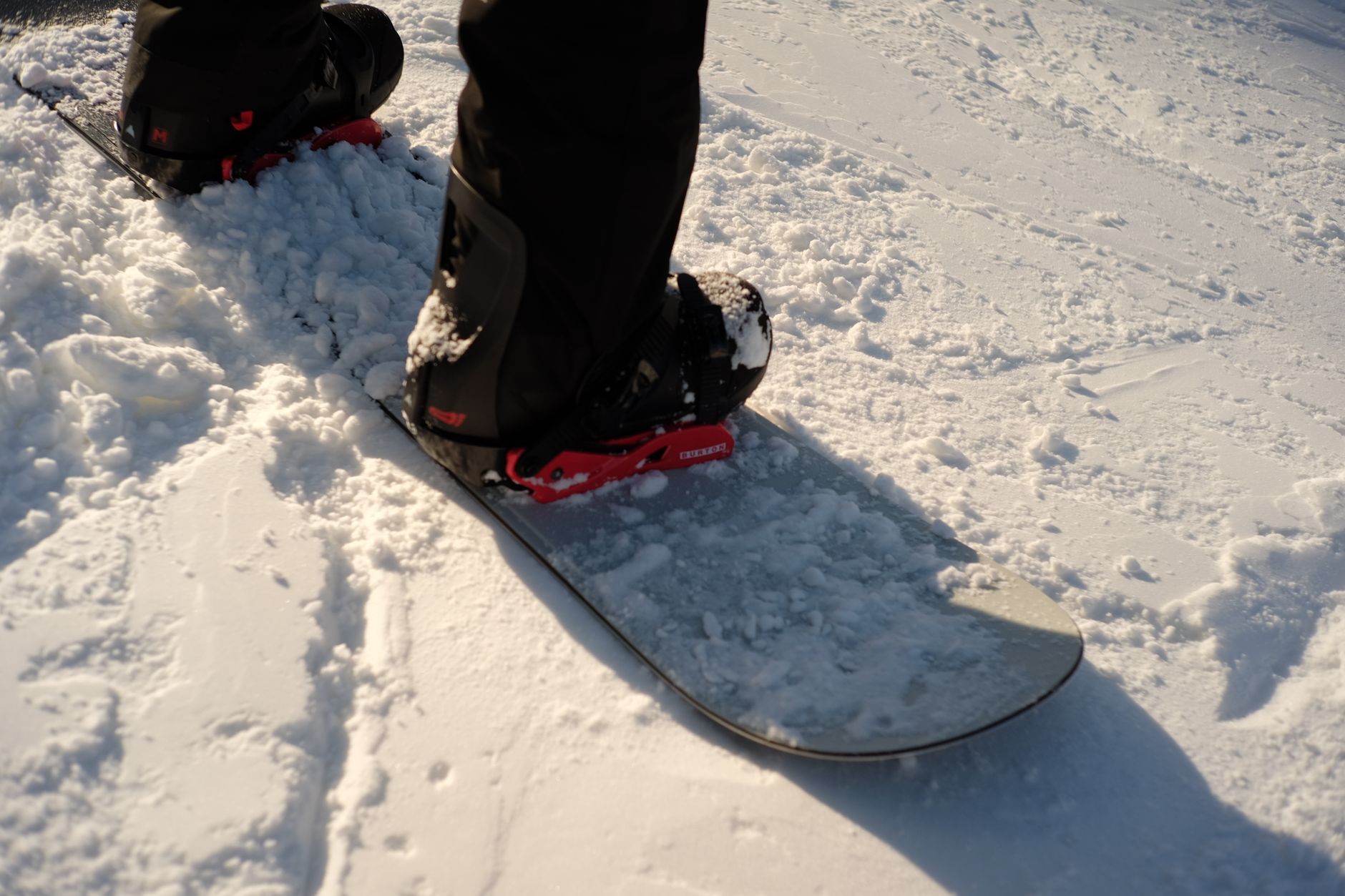
Similar risks to alpine skiing; keep it easy.
Cross‑country skiing
✅ Generally safe
Low‑impact, steady‑state cardio.
Snowshoeing
✅ Generally safe
Stable footing and controlled pace.
Ice skating
⚠️ Conditional
Requires good balance; avoid if prone to falls.
Sledding
⚠️ Conditional
Gentle hills are fine; steep slopes increase risk.
Snowmobiling
❌ Best avoided
High speed and vibration pose injury risk.
Myth vs. fact
Myth: Pregnant women should never ski because the fall risk is too high.
Fact: ACOG allows skiing on easy terrain for experienced skiers with no complications, provided they follow safety guidelines.
Myth: All winter sports are unsafe during pregnancy.
Fact: Many low‑impact winter activities, such as cross‑country skiing and snowshoeing, are specifically recommended by the NHS as safe forms of exercise.
Myth: Wearing a helmet is optional if you ski on gentle slopes.
Fact: Head protection is essential for all skiers, pregnant or not; a concussion can indirectly affect fetal health.
Key takeaways
Downhill skiing can be safe with medical clearance, especially on gentle “green” runs.
Limit total weekly skiing to ≤ 2 hours and keep sessions under 60 minutes.
Avoid high‑speed, steep, or deep‑powder runs, and stay at lower altitudes if you have hypertension.
Choose well‑maintained resorts with on‑site medical support and use ergonomic equipment from reputable brands.
If you’re unsure or have pregnancy complications, opt for lower‑impact alternatives like cross‑country skiing or indoor treadmill walking.
Frequently asked questions
Can I ski while pregnant?
Yes, you can ski while pregnant if you’re an experienced skier, stick to easy runs, limit time to about two hours per week, and have approval from your obstetrician.
What trimester is safest for skiing?
The second trimester is generally the safest window because balance improves and the risk of miscarriage is lower; however, any trimester can be acceptable with proper precautions.
Do I need a doctor's clearance to ski during pregnancy?
Most providers recommend a brief medical clearance, especially if you have any pregnancy complications, hypertension, or a history of falls.
What are the signs of injury while skiing pregnant?
Watch for abdominal pain, vaginal bleeding, severe back pain, dizziness, or prolonged swelling in the legs—any of these warrant immediate medical evaluation.
Is it safe to ski on icy slopes while pregnant?
Skiing on icy or hard‑packed slopes increases the likelihood of falls and should be avoided; choose well‑groomed, softer snow instead.
How can I modify my skiing technique during pregnancy?
Maintain a wider stance, keep your speed low, use poles for extra balance, and take frequent breaks to avoid overheating and fatigue.
What winter activities are safer than skiing for pregnant women?
Cross‑country skiing, snowshoeing, indoor treadmill walking, prenatal yoga, gentle ice skating, and low‑impact snowball throwing are all considered safer alternatives.
When to call your doctor
If you experience any of the following after a ski session, contact your provider right away: sudden abdominal or pelvic pain, vaginal bleeding, persistent headache, severe dizziness, unexplained swelling of the hands or feet, or a fall that results in a hard impact to the belly. Even if symptoms seem mild, it’s better to be evaluated early.
Remember, the information in this article is for educational purposes only and does not replace personalized medical advice. Always discuss your specific situation with a qualified health professional.
References
American College of Obstetricians and Gynecologists. “Physical Activity and Exercise During Pregnancy and the Postpartum Period.” ACOG Committee Opinion No. 804, 2020.
National Health Service (UK). “Exercise in pregnancy.” NHS Pregnancy and baby, 2023.
Centers for Disease Control and Prevention. “Safety Tips for Pregnant Women During Physical Activity.” CDC, 2022.
U.S. Food and Drug Administration. “Guidance for Industry: Pregnancy and Lactation Labeling.” FDA, 2021.
World Health Organization. “Recommendations on Physical Activity for Health: 2020.” WHO, 2020.
Not sure about the label on Is Skiing Safe During Pregnancy products?
Snap the ingredients list and SafeFilter checks every ingredient for your stage — only 3 free scans this month, then you're locked until reset. Unlimited from $7/mo or $50/yr.
When Shubhra Mishra was expecting her first child in 2016, she was overwhelmed by conflicting food advice — one site said yes, another said never. By the time her second baby arrived in 2019, she realized millions of mothers face the same confusion.
That sparked a five-year journey through clinical nutrition papers, cultural diets, and expert conversations — all leading to BumpBites: a calm, compassionate space where science meets everyday motherhood.
Her long-term vision is to build a global community ensuring safe, supported, and free deliveriesfor every mother — because no woman should face pregnancy alone or uninformed. 🌿
🌍 Stand with mothers, shape safer guidance
Join a small circle of experts who review BumpBites articles so expecting parents everywhere can decide with confidence.