Safe with limits: Running during pregnancy is generally safe if adjusted for trimesters and fitness level. Learn the safe dosage, trimester-specific tips, and alternatives.
By Shubhra Mishra — a mom of two who turned her own confusion during pregnancy into BumpBites, a global mission to make food choices clear, safe, and stress-free for every expecting mother. 💛
Check whether any food is safe during pregnancy with the BumpBites Food Safety Checker.
Quick verdict: ✅ Generally safe for most pregnant runners, as long as you keep the intensity moderate, stay hydrated, and listen to your body. If you have pregnancy‑related complications, check with your provider before lacing up.
It’s 2 a.m., the house is quiet, and you’ve just finished a short jog that left you feeling a mix of exhilaration and worry. “Is running safe during pregnancy?” you think, scrolling through endless forums while your baby kicks softly. You’re not alone—many expecting parents wonder the same thing, especially after the first trimester when the reality of pregnancy truly sets in.
Good news: for most healthy pregnant people, running can remain a safe and enjoyable way to stay fit. The key is to adjust your routine to match the changes in your body and to follow guidance from reputable health organizations like the American College of Obstetricians and Gynecologists (ACOG) and the UK's National Health Service (NHS). In this article we’ll answer the most common questions—how many miles per week are okay, what to watch out for in each trimester, which shoes to choose, and what safer alternatives exist if you need a break.
Read on for a clear verdict, trimester‑specific recommendations, mileage guidelines, potential risks, and practical tips so you can keep moving forward with confidence.
Trimester / Phase
Verdict
Notes
First trimester
✅ Generally safe
Maintain low‑to‑moderate intensity; avoid overheating and high‑impact terrain.
Second trimester
✅ Generally safe
Adjust stride for growing belly; monitor balance; stay hydrated.
Third trimester
⚠️ Safe with limits
Shorter runs, slower pace; consider supportive shoes and belly support.
Running is a form of aerobic exercise where you move at a pace faster than walking, typically measured in minutes per mile or kilometers per hour. It can be done outdoors on pavement, trails, or tracks, or indoors on a treadmill. The activity strengthens the heart, lungs, and leg muscles while burning calories, supporting cardiovascular health and weight management. For many, running also offers a mental break—a rhythmic, meditative experience that can reduce stress and improve mood.
During pregnancy, the body undergoes hormonal, cardiovascular, and musculoskeletal changes that affect how you move. Increased blood volume, a higher resting heart rate, and a shift in the center of gravity can make familiar runs feel different. Understanding these changes helps you adapt your routine safely, whether you’re a seasoned marathoner or a casual jogger.
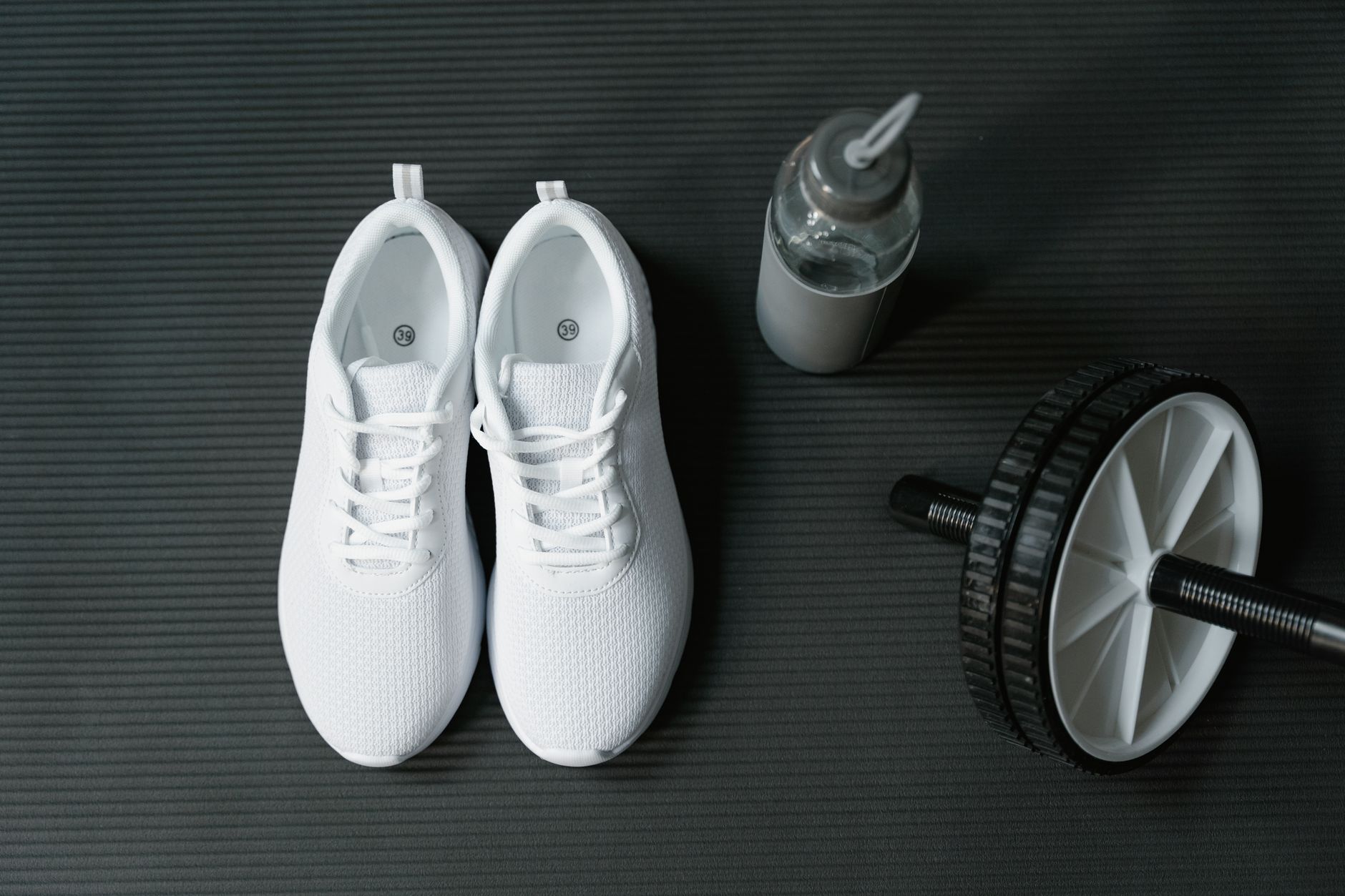
Tip: Keep a water bottle handy to stay hydrated while you jog.
Is running safe during pregnancy?
Current guidance from ACOG and the NHS states that regular, moderate‑intensity aerobic exercise—including running—is compatible with a healthy pregnancy for most individuals. ACOG’s “Physical Activity and Exercise During Pregnancy and the Postpartum Period” guideline notes that exercise “does not increase the risk of miscarriage, preterm labor, or low birth weight” when the activity is not excessive. The NHS echoes this, recommending at least 150 minutes of moderate‑intensity activity per week for pregnant people, and notes that running can count toward that goal.
The primary concerns with running involve overheating, dehydration, and the risk of falls due to altered balance. Studies published in the American Journal of Obstetrics & Gynecology have shown that when pregnant runners maintain a core temperature below 39 °C (102.2 °F) and stay well‑hydrated, fetal outcomes remain comparable to non‑runners. Likewise, the CDC highlights that injuries from falls are rare when runners choose flat, stable surfaces and wear appropriate footwear.
That said, certain conditions—such as placenta previa, preeclampsia, or a history of preterm labor—may warrant stricter limits. In those cases, your obstetrician may advise low‑impact alternatives like swimming or prenatal yoga. For most pregnant people without complications, running remains a safe, beneficial activity when practiced mindfully.
Is running safe during pregnancy in the first trimester?
The first trimester is a period of rapid organ development, making it the most sensitive window for potential teratogenic effects. However, running is not a teratogen; it does not directly affect fetal development. ACOG recommends that women continue their pre‑pregnancy exercise routines if they feel comfortable, provided they avoid overheating and stay within a moderate intensity range (about 50‑70 % of maximum heart rate).
If you’re new to running, start with short, easy jogs (5‑10 minutes) and see how your body responds. Pay attention to any unusual vaginal bleeding, severe cramping, or dizziness—these are signals to pause and consult your provider.
Can I continue running in my second trimester?
The second trimester often feels like the “golden period” for exercise. Energy levels typically rise, and the risk of miscarriage drops. ACOG and NHS both encourage maintaining aerobic activity, and many pregnant runners find they can even increase mileage slightly if they feel stable.
Key adjustments include: wearing a supportive sports‑bra, choosing shoes with extra cushioning, and possibly shortening stride length to accommodate a growing belly. Staying hydrated is crucial—aim for at least 2‑3 liters of water daily, especially if you’re sweating during runs.
How many miles per week is safe to run while pregnant?
Most experts agree that a weekly mileage of 15‑20 miles (24‑32 km) is a reasonable upper limit for healthy pregnant runners. This range aligns with the ACOG recommendation of 150 minutes of moderate‑intensity activity per week. If you usually run more than that, consider scaling back by 20‑30 % as your pregnancy progresses, especially in the third trimester.
Listen to your body: if you feel excessive fatigue, shortness of breath, or joint pain, reduce distance or switch to lower‑impact activities for a few days. Remember, the goal is to stay active, not to set personal records.
What are safe alternatives to running during pregnancy?
Walking – Low‑impact, easy on joints, and can be done almost anywhere.
Swimming – Provides buoyancy that relieves pressure on the spine and joints.
Prenatal yoga – Improves flexibility and promotes relaxation.
Stationary bike – Maintains cardiovascular fitness without impact.
Elliptical trainer – Mimics running motion with reduced joint stress.
Low‑impact aerobics – Keeps heart rate up while sparing the hips.
Water aerobics – Combines cardio with the soothing effects of water.
Pilates – Strengthens core muscles essential for labor support.
Are there specific running shoes recommended for pregnant runners?
Choosing the right shoe is essential as pregnancy alters foot shape—many women experience slight swelling and a flattening of the arch. Look for shoes that offer:
Extra cushioning in the midsole to absorb impact.
Stable arch support to counter pronation.
Adjustable lacing or Velcro straps for swelling.
Breathable uppers that reduce heat buildup.
Brands such as Brooks (e.g., Ghost series), Asics (Gel‑Nimbus), and New Balance (Fresh Foam) often receive positive reviews from pregnant athletes. Always try shoes on at the end of the day when feet are at their largest, and consider a professional fitting if possible.
What are the risks of running while pregnant?
When practiced responsibly, running carries a low risk profile. Potential concerns include:
Overheating – Elevated core temperature can affect fetal development; keep runs short in hot weather and wear breathable clothing.
Dehydration – Can lead to reduced amniotic fluid and uterine contractions; drink water before, during, and after exercise.
Falls – Shifts in balance increase fall risk, especially on uneven terrain; prefer flat, well‑lit surfaces.
Joint pain – Hormone‑induced ligament laxity may cause knee or ankle discomfort; incorporate strength training and stretch regularly.
Most of these risks are manageable with proper preparation and by listening to your body’s signals.
Choosing a supportive sports bra and cushioned shoes helps maintain comfort and safety.
How does running affect pregnancy complications like gestational diabetes?
Regular aerobic activity, including running, helps regulate blood glucose by improving insulin sensitivity. The American Diabetes Association (ADA) notes that moderate‑intensity exercise for at least 150 minutes per week can lower the risk of developing gestational diabetes (GDM). For those already diagnosed with GDM, ACOG recommends a tailored exercise plan—often 30‑minutes of moderate activity most days—to help control glucose levels alongside dietary management.
However, if you experience severe fatigue, dizziness, or abnormal blood sugar spikes during or after a run, contact your provider. They may suggest adjusting intensity or swapping to lower‑impact options like swimming.
Should I limit my running speed and intensity during pregnancy?
Yes—moderate intensity is the sweet spot. The “talk test” is a useful gauge: you should be able to hold a conversation without gasping for breath. This typically translates to a heart rate of 140‑150 bpm for most pregnant runners, though individual limits vary. Interval training or high‑intensity sprinting is generally discouraged unless approved by your obstetrician, as it can raise core temperature and stress the cardiovascular system.
Consider pacing yourself with a run‑walk strategy: 5 minutes of jogging followed by 2 minutes of walking, repeated for the duration of your workout. This approach maintains fitness while reducing continuous strain.
Safe dosage / amount / brands
Running isn’t a medication, but you can think of mileage and intensity as “dosage.” For a healthy pregnancy, aim for:
Frequency: 3‑5 days per week.
Duration: 20‑45 minutes per session.
Distance: 15‑20 miles (24‑32 km) per week, adjusted downward in the third trimester.
Pace: Comfortable, conversational pace (≈ 5‑6 mph or 8‑10 km/h).
If you prefer structured training plans, look for prenatal‑friendly programs from reputable sources like the Pregnancy Running Club or the “Fit4Birth” series from the NHS. These often incorporate cross‑training days with low‑impact activities to protect joints.
Regarding equipment, choose shoes with good cushioning and a breathable upper. Brands such as Brooks, Asics, Saucony, and New Balance consistently receive high marks for comfort and support. Avoid shoes that feel tight or cause heel slippage, as swelling can change foot size quickly.
Side effects and risks
Most pregnant runners experience no serious side effects. Common, mild complaints include:
Leg cramps – often alleviated by stretching and proper hydration.
Lower back soreness – can be reduced with a supportive belly band and core‑strengthening exercises.
Increased urination – a normal pregnancy symptom that may be more noticeable during runs.
If you encounter any of the following, contact your provider promptly:
Severe abdominal pain or persistent cramping.
Vaginal bleeding or spotting.
Sudden shortness of breath that doesn’t improve with rest.
Dizziness or fainting.
Swelling in the legs that doesn’t subside after a short rest.
These signs could indicate complications such as preterm labor, placental issues, or cardiovascular strain.
Safer alternatives
Walking – Gentle on joints and easy to adjust pace.
Swimming – Provides full‑body resistance without impact.
Prenatal yoga – Enhances flexibility and reduces stress.
Stationary bike – Keeps heart rate steady while protecting the hips.
Elliptical trainer – Simulates running motion with less joint load.
Low‑impact aerobics – Maintains cardio fitness without high‑impact stress.
Water aerobics – Combines cardio with the soothing effects of water.
Pilates – Strengthens core muscles important for labor.
Related items — safety at a glance
Activity
Verdict
Note
Prenatal Pilates
✅ Safe
Focuses on core stability and pelvic floor.
Low‑impact cardio
✅ Safe
Includes brisk walking, elliptical, or bike.
Resistance band training
✅ Safe
Builds strength without heavy loading.
Aqua aerobics
✅ Safe
Reduces joint stress with water buoyancy.
Elliptical trainer
✅ Safe
Mimics running motion, low impact.
Prenatal dance classes
✅ Safe
Fun cardio, keep movements moderate.
Pregnancy‑friendly HIIT
⚠️ Caution
Short bursts okay if approved by provider.
Walking
✅ Safe
Best low‑impact option for any trimester.
Myth vs. fact
Myth: Running will cause the baby’s head to be smaller.
Fact: There is no evidence that maternal running influences fetal head size; growth is determined by genetics and nutrition.
Myth: You must stop all high‑impact exercise once you’re pregnant.
Fact: Moderate‑intensity running is permissible for most pregnant people, though intensity should be reduced if complications arise.
Myth: All pregnant runners should switch to walking after the first trimester.
Fact: Many women continue running safely into the third trimester, provided they adjust stride, stay hydrated, and monitor for warning signs.
Key takeaways
Running is generally safe throughout pregnancy when kept at moderate intensity and proper hydration.
Aim for 15‑20 miles per week or about 150 minutes of activity; reduce mileage in the third trimester.
Choose supportive, cushioned shoes and consider a belly‑support band for added comfort.
Watch for overheating, dehydration, and any signs of bleeding or severe cramping.
If you have specific complications (e.g., placenta previa), consult your provider before continuing.
Safe alternatives—walking, swimming, prenatal yoga—provide similar benefits with lower impact.
Frequently asked questions
Is it safe to run while pregnant?
Yes, for most healthy pregnant individuals, running at a moderate pace is safe and offers cardiovascular benefits, as long as you avoid overheating and listen to your body.
How much can I run during pregnancy?
Generally, 15‑20 miles (24‑32 km) per week is considered a safe upper limit; many providers recommend staying within the 150‑minute weekly moderate‑intensity guideline.
What are the signs I should stop running while pregnant?
Stop immediately and contact your provider if you experience vaginal bleeding, severe abdominal pain, persistent dizziness, shortness of breath that doesn’t improve with rest, or sudden swelling in your legs.
Can running cause preterm labor?
When performed at moderate intensity, running does not increase the risk of preterm labor; however, high‑intensity or very long runs without proper rest may elevate stress on the uterus.
What are the best exercises for pregnant runners?
Complementary activities such as walking, swimming, prenatal yoga, stationary biking, and low‑impact aerobics help maintain fitness while reducing joint strain.
Should I wear a maternity support belt when running?
A maternity support belt can help alleviate lower‑back discomfort and improve posture, especially in the second and third trimesters, but it’s optional and should fit comfortably without restricting breathing.
Mixing running with low‑impact activities provides a well‑rounded fitness plan.
When to call your doctor
If you notice any of the following, reach out to your obstetric provider right away: vaginal bleeding or spotting, severe cramping, persistent dizziness or fainting, sudden shortness of breath, swelling that doesn’t improve with rest, or any unusual pain in the abdomen or pelvis. These symptoms could signal complications that need medical assessment.
Remember, this article provides general information and is not a substitute for personalized medical advice. Always discuss any new or continuing exercise regimen with your healthcare provider.
References
American College of Obstetricians and Gynecologists. “Physical Activity and Exercise During Pregnancy and the Postpartum Period.” ACOG Committee Opinion No. 804, 2020.
National Health Service (NHS). “Exercise in pregnancy.” NHS website, updated 2023.
Centers for Disease Control and Prevention (CDC). “Pregnancy and Physical Activity.” CDC, 2022.
American Diabetes Association. “Gestational Diabetes Mellitus.” Diabetes Care, 2021.
American Journal of Obstetrics & Gynecology. “Maternal exercise and fetal outcomes.” AJOG, 2019.
Not sure about the label on Is Running Safe During Pregnancy products?
Snap the ingredients list and SafeFilter checks every ingredient for your stage — only 3 free scans this month, then you're locked until reset. Unlimited from $7/mo or $50/yr.
When Shubhra Mishra was expecting her first child in 2016, she was overwhelmed by conflicting food advice — one site said yes, another said never. By the time her second baby arrived in 2019, she realized millions of mothers face the same confusion.
That sparked a five-year journey through clinical nutrition papers, cultural diets, and expert conversations — all leading to BumpBites: a calm, compassionate space where science meets everyday motherhood.
Her long-term vision is to build a global community ensuring safe, supported, and free deliveriesfor every mother — because no woman should face pregnancy alone or uninformed. 🌿
🌍 Stand with mothers, shape safer guidance
Join a small circle of experts who review BumpBites articles so expecting parents everywhere can decide with confidence.