Is reflexology feet safe during pregnancy? Safe in the second trimester with precautions—learn dosages, risks, and alternatives for a worry-free experience.
By Shubhra Mishra — a mom of two who turned her own confusion during pregnancy into BumpBites, a global mission to make food choices clear, safe, and stress-free for every expecting mother. 💛
Check whether any food is safe during pregnancy with the BumpBites Food Safety Checker.
Quick verdict: ⚠️ Foot reflexology can be safe during pregnancy when performed gently by a trained practitioner, but it’s not universally recommended. Most obstetricians suggest avoiding it in the first trimester and opting for shorter sessions in later stages. Always check with your provider first—especially if you have high-risk pregnancy factors like preterm labor or placenta previa.
At 11 pm, staring at the glow-in-the-dark stars on your ceiling, you wonder: Is reflexology feet safe during pregnancy? Maybe you’ve already had a session and now you’re Googling in a panic. Or perhaps you’re weighing whether to book that next appointment. Either way, you’re not alone—many pregnant people turn to reflexology for relief from swollen feet, back pain, or stress, but the uncertainty lingers. The good news? With the right precautions, foot reflexology can be a gentle, non-invasive way to ease pregnancy discomfort. But it’s not a one-size-fits-all solution, and the risks (or lack thereof) depend on your trimester, the practitioner’s skill, and your body’s unique needs.
This guide breaks down everything you need to know—from trimester-by-trimester safety to how often you can safely receive treatments, plus safer alternatives if you’re still unsure. We’ll also debunk myths, highlight red flags, and give you the confidence to make an informed decision. By the end, you’ll know whether to book that appointment or opt for another soothing option.
Note: If you’ve already had reflexology and are worried, take a deep breath. We’ll cover what to watch for and when to reach out to your provider.
Trimester / Stage
Safety Verdict
Notes
First trimester
⚠️ Avoid or limit
Most obstetricians recommend avoiding reflexology in the first trimester due to the risk of stimulating contractions or triggering nausea. If you’ve already had sessions, monitor for spotting, cramping, or increased nausea.
Second trimester
✅ Safe with precautions
Short, gentle sessions (15–20 minutes) are generally considered safe. Focus on non-sensitive zones (e.g., avoid the area near the uterus).
Third trimester
⚠️ Safe with limits
Limit sessions to 10–15 minutes. Avoid deep pressure near the ankles or feet, which could stimulate contractions. Skip if you have placenta previa or a history of preterm labor.
Breastfeeding
✅ Safe
No restrictions during breastfeeding, but avoid essential oils used in some reflexology sessions (e.g., peppermint, rosemary). Stick to plain pressure techniques.
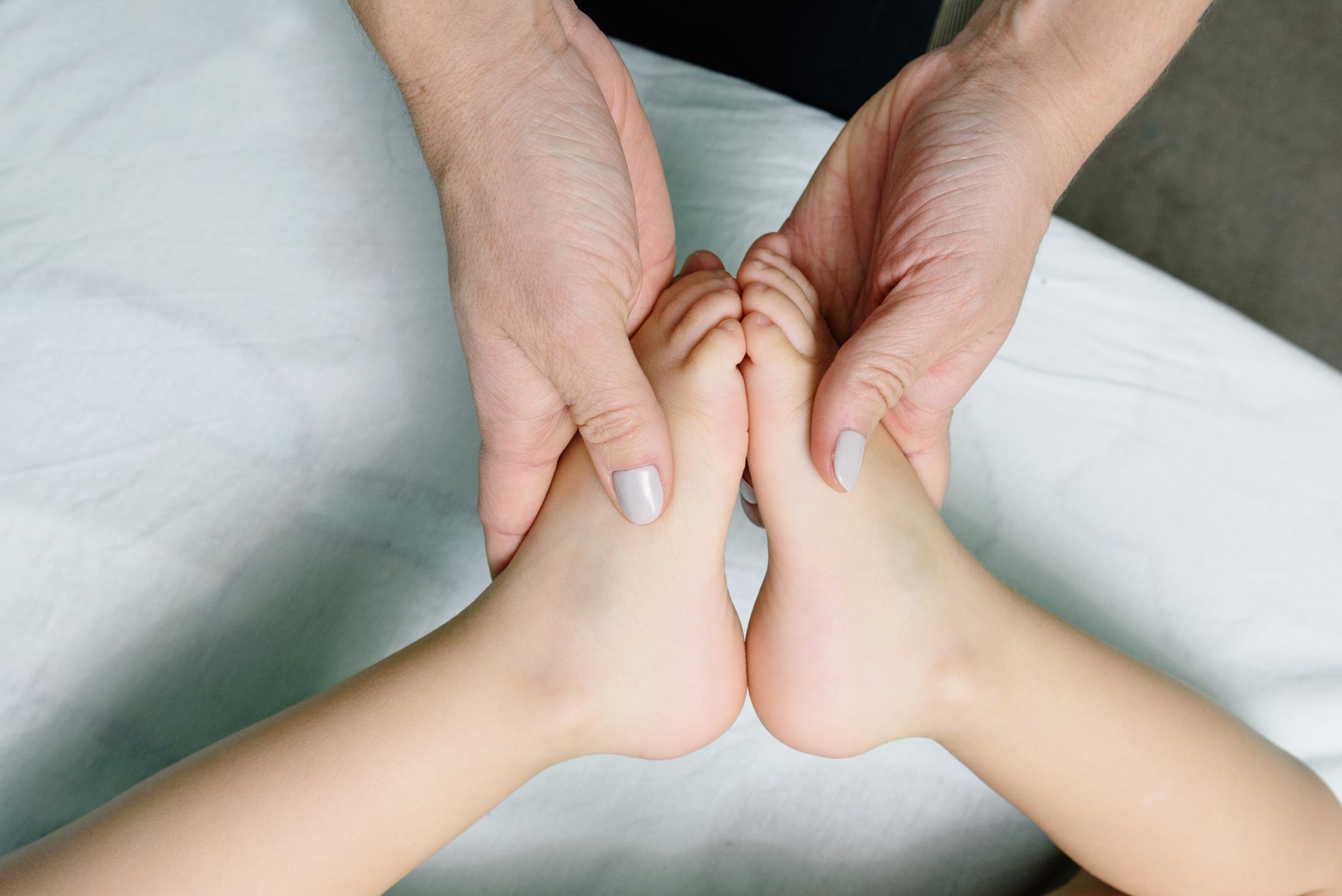
Safe reflexology zones for pregnant women focus on pressure points away from the uterus.
What is foot reflexology?
Foot reflexology is an ancient practice rooted in the belief that specific areas (or "reflex points") on the feet correspond to organs, glands, and other parts of the body. Practitioners apply gentle to firm pressure to these zones using thumbs, fingers, or tools (like wooden reflexology tools) to promote relaxation, reduce stress, and encourage natural healing. Its origins can be traced back to ancient Egypt and China, with a holistic philosophy that the body’s energy pathways (or meridians) can be influenced by working on these specific points.
Unlike massage, which focuses on muscle tissue, reflexology targets the nervous system. Many people turn to it for relief from pain, swelling, or emotional tension—especially during pregnancy, when hormonal changes and physical discomfort are common. Studies suggest reflexology may help with symptoms like carpal tunnel syndrome, digestive issues, and even labor preparation by reducing anxiety. However, it’s not a medical treatment and shouldn’t replace prenatal care. Its primary goal is to support the body’s natural ability to balance and heal, offering a complementary approach to well-being.
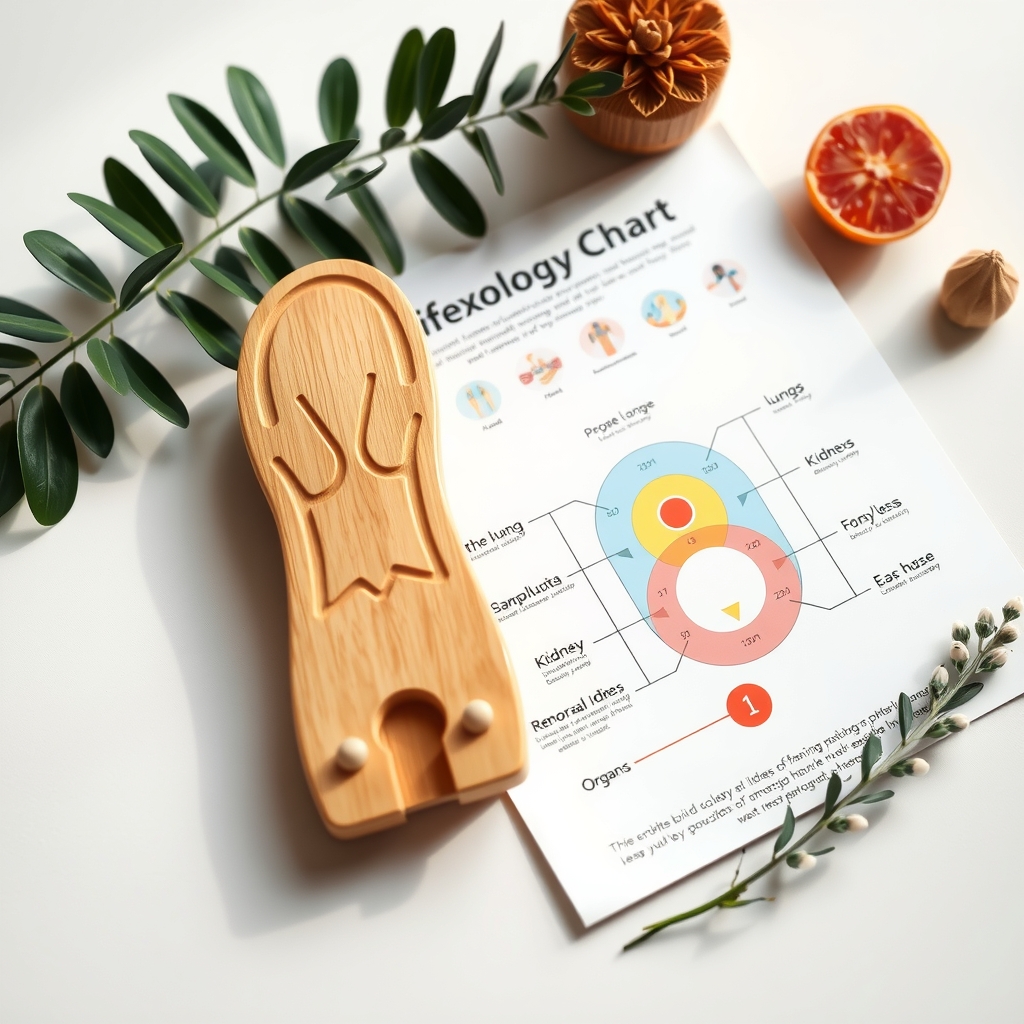
Reflexology tools and charts help practitioners target specific zones safely during pregnancy.
Is foot reflexology safe during pregnancy?
The safety of foot reflexology during pregnancy depends on when you’re in your pregnancy, how it’s performed, and your individual health. While some women swear by it for relief from swelling and back pain, others report increased nausea or discomfort after sessions. Here’s what the evidence and expert guidelines say:
Expert Consensus
The American College of Obstetricians and Gynecologists (ACOG) does not have a formal stance on reflexology, but most obstetricians caution against it in the first trimester due to the theoretical risk of stimulating contractions or triggering nausea. In later trimesters, they generally recommend short, gentle sessions with a trained practitioner who avoids deep pressure near the feet or ankles.
The National Health Service (NHS) in the UK advises that reflexology is not routinely recommended during pregnancy unless performed by a qualified practitioner who understands pregnancy-specific precautions. They note that while it’s considered low-risk, individual reactions vary.
A 2019 study published in the Journal of Alternative and Complementary Medicine found that reflexology was safe for pregnant women in the second and third trimesters when performed by trained therapists, but it also highlighted the need for caution in early pregnancy.
Why the Caution in Early Pregnancy?
The primary concern in the first trimester is the potential to stimulate the nervous system in ways that could affect the developing fetus. Some reflexology techniques, especially near the feet or ankles, may inadvertently trigger mild contractions or increase uterine sensitivity. While this is rare, it’s not been extensively studied, which is why most providers err on the side of caution. The theoretical risk is that stimulating certain reflex points could lead to uterine activity, which is undesirable during the delicate initial stages of pregnancy.
In the second and third trimesters, the risks are lower, but the focus shifts to avoiding pressure points that could provoke contractions or exacerbate conditions like varicose veins. For example, applying pressure to the reflex points corresponding to the uterus or cervix is generally avoided. A skilled prenatal reflexologist will be acutely aware of these sensitive zones and adjust their technique accordingly.
Understanding Reflex Points: Which to Avoid?
For pregnant individuals, certain reflex points on the feet require particular caution. These include areas thought to correspond to the uterus, ovaries, and pituitary gland. The reflex point for the uterus, for instance, is located on the inner ankle bone and heel. Applying deep or sustained pressure to these areas is typically avoided, especially in the first trimester, to prevent any theoretical stimulation of the uterus or hormonal shifts. A qualified prenatal reflexologist will have specific training on how to modify sessions to ensure safety, often focusing on more generalized relaxation techniques rather than targeting specific organ points.
What About the Benefits?
Many women report positive effects from reflexology during pregnancy, including:
Reduced swelling in the feet and ankles (thanks to improved circulation).
Relief from back pain or sciatica.
Lower stress and anxiety levels (which can indirectly benefit both mom and baby).
Easier digestion and reduced heartburn.
However, these benefits are anecdotal rather than clinically proven, and individual results vary widely. It’s often the calming effect of dedicated self-care and gentle touch that provides the most comfort during pregnancy.
Safety by trimester
Is foot reflexology safe in the first trimester of pregnancy?
Most obstetricians recommend avoiding foot reflexology in the first trimester due to the highest risk of complications. During this critical window (weeks 1–12), your body is laying the foundation for your baby’s organs and systems—a process called **organogenesis**. Any external stimulation, including reflexology, could theoretically disrupt this process or trigger mild contractions. Practitioners are typically advised to avoid the sensitive areas on the feet linked to the reproductive organs during this period.
What to watch for
Increased nausea or vomiting.
Spotting or light cramping.
A sense of heightened uterine sensitivity.
If you’ve already had reflexology in the first trimester
You’re likely fine—most women who’ve had it without issues continue to do so safely. However, if you experience any of the red flags above, skip future sessions and discuss it with your provider.
Is foot reflexology safe in the second trimester of pregnancy?
In the second trimester (weeks 13–26), the risk profile changes. The fetus is now more protected, and your body has adapted to the pregnancy. Short, gentle sessions (15–20 minutes) are generally considered safe if performed by a trained practitioner who avoids deep pressure near the feet or ankles. Many women find reflexology particularly beneficial during this period as they adjust to their changing body and energy levels.
Key precautions
Focus on non-sensitive zones, such as the outer edges of the feet or the arch.
Avoid reflex points linked to the uterus or reproductive system (e.g., the area near the toes).
Opt for a practitioner who specializes in prenatal reflexology.
Benefits to expect
Reduced swelling in the lower legs.
Relief from mild back pain or digestive discomfort.
A calming effect to counter pregnancy-related stress.
Is foot reflexology safe in the third trimester of pregnancy?
In the third trimester (weeks 27–40), reflexology can still be safe, but it requires even more caution. The uterus is larger, and any stimulation—even gentle—could theoretically trigger contractions or increase the risk of preterm labor. Most practitioners recommend:
Limiting sessions to **10–15 minutes**.
Avoiding deep pressure or tools near the feet or ankles.
Skipping reflexology if you have a history of **preterm labor** or **placenta previa**.
When to stop
If you feel any mild contractions or uterine tightening, especially if they become regular or painful, stop immediately.
If your practitioner notices increased swelling or redness in your feet.
If you’re experiencing **pregnancy-induced hypertension** (PIH) or gestational diabetes, as reflexology may not be recommended.
Is foot reflexology safe while breastfeeding?
Yes, foot reflexology is generally safe while breastfeeding, provided you avoid essential oils or topical treatments that could transfer to your baby. Stick to plain pressure techniques, and ensure your practitioner is aware of your breastfeeding status to tailor the session accordingly. Certain essential oils like peppermint, eucalyptus, or rosemary are often advised against during breastfeeding due to potential effects on milk supply or infant sensitivity.
Tips for breastfeeding moms
Ask your practitioner to avoid reflex points linked to the breasts or reproductive system.
Opt for a light, relaxing session rather than deep pressure.
If you’re using a reflexology tool, ensure it’s clean and free of oils or lotions.
Safe dosage / amount / brands
How often can you get foot reflexology during pregnancy?
**First trimester:** Avoid or limit to one session if you’ve already had it without issues.
**Second trimester:** Up to **once every 2 weeks** for 15–20 minutes.
**Third trimester:** Limit to **once every 3–4 weeks** for 10–15 minutes.
How long should a session last?
**First trimester:** Skip or do a 5-minute light touch session (if you’ve already had it).
**Second trimester:** 15–20 minutes.
**Third trimester:** 10–15 minutes.
What to look for in a practitioner
Choosing the right reflexologist is crucial during pregnancy. Don't hesitate to ask questions about their qualifications and experience.
**Certification:** Look for practitioners certified by organizations like the **American Reflexology Certification Board (ARCB)** or the **Association of Reflexologists (UK)**.
**Prenatal experience:** Ask if they specialize in prenatal reflexology and how many pregnant clients they've worked with. This specialized training ensures they understand the unique considerations and contraindications for expectant mothers.
**Avoidance of sensitive zones:** They should know to skip pressure near the uterus, ankles, and feet, especially in early pregnancy.
**Cleanliness:** Ensure they use clean tools and avoid essential oils (unless you’re breastfeeding and they’re safe for baby).
Brands to consider
**Tools:** Look for **wooden or acrylic reflexology tools** (e.g., from brands like **Healthy Feet Company** or **Reflexology Tools by Dr. Sears**).
**Practitioners:** Search for local reflexologists who advertise "prenatal-friendly" services or have experience with pregnant clients.
Brands to avoid
Any practitioner who uses **deep pressure, essential oils, or tools near the ankles/feet** without prenatal training.
DIY reflexology tools with sharp edges or poor ergonomics.
Side effects and risks
While foot reflexology is generally considered low-risk, some women may experience side effects or risks, particularly if the session is performed incorrectly or if they have underlying conditions. It’s important to distinguish between typical, harmless reactions and more serious red flags.
Common (but usually harmless) reactions
**Increased swelling in the feet or ankles** (due to improved circulation).
**Mild nausea or dizziness** (especially if you’re prone to morning sickness).
**Temporary soreness or tenderness** in the feet after the session.
Red flags that warrant stopping
**Mild contractions or uterine tightening** (especially in the third trimester).
**Spotting or cramping** (a sign to avoid further sessions and contact your provider).
**Increased heart rate or shortness of breath** (could indicate an adverse reaction).
**Worsening of pre-existing conditions** (e.g., varicose veins, gestational diabetes).
Who should avoid foot reflexology entirely?
Certain conditions make reflexology inadvisable during pregnancy. Always disclose your full medical history to your practitioner and consult your doctor.
Women with a history of **preterm labor** or **placenta previa**, as any uterine stimulation could pose a risk.
Those with **severe hypertension** or **uncontrolled diabetes**, where changes in circulation or stress response need careful medical management.
Anyone experiencing **active contractions** or **bleeding**, as these are signs of potential complications requiring immediate medical attention.
Safer alternatives to foot reflexology for pregnant women
If you’re unsure about reflexology or simply want to explore other gentle options, here are some safer and equally soothing alternatives that can provide comfort during pregnancy. These options are generally well-tolerated and often recommended by healthcare providers.
Prenatal massage: A licensed massage therapist trained in prenatal techniques can provide deep tissue relief for back pain or swelling. Many spas offer side-lying or reclined positions for safety.
Gentle stretching: Yoga or prenatal stretching can improve circulation and reduce discomfort. Focus on slow, controlled movements to avoid strain.
Prenatal yoga: Classes designed for pregnant women emphasize breathwork, gentle poses, and relaxation—all of which can ease stress and improve sleep.
Warm foot soak: Soaking your feet in lukewarm (not hot) water with Epsom salts can reduce swelling and relax muscles. Avoid soaking for more than 10–15 minutes.
Aromatherapy (with caution): Certain essential oils (like lavender or chamomile) can be used in a diffuser or diluted lotion for relaxation, but always check with your provider first.
Light foot massage: A partner or you can gently massage your feet with fragrant-free lotion to improve circulation and reduce tension.
Compression socks: For persistent foot and ankle swelling, compression socks can significantly improve circulation and reduce fluid retention throughout the day.
Related items — safety at a glance
Item
Safety Verdict
Notes
Hand reflexology
⚠️ Safe with limits
Generally safer than foot reflexology in the first trimester, but avoid deep pressure near the wrists. Second and third trimesters are safer.
Full body reflexology
❌ Best avoided
Increased risk of stimulating sensitive areas; stick to foot or hand reflexology only.
Acupressure
✅ Safe with precautions
Similar to reflexology but focuses on pressure points; avoid near the abdomen or ankles. Safe in second and third trimesters.
Prenatal massage
✅ Safe with precautions
Highly recommended for back pain and stress relief; always use a certified prenatal massage therapist.
Prenatal yoga
✅ Safe
Gentle, low-impact exercise that improves flexibility and reduces stress. Avoid inversions after the first trimester.
Prenatal stretching
✅ Safe
Helps with circulation and discomfort; focus on slow, controlled movements and avoid overstretching.
Foot massage
✅ Safe
Light, non-invasive massage with lotion is safe at any trimester. Avoid deep pressure near the ankles.
Foot soaking
✅ Safe
Use lukewarm water and Epsom salts for 10–15 minutes; avoid soaking if you have swelling or varicose veins.
Myth vs. fact
**Myth:** "Reflexology is completely safe for all pregnant women at any time."
**Fact:** While reflexology is considered low-risk for many women, it’s not universally safe—especially in the first trimester. The American College of Obstetricians and Gynecologists (ACOG) does not have a formal stance, but most providers recommend avoiding it in early pregnancy due to potential risks of stimulating contractions or triggering nausea. Individual health conditions also play a significant role in its safety.
**Myth:** "Any reflexology practitioner can safely treat pregnant women."
**Fact:** Not all reflexologists are trained in prenatal care. Look for practitioners certified by organizations like the **American Reflexology Certification Board (ARCB)** who specialize in prenatal reflexology and avoid sensitive zones. Specialized training ensures they understand the specific anatomical and physiological changes during pregnancy.
**Myth:** "Reflexology can induce labor early."
**Fact:** There’s no evidence that reflexology alone can induce labor prematurely. However, deep pressure near the feet or ankles could theoretically stimulate mild contractions, which is why caution is advised in the third trimester, especially if you have a history of preterm labor. It's not a reliable method for labor induction.
Key takeaways
⚠️ **First trimester:** Avoid or limit reflexology due to potential risks of contractions or nausea.
✅ **Second trimester:** Short, gentle sessions (15–20 minutes) are generally safe with a trained practitioner.
⚠️ **Third trimester:** Limit to 10–15 minutes and avoid deep pressure near the feet or ankles.
✅ **Breastfeeding:** Safe if essential oils are avoided and sessions are light.
🔍 **Always check with your provider** if you have a high-risk pregnancy or concerns.
🛠️ **Choose a certified practitioner** who specializes in prenatal reflexology.
🌿 **Safer alternatives:** Prenatal massage, gentle stretching, prenatal yoga, or light foot massage are great options.
Frequently asked questions
Is reflexology safe during pregnancy?
Reflexology can be safe during pregnancy, but it depends on your trimester and how it’s performed. In the first trimester, most obstetricians recommend avoiding it due to potential risks of stimulating contractions or triggering nausea. In the second and third trimesters, short, gentle sessions (15–20 minutes) are generally considered safe if performed by a trained practitioner who avoids deep pressure near the feet or ankles. Always check with your provider before starting or continuing sessions.
Can I do reflexology on my feet while pregnant?
Yes, you can do reflexology on your feet while pregnant, but with caution. If you’re in your first trimester, it’s best to skip or limit sessions. In the second and third trimesters, you can try gentle self-reflexology at home using a soft tool or your fingers, focusing on non-sensitive zones like the outer edges of your feet. Avoid deep pressure near the ankles or feet, and stop if you feel any discomfort or contractions.
What are the benefits of foot reflexology during pregnancy?
Many women report benefits from foot reflexology during pregnancy, including:
Reduced swelling in the feet and ankles (thanks to improved circulation).
Relief from back pain or digestive discomfort.
Lower stress and anxiety levels, which can indirectly benefit both mom and baby.
Easier digestion and reduced heartburn.
While these benefits are anecdotal, they’re often enough for pregnant women to find reflexology helpful. However, individual results vary, and it’s not a medical treatment.
Are there any risks of reflexology during pregnancy?
The risks of reflexology during pregnancy are generally low, but they do exist—especially in the first trimester. Potential risks include:
Mild contractions or uterine tightening (especially in the third trimester).
Increased nausea or dizziness (common in early pregnancy).
Worsening of pre-existing conditions like varicose veins or gestational diabetes.
If you experience any red flags—such as spotting, cramping, or increased contractions—stop the session and contact your provider.
How often can I get reflexology during pregnancy?
The frequency of reflexology sessions depends on your trimester:
**First trimester:** Avoid or limit to one session if you’ve already had it without issues.
**Second trimester:** Up to once every 2 weeks for 15–20 minutes.
**Third trimester:** Limit to once every 3–4 weeks for 10–15 minutes.
Always listen to your body and stop if you feel any discomfort.
Is foot reflexology better than hand reflexology during pregnancy?
Hand reflexology is often considered safer than foot reflexology in the first trimester because it avoids the sensitive zones near the feet and ankles. However, both can be safe in the second and third trimesters if performed gently. Hand reflexology may be easier for some women to access, while foot reflexology can be more relaxing for others. The key is to avoid deep pressure near the wrists or ankles in any case.
What essential oils should I avoid with reflexology during pregnancy?
If your reflexologist uses essential oils, it's crucial to know which ones are safe. Avoid oils known to stimulate uterine contractions or affect hormones, such as clary sage, rosemary, peppermint, jasmine, and cinnamon. Always inform your practitioner that you are pregnant and ask them to use only pregnancy-safe oils (like lavender or chamomile, highly diluted) or none at all. Topical application of essential oils can be absorbed into your bloodstream, so caution is key.
Can reflexology help with restless legs syndrome during pregnancy?
While not a cure, some anecdotal evidence suggests that the relaxing effects of foot reflexology may help alleviate symptoms of restless legs syndrome (RLS) during pregnancy. The gentle pressure and improved circulation could provide temporary relief from the uncomfortable sensations. However, it's not a scientifically proven treatment for RLS, and individual results will vary. Always discuss persistent RLS symptoms with your doctor to rule out underlying deficiencies like iron.
When to call your doctor
Contact your healthcare provider immediately if you experience any of the following after a reflexology session:
**Mild contractions or uterine tightening** (especially in the third trimester).
**Spotting or cramping** (a sign of potential complications).
**Increased swelling or redness** in your feet or ankles (could indicate an adverse reaction).
**Shortness of breath or dizziness** (could signal an allergic reaction or other issue).
**Worsening of pre-existing conditions** (e.g., gestational diabetes, hypertension).
If you’re unsure whether a symptom is serious, always err on the side of caution and call your provider. Reflexology is generally safe, but your pregnancy is unique, and your provider knows your medical history best.
References
**American College of Obstetricians and Gynecologists (ACOG):** While ACOG does not have a formal guideline on reflexology, most obstetricians follow general precautions for complementary therapies during pregnancy.
**National Health Service (NHS):** Recommends that reflexology is not routinely recommended during pregnancy unless performed by a qualified practitioner who understands pregnancy-specific precautions.
**Journal of Alternative and Complementary Medicine (2019):** A study published in this journal found that reflexology was safe for pregnant women in the second and third trimesters when performed by trained therapists.
**American Reflexology Certification Board (ARCB):** Provides certification for reflexology practitioners, including those specializing in prenatal care.
**Mayo Clinic:** Offers general guidance on complementary therapies during pregnancy, including reflexology, and emphasizes the importance of consulting with a healthcare provider.
Not sure about the label on Is Reflexology Feet Safe During Pregnancy products?
Snap the ingredients list and SafeFilter checks every ingredient for your stage — only 3 free scans this month, then you're locked until reset. Unlimited from $7/mo or $50/yr.
When Shubhra Mishra was expecting her first child in 2016, she was overwhelmed by conflicting food advice — one site said yes, another said never. By the time her second baby arrived in 2019, she realized millions of mothers face the same confusion.
That sparked a five-year journey through clinical nutrition papers, cultural diets, and expert conversations — all leading to BumpBites: a calm, compassionate space where science meets everyday motherhood.
Her long-term vision is to build a global community ensuring safe, supported, and free deliveriesfor every mother — because no woman should face pregnancy alone or uninformed. 🌿
🌍 Stand with mothers, shape safer guidance
Join a small circle of experts who review BumpBites articles so expecting parents everywhere can decide with confidence.