

Quick verdict: ⚠️ Talk to your doctor first. Planks can be part of a healthy pregnancy routine, but they should be modified, limited in duration, and avoided if you have back pain, diastasis recti, or other risk factors. Most obstetricians agree that short, controlled holds with proper form are generally safe in uncomplicated pregnancies, but individual factors like pre-existing conditions or fitness level play a major role in safety.
It’s completely normal to wonder is planks safe during pregnancy when you see a workout video or feel the urge to keep your core strong. Maybe you’ve already been holding a plank for a minute in the first trimester and now you’re scrolling at 2 a.m., wondering if you’ve done any damage. Or perhaps you’re standing in your living room, yoga mat unrolled, trying to decide whether to follow that prenatal workout you bookmarked. The short answer is that planks are not outright forbidden, but they do require careful adjustment as your belly grows and your joints become more lax.
Many expecting parents tell us they feel caught between wanting to stay active and worrying about harming their baby. One reader shared, "I did planks my whole first trimester before realizing I was pregnant, and now I’m terrified I caused damage." If that sounds familiar, take a deep breath. The evidence shows that occasional, modified planks are unlikely to cause harm in most healthy pregnancies. In this article we’ll walk through the overall safety verdict, break down recommendations for each trimester, explain how long you can safely hold a plank, point out the most common risks, and show you how to modify the move or choose a safer alternative. We’ll also compare planks to other popular core exercises so you can see the full picture before you lace up your sneakers.
| Stage | Verdict | Notes |
|---|---|---|
| First trimester | ⚠️ Talk to your provider | Modify to forearm or wall plank; keep duration ≤30 seconds. Focus on form over duration as your body adjusts to hormonal changes. |
| Second trimester | ⚠️ Talk to your provider | Shorter holds (15-20 seconds); avoid elevated variations; monitor back comfort. Your center of gravity shifts during this stage, increasing fall risk. |
| Third trimester | ⚠️ Talk to your provider | Focus on core stability rather than strength; consider seated or tabletop versions. Most women find traditional planks uncomfortable at this stage. |
| Breastfeeding | ✅ Generally safe | Resume modified planks once abdominal muscles have healed; start with low intensity. Your core needs time to recover post-delivery. |
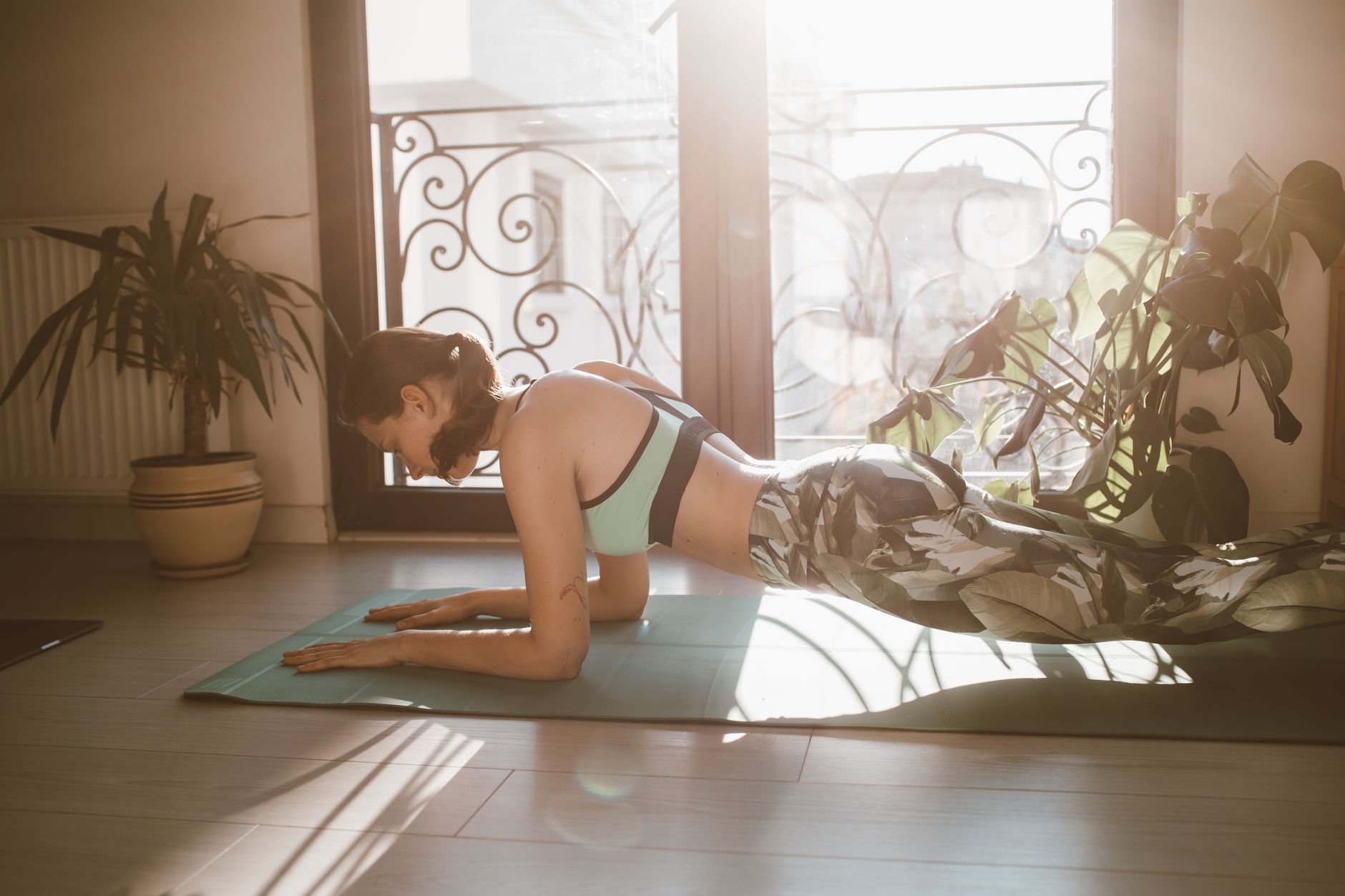
Planks are a body‑weight exercise where you hold a straight line from head to heels, engaging the core, glutes, shoulders, and even the legs. The classic "high plank" mimics the top of a push‑up, resting on the palms; a forearm plank rests on the elbows, which reduces wrist strain. Variations include side planks (targeting obliques) and elevated planks (hands on a bench or stability ball) that increase the challenge.
During pregnancy, your body undergoes remarkable changes that affect how you should approach planks. The hormone relaxin increases joint laxity, making you more prone to strains. Your growing uterus shifts your center of gravity forward, altering your balance. And your abdominal muscles naturally stretch to accommodate your baby, which can lead to diastasis recti if not protected properly.
So, is planks safe during pregnancy? The consensus among leading authorities such as the American College of Obstetricians and Gynecologists (ACOG) and the UK's National Health Service (NHS) is that core strengthening is beneficial, but the intensity and form must be adjusted as the pregnancy progresses. ACOG notes that exercises that increase intra‑abdominal pressure—like traditional high planks—can exacerbate diastasis recti or lower‑back discomfort if performed without proper technique. The NHS recommends staying within a "moderate" intensity zone and listening to pain signals. In practice, this means short, controlled plank holds, avoiding any version that forces the belly to compress against the spine.
Most of the research on exercise in pregnancy focuses on aerobic activity, leaving a modest evidence base for specific core moves. However, a 2021 systematic review in the Journal of Obstetric, Gynecologic & Neonatal Nursing found that pregnant participants who performed modified planks under professional supervision reported no increase in adverse outcomes compared with control groups. The review emphasized the importance of professional guidance, especially for women with a history of back pain or abdominal separation. Another study published in the Journal of Women's Health Physical Therapy found that women who performed modified core exercises throughout pregnancy had better postpartum recovery of abdominal strength.
Are planks safe to do during each trimester of pregnancy?
During the first trimester, your body is still adapting to the hormonal surge that loosens ligaments. This period is also when the embryo's organs are forming, so any activity that dramatically raises core pressure should be approached with caution. A forearm plank or a wall plank—where you stand an arm's length from a wall and lean in—keeps the core engaged without over‑compressing the abdomen. Keep each hold to 20‑30 seconds and focus on breathing. Many women don't show yet during this trimester, but your abdominal muscles are already beginning to stretch.
In the second trimester, the uterus expands and shifts your center of gravity forward. The added weight can strain the lower back, especially if you attempt a full high plank. The ACOG guideline suggests limiting plank time to 15‑20 seconds and using a sturdy chair or a low table for an "incline plank," which reduces the load on the spine. If you feel any pelvic pressure or back pain, stop immediately and switch to a gentler core exercise. This is also the trimester when diastasis recti often becomes noticeable, so extra caution is warranted.
By the third trimester, many women experience increased lumbar lordosis (an exaggerated lower‑back curve) and reduced abdominal muscle tone. At this stage, the safest approach is to replace traditional planks with tabletop or "bird‑dog" variations that keep the spine neutral while still activating the core. If you do attempt a plank, keep it brief—no more than 10‑15 seconds—and consider using a stability ball to support the hips, which can relieve pressure on the lower back. The American Physical Therapy Association recommends focusing on pelvic floor engagement during this trimester to prepare for labor.
How hormonal changes affect plank safety during pregnancy
The hormone relaxin, which increases up to 10 times during pregnancy, makes your joints and ligaments more flexible. While this helps your body prepare for childbirth, it also increases your risk of joint injuries during exercise. This is why proper form becomes even more critical when planking. The increased flexibility can make it easier to overstretch or hyperextend your lower back during a plank, leading to strain. Additionally, the hormone progesterone slows digestion, which can make you more prone to acid reflux during exercises that compress the abdomen.
How your changing center of gravity impacts plank safety
As your baby grows, your center of gravity shifts forward, altering your balance and posture. This shift can make traditional planks more challenging and potentially risky. In the first trimester, you might not notice much difference, but by the third trimester, your body mechanics change significantly. This is why wall planks or incline planks become safer options—they allow you to maintain proper alignment without the added strain on your back. The shift in center of gravity also increases your risk of falling, which is why it's important to perform planks on a stable, non-slip surface.
Are planks safe to do during pregnancy with multiples?
If you're carrying twins or multiples, your healthcare provider may recommend more conservative exercise guidelines. The increased weight and abdominal pressure can make traditional planks uncomfortable or risky. In most cases, modified planks with very short holds (10-15 seconds) or alternative core exercises are recommended. Always consult your obstetrician before continuing any core work with multiples, as your risk of diastasis recti and back strain is higher.
How many planks can a pregnant woman safely perform each day?
There is no one‑size‑fits‑all number, but most obstetric experts advise treating planks like any other strength exercise: start low, progress slowly, and listen to your body. A practical guideline is to perform 2‑3 sets of plank holds per session, with each hold lasting 10‑30 seconds, three times a week. This translates to roughly 30‑90 seconds of total plank time per day. If you're new to planking, begin with a single 10‑second hold and increase the duration by 5 seconds each week, never exceeding the 30‑second ceiling without professional clearance.
For women who already have a solid fitness foundation before pregnancy, a "maintenance" approach—maintaining the same hold time you were comfortable with pre‑pregnancy—can be acceptable, provided the move is modified (e.g., forearm instead of high plank) and you experience no pain. Always check with your prenatal care provider before adding or intensifying any core routine. The World Health Organization recommends that pregnant women get at least 150 minutes of moderate-intensity exercise per week, and modified planks can be part of that routine if approved by your provider.
How to track your plank progress safely during pregnancy
Instead of focusing on increasing duration or intensity, track your progress by monitoring your form and comfort level. Keep a simple exercise journal noting:
- How long you held each plank
- Which modification you used
- How you felt during and after the exercise
- Any discomfort or unusual sensations
This approach helps you stay mindful of your body's changing needs while still maintaining a sense of accomplishment. Many women find that their ability to maintain proper form improves even if their hold time decreases as pregnancy progresses.
What are the risks of doing planks while pregnant?
The primary concerns are increased intra‑abdominal pressure, potential aggravation of diastasis recti (a separation of the abdominal muscles), and lower‑back strain. When you hold a plank, the abdominal wall works hard to keep the spine stable; if the pressure is too great, the linea alba can stretch, leading to a visible bulge and long‑term core weakness. Women with existing back pain may find that planks exacerbate discomfort, especially if the pelvis tilts forward.
Another less common risk is reduced blood flow to the uterus if you hold your breath (the Valsalva maneuver). This can cause a temporary dip in oxygen delivery to the baby, which is why experts stress steady, diaphragmatic breathing throughout the hold. The American College of Sports Medicine notes that the Valsalva maneuver can also increase blood pressure, which may be problematic for women with hypertension or preeclampsia risk.
Finally, balance can become an issue as the belly grows, increasing the chance of a fall if you attempt a high plank on an unstable surface. The risk of falling is particularly concerning in the third trimester, when your center of gravity is most altered. This is why many providers recommend performing planks on a mat or carpeted surface rather than hard flooring.
Can planks affect your pelvic floor during pregnancy?
Yes, planks can impact your pelvic floor, especially if performed incorrectly. The increased intra-abdominal pressure from planking can strain the pelvic floor muscles, potentially leading to issues like urinary incontinence or pelvic organ prolapse. This is why it's crucial to engage your pelvic floor (think "lifting" those muscles) before and during your plank hold. The American Physical Therapy Association recommends combining planks with Kegel exercises to support both your core and pelvic floor during pregnancy.
Can I modify planks to be safer during pregnancy?
Yes. The most effective modifications include:
- Forearm plank: Reduces wrist strain and lowers the height of the hold, decreasing pressure on the lower back. This is often the most comfortable modification for pregnant women.
- Wall plank: Stand facing a wall, place your hands on it, and step back until your body forms a straight line. This version eliminates any abdominal compression and is ideal for later pregnancy stages.
- Incline plank: Use a sturdy bench, table, or countertop; the higher surface makes the exercise easier on the core. This is particularly helpful in the second trimester when your belly starts to show.
- Side‑lying plank on knees: For oblique work, rest on your forearm and keep the lower knee bent, which stabilizes the pelvis. This modification reduces strain on both the back and abdomen.
- Tabletop or "bird‑dog" hold: From hands‑and‑knees, extend opposite arm and leg, holding for a few seconds. This mimics the core‑stabilizing benefit of a plank without the abdominal compression and is excellent for third-trimester workouts.
In all cases, maintain a neutral spine—avoid overarching the lower back—and breathe steadily. If any modification causes pain, stop immediately and consult your provider. The National Health Service recommends checking your form by having someone observe you or using a mirror to ensure your back isn't sagging or arching.
How to check for proper form during pregnancy planks
Proper form is crucial for safe planking during pregnancy. Here's how to check your alignment:
- Start in a tabletop position and extend into your plank
- Check that your wrists are directly under your shoulders (for high plank) or elbows under shoulders (for forearm plank)
- Engage your core by gently drawing your belly button toward your spine
- Keep your hips level - don't let them sag or hike up
- Maintain a straight line from head to knees (for modified versions) or head to heels (for full planks)
- Keep your neck neutral, looking slightly forward rather than up or down
- Breathe steadily - don't hold your breath
If you're unsure about your form, consider working with a prenatal fitness specialist or physical therapist who can provide personalized guidance.
What are the best alternative core exercises for pregnant women?
- Bird‑dog exercise – strengthens deep core stabilizers without abdominal pressure. This exercise is particularly beneficial for improving balance and coordination during pregnancy.
- Pelvic tilts – gentle activation of the lower abdominal muscles while supporting the spine. These can be done standing, seated, or on hands and knees, making them versatile throughout pregnancy.
- Cat‑cow stretch – promotes spinal flexibility and reduces back tension. This gentle movement helps relieve the lower back pain many women experience during pregnancy.
- Standing side bends – works the obliques while keeping the pelvis stable. This exercise can be done anywhere and helps maintain core strength without lying down.
- Seated knee lifts – engages the lower abs in a seated position, ideal for later pregnancy when lying on the floor is uncomfortable. This exercise also helps prepare your body for labor positions.
- Prenatal yoga core series – combines breath‑guided movements with safe core engagement. Many prenatal yoga classes include core-focused sequences that are specifically designed for pregnancy.
- Modified side‑lying clamshells – targets hip abductors and supports pelvic alignment. This exercise helps maintain hip strength, which is important for labor and postpartum recovery.
- Kegel exercises – strengthen pelvic floor muscles, which indirectly support the core. These can be done anywhere and help prevent urinary incontinence during and after pregnancy.
How to create a balanced prenatal core routine
A well-rounded prenatal core routine should include exercises that target different aspects of core strength while being safe for pregnancy. Here's a sample weekly routine that incorporates plank alternatives:
| Day | Exercise | Duration/Reps |
|---|---|---|
| Monday | Bird-dog + Pelvic tilts | 3 sets of 10 reps each side + 10 tilts |
| Wednesday | Seated knee lifts + Standing side bends | 3 sets of 10 lifts each leg + 10 bends each side |
| Friday | Prenatal yoga core series + Kegels | 20-minute session + 3 sets of 10 Kegels |
| Weekend | Modified walking + Cat-cow stretch | 30-minute walk + 10 slow stretches |
This routine provides variety while focusing on safe, effective core engagement throughout pregnancy. Always warm up before starting and cool down afterward.
Do different plank variations (forearm, side, elevated) affect safety in pregnancy?
Yes. The classic high plank places the most weight on the abdominal wall and can increase intra‑abdominal pressure, making it the least recommended variation for pregnant women. Forearm planks lower the load on the wrists and slightly reduce pressure on the belly, but they still require a neutral spine. Side planks are useful for obliques but should be performed with knees bent to avoid excessive hip rotation. The American Council on Exercise recommends avoiding full side planks after the first trimester due to the increased risk of falling.
Elevated planks—hands on a bench or stability ball—can be safer if the elevation reduces the angle of the body, yet a high bench can also cause the hips to dip, increasing lower‑back strain. The safest route is to start with forearm or wall planks and progress only under professional supervision. It's also important to note that any plank variation that involves movement (like plank jacks or mountain climbers) is generally not recommended during pregnancy due to the increased risk of losing balance or straining the core.
How to safely transition between plank variations during pregnancy
If you're used to doing different plank variations before pregnancy, you'll need to modify how you transition between them. Here are some safe transition tips:
- Always move slowly and with control
- Avoid twisting movements when changing positions
- Use a wall or sturdy surface for support when needed
- Focus on maintaining proper form throughout the transition
- If you feel unstable, return to your starting position and try again
For example, to transition from a forearm plank to a side plank, it's safer to come back to a tabletop position first, then rotate to your side, rather than rolling directly from one position to the other.
Should I avoid planks if I have back pain during pregnancy?
If you already experience back pain, it's wise to pause planks until you've consulted your obstetrician or a physical therapist. In many cases, a modified plank (such as a forearm or wall version) can be incorporated as part of a broader pain‑management plan, but only if it does not worsen the discomfort. The American Physical Therapy Association notes that about 50-70% of pregnant women experience back pain, and exercises that aggravate this pain should be avoided.
Often, alternative exercises like the bird‑dog or pelvic tilts provide similar core benefits without aggravating the lumbar spine. Your provider may recommend specific stretches or strengthening exercises to address your back pain before clearing you for modified planks. In some cases, physical therapy can help you build the strength and stability needed to safely perform modified planks later in pregnancy.
How back pain during pregnancy differs from regular back pain
Back pain during pregnancy often has unique characteristics due to the physical changes your body is undergoing. Unlike regular back pain, pregnancy-related back pain is often caused by:
- The hormone relaxin loosening your ligaments
- Your shifting center of gravity
- Increased weight in your abdomen
- Changes in your posture
- Stress on your lower back muscles
This type of back pain often feels different from what you might have experienced before pregnancy. It may be more diffuse, affect your pelvic area, or change with your position. This is why exercises that might have helped your back pain before pregnancy could actually make it worse now.
Is it safe to use a stability ball for planks while pregnant?
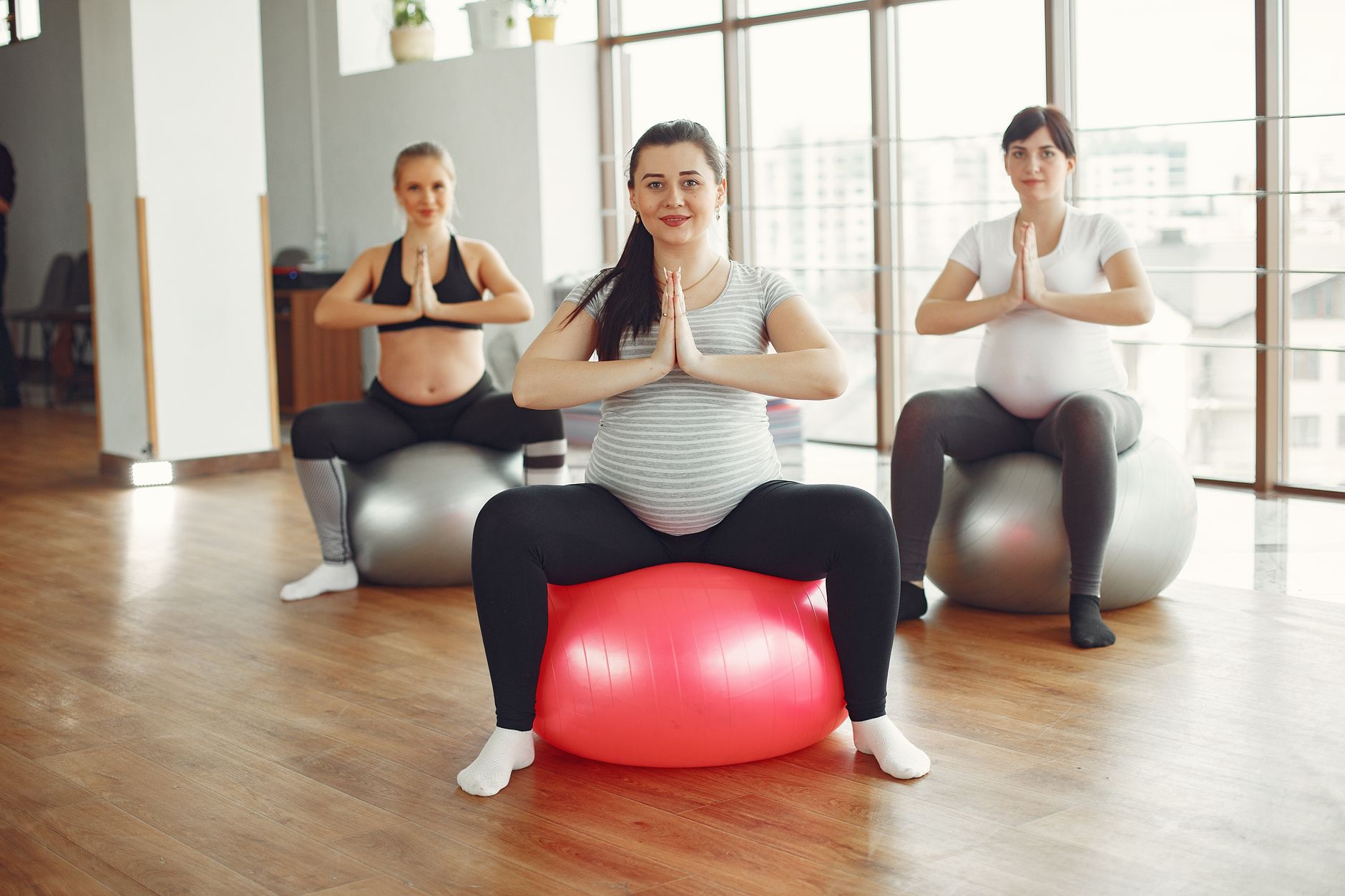
Stability balls can offer gentle support for the hips and lower back, making them a popular tool for modified planks. However, the ball must be appropriately sized—large enough that your knees are at a 90‑degree angle when seated on it. A small ball can cause the pelvis to tilt forward, increasing lumbar lordosis and potentially triggering back pain. When used correctly, a stability‑ball forearm plank can be a safe, low‑impact option, especially in the second trimester.
As always, start with short holds and stop if you feel any pelvic pressure or dizziness. The American Pregnancy Association recommends using a burst-resistant stability ball that's specifically designed for pregnancy. These balls are made to withstand extra weight and provide better stability. It's also important to use the ball on a non-slip surface and have something sturdy nearby to hold onto if needed.
How to choose the right size stability ball for pregnancy planks
Using the correct size stability ball is crucial for safety during pregnancy planks. Here's a quick guide to choosing the right size:
| Your Height | Ball Size |
|---|---|
| Under 5'0" | 45 cm |
| 5'0" - 5'5" | 55 cm |
| 5'6" - 5'11" | 65 cm |
| 6'0" and above | 75 cm |
When seated on the ball, your hips should be slightly higher than your knees. This position helps maintain proper alignment during plank exercises. Always check that the ball is properly inflated - it should give slightly when you press on it, but not feel soft or squishy.
Safe dosage / amount / brands
Because planks are a body‑weight movement, there are no "brands" to compare, but the dosage—meaning how long and how often you hold the position—is crucial. A safe starter protocol looks like this:
- Duration per hold: 10 seconds in the first trimester, progressing to 20‑30 seconds in the second trimester if comfortable. The Centers for Disease Control and Prevention (CDC) recommends starting with shorter durations and gradually increasing as your body adapts.
- Sets per session: 2‑3, with at least a 30‑second rest between sets. This rest period allows your muscles to recover and helps prevent overexertion.
- Frequency: 3 times per week on non‑consecutive days, allowing the core muscles to recover. The American College of Sports Medicine suggests spacing strength training sessions to give muscles time to repair and strengthen.
- Progression: Add 5 seconds to each hold every 1‑2 weeks, never exceeding 30 seconds without professional clearance. This gradual progression helps your body adapt safely to the increased demand.
If you're using equipment such as a stability ball or a resistance band, choose products that are labeled "non‑toxic" and "BPA‑free." Look for reputable brands that have been independently tested for durability, such as "Gaiam," "TheraBand," or "SPRI." Avoid any equipment with sharp edges or unstable bases that could cause a fall. The FDA recommends checking for product recalls before purchasing any exercise equipment during pregnancy.
How to safely progress your plank routine during pregnancy
Progression during pregnancy should focus on maintaining rather than increasing intensity. Here's a safe progression plan for each trimester:
| Trimester | Starting Duration | Maximum Duration | Modification Focus |
|---|---|---|---|
| First | 10 seconds | 30 seconds | Forearm or wall plank |
| Second | 15 seconds | 20 seconds | Incline plank or stability ball plank |
| Third | 10 seconds | 15 seconds | Tabletop or bird-dog variations |
Remember, the goal during pregnancy is to maintain core strength and stability, not to increase it. If you feel comfortable at a certain level, it's okay to stay there rather than pushing for longer holds.
Equipment safety checklist for pregnancy planks
Before using any equipment for planks during pregnancy, check these safety points:
- Is the equipment non-toxic and BPA-free?
- Is it designed for pregnancy or prenatal use?
- Does it have a non-slip surface?
- Is it stable and sturdy?
- Does it have any sharp edges or points?
- Is it the right size for your height and stage of pregnancy?
- Is it in good condition with no tears or defects?
If you're unsure about any piece of equipment, consult your healthcare provider or a prenatal fitness specialist before using it.
Side effects and risks
- Transient lower‑back soreness – usually resolves with rest and gentle stretching. This is often due to the increased load on your back muscles as your belly grows.
- Muscle fatigue in the shoulders and arms – can be alleviated by reducing hold time. Your upper body may tire more quickly as your body adapts to pregnancy.
- Increased heart rate – normal for moderate exercise; if it exceeds 140 bpm, pause and rest. The American Heart Association notes that your resting heart rate increases during pregnancy, so exercise may feel more challenging.
- Mild abdominal discomfort – if this occurs, stop immediately and switch to a gentler exercise. This could be a sign of increased intra-abdominal pressure.
- Pelvic pressure – this may indicate that your pelvic floor is being overworked. The National Institute for Health and Care Excellence (NICE) recommends stopping any exercise that causes pelvic pressure.
Red‑flag symptoms that require immediate medical attention include:
- Sharp or persistent abdominal pain. This could indicate a problem with your pregnancy or a muscle strain.
- Sudden swelling of the hands or feet accompanied by dizziness. These could be signs of preeclampsia, a serious pregnancy complication.
- Bleeding or spotting after a plank session. Any vaginal bleeding during pregnancy should be evaluated by your healthcare provider.
- Severe shortness of breath or chest pain. These could indicate a cardiovascular issue that needs immediate attention.
- Regular contractions or cramping. While some mild cramping can be normal, regular contractions could indicate preterm labor.
- Fluid leaking from the vagina. This could indicate your water has broken, which requires immediate medical attention.
- Severe headache that doesn't improve with rest. This could be another sign of preeclampsia.
If any of these occur, stop the exercise and contact your obstetric provider right away. Remember, the information here is educational—not a substitute for personalized medical advice. The Mayo Clinic emphasizes that any concerning symptoms during pregnancy should be evaluated promptly, regardless of whether they seem related to exercise.
How to distinguish between normal discomfort and warning signs
During pregnancy, it can be challenging to tell the difference between normal exercise discomfort and warning signs. Here's a quick guide:
| Normal Discomfort | Warning Sign |
|---|---|
| Mild muscle soreness after exercise | Sharp or persistent pain |
| Increased heart rate during exercise | Heart rate that stays elevated after resting |
| Mild abdominal tightness | Regular contractions or cramping |
| Temporary shortness of breath | Severe or persistent shortness of breath |
| Mild pelvic pressure | Sudden or severe pelvic pressure |
| Increased warmth during exercise | Dizziness or feeling faint |
When in doubt, always err on the side of caution and contact your healthcare provider. It's better to be safe than sorry when it comes to your health and your baby's well-being.
Safer alternatives
- Bird‑dog exercise – provides core stability without abdominal compression. This exercise is particularly beneficial for improving balance and coordination, which can be helpful during pregnancy.
- Pelvic tilts – gentle activation of the lower abdominal muscles while supporting the spine. These can be done standing, seated, or on hands and knees, making them versatile throughout pregnancy. They also help relieve lower back pain, which is common during pregnancy.
- Cat‑cow stretch – improves spinal mobility and eases back tension. This gentle movement helps maintain flexibility in your spine as your posture changes during pregnancy.
- Standing side bends – works the obliques without stressing the pelvis. This exercise can be done anywhere and helps maintain core strength without lying down, which becomes more challenging as your belly grows.
- Seated knee lifts – engages the lower abs in a seated position, ideal for later pregnancy when lying on the floor is uncomfortable. This exercise also helps prepare your body for labor positions and can be done while watching TV or working at a desk.
- Prenatal yoga core series – combines breath‑guided movements with safe core engagement. Many prenatal yoga classes include core-focused sequences that are specifically designed for pregnancy and can help with relaxation and stress relief.
- Modified side‑lying clamshells – targets hip abductors and supports pelvic alignment. This exercise helps maintain hip strength, which is important for labor and postpartum recovery, and can be done comfortably throughout pregnancy.
- Kegel exercises – strengthen pelvic floor muscles, which indirectly support the core. These can be done anywhere and help prevent urinary incontinence during and after pregnancy. They also help prepare your pelvic floor for labor and delivery.
- Swimming or water aerobics – provides gentle resistance for core engagement without impact. The buoyancy of water supports your growing belly and reduces stress on your joints, making it an excellent low-impact exercise during pregnancy.
- Walking with proper posture – engages your core muscles naturally while being low-impact. Maintaining good posture while walking helps strengthen your core and can alleviate back pain. Aim for 30 minutes of brisk walking most days of the week, as recommended by ACOG.
How to combine these alternatives for a complete prenatal core routine
Creating a balanced prenatal core routine involves combining different types of exercises to target all aspects of

