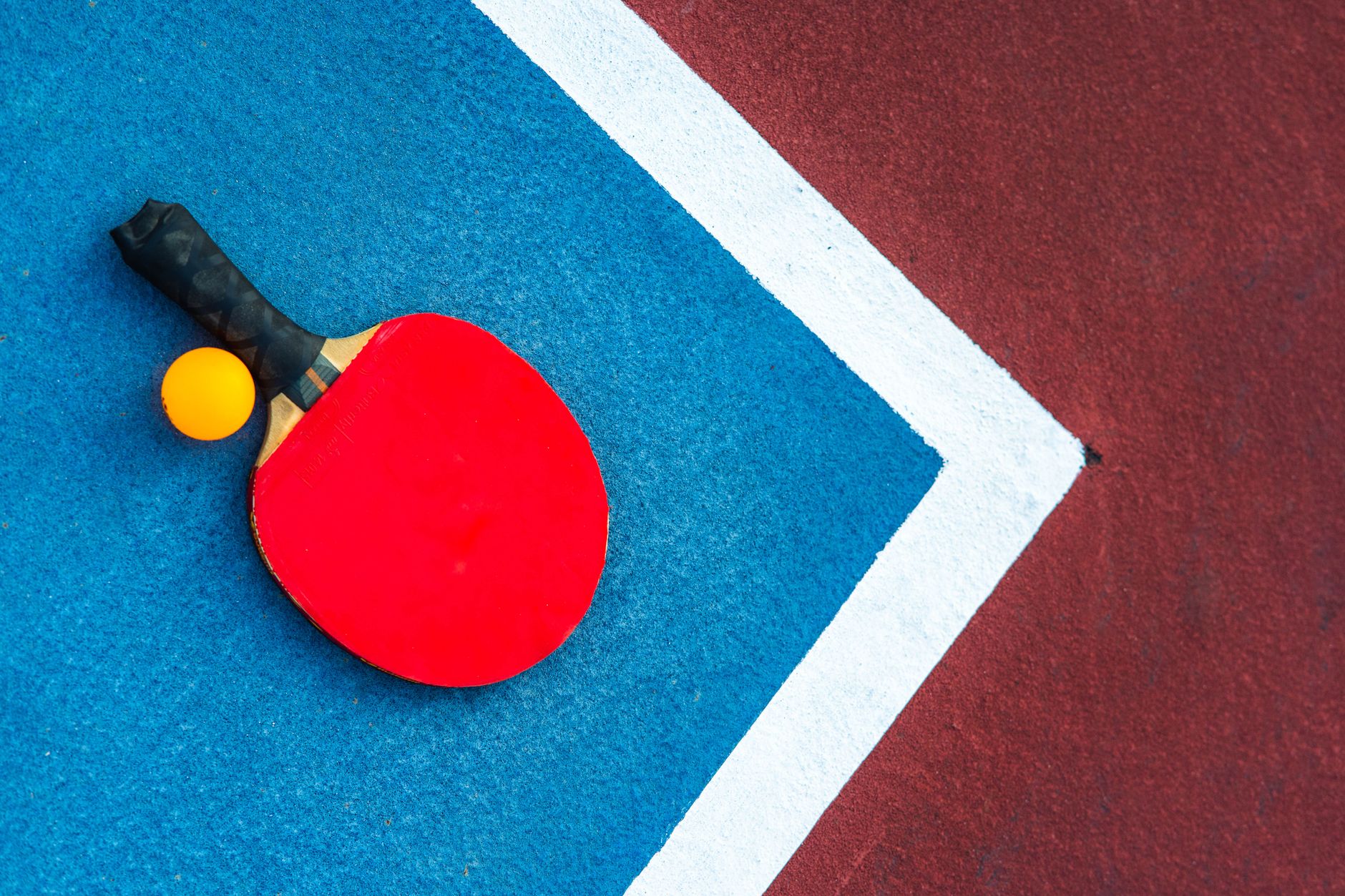
Safe to play ping pong during pregnancy, especially in the second trimester. Keep sessions under 30 minutes and avoid high-impact shots, and stay hydrated.
By Shubhra Mishra — a mom of two who turned her own confusion during pregnancy into BumpBites, a global mission to make food choices clear, safe, and stress-free for every expecting mother. 💛
Check whether any food is safe during pregnancy with the BumpBites Food Safety Checker.
Quick verdict: ⚠️ Ping pong is generally safe during pregnancy if you modify your play to avoid excessive strain, overheating, or quick movements that could risk balance. The American College of Obstetricians and Gynecologists (ACOG) recommends staying active, but always listen to your body—stop if you feel dizzy, short of breath, or experience pelvic pain.
It’s 2 a.m., and the sound of a ping pong ball ricocheting off your paddle echoes through your apartment. You’re pregnant, and suddenly, that casual game with your partner—or your competitive league—feels like a minefield. Is ping pong safe during pregnancy? The answer isn’t a simple yes or no, but a cautious maybe, with some important tweaks to keep you and your baby safe. Many expecting parents worry about every movement during pregnancy, especially when it comes to sports they love. If you’ve already played a few rounds before realizing you’re expecting, take a deep breath—here’s what you need to know to decide whether to keep playing, adjust your game, or switch to something safer.
This article breaks down the safety of ping pong by trimester, explains how to modify your play, and offers safer alternatives if you’re unsure. We’ll also address common concerns like whether ping pong can cause miscarriage or if it’s safe to play with pelvic pain. By the end, you’ll have clear guidance on whether to keep your paddle in hand—or lay it down for now.
Note: If you have complications like placenta previa, preeclampsia, or a history of preterm labor, always check with your provider before resuming any physical activity, including ping pong.
Trimester / Breastfeeding
Safety Verdict
Notes
First Trimester
⚠️ Safe with modifications
Avoid quick spins, diving for balls, or playing on slippery surfaces. Focus on controlled rallies and short games.
Second Trimester
⚠️ Safe with modifications
Continue avoiding high-intensity play. Prioritize balance and hydration. Stop if you feel overheated or lightheaded.
Third Trimester
⚠️ Safe with caution
Limit to light, short sessions (10-15 minutes). Avoid leaning forward or reaching. Focus on low-impact play.
Breastfeeding
✅ Generally safe
Return to pre-pregnancy play levels, but avoid overheating or excessive strain. Hydrate well.
Modifying your ping pong game for pregnancy safety—hydration and balance matter!
---
## What is ping pong?
Ping pong, also known as table tennis, is a fast-paced racket sport played on a small table with a lightweight ball and paddles. The game requires quick reflexes, precise hand-eye coordination, and agile movement—often involving sudden stops, starts, and lateral shifts. While it’s typically played casually in homes, parks, or clubs, competitive play can be intense, with players diving, spinning, and lunging for balls.
The sport is beloved for its accessibility—it doesn’t require expensive equipment and can be played indoors or outdoors. Many people enjoy ping pong as a social activity, a way to stay active, or even as a mental challenge. For pregnant women, the appeal lies in its low-cost nature and the fact that it can be played at a leisurely pace. However, the physical demands—especially the quick movements and balance required—make it necessary to adjust how and when you play during pregnancy.
---
## Is ping pong safe during pregnancy?
The short answer is: it depends. While ping pong isn’t inherently dangerous, the mechanics of the game—particularly the abrupt changes in direction, reaching, and potential for falls—pose risks during pregnancy. The American College of Obstetricians and Gynecologists (ACOG) emphasizes that moderate exercise is beneficial during pregnancy, but it’s crucial to avoid activities that increase the risk of injury, overheating, or excessive strain on your joints or core.
Most obstetricians agree that low-impact, controlled movement is safe, but ping pong’s dynamic nature—especially if played competitively—can cross that line. The National Health Service (NHS) in the UK advises avoiding sports that require quick spins, diving, or sudden stops, as these movements can destabilize your center of gravity and increase the risk of falls, which are particularly dangerous during pregnancy due to the added weight and hormonal changes affecting your ligaments.
The key is modification. If you enjoy ping pong, you can still play—just with adjustments to intensity, duration, and technique. For example, avoiding slippery surfaces, limiting rallies to controlled exchanges, and stopping if you feel lightheaded or overheated can make it a safe way to stay active. If you’re unsure, consult your provider, especially if you have a history of complications like preterm labor or placenta previa.
---
## Safety by trimester
### Can I play ping pong in my first trimester?
In your first trimester, your body is undergoing rapid changes, and the risk of miscarriage is slightly higher—though most miscarriages occur due to genetic factors and aren’t preventable by avoiding activity. ACOG recommends avoiding high-impact or high-risk activities during this time, and ping pong can fall into that category if played aggressively. The quick spins, lunges, and sudden stops required to hit a ping pong ball can increase your risk of losing your balance, which may lead to a fall—a concern during the first trimester when your center of gravity is shifting and your ligaments are relaxing to accommodate your growing uterus.
**What to do instead:**
- Play only short, casual games (5-10 minutes).
- Avoid playing on slippery floors or uneven surfaces.
- Focus on slow, controlled rallies rather than fast-paced exchanges.
- Stop immediately if you feel dizzy, short of breath, or experience pelvic pain.
If you’re already in the habit of playing ping pong, there’s no need to quit abruptly—just reduce the intensity and listen to your body. Many women find that even light play helps them stay active and reduce stress, which is beneficial for both mom and baby.
---
### Is ping pong safe during late pregnancy?
By your third trimester, your belly is growing, your center of gravity is significantly altered, and your joints are more relaxed—all of which make balance and coordination more challenging. ACOG advises avoiding activities that require quick direction changes or excessive reaching after 28 weeks, as these can increase the risk of falls and other injuries. Ping pong, with its fast-paced rallies and sudden lunges, may no longer be safe to play at its usual intensity.
**Key precautions for late pregnancy:**
- Limit play to 10-15 minutes per session, focusing on light, controlled exchanges.
- Avoid leaning forward or reaching across the table, as this can strain your lower back and pelvis.
- Play only on stable, non-slip surfaces.
- Stop immediately if you feel overheated, lightheaded, or experience contractions or pelvic pressure.
If you love the social aspect of ping pong, consider switching to a more stationary activity—like watching a game with friends or playing a slower-paced game of cards or chess—while you enjoy the company without the physical demands.
---
### What are the risks of playing ping pong while pregnant?
While ping pong itself isn’t a teratogen (a substance that causes birth defects), the physical risks associated with the game are the primary concern. Here’s what to watch for:
1. **Falls and injury:** The sudden stops and starts required to hit a ping pong ball can throw off your balance, especially as your belly grows. A fall during pregnancy can lead to complications like placental abruption (where the placenta detaches from the uterus) or injury to yourself or your baby.
2. **Overheating:** Ping pong can be physically demanding, especially if played in a hot environment or for extended periods. Overheating increases the risk of dehydration and can strain your cardiovascular system, which is already working harder during pregnancy.
3. **Pelvic or abdominal strain:** Quick lunges or reaching across the table can put unnecessary pressure on your pelvic floor or lower back, which may already be feeling strained as your body prepares for labor.
4. **Quick reflexes and coordination:** The fast-paced nature of ping pong requires agility that may be harder to maintain as pregnancy progresses, increasing the risk of missteps or loss of balance.
**The good news?** These risks can be mitigated with simple modifications. By playing more slowly, avoiding slippery surfaces, and stopping at the first sign of discomfort, you can continue to enjoy ping pong safely.
---
### Can I play ping pong with pelvic pain during pregnancy?
If you’re experiencing pelvic pain, round ligament pain, or any discomfort in your lower abdomen or pelvis, it’s a clear sign that your body is telling you to stop playing ping pong immediately. Pelvic pain during pregnancy can be caused by:
- Stretching of the round ligaments (which support your uterus).
- Pressure from your growing uterus on nearby nerves or muscles.
- Potential signs of preterm labor or other complications.
**What to do if you feel pelvic pain while playing:**
- Stop playing and rest in a comfortable position.
- Apply gentle heat to your lower abdomen if your provider approves.
- Drink water and avoid further physical activity until the pain subsides.
- Contact your provider if the pain is severe, persistent, or accompanied by other symptoms like contractions, bleeding, or fluid leakage.
Pelvic pain is your body’s way of signaling that something isn’t right, and it’s always better to err on the side of caution. If the pain returns during future games, consider switching to a gentler activity until after your baby is born.
---
## How much ping pong is safe for pregnant women?
There’s no strict "dosage" for ping pong during pregnancy, but duration and intensity matter. Here’s how to approach it safely:
- **First trimester:** Limit to 5-10 minutes per session, focusing on slow, controlled rallies. Avoid competitive play or games that require diving for balls.
- **Second trimester:** Extend to 10-15 minutes per session, but continue to avoid high-intensity exchanges. Prioritize balance and hydration.
- **Third trimester:** Reduce to 5-10 minutes per session, focusing on light, stationary play. Avoid reaching or leaning forward.
- **Breastfeeding:** Return to pre-pregnancy play levels, but avoid overheating or excessive strain. Hydrate well.
**General guidelines for safe play:**
- Play only on stable, non-slip surfaces to reduce the risk of falls.
- Avoid playing in hot or humid environments, as overheating can be dangerous.
- Stop immediately if you feel dizzy, short of breath, overheated, or experience pelvic pain.
- Wear comfortable, supportive shoes to improve balance and stability.
---
## ⚠ Side effects and risks
While ping pong can be played safely with modifications, there are specific side effects and risks to be aware of:
- **Dizziness or lightheadedness:** If you feel dizzy during or after playing, this could be a sign of dehydration or low blood sugar. Stop playing and rest in a cool, shaded area.
- **Overheating:** Playing in a hot environment or for too long can lead to dehydration and overheating, which are risky during pregnancy. Drink water before, during, and after play.
- **Pelvic or abdominal discomfort:** If you experience pain in your pelvis, lower back, or abdomen, stop playing and seek medical advice if the pain persists.
- **Increased heart rate:** While a mild increase in heart rate is normal during exercise, if your heart rate feels excessively elevated or you feel short of breath, stop and rest.
- **Falls or injury:** The most significant risk is falling, which can lead to complications like placental abruption or injury to yourself or your baby. Always play on even surfaces and avoid slippery floors.
**When to seek medical attention:**
- If you experience severe pelvic pain, contractions, or vaginal bleeding after playing.
- If you feel dizzy, faint, or nauseous for more than a few minutes after stopping.
- If you notice any unusual discharge or changes in your baby’s movement.
---
## Safer alternatives to ping pong during pregnancy
If you’re unsure about continuing with ping pong or simply want to explore other ways to stay active, here are some safer alternatives that offer similar benefits—like social interaction, light cardio, or coordination—without the risks:
- **Walking:** A gentle, low-impact way to stay active that’s safe for all trimesters. Join a walking group or take leisurely strolls in the park.
- **Swimming:** Great for pregnancy because it supports your body weight and reduces strain on your joints. Many pools offer prenatal swim classes.
- **Prenatal yoga:** Focuses on gentle stretches, breathing, and relaxation—ideal for improving flexibility and reducing stress.
- **Stationary cycling:** Low-impact and customizable to your fitness level. Many gyms offer prenatal cycling classes.
- **Pilates:** Emphasizes core strength and balance in a way that’s safe for pregnancy, especially with modifications for your growing belly.
- **Low-impact aerobics:** Classes designed for pregnancy focus on controlled movements that keep you active without risk.
- **Water aerobics:** Combines the benefits of swimming with light resistance exercises, making it perfect for pregnant women.
- **Dancing (low impact):** Gentle dancing—like line dancing or Zumba—can be a fun way to stay active while avoiding high-impact movements.
Each of these options provides a way to stay active, socialize, and enjoy movement without the risks associated with ping pong’s quick reflexes and balance demands.
---
## Related items — safety at a glance
Activity
Safety Verdict
Notes
Badminton
⚠️ Safe with modifications
Avoid quick spins and diving. Play only in first/second trimester with short rallies.
Tennis
❌ Best avoided
High risk of falls and overheating due to quick direction changes and lunges.
Pickleball
⚠️ Safe with caution
Lower impact than tennis, but avoid diving. Limit to first/second trimester.
Bowling
✅ Generally safe
Low-impact and stationary. Avoid heavy balls in third trimester.
Golf
⚠️ Safe with modifications
Walking is fine, but avoid carrying heavy clubs or bending forward deeply.
Darts
⚠️ Safe with caution
Low risk if played seated. Avoid standing for long periods in third trimester.
Billiards/Pool
✅ Generally safe
Stationary and low-impact. Avoid leaning over the table for long periods.
Mini Golf
✅ Generally safe
Walking is fine, but avoid carrying heavy bags or bending deeply.
---
## Myth vs. fact
### Myth: Playing ping pong can cause miscarriage.
**Fact:** There’s no evidence that playing ping pong—or any low-impact sport—directly causes miscarriage. Most miscarriages occur due to genetic or hormonal factors and aren’t preventable by avoiding activity. However, falls or injuries during play can increase the risk of complications, so it’s important to play safely.
### Myth: You should avoid all sports during pregnancy.
**Fact:** ACOG recommends staying active during pregnancy to maintain strength, flexibility, and cardiovascular health. The key is choosing low-impact activities and avoiding those with high risks of falls or overheating. Ping pong can be one of them—if played mindfully.
### Myth: If you’re already pregnant, it’s too late to modify your exercise routine.
**Fact:** It’s never too late to adjust your activity level! Even if you’ve been playing ping pong regularly before pregnancy, modifying your play to avoid high-risk movements is always a good idea. Your provider can give you personalized guidance based on your health and trimester.
---
## Key takeaways
- ⚠️ **Ping pong is safe with modifications**—avoid quick spins, diving, and slippery surfaces.
- 🚫 **Stop immediately if you feel dizzy, overheated, or experience pelvic pain.**
- ⏳ **Limit play to short sessions (5-15 minutes) depending on your trimester.**
- 💧 **Hydrate well and avoid overheating—especially in hot environments.**
- 🏃 **If you’re unsure, try safer alternatives like walking, swimming, or prenatal yoga.**
- 📞 **Consult your provider if you have concerns or complications like placenta previa.**
- 🤰 **After pregnancy, you can return to pre-pregnancy play levels—just gradually.**
---
## Frequently asked questions
### Is it safe to play sports while pregnant?
Most low-impact, non-contact sports are safe during pregnancy, but it’s important to avoid activities that require quick direction changes, diving, or high jumps—like ping pong, tennis, or basketball. ACOG recommends staying active but listening to your body. If an activity feels uncomfortable or risky, switch to something gentler, like walking or swimming. Always check with your provider if you have concerns or a history of complications.
### What sports should pregnant women avoid?
Pregnant women should avoid sports that pose a high risk of falls, overheating, or abdominal trauma, such as:
- **High-impact sports** (running, jumping, gymnastics).
- **Contact sports** (soccer, hockey, boxing).
- **Sports requiring quick spins or lunges** (tennis, badminton, ping pong).
- **Activities with a high risk of injury** (skiing, horseback riding, scuba diving).
- **Sports played in extreme heat or humidity** (outdoor soccer, marathon training).
Instead, opt for low-impact activities like prenatal yoga, swimming, or walking. Your provider can give you personalized advice based on your health and trimester.
### Can I play badminton while pregnant?
Badminton is similar to ping pong in terms of risk, as it also involves quick reflexes and lunges. While it’s generally safe in the first and second trimesters with modifications, it’s best to avoid it in the third trimester due to the increased risk of falls. If you enjoy badminton, play only short, controlled rallies on stable surfaces and stop if you feel dizzy or overheated. For safer alternatives, consider prenatal yoga or walking.
### What exercises are not safe during pregnancy?
Exercises that are not safe during pregnancy include those that:
- Require quick direction changes or lunges** (tennis, badminton, ping pong).
- Involve high impact or jumping** (running, aerobics, gymnastics).
- Pose a risk of abdominal trauma** (contact sports like soccer or hockey).
- Require holding your breath or straining** (heavy weightlifting, certain Pilates poses).
- Are played in extreme heat or humidity** (outdoor sports in hot weather).
Instead, focus on low-impact activities like walking, swimming, or prenatal yoga, which are designed to keep you active safely.
### Can I play tennis while pregnant?
Tennis is not recommended during pregnancy due to the high risk of falls and overheating. The quick direction changes, lunges, and sliding required to hit a tennis ball can destabilize your balance, especially as your belly grows. If you love tennis, consider switching to a more stationary activity like walking or prenatal yoga. For safer alternatives, try low-impact aerobics or swimming, which offer similar cardiovascular benefits without the risks.
### Is it safe to play pickleball while pregnant?
Pickleball is lower impact than tennis but still carries some risks due to quick reflexes and lunges. While it’s generally safe in the first and second trimesters with modifications, it’s best to avoid it in the third trimester. Play only short, controlled rallies on stable surfaces and stop if you feel overheated or dizzy. For a safer alternative, try prenatal yoga or walking, which are gentler on your joints and balance.
### What activities should be avoided during pregnancy?
Activities to avoid during pregnancy include:
- **High-impact sports** (running, jumping, gymnastics).
- **Contact sports** (soccer, hockey, boxing).
- **Sports with a high risk of falls** (tennis, badminton, ping pong).
- **Activities requiring holding your breath** (heavy weightlifting, certain Pilates poses).
- **Sports played in extreme heat** (outdoor sports in hot weather).
- **Any activity that causes discomfort, pain, or dizziness.**
Instead, focus on low-impact, safe activities like walking, swimming, or prenatal yoga. Always listen to your body and consult your provider if you have concerns.
---
## When to call your doctor
While ping pong can be played safely with modifications, there are specific scenarios where you should contact your provider immediately:
- If you experience severe pelvic pain, contractions, or vaginal bleeding after playing.
- If you feel dizzy, faint, or nauseous for more than a few minutes after stopping.
- If you notice any unusual discharge or changes in your baby’s movement.
- If you have a history of complications like placenta previa, preeclampsia, or preterm labor.
- If you feel overheated or dehydrated and symptoms don’t improve with rest and hydration.
Your provider is your best resource for personalized advice. If you’re unsure whether to continue playing ping pong—or any other activity—don’t hesitate to ask them for guidance.
---
## References
1. American College of Obstetricians and Gynecologists (ACOG). [Exercise During Pregnancy](https://www.acog.org). *ACOG Practice Bulletin No. 192: Exercise During Pregnancy and the Postpartum Period*.
2. National Health Service (NHS). [Staying Active During Pregnancy](https://www.nhs.uk). *Pregnancy and baby guide*.
3. Centers for Disease Control and Prevention (CDC). [Exercise and Pregnancy](https://www.cdc.gov). *Guidelines for physical activity during pregnancy*.
4. Mayo Clinic. [Exercise During Pregnancy: What’s Safe and What’s Not](https://www.mayoclinic.org). *Healthy lifestyle advice*.
5. World Health Organization (WHO). [Physical Activity During Pregnancy](https://www.who.int). *Recommendations for women’s health*.
---
Exploring safer alternatives to ping pong—like prenatal yoga or stationary cycling—can keep you active without the risks.Prenatal yoga is a safer alternative to ping pong—focused on gentle movement and relaxation.
Not sure about the label on Is Ping Pong Safe During Pregnancy products?
Snap the ingredients list and SafeFilter checks every ingredient for your stage — only 3 free scans this month, then you're locked until reset. Unlimited from $7/mo or $50/yr.
When Shubhra Mishra was expecting her first child in 2016, she was overwhelmed by conflicting food advice — one site said yes, another said never. By the time her second baby arrived in 2019, she realized millions of mothers face the same confusion.
That sparked a five-year journey through clinical nutrition papers, cultural diets, and expert conversations — all leading to BumpBites: a calm, compassionate space where science meets everyday motherhood.
Her long-term vision is to build a global community ensuring safe, supported, and free deliveriesfor every mother — because no woman should face pregnancy alone or uninformed. 🌿
🌍 Stand with mothers, shape safer guidance
Join a small circle of experts who review BumpBites articles so expecting parents everywhere can decide with confidence.