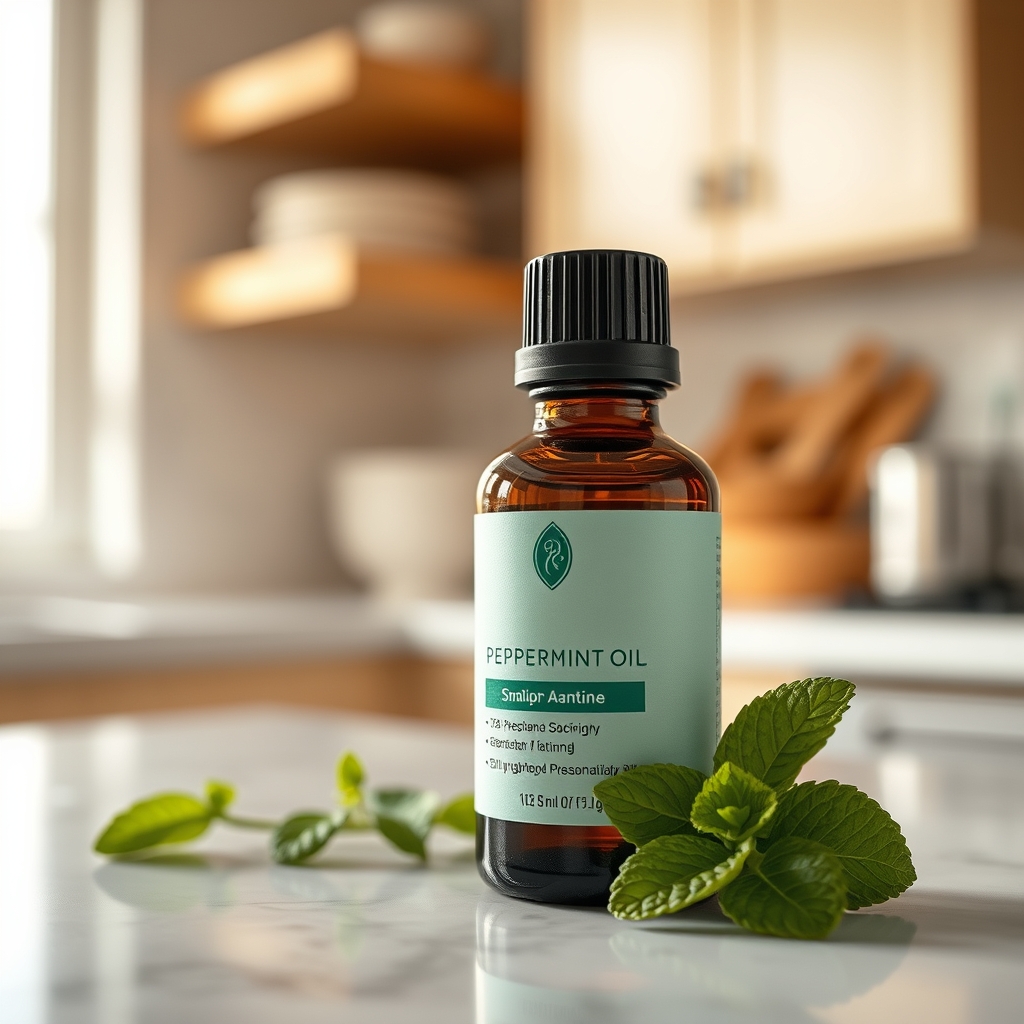
Limit: Peppermint essential oil can be used during pregnancy after the first trimester, with a maximum of 2-3 drops diluted in a carrier oil per day daily.
By Shubhra Mishra — a mom of two who turned her own confusion during pregnancy into BumpBites, a global mission to make food choices clear, safe, and stress-free for every expecting mother. 💛
Check whether any food is safe during pregnancy with the BumpBites Food Safety Checker.
Quick verdict: ⚠️ Talk to your doctor first. Peppermint essential oil can be used in pregnancy when heavily diluted and limited to short periods, but safety varies by trimester and underlying health conditions. Check with your provider before starting.
It’s 2 a.m., the kitchen light is humming, and you’ve just opened a bottle of peppermint essential oil to mask the lingering smell of garlic. Suddenly, a wave of “Is peppermint essential oil safe during pregnancy?” floods your mind. You’re not alone—many expectant parents wonder whether a beloved aromatherapy staple could harm their developing baby.
In this article we break down the current medical guidance, outline safe dilution ratios, and explain how each trimester may affect risk. We’ll also point you toward milder essential‑oil options for nausea, list reputable brands, and give a quick‑reference table comparing peppermint to other common oils. By the end, you’ll have a clear answer, practical tips, and peace of mind—plus a roadmap for when a doctor’s call is warranted.
Whether you’re already using peppermint oil or just considering it, the evidence‑based verdict is nuanced. Below you’ll find the safety snapshot, dosage recommendations, trimester‑specific notes, and safer alternatives, all grounded in guidance from ACOG, the NHS, the FDA, and the CDC.
We also address common worries like “What if I’ve already used it?” and “Can I use it if I have high blood pressure?” so you can stop scrolling, take a deep breath, and make an informed decision.
Keep peppermint oil in a well‑ventilated area and store it away from direct sunlight to preserve its potency.
Trimester / Phase
Verdict
Notes
First trimester (0‑13 weeks)
⚠️ Use with caution
Limit to 1 % dilution (≈1 drop per teaspoon carrier oil) and avoid prolonged inhalation; discuss with provider.
Second trimester (14‑27 weeks)
✅ Generally safe
Same dilution limits; short aromatherapy sessions (≤15 min) are acceptable for most women.
Third trimester (28‑40 weeks)
⚠️ Use with caution
Potential uterine‑stimulating effect; keep sessions brief and ensure proper ventilation.
Breastfeeding
✅ Generally safe
Limited topical use (≤2 drops) is considered low risk; monitor infant for any skin irritation.
What is peppermint essential oil?
Peppermint essential oil is a highly concentrated plant extract derived from the leaves of Mentha piperita. The oil contains menthol, menthone, and a suite of volatile compounds that give it a cooling, invigorating scent. In aromatherapy, peppermint oil is prized for its ability to relieve headache, soothe digestive discomfort, and improve mental alertness. The oil can be applied topically (always diluted in a carrier oil such as coconut or jojoba), inhaled via diffusers or steam, or added in minute amounts to personal care products.
The extraction process typically involves steam distillation, which captures the volatile molecules while leaving behind most of the plant’s non‑volatile matter. Because the oil is so potent, only a few drops are needed to achieve the desired effect. The concentration of menthol—responsible for the characteristic “cooling” sensation—can also trigger smooth‑muscle relaxation, which is why some experts caution against heavy use during pregnancy. Nonetheless, peppermint oil remains one of the most popular essential oils on the market, widely available in pharmacies, health stores, and online platforms.
When choosing a peppermint oil, look for “cold‑pressed” or “steam‑distilled” labels, and verify that the product is 100 % pure botanical extract without added fragrance or synthetic diluents. Purity matters because contaminants can increase the risk of skin irritation or allergic reactions, especially in sensitive pregnant skin.
Is peppermint essential oil safe during pregnancy?
Current guidance from reputable bodies such as the American College of Obstetricians and Gynecologists (ACOG) and the United Kingdom’s National Health Service (NHS) suggests that peppermint essential oil can be used in pregnancy when properly diluted and limited to short exposure periods. The FDA classifies essential oils as “generally recognized as safe” (GRAS) for topical use in adults, but it does not provide a specific pregnancy label, leaving clinicians to rely on professional consensus.
Evidence for direct teratogenic effects (i.e., causing birth defects) is lacking; however, animal studies have shown that high concentrations of menthol can influence uterine tone. Because the first trimester is the period of organogenesis—when the fetus’s major organs form—most clinicians advise heightened caution during weeks 0‑13. The CDC notes that inhaled irritants, including strong essential‑oil vapors, may exacerbate nausea or trigger respiratory irritation in some pregnant women.
In practice, most obstetricians recommend a 1 %–2 % dilution ratio (one to two drops of peppermint oil per teaspoon of carrier oil) and limiting each aromatherapy session to 10‑15 minutes. For women with a history of preterm labor, high blood pressure, or miscarriage, the safest route is to avoid peppermint oil altogether and opt for milder alternatives. ACOG’s Committee Opinion emphasizes that any complementary therapy should be discussed with a provider, especially when the safety data are limited.
Recent systematic reviews have concluded that, while peppermint oil appears low‑risk when used as directed, the quality of human studies is modest. Consequently, the prevailing medical consensus leans toward “use with caution” rather than a blanket endorsement of safety.
Is peppermint essential oil safe to use during the first trimester of pregnancy?
The first trimester is the most vulnerable window for fetal development, and many providers adopt a “better safe than sorry” stance. ACOG’s Committee Opinion on complementary therapies advises that essential oils with strong uterine‑stimulating potential—such as peppermint—be used only after consulting a healthcare professional. If you choose to use peppermint oil, keep the dilution at 1 % or lower and limit exposure to brief, well‑ventilated sessions.
Some clinicians report that low‑dose peppermint inhalation can actually alleviate first‑trimester nausea, a common complaint. Yet the evidence is anecdotal, and the risk‑benefit balance leans toward caution. If you experience any uterine cramping, spotting, or unusually strong nausea after using the oil, discontinue use immediately and contact your provider.
Because organogenesis is complete by the end of the first trimester, many providers feel more comfortable with peppermint oil in later weeks, provided the same dilution and exposure guidelines are followed.
Second trimester safety
During weeks 14‑27, the fetus’s major organ systems are already formed, and the risk of teratogenic effects diminishes. ACOG and the NHS therefore categorize peppermint oil as “generally safe” in the second trimester when used at a 1 %–2 % dilution and limited to short inhalation periods (no longer than 15 minutes per session). Women often find that a lightly diffused peppermint scent helps ease persistent morning‑sickness that can linger into the second trimester.
Even in this more permissive window, the same precautions apply: avoid prolonged exposure, keep the environment well‑ventilated, and monitor for any signs of uterine cramping or skin irritation. If you have a history of preterm labor, discuss any essential‑oil use with your obstetrician before starting.
Third trimester safety
The third trimester brings the baby’s rapid growth and the uterus’s increased sensitivity to smooth‑muscle stimulants. Peppermint oil’s menthol component can theoretically relax uterine muscle, which is why many clinicians advise using it with caution during weeks 28‑40. The recommended approach is to keep dilution at 1 % or lower, limit sessions to 10 minutes, and ensure excellent ventilation.
Some practitioners suggest reserving peppermint oil for occasional use only, such as a brief aromatherapy session to relieve a headache or a mild nausea episode. If you notice any new cramping, pressure, or spotting after using the oil, stop immediately and call your provider.
Breastfeeding safety
After delivery, peppermint oil is generally considered low risk for breastfeeding mothers when used topically in small amounts (≤2 drops per day) or diffused briefly. The infant’s exposure through breast milk is minimal, though a few case reports note mild skin irritation in newborns when mothers apply concentrated oil directly to the breast area. To minimize any risk, dilute the oil thoroughly, avoid direct application to the nipple, and watch the baby for any signs of rash or fussiness.
Overall, the consensus among lactation consultants and the NHS is that peppermint oil is safe for most nursing mothers, provided the same dilution and exposure guidelines are respected.
When diffusing, keep the room ventilated and limit sessions to 15 minutes or less.
What is the recommended dosage and dilution of peppermint essential oil for pregnant women?
Because essential oils are measured in drops, “dosage” refers to the number of drops mixed with a carrier oil or the duration of inhalation. The consensus among aromatherapy experts and obstetric guidelines is:
Topical use: Dilute to 1 %–2 % (1–2 drops per teaspoon ≈ 5 mL carrier oil). Apply to a small area (e.g., wrists or temples) no more than twice daily.
Inhalation: Add 1–2 drops to a diffuser containing 100 mL of water, run for ≤15 minutes, and ensure the room is well‑ventilated.
Bath addition: Mix 2–3 drops with a carrier oil or full‑fat milk before adding to bathwater; limit soak time to 20 minutes.
These limits keep the total menthol exposure well below levels associated with uterine irritation in animal models. Always perform a patch test on a non‑pregnant area of skin before first use, and discontinue if you notice redness or itching.
Choosing the right carrier oil can also affect comfort. Light oils such as fractionated coconut, jojoba, or sweet almond are popular because they absorb quickly and have minimal scent, allowing the peppermint aroma to remain subtle. Avoid carrier oils with strong fragrances that could mask the peppermint scent or cause additional irritation.
Can peppermint essential oil cause uterine contractions or miscarriage?
There is no definitive human research proving that peppermint essential oil causes uterine contractions or miscarriage. However, menthol can relax smooth muscle, and high concentrations have been shown to affect uterine tone in rodent studies. Because of this theoretical risk, ACOG recommends using peppermint oil only after a risk assessment, especially for women with a history of miscarriage or preterm labor.
In practice, most pregnant users who adhere to the 1 %–2 % dilution and short inhalation periods report no adverse outcomes. If you feel any cramping, pressure, or spotting after using the oil, stop immediately and seek medical advice. The precautionary principle—erring on the side of safety—remains the best approach.
Anecdotal reports from midwives suggest that occasional, low‑dose peppermint inhalation does not appear to trigger contractions, but these observations are not a substitute for controlled research. Until larger studies are available, clinicians continue to advise moderation.
Are there any peppermint essential oil brands that are considered safe for pregnancy?
Brand safety largely hinges on purity, third‑party testing, and the absence of synthetic additives. While no brand can claim universal safety for every pregnant individual, the following companies consistently meet rigorous standards and are often recommended by aromatherapy professionals:
doTERRA – Certified pure‑tested (CPTG) and offers a “Pregnancy‑Safe” label for its peppermint oil.
Young Living – Uses a Seed to Seal® process and provides a Certificate of Analysis (COA) confirming no contaminants.
Plant Therapy – Offers a “Therapeutic Grade” line with third‑party testing; their peppermint oil is listed as low‑risk for pregnancy when diluted.
Edens Garden – Provides a COA on request and guarantees 100 % botanical origin, free of synthetic fragrances.
When choosing a brand, look for statements confirming “no synthetic additives,” a clear COA, and preferably a “pregnancy‑safe” or “therapeutic‑grade” seal. Even with a reputable brand, the dilution and exposure limits remain the critical factors.
Many retailers now include QR codes on the bottle that link directly to the COA, making verification easier. If a brand does not provide transparent testing results, it’s prudent to choose an alternative that does.
What are safe alternatives to peppermint essential oil for relieving nausea in pregnancy?
If you prefer to avoid peppermint oil’s potential uterine effects, several other essential oils have a solid safety record and can help ease morning sickness:
Ginger essential oil – Known for its anti‑nausea properties; dilute to 1 % and inhale for short periods.
Lemon essential oil – Bright, uplifting scent; 1 % dilution works well for nausea relief.
Lavender essential oil – Calming and widely endorsed as pregnancy‑safe.
Chamomile essential oil (Roman) – Gentle and soothing; 1 % dilution is appropriate for most trimesters.
Basil essential oil – Mild and supportive for digestive comfort; use at 1 % dilution.
Beyond essential oils, non‑oil options such as ginger tea, lemon‑infused water, or acupressure wristbands have also been shown to reduce nausea without any aromatic exposure. These alternatives can be especially helpful for women who are sensitive to strong scents or who prefer to avoid essential‑oil use altogether.
Side effects and risks
While peppermint essential oil is widely regarded as low‑risk when used correctly, pregnant users should stay alert for the following:
Skin irritation: Redness or a burning sensation—stop use and wash the area.
Respiratory irritation: Cough, sneezing, or shortness of breath—ventilate the space and reduce exposure.
Uterine cramping or spotting: Any abdominal pain, cramping, or bleeding should prompt immediate discontinuation and a call to your obstetrician.
Allergic reaction: Hives, swelling, or facial edema—seek urgent medical care.
These signs are generally easy to recognize, and most are reversible once exposure ends. Nonetheless, if you experience any of the above, especially uterine‑related symptoms, contact your provider right away.
Large‑scale human studies have not documented serious adverse events such as miscarriage or preterm labor linked to peppermint oil. However, because the evidence base is limited, the precautionary approach remains the safest path.
Blend of orange, lemon, and grapefruit; keep dilution ≤2 %.
Myth vs. fact
Myth: Peppermint essential oil will definitely cause a miscarriage.
Fact: No human studies have proven that peppermint oil causes miscarriage; however, high concentrations may stimulate uterine muscle, so cautious, diluted use is advised.
Myth: All essential oils are unsafe during pregnancy.
Fact: Many essential oils, such as lavender, chamomile, and certain citrus oils, are considered low risk when properly diluted and used for short periods.
Myth: You can apply undiluted peppermint oil directly to your skin for fast relief.
Fact: Undiluted peppermint oil is highly concentrated and can cause skin burns or irritation; always dilute with a carrier oil before topical application.
Key takeaways
⚠️ Talk to your doctor before using peppermint essential oil, especially in the first trimester or if you have high blood pressure.
Use a 1 %–2 % dilution (1‑2 drops per teaspoon carrier oil) and limit inhalation to ≤15 minutes per session.
Choose reputable, third‑party‑tested brands like doTERRA, Young Living, Plant Therapy, or Edens Garden.
Monitor for skin irritation, respiratory discomfort, or uterine cramping; stop use and call your provider if any occur.
Safer alternatives for nausea include ginger, lemon, orange, lavender, chamomile, and basil essential oils.
During the second trimester, peppermint oil is generally considered safe when diluted; the first and third trimesters require extra caution.
Frequently asked questions
Can I use peppermint essential oil during pregnancy?
Yes, you can use peppermint essential oil during pregnancy if you keep it diluted to 1 %–2 % and limit each session to 10‑15 minutes, but always discuss it with your provider first.
Is peppermint oil safe in the first trimester?
During the first trimester, peppermint oil should be used with caution—limit dilution to 1 % or less and avoid prolonged inhalation unless your doctor gives clearance.
What dilution of peppermint essential oil is safe for pregnant women?
The safest dilution is 1 % (one drop of peppermint oil per 5 mL carrier oil) for topical use, and 1‑2 drops per 100 mL water for diffusion, with sessions no longer than 15 minutes.
Does peppermint essential oil cause contractions?
High concentrations of menthol can relax smooth muscle, which theoretically could influence uterine tone, but typical diluted use has not been shown to cause contractions in human studies.
Are there any risks of using peppermint oil while pregnant?
Potential risks include skin irritation, respiratory discomfort, and rare uterine cramping; severe adverse events are not documented, but caution is advised, especially in the first and third trimesters.
Can peppermint essential oil help with morning sickness?
Yes, many pregnant women find that a lightly diffused peppermint aroma eases nausea, but it should be used at low dilution and for short periods to avoid any theoretical uterine effects.
Which peppermint essential oil brands are safe for pregnancy?
Reputable brands such as doTERRA, Young Living, Plant Therapy, and Edens Garden offer third‑party‑tested, pure peppermint oil that meets safety standards when properly diluted.
Should I avoid peppermint oil if I have a history of miscarriage?
If you have a history of miscarriage, it’s best to avoid peppermint essential oil or use it only after a thorough discussion with your obstetrician, as a precautionary measure.
Can I use peppermint essential oil while pregnant if I have asthma?
Women with asthma should be especially cautious; strong peppermint vapors can trigger bronchospasm. If you have asthma, consult your provider before using any inhaled essential oil, and keep diffusion sessions brief and well‑ventilated.
Is it safe to use peppermint essential oil in a pregnancy massage?
For a pregnancy massage, a very low dilution (0.5 % or less) is recommended, and the therapist should be aware of your pregnancy status. Always test a small area first and stop if any irritation occurs.
When to call your doctor
If you notice any of the following after using peppermint essential oil, contact your healthcare provider promptly:
Persistent uterine cramping or abdominal pain.
Vaginal spotting, bleeding, or any change in fetal movement.
Severe skin reaction (blistering, swelling, or widespread rash).
Shortness of breath, wheezing, or sudden asthma flare‑up.
Unexplained dizziness, rapid heartbeat, or a sudden drop in blood pressure.
These symptoms may signal a reaction that needs medical evaluation. Remember, this article provides general information and is not a substitute for personalized medical advice.
References
American College of Obstetricians and Gynecologists. Committee Opinion No. 746: Use of Complementary Therapies During Pregnancy. 2020.
National Health Service (NHS). Aromatherapy and essential oils in pregnancy. Updated 2022.
U.S. Food and Drug Administration (FDA). Essential Oils: Frequently Asked Questions. Accessed July 2024.
Centers for Disease Control and Prevention (CDC). Pregnancy and the Use of Aromatherapy Products. 2021.
World Health Organization (WHO). Guidelines for Safe Use of Herbal Medicines in Pregnancy. 2023.
International Federation of Aromatherapy (IFA). Safety Guidelines for Pregnant Women. 2022.
Plant Therapy. Peppermint Essential Oil Certificate of Analysis (COA). 2024.
doTERRA. Peppermint Essential Oil – Purity and Safety Documentation. 2024.
Not sure about the label on Is Peppermint Essential Oil Safe During Pregnancy products?
Snap the ingredients list and SafeFilter checks every ingredient for your stage — only 3 free scans this month, then you're locked until reset. Unlimited from $7/mo or $50/yr.
When Shubhra Mishra was expecting her first child in 2016, she was overwhelmed by conflicting food advice — one site said yes, another said never. By the time her second baby arrived in 2019, she realized millions of mothers face the same confusion.
That sparked a five-year journey through clinical nutrition papers, cultural diets, and expert conversations — all leading to BumpBites: a calm, compassionate space where science meets everyday motherhood.
Her long-term vision is to build a global community ensuring safe, supported, and free deliveriesfor every mother — because no woman should face pregnancy alone or uninformed. 🌿
🌍 Stand with mothers, shape safer guidance
Join a small circle of experts who review BumpBites articles so expecting parents everywhere can decide with confidence.