Is microneedling safe during pregnancy? Experts generally advise caution, especially in the first trimester. Understand potential risks, alternatives, and why it's best to avoid.
By Shubhra Mishra — a mom of two who turned her own confusion during pregnancy into BumpBites, a global mission to make food choices clear, safe, and stress-free for every expecting mother. 💛
Check whether any food is safe during pregnancy with the BumpBites Food Safety Checker.
Quick verdict: ❌ Best avoided. Most dermatologists and obstetricians recommend against microneedling during pregnancy due to a lack of safety data, potential risks like infection and hyperpigmentation, and the use of numbing creams.
That moment you're scrolling through glowing skin transformations online, dreaming of that pregnancy glow, and then you see "microneedling" pop up. Immediately, your mind races: is microneedling safe during pregnancy? You might have even booked an appointment or used an at-home device before realizing the potential implications. We understand that anxious feeling, second-guessing every decision when you're expecting. When it comes to cosmetic procedures like microneedling, the general consensus among medical professionals is to err on the side of caution and avoid it during pregnancy and often while breastfeeding.
While microneedling is a popular treatment for various skin concerns, its safety profile hasn't been extensively studied in pregnant individuals. This means we lack clear evidence to confidently say it's safe for you and your developing baby. Instead, experts point to several potential risks, from infection to adverse reactions to topical products used during the procedure. But don't worry, there are plenty of pregnancy-safe ways to achieve radiant skin. Let's break down everything you need to know about microneedling during this special time, including what the risks are and what safer alternatives you can explore.
Trimester/Phase
Verdict
Notes
First Trimester
❌ Avoid
Critical period of fetal development; heightened concern for infection, inflammation, and absorption of topical agents.
Second Trimester
❌ Avoid
Ongoing risk of infection, increased inflammation, and potential for post-inflammatory hyperpigmentation (PIH) due to hormonal changes.
Third Trimester
❌ Avoid
Similar concerns as second trimester; potential for increased discomfort and skin sensitivity.
Breastfeeding
⚠️ Talk to your doctor
Generally advised against due to potential absorption of numbing creams and other topical products into breast milk; lack of robust safety data.
What Is Microneedling?
Microneedling, also known as collagen induction therapy, is a cosmetic procedure that involves creating tiny, controlled punctures in the skin using very fine, sterile needles. These micro-injuries trigger the body's natural wound healing process, stimulating the production of collagen and elastin, which are essential proteins for healthy, youthful-looking skin. The procedure is typically performed by a trained professional using a specialized device, such as a dermaroller or an automated microneedling pen.
People seek out microneedling to address a variety of skin concerns, including fine lines and wrinkles, acne scars, surgical scars, enlarged pores, uneven skin texture, and hyperpigmentation. Often, topical serums, like hyaluronic acid or growth factors, are applied during or immediately after the treatment to enhance penetration and results. The idea is that by creating these tiny channels, the skin can better absorb beneficial ingredients. While effective for many, the invasive nature of the procedure, even if minimally so, raises questions about its suitability during pregnancy.
Is Microneedling Safe During Pregnancy?
When you're asking "is microneedling safe during pregnancy?", the straightforward answer from most healthcare providers and dermatologists is generally no. The primary reason for this cautious stance is the significant lack of scientific research and clinical trials specifically evaluating the safety and effects of microneedling on pregnant individuals and their developing babies. Without this crucial data, medical professionals default to a conservative approach to protect both maternal and fetal health.
The American College of Obstetricians and Gynecologists (ACOG) and other leading health organizations don't have specific guidelines on microneedling during pregnancy, precisely because it's not a medically necessary procedure and its risks in this population are largely unknown. However, the general principle is to avoid non-essential cosmetic treatments that involve breaking the skin barrier or using topical agents with unknown systemic absorption during pregnancy. Potential concerns include an increased risk of infection, heightened skin sensitivity and reactivity due to hormonal changes, and the unknown safety profile of numbing creams and post-procedure serums that might be absorbed into the bloodstream. Many dermatologists will advise waiting until after pregnancy and breastfeeding to undergo microneedling treatments.
It's natural to have questions about every aspect of your wellness routine during pregnancy, especially when it comes to cosmetic procedures.
Microneedling Safety by Trimester: What to Know
The recommendation to avoid microneedling generally applies throughout all trimesters of pregnancy and often extends into the breastfeeding period. The potential risks and concerns don't significantly diminish as your pregnancy progresses.
First Trimester
The first trimester (weeks 1-13) is a critical period for fetal development, often referred to as organogenesis, where the baby's major organs are forming. During this time, healthcare providers are particularly cautious about any external interventions, medications, or procedures that could potentially impact the developing fetus. The risk of infection, even if low, is a concern, as is the potential systemic absorption of any numbing creams or post-procedure serums. Because "is microneedling safe during pregnancy" lacks definitive positive data, it's best to completely avoid it during this sensitive window.
Second Trimester
While the major organs are largely formed by the second trimester (weeks 14-27), concerns about microneedling persist. Hormonal changes during pregnancy can make your skin more sensitive and reactive. This heightened sensitivity can increase the risk of adverse reactions like excessive inflammation, prolonged redness, or even post-inflammatory hyperpigmentation (PIH), where dark spots develop after skin trauma. PIH is already more common in pregnant individuals due to increased melanin production (often seen as melasma or "mask of pregnancy"), and microneedling could exacerbate this. The risk of infection, while always present when the skin barrier is broken, remains a factor.
Third Trimester
During the third trimester (weeks 28-40), your body is undergoing significant changes, and comfort becomes a major consideration. Skin can be more stretched, sensitive, and prone to swelling. The same risks of infection, inflammation, and hyperpigmentation apply. Additionally, lying still for an extended period during a procedure might become uncomfortable, especially if you need to lie on your back. For all these reasons, professional microneedling treatments are still not recommended in the final stages of pregnancy.
Microneedling While Breastfeeding
The caution often extends to the breastfeeding period. The primary concern here revolves around the topical products used during and after the microneedling procedure, particularly numbing creams. Many numbing agents contain lidocaine or prilocaine, which can be absorbed into the bloodstream and potentially pass into breast milk, albeit usually in small amounts. While the risk to a nursing infant is generally considered low with typical topical application, the lack of definitive studies on microneedling specifically in breastfeeding individuals means most experts advise against it. If you are breastfeeding and considering microneedling, it's crucial to have an in-depth discussion with your obstetrician and dermatologist to weigh the potential risks and benefits.
What Are the Potential Risks of Microneedling During Pregnancy?
Even though microneedling is generally considered a safe procedure for non-pregnant individuals, the unique physiological changes during pregnancy introduce several potential risks that make it a less-than-ideal choice for expectant mothers. Understanding these risks is key to answering "is microneedling safe during pregnancy" with a clear "no."
Increased Risk of Infection: Pregnancy can slightly alter your immune response, making you potentially more susceptible to infections. Microneedling involves creating thousands of tiny punctures in the skin, which temporarily breaks the skin's protective barrier. This creates an entry point for bacteria, increasing the risk of bacterial, viral (like herpes simplex reactivation), or fungal infections, which could be more challenging to treat during pregnancy.
Post-Inflammatory Hyperpigmentation (PIH): Pregnancy hormones, particularly estrogen and progesterone, increase melanin production, leading to conditions like melasma ("mask of pregnancy") or darkening of existing moles and scars. Any trauma to the skin, such as that caused by microneedling, can trigger an exaggerated inflammatory response and subsequent PIH, resulting in dark spots that can be difficult to fade, especially during pregnancy.
Exacerbated Inflammation and Sensitivity: Pregnant skin can be more sensitive, prone to redness, and reactive. Microneedling inherently causes inflammation as part of the healing process. In a pregnant person, this inflammation might be more severe, prolonged, or uncomfortable, leading to extended downtime or unexpected reactions.
Allergic Reactions: The topical serums, growth factors, or active ingredients applied during or after microneedling could trigger allergic reactions in sensitive pregnant skin, which might be harder to manage without certain medications.
Numbing Cream Absorption: Many microneedling procedures involve the use of topical anesthetic creams, often containing lidocaine or benzocaine, to minimize discomfort. These ingredients can be absorbed systemically into the bloodstream. While the amount absorbed is typically small, there's limited data on the effects of these agents on a developing fetus or nursing baby. The FDA advises caution with topical anesthetics during pregnancy and breastfeeding.
Unknown Fetal Impact: Perhaps the most significant risk is the unknown. Because there are no studies on the effects of microneedling on a developing fetus, any potential impact from the procedure itself, the inflammatory response it triggers, or the absorption of topical products remains unquantified. Medical professionals prefer to avoid any non-essential procedures with unknown risks during pregnancy.
Are At-Home Microneedling Devices Safe for Expectant Mothers?
You might be wondering if the answer to "is microneedling safe during pregnancy" changes if you use an at-home device like a derma roller. Unfortunately, the recommendation to avoid microneedling generally extends to at-home devices as well, and in some ways, the risks can even be amplified.
At-home microneedling tools typically have shorter needles and are designed for less aggressive treatment than professional devices. However, they still create micro-injuries in the skin. The main concerns with at-home use during pregnancy include:
Sterilization Challenges: Achieving and maintaining a truly sterile environment at home is difficult. Improper cleaning of a derma roller can introduce bacteria into the skin, significantly increasing the risk of infection, which is a particular concern during pregnancy.
Inconsistent Technique: Without professional training, it's easy to apply too much pressure, over-treat an area, or use improper technique, leading to skin irritation, damage, or even scarring.
Product Absorption: Just like with professional treatments, any serums or active ingredients you apply with an at-home device can be absorbed into your bloodstream. If these products contain ingredients not deemed safe for pregnancy (like retinoids or certain strong acids), they could pose a risk.
Exacerbated Skin Issues: As discussed, pregnant skin is often more sensitive and prone to hyperpigmentation. An at-home treatment, even a gentle one, could worsen these conditions rather than improve them.
For these reasons, most dermatologists recommend avoiding at-home microneedling, including derma rollers, throughout pregnancy and while breastfeeding. It's simply not worth the potential risks when there are many safer alternatives available.
Can Microneedling Treat Stretch Marks or Acne Scars During Pregnancy?
Many pregnant individuals experience new or worsening skin concerns like stretch marks and acne scars, and it's natural to seek effective treatments. However, when considering "is microneedling safe during pregnancy" for these specific issues, the answer remains cautious: it's generally not recommended.
For **stretch marks**, microneedling is a popular and often effective treatment *outside* of pregnancy. It works by stimulating collagen and elastin production to improve the texture and appearance of stretched skin. However, during pregnancy, your skin is under immense strain, constantly stretching and changing. Attempting to treat stretch marks with microneedling while they are actively forming or while the skin is still stretching can be counterproductive and potentially harmful. The risks of infection and post-inflammatory hyperpigmentation (PIH) are still present, and the results might not be optimal due to ongoing skin changes. Most experts advise waiting until after delivery and after breastfeeding to address stretch marks, allowing your body and skin to stabilize.
Similarly, for **acne scars**, while microneedling can be very effective, the concerns about infection, inflammation, and PIH are heightened during pregnancy. Pregnancy hormones can also influence acne, sometimes improving it, sometimes worsening it. Introducing a procedure that breaks the skin barrier for acne scars when your skin is already in a state of flux is not advisable. Safer topical treatments and gentle facials are preferred options for managing acne and improving skin texture during pregnancy.
It's important to remember that many pregnancy-related skin changes, including some forms of acne and the initial redness of stretch marks, can improve significantly after delivery. Patience and safe, gentle skincare are your best allies during this time.
Is Numbing Cream for Microneedling Safe When Pregnant?
The use of numbing creams is a significant consideration when addressing "is microneedling safe during pregnancy." Most professional microneedling procedures utilize topical anesthetic creams, primarily containing lidocaine or prilocaine, to make the treatment more comfortable. While these creams are applied topically, they can be absorbed through the skin and enter the bloodstream.
The U.S. Food and Drug Administration (FDA) advises caution regarding topical anesthetics during pregnancy. While the amount absorbed from a typical application for a cosmetic procedure is generally small, there is limited data on the effects of these drugs on a developing fetus. High doses or extensive application over large areas of skin could potentially lead to systemic absorption, which is a concern. Lidocaine is classified as a Category B drug in pregnancy, meaning animal reproduction studies have failed to demonstrate a risk to the fetus, but there are no adequate and well-controlled studies in pregnant women. Given this uncertainty, most obstetricians and dermatologists recommend avoiding elective procedures that require numbing creams during pregnancy.
For breastfeeding individuals, the concern is similar, as these agents can potentially pass into breast milk. While the amount is usually minimal and generally considered low risk for a healthy, full-term infant, the lack of definitive safety studies means it's best to err on the side of caution or discuss specific concerns with your healthcare provider.
Post-Microneedling Care Considerations for Pregnant Women
Given the strong recommendation to avoid microneedling during pregnancy, the primary post-care consideration for expectant mothers is to *not* undergo the procedure in the first place. However, if you've already had microneedling before realizing you were pregnant, or if you had it early in pregnancy, it's natural to be concerned about post-procedure care.
If you've recently had microneedling:
Inform Your Doctor: The very first step is to inform your obstetrician or healthcare provider about the procedure. They can offer personalized advice and monitor for any potential complications.
Monitor for Infection: Watch closely for any signs of infection, such as increased redness, swelling, warmth, pain, pus, or fever. If you notice any of these symptoms, contact your doctor immediately.
Gentle Skincare: Continue with a very gentle, pregnancy-safe skincare routine. Avoid harsh exfoliants, retinoids, or other active ingredients that are typically advised against during pregnancy. Focus on hydration with bland, fragrance-free moisturizers.
Sun Protection: Be meticulous about sun protection. Pregnant skin is more prone to hyperpigmentation, and post-microneedling skin is particularly vulnerable. Use a broad-spectrum mineral sunscreen (zinc oxide and titanium dioxide) with an SPF of 30 or higher daily, and wear hats and seek shade.
Avoid Further Irritation: Refrain from picking at your skin, using abrasive scrubs, or applying makeup heavily until your skin has fully healed.
The key message here is prevention. By avoiding microneedling during pregnancy, you eliminate the need for these specific post-care considerations and significantly reduce potential risks.
Safe Alternatives to Microneedling for Glowing Skin While Pregnant
Just because microneedling is off the table doesn't mean you can't achieve beautiful, glowing skin during pregnancy! Many safe and effective alternatives can help you address common skin concerns without any risk to you or your baby. When asking "what can I take instead of microneedling?" or "what's a safer alternative to microneedling?", consider these options:
Hydrating Facials: Gentle, moisturizing facials can cleanse, hydrate, and nourish your skin. Ensure the aesthetician uses pregnancy-safe products (avoiding retinoids, strong acids, or certain essential oils) and avoids aggressive extractions or harsh peels.
Oxygen Facials: These facials involve spraying highly concentrated molecules of oxygen, along with vitamins and hyaluronic acid, onto the skin. They are non-invasive, hydrating, and can leave your skin looking plump and radiant.
LED Light Therapy (Red Light): Red LED light therapy is generally considered safe during pregnancy. It can help reduce inflammation, stimulate collagen production, and improve skin tone without breaking the skin barrier. Always consult with your dermatologist or aesthetician to ensure the specific device and protocol are appropriate.
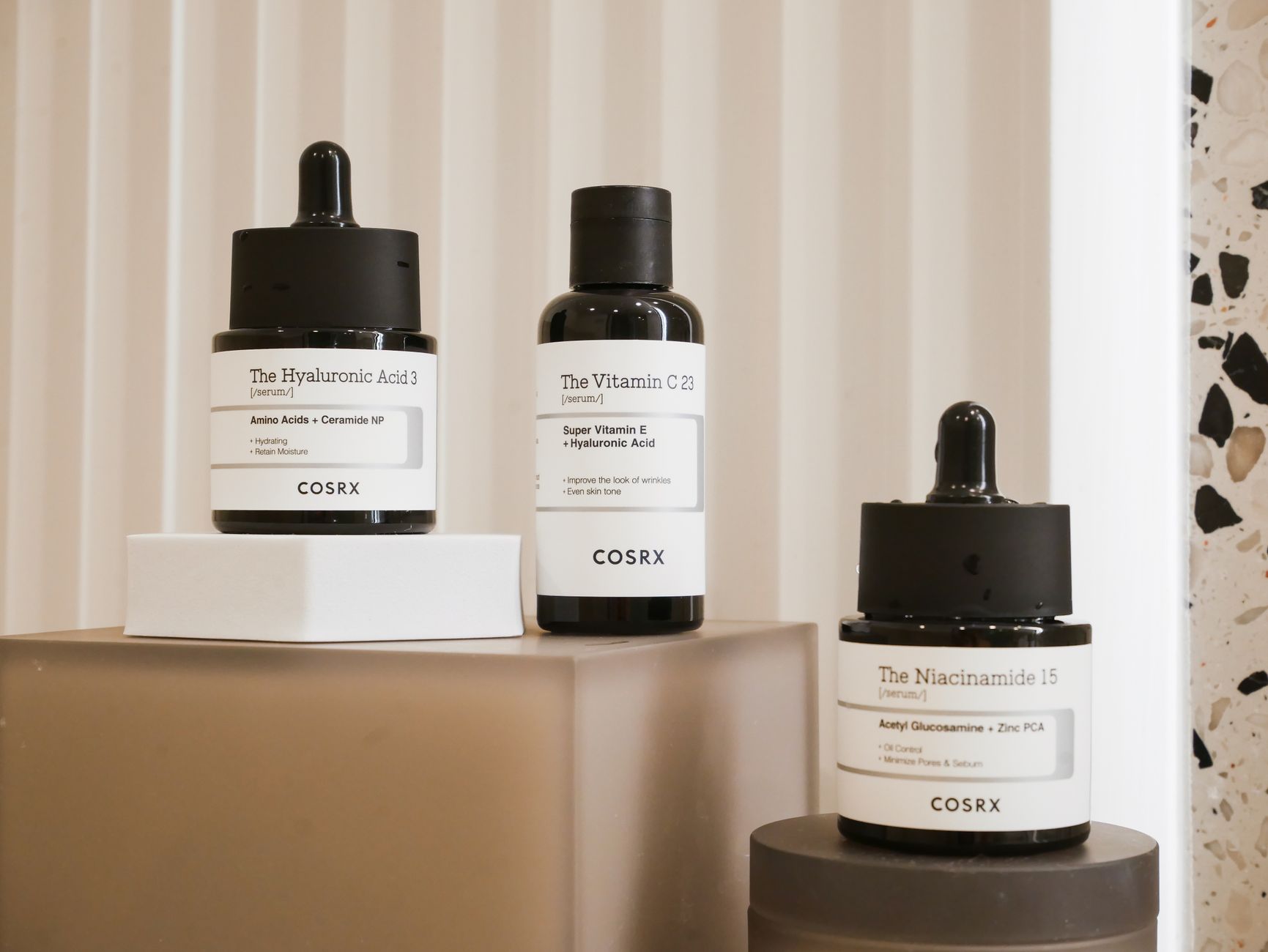
Topical Hyaluronic Acid Serum: This powerful humectant draws moisture into the skin, providing intense hydration, plumping fine lines, and improving skin texture. It's safe and highly recommended during pregnancy.
Topical Vitamin C Serum: A fantastic antioxidant, vitamin C can brighten skin, even out tone, protect against environmental damage, and stimulate collagen. Look for stable forms like L-ascorbic acid or sodium ascorbyl phosphate.
Niacinamide Serum: Also known as Vitamin B3, niacinamide can reduce inflammation, minimize pores, improve skin barrier function, and help with hyperpigmentation. It's a versatile and pregnancy-safe ingredient.
Gentle Lactic Acid Peels: While stronger chemical peels are out, very mild, superficial lactic acid peels (an AHA derived from milk) can be safe under professional guidance. Lactic acid is a larger molecule, so it penetrates less deeply, offering gentle exfoliation and hydration. Always discuss with your dermatologist.
Pregnancy-Safe Stretch Mark Creams: For stretch marks, focus on prevention and improving skin elasticity with rich, hydrating creams containing ingredients like shea butter, cocoa butter, vitamin E, and hyaluronic acid. While no cream can entirely prevent stretch marks, consistent use can help keep skin supple.
Explore gentle, hydrating, and antioxidant-rich skincare options to maintain your glow throughout pregnancy.
Related Items — Safety at a Glance
Beyond microneedling, many other cosmetic procedures and treatments raise questions about safety during pregnancy. Here's a quick overview of common related items:
Treatment/Product
Verdict
Note
Chemical Peels (Strong)
❌ Avoid
Deep peels are unsafe; even superficial peels are generally advised against due to risk of irritation, hyperpigmentation, and absorption of active ingredients like salicylic acid in high concentrations.
Laser Hair Removal
⚠️ Talk to your doctor
Generally advised against due to lack of safety data and potential for hormonal influence on hair growth; not considered medically necessary.
Botox
❌ Avoid
Not recommended due to insufficient data on fetal safety; Botox is a neurotoxin.
Dermal Fillers
❌ Avoid
Not recommended due to lack of safety data and potential for swelling/complications; not medically necessary.
Microdermabrasion
⚠️ Talk to your doctor
Generally considered safer than chemical peels or lasers, but some practitioners advise caution due to increased skin sensitivity and potential for irritation.
IPL Treatments
❌ Avoid
Intense Pulsed Light (IPL) treatments are not recommended due to lack of safety data and potential for hyperpigmentation.
Topical Retinoids (e.g., Retinol, Tretinoin)
❌ Avoid
Generally advised against due to theoretical risk of systemic absorption and potential for birth defects, though topical absorption is usually low.
Tanning Beds
❌ Avoid
Not recommended due to increased risk of skin cancer, overheating, and potential for melasma.
Teeth Whitening
⚠️ Talk to your doctor
Generally advised to postpone until after pregnancy due to lack of safety data on peroxide absorption and potential for gum sensitivity.
Permanent Makeup (e.g., Microblading)
❌ Avoid
Not recommended due to risk of infection, potential for allergic reactions to pigments, and difficulty with numbing agents.
Myth vs. Fact
There's a lot of information and misinformation floating around when it comes to pregnancy and skincare. Let's clear up some common misconceptions about microneedling.
Myth: At-home microneedling devices are safe because they use shorter needles and are less invasive than professional treatments.
Fact: While at-home devices are less aggressive, they still break the skin barrier and carry risks, especially during pregnancy. The potential for infection, irritation, and inconsistent technique remains. Furthermore, the products used with at-home devices may not be pregnancy-safe, and their absorption is still a concern. Most experts advise avoiding all forms of microneedling while pregnant.
Myth: Microneedling is a great way to prevent or treat stretch marks while I'm pregnant.
Fact: It's generally advised to wait until after pregnancy and breastfeeding to treat stretch marks with microneedling. During pregnancy, your skin is actively stretching, and hormonal changes increase the risk of post-inflammatory hyperpigmentation (PIH) if the skin is traumatized. Focusing on hydrating creams and gentle massage is a safer approach for stretch marks during pregnancy.
Myth: If a numbing cream is only applied to a small area, it's fine to use during microneedling when pregnant.
Fact: While systemic absorption from small areas is generally low, there is still a risk, and the effects on a developing fetus are not fully known. Given that microneedling is an elective cosmetic procedure, most healthcare providers recommend avoiding numbing creams and the procedure itself during pregnancy to eliminate any potential, even if theoretical, risk.
Key Takeaways
Microneedling is generally not recommended during any trimester of pregnancy or while breastfeeding due to a lack of safety data.
Key risks include infection, increased inflammation, post-inflammatory hyperpigmentation (PIH), and potential absorption of numbing creams and topical serums.
At-home microneedling devices also carry risks, including infection and improper technique, and should be avoided.
For concerns like acne scars and stretch marks, it's best to wait until after pregnancy and breastfeeding for microneedling treatments.
Many safe and effective alternatives exist, such as hydrating facials, LED light therapy (red light), and pregnancy-safe topical serums (hyaluronic acid, vitamin C, niacinamide).
Always consult with your obstetrician and dermatologist before undergoing any cosmetic procedure or introducing new skincare products during pregnancy.
When in doubt about any treatment, always speak with your healthcare provider for personalized advice.
Frequently Asked Questions
Can you get microneedling while pregnant?
No, it is generally not recommended to get microneedling while pregnant. There is a lack of sufficient safety data on the procedure and the topical products used during it, making it difficult for medical professionals to assure its safety for both the mother and the developing baby. It's best to postpone this cosmetic treatment until after pregnancy and breastfeeding.
What skin treatments are safe during pregnancy?
Many skin treatments are considered safe during pregnancy. These include gentle hydrating facials, oxygen facials, red LED light therapy, and topical serums with ingredients like hyaluronic acid, vitamin C, and niacinamide. Always ensure your aesthetician or dermatologist uses pregnancy-safe products and techniques, and inform them that you are pregnant.
Is it safe to use a derma roller during pregnancy?
No, it is generally not safe to use a derma roller during pregnancy. While at-home devices use shorter needles, they still break the skin barrier, posing risks of infection, irritation, and potential absorption of unsafe topical products. It's advised to avoid all forms of microneedling, including derma rollers, when expecting.
What cosmetic procedures should be avoided during pregnancy?
Many cosmetic procedures should be avoided during pregnancy due to a lack of safety data or known risks. These include microneedling, strong chemical peels, laser treatments (like laser hair removal or IPL), Botox, dermal fillers, and permanent makeup. It's always best to consult with your doctor before considering any elective cosmetic treatment.
Does microneedling affect a developing baby?
The direct effect of microneedling on a developing baby is unknown due to a lack of research. However, potential indirect risks include severe infection in the mother, heightened inflammation, or systemic absorption of topical numbing agents or other ingredients used during the procedure, which could theoretically affect the fetus. Given these uncertainties, avoidance is the safest approach.
Are professional facials safe for pregnant women?
Yes, many professional facials are safe for pregnant women, provided they are gentle and use pregnancy-safe products. It's crucial to inform your aesthetician that you are pregnant so they can avoid harsh chemicals, retinoids, strong acids (like high-concentration salicylic acid), aggressive extractions, and certain essential oils. Focus on hydrating and calming treatments.
What skincare ingredients are unsafe during pregnancy?
Key skincare ingredients generally considered unsafe or best avoided during pregnancy include retinoids (retinol, tretinoin, tazarotene), high-dose salicylic acid (especially in peels or oral forms), hydroquinone, formaldehyde, phthalates, and certain essential oils. Always review your skincare product labels and consult with your doctor or dermatologist.
Can microneedling cause complications in pregnancy?
While microneedling itself isn't directly proven to cause specific pregnancy complications, it carries risks that could indirectly lead to issues. These include severe skin infections that might require antibiotics, exaggerated inflammatory responses, and post-inflammatory hyperpigmentation that can be distressing. The unknown effects of topical agents used during the procedure also present a potential, albeit unquantified, risk.
When to Call Your Doctor
While the strong recommendation is to avoid microneedling during pregnancy, if you've had the procedure, or if you experience any concerning skin issues, it's important to know when to seek medical advice.
Call your doctor or healthcare provider immediately if you experience any of the following after a microneedling procedure (or any skin treatment):
Signs of infection: increasing redness, warmth, swelling, pain, pus, or foul odor from the treated area.
Fever or chills.
Severe or spreading rash, hives, or an allergic reaction.
Blistering, open sores, or significant skin breakage that doesn't heal.
Unusual or severe pain that doesn't subside.
Any other symptoms that concern you or feel unusual during your pregnancy.
Remember, your healthcare provider is your best resource for personalized advice and guidance throughout your pregnancy. When in doubt, always reach out.
The information provided in this article is for informational purposes only and is not intended to be a substitute for professional medical advice, diagnosis, or treatment. Always seek the advice of your physician or other qualified health provider with any questions you may have regarding a medical condition.
References
American College of Obstetricians and Gynecologists (ACOG). www.acog.org
Not sure about the label on Is Microneedling Safe During Pregnancy products?
Snap the ingredients list and SafeFilter checks every ingredient for your stage — only 3 free scans this month, then you're locked until reset. Unlimited from $7/mo or $50/yr.
When Shubhra Mishra was expecting her first child in 2016, she was overwhelmed by conflicting food advice — one site said yes, another said never. By the time her second baby arrived in 2019, she realized millions of mothers face the same confusion.
That sparked a five-year journey through clinical nutrition papers, cultural diets, and expert conversations — all leading to BumpBites: a calm, compassionate space where science meets everyday motherhood.
Her long-term vision is to build a global community ensuring safe, supported, and free deliveriesfor every mother — because no woman should face pregnancy alone or uninformed. 🌿
🌍 Stand with mothers, shape safer guidance
Join a small circle of experts who review BumpBites articles so expecting parents everywhere can decide with confidence.