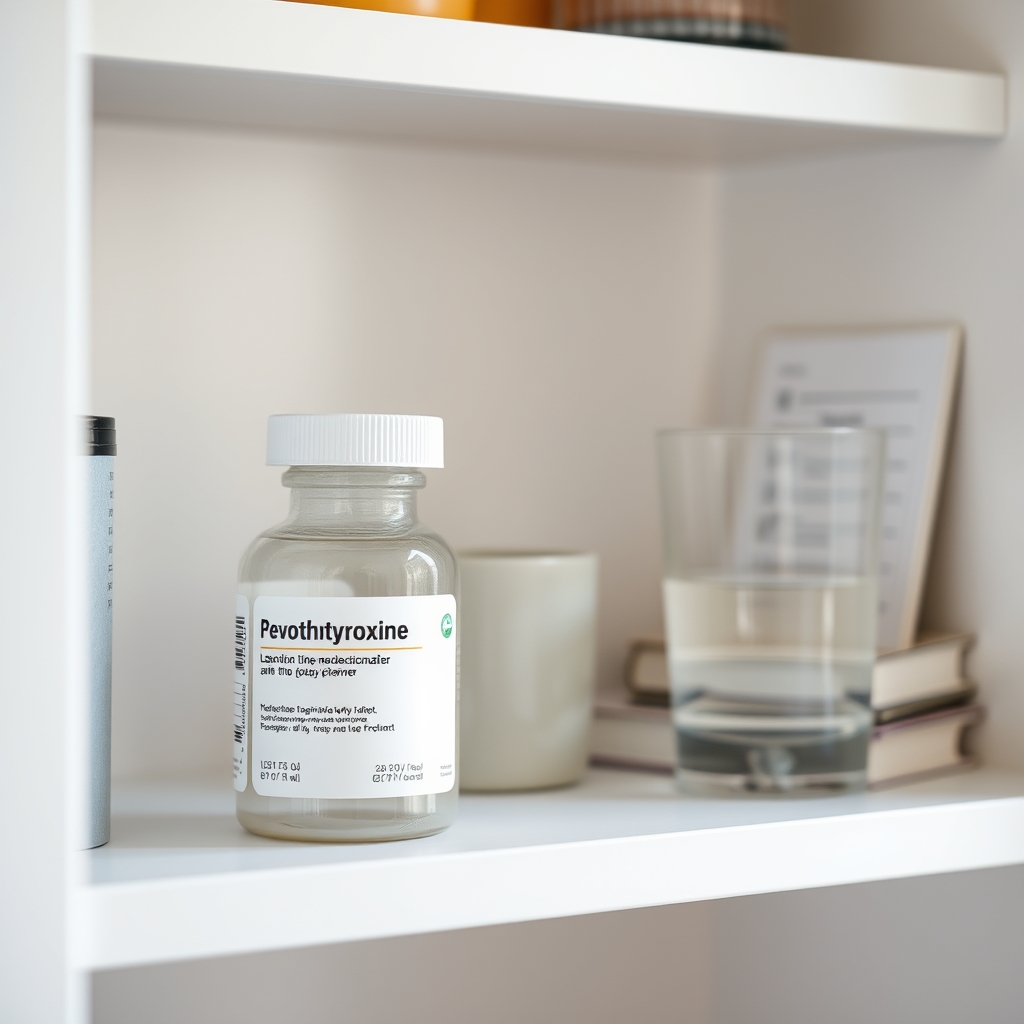
Yes, levothyroxine is safe for pregnancy and crucial for thyroid health. Learn about the correct dosage adjustments needed in each trimester to ensure a healthy pregnancy for you and your baby.
By Shubhra Mishra — a mom of two who turned her own confusion during pregnancy into BumpBites, a global mission to make food choices clear, safe, and stress-free for every expecting mother. 💛
Check whether any food is safe during pregnancy with the BumpBites Food Safety Checker.
Quick verdict: ✅ Levothyroxine is generally safe for pregnancy when taken at the dose your provider prescribes. It’s the standard treatment for hypothyroidism and helps protect both you and your baby.
It’s 2 a.m., you’re scrolling through a sea of medical forums, and a single question keeps popping up: “Is levothyroxine safe for pregnancy?” You might have already taken a dose or are about to fill a prescription, and the worry feels like a knot in your stomach. First, breathe. Levothyroxine is the most common thyroid hormone replacement, and the consensus among obstetric and endocrine experts is that it is safe when managed correctly.
In this article we’ll give you the bottom‑line answer, break down safety by each trimester, explain how your dose may need to change, compare brand names, and list safer alternatives if you’re looking for additional support. We’ll also cover what untreated hypothyroidism can do to a pregnancy, what side effects to watch for, and when you should call your provider. All of this is anchored in guidance from the American College of Obstetricians and Gynecologists (ACOG), the NHS, the FDA, and other reputable bodies.
We’ll also answer the follow‑up questions that often appear in the comments: What happens if you miss a dose? Can levothyroxine interact with prenatal vitamins? And how does thyroid health influence gestational diabetes risk? By the end of the piece you’ll have a clear action plan, a list of reliable resources, and the reassurance you need to move forward with confidence.
Stage
Verdict
Notes
First trimester
✅ Generally safe
Maintain therapy; monitor TSH every 4–6 weeks.
Second trimester
✅ Generally safe
Dose often increased ~30 % to keep TSH <2.5 mIU/L.
Third trimester
✅ Generally safe
Continue adjusted dose; aim for TSH < 3 mIU/L.
Breastfeeding
✅ Generally safe
Passes into milk in tiny amounts; no dose change needed.
Levothyroxine is a synthetic form of the thyroid hormone thyroxine (T4). It replaces the hormone your thyroid can’t make enough of, keeping metabolism, heart rate, and many other body systems in balance. Most people with hypothyroidism take a daily tablet, and the drug is absorbed in the small intestine, then converted to the active hormone triiodothyronine (T3) in peripheral tissues. In pregnancy, the growing placenta and fetus rely on the mother’s thyroid hormone supply, especially in the first trimester when the fetal thyroid isn’t fully functional. That’s why maintaining adequate levothyroxine levels is crucial for both maternal health and fetal neurodevelopment.
Because thyroid hormone requirements rise during pregnancy—by about 30 % on average—doctors often increase the dose early on. This adjustment is based on serial TSH measurements, not a one‑size‑fits‑all rule. The risk most often discussed is overtreatment, which can cause symptoms of hyperthyroidism (palpitations, anxiety, weight loss). However, careful monitoring keeps these issues rare. Most women who follow their provider’s dosing plan experience no adverse effects, and the data consistently show normal birth outcomes when levothyroxine is used appropriately.
Keep your levothyroxine bottle in a consistent, easy‑to‑reach spot to help you stay on schedule.
Is levothyroxine safe during each trimester of pregnancy?
First trimester
The first 12 weeks are a period of organogenesis, when the fetus’s organs are forming. Adequate thyroid hormone is essential for brain and heart development. Continuing levothyroxine during this window is considered safe and, in fact, necessary. ACOG advises checking TSH at the time of the first prenatal visit and then every 4–6 weeks. If TSH is above the trimester‑specific goal (often <2.5 mIU/L), the dose may be increased. No evidence suggests that levothyroxine causes birth defects or miscarriage when taken as prescribed.
It’s also worth noting that many women report feeling more energetic after their dose is adjusted early in pregnancy. This “energy boost” is usually a sign that thyroid hormone levels are finally aligning with the body’s increased metabolic demand. Still, any sudden change in symptoms should be discussed with your provider.
First trimester: managing nausea and medication timing
Nausea and vomiting affect up to 80 % of pregnant people in the first trimester. Because levothyroxine is best absorbed on an empty stomach, morning sickness can complicate timing. The ACOG recommends taking the tablet with a small sip of water before any food or prenatal vitamin, then waiting at least 30 minutes. If vomiting occurs within an hour, repeat the dose after the episode subsides to ensure adequate absorption.
Some clinicians suggest a “split‑dose” strategy—taking half the daily dose at night and the other half in the morning—to reduce the impact of nausea on absorption. Discuss any such adjustments with your endocrinologist, as splitting the dose may affect the total daily amount.
Second trimester
From weeks 13 to 27, the placenta takes over much of the hormone production, but the maternal supply remains critical. Studies show that women who maintain therapeutic levothyroxine levels have a lower risk of preterm delivery and low birth weight. Dose adjustments—typically a 25‑30 % increase—are common, and the safety profile remains unchanged. Side effects are still rare, and the medication continues to be classified as pregnancy‑category A.
During this stage, many prenatal vitamins contain calcium and iron, both of which can interfere with levothyroxine absorption. The ACOG and ATA recommend spacing these supplements at least four hours apart from your thyroid medication to avoid a dip in hormone levels.
Second trimester: thyroid monitoring and gestational hypertension
Gestational hypertension can be exacerbated by excess thyroid hormone, so clinicians keep a close eye on blood pressure when adjusting levothyroxine doses. The American Heart Association notes that both overt hyperthyroidism and untreated hypothyroidism can influence vascular tone. Regular blood pressure checks at prenatal visits, combined with TSH monitoring, help catch any emerging issues early.
If your provider observes a rising blood pressure trend, they may fine‑tune the levothyroxine dose downward while still keeping TSH within target range. This balance underscores the importance of frequent lab work and open communication.
Third trimester
In the final stretch of pregnancy, the fetal thyroid begins to function more independently, yet maternal thyroid hormone still influences fetal growth. Maintaining target TSH (often <3 mIU/L) through the third trimester is linked with optimal neurocognitive outcomes for the baby. Levothyroxine remains safe, and most clinicians keep the adjusted dose through labor and delivery. The risk of overtreatment is monitored closely, as excessive thyroid hormone can lead to maternal tachycardia or gestational hypertension.
Some clinicians also screen for gestational diabetes in the third trimester, because thyroid imbalance can subtly affect glucose metabolism. While levothyroxine itself does not cause gestational diabetes, uncontrolled hypothyroidism may increase insulin resistance. This underscores the importance of staying on schedule with both thyroid medication and glucose screening.
Breastfeeding
After birth, levothyroxine passes into breast milk in very low concentrations—less than 0.01 % of the maternal dose. The AAP and NHS both state that it is safe for nursing mothers, and dose reductions are generally unnecessary. Mothers should continue regular TSH monitoring, especially if they experience significant weight loss or changes in medication absorption.
For breastfeeding moms who also take iron or calcium supplements, the same spacing rule applies: take levothyroxine on an empty stomach, then wait at least four hours before the next supplement. This simple timing trick helps maintain stable hormone levels for both you and your baby.
What is the recommended levothyroxine dosage for pregnant women?
There isn’t a one‑size‑fits‑all number because each woman’s thyroid needs differ. The typical adult dose ranges from 25 µg to 200 µg daily. In pregnancy, the ACOG recommends a dose increase of about 30 % early in the first trimester, based on the pre‑pregnancy dose. For example, a woman taking 100 µg daily may be advised to increase to roughly 125‑130 µg.
Because absorption can be affected by prenatal vitamins (especially calcium and iron) and certain foods, doctors often suggest taking levothyroxine on an empty stomach, 30‑60 minutes before breakfast or any prenatal supplement. Blood tests are repeated every 4–6 weeks, and the dose is fine‑tuned to keep TSH within the trimester‑specific range. If you’re already on a brand with a specific tablet strength, your provider may prescribe a combination of tablets to achieve the exact dose.
It’s important to note that the FDA does not set a specific pregnancy dose for levothyroxine; instead, it approves the drug for general hypothyroidism treatment. Your obstetrician or endocrinologist will tailor the dosage to your labs, symptoms, and any pregnancy‑related changes in weight or absorption.
For women who experience malabsorption syndromes (e.g., celiac disease or bariatric surgery), a liquid formulation such as Tirosint may be preferred. The liquid form bypasses some of the gastrointestinal hurdles that can reduce tablet absorption, offering a more predictable rise in serum T4 levels.
Can I switch from Synthroid to other levothyroxine brands while pregnant?
All levothyroxine products contain the same active ingredient, but they differ slightly in inactive fillers, tablet hardness, and bioavailability. Synthroid, Levoxyl, Euthyrox, and Tirosint are all FDA‑approved and considered interchangeable if the dose is exactly the same. However, ACOG advises against switching brands without medical guidance because small differences can affect serum TSH levels.
If you’re considering a switch—perhaps due to insurance coverage or a preferred tablet size—talk to your provider first. They may suggest a brief “re‑check” of TSH two weeks after the change to confirm that levels remain stable. Tirosint, a gel‑capsule form, is sometimes favored for patients with absorption issues, but the overall safety remains the same across brands.
When switching, keep a written record of the exact milligram strength of each tablet you take. This helps your provider spot any inadvertent dosing errors and ensures that any future lab results can be interpreted accurately.
What are the risks of taking levothyroxine during pregnancy?
The primary risk is not taking enough levothyroxine, which can lead to maternal hypothyroidism. Untreated hypothyroidism is linked to miscarriage, preterm birth, low birth weight, and impaired neurodevelopment in the child. Conversely, overtreatment can cause symptoms of hyperthyroidism—palpitations, anxiety, and, rarely, gestational hypertension.
Because levothyroxine is a hormone replacement, the most common side effects are mild and include headache, insomnia, or weight changes. These are usually related to dose fluctuations rather than the medication itself. The FDA and ACOG both state that there is no credible evidence linking levothyroxine to birth defects when used at the appropriate dose.
Rarely, allergic reactions to inactive ingredients (e.g., lactose or gelatin) can occur. If you notice rash, itching, or swelling after taking the tablet, contact your provider. Overall, the risk profile is favorable when the drug is taken under medical supervision.
Another consideration is the potential for drug‑drug interactions. Levothyroxine’s absorption can be reduced by proton‑pump inhibitors, certain cholesterol‑lowering agents, and high‑fiber meals. Your provider can advise you on timing to minimize these interactions.
Drug interactions and absorption considerations
Interactions with prenatal vitamins
Calcium carbonate, ferrous sulfate, and high‑dose vitamin C are common components of prenatal supplements that can bind levothyroxine in the gut, reducing its effectiveness. The ACOG recommends taking your thyroid medication at least four hours before or after these supplements. If you forget this timing, simply wait an additional hour before taking the next dose to allow absorption.
Medications that may affect levothyroxine levels
Proton‑pump inhibitors (e.g., omeprazole) and antacids containing aluminum or magnesium can lower levothyroxine absorption. Similarly, cholesterol‑lowering drugs like cholestyramine, and certain antidepressants such as sertraline, have been shown to interfere with thyroid hormone levels. Discuss any new prescription or over‑the‑counter medication with your endocrinologist to adjust dosing if needed.
Dietary factors
High‑fiber foods, soy products, and large amounts of coffee can also blunt absorption. A simple strategy is to take levothyroxine first thing in the morning with a full glass of water, then wait at least 30‑60 minutes before eating or drinking anything other than water. This routine works well for most pregnant women and helps maintain stable TSH values.
Are there safer alternatives to levothyroxine for thyroid management in pregnancy?
Nature Made Iodine – Provides dietary iodine, which supports natural thyroid hormone production.
Solgar Iodine – A gentle iodine supplement often used when dietary intake is low.
Thorne Iodine – High‑purity iodine with minimal fillers, suitable for sensitive stomachs.
Gaia Herbs Thyroid Support – A blend of herbal extracts that may aid thyroid function, but not a replacement for levothyroxine.
Pure Encapsulations Iodine – Free of common allergens, providing a consistent iodine dose.
NOW Foods Iodine – An affordable iodine source for those looking for supplemental support.
These alternatives are not replacements for levothyroxine when a physician has diagnosed hypothyroidism. Iodine supplementation can help prevent iodine deficiency, which is a separate cause of low thyroid hormone, but it cannot correct an underactive thyroid on its own. Always discuss any supplement changes with your provider.
Iodine supplements can support thyroid health but don’t replace prescribed levothyroxine.
How does hypothyroidism affect pregnancy and what is the role of levothyroxine?
Hypothyroidism means the thyroid gland isn’t making enough hormone. During pregnancy, this shortfall can impair fetal brain development, especially in the first trimester when the baby depends entirely on maternal thyroid hormone. Untreated hypothyroidism raises the risk of miscarriage, anemia, placental abruption, and preeclampsia.
Levothyroxine restores normal hormone levels, allowing the mother’s metabolism to stay stable and providing the fetus with the thyroid hormone it needs for proper neurological maturation. By keeping TSH within the trimester‑specific target range, levothyroxine helps prevent the complications listed above and supports a healthy birth weight and gestational age.
Recent research from the American Thyroid Association indicates that children whose mothers maintained optimal thyroid levels throughout pregnancy score higher on early language and motor skill assessments. This reinforces the message that consistent medication adherence, combined with regular lab monitoring, is a cornerstone of prenatal care for women with hypothyroidism.
Does levothyroxine cause birth defects?
Current evidence does not support a link between levothyroxine and birth defects. The FDA categorizes it as pregnancy‑category A, indicating that well‑controlled studies have not shown an increased risk of congenital anomalies. The ACOG and NHS both affirm that, when taken at the appropriate dose, levothyroxine is safe for the developing baby.
The key is proper dosing and regular monitoring. Over‑ or under‑treatment can indirectly affect fetal development, but the medication itself is not teratogenic. If you have concerns about dosage or side effects, discuss them with your provider promptly.
Related items – safety at a glance
Item
Verdict
One‑line note
Synthroid
✅ Generally safe
Most widely prescribed levothyroxine brand.
Levoxyl
✅ Generally safe
Equivalent dose to Synthroid; interchangeable.
Euthyrox
✅ Generally safe
European brand; same active ingredient.
Tirosint
✅ Generally safe
Gel‑capsule form useful for absorption issues.
Armour Thyroid
⚠️ Talk to your doctor
Contains animal‑derived T3; not first‑line in pregnancy.
Cytomel (liothyronine)
⚠️ Talk to your doctor
Active T3; usually avoided unless specially indicated.
Thyroxine
✅ Generally safe
Generic name for levothyroxine; same safety profile.
Myth vs. fact
Myth: Levothyroxine can cause birth defects if taken during pregnancy. Fact: Extensive research and FDA classification show levothyroxine is not teratogenic; the real risk is untreated hypothyroidism.
Myth: You must stop levothyroxine once you discover you’re pregnant. Fact: Stopping the medication can lead to serious complications; continuation with dose adjustment is the recommended approach.
Myth: All thyroid medications are interchangeable without monitoring. Fact: While the active ingredient is the same, brand changes can affect absorption; regular TSH checks are essential.
Key takeaways
Levothyroxine is generally safe for pregnancy when taken as prescribed.
Dosage often needs a ~30 % increase early in pregnancy; monitor TSH every 4–6 weeks.
All FDA‑approved levothyroxine brands are safe, but avoid switching without medical advice.
Untreated hypothyroidism poses higher risks than levothyroxine therapy.
Common side effects are mild; serious reactions should prompt a call to your provider.
Iodine supplements can support thyroid health but do not replace levothyroxine.
Timing levothyroxine away from calcium, iron, and high‑fiber foods maximizes absorption.
Post‑delivery, continue monitoring thyroid function, especially if you experience rapid weight changes.
Frequently asked questions
Can you take levothyroxine while pregnant?
Yes. Levothyroxine is considered safe for pregnancy when taken at the dose your provider prescribes, and it’s essential for managing hypothyroidism.
What dosage of levothyroxine is recommended during pregnancy?
Most clinicians increase the pre‑pregnancy dose by about 30 % in the first trimester, then fine‑tune it based on TSH levels checked every 4–6 weeks.
Does levothyroxine cause birth defects?
No. Current FDA, ACOG, and NHS guidelines indicate levothyroxine does not increase the risk of congenital anomalies when used appropriately.
Is it safe to switch levothyroxine brands during pregnancy?
It can be done, but only under your doctor’s guidance; a brief TSH re‑check is recommended to ensure the new brand maintains stable hormone levels.
How often should levothyroxine levels be checked in pregnancy?
TSH is typically measured every 4–6 weeks throughout pregnancy to keep hormone levels within trimester‑specific targets.
Can hypothyroidism be managed without levothyroxine during pregnancy?
While iodine supplementation can prevent deficiency, true hypothyroidism usually requires levothyroxine; alternative treatments are not standard and should be discussed with a specialist.
What should I do if I miss a dose of levothyroxine?
If you miss a dose, take it as soon as you remember unless it’s within 12 hours of the next scheduled dose; then skip the missed one and resume your regular schedule. Consistency is key, so set a daily reminder.
Is it okay to take levothyroxine with other thyroid medications?
Combination therapy (levothyroxine plus liothyronine) is generally reserved for rare cases and should only be used under endocrinology supervision. Most pregnant patients stay on levothyroxine alone.
Can I take levothyroxine if I have a gluten intolerance?
Many levothyroxine tablets contain lactose or other fillers, but gluten‑free formulations are available. Talk to your pharmacist or provider about choosing a gluten‑free brand to avoid any potential irritation.
Is there a difference between generic levothyroxine and brand‑name versions during pregnancy?
Both contain the same active ingredient, but generic tablets may have different inactive ingredients that affect absorption. ACOG recommends staying with the brand your provider initially prescribed, especially during pregnancy, to maintain stable TSH levels.
When to call your doctor
If you experience any of the following, contact your obstetrician or endocrinologist right away: persistent rapid heartbeat, unexplained weight loss, severe anxiety, heat intolerance, new swelling in the neck, or a rash after taking levothyroxine. Also call if you miss more than two doses in a week, notice a sudden change in symptoms, or if your TSH results fall far outside the target range. Remember, this article provides general information and is not a substitute for personalized medical advice.
References
American College of Obstetricians and Gynecologists. “Management of Thyroid Disease in Pregnancy.” ACOG Practice Bulletin No. 203, 2021.
National Health Service (UK). “Thyroid disease and pregnancy.” NHS website, updated 2022.
U.S. Food and Drug Administration. “Levothyroxine (Thyroxine) – Drug Label Information.” FDA, accessed 2024.
American Thyroid Association. “Guidelines for the Treatment of Thyroid Disease During Pregnancy and the Postpartum.” ATA, 2022.
Centers for Disease Control and Prevention. “Pregnancy and Thyroid Disorders.” CDC, 2023.
World Health Organization. “Iodine status worldwide.” WHO, 2021.
Mayo Clinic. “Hypothyroidism during pregnancy.” Mayo Clinic, 2023.
Endocrine Society. “Clinical Practice Guidelines for the Diagnosis and Management of Thyroid Disease.” Endocrine Society, 2020.
National Institute for Health and Care Excellence (NICE). “Thyroid disease in pregnancy.” NICE guideline NG146, 2022.
American Academy of Pediatrics. “Breastfeeding and Maternal Medications.” AAP, 2021.
Not sure about the label on Is Levothyroxine Safe During Pregnancy products?
Snap the ingredients list and SafeFilter checks every ingredient for your stage — only 3 free scans this month, then you're locked until reset. Unlimited from $7/mo or $50/yr.
When Shubhra Mishra was expecting her first child in 2016, she was overwhelmed by conflicting food advice — one site said yes, another said never. By the time her second baby arrived in 2019, she realized millions of mothers face the same confusion.
That sparked a five-year journey through clinical nutrition papers, cultural diets, and expert conversations — all leading to BumpBites: a calm, compassionate space where science meets everyday motherhood.
Her long-term vision is to build a global community ensuring safe, supported, and free deliveriesfor every mother — because no woman should face pregnancy alone or uninformed. 🌿
🌍 Stand with mothers, shape safer guidance
Join a small circle of experts who review BumpBites articles so expecting parents everywhere can decide with confidence.