Limit licorice root during pregnancy. Avoid in the first trimester and consume no more than 50-100mg glycyrrhizin daily to reduce risks like preterm labor.
By Shubhra Mishra — a mom of two who turned her own confusion during pregnancy into BumpBites, a global mission to make food choices clear, safe, and stress-free for every expecting mother. 💛
Check whether any food is safe during pregnancy with the BumpBites Food Safety Checker.
Quick verdict: ⚠️ Limit your intake – occasional small amounts of licorice root are generally considered safe, but regular or high‑dose consumption should be avoided during pregnancy.
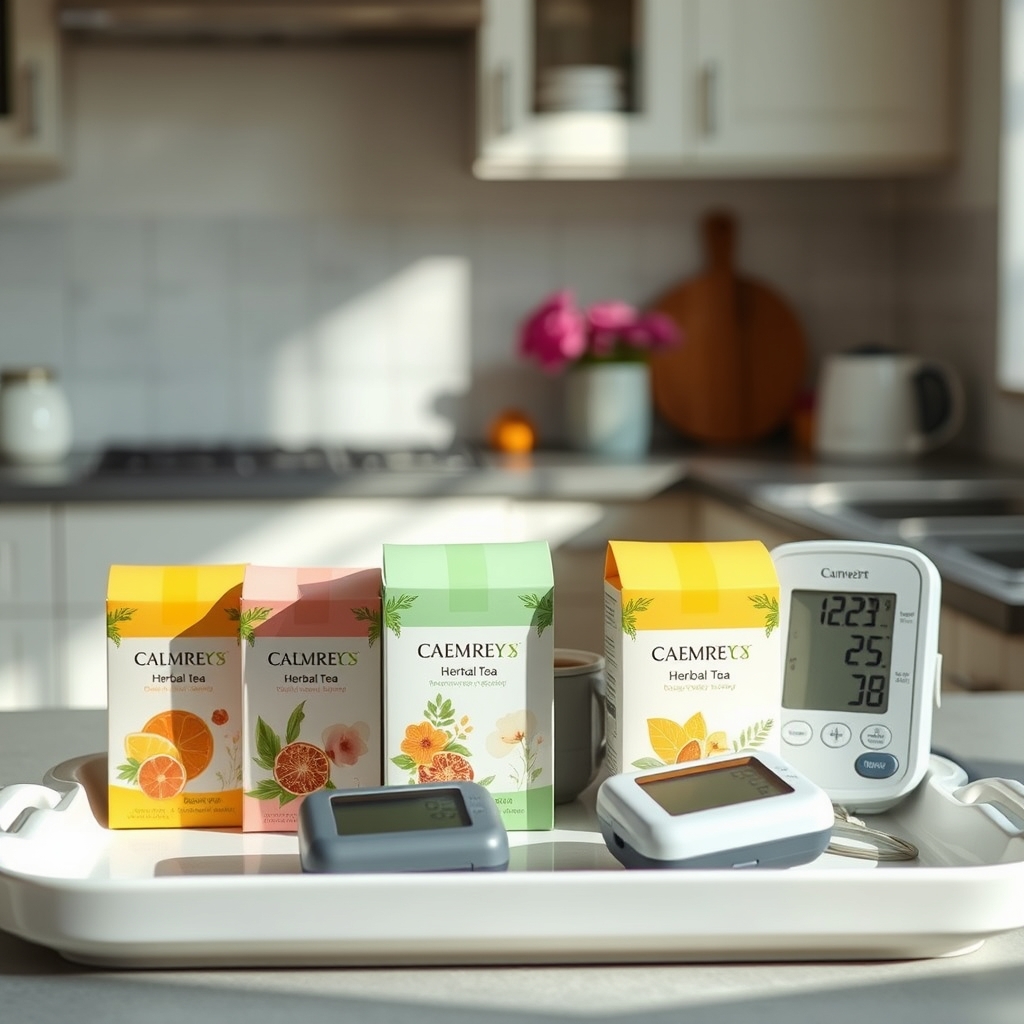
It’s 2 a.m., the kitchen light is on, and you’ve just opened a tin of herbal tea to soothe a queasy stomach. Suddenly, a memory flashes: “Is licorice root safe for pregnancy?” You stare at the label, wondering if the comforting flavor might be harming your baby. You’re not alone – many expecting parents hit the same late‑night crossroads.
In short, licorice root can be enjoyed in modest amounts, but it isn’t a free‑for‑all. The safest approach is to keep consumption low, especially in the first trimester when the baby’s organs are forming. Below, we break down the evidence, trimester‑specific guidance, recommended limits, possible risks such as hypertension and potassium loss, and gentler alternatives for nausea.
Read on for a clear, evidence‑based answer to “licorice root safe for pregnancy,” practical dosage tips, brand suggestions, and what to do if you’ve already had more than you intended.
Enjoy a calming cup, but remember that moderation is key when you’re pregnant.
Period
Verdict
Notes
First trimester
⚠️ Limit
Avoid daily use; keep to ≤ 20 g of dried root or ≤ 1 small candy piece per week.
Second trimester
⚠️ Limit
Same limits as first trimester; monitor blood pressure if you have a history of hypertension.
Third trimester
⚠️ Limit
Maintain low intake; excess may affect fetal growth and increase pre‑eclampsia risk.
Breastfeeding
⚠️ Limit
Small amounts appear safe, but avoid high‑dose supplements that could affect milk composition.
What is licorice root?
Licorice root (Glycyrrhiza glabra) is the thick, brownish‑black root of a leguminous plant native to Europe and parts of Asia. The root contains a sweet compound called glycyrrhizin, which is 50 times sweeter than sucrose. Historically, it has been used in traditional medicine to soothe coughs, ease digestive upset, and reduce inflammation. Modern herbalists also extract licorice for teas, tinctures, and candy flavoring.
When you sip a licorice‑root tea or chew a piece of black licorice candy, you’re ingesting glycyrrhizin along with smaller amounts of flavonoids, coumarins, and other phytochemicals. Glycyrrhizin can influence the body’s cortisol metabolism, leading to fluid retention and altered potassium levels. That’s why health agencies keep a close eye on its use during pregnancy, a time when fluid balance and blood pressure are already under tight regulation.
Because the root is also popular for easing nausea—a common symptom in early pregnancy—many expectant moms wonder if the soothing effect outweighs potential risks. Understanding the science helps you decide whether licorice root is the right choice for you.
Is licorice root safe during pregnancy?
Current guidance from the American College of Obstetricians and Gynecologists (ACOG) and the United Kingdom’s National Health Service (NHS) advises pregnant women to limit licorice root intake. ACOG notes that excessive glycyrrhizin can raise blood pressure and lower potassium, both of which are linked to complications such as pre‑eclampsia. The NHS similarly warns that “large amounts of licorice may cause high blood pressure and fluid retention” and recommends limiting consumption to occasional, small servings.
Evidence from observational studies suggests that consuming more than 100 mg of glycyrrhizin per day (roughly the amount in 2–3 ounces of black licorice candy) is associated with a modest increase in systolic blood pressure in pregnant women. However, occasional, low‑dose exposure—such as a single cup of licorice‑root tea a few times a week—has not been shown to cause fetal harm in the available literature.
Regulatory bodies like the U.S. Food and Drug Administration (FDA) have not set a specific limit for licorice in pregnancy, but they do classify high‑glycyrrhizin products as “potentially risky for people with hypertension.” The Centers for Disease Control and Prevention (CDC) echo this stance, emphasizing that pregnant individuals with a history of hypertension should be especially cautious.
In summary, licorice root is not outright forbidden, but the consensus among obstetric experts is to keep intake low. The phrase “licorice root safe for pregnancy” therefore applies only when the consumption stays within modest limits and the mother has no underlying blood‑pressure concerns.
Is licorice root safe to consume during the first trimester?
The first trimester is the most critical window for organ formation (organogenesis). Because glycyrrhizin can affect blood pressure and electrolyte balance, many clinicians advise extra caution during this period. ACOG’s “Pregnancy Nutrition” recommendations suggest that pregnant women avoid daily licorice consumption in the first 12 weeks and limit any intake to occasional, small servings.
If you’re craving a soothing tea, choose a single cup of licorice‑root infusion (no more than 1 gram of dried root) once or twice a week. This amount stays well below the threshold associated with hypertension in most studies. Women who have already consumed larger quantities early on should discuss blood‑pressure monitoring with their provider, but most cases resolve without lasting effects if the excess is brief.
How much licorice root can pregnant women safely eat?
Safety limits are based on glycyrrhizin content rather than the weight of the root alone. The consensus among ACOG, NHS, and FDA experts is to keep glycyrrhizin intake under 100 mg per day. This translates roughly to:
≤ 20 g of dried licorice root (about 2 tablespoons) per week, or
≤ 1 small piece (≈ 5 g) of black licorice candy per week.
For tea drinkers, a standard cup made with 1 gram of dried root contains roughly 30 mg of glycyrrhizin, so 2–3 cups spread across a week stay within the safe range. Exceeding these limits may increase the risk of hypertension, especially in women predisposed to high blood pressure.
What are the risks of eating licorice root while pregnant?
The primary concerns revolve around glycyrrhizin’s ability to mimic aldosterone, a hormone that regulates sodium and potassium. Elevated glycyrrhizin can cause:
Increased sodium retention leading to fluid overload.
Reduced potassium (hypokalemia), which can cause muscle cramps and irregular heartbeats.
Elevated blood pressure, potentially contributing to gestational hypertension or pre‑eclampsia.
Rarely, very high intake (≥ 500 mg glycyrrhizin daily) has been linked to premature birth and reduced fetal growth, though these findings come from case reports rather than large trials. Most pregnant people who stay within recommended limits experience no adverse outcomes.
Can licorice root cause hypertension in pregnancy?
Yes, excessive licorice root can raise blood pressure. Glycyrrhizin inhibits the enzyme 11β‑HSD2, which normally protects the fetus from maternal cortisol. When this enzyme is blocked, cortisol levels rise, leading to sodium retention and hypertension. ACOG cites case series where pregnant women who ate large amounts of black licorice developed systolic pressures above 140 mm Hg, which normalized after they stopped consuming licorice.
If you already have a diagnosis of gestational hypertension, the NHS advises you to avoid licorice entirely. Even modest intake may exacerbate the condition, so discuss any licorice consumption with your obstetrician.
Which licorice root brands are safe for pregnant women?
When choosing a product, look for brands that disclose glycyrrhizin content or use “deglycyrrhizinated” (DGL) formulations, which have the sweet compound removed. Some reputable options include:
Nature’s Way Deglycyrrhizinated Licorice – DGL tablets, low glycyrrhizin.
Gaia Herbs Licorice Root – Organic dried root, clear dosage instructions (1 g per serving).
Traditional Medicinals Licorice Tea – 1 g per tea bag, labeled “moderate strength.”
Avoid candy‑style products that list “licorice flavor” without specifying glycyrrhizin levels, as they often contain higher amounts of the compound. Always read the label for “glycyrrhizin‑free” or “DGL” claims, and consult your provider if you’re unsure.
What are safe alternatives to licorice root for nausea in pregnancy?
Ginger root – widely studied, safe, and effective for morning sickness.
Peppermint tea – soothing for digestive upset without affecting blood pressure.
Fennel seeds – mild antispasmodic properties, safe in moderate amounts.
Lemon ginger tea – combines ginger’s benefits with vitamin C.
Chamomile tea (caffeine‑free) – gentle calming effect, generally regarded as safe.
How does licorice root affect gestational diabetes?
Current evidence does not link licorice root directly to gestational diabetes onset. However, glycyrrhizin can influence glucose metabolism by affecting cortisol pathways, potentially worsening insulin resistance in susceptible individuals. ACOG advises women with gestational diabetes to limit all sources of added sugar, including sweet herbal teas, and to monitor blood‑glucose levels closely if they consume licorice.
If you have gestational diabetes, opting for DGL licorice (which lacks glycyrrhizin) or choosing a non‑sweet herbal tea like peppermint is a safer route.
What are the side effects of licorice root during pregnancy?
Most side effects stem from high glycyrrhizin exposure and include:
Headaches and dizziness due to elevated blood pressure.
Muscle cramps or weakness from low potassium.
Swelling in hands, feet, or face (edema).
Rarely, irregular heartbeat or palpitations.
These symptoms are usually reversible once licorice consumption is reduced. If you notice any of these signs, particularly a sudden rise in blood pressure, contact your healthcare provider promptly.
Consider swapping licorice tea for ginger or peppermint when you need a nausea‑relief boost.
Safe dosage / amount / brands
For most pregnant women, the following limits keep glycyrrhizin exposure low enough to avoid hypertension:
Form
Maximum safe amount per week
Suggested brands
Dried licorice root (tea)
≤ 20 g (≈ 2 tablespoons)
Gaia Herbs, Traditional Medicinals
Deglycyrrhizinated (DGL) tablets
Up to 2 g total
Nature’s Way DGL
Black licorice candy
≤ 5 g (one small piece) per week
Look for “low‑glycyrrhizin” labels
Never exceed these amounts, and if you’re using a supplement, follow the manufacturer’s dosing instructions and discuss them with your obstetrician. Remember that “natural” does not always mean “harmless” when pregnancy hormones are at play.
Side effects and risks
While occasional, low‑dose licorice root is unlikely to cause serious harm, the following scenarios merit attention:
Blood‑pressure rise: Systolic > 140 mm Hg or diastolic > 90 mm Hg after licorice consumption.
Severe electrolyte imbalance: Muscle weakness, irregular heartbeat, or confirmed hypokalemia (< 3.5 mmol/L).
Persistent edema: Swelling that does not resolve with rest.
If any of these symptoms appear, stop licorice intake immediately and call your healthcare provider. Most other side effects, such as mild stomach upset, are not dangerous but should still be reported if they persist.
Safer alternatives
Ginger root: Proven to reduce nausea without affecting blood pressure.
Peppermint tea: Calms the stomach and is safe throughout pregnancy.
Fennel seeds: Mild antispasmodic, useful for digestive discomfort.
Lemon ginger tea: Combines ginger’s anti‑nausea power with vitamin C.
Chamomile tea (caffeine‑free): Gentle relaxant, safe in moderation.
Lemon balm tea: Aromatic, helps settle an upset stomach.
Related items — safety at a glance
Item
Verdict
Note
Black licorice candy
⚠️ Limit
High glycyrrhizin; keep to ≤ 5 g/week.
Anise seed
✅ Generally safe
Low glycyrrhizin; used in spice blends.
Star anise
✅ Generally safe
Flavoring agent; no known hypertension risk.
Cinnamon
✅ Generally safe
Safe in culinary amounts; avoid large extracts.
Clove
✅ Generally safe
Used sparingly in cooking; safe for most pregnant women.
Nutmeg
⚠️ Limit
High doses can be neurotoxic; keep to < ½ tsp.
Turmeric
✅ Generally safe
Curcumin in food doses is fine; high supplement doses need doctor approval.
Myth vs. fact
Myth: “Licorice tea is completely natural, so it can’t harm my baby.”
Fact: Natural compounds like glycyrrhizin can affect blood pressure and potassium, making moderation essential for pregnancy safety.
Myth: “All licorice products have the same risk.”
Fact: Deglycyrrhizinated (DGL) licorice removes the harmful glycyrrhizin, allowing safer use for some pregnant women.
Myth: “If I felt fine after eating licorice, it must be safe.”
Fact: Hypertension and electrolyte changes can develop silently; routine prenatal blood‑pressure checks help catch issues early.
Key takeaways
Licorice root is not outright forbidden, but keep intake low – ≤ 20 g of dried root or ≤ 5 g of candy per week.
First‑trimester exposure should be especially limited because organ development is most sensitive.
Watch for hypertension, swelling, or muscle cramps; these signal excess glycyrrhizin.
Choose deglycyrrhizinated (DGL) products or reputable brands that disclose glycyrrhizin content.
Safer nausea‑relief alternatives include ginger, peppermint, and fennel teas.
Always discuss any herbal supplement with your obstetrician, especially if you have a history of high blood pressure or gestational diabetes.
Frequently asked questions
Can I eat licorice candy while pregnant?
Yes, but only in very small amounts – no more than one 5‑gram piece per week – to stay under the glycyrrhizin safety threshold.
Does licorice root cause miscarriage?
There is no strong evidence linking typical licorice consumption to miscarriage; however, excessive intake that raises blood pressure could contribute to complications that increase miscarriage risk.
Is it safe to take licorice supplements during pregnancy?
Only if the supplement is deglycyrrhizinated (DGL) or the dose stays below 100 mg of glycyrrhizin per day; otherwise, it’s best to avoid regular licorice supplements.
How much licorice is too much for a pregnant woman?
Consuming more than 100 mg of glycyrrhizin daily – roughly equivalent to over 5 grams of black licorice candy or more than 20 grams of dried root per week – exceeds the recommended limit.
What are the symptoms of licorice toxicity in pregnancy?
Symptoms include high blood pressure, swelling (edema), muscle cramps, and low potassium levels, which may cause fatigue or irregular heartbeats.
Can licorice root help with morning sickness?
Licorice may soothe nausea, but safer, well‑studied options like ginger or peppermint are preferred because they carry no hypertension risk.
Are there any pregnancy‑safe licorice‑flavored products?
Deglycyrrhizinated (DGL) licorice products, which have the glycyrrhizin removed, are considered safer for pregnant women when used as directed.
When to call your doctor
If you notice any of the following after consuming licorice, contact your obstetrician or midwife right away:
Sudden or persistent rise in blood pressure (≥ 140/90 mm Hg).
Swelling of hands, feet, or face that doesn’t improve with rest.
Muscle cramps, weakness, or irregular heartbeat.
Severe headache accompanied by visual changes.
Any sign of pre‑eclampsia, such as sudden weight gain or protein in urine.
These symptoms may indicate licorice‑induced hypertension or electrolyte imbalance. Remember, this article provides general information and is not a substitute for personalized medical advice.
References
American College of Obstetricians and Gynecologists. “Nutrition During Pregnancy.” ACOG Committee Opinion, 2020.
National Health Service (NHS). “Licorice and pregnancy.” NHS website, 2022.
U.S. Food and Drug Administration (FDA). “Food Additives: Licorice Extract.” FDA Consumer Updates, 2021.
Centers for Disease Control and Prevention (CDC). “Pregnancy and Herbal Supplements.” CDC Health Information, 2023.
World Health Organization (WHO). “Traditional Medicine Strategy.” WHO Publication, 2019.
Mayo Clinic. “Licorice: Benefits and risks.” Mayo Clinic Proceedings, 2021.
National Institute for Health and Care Excellence (NICE). “Guidance on dietary advice for pregnant women.” NICE Clinical Guidelines, 2021.
Not sure about the label on Is Licorice Root Safe During Pregnancy products?
Snap the ingredients list and SafeFilter checks every ingredient for your stage — only 3 free scans this month, then you're locked until reset. Unlimited from $7/mo or $50/yr.
When Shubhra Mishra was expecting her first child in 2016, she was overwhelmed by conflicting food advice — one site said yes, another said never. By the time her second baby arrived in 2019, she realized millions of mothers face the same confusion.
That sparked a five-year journey through clinical nutrition papers, cultural diets, and expert conversations — all leading to BumpBites: a calm, compassionate space where science meets everyday motherhood.
Her long-term vision is to build a global community ensuring safe, supported, and free deliveriesfor every mother — because no woman should face pregnancy alone or uninformed. 🌿
🌍 Stand with mothers, shape safer guidance
Join a small circle of experts who review BumpBites articles so expecting parents everywhere can decide with confidence.