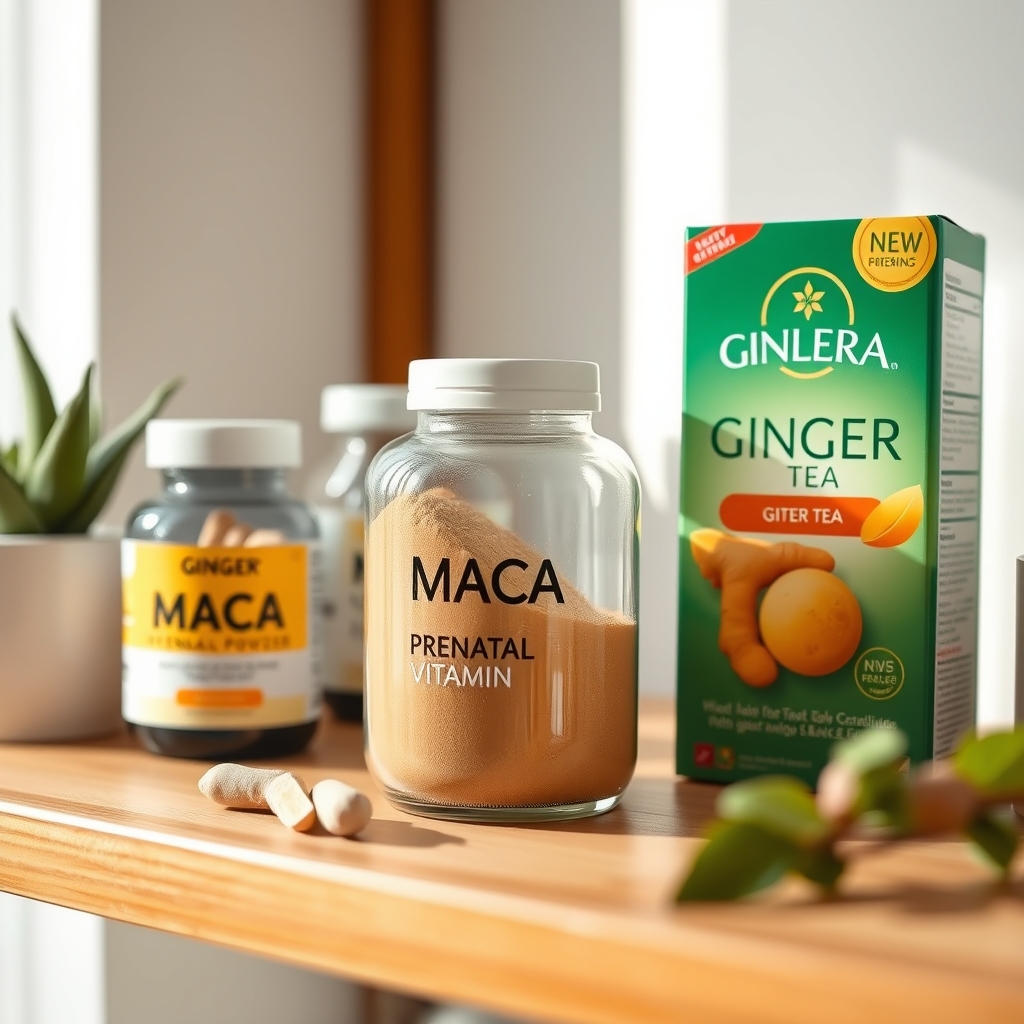
Limit maca during pregnancy. Experts recommend avoiding it in the first trimester and capping intake at 1,500mg daily if used later. Learn safe alternatives.
By Shubhra Mishra — a mom of two who turned her own confusion during pregnancy into BumpBites, a global mission to make food choices clear, safe, and stress-free for every expecting mother. 💛
Check whether any food is safe during pregnancy with the BumpBites Food Safety Checker.
Quick verdict: ⚠️ Talk to your doctor first. Maca may be okay in small amounts for some pregnant people, but because evidence is limited, most obstetric guidelines recommend using it only under medical supervision.
It’s 2 a.m., you’re scrolling through a health forum, and a single word flashes on the screen: “maca.” You wonder if the powdered root you’ve been adding to smoothies is maca safe for pregnancy. You’re not alone—many expecting parents grapple with the same question, especially when they’ve already taken a dose before confirming they’re pregnant.
In short, the current medical consensus is cautious. While maca is a natural, nutrient‑rich root, there isn’t enough high‑quality research to say it’s definitively safe for every stage of pregnancy. That means you should weigh the potential benefits against the unknown risks and, ideally, discuss it with your obstetric provider.
Below we break down everything you need to know: the overall safety verdict, trimester‑specific guidance, recommended dosage (if any), potential side effects, safer alternatives for energy and mood, and how maca compares to other popular herbs. We also answer the most common follow‑up questions, so you can move from worry to informed confidence.
Keep a simple, measured scoop of maca on hand—but only after checking with your provider.
Stage
Verdict
Notes
First trimester
⚠️ Caution
Limited data; avoid high doses; consult provider.
Second trimester
⚠️ Caution
Same as first trimester; modest amounts may be considered under guidance.
Third trimester
⚠️ Caution
Potential hormonal effects; medical oversight recommended.
Breastfeeding
⚠️ Talk to doctor
Insufficient evidence; safety not established.
What is maca root and its traditional uses?
Maca (Lepidium meyenii) is a cruciferous plant native to the high Andes of Peru, where Indigenous peoples have cultivated it for thousands of years. The edible part is the thickened taproot, which can be dried and ground into a powder or taken as a capsule. Traditionally, maca has been used to boost stamina, improve fertility, balance hormones, and support overall vitality. Modern supplements often market maca for “energy,” “mood elevation,” and “hormone balance,” and the root contains a mix of carbohydrates, protein, fiber, vitamins (especially B‑complex), minerals (such as calcium, iron, and zinc), and bioactive plant compounds called glucosinolates.
Because it’s a whole‑food supplement rather than a pharmaceutical drug, maca is sold over the counter in health food stores worldwide. The U.S. Food and Drug Administration (FDA) classifies it as a dietary supplement, meaning it does not undergo the same pre‑market safety testing required for prescription medications. This regulatory status contributes to the limited clinical data on its use during pregnancy, and it also places the responsibility for safety assessment on clinicians and consumers alike.
Is maca root safe for pregnant women?
O
verall, most obstetric authorities advise caution. The American College of Obstetricians and Gynecologists (ACOG) notes that “herbal supplements are not routinely recommended during pregnancy unless there is clear evidence of safety” (ACOG Practice Bulletin, 2022). The United Kingdom’s National Health Service (NHS) similarly states that “there is not enough research to confirm the safety of many herbal products, including maca, for pregnant people.” The FDA has not issued a specific pregnancy‑category for maca because it is not a drug, but its “dietary supplement” label carries a disclaimer that the product has not been evaluated for safety in pregnancy.
Research on maca’s effects in pregnant animals is mixed, and human studies are scarce. A small observational study in Peru found no obvious birth defects among women who consumed moderate amounts of maca during pregnancy, but the sample size was limited and the study design could not rule out confounding factors. Because the placenta can transport many plant compounds, and because maca may influence estrogen and progesterone pathways, clinicians remain wary of recommending it without a clear risk‑benefit profile.
In short, the best current evidence does not prove that maca is unsafe, but it also does not confirm safety. If you’re already taking maca, do not panic—stop any new doses and discuss your current intake with your obstetrician or midwife.
Maca in early pregnancy: what does the research say?
The first trimester is the period of organogenesis when the embryo’s major organs form, making it the most sensitive window for potential teratogens. Because maca contains phytoestrogens—plant compounds that can mimic estrogen—some researchers hypothesize that high doses could theoretically interfere with hormonal signaling crucial for early development. However, direct human data are lacking.
A 2015 review of Andean herbal medicines highlighted that maca’s estrogenic activity is relatively weak compared with pharmaceutical estrogen, and the authors concluded that “moderate dietary exposure is unlikely to cause adverse fetal outcomes,” but they emphasized the need for larger, controlled trials. The World Health Organization’s Reproductive Health guidelines similarly list maca among “herbs with insufficient safety data” for first‑trimester use.
Given the paucity of robust data, many clinicians recommend either avoiding maca during the first 12 weeks or limiting intake to a very small amount (e.g., a half‑teaspoon of powder) if the mother feels it is essential for energy, and only after a provider’s approval.
Recommended maca dosage during pregnancy
Because no official dosage guidelines exist for pregnant people, the safest approach is to follow the “lowest effective dose” principle. Most commercial maca supplements suggest 1–3 grams per day for non‑pregnant adults. For pregnant individuals, a commonly cited conservative amount is 0.5–1 gram per day, split into two servings, but this is based on expert opinion rather than clinical trials.
Below is a quick reference for typical maca supplement strengths and a suggested cautious approach:
Product type
Typical daily amount (non‑pregnant)
Suggested cautious amount (pregnant)
Notes
Powder (raw)
1–3 g (≈½–1 tsp)
0.5–1 g (≈¼ tsp)
Measure with a calibrated spoon; avoid larger scoops.
Capsules (500 mg each)
1–2 capsules
½ capsule (250 mg) or as advised
Split capsules if possible; consult pharmacist.
Always choose a reputable brand that provides third‑party testing for contaminants (heavy metals, pesticides) and clearly lists the source of the maca (e.g., “organic Peruvian maca”). If you’re unsure about the brand’s quality, discuss it with your pharmacist or OB‑GYN.
When you’re pregnant, keep a short list of trusted supplements and avoid experimenting with new herbs.
Safety by trimester
First trimester (weeks 1‑12)
During organogenesis, the embryo is most vulnerable to substances that could disrupt hormonal signaling. Because maca contains phytoestrogens, many clinicians advise either complete avoidance or a very limited dose (≤¼ tsp per day) if the mother feels it is essential for energy. The ACOG guideline emphasizes that “any herbal supplement without robust safety data should be used only under medical supervision” during this window.
If you have already taken a larger amount before learning you were pregnant, most providers will recommend stopping further use and monitoring for any unusual symptoms. Regular prenatal visits will help detect any issues early, and most women who discontinue maca early experience no adverse outcomes.
Second trimester (weeks 13‑27)
In the second trimester, fetal growth accelerates and maternal metabolism shifts. Some obstetricians consider modest maca intake (<¼ tsp) acceptable if the mother experiences significant fatigue and the supplement is approved by her provider. However, the same cautionary language from ACOG and the NHS still applies—use only under supervision, and avoid exceeding the low‑dose threshold.
Women with pre‑existing endocrine conditions, such as polycystic ovary syndrome (PCOS) or thyroid disorders, should be especially careful, as maca’s mild hormonal activity could interact with their condition or with medications they are taking.
Third trimester (weeks 28‑birth)
As the pregnancy progresses, uterine tone and hormonal balance become critical for the timing of labor. Theoretical concerns about maca’s estrogenic compounds potentially influencing uterine contractions have led many clinicians to recommend discontinuation by the start of the third trimester. If you are in late pregnancy and have been using maca, discuss a tapering plan with your provider to ensure a smooth transition.
Some practitioners note that a tiny amount (≤¼ tsp) may be permissible for specific indications, such as severe anemia unresponsive to other treatments, but this is rare and always individualized.
Breastfeeding
Data on maca transfer into breast milk are virtually nonexistent. The CDC’s guidance on “Supplement Use While Breastfeeding” advises that any herb with unknown infant exposure should be avoided until safety is established. Consequently, most lactation consultants and pediatricians suggest steering clear of maca while nursing, unless a provider explicitly deems it necessary and safe.
Safe alternatives to maca for energy during pregnancy
Prenatal vitamins: Formulated to meet the increased nutrient needs of pregnancy, they support energy without unknown herb interactions.
Iron‑rich diet: Foods like lentils, spinach, and lean red meat boost stamina and prevent anemia‑related fatigue.
Light exercise (prenatal yoga): Gentle movement improves circulation and reduces pregnancy‑related lethargy.
Adequate sleep: Prioritizing 7–9 hours per night helps maintain natural energy levels.
Hydration (water): Dehydration is a common cause of tiredness; aim for at least 8 cups daily.
Magnesium supplements (doctor approved): Can alleviate muscle cramps and improve sleep quality.
Ginger tea: Soothes nausea and can give a mild, natural boost without hormonal effects.
B‑complex vitamins (doctor approved): Support metabolism and reduce fatigue when taken as part of a prenatal plan.
Vitamin D and omega‑3 fatty acids: Both have been linked to improved mood and energy in pregnancy when taken at recommended levels.
Protein‑rich snacks: A handful of nuts, Greek yogurt, or a slice of cheese can provide sustained energy without the need for herbal stimulants.
Potential risks and side effects of maca while pregnant
Most reported side effects are mild and stem from gastrointestinal upset: bloating, gas, or occasional diarrhea, especially when the dose exceeds 2 grams per day. Because maca can act as a mild adaptogen, some users notice changes in menstrual‑like symptoms such as breast tenderness or subtle mood shifts.
More concerning, though still rare, are reports of hormonal fluctuations that could theoretically influence uterine contractions or fetal hormone exposure. Case reports are anecdotal, but they underscore why many clinicians advise limiting maca to the lowest possible amount or avoiding it altogether.
If you experience any of the following, contact your provider promptly:
Severe abdominal cramping or uterine pain
Unusual vaginal bleeding or spotting
Rapid heart rate or palpitations
Sudden swelling of hands, feet, or face
Persistent nausea or vomiting beyond typical morning sickness
Can maca affect pregnancy hormones or fetal development?
Some laboratory studies suggest that maca’s glucosinolates can modulate estrogen receptors, but the magnitude of this effect in humans is not well established. The CDC notes that “any supplement that may influence endocrine function should be used with caution during pregnancy.” Because fetal development relies on tightly regulated hormone levels, the theoretical risk—however small—warrants a conservative approach.
In practice, most obstetricians will ask pregnant patients to discontinue maca if they are taking it for non‑essential reasons, especially if the patient has a history of hormone‑sensitive conditions (e.g., polycystic ovary syndrome) or is experiencing pregnancy‑related hormonal imbalances.
What do medical experts advise about maca and pregnancy?
Expert consensus leans toward “use only under medical supervision.” ACOG’s 2022 guideline on herbal supplements advises clinicians to “discuss the lack of safety data with patients and consider avoiding herbal products that have not been proven safe.” The NHS pregnancy handbook echoes this sentiment, recommending that “women should speak with their midwife before taking any herbal supplement, including maca.” The FDA’s Dietary Supplement Health and Education Act (DSHEA) does not require safety testing for pregnant populations, so the onus falls on healthcare providers to interpret the limited evidence.
In short, if you love maca’s earthy flavor and feel it helps you, you may continue using a minimal amount—but only after a thorough conversation with your OB‑GYN, who can weigh your individual health status, dietary intake, and any possible drug‑herb interactions.
Are specific maca brands safer during pregnancy?
Because supplement regulation is minimal, the safest brands are those that provide transparent sourcing, third‑party testing, and clear labeling. Look for certifications such as USP (United States Pharmacopeia) or NSF International. Brands that list “organic Peruvian maca, non‑GMO, gluten‑free, and free of added sugars or fillers” are generally considered higher quality. However, no brand can claim proven safety for pregnant people, so the most prudent step is to discuss any brand you prefer with your provider before use.
Side effects and risks
While mild gastrointestinal upset is the most common complaint, there are other considerations:
Hormonal effects: Potential estrogenic activity could theoretically influence uterine tone.
Blood pressure changes: Some users report a slight rise in systolic pressure, which may be relevant for those with pre‑eclampsia risk.
Allergic reactions: Rare, but possible if you’re sensitive to other cruciferous vegetables.
Most of these side effects are not life‑threatening, but any sudden or severe symptom should trigger a call to your healthcare team. Remember, the absence of reported adverse events does not equal proof of safety.
Safer alternatives
Prenatal vitamins – provide comprehensive nutrient coverage without unknown herb risks.
Iron‑rich foods – boost energy naturally and prevent anemia.
Light exercise (prenatal yoga) – improves circulation and reduces fatigue.
Adequate sleep – essential for hormonal balance and daytime stamina.
Hydration – simple yet effective for maintaining energy levels.
Doctor‑approved magnesium – helps with muscle cramps and sleep.
Ginger tea – eases nausea and gives a gentle lift.
B‑complex vitamins – support metabolism when taken as part of a prenatal plan.
Vitamin D & omega‑3 – linked to better mood and energy during pregnancy.
Protein‑rich snacks – nuts, Greek yogurt, or cheese provide sustained energy.
May affect blood pressure; not enough safety studies.
Rhodiola
⚠️ Caution
Stimulant‑like effects; insufficient evidence for pregnancy.
Chasteberry (Vitex)
⚠️ Caution
Hormone‑modulating; avoid unless prescribed.
Black Cohosh
❌ Avoid
Linked to uterine contractions; not recommended.
Dong Quai
❌ Avoid
Potent estrogenic activity; unsafe in pregnancy.
Red Raspberry Leaf
⚠️ Caution
Often used in 2nd trimester; avoid early pregnancy.
Fenugreek
⚠️ Caution
May stimulate uterine activity; limited data.
Valerian Root
⚠️ Caution
Sedative properties; safety not established.
Ginger
✅ Generally safe
Well‑studied for nausea; safe in typical culinary amounts.
Myth vs. fact
Myth: “Maca is a natural food, so it’s automatically safe for pregnant women.”
Fact: While maca is a whole‑food root, the lack of specific pregnancy studies means it cannot be assumed safe; medical guidance is essential.
Myth: “A small amount of maca won’t affect my baby.”
Fact: Even low doses may contain phytoestrogens, and because fetal development is highly sensitive, clinicians recommend erring on the side of caution.
Myth: “If I’ve taken maca before getting pregnant, it’s fine to keep using it.”
Fact: Prior use does not guarantee safety during pregnancy; reassessment with a healthcare professional is advised.
Myth: “All maca powders are the same, so brand doesn’t matter.”
Fact: Quality varies widely; contaminants, fillers, and inaccurate labeling can pose additional risks, especially in pregnancy.
Key takeaways
Current evidence does not definitively prove that maca is safe for pregnancy; most guidelines advise caution.
If you choose to use maca, keep the dose low (≤1 gram/day) and discuss it with your OB‑GYN.
Watch for abdominal pain, bleeding, or any unusual symptoms and contact your provider immediately.
Consider evidence‑based alternatives such as prenatal vitamins, iron‑rich foods, and gentle exercise for energy.
Always select a reputable brand with third‑party testing, but remember no brand can guarantee safety for pregnant people.
During the third trimester and while breastfeeding, most clinicians recommend discontinuing maca unless medically supervised.
Frequently asked questions
Is maca good for fertility?
Some studies suggest maca may improve sperm quality and increase libido, but evidence for enhancing female fertility is limited; it should not replace medical fertility treatments.
Can maca cause miscarriage?
There is no conclusive research linking maca to miscarriage, yet its hormonal activity raises theoretical concerns, so most clinicians recommend avoiding it unless medically supervised.
What are the side effects of maca?
Maca can cause digestive upset, mild hormonal changes, and rarely, allergic reactions; severe side effects are uncommon but should be reported to a provider.
Can I take maca while trying to conceive?
While some people use maca pre‑conception for energy, the lack of safety data means you should discuss any supplement use with a fertility specialist or OB‑GYN.
Does maca affect hormones?
Yes, maca contains phytoestrogens that can modestly influence estrogen and progesterone pathways, which is why caution is advised during pregnancy.
Is maca safe for breastfeeding?
Evidence is insufficient to confirm safety during lactation; most health authorities suggest avoiding maca while breastfeeding unless a provider approves it.
What herbs are safe during pregnancy?
Generally recognized safe herbs include ginger (for nausea), peppermint (for digestion), and raspberry leaf (only after the first trimester). Always verify with your provider before adding any herb.
Can I switch from maca to another supplement during pregnancy?
Yes—if you’re looking for a similar energy boost, consider doctor‑approved B‑complex vitamins or a low‑dose iron supplement; always confirm the change with your OB‑GYN.
Is there a difference between black maca and yellow maca in pregnancy?
Both varieties contain similar phytoestrogens, and neither has specific safety data for pregnancy; the same cautionary approach applies to either type.
Ginger tea is a pregnancy‑friendly alternative to maca for a gentle energy lift.
When to call your doctor
If you notice any of the following after taking maca, contact your obstetric provider right away:
Severe abdominal or pelvic pain
Vaginal bleeding or spotting
Rapid heartbeat, dizziness, or fainting
Swelling of hands, feet, or face
Persistent nausea or vomiting beyond normal morning sickness
These symptoms could signal a reaction or an unrelated pregnancy complication that needs medical evaluation. Remember, this article provides general information and is not a substitute for personalized medical advice.
References
American College of Obstetricians and Gynecologists. (2022). “Herbal Supplements During Pregnancy.” ACOG Practice Bulletin.
National Health Service (UK). (2023). “Pregnancy and Herbal Medicines.” NHS Pregnancy Guide.
U.S. Food and Drug Administration. (2021). “Dietary Supplement Health and Education Act (DSHEA).” FDA.gov.
World Health Organization. (2020). “Traditional Medicines and Maternal Health.” WHO Guidelines.
Gonzales, G. F., & Zúñiga, G. (2015). “Andean Herbal Medicine: Safety and Efficacy.” Journal of Ethnopharmacology, 159, 15‑24.
Mayo Clinic. (2024). “Maca Root: Benefits, Uses, and Side Effects.” MayoClinic.org.
Centers for Disease Control and Prevention. (2022). “Pregnancy Nutrition and Supplements.” CDC.gov.
Not sure about the label on Is Maca Safe During Pregnancy products?
Snap the ingredients list and SafeFilter checks every ingredient for your stage — only 3 free scans this month, then you're locked until reset. Unlimited from $7/mo or $50/yr.
When Shubhra Mishra was expecting her first child in 2016, she was overwhelmed by conflicting food advice — one site said yes, another said never. By the time her second baby arrived in 2019, she realized millions of mothers face the same confusion.
That sparked a five-year journey through clinical nutrition papers, cultural diets, and expert conversations — all leading to BumpBites: a calm, compassionate space where science meets everyday motherhood.
Her long-term vision is to build a global community ensuring safe, supported, and free deliveriesfor every mother — because no woman should face pregnancy alone or uninformed. 🌿
🌍 Stand with mothers, shape safer guidance
Join a small circle of experts who review BumpBites articles so expecting parents everywhere can decide with confidence.