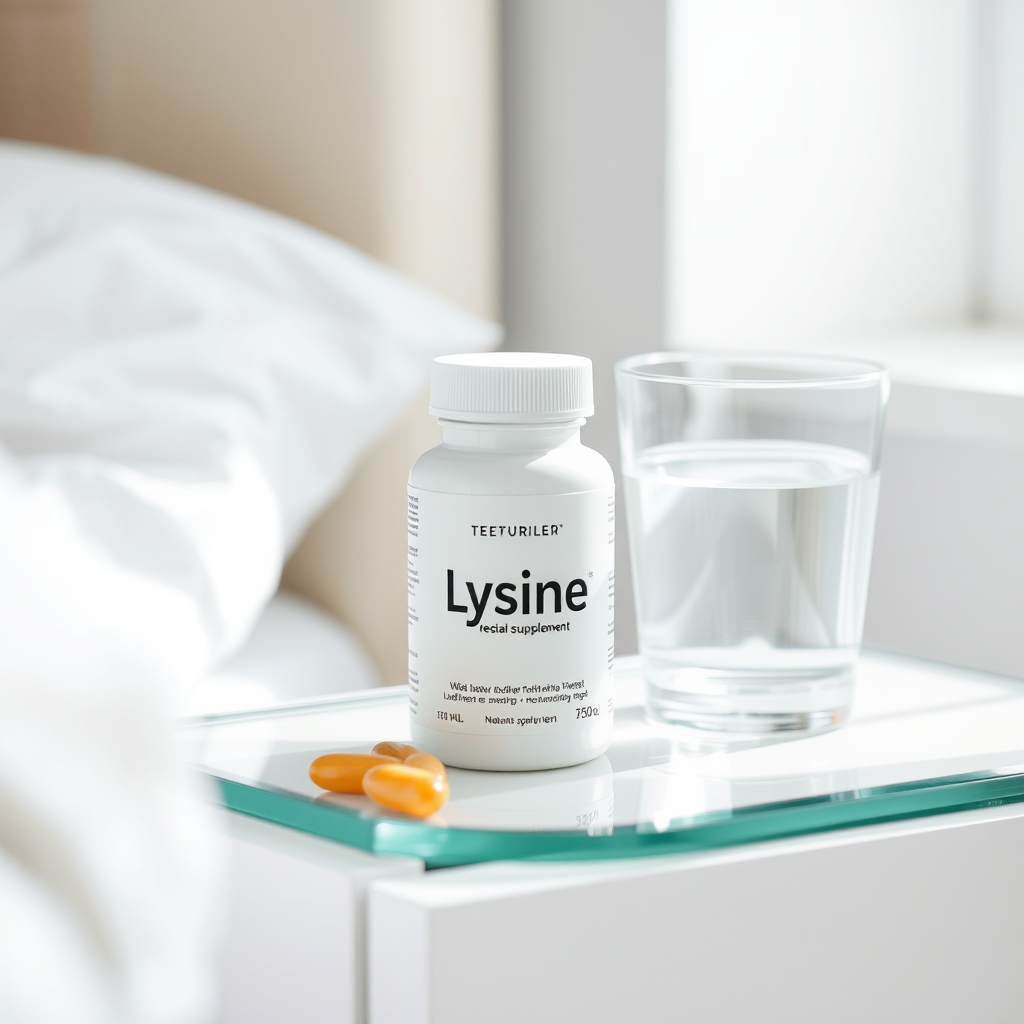
Lysine is safe during pregnancy, with a recommended dosage of 1-3 grams per day, especially in the first trimester for immune system support
By Shubhra Mishra — a mom of two who turned her own confusion during pregnancy into BumpBites, a global mission to make food choices clear, safe, and stress-free for every expecting mother. 💛
Check whether any food is safe during pregnancy with the BumpBites Food Safety Checker.
Quick verdict: ⚠️ Talk to your doctor first. Lysine supplements are not routinely recommended during pregnancy, and while modest amounts are generally considered low‑risk, higher doses should be discussed with a healthcare provider.
It’s completely normal to feel a flutter of anxiety when you spot a bottle of lysine on the pharmacy shelf and wonder, “Is lysine safe for pregnancy?” You might have already taken a supplement before you realized you were expecting, or you could be considering adding it to your prenatal routine for its touted benefits. The short answer is that lysine is not a required nutrient during pregnancy, and most experts advise using it only under medical guidance.
In this article we’ll break down the current evidence on lysine safe for pregnancy, walk through recommended dosages by trimester, flag any potential risks, and suggest safer alternatives that can provide similar support. We’ll also compare lysine to other popular amino‑acid supplements, so you have a clear picture of where it fits into a healthy pregnancy plan.
Trimester / Breastfeeding
Verdict
Notes
First trimester
⚠️ Caution
Limited data; avoid high doses until organogenesis is complete.
Second trimester
⚠️ Caution
Low‑dose (≤1 g/day) appears low‑risk, but discuss with provider.
Third trimester
⚠️ Caution
Same guidance as second trimester; no proven benefit for fetal growth.
Breastfeeding
⚠️ Caution
Amounts passing into milk are minimal; still consult a clinician.
Lysine is an essential amino acid that the body cannot produce on its own, so it must be obtained from diet or supplements. It plays a role in protein synthesis, calcium absorption, and the production of collagen—important for skin, bone, and connective‑tissue health. Some people use lysine supplements to help prevent cold‑sores, support immune function, or reduce anxiety, but it is not a standard component of prenatal vitamins.
Is lysine safe to take during pregnancy?
Current guidance from major health bodies such as the American College of Obstetricians and Gynecologists (ACOG) and the UK’s National Health Service (NHS) does not list lysine as a required nutrient for pregnant people, nor does it set a specific upper limit. The U.S. Food and Drug Administration (FDA) classifies lysine as a “dietary supplement” without a pregnancy‑specific monograph, meaning safety data are limited.
Most studies that have examined lysine in pregnancy are small and focus on its use for treating recurrent herpes simplex infections. Those trials have not shown major adverse outcomes, but they also did not evaluate long‑term developmental effects. Because lysine is an essential amino acid, a deficiency is unlikely in a well‑balanced diet that includes meat, dairy, legumes, and nuts.
Therefore, the consensus among obstetric experts is that lysine is not automatically unsafe, but it is also not routinely recommended. If you are considering lysine supplementation, the safest approach is to keep the dose low (generally ≤1 g per day) and to discuss it with your provider, especially if you have any pregnancy‑related health conditions.
What is the recommended lysine dosage for each trimester?
There is no official pregnancy‑specific dosage established by ACOG or the NHS. However, clinical practice often uses the following ranges based on adult supplementation studies and expert opinion:
First trimester: Limit to ≤500 mg per day, or avoid supplemental lysine unless prescribed for a medical reason.
Second trimester: Up to 1 g per day is considered low‑risk for most pregnant people.
Third trimester: Continue with the same ≤1 g daily limit; higher doses have not demonstrated benefit and may increase theoretical risk.
Breastfeeding: Up to 1 g per day is generally regarded as safe, but discuss with your doctor to ensure it aligns with your overall nutrient plan.
These figures are meant as a general guide, not a prescription. If a healthcare provider recommends lysine for a specific condition (e.g., recurrent herpes), they will tailor the dose to your individual needs.
Can high doses of lysine cause risks for pregnant women?
High doses—commonly defined as more than 3 g per day—have been associated with gastrointestinal upset, such as nausea, abdominal cramps, and diarrhea in non‑pregnant adults. In pregnancy, excessive gastrointestinal distress can exacerbate dehydration or reduce nutrient intake, both of which are undesirable.
There is also theoretical concern that very high lysine intake could interfere with the absorption of other amino acids, such as arginine, which plays a role in nitric oxide production and blood‑flow regulation. While no definitive studies link high lysine to birth defects, the precautionary principle applied by ACOG advises limiting any supplement that lacks a clear benefit.
In short, taking lysine well above the modest daily amounts (≥3 g) could increase the risk of side effects and may affect the balance of other nutrients, so it’s best to stay within the low‑dose range or avoid supplementation entirely unless medically indicated.
Are there any lysine supplement brands that are safe for pregnancy?
Because lysine is not a required prenatal supplement, most manufacturers do not market their products specifically for pregnant people. If you and your provider decide that a lysine supplement is appropriate, look for brands that meet the following criteria:
Third‑party tested for purity (e.g., USP, NSF).
Free of added herbal extracts, stimulants, or high‑dose vitamin blends.
Contains a modest amount per capsule (typically 500 mg–1 g).
Label states “suitable for adults” without contraindications for pregnancy.
Examples of widely available lysine products that meet these standards include NOW Foods L‑Lysine 500 mg, Nature’s Bounty L‑Lysine 1,000 mg, and Solgar L‑Lysine 1,000 mg. Even with a reputable brand, the key is to keep the dose within the low‑risk range and to confirm safety with your obstetrician.
What are safe alternatives to lysine for pregnant women?
Vitamin C supplement (e.g., Nature Made Vitamin C) – supports immune function and collagen synthesis without the amino‑acid concerns.
Probiotic supplement (e.g., Culturelle Daily Probiotic) – promotes gut health, which can indirectly aid nutrient absorption.
Prenatal multivitamin (e.g., Nature Made Prenatal) – provides a balanced mix of essential vitamins, minerals, and amino acids already vetted for pregnancy.
Folic acid supplement (e.g., Solgar Folic Acid) – critical for neural‑tube development and widely recommended.
Iron supplement (e.g., Ferrous Sulfate) – addresses common pregnancy‑related anemia.
Omega‑3 fish oil (e.g., Nordic Naturals Prenatal DHA) – supports fetal brain development and reduces inflammation.
Does lysine interact with common pregnancy conditions like gestational diabetes?
There is limited evidence that lysine directly affects blood‑glucose regulation. However, some small studies suggest that high‑protein supplements can modestly raise insulin levels, which could complicate gestational diabetes management if not monitored. The NHS advises that pregnant people with gestational diabetes focus on a balanced diet rich in whole foods rather than high‑dose amino‑acid supplements.
If you have gestational diabetes, it’s especially important to discuss any lysine use with your endocrinologist or obstetrician, as they can help you weigh the potential benefits against any impact on glucose control.
What are the side effects of lysine supplementation during pregnancy?
Most pregnant people tolerate low‑dose lysine well, but side effects can occur, especially at higher amounts:
Potential interference with arginine absorption, which could affect blood‑flow dynamics.
These symptoms are generally mild and resolve when the supplement is stopped or the dose is reduced. However, if you experience persistent vomiting, severe abdominal pain, or signs of dehydration, seek medical attention promptly.
How does lysine affect fetal development in the third trimester?
During the third trimester, the fetus undergoes rapid growth, especially of the brain and skeletal system. Lysine contributes to collagen formation, which is important for bone and connective‑tissue health, but the placenta already supplies ample lysine from maternal protein intake. No studies have demonstrated that supplemental lysine beyond normal dietary levels enhances fetal growth or reduces complications.
Consequently, the consensus among obstetric experts is that lysine supplementation in the third trimester offers no proven advantage and should be limited to the low‑dose range if used for a specific medical reason.
When considering a lysine supplement, choose a brand that is third‑party tested and keep the dose low.
Safe dosage / amount / brands
Trimester
Recommended maximum daily lysine
Suggested safe brands (≤1 g per capsule)
First
≤500 mg
NOW Foods L‑Lysine 500 mg, Nature’s Bounty L‑Lysine 500 mg
Second
≤1 g
Solgar L‑Lysine 1,000 mg, NOW Foods L‑Lysine 1,000 mg
Third
≤1 g
Solgar L‑Lysine 1,000 mg, NOW Foods L‑Lysine 1,000 mg
The most common side effects of lysine supplementation are mild gastrointestinal issues—nausea, cramping, or loose stools. These are usually dose‑related and improve when the dose is lowered or the supplement is discontinued.
Rare but more serious concerns include:
Severe dehydration: Persistent diarrhea can lead to fluid loss, which is risky during pregnancy.
Allergic reaction: Though uncommon, some individuals may experience rash, itching, or swelling.
Potential nutrient imbalance: Very high lysine may compete with arginine, possibly affecting blood‑pressure regulation.
If you notice any of the following, contact your provider right away: intense abdominal pain, persistent vomiting, swelling of the face or throat, or sudden onset of high blood pressure.
Safer alternatives
Vitamin C supplement – boosts collagen and immune health without the amino‑acid concerns.
Probiotic supplement – supports gut flora, which can improve overall nutrient absorption.
Prenatal multivitamin – provides a balanced blend of essential nutrients already vetted for pregnancy.
Folic acid supplement – essential for neural‑tube development and widely recommended.
Iron supplement – helps prevent anemia, a common issue in pregnancy.
Omega‑3 fish oil – promotes fetal brain development and reduces inflammation.
Choosing a prenatal multivitamin can cover many of the same needs that some consider lysine for.
Related items — safety at a glance
Item
Verdict
Note
Arginine supplement
⚠️ Caution
May affect blood pressure; discuss with provider.
Methionine supplement
⚠️ Caution
High doses linked to homocysteine elevation.
Tryptophan supplement
⚠️ Caution
Potential serotonin syndrome at high doses.
Glutamine supplement
⚠️ Caution
Limited pregnancy data; keep dose low.
Branched‑chain amino acids (BCAA) supplement
⚠️ Caution
Excess protein may stress kidneys.
Essential amino acid complex
⚠️ Caution
Combination effects not well studied in pregnancy.
Protein powder
✅ Generally safe
Choose low‑sugar, pregnancy‑tested brands; watch total protein intake.
Myth vs. fact
Myth: Lysine supplementation guarantees a stronger immune system for the baby. Fact: While lysine is essential for protein synthesis, there is no evidence that extra lysine improves fetal immunity beyond what a balanced diet provides.
Myth: All amino‑acid supplements are safe because they are “natural.” Fact: Even natural compounds can be harmful at high doses or when they interact with pregnancy‑specific conditions; each supplement needs individual evaluation.
Myth: If a supplement is labeled “adult‑safe,” it’s automatically safe for pregnancy. Fact: Pregnancy introduces unique physiological changes; a product safe for the general adult population may still require caution or a lower dose for pregnant people.
Key takeaways
Lysine safe for pregnancy is not a blanket approval; low‑dose use (≤1 g/day) may be acceptable with medical guidance.
There is no established pregnancy‑specific dosage; most experts recommend staying under 500 mg‑1 g per day.
High doses (>3 g/day) can cause gastrointestinal upset and may affect nutrient balance.
Discuss any lysine supplement with your obstetrician, especially if you have gestational diabetes or hypertension.
Consider safer, pregnancy‑endorsed alternatives such as prenatal vitamins, vitamin C, or omega‑3 fish oil.
Frequently asked questions
Can I take lysine supplements while pregnant?
Yes, you can, but only after discussing it with your provider and staying within a low‑dose range (typically ≤1 g per day). The key is medical supervision.
What are the benefits of lysine during pregnancy?
Lysine supports protein synthesis and may help with collagen formation, but these benefits are already covered by a balanced diet; there is no proven extra advantage from supplementation.
Is there a safe amount of lysine for a pregnant woman?
Most clinicians consider up to 500 mg–1 g per day to be low‑risk, provided you have no contraindicating conditions and the supplement is third‑party tested.
Does lysine cause birth defects?
Current research does not link lysine to birth defects, but high, unstudied doses have not been proven safe; therefore, caution is advised.
Should I avoid lysine if I have gestational hypertension?
Yes, you should discuss it with your doctor. Lysine can affect arginine balance, which may influence blood‑pressure regulation.
Are there natural food sources of lysine safe for pregnancy?
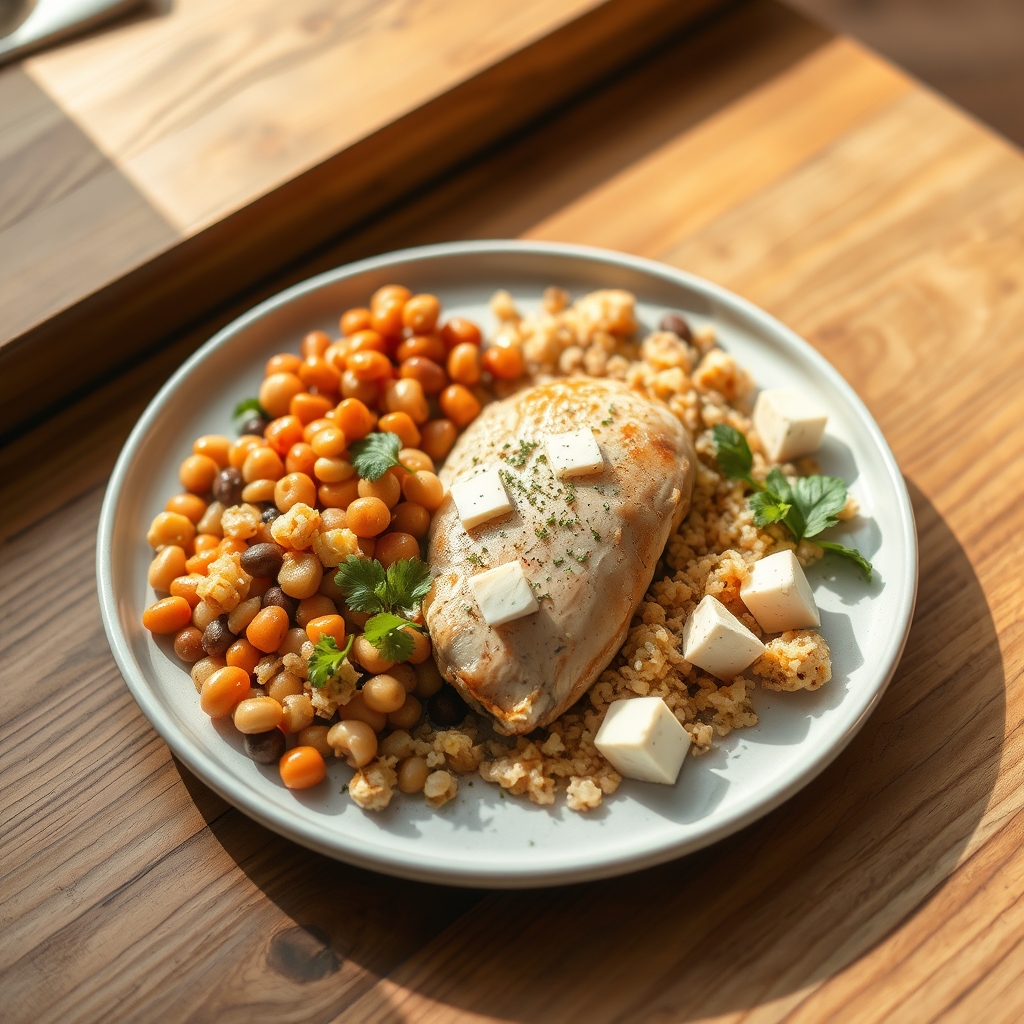
Absolutely—lean meats, dairy, beans, lentils, and quinoa are rich in lysine and are safe, nutritious options for pregnant people.
Can lysine interact with prenatal vitamins?
Generally, lysine does not interfere with standard prenatal vitamins, but taking multiple amino‑acid supplements together could affect overall protein balance, so a healthcare provider should review your full supplement regimen.
How long should I take lysine during pregnancy?
Only for the duration prescribed by your provider—often a short course for a specific issue rather than the entire pregnancy.
Whole foods like chicken, cheese, and beans provide ample lysine without the need for extra supplements.
When to call your doctor
Seek medical attention promptly if you experience any of the following while taking lysine:
Severe abdominal pain or persistent vomiting.
Signs of dehydration (dizziness, dry mouth, reduced urine output).
Swelling of the face, lips, or throat, or difficulty breathing (possible allergic reaction).
Sudden increase in blood pressure or signs of pre‑eclampsia.
These symptoms could indicate a reaction that needs professional evaluation. Remember, this article provides general information and is not a substitute for personalized medical advice.
References
American College of Obstetricians and Gynecologists (ACOG). “Nutrition During Pregnancy.” ACOG Committee Opinion, 2022.
National Health Service (NHS). “Vitamins and minerals in pregnancy.” Updated 2023.
U.S. Food and Drug Administration (FDA). “Dietary Supplement Guidance for Industry.” 2021.
Centers for Disease Control and Prevention (CDC). “Pregnancy Nutrition.” 2022.
Mayo Clinic. “Lysine: Uses, side effects, interactions, dosage, and warning.” Accessed July 2024.
World Health Organization (WHO). “Guidelines on food and nutrition for pregnant women.” 2022.
Not sure about the label on Is Lysine Safe During Pregnancy products?
Snap the ingredients list and SafeFilter checks every ingredient for your stage — only 3 free scans this month, then you're locked until reset. Unlimited from $7/mo or $50/yr.
When Shubhra Mishra was expecting her first child in 2016, she was overwhelmed by conflicting food advice — one site said yes, another said never. By the time her second baby arrived in 2019, she realized millions of mothers face the same confusion.
That sparked a five-year journey through clinical nutrition papers, cultural diets, and expert conversations — all leading to BumpBites: a calm, compassionate space where science meets everyday motherhood.
Her long-term vision is to build a global community ensuring safe, supported, and free deliveriesfor every mother — because no woman should face pregnancy alone or uninformed. 🌿
🌍 Stand with mothers, shape safer guidance
Join a small circle of experts who review BumpBites articles so expecting parents everywhere can decide with confidence.