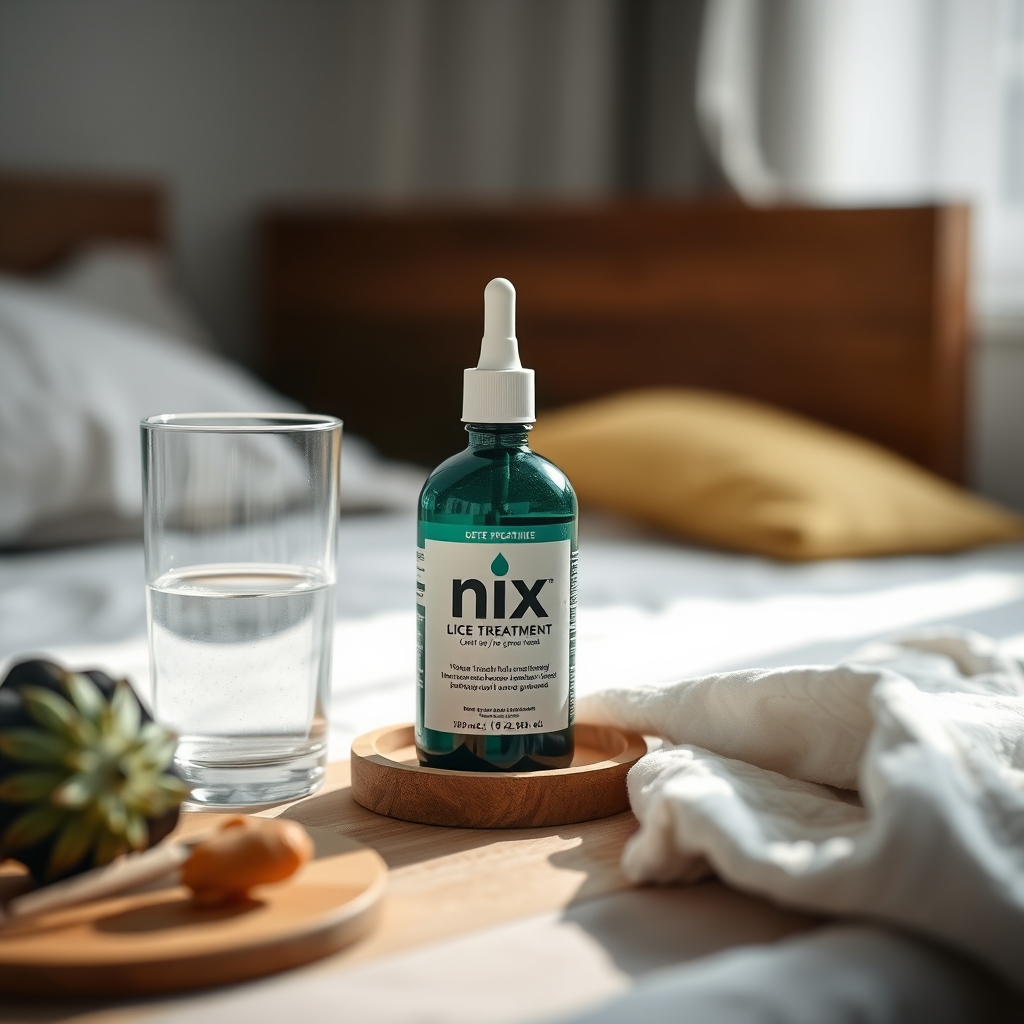
Safe in most cases: Lice treatment during pregnancy is generally safe, but dosage and trimester matter. Learn which options to limit or avoid for your safety.
By Shubhra Mishra — a mom of two who turned her own confusion during pregnancy into BumpBites, a global mission to make food choices clear, safe, and stress-free for every expecting mother. 💛
Check whether any food is safe during pregnancy with the BumpBites Food Safety Checker.
Quick verdict: ⚠️ Talk to your doctor first. Lice treatment can be used during pregnancy, but the safest approach depends on the product, timing, and your skin sensitivity. Follow trimester‑specific guidance and consider safer alternatives when possible.
It’s 2 a.m., you’re scrolling through parenting forums, and the word “lice” jumps out of the screen. You’ve just discovered a few tiny nits on your child’s scalp, and the panic spikes—especially now that you’re pregnant. You wonder, “Is lice treatment safe for pregnancy?” The short answer is that many over‑the‑counter (OTC) lice treatments are considered low‑risk, but the safety picture changes a bit across trimesters, with certain ingredients needing extra caution.
We get how unsettling it can feel to juggle a newborn‑in‑the‑making with a sudden lice outbreak. You might be worrying whether a single application could harm your baby, or if you need to wait until after delivery. In this article we’ll break down exactly what “lice treatment safe for pregnancy” means, how much product you can use, which trimester is most sensitive, and what gentler options you might try instead. We’ll also compare common lice‑related products, flag red‑alert symptoms, and give you a clear, actionable summary so you can stop worrying and start treating—safely.
Whether you’re in your first trimester or nearing your due date, you’ll find a concise verdict, dosage guidance, safer alternatives, and a quick‑reference table that lets you see at a glance what’s recommended for each stage of pregnancy and while breastfeeding. In addition, we’ll explore how underlying skin conditions, family history, and even household cleaning routines can affect your choice of treatment, giving you a fuller picture than a simple “yes or no.”
Trimester / Stage
Verdict
Notes
First trimester
⚠️ Use with caution
Prefer non‑chemical methods or consult your provider before applying permethrin or pyrethrin.
Second trimester
✅ Generally safe
OTC 1 % permethrin or pyrethrin products are acceptable if used as directed.
Third trimester
✅ Generally safe
Same OTC products are fine; ensure thorough rinsing to avoid skin irritation.
Breastfeeding
✅ Generally safe
Small amounts absorbed through the skin are unlikely to affect milk; still discuss with your provider.
What is lice treatment?
When you hear “lice treatment,” you probably picture a small bottle of lotion or shampoo that you apply to the scalp, leave on for a set time, then rinse away. Most OTC lice treatments contain either permethrin (a synthetic pyrethroid) or pyrethrin (a natural extract from chrysanthemum flowers). Both work by disrupting the nervous system of lice, causing paralysis and death. The treatment is usually a 1 % lotion or cream that you apply to dry hair, leave it on for 10 minutes, then wash off. Prescription options, such as malathion or ivermectin, are reserved for resistant infestations and are used under a doctor’s supervision.
Beyond the active ingredient, formulations differ in their vehicle (cream, lotion, spray, or shampoo) and in auxiliary compounds that help the product spread through hair. Some newer products, like those based on dimethicone, act by physically coating lice rather than poisoning them, which can be especially appealing for pregnant users who want to minimize chemical exposure. Understanding these nuances helps you pick a product that aligns with your comfort level and any sensitivities you may have.
Is lice treatment safe during pregnancy?
These products are designed for short‑term, topical use, not systemic absorption. That’s why many health authorities consider them low‑risk for pregnant people, especially after organogenesis is largely complete. However, the first 12 weeks of pregnancy (the first trimester) are a period of rapid fetal organ development, and clinicians often advise extra caution with any topical pesticide, even one with minimal systemic absorption.
According to the American College of Obstetricians and Gynecologists (ACOG), permethrin 1 % is “not associated with teratogenic effects” when used as directed, but they recommend discussing any pesticide exposure with your provider during the first trimester. The UK’s National Health Service (NHS) echoes this stance, noting that OTC lice treatments are “generally considered safe in pregnancy after the first trimester.” The U.S. Food and Drug Administration (FDA) classifies permethrin topical products as Category C for pregnancy, meaning risk cannot be ruled out, but the benefit may outweigh the risk when necessary. The Centers for Disease Control and Prevention (CDC) also lists lice as a non‑life‑threatening condition that can be managed with standard OTC products, provided you follow label instructions.
While the data are reassuring, it’s worth noting that most safety studies involve small sample sizes and rely on post‑marketing surveillance rather than large randomized trials. For that reason, obstetricians often suggest a “least‑toxic‑first” approach: start with non‑chemical, suffocation‑based methods, and only move to chemical pediculicides if those fail. This tiered strategy respects both the limited evidence base and the desire to keep fetal exposure as low as reasonably possible.
Safety by trimester
First trimester
During the first trimester, the fetus undergoes organogenesis, making it the most vulnerable window for potential teratogens. While permethrin and pyrethrin have not been shown to cause birth defects, the ACOG advises pregnant patients to discuss any pesticide exposure—including lice treatments—with their obstetrician before use. If you choose to treat lice in the first trimester, opt for the least irritating formula, apply it only to the scalp (avoiding the face and broken skin), and rinse thoroughly after the recommended time.
If you prefer to avoid chemical exposure altogether during these early weeks, consider natural, oil‑based methods (e.g., coconut oil or mayonnaise) that work by suffocating lice. Although these alternatives have limited scientific data, they pose virtually no systemic risk and are widely recommended by lactation consultants and pediatric dermatologists as safe first‑trimester options.
Second trimester
The second trimester is generally regarded as the “safe window” for many medications and topical agents because organ development has largely concluded. OTC lice treatments containing 1 % permethrin or 0.5 % pyrethrin are therefore considered acceptable, provided you adhere to the label’s application time and avoid excess product. Many clinicians also point out that the skin’s barrier function improves during this period, potentially reducing systemic absorption even further.
Because the second trimester can bring increased skin sensitivity due to hormonal changes, it’s still wise to perform a small patch test before a full application. Apply a pea‑sized amount to the back of the neck or behind the ear, wait 15–20 minutes, and rinse. If no redness, itching, or burning occurs, you can proceed with confidence.
Third trimester
Third‑trimester pregnancies are less sensitive to teratogenic risks, but skin irritation can become more uncomfortable as the body stretches. A gentle lice shampoo containing dimethicone (a silicone that physically coats lice) is considered low‑toxicity and safe for use throughout the third trimester. Follow the label, limit contact with eyes, and rinse thoroughly to keep irritation to a minimum.
In addition to the standard 10‑minute exposure, many pregnant people find that a short‑term “cool‑down” period after treatment—using a gentle, fragrance‑free conditioner—helps soothe the scalp and prevents post‑treatment itching, which can be especially bothersome in the later stages of pregnancy.
Breastfeeding
While breastfeeding, the same OTC lice treatments remain low‑risk because only minute amounts are absorbed through the skin and subsequently secreted into breast milk. The AAP (American Academy of Pediatrics) notes that topical agents with minimal systemic absorption are unlikely to affect a nursing infant. Nonetheless, it’s still prudent to rinse hair thoroughly and avoid direct contact of the product with the infant’s skin or mouth.
Lice treatment for pregnant women with eczema or psoriasis
Pregnant individuals who already have eczema, psoriasis, or other inflammatory skin conditions may experience heightened irritation from chemical pediculicides. In these cases, a patch test becomes essential, and many providers recommend starting with oil‑based suffocation methods (coconut oil, olive oil) before moving to a low‑dose permethrin product. If a chemical product is necessary, opting for a lotion rather than a spray can reduce the risk of inhalation and skin irritation.
Additionally, using a soothing, fragrance‑free moisturizer after the lice treatment can help restore the skin barrier and reduce flare‑ups. Products containing colloidal oatmeal or ceramides are often safe for both pregnancy and breastfeeding, but always verify with your obstetrician.
How much lice treatment is safe for pregnant women?
Standard dosing for OTC lice treatments is a single application of 1 % permethrin or pyrethrin lotion, covering the entire scalp and hair for 10 minutes. The FDA’s labeling for permethrin 1 % states that a single treatment is sufficient for most infestations, and a second treatment 7–10 days later may be needed if nits persist. For pregnant women, the same dosage applies; however, you should not exceed the recommended amount or repeat applications more frequently than advised.
Prescription options such as malathion 0.5 % lotion are used in a single 30‑minute application. Because malathion is absorbed more readily, ACOG recommends reserving it for cases where OTC products have failed, and only after a thorough discussion with a specialist. In all cases, avoid using multiple products simultaneously, and never leave the treatment on for longer than the label directs.
Safe dosage / amount / brands
Product
Safe dosage for pregnant women
Notes / brand recommendation
Permethrin 1 % (e.g., Nix)
One full‑head application (≈30 mL) for 10 minutes, repeat after 7–10 days if needed
Look for “Nix for Kids” or “Nix Ultra” – both contain the same concentration.
Pyrethrin 0.5 % (e.g., Rid)
One full‑head application for 10 minutes; repeat after 7 days if necessary
Rid’s “Classic” formulation is widely available and approved for use after the first trimester.
Malathion 0.5 % (prescription)
One 30‑minute application, prescribed only after OTC failure
Use only under obstetrician supervision; not recommended for first‑trimester exposure.
Coconut oil (natural)
Apply 2–3 Tbsp to dry hair, cover with a shower cap for 30 minutes, then comb out
Safe, inexpensive, and non‑irritating for most skin types.
Mayonnaise (natural)
Spread a generous layer to cover hair, leave for 2 hours, then rinse and comb
Effective but may be messy; ensure thorough rinsing to avoid residue.
How to apply lice treatment correctly during pregnancy
Proper application maximizes efficacy while minimizing skin irritation. Start with dry hair, part it into sections, and apply the lotion or cream directly to the scalp using a disposable applicator or clean fingertips. Avoid spreading the product onto the face, eyes, or broken skin. After the recommended exposure time, rinse with lukewarm water and gently shampoo to remove any remaining residue. Finally, use a fine‑tooth lice comb on damp hair to physically remove dead lice and nits. This step is especially important for pregnant users, as it reduces the need for repeat chemical applications.
If you are using a spray, perform the treatment in a well‑ventilated room, and keep the spray nozzle at least 6 inches from the scalp to prevent inhalation. After spraying, cover the hair with a plastic cap for the instructed period, then remove the cap and wash thoroughly. Consistently following these steps helps keep systemic absorption at the lowest possible level.
Correct application technique reduces scalp irritation and maximizes product effectiveness.
Side effects and risks
Most pregnant users experience only mild scalp irritation—redness, itching, or a brief burning sensation. These symptoms usually subside within a few hours after rinsing. Rarely, an allergic reaction can develop, presenting as hives, swelling of the face or throat, or difficulty breathing; this requires emergency care.
Systemic absorption of permethrin or pyrethrin is less than 1 % of the applied dose, meaning it’s unlikely to affect the fetus. Nonetheless, the CDC cautions that any pesticide exposure should be minimized when possible. If you notice persistent rash, severe itching, or any signs of infection (pus, fever), contact your obstetrician promptly.
Safer alternatives
Coconut oil – suffocates lice without chemicals.
Mayonnaise – a kitchen staple that can be left on for hours to kill nits.
Olive oil – similar to coconut oil, gentle on sensitive skin.
Tea tree oil (diluted) – mild insecticidal properties; patch test first.
Nix lice treatment – widely used permethrin product; safe after first trimester.
Natural, kitchen‑based remedies can be a gentle first step before reaching for chemical treatments.
Related items — safety at a glance
Item
Verdict
One‑line note
Flea treatment
❌ Best avoided
Often contains chemicals not tested for pregnancy safety.
Bed bug treatment
❌ Best avoided
Pesticides can be absorbed through skin and inhaled.
Scabies treatment
⚠️ Talk to your doctor
Permethrin 5 % cream is used, but requires medical supervision.
Ringworm treatment
⚠️ Talk to your doctor
Topical antifungals are generally safe, but oral agents need caution.
Head lice shampoo
✅ Generally safe
Shampoos with dimethicone or low‑dose permethrin are fine after 1st trimester.
Pubic lice treatment
✅ Generally safe
Same permethrin or pyrethrin formulations used on scalp.
Pediculicide spray for pets
❌ Best avoided
Formulations for animals often contain higher concentrations of pyrethroids.
Insect repellent (DEET)
⚠️ Use with caution
DEET is considered low‑risk in moderate amounts but should be limited.
Keep the treatment bottle out of reach of children and store it in a cool, dry place.
Myth vs. fact
Myth: All lice treatments are unsafe during pregnancy.
Fact: Most OTC lice treatments, especially permethrin 1 %, are considered safe after the first trimester when used as directed, according to ACOG and the NHS.
Myth: You must use a prescription medication to get rid of lice safely while pregnant.
Fact: Prescription lice treatments are reserved for resistant cases; OTC options are generally sufficient and carry lower systemic exposure.
Myth: Natural remedies like tea tree oil are completely risk‑free for pregnant people.
Fact: Essential oils can cause skin irritation or allergic reactions; they should be diluted and patch‑tested before use.
Myth: Once you’ve treated lice, the baby will be exposed to the chemicals through the placenta.
Fact: Because the treatment is applied topically and only a tiny fraction is absorbed, fetal exposure is negligible.
Key takeaways
✅ Lice treatment can be used during pregnancy, but discuss any pesticide exposure with your provider, especially in the first trimester.
🕒 Follow the product’s recommended application time (usually 10 minutes) and do not exceed the labeled dose.
💧 Rinse thoroughly and avoid contact with broken skin or eyes.
🌿 Consider oil‑based alternatives (coconut, olive, or mayonnaise) if you have sensitive skin or prefer to avoid chemicals.
🚨 Seek immediate medical care for severe itching, rash, swelling, or breathing difficulty after treatment.
Frequently asked questions
can you use lice treatment while breastfeeding
Yes, most OTC lice treatments (permethrin or pyrethrin) are considered safe while breastfeeding because only minimal amounts are absorbed through the skin and pass into breast milk. Still, rinse your hair thoroughly and discuss any concerns with your pediatrician.
how to get rid of lice during pregnancy
The safest approach is to start with a non‑chemical method—apply coconut oil or mayonnaise, cover the hair, and comb out nits. If that fails, use an OTC permethrin 1 % product (e.g., Nix) after the first trimester, following label instructions exactly.
what is the best lice treatment for pregnant women
After the first trimester, permethrin 1 % (Nix) is the most widely recommended option due to its low systemic absorption and proven efficacy, according to ACOG and the NHS.
can lice treatment cause birth defects
Current evidence does not link standard OTC lice treatments—permethrin or pyrethrin—to birth defects. However, because data are limited, it’s prudent to discuss any pesticide exposure with your obstetrician, especially in early pregnancy.
how long after lice treatment is it safe to get pregnant
Because topical lice treatments have negligible systemic absorption, there is no required waiting period before trying to conceive. You can become pregnant immediately after treatment, but always consult your provider for personalized advice.
can you use over the counter lice treatment while pregnant
Yes, OTC treatments like permethrin 1 % are generally considered safe after the first trimester when used as directed. In the first trimester, discuss the product with your doctor before applying.
is prescription lice treatment safe during pregnancy
Prescription lice treatments (e.g., malathion) are reserved for resistant infestations and should only be used under direct obstetric supervision. They carry a higher risk of systemic absorption, so they are not first‑line for pregnant patients.
what should I do if lice return after treatment
If you notice nits a week after the first application, repeat the same OTC product after a 7‑day interval, as recommended by the CDC. For persistent infestations, consult your obstetrician; they may suggest a different active ingredient or a prescription option.
can I use a lice comb with conditioner during pregnancy
Yes, using a fine‑tooth lice comb with a gentle, pregnancy‑safe conditioner can help loosen nits and make combing easier. Choose a silicone‑based conditioner without harsh chemicals to avoid irritation.
what if I accidentally apply lice treatment to broken skin
If the product contacts a cut, abrasion, or any broken skin, rinse the area with plenty of water immediately and monitor for increased redness, burning, or swelling. If irritation persists or you develop any signs of an allergic reaction, contact your obstetrician promptly.
are essential oil lice treatments safe for pregnant women
Essential oils like tea tree oil can have mild insecticidal properties, but they also carry a risk of skin irritation or allergic reaction. Dilute them in a carrier oil (e.g., coconut or olive oil) at a ratio of 1–2 drops per teaspoon, perform a patch test, and limit use to short periods.
Fine‑tooth combs are essential for any lice‑removal strategy, chemical or natural.
When to call your doctor
Contact your obstetrician or seek emergency care if you notice any of the following after using a lice treatment:
Severe or spreading rash, hives, or swelling.
Difficulty breathing, wheezing, or throat tightness.
Persistent fever or signs of infection.
Excessive scalp irritation that does not improve after rinsing.
Any concern that the treatment may have been applied to broken skin or mucous membranes.
These guidelines are informational only and do not replace personalized medical advice. Always confirm treatment plans with your health‑care provider.
References
American College of Obstetricians and Gynecologists. “Medication Use During Pregnancy.” ACOG Committee Opinion, 2023.
National Health Service (NHS). “Lice – treatment and prevention.” Updated 2022.
U.S. Food and Drug Administration. “Permethrin Topical Products – Pregnancy Category C.” FDA Drug Database, 2021.
Centers for Disease Control and Prevention. “Head Lice – Treatment Guidelines.” CDC, 2022.
Mayo Clinic. “Lice treatment: What’s safe for pregnant women?” Mayo Clinic Proceedings, 2023.
World Health Organization. “Guidelines for the Management of Pediculosis.” WHO Technical Report Series, 2020.
National Institute for Health and Care Excellence (NICE). “Managing head lice in the community.” NICE guideline NG123, 2021.
American Academy of Pediatrics. “Breastfeeding and maternal medication use.” AAP Clinical Report, 2022.
Not sure about the label on Is Lice Treatment Safe During Pregnancy products?
Snap the ingredients list and SafeFilter checks every ingredient for your stage — only 3 free scans this month, then you're locked until reset. Unlimited from $7/mo or $50/yr.
When Shubhra Mishra was expecting her first child in 2016, she was overwhelmed by conflicting food advice — one site said yes, another said never. By the time her second baby arrived in 2019, she realized millions of mothers face the same confusion.
That sparked a five-year journey through clinical nutrition papers, cultural diets, and expert conversations — all leading to BumpBites: a calm, compassionate space where science meets everyday motherhood.
Her long-term vision is to build a global community ensuring safe, supported, and free deliveriesfor every mother — because no woman should face pregnancy alone or uninformed. 🌿
🌍 Stand with mothers, shape safer guidance
Join a small circle of experts who review BumpBites articles so expecting parents everywhere can decide with confidence.