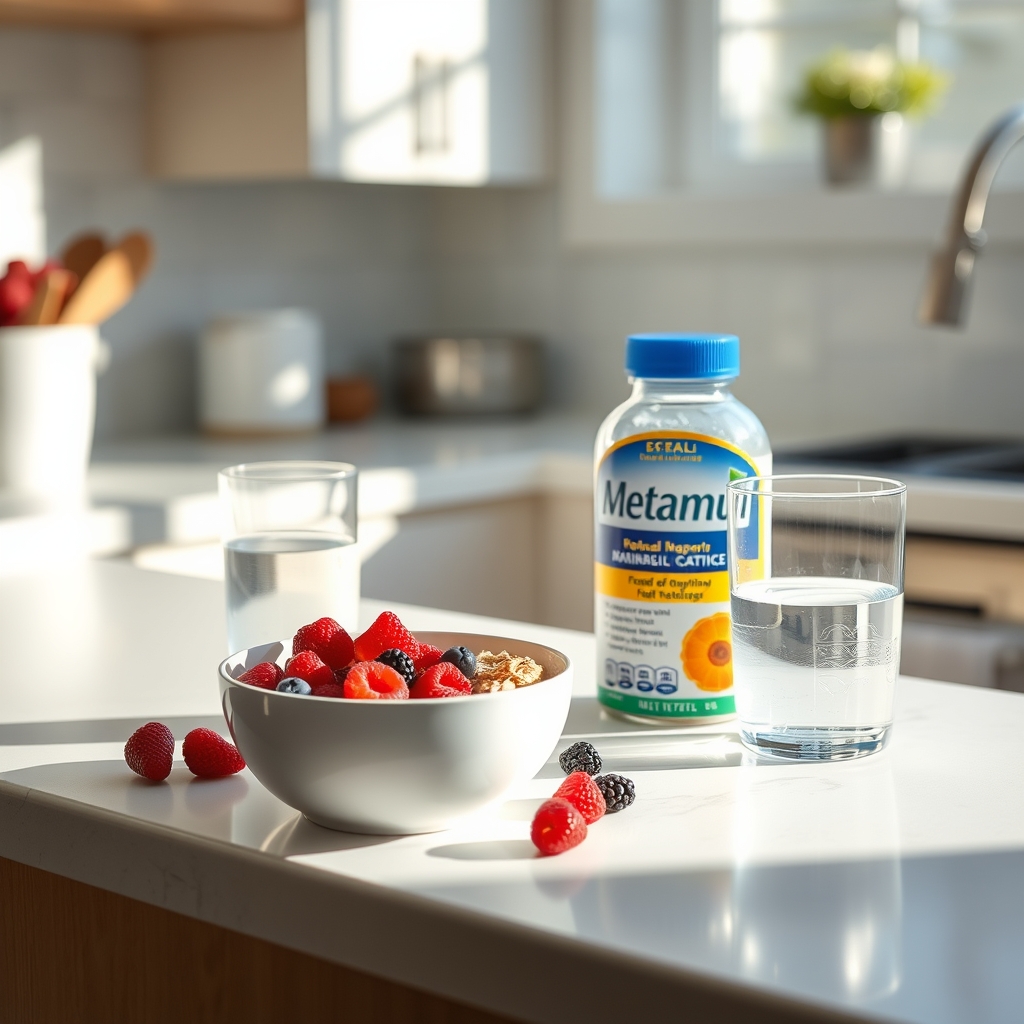
Limit laxatives during pregnancy. Safe only in small doses (e.g., 10g fiber supplements) and avoid stimulant types, especially in the first trimester. Learn safer alternatives.
By Shubhra Mishra — a mom of two who turned her own confusion during pregnancy into BumpBites, a global mission to make food choices clear, safe, and stress-free for every expecting mother. 💛
Check whether any food is safe during pregnancy with the BumpBites Food Safety Checker.
Quick verdict: ⚠️ Safe with limits – most bulk‑forming fiber laxatives are considered laxative safe for pregnancy, while stimulant laxatives should be used only under a doctor’s guidance.
It’s 2 a.m., the bathroom light is on, and you’re scrolling the internet wondering, “Is laxative safe for pregnancy?” You’ve probably felt the uncomfortable pressure of constipation, a common issue that affects up to 40 % of pregnant people. The good news is that, in most cases, you can find relief without putting your baby at risk. In this guide we break down whether laxatives are laxative safe for pregnancy, how much you can take, which trimester matters most, and what gentler alternatives you might try.
We’ll walk through the official guidance from the American College of Obstetricians and Gynecologists (ACOG), the UK’s National Health Service (NHS), and the U.S. Food and Drug Administration (FDA). You’ll also get a handy safety‑snapshot table, dosage limits, recommended brands, and a quick‑look comparison of related products. By the end, you’ll know exactly what’s safe, what to avoid, and when it’s time to call your provider.
Constipation isn’t just uncomfortable—it can lead to hemorrhoids, anal fissures, and even pre‑term labor if severe. Because the hormonal shift in pregnancy (especially progesterone) slows intestinal motility, many expectant parents wonder whether a quick‑acting laxative will jeopardize the baby. This article is designed to calm those 3 am worries with clear, evidence‑based answers and practical tips you can start using tonight.
Keep a fiber supplement handy for gentle, pregnancy‑safe relief.
Trimester / Stage
Verdict
Notes
First trimester
⚠️ Safe with limits
Bulk‑forming fiber (e.g., psyllium) is preferred; stimulant laxatives only if prescribed.
Second trimester
✅ Generally safe
Osmotic agents (e.g., PEG 3350) and stool softeners are acceptable at recommended doses.
Third trimester
✅ Generally safe
Continue bulk‑forming or osmotic laxatives; monitor for dehydration.
Breastfeeding
✅ Generally safe
Most fiber supplements and PEG 3350 are considered compatible with nursing.
What is a laxative?
Laxatives are substances that help move stool through the intestines. They come in several categories:
Bulk‑forming agents (e.g., psyllium, methylcellulose) add fiber to stool, increasing its size and prompting natural contraction.
Osmotic agents (e.g., polyethylene glycol, magnesium hydroxide) draw water into the colon, softening stool.
Stool softeners (e.g., docusate sodium) coat the stool with moisture.
Stimulant laxatives (e.g., senna, bisacodyl) trigger the intestinal walls to contract.
People use laxatives to treat occasional constipation, a condition that can be especially uncomfortable during pregnancy because hormonal changes slow intestinal motility. While most over‑the‑counter (OTC) products are available without a prescription, the safety profile can differ dramatically once you’re expecting.
Each class works in a slightly different way, which matters for fetal safety. Bulk‑forming agents act locally in the gut and are not absorbed into the bloodstream, making them the most “pregnancy‑friendly.” Osmotic agents pull water into the colon but stay largely within the gastrointestinal tract, and the FDA has deemed several of them “Generally Recognized as Safe” for short‑term use. Stimulants, on the other hand, can affect smooth muscle throughout the body, including the uterus, which is why they are approached with caution.
Because constipation can be a sign of other issues—such as low iron intake or reduced activity—many clinicians first suggest lifestyle tweaks before reaching for medication. Understanding how each type of laxative works helps you weigh the benefits against any potential risks for you and your baby.
Is a laxative safe during pregnancy?
O
verall, a laxative can be laxative safe for pregnancy when you choose the right type and stick to recommended doses. The ACOG Practice Bulletin on constipation in pregnancy (2020) recommends starting with bulk‑forming fiber supplements and increasing fluid intake before moving to osmotic agents. The NHS echoes this, noting that stimulant laxatives should be a last resort. The FDA classifies polyethylene glycol (PEG 3350) as “Generally Recognized as Safe” (GRAS) for short‑term use, and docusate sodium is listed as pregnancy category C, meaning it’s generally considered safe when used as directed.
Stimulant laxatives such as senna and bisacodyl cross the placenta in animal studies, and high doses have been linked to uterine cramping, which could theoretically trigger preterm labor. Because of this, ACOG advises that these agents be used only under medical supervision.
In short, bulk‑forming and osmotic laxatives are typically laxative safe for pregnancy, while stimulant laxatives carry more risk and should be avoided unless a provider specifically recommends them.
Recent observational studies from the United States and the United Kingdom have found no increase in major birth defects when pregnant people use polyethylene glycol or psyllium at recommended doses. However, the data on long‑term stimulant use remain limited, which is why obstetric guidelines continue to advise caution.
If you’ve already taken a stimulant laxative before knowing you were pregnant, try not to panic. A single dose is unlikely to cause harm, but you should let your obstetrician know so they can monitor you and your baby as needed.
Is it safe to use laxatives in the first trimester of pregnancy?
The first trimester is the period of organogenesis, when the fetus’s organs are forming. During this window, many clinicians prefer the most gentle options. Bulk‑forming fiber (e.g., Metamucil) and mild stool softeners are considered safe, as they work by adding bulk or moisture rather than stimulating the bowel. Stimulant laxatives are discouraged because they can cause uterine contractions.
If constipation becomes severe, a provider may prescribe a low‑dose osmotic laxative such as polyethylene glycol, but this is usually reserved for cases where dietary changes have failed.
It’s also worth noting that early‑pregnancy nausea can make oral fiber supplements difficult to tolerate. In those cases, a small amount of magnesium hydroxide or a glycerin suppository can provide relief without systemic absorption, provided you discuss it with your provider first.
Beyond the first trimester, the same principles apply, but you have a broader safety window because the placenta is more developed and the risk of teratogenic effects is lower. Still, the recommendation to start with the least invasive option remains consistent throughout pregnancy.
What dosage of laxatives is considered safe during pregnancy?
For bulk‑forming fiber supplements, the typical adult dose is 5–10 grams of soluble fiber per day (about one rounded tablespoon of psyllium husk) mixed with at least eight ounces of water. The FDA’s labeling for PEG 3350 (Miralax) recommends 17 grams (one capful) once daily for short‑term relief. Docusate sodium is usually taken at 100 mg twice daily. Stimulant laxatives such as senna should not exceed 10 mg per day and only under a provider’s direction.
Regardless of the type, it’s important to spread the dose throughout the day and stay well‑hydrated—aim for at least 2 liters of fluid daily—to avoid dehydration, which can worsen constipation.
When you first start a fiber supplement, begin with a half‑dose and gradually increase to the target amount over a few days. This “ramp‑up” helps your gut adjust and reduces the likelihood of gas or bloating, which can be mistaken for worsening constipation.
If you are taking a prenatal vitamin that contains iron, you may notice the iron itself can contribute to constipation. In such cases, a modest increase in fiber (an extra teaspoon of psyllium) and a larger fluid intake can often offset the effect without needing a medication.
Can I take over-the-counter laxatives while pregnant?
Yes, many OTC laxatives are considered laxative safe for pregnancy when used as directed. The safest OTC options include:
Osmotic agents such as polyethylene glycol (Miralax) and magnesium hydroxide (Milk of Magnesia)
Stool softeners like docusate sodium (Colace)
Stimulant laxatives (senna, bisacodyl) are available OTC but should be avoided unless a healthcare provider explicitly recommends them. Always read the label for pregnancy warnings and discuss any new medication with your obstetrician.
Some OTC products combine ingredients (e.g., fiber plus senna). These combination formulas are generally not recommended during pregnancy because the stimulant component may outweigh the benefits of the fiber.
When you’re traveling or away from home, a single‑dose osmotic packet (like a sachet of PEG 3350) can be a convenient option, provided you keep it in a cool, dry place and stay mindful of your daily fluid intake.
Which laxative brands are recommended for pregnant women?
When choosing a brand, look for products that list “pregnancy‑safe” on the label and avoid those that contain stimulant ingredients. Some widely accepted brands include:
Metamucil – psyllium husk fiber, FDA‑approved for use during pregnancy.
Benefiber – wheat dextrin, dissolves easily in liquids.
Miralax – polyethylene glycol 3350, classified as GRAS by the FDA.
Colace – docusate sodium stool softener, considered pregnancy category C but safe at recommended doses.
Milk of Magnesia – magnesium hydroxide osmotic laxative, often recommended for occasional use.
Generic versions of these products contain the same active ingredients and are usually less expensive. Just double‑check that the ingredient list does not include senna, bisacodyl, or other stimulants.
If you have a gluten intolerance, look for gluten‑free fiber options such as Metamucil’s “Clear” version or certain oat‑based powders that have been cleared by the FDA for pregnancy use.
What are the risks and side effects of using laxatives during pregnancy?
Common, mild side effects include bloating, gas, and abdominal cramping—symptoms that usually resolve as your body adjusts. More serious concerns arise with stimulant laxatives, which can cause:
Intense uterine cramping that could theoretically trigger preterm labor.
Electrolyte imbalances (especially potassium loss) if used excessively.
Dependence on the laxative, leading to reduced natural bowel function.
If you experience severe abdominal pain, rectal bleeding, or signs of dehydration (dry mouth, dizziness, decreased urine output), contact your provider promptly. These symptoms may indicate a complication that needs medical evaluation.
Long‑term over‑use of any laxative can mask an underlying gastrointestinal disorder, so it’s wise to keep your provider in the loop if you find yourself needing a laxative more than twice a week.
Finally, remember that some people experience “rebound constipation” after stopping a stimulant laxative abruptly. To avoid this, taper the dose under medical supervision rather than stopping cold turkey.
What natural alternatives to laxatives are safe for pregnant women?
Metamucil (psyllium husk) – adds soluble fiber without stimulating the gut.
Benefiber (wheat dextrin) – dissolves easily for a gentle fiber boost.
Prune juice – natural sorbitol pulls water into the colon.
Increased water intake – essential for softening stool.
High‑fiber fruits such as apples and pears – provide both fiber and hydration.
Daily gentle exercise like walking – promotes natural peristalsis.
Probiotic yogurts – may improve gut flora and stool consistency.
Chia seed pudding – soaked chia creates a gel that adds bulk and moisture.
These foods and habits can often replace medication entirely. For example, a cup of prune juice in the morning, followed by a glass of water and a handful of berries, can provide enough sorbitol and fiber to move the bowels without any OTC product.
When you incorporate natural options, remember that consistency is key. Aim for a balanced breakfast that includes a fiber source, a fruit, and plenty of fluids, and you’ll likely see improvement within a few days.
How do different types of laxatives (bulk‑forming, osmotic, stimulant) affect pregnancy?
Bulk‑forming agents (psyllium, methylcellulose) are the first line for constipation in pregnancy. They work by increasing stool bulk, which naturally stimulates peristalsis. Because they do not cross the placenta in significant amounts, they are considered laxative safe for pregnancy.
Osmotic agents like polyethylene glycol (PEG 3350) and magnesium hydroxide draw water into the colon, softening stool. The FDA’s GRAS status for PEG 3350 and the NHS’s endorsement of magnesium hydroxide support their safety when used short‑term.
Stimulant laxatives such as senna and bisacodyl trigger intestinal muscles to contract. While they can be effective, ACOG advises caution due to potential uterine cramping and limited safety data. Use only under direct medical supervision.
Glycerin suppositories and mineral oil are considered “local” agents, meaning they act only in the rectum and are not absorbed systemically. They are generally regarded as safe for occasional use, but they should not replace a fiber‑rich diet.
Can constipation be managed without medication during pregnancy?
Absolutely. Lifestyle changes are often enough to keep things moving:
Eat at least 25 grams of fiber daily (fruits, vegetables, whole grains).
Drink 2–3 liters of water each day.
Engage in moderate activity—30 minutes of walking most days.
Consider a daily probiotic supplement, which may improve gut flora.
If these measures don’t relieve symptoms after 1–2 weeks, consult your provider about adding a gentle, pregnancy‑safe laxative.
Many moms also find relief by adjusting their meal timing—eating smaller, more frequent meals can help keep the digestive system moving steadily throughout the day.
Natural, fiber‑rich foods can often replace OTC laxatives.
Safe dosage / amount / brands
Below is a quick reference for the most common pregnancy‑safe laxatives. When selecting a product, consider your personal tolerance, any dietary restrictions, and the need for additional fluid. For example, psyllium works best when mixed with at least 8 oz of water; taking it with a small glass of juice may lead to clumping and discomfort.
Product
Typical adult dose
Pregnancy safety note
Metamucil (psyllium husk)
1 Tbsp (≈5 g) mixed with 8 oz water, up to 2 times daily
✅ Generally safe; increase fluid intake.
Benefiber (wheat dextrin)
1 tsp (≈3 g) dissolved in liquid, up to 3 times daily
✅ Generally safe; no known fetal risk.
Miralax (polyethylene glycol 3350)
17 g (1 capful) once daily for up to 2 weeks
✅ FDA GRAS; short‑term use considered safe.
Colace (docusate sodium)
100 mg twice daily
✅ Category C; safe at recommended dose.
Milk of Magnesia (magnesium hydroxide)
30 mL (2 Tbsp) once daily
✅ Generally safe; avoid excessive use.
Side effects and risks
Most pregnancy‑safe laxatives cause mild gastrointestinal discomfort that resolves with continued use. However, be on the lookout for:
Severe cramping or abdominal pain – could indicate uterine irritation.
Rectal bleeding – may signal hemorrhoids or an ulcer.
Persistent diarrhea – can lead to dehydration and electrolyte loss.
Electrolyte imbalances – especially with overuse of stimulant laxatives.
Any of these symptoms merit a phone call to your obstetrician or a visit to urgent care. In addition, if you notice a sudden change in fetal movement after starting a new laxative, contact your provider right away.
It’s also worth noting that some people experience “rebound constipation” after stopping a stimulant laxative abruptly. To avoid this, taper the dose under medical supervision rather than stopping cold turkey.
Safer alternatives
Metamucil (psyllium husk) – adds soluble fiber without stimulating the gut.
Benefiber (wheat dextrin) – dissolves easily for a gentle fiber boost.
Prune juice – natural sorbitol draws water into the colon.
Increased water intake – essential for softening stool.
High‑fiber fruits such as apples and pears – provide both fiber and hydration.
Daily gentle exercise like walking – encourages natural peristalsis.
Probiotic yogurt – may improve gut flora and stool consistency.
Chia seed pudding – soaked chia creates a gel that adds bulk and moisture.
When you’re choosing among these options, consider what fits your daily routine. If you’re already drinking plenty of water, adding a fiber supplement may be the easiest step. If you find fiber powders gritty, a fruit‑based smoothie (e.g., banana‑flaxseed) can mask the texture while delivering the same benefit.
A balanced breakfast with fiber and fluid can keep you regular.
Related items — safety at a glance
Item
Verdict
One‑line note
Senna
⚠️ Use only under doctor’s supervision
Stimulant laxative; may cause uterine cramping.
Bisacodyl
⚠️ Use only under doctor’s supervision
Stimulant; limited safety data in pregnancy.
Milk of Magnesia (magnesium hydroxide)
✅ Generally safe
Osmotic agent; short-term use recommended.
Docusate sodium
✅ Generally safe
Stool softener; category C but safe at recommended dose.
Polyethylene glycol (Miralax)
✅ Generally safe
Osmotic laxative; FDA GRAS for short‑term use.
Lactulose
✅ Generally safe
Osmotic sugar; often prescribed for chronic constipation.
Fiber supplement tablets
✅ Generally safe
Bulk‑forming; ensure adequate fluid.
Stool softeners
✅ Generally safe
Gentle option; watch for allergic reactions.
Myth vs. fact
Myth: All laxatives are unsafe during pregnancy.
Fact: Bulk‑forming and osmotic laxatives are considered laxative safe for pregnancy when used as directed; only stimulant laxatives carry significant risk.
Myth: You must stop taking any laxative as soon as you learn you’re pregnant.
Fact: If constipation is severe, a healthcare provider may recommend a pregnancy‑safe laxative rather than leaving you uncomfortable.
Myth: Natural remedies like prune juice are ineffective.
Fact: Prune juice and other fiber‑rich foods are proven to help relieve constipation and are completely safe for both you and your baby.
Myth: “If I’ve already taken a stimulant laxative, I’ve ruined my pregnancy.”
Fact: A single dose of a stimulant laxative is unlikely to cause harm, but you should inform your provider and avoid repeated use without medical oversight.
Key takeaways
Bulk‑forming fiber laxatives (psyllium, wheat dextrin) are generally laxative safe for pregnancy.
Osmotic agents such as PEG 3350 and magnesium hydroxide are acceptable for short‑term use.
Stimulant laxatives (senna, bisacodyl) should be avoided unless a doctor explicitly advises them.
Stay hydrated and increase dietary fiber to reduce the need for medication.
If you experience severe cramps, bleeding, or dehydration, contact your provider right away.
Natural options—prune juice, flaxseed, probiotic yogurt—often work as well as OTC products.
Frequently asked questions
Can I take laxatives while pregnant?
Yes—most bulk‑forming and osmotic laxatives are considered laxative safe for pregnancy when used as directed, but stimulant laxatives should only be taken under a provider’s guidance.
Which laxatives are safe during pregnancy?
Fiber supplements (Metamucil, Benefiber), polyethylene glycol (Miralax), magnesium hydroxide (Milk of Magnesia), and docusate sodium (Colace) are generally regarded as safe for pregnant people.
How much laxative can a pregnant woman take?
Typical safe doses include 5–10 g of psyllium fiber per day, 17 g of PEG 3350 once daily for up to two weeks, and 100 mg of docusate sodium twice daily; always follow the product label and your doctor’s advice.
What are the side effects of laxatives in pregnancy?
Common side effects are mild bloating and cramping; more serious signs—such as severe abdominal pain, rectal bleeding, or dehydration—should prompt an immediate call to your provider.
Are natural laxatives safe for pregnant women?
Yes—natural options like prune juice, ground flaxseed, high‑fiber fruits, and increased water intake are safe and often effective for relieving constipation during pregnancy.
When should I avoid laxatives during pregnancy?
Avoid stimulant laxatives (senna, bisacodyl) unless prescribed, and steer clear of any laxative if you have severe abdominal pain, bleeding, or a history of preterm labor without medical guidance.
Is it okay to use Miralax while pregnant?
Miralax (polyethylene glycol 3350) is considered generally safe for short‑term use during pregnancy, according to FDA GRAS status and ACOG recommendations.
Can constipation be treated without medication during pregnancy?
Yes—dietary fiber, ample water, and regular gentle exercise like walking can often resolve constipation without the need for medication.
Is lactulose safe during pregnancy?
Lactulose, an osmotic sugar laxative, is classified as pregnancy‑compatible by the NHS and is often prescribed for chronic constipation when other options have failed. Use it only under your provider’s direction and adhere to the recommended dose.
Can I use herbal teas for constipation while pregnant?
Herbal teas such as peppermint or ginger can help soothe the digestive tract, but they do not have a strong laxative effect. If you choose a tea containing senna or cascara, treat it as a stimulant laxative and discuss it with your obstetrician first.
Can I use a glycerin suppository if I’m constipated?
Glycerin suppositories are considered safe for occasional use because they work locally in the rectum and are not absorbed systemically; however, they should not replace a fiber‑rich diet or fluid intake.
What if I have a history of preterm labor—are laxatives still okay?
If you’ve experienced preterm labor, talk to your provider before starting any laxative. They may prefer bulk‑forming fiber or a gentle osmotic agent and will monitor you closely for uterine activity.
When to call your doctor
Contact your obstetrician or seek urgent care if you experience any of the following while using a laxative:
Severe or persistent abdominal cramps
Rectal bleeding or blood in the stool
Signs of dehydration such as dizziness, dry mouth, or reduced urine output
Sudden decrease in fetal movements after starting a new product
Any unusual swelling, shortness of breath, or rapid heartbeat
These symptoms could signal a complication that needs prompt medical attention. Remember, this article is informational only and not a substitute for professional medical advice.
References
American College of Obstetricians and Gynecologists. “ACOG Practice Bulletin: Constipation in Pregnancy.” 2020.
National Health Service (NHS). “Constipation during pregnancy.” Updated 2022.
U.S. Food and Drug Administration (FDA). “GRAS Notice for Polyethylene Glycol 3350.” 2021.
Mayo Clinic. “Constipation.” Patient care guide, 2023.
World Health Organization (WHO). “Maternal nutrition and health.” 2021.
Centers for Disease Control and Prevention (CDC). “Pregnancy and medication safety.” 2022.
Not sure about the label on Is Laxative Safe During Pregnancy products?
Snap the ingredients list and SafeFilter checks every ingredient for your stage — only 3 free scans this month, then you're locked until reset. Unlimited from $7/mo or $50/yr.
When Shubhra Mishra was expecting her first child in 2016, she was overwhelmed by conflicting food advice — one site said yes, another said never. By the time her second baby arrived in 2019, she realized millions of mothers face the same confusion.
That sparked a five-year journey through clinical nutrition papers, cultural diets, and expert conversations — all leading to BumpBites: a calm, compassionate space where science meets everyday motherhood.
Her long-term vision is to build a global community ensuring safe, supported, and free deliveriesfor every mother — because no woman should face pregnancy alone or uninformed. 🌿
🌍 Stand with mothers, shape safer guidance
Join a small circle of experts who review BumpBites articles so expecting parents everywhere can decide with confidence.