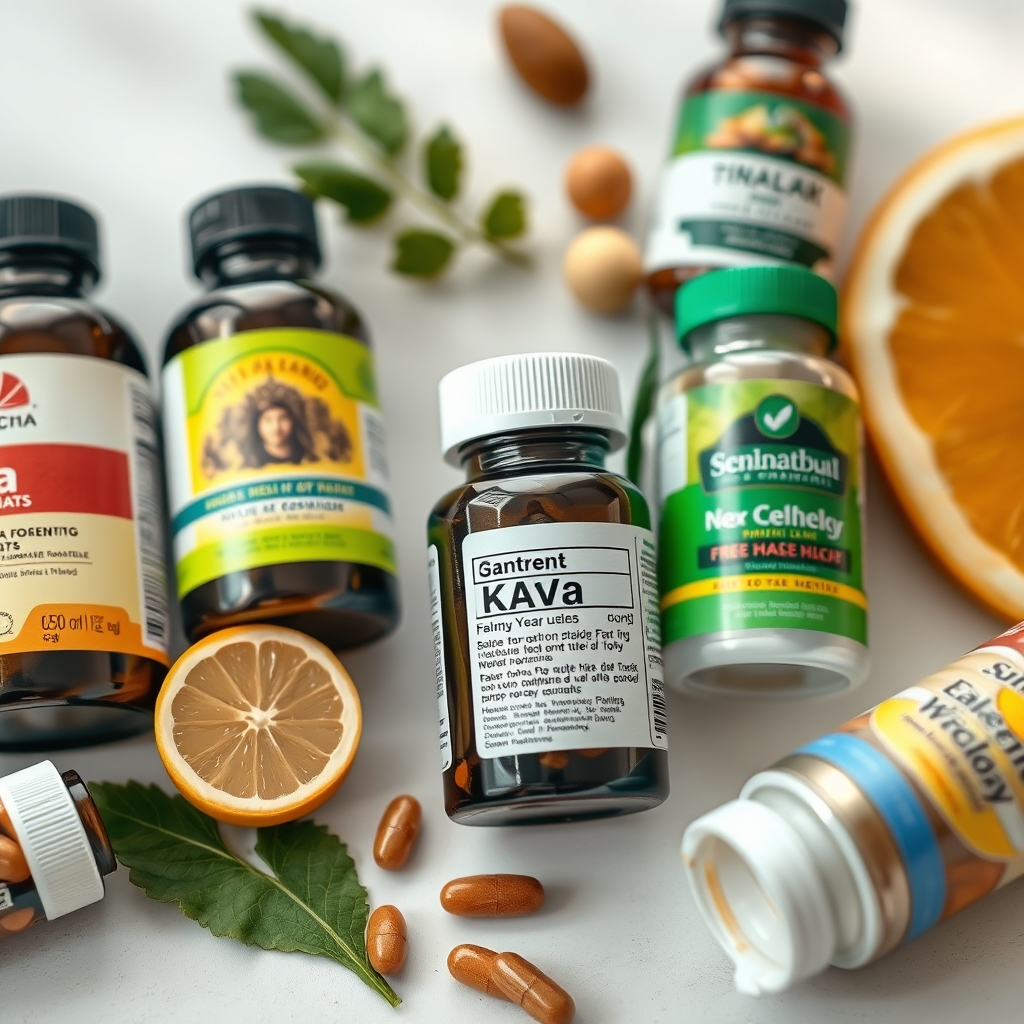
Avoid kava during pregnancy due to high doses over 250mg
By Shubhra Mishra — a mom of two who turned her own confusion during pregnancy into BumpBites, a global mission to make food choices clear, safe, and stress-free for every expecting mother. 💛
Check whether any food is safe during pregnancy with the BumpBites Food Safety Checker.
Quick verdict: ❌ Best avoided. Kava is not considered safe for pregnancy because of potential liver toxicity and limited research on fetal effects. If you’ve already taken it, stay calm and talk to your provider about next steps.
It’s completely understandable to feel a flutter of anxiety when you discover you’ve sipped a cup of kava tea or taken a kava supplement early in your pregnancy. You’re not alone—many expectant parents have that 3 a.m. “what did I just ingest?” moment. The short answer to the question “kava safe for pregnancy” is no; most health authorities recommend avoiding it altogether.
In the sections that follow we’ll break down exactly why kava is discouraged, how the risk changes (or doesn’t) across each trimester, what dosage limits have been suggested, and which brands, if any, might be marginally safer. We’ll also explore gentle, pregnancy‑approved alternatives for relaxation, and give you a quick‑reference table of related botanicals so you can compare safety at a glance. By the end you’ll have a clear, evidence‑based roadmap and know exactly when to call your doctor.
Even a seemingly soothing cup of kava can hide risks for you and your baby.
Continued liver‑toxicity risk; no safety threshold established.
Third trimester
❌ Avoid
Potential for neonatal withdrawal and impaired liver function.
Breastfeeding
❌ Avoid
Kava compounds detected in breast milk; infant exposure unknown.
What is kava?
Kava (Piper kava) is a shrub native to the South Pacific islands. The plant’s root is traditionally ground into a powder and mixed with water to make a ceremonial drink that promotes relaxation, sociability, and a mild sense of euphoria. The active compounds, called kavalactones, interact with the brain’s GABA receptors, producing a calming effect similar to that of benzodiazepines but without the same level of sedation.
In Western markets, kava is sold as dietary supplements, teas, tinctures, and extract capsules. People often turn to it for anxiety, stress, insomnia, or to ease muscle tension. Its popularity surged in the early 2000s as a “natural” alternative to prescription anxiety medication, but concerns about liver injury prompted regulatory warnings in several countries, including the United States and Canada.
Beyond its calming reputation, kava has a cultural history of use in communal rites, where it is consumed in controlled amounts under the guidance of an elder. Modern pharmacology shows that kavalactones are metabolized primarily in the liver, and the resulting metabolites can be hepatotoxic when the body’s detox pathways are overwhelmed. This metabolic pathway is a key reason why clinicians are cautious about any exposure during pregnancy.
Is kava safe during pregnancy?
T
he consensus among leading health organizations is that kava should be avoided during pregnancy. The American College of Obstetricians and Gynecologists (ACOG) advises against the use of kava because of its known hepatotoxic potential and the lack of robust safety data for the developing fetus. The United Kingdom’s National Health Service (NHS) echoes this stance, listing kava among herbal products that are contraindicated in pregnancy.
From the U.S. Food and Drug Administration (FDA) perspective, kava is included in the “herbal products that may cause liver injury” list. While the FDA has not issued a pregnancy‑specific warning, the agency’s broader caution about liver toxicity extends to pregnant women, whose liver function is already under extra strain.
Research on kava’s teratogenicity is sparse, but animal studies have suggested possible developmental delays at high doses. Human case reports are limited, yet the precautionary principle dominates obstetric guidance: when safety cannot be confidently demonstrated, the recommendation is to avoid exposure.
Recent reviews from the World Health Organization (WHO) and the Mayo Clinic both stress that the absence of high‑quality human data means clinicians should err on the side of caution. In practice, most obstetricians will ask patients to discontinue any kava product as soon as pregnancy is confirmed, regardless of the form or brand.
Is kava safe to use during the first trimester of pregnancy?
The first trimester is the period of organ formation (organogenesis), making it the most vulnerable window for any potential teratogen. Because kava’s kavalactones cross the placenta, even low‑level exposure could theoretically interfere with fetal organ development. ACOG’s “Committee Opinion on Herbal Supplements” specifically lists kava as a herb to avoid in the first trimester, citing the unknown risk of birth defects.
In practice, many obstetricians will advise complete avoidance of kava throughout the entire pregnancy, not just the first three months. If you have already consumed kava during this period, most clinicians recommend a routine ultrasound and possibly additional monitoring, but they do not typically suggest termination unless other risk factors are present.
First‑trimester exposure also raises concerns for early‑stage liver stress in the mother, which can cascade into complications such as preeclampsia later in pregnancy. Because the fetal liver is not fully functional until after birth, any maternal liver impairment can affect nutrient transfer and waste removal for the developing baby.
Can I drink kava tea safely while pregnant?
Unfortunately, “kava tea” does not become safer simply because it is a liquid. The same kavalactones that are present in capsules are extracted into the tea, and the concentration can vary widely depending on the preparation method. The NHS explicitly warns that kava tea is not safe for pregnant or breastfeeding women, and the FDA’s consumer alerts do not differentiate between forms.
If you’re craving a warm, calming beverage, consider switching to a pregnancy‑approved herbal tea such as chamomile or peppermint, both of which have a long history of safe use in pregnancy when consumed in moderate amounts.
When preparing any herbal infusion, it’s worth remembering that “natural” does not guarantee consistency. Homemade kava brews can accidentally concentrate kavalactones, leading to higher-than-expected exposure. This variability is another reason health authorities advise complete avoidance.
What is the recommended kava dosage for pregnant women?
Because the prevailing medical guidance is to avoid kava entirely, there is no officially “safe dosage” for pregnant women. Some older studies on non‑pregnant adults suggested a maximum of 250 mg of kavalactones per day (roughly 2 – 3 standard cups of kava tea), but these figures are irrelevant for pregnancy given the liver‑toxicity concerns.
If a provider ever deems a kava supplement necessary for a non‑pregnant condition, they would typically limit the dose to the lowest effective amount for the shortest possible duration. In pregnancy, the safest recommendation is zero consumption.
Even occasional “social” use can accumulate, especially if you’re using multiple kava‑containing products (e.g., tea plus a supplement). The lack of a defined safe threshold means any exposure should be discussed with your obstetrician.
Are there any kava brands that are safer for pregnancy?
While no brand can be declared “pregnancy‑safe,” some manufacturers use a “noble‑kava” extraction process that reduces the concentration of potentially harmful “non‑noble” kavalactones. Even so, the FDA has not approved any kava product for pregnant individuals, and ACOG’s guidance applies to all brands regardless of extraction method.
If you must choose a product for another reason (e.g., you are not pregnant but plan to become pregnant soon), look for reputable brands that provide a full kavalactone profile and third‑party testing. However, once pregnancy is confirmed, the safest course is to discontinue use entirely.
Some brands market “low‑dose” or “micro‑dose” formulations, but the absence of pregnancy‑specific research means the precautionary principle still applies. The only truly safe brand for a pregnant person is one that does not contain kava at all.
Even “high‑quality” kava supplements carry risks for pregnant users.
What are the risks of using kava during pregnancy?
The primary concern is hepatotoxicity—kava has been linked to severe liver injury, including hepatitis, jaundice, and in rare cases, liver failure. Pregnancy already places extra demand on the liver, so adding a known hepatotoxin can increase the likelihood of complications.
Secondary risks include potential sedation, which could impair a mother’s ability to respond to sudden emergencies (e.g., a fall or a need to attend to a newborn). There is also limited evidence suggesting that high doses might affect fetal brain development due to GABA‑modulating activity.
Finally, because kava can cross into breast milk, newborns may be exposed to kavalactones during the first weeks of life, a period when their own liver enzymes are immature.
Rare case reports have also hinted at a possible association between kava exposure and preterm labor, though the data are not conclusive. Because the stakes are high, clinicians prioritize avoidance.
What are safe alternatives to kava for relaxation during pregnancy?
Chamomile tea – gentle calming effect without known liver risks.
Lavender essential oil (diffused) – aromatherapy that promotes relaxation without ingestion.
Warm milk with honey – soothing bedtime drink that helps with sleep.
Prenatal yoga – low‑impact movement that reduces anxiety and improves circulation.
Guided meditation apps – evidence‑based mindfulness practices safe for all trimesters.
Peppermint tea – refreshing and calming, safe in moderate amounts.
Golden milk (turmeric latte) – anti‑inflammatory, soothing, and pregnancy‑approved when made with low‑dose turmeric.
Breathing exercises – simple techniques to lower stress hormones without any ingestible product.
How does kava affect pregnancy complications like morning sickness?
There is no solid evidence that kava relieves nausea; in fact, its sedative properties might worsen morning sickness by slowing gastric motility. Some anecdotal reports suggest a mild anti‑emetic effect, but the potential liver toxicity outweighs any uncertain benefit. The NHS recommends using ginger or vitamin B6 supplements—both of which have documented safety profiles—for nausea relief.
If you’re experiencing severe morning sickness (hyperemesis gravidarum), your obstetrician may prescribe medication such as doxylamine‑pyridoxine, which has been specifically studied and deemed safe for both mother and baby.
Because kava can also cause dizziness, it might increase the risk of falls—a particular concern when you’re already feeling unsteady from nausea or vomiting.
Is kava safe for breastfeeding mothers?
Breastfeeding recommendations mirror pregnancy guidance: kava is not considered safe. The FDA’s “Herbal and Dietary Supplements” advisory notes that kavalactones have been detected in breast milk, and the long‑term effects on infants are unknown. ACOG advises against any herbal supplement with known hepatotoxic potential while nursing.
If you need a calming aid while breastfeeding, consider the same alternatives listed above—especially inhaled lavender or a short, guided meditation session, both of which have no risk of passing substances to the infant.
Some mothers wonder whether topical kava creams could be a loophole. Current evidence does not support the safety of transdermal kava use during lactation, so the safest choice remains to avoid it entirely.
Safe dosage / amount / brands
Because the safest recommendation is to avoid kava entirely, we cannot provide a “safe amount.” However, for readers who are not pregnant but are curious about typical adult dosing, most commercial products suggest 70‑250 mg of kavalactones per day, divided into 2‑3 servings. Exceeding 300 mg daily has been associated with a higher incidence of liver injury in non‑pregnant adults.
When reviewing brands, look for the following quality markers:
Third‑party lab testing results displayed on the label or website.
Clear kavalactone content (e.g., “250 mg kavalactones per capsule”).
“Noble‑kava” designation, which indicates a higher proportion of the less‑toxic kavalactones.
Absence of undisclosed additives, fillers, or alcohol.
Even with these safeguards, the consensus remains that any kava product should be discontinued as soon as pregnancy is confirmed.
Side effects and risks
Common, non‑dangerous side effects of kava in the general population include mild drowsiness, a “numb” feeling in the mouth, and occasional headache. In pregnant users, the stakes are higher:
Hepatotoxicity: Jaundice, dark urine, abdominal pain—signs of liver stress that require immediate medical evaluation.
Excessive sedation: Difficulty staying awake, impaired coordination—dangerous if you need to care for a newborn.
Potential fetal effects: Though rare, any unexplained fetal growth restriction or abnormal ultrasound findings should prompt a discussion about prior kava exposure.
Any of these symptoms, especially signs of liver trouble, warrant a prompt call to your obstetrician or a visit to urgent care.
Safer alternatives
Chamomile tea – proven calming herb with a long safety record in pregnancy.
Lavender essential oil (diffused) – promotes relaxation without ingestion.
Warm milk with honey – comforting bedtime ritual that aids sleep.
Prenatal yoga – gentle physical activity that reduces stress hormones.
Guided meditation apps – evidence‑based mindfulness that can be practiced anywhere.
Peppermint tea – soothing for nausea and tension, safe in moderation.
Golden milk (turmeric latte) – anti‑inflammatory, soothing, and pregnancy‑approved when made with low‑dose turmeric.
Breathing exercises – simple techniques to lower cortisol without any substance intake.
Related items — safety at a glance
Item
Verdict
One‑line note
Valerian root
⚠️ Use with caution
May cause drowsiness; limited data on fetal safety.
Often used for mild anxiety; no major safety concerns.
Skullcap
⚠️ Use with caution
Contains compounds that may affect liver; data limited.
Holy basil (Tulsi)
✅ Generally safe
Commonly consumed as tea; considered safe in moderation.
Ashwagandha
⚠️ Use with caution
Potential thyroid effects; avoid high doses.
St. John’s wort
⚠️ Use with caution
Can interact with many medications; limited pregnancy data.
Ginkgo biloba
⚠️ Use with caution
May affect platelet function; avoid during pregnancy.
Myth vs. fact
Myth: “Kava is a natural herb, so it must be safe for pregnant women.”
Fact: Natural does not equal safe. Kava’s hepatotoxic potential has led the FDA to issue liver‑injury warnings, and obstetric societies advise avoidance during pregnancy.
Myth: “A small cup of kava tea won’t hurt my baby.”
Fact: Even low doses deliver kavalactones that cross the placenta; without definitive safety data, the precautionary principle recommends complete avoidance.
Myth: “If I switch to a ‘noble‑kava’ brand, I’m fine.”
Fact: All kava varieties contain kavalactones that can affect liver function; pregnancy guidelines apply to every brand, regardless of extraction method.
Myth: “Topical kava creams are harmless because they aren’t ingested.”
Fact: Transdermal absorption of kavalactones is possible, and there is no safety data for pregnant skin exposure; clinicians still advise against any kava use during pregnancy.
Key takeaways
Overall verdict: kava should be avoided throughout pregnancy and while breastfeeding.
There is no established “safe dosage” for pregnant individuals; zero exposure is the safest approach.
First‑trimester exposure is especially concerning due to organ development; discuss any use with your provider.
Choose pregnancy‑approved alternatives such as chamomile tea, lavender aromatherapy, or prenatal yoga for relaxation.
Watch for liver‑related symptoms (yellow skin, dark urine) and seek medical attention promptly.
Always inform your obstetrician about any herbal supplement you have taken, even if you think the amount was small.
Topical or “low‑dose” kava products have not been proven safe; the safest choice is to avoid them entirely.
Frequently asked questions
Can pregnant women drink kava?
No. Current guidance from ACOG and the NHS recommends that pregnant women avoid kava entirely because of potential liver toxicity and unknown fetal effects.
What are the side effects of kava during pregnancy?
Common side effects include drowsiness and a numbing sensation, but the most concerning are signs of liver injury such as jaundice, dark urine, or upper‑right abdominal pain, which require immediate medical evaluation.
Is kava linked to birth defects?
There is no definitive evidence linking kava to specific birth defects, but the lack of robust safety studies means obstetric societies advise against its use to eliminate any possible teratogenic risk.
How much kava is too much for a pregnant woman?
Because the safest recommendation is to avoid kava altogether, any amount—whether a single cup of tea or a standard supplement dose—should be considered “too much” during pregnancy.
Can kava cause miscarriage?
While kava has not been directly shown to cause miscarriage, its sedative and hepatotoxic properties could contribute to complications that increase miscarriage risk, especially if liver function is compromised.
Are there any kava‑free alternatives for anxiety in pregnancy?
Yes. Safe options include chamomile tea, lavender essential oil (diffused), prenatal yoga, guided meditation apps, peppermint tea, golden milk, warm milk with honey, and simple breathing exercises—all of which have established safety records for pregnant users.
Is kava safe for postpartum anxiety?
Post‑delivery, the same liver‑toxicity concerns apply. Most clinicians recommend non‑herbal strategies such as postpartum support groups, lactation counseling, or prescription‑approved anxiety medications that have been studied in breastfeeding mothers.
Can I use kava topically (e.g., creams) while pregnant?
Current evidence does not support the safety of transdermal kava use during pregnancy. Because kavalactones can be absorbed through the skin, the precautionary approach is to avoid topical kava products as well.
When to call your doctor
If you notice any of the following after using kava, contact your obstetrician or seek urgent care:
Yellowing of the skin or eyes (jaundice).
Dark-colored urine or pale stools.
Persistent abdominal pain, especially in the upper right quadrant.
Unexplained fatigue, confusion, or severe drowsiness.
Any sudden change in fetal movement patterns.
These symptoms could signal liver stress or other complications that need prompt evaluation. Remember, the information in this article is for educational purposes only and does not replace personalized medical advice.
References
American College of Obstetricians and Gynecologists. Committee Opinion on Herbal Supplements in Pregnancy. ACOG, 2022.
National Health Service (NHS). Herbal Medicines: Guidance for Use in Pregnancy. NHS, 2021.
U.S. Food and Drug Administration. FDA Consumer Advisory: Kava‑Containing Products and Liver Injury. FDA, 2020.
World Health Organization. Safety of Herbal Medicines in Pregnancy. WHO, 2019.
Mayo Clinic. Kava: Uses, Side Effects, and Interactions. Mayo Clinic, 2023.
Centers for Disease Control and Prevention. Herbal Supplements and Pregnancy. CDC, 2022.
National Institute for Health and Care Excellence (NICE). Guidance on Herbal Medicine Use in Pregnancy. NICE, 2021.
British Columbia Centre for Excellence in Women's Health. Kava and Liver Toxicity Review. 2020.
Not sure about the label on Is Kava Safe During Pregnancy products?
Snap the ingredients list and SafeFilter checks every ingredient for your stage — only 3 free scans this month, then you're locked until reset. Unlimited from $7/mo or $50/yr.
When Shubhra Mishra was expecting her first child in 2016, she was overwhelmed by conflicting food advice — one site said yes, another said never. By the time her second baby arrived in 2019, she realized millions of mothers face the same confusion.
That sparked a five-year journey through clinical nutrition papers, cultural diets, and expert conversations — all leading to BumpBites: a calm, compassionate space where science meets everyday motherhood.
Her long-term vision is to build a global community ensuring safe, supported, and free deliveriesfor every mother — because no woman should face pregnancy alone or uninformed. 🌿
🌍 Stand with mothers, shape safer guidance
Join a small circle of experts who review BumpBites articles so expecting parents everywhere can decide with confidence.