HIIT is safe during pregnancy when done in moderation, especially in the second trimester with a safe dosage
By Shubhra Mishra — a mom of two who turned her own confusion during pregnancy into BumpBites, a global mission to make food choices clear, safe, and stress-free for every expecting mother. 💛
Check whether any food is safe during pregnancy with the BumpBites Food Safety Checker.
Quick verdict: ⚠️ HIIT can be safe during pregnancy if modified and approved by your provider. Most obstetricians recommend switching to low-impact, pregnancy-adapted routines after the first trimester—or sooner if you have complications. The key is listening to your body and avoiding high-risk moves like jumps, deep twists, or anything that raises your heart rate above 140 bpm for prolonged periods.
You’re scrolling through your phone at midnight, heart pounding—not from a workout, but from the question that just won’t quit: is HIIT safe during pregnancy? Maybe you’ve been doing HIIT for years and the idea of stopping feels like giving up a part of yourself. Or maybe you just took a class before realizing you’re pregnant and now you’re panicking. Either way, you’re not alone. So many moms-to-be tell us they feel torn between staying fit and keeping their baby safe.
Here’s the good news: you don’t have to choose. With the right modifications, many pregnant women can continue some form of high-intensity exercise—just not the way they did before. In this guide, we’ll break down exactly what’s safe, what’s not, and how to adapt HIIT so it works for both you and your baby. We’ll cover trimester-specific advice, how much is too much, safer alternatives, and the red-flag signs that mean it’s time to slow down. And if you’ve already done a few workouts? Take a breath. We’ll tell you what actually matters.
HIIT Safety During Pregnancy: Trimester-by-Trimester
Trimester
Verdict
Notes
First trimester
⚠️ Caution advised
If you were already doing HIIT pre-pregnancy, you may continue with modifications (lower intensity, no jumps, no lying flat on your back). Avoid starting HIIT if you’re new to it. Always check with your provider.
Second trimester
⚠️ Modify or switch
Most women should transition to low-impact or pregnancy-adapted routines. Avoid exercises that risk abdominal trauma or overheating. Pelvic floor protection becomes critical.
Third trimester
❌ Best avoided
High-intensity exercise is generally not recommended due to increased risk of falls, joint stress, and reduced blood flow to the baby. Focus on gentle movement like walking or prenatal yoga.
Breastfeeding
✅ Generally safe (with limits)
You can return to HIIT postpartum, but wait until your provider clears you (usually 6+ weeks, longer for C-sections). Start slow and stay hydrated to support milk supply.
Staying hydrated is key—especially if you're continuing modified workouts during pregnancy.
What is HIIT?
HIIT stands for High-Intensity Interval Training. It’s a workout style that alternates short bursts of intense exercise (like sprinting, jumping jacks, or burpees) with brief recovery periods (like walking or slow cycling). A typical HIIT session might look like this: 30 seconds of all-out effort, followed by 30 seconds of rest, repeated for 10–20 minutes. The goal is to push your heart rate up quickly, then let it recover before doing it again.
HIIT is popular because it’s efficient—you can burn a lot of calories in a short time—and it’s adaptable to almost any exercise, from running to rowing to bodyweight circuits. But that intensity is also what makes it tricky during pregnancy. Your body is already working harder to support your growing baby, and pushing too hard can lead to overheating, dehydration, or reduced blood flow to the uterus. That’s why most experts recommend modifying or avoiding HIIT as your pregnancy progresses.
Is HIIT safe during pregnancy?
The short answer: it depends. The American College of Obstetricians and Gynecologists (ACOG) states that if you were already doing high-intensity exercise before pregnancy, you can generally continue—with modifications. But if you’re new to HIIT, pregnancy isn’t the time to start. The NHS (UK) takes a more cautious stance, recommending that pregnant women avoid high-impact or high-intensity exercise altogether, especially after the first trimester, due to the risk of falls, joint stress, and overheating.
Here’s what the evidence actually shows: A 2019 review in the British Journal of Sports Medicine found that moderate exercise during pregnancy is safe and beneficial for most women, but high-intensity exercise carries potential risks, including reduced blood flow to the baby and increased core temperature. The key word here is potential. The same review noted that many of these risks can be mitigated with proper modifications—like keeping your heart rate below 140 bpm, avoiding exercises that involve lying flat on your back (after the first trimester), and skipping moves that could cause abdominal trauma (like burpees or box jumps).
So, is HIIT safe during pregnancy? For most women, the answer is not in its traditional form. But with the right adjustments, you can often continue a modified version—at least for a while. The most important thing? Talk to your provider. They know your medical history and can give you personalized advice based on your fitness level, pregnancy complications (like gestational diabetes or hypertension), and how your body is responding to exercise.
Is HIIT safe during the first trimester of pregnancy?
If you were already doing HIIT before you got pregnant, you can usually continue during the first trimester—with some important caveats. The first 12 weeks are a critical time for your baby’s development, and while exercise is generally encouraged, you’ll need to dial back the intensity. ACOG recommends avoiding exercises that could cause you to overheat or become dehydrated, as high core temperatures have been linked to neural tube defects in early pregnancy.
What does that mean for your workouts? Skip the burpees, box jumps, and sprints. Instead, focus on low-impact modifications like step-ups, stationary cycling, or bodyweight squats. Keep your heart rate below 140 bpm (or use the "talk test"—if you can’t carry on a conversation, you’re working too hard). And always listen to your body. If you feel dizzy, nauseous, or overly fatigued, it’s time to stop.
One more thing: If you’re experiencing morning sickness, fatigue, or other first-trimester symptoms, HIIT might feel harder than usual. That’s your body telling you to slow down. It’s okay to switch to gentler workouts like walking or prenatal yoga until you’re feeling better. The goal isn’t to push through—it’s to stay active in a way that supports your pregnancy.
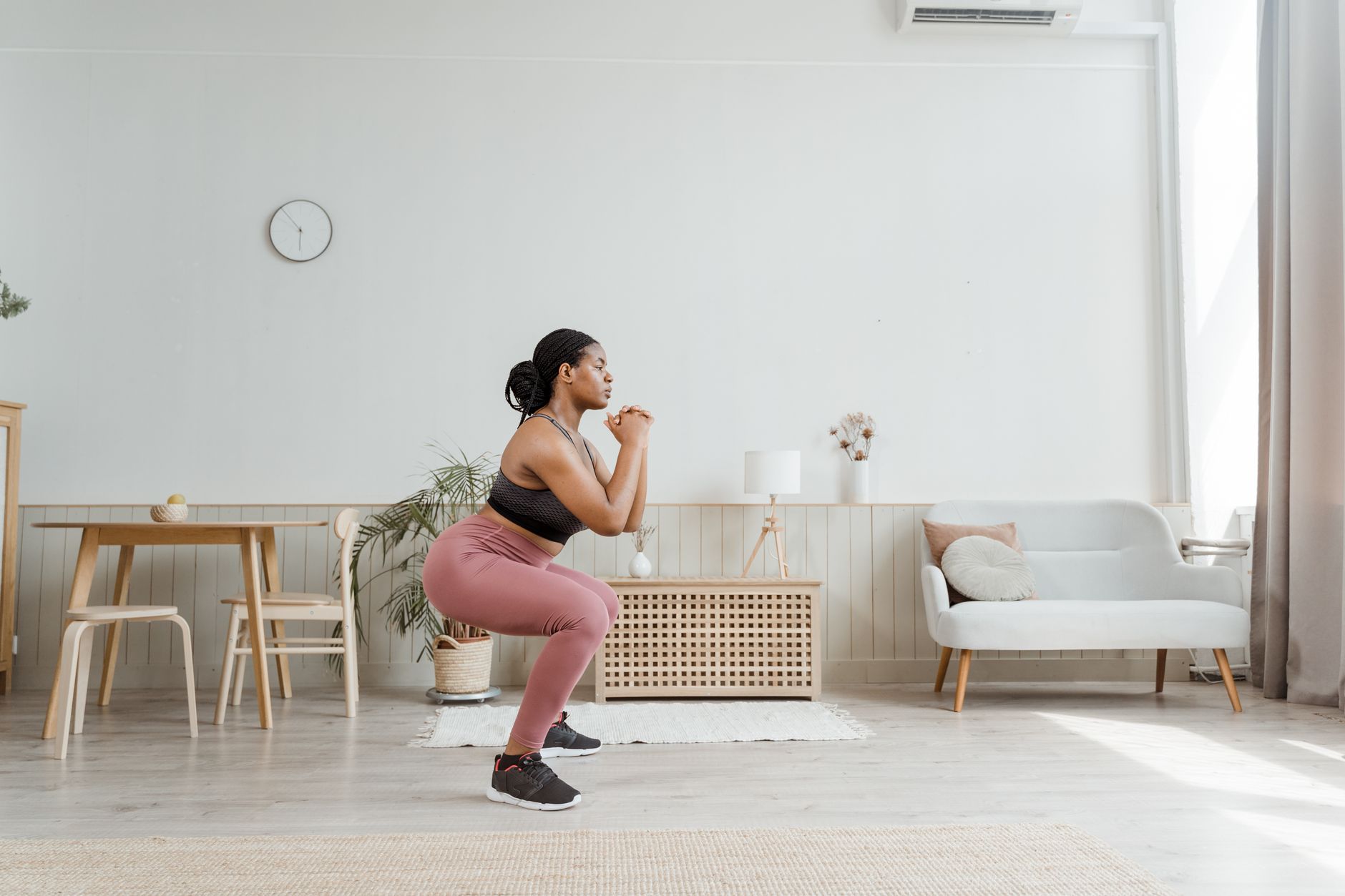
Modified squats are a great way to keep moving during the first trimester—just avoid deep twists or jumps.
Is HIIT safe during the second trimester of pregnancy?
The second trimester is often called the "honeymoon phase" of pregnancy—your energy is back, your nausea has (hopefully) faded, and you might feel like you can tackle anything. But this is also the time when your body starts to change in ways that make high-intensity exercise riskier. Your center of gravity shifts, your joints loosen (thanks to the hormone relaxin), and your blood volume increases, which can make it harder to regulate your heart rate.
Most obstetricians recommend switching to low-impact or pregnancy-adapted routines by the second trimester. If you’re determined to keep doing HIIT, you’ll need to make some big modifications. Here’s what to avoid:
Exercises that involve lying flat on your back: After 16 weeks, this position can compress the vena cava (a major blood vessel), reducing blood flow to your baby.
High-impact moves: Jumping, burpees, and box jumps put extra stress on your pelvic floor and joints, which are already more vulnerable during pregnancy.
Exercises that risk abdominal trauma: Moves like mountain climbers or Russian twists can strain your abdominal muscles, increasing the risk of diastasis recti (separation of the abdominal muscles).
Anything that raises your heart rate above 140 bpm for prolonged periods: This can reduce blood flow to the uterus, which isn’t ideal for your baby.
Instead, focus on low-impact cardio like stationary cycling, swimming, or brisk walking. If you’re doing strength training, use lighter weights and higher reps, and avoid holding your breath (which can increase intra-abdominal pressure). And always, always listen to your body. If something doesn’t feel right, stop.
Is HIIT safe during the third trimester of pregnancy?
By the third trimester, your baby is growing rapidly, your joints are looser, and your balance is off. This is not the time to push yourself with high-intensity workouts. ACOG and the NHS both recommend avoiding HIIT during the third trimester due to the increased risk of falls, joint stress, and reduced blood flow to the baby. Your body is already working hard to support your little one—there’s no need to add extra strain.
That said, staying active is still important. Gentle movement can help reduce swelling, improve sleep, and prepare your body for labor. But now is the time to focus on low-impact activities like walking, swimming, or prenatal yoga. If you’re used to high-intensity workouts, this shift can feel frustrating. But remember: it’s temporary. The goal right now is to keep you and your baby safe, not to break a sweat.
One exception: If you’re an experienced athlete with a low-risk pregnancy, your provider might clear you for modified HIIT—but this is rare. Even then, you’ll need to avoid any exercises that risk abdominal trauma, overheating, or loss of balance. And if you experience any of the red-flag symptoms we’ll cover later (like contractions, dizziness, or fluid leakage), stop immediately and call your doctor.
How many HIIT intervals are safe for pregnant women?
There’s no one-size-fits-all answer to this question, but most experts agree: less is more. If you’re doing modified HIIT during pregnancy, aim for shorter sessions (10–15 minutes max) with longer rest periods between intervals. For example, instead of 30 seconds of work followed by 30 seconds of rest, try 20 seconds of work followed by 40 seconds of rest. This gives your heart rate more time to recover and reduces the risk of overheating or reduced blood flow to the baby.
Here’s a general guideline for safe HIIT "dosage" during pregnancy:
Safe HIIT Frequency and Duration During Pregnancy
Trimester
Recommended Frequency
Recommended Duration
Notes
First trimester
2–3x per week
10–15 minutes
Only if you were already doing HIIT pre-pregnancy. Avoid if you’re new to exercise.
Second trimester
1–2x per week
10 minutes max
Switch to low-impact modifications. Stop if you feel dizzy, short of breath, or experience contractions.
Third trimester
❌ Not recommended
—
Focus on gentle movement like walking or prenatal yoga.
Remember: These are general guidelines. Your ideal frequency and duration will depend on your fitness level, pregnancy complications, and how your body responds to exercise. Always check with your provider before continuing or starting any workout routine during pregnancy.
What are the risks of HIIT during pregnancy?
HIIT isn’t inherently dangerous during pregnancy, but it does come with risks—especially if you’re not modifying your workouts. Here’s what you need to watch out for:
Overheating: Your core temperature naturally rises during pregnancy, and intense exercise can push it even higher. Overheating has been linked to neural tube defects in early pregnancy and can cause dehydration or dizziness.
Reduced blood flow to the baby: When you exercise intensely, blood is diverted away from your uterus to your muscles. This can temporarily reduce oxygen and nutrient delivery to your baby, which isn’t ideal—especially if it happens frequently.
Joint stress: The hormone relaxin loosens your ligaments and joints during pregnancy, making you more prone to sprains or strains. High-impact moves like jumps or deep squats can increase this risk.
Abdominal trauma: Moves like burpees, mountain climbers, or Russian twists can strain your abdominal muscles, increasing the risk of diastasis recti (separation of the abdominal muscles).
Falls: Your center of gravity shifts as your belly grows, making you more prone to losing your balance. Exercises that involve quick direction changes (like skater jumps) can increase this risk.
Pelvic floor stress: High-impact exercises can put extra pressure on your pelvic floor, which is already under strain from your growing baby. This can lead to issues like incontinence or prolapse.
Contractions: Intense exercise can sometimes trigger Braxton Hicks contractions (practice contractions), which are usually harmless. But if they become regular or painful, it could be a sign of preterm labor.
None of this means you have to stop exercising altogether. But it does mean you need to be smart about how you move. If you’re doing HIIT, stick to low-impact modifications, keep your heart rate in check, and stop if you feel any of the warning signs we’ll cover next.
What are safe alternatives to HIIT for pregnant women?
If you’re used to the intensity of HIIT, switching to gentler workouts might feel like a letdown. But the good news is, there are plenty of ways to stay active during pregnancy that are just as effective—without the risks. Here are some of the best alternatives to HIIT, all of which are generally considered safe for most pregnant women (with your provider’s okay, of course):
Prenatal yoga: Gentle on your joints and great for flexibility, balance, and relaxation. Look for classes specifically designed for pregnancy, which avoid poses that compress the belly or strain the back.
Walking: Simple, free, and effective. Aim for 30 minutes a day at a brisk pace. It’s a great way to maintain cardiovascular health without overdoing it.
Swimming: The water supports your weight, taking pressure off your joints and back. It’s also a fantastic way to stay cool and reduce swelling.
Stationary cycling: Low-impact and safe for all trimesters (as long as you’re comfortable). Just avoid outdoor cycling, which comes with a risk of falls.
Low-impact aerobics: Look for prenatal aerobics classes or videos that avoid jumps and deep twists. These workouts can give you a cardio boost without the high-impact stress.
Pelvic floor exercises: Kegels and other pelvic floor exercises help prevent incontinence and prepare your body for labor. You can do them anywhere, anytime.
Modified strength training: Use lighter weights and higher reps to maintain muscle tone without straining your joints. Focus on exercises that support your changing body, like squats (with support), lunges, and seated rows.
Prenatal Pilates: Similar to yoga but with a focus on core strength and stability. Look for classes that avoid lying flat on your back after the first trimester.
If you’re missing the intensity of HIIT, try adding short bursts of effort to these workouts. For example, you could walk at a brisk pace for 2 minutes, then slow down for 1 minute, repeating for 10–15 minutes. Or, add a few squats or lunges to your prenatal yoga routine. The key is to keep moving in a way that feels good for your body.
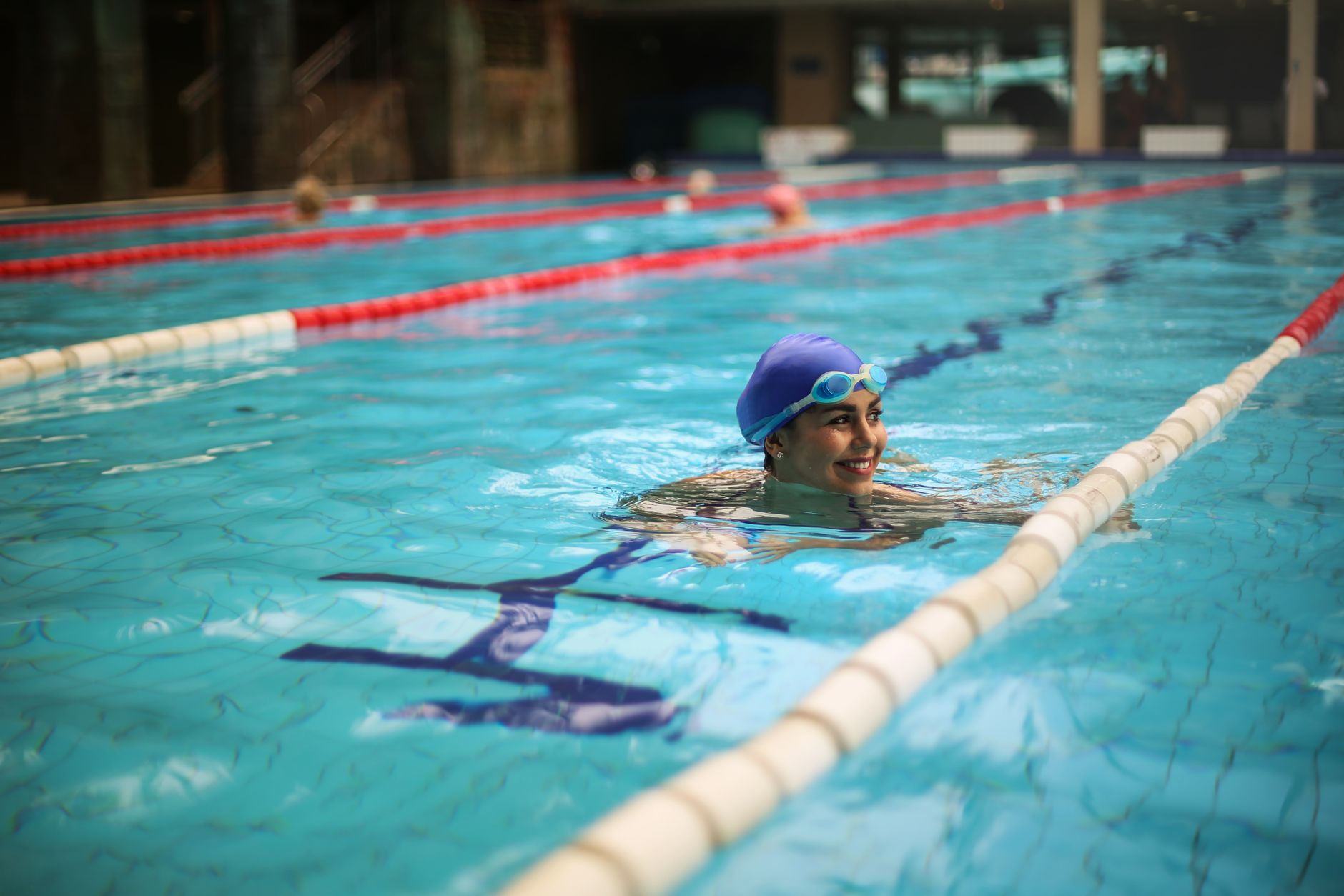
Swimming is one of the safest and most effective ways to stay active during pregnancy—it supports your joints and keeps you cool.
Which HIIT programs are recommended for pregnancy?
If you’re determined to keep doing HIIT during pregnancy, look for programs that are specifically designed for pregnant women. These workouts will include modifications for each trimester, avoid high-risk moves, and focus on low-impact exercises. Here are a few reputable options to consider:
Prenatal HIIT by BodyFit by Amy: Amy is a certified prenatal and postnatal fitness instructor, and her workouts are tailored to each trimester. They’re low-impact, joint-friendly, and avoid exercises that could strain your pelvic floor or abdominal muscles.
Fit Pregnancy Club (by The Bloom Method): This program offers a mix of HIIT, strength training, and yoga, all modified for pregnancy. The workouts are short (10–20 minutes) and focus on core and pelvic floor safety.
Prenatal HIIT by Jessica Pumple (Pregnancy and Postpartum TV): Jessica is a registered dietitian and certified personal trainer who specializes in prenatal fitness. Her HIIT workouts are designed to be safe and effective for all trimesters, with modifications for each stage.
Les Mills’ Prenatal Workouts: Les Mills offers a range of prenatal workouts, including low-impact HIIT options. Their programs are backed by research and designed by experts in prenatal fitness.
Nike Training Club (Prenatal Collection): Nike’s prenatal workouts include modified HIIT routines that avoid high-impact moves and focus on strength and mobility. They’re a great option if you’re already familiar with the NTC app.
Before starting any program, check with your provider to make sure it’s a good fit for your pregnancy. And remember: Even with a pregnancy-specific program, you’ll need to listen to your body. If a move doesn’t feel right, skip it or modify it. There’s no one-size-fits-all approach to prenatal fitness.
Pregnancy Exercise Safety at a Glance: Related Workouts
Workout Type
Verdict
Notes
Tabata workouts
❌ Best avoided
Tabata is a form of HIIT with even shorter rest periods, making it riskier for overheating and reduced blood flow to the baby.
CrossFit
⚠️ Modify or avoid
Some CrossFit moves (like box jumps, heavy lifts, or rope climbs) are high-risk during pregnancy. Look for pregnancy-adapted classes.
Bootcamp classes
⚠️ Modify or avoid
Many bootcamp workouts include high-impact moves or intense circuits. Opt for low-impact or prenatal-specific classes.
Kickboxing
❌ Best avoided
Kickboxing involves quick direction changes and high-impact moves, increasing the risk of falls and abdominal trauma.
Plyometric training
❌ Best avoided
Plyometrics (like jump squats or burpees) put extra stress on your joints and pelvic floor, which are already more vulnerable during pregnancy.
Spinning classes
✅ Generally safe (with limits)
Stationary cycling is low-impact and safe for most pregnant women. Just avoid standing up on the pedals or pushing too hard.
High-Intensity Circuit Training
⚠️ Modify or avoid
Similar to HIIT, circuit training can be safe if modified to avoid high-impact moves and prolonged high-intensity efforts.
Myth vs. fact
Myth: If you were fit before pregnancy, you can keep doing HIIT the same way.
Fact: Pregnancy changes your body in ways that make high-intensity exercise riskier—even if you were a pro before. Your joints are looser, your balance is off, and your heart is working harder to support your baby. That’s why most experts recommend modifying or avoiding HIIT as your pregnancy progresses, regardless of your pre-pregnancy fitness level.
Myth: HIIT is the best way to stay in shape during pregnancy.
Fact: While HIIT is efficient, it’s not the only (or even the best) way to stay fit during pregnancy. Low-impact workouts like walking, swimming, and prenatal yoga can be just as effective—without the risks. The goal during pregnancy isn’t to burn the most calories or push your limits; it’s to stay active in a way that supports your health and your baby’s.
Myth: If you feel fine during HIIT, it must be safe.
Fact: Just because you feel fine doesn’t mean your baby is. High-intensity exercise can reduce blood flow to the uterus, which isn’t ideal for your little one—even if you’re not experiencing symptoms. That’s why it’s important to follow guidelines (like keeping your heart rate below 140 bpm) and listen to your provider’s advice, not just your body.
Key takeaways
HIIT can be safe during pregnancy if modified and approved by your provider. Most women should switch to low-impact routines by the second trimester.
Avoid high-impact moves, exercises that risk abdominal trauma, and anything that raises your heart rate above 140 bpm for prolonged periods. This includes jumps, burpees, deep twists, and sprints.
Listen to your body. If you feel dizzy, short of breath, or experience contractions, stop immediately and call your doctor.
Safer alternatives to HIIT include prenatal yoga, walking, swimming, and stationary cycling. These workouts are low-impact and generally safe for most pregnant women.
Always check with your provider before continuing or starting any workout routine during pregnancy. They know your medical history and can give you personalized advice.
Remember: The goal isn’t to push through—it’s to stay active in a way that supports your pregnancy. It’s okay to slow down.
Frequently asked questions
Is it okay to do HIIT while pregnant?
It can be okay, but only if you modify your workouts and get the green light from your provider. Most obstetricians recommend avoiding traditional HIIT after the first trimester—or sooner if you have complications like gestational diabetes or hypertension. If you were already doing HIIT before pregnancy, you may be able to continue with low-impact modifications (like step-ups instead of jumps or stationary cycling instead of sprints). But if you’re new to HIIT, pregnancy isn’t the time to start.
How often can I do HIIT during pregnancy?
If you’re doing modified HIIT, aim for 1–2 sessions per week during the first trimester and 1 session per week (or less) during the second trimester. By the third trimester, most providers recommend avoiding HIIT altogether and focusing on gentler movement. Always check with your doctor to determine the right frequency for your body and pregnancy.
What modifications should I make to HIIT workouts when pregnant?
Here are the key modifications to make if you’re doing HIIT during pregnancy:
Replace jumps with low-impact alternatives (e.g., step-ups instead of box jumps).
Avoid exercises that involve lying flat on your back after the first trimester.
Keep your heart rate below 140 bpm (or use the "talk test"—if you can’t carry on a conversation, you’re working too hard).
Shorten your workouts (10–15 minutes max) and increase rest periods between intervals.
Stay hydrated and avoid overheating by exercising in a cool environment.
Can HIIT cause miscarriage?
There’s no strong evidence that HIIT directly causes miscarriage in healthy pregnancies. However, overheating, dehydration, or reduced blood flow to the uterus (all potential risks of intense exercise) could theoretically contribute to complications in early pregnancy. That’s why most experts recommend avoiding high-intensity exercise during the first trimester—especially if you’re new to it. If you’re concerned, talk to your provider. They can help you weigh the risks and benefits based on your medical history.
What are the signs to stop HIIT during pregnancy?
Stop exercising immediately and call your doctor if you experience any of these symptoms during or after HIIT:
Vaginal bleeding or fluid leakage.
Regular or painful contractions.
Dizziness, lightheadedness, or fainting.
Shortness of breath before starting exercise (this can be a sign of anemia or other complications).
Chest pain or heart palpitations.
Headache that doesn’t go away.
Muscle weakness or swelling in your calves (which could indicate a blood clot).
Decreased fetal movement.
Is HIIT safe in the second trimester?
HIIT is not recommended in its traditional form during the second trimester. By this stage, your body is changing in ways that make high-intensity exercise riskier—your joints are looser, your balance is off, and your blood volume is higher, which can make it harder to regulate your heart rate. If you’re determined to keep doing HIIT, you’ll need to make significant modifications (like avoiding jumps, deep twists, and exercises that involve lying flat on your back). Most providers recommend switching to low-impact workouts like prenatal yoga, swimming, or walking by the second trimester.
When to call your doctor
Call your provider right away if you experience any of the following during or after exercise:
Vaginal bleeding or spotting.
Fluid leaking from your vagina (which could indicate your water breaking).
Regular or painful contractions (more than 4–6 per hour).
Dizziness, lightheadedness, or fainting.
Chest pain or heart palpitations.
Severe headache or vision changes.
Swelling in your hands, feet, or face (which could indicate preeclampsia).
Decreased fetal movement (after 28 weeks).
Muscle weakness or pain in your calves (which could indicate a blood clot).
Remember: This article is for informational purposes only and is not a substitute for professional medical advice. Always check with your provider before starting or continuing any exercise routine during pregnancy. Your health and your baby’s health are the top priorities—so when in doubt, err on the side of caution.
References
American College of Obstetricians and Gynecologists (ACOG). (2020). Exercise During Pregnancy. ACOG Committee Opinion No. 804.
Davenport, M. H., et al. (2019). Prenatal Exercise for the Prevention of Gestational Diabetes Mellitus and Hypertensive Disorders of Pregnancy: A Systematic Review and Meta-Analysis. British Journal of Sports Medicine, 53(2), 90–98.
Mayo Clinic. (2022). Pregnancy and Exercise: Baby, Let’s Move!. Mayo Clinic.
Not sure about the label on Is Hiit Safe During Pregnancy products?
Snap the ingredients list and SafeFilter checks every ingredient for your stage — only 3 free scans this month, then you're locked until reset. Unlimited from $7/mo or $50/yr.
When Shubhra Mishra was expecting her first child in 2016, she was overwhelmed by conflicting food advice — one site said yes, another said never. By the time her second baby arrived in 2019, she realized millions of mothers face the same confusion.
That sparked a five-year journey through clinical nutrition papers, cultural diets, and expert conversations — all leading to BumpBites: a calm, compassionate space where science meets everyday motherhood.
Her long-term vision is to build a global community ensuring safe, supported, and free deliveriesfor every mother — because no woman should face pregnancy alone or uninformed. 🌿
🌍 Stand with mothers, shape safer guidance
Join a small circle of experts who review BumpBites articles so expecting parents everywhere can decide with confidence.