Limit laundry fragrance during pregnancy. While not strictly harmful, opt for unscented products, especially in the first trimester, to minimize potential
By Shubhra Mishra — a mom of two who turned her own confusion during pregnancy into BumpBites, a global mission to make food choices clear, safe, and stress-free for every expecting mother. 💛
Check whether any food is safe during pregnancy with the BumpBites Food Safety Checker.
Quick verdict: ⚠️ Safe with limits. While most laundry fragrances aren't proven to directly harm your developing baby, they can trigger sensitivities, allergies, or respiratory issues in pregnant individuals. We recommend choosing fragrance-free or naturally scented options, especially if you experience symptoms.
The sudden surge of hormones during pregnancy can turn everyday scents into overwhelming assaults, making you wonder, "Is fragrance in laundry safe during pregnancy?" You might find yourself staring at your laundry detergent aisle, suddenly questioning every brightly scented bottle, or perhaps you've already washed a load and now you're feeling a headache coming on, sparking a wave of worry. Take a deep breath. We understand this concern is incredibly common, and you're not alone in wanting to ensure every product you use is safe for you and your baby.
For most pregnant individuals, using fragranced laundry products isn't a direct threat to fetal development. The primary concern revolves around the potential for these scents to cause discomfort, trigger allergies, or exacerbate respiratory issues like asthma in the pregnant parent. Given that your body is already working overtime, minimizing unnecessary irritants can make a big difference in how you feel day-to-day.
At BumpBites, we prioritize your peace of mind and your health. This article will delve into what makes up laundry fragrances, discuss potential risks, break down safety by trimester, and, most importantly, guide you toward safer, fragrance-free alternatives that will keep your clothes clean without the added worry.
Pregnancy Stage
Verdict
Notes
First Trimester
⚠️ Safe with limits
Heightened smell sensitivity and morning sickness are common; fragranced detergents can trigger or worsen nausea and headaches. Consider unscented.
Second Trimester
⚠️ Safe with limits
Sensitivities may persist or lessen. Skin can become more reactive; fragranced products might cause irritation or eczema.
Third Trimester
⚠️ Safe with limits
Continue to monitor for skin or respiratory sensitivities. Preparing for baby's arrival, many parents switch to fragrance-free for newborn clothing.
Breastfeeding
⚠️ Safe with limits
Fragrances on clothing can transfer to baby's skin during cuddles, potentially causing irritation or sensitization. Choose fragrance-free for baby's clothes and your own.
What is Fragrance in Laundry?
The "fragrance" listed on laundry product labels isn't a single ingredient, but rather a complex cocktail of dozens, sometimes hundreds, of chemical compounds designed to create a specific scent. Companies often keep the exact composition of these "trade secret" blends private to protect their formulas. These mixtures can include natural essential oils, but more commonly, they are synthetic chemicals.
Some common components found in laundry fragrances include phthalates, which are used to make scents last longer, and various volatile organic compounds (VOCs). When you use fragranced laundry detergents, fabric softeners, or dryer sheets, these chemicals are deposited onto your clothing. They then off-gas into the air as the clothes are worn or stored, and they can come into direct contact with your skin. While the quantities of individual chemicals in any single product are typically small, cumulative exposure from multiple fragranced products throughout your home can add up. The purpose of these added fragrances is purely aesthetic – to make clothes smell "fresh" – and they offer no cleaning benefit whatsoever.
Choosing between fragranced and fragrance-free laundry products is a common decision point for expecting parents.
Is scented laundry detergent safe to use during pregnancy?
Gene
rally, scented laundry detergents are considered safe for use during pregnancy in that they are not directly linked to birth defects or developmental issues in the fetus. The primary concerns regarding **is fragrance in laundry safe during pregnancy** revolve around the pregnant person's comfort and potential sensitivities rather than direct harm to the baby. Many individuals experience heightened senses of smell and increased skin sensitivity during pregnancy due to hormonal changes, making them more reactive to fragrances they previously tolerated.
The American College of Obstetricians and Gynecologists (ACOG) and the National Health Service (NHS) in the UK emphasize minimizing exposure to unnecessary chemicals during pregnancy to reduce potential risks, though specific guidance on laundry fragrance often focuses on personal comfort and allergic reactions. Some chemicals found in fragrances, such as phthalates and certain VOCs, have raised concerns in broader environmental health contexts due to their potential as endocrine disruptors or respiratory irritants. However, the levels present in laundry products, and the extent of exposure through clothing, are generally considered low. The main evidence points to potential maternal symptoms like headaches, nausea, skin rashes, or exacerbation of asthma. If you find yourself reacting to your usual laundry detergent, it's a clear sign to switch to a fragrance-free option.
Can laundry detergent fragrance affect pregnancy in the first trimester?
The first trimester is a time of significant change, both for your body and your developing baby. Many pregnant individuals experience a heightened sense of smell (hyperosmia) during this period, often making previously tolerable scents overpowering or even nauseating. This is due to hormonal shifts and can significantly worsen morning sickness symptoms. If you're wondering, "Can laundry detergent fragrance affect pregnancy in the first trimester?", the answer is primarily in how it affects *you*. Strong laundry fragrances can trigger headaches, nausea, or dizziness, making an already challenging period even more uncomfortable. While there's no strong evidence directly linking typical laundry fragrance exposure to birth defects, minimizing discomfort and potential irritants is always a good idea. Consider switching to fragrance-free options early on if you notice any increased sensitivity.
Can laundry detergent fragrance affect pregnancy in the second trimester?
By the second trimester, some of the intense nausea and smell sensitivity of the first trimester may subside for many, but not all. However, skin sensitivity can remain or even increase during pregnancy. Your skin might become drier, itchier, or more prone to rashes. If you're concerned about **is fragrance in laundry safe during pregnancy** during this stage, be aware that fragranced detergents could potentially exacerbate skin conditions like eczema or trigger contact dermatitis. The chemicals in fragrances, even in small amounts, can act as irritants or allergens when in prolonged contact with sensitive skin. Choosing a hypoallergenic, fragrance-free detergent can help prevent these skin reactions and keep you more comfortable as your body continues to change.
Can laundry detergent fragrance affect pregnancy in the third trimester?
As you approach your due date in the third trimester, comfort becomes paramount. While the primary concerns remain similar to earlier trimesters—skin irritation, respiratory issues, and general discomfort from strong smells—many expectant parents also begin to think about the baby's arrival. This often includes washing all newborn clothes, blankets, and bedding. Using fragranced detergents for these items means the baby's delicate skin will be exposed to those chemicals from day one. Pediatricians and dermatologists often recommend fragrance-free products for newborns to minimize the risk of skin irritation, allergies, and potential respiratory sensitivities. Switching to fragrance-free options for your entire household laundry can simplify this transition and reduce overall chemical exposure for both you and your baby.
Can laundry detergent fragrance affect pregnancy while breastfeeding?
When you're breastfeeding, the focus shifts to both your comfort and your baby's. Fragranced laundry products can continue to cause skin irritation or respiratory issues for you. More importantly, chemicals from your fragranced clothes can transfer to your baby's sensitive skin during nursing and cuddles. A baby’s skin barrier is still developing, making it more permeable and susceptible to irritation. While the amount of fragrance chemicals that could transfer through breast milk is generally considered negligible, direct skin contact with fragranced clothing is a common concern. Choosing fragrance-free detergents helps protect your baby from potential skin rashes, eczema, or contact allergies, making cuddle time safer and more comfortable for both of you.
Safe dosage / amount / brands
When it comes to laundry fragrance, there isn't a "safe dosage" in the traditional sense, as the concern is more about exposure and individual sensitivity rather than a toxic amount. Instead, the focus is on minimizing exposure and choosing products with fewer potential irritants.
**Tips for Reducing Exposure to Laundry Fragrance:**
Choose "Fragrance-Free" or "Unscented" products: Look for labels that explicitly state "fragrance-free" or "free and clear." Be aware that "unscented" can sometimes mean that masking fragrances have been added to neutralize chemical odors, so "fragrance-free" is generally the safer bet.
Double Rinse: If you must use a fragranced detergent, running an extra rinse cycle can help remove more of the chemical residue from your clothes.
Air Dry Outdoors: If possible, drying clothes outdoors can help dissipate some of the lingering fragrance chemicals.
Ventilate Your Laundry Area: Ensure good airflow in your laundry room to reduce inhalation of airborne fragrance particles.
Wash New Clothes: Always wash new clothing, especially baby clothes, before wearing them to remove manufacturing residues, including potential fragrances.
When considering brands, look for those specifically formulated for sensitive skin or those that proudly advertise their lack of added fragrances. Many well-known brands now offer "Free & Clear" versions of their popular detergents.
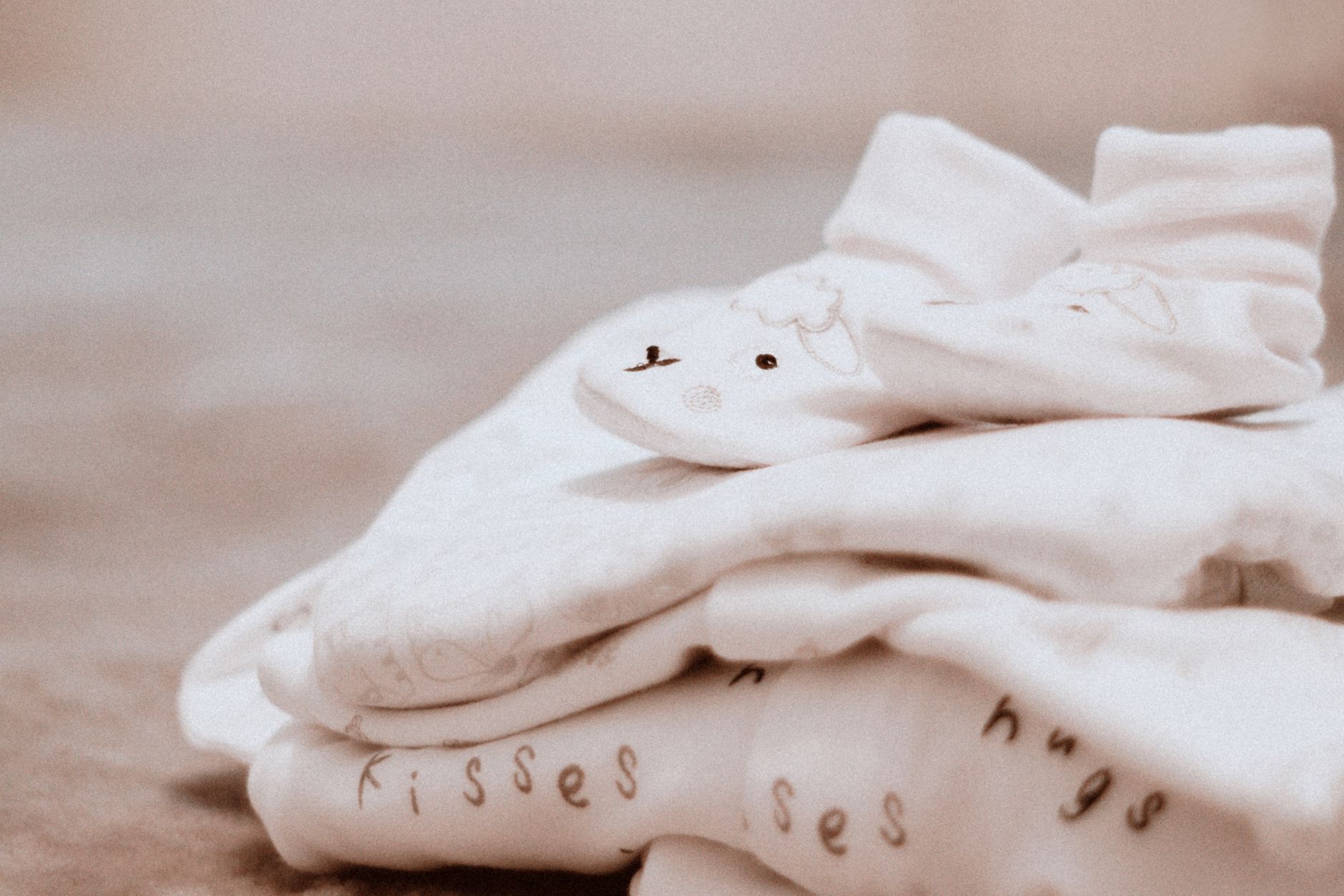
Washing baby clothes with fragrance-free detergent helps protect their delicate skin from potential irritants.
What are the risks of strong laundry scents for pregnant women?
The risks associated with strong laundry scents for pregnant women are primarily related to maternal comfort and health, rather than direct fetal harm. However, these impacts can significantly affect a pregnant person's quality of life.
Respiratory Issues: Strong fragrances, especially those containing VOCs, can act as irritants to the respiratory system. For pregnant individuals, this can manifest as:
Headaches and Dizziness: Overpowering scents can trigger or worsen tension headaches and feelings of lightheadedness.
Nausea and Vomiting: Heightened smell sensitivity often leads to fragrances triggering or intensifying morning sickness.
Asthma Exacerbation: For those with pre-existing asthma, strong scents can trigger asthma attacks, leading to shortness of breath, wheezing, and coughing. Even without a formal diagnosis, some pregnant individuals may experience new or worsened respiratory sensitivities.
Skin Irritation and Allergies: Hormonal changes during pregnancy can make skin more sensitive and reactive. Fragrances in laundry products, when they come into contact with the skin, can cause:
Contact Dermatitis: Red, itchy rashes or eczema-like reactions can develop where fragranced fabric touches the skin.
Dryness and Itchiness: Fragrance chemicals can strip natural oils from the skin, leading to increased dryness and itching.
General Discomfort: Beyond specific physical reactions, simply being constantly exposed to a strong, unwanted scent can contribute to general discomfort and stress during a time when you're already experiencing many physical and emotional changes. For some, this can even impact sleep quality if bedding carries a strong fragrance.
While the FDA regulates some aspects of cosmetic and personal care product ingredients, and the EPA monitors some chemical exposures, the "fragrance" ingredient in laundry products falls under less stringent disclosure requirements. This means consumers often don't know the full list of chemicals they are being exposed to. If you experience any of these symptoms after using fragranced laundry products, it's a strong indicator that your body is reacting negatively, and switching to fragrance-free options is advisable.
Which fragrance-free laundry detergents are safe for pregnancy?
Choosing a fragrance-free laundry detergent is one of the easiest ways to reduce potential irritants during pregnancy. When looking for safe options, prioritize products labeled "fragrance-free," "free and clear," or "hypoallergenic." Here are some highly recommended brands that are generally considered safe for pregnancy and sensitive skin:
Seventh Generation Free & Clear: This plant-based formula is well-regarded for being tough on stains while being free of fragrances, dyes, and artificial brighteners.
All Free Clear: A widely available and affordable option, specifically designed for sensitive skin and recommended by dermatologists for allergy sufferers.
Tide Free & Gentle: Offers the cleaning power of Tide without perfumes or dyes, making it a popular choice for those with sensitivities.
Molly's Suds Unscented Laundry Powder: A natural, eco-friendly option made with simple ingredients, free from harsh chemicals and fragrances.
Branch Basics Laundry: A versatile concentrate that can be used for laundry and other cleaning tasks, completely free of harmful chemicals, fragrances, and dyes.
Ecos Free & Clear: Another plant-derived option that is hypoallergenic, pH-balanced, and free of dyes, perfumes, and optical brighteners.
Nellie's All-Natural Laundry Soda: A powder formula with a short list of ingredients, designed to be hypoallergenic and free of perfumes and dyes.
Charlie's Soap Laundry Powder: Known for its simple, effective, and environmentally friendly formula that leaves no residue or scent on clothes.
Biokleen Free & Clear Laundry Liquid: A concentrated, plant-derived detergent that is free of fragrances, dyes, and other common allergens.
These brands provide effective cleaning without the added chemicals that can trigger sensitivities during pregnancy.
Related items — safety at a glance
Understanding **is fragrance in laundry safe during pregnancy** often leads to questions about other fragranced products around the home. Here's a quick look at common fragranced items and their general safety during pregnancy:
Item
Verdict
Note
Scented candles
⚠️ Safe with limits
Can release VOCs and soot; avoid prolonged use in unventilated areas, especially if sensitive to smells.
Air fresheners (sprays, plug-ins)
❌ Best avoided
Often contain high levels of VOCs and phthalates which can be respiratory irritants. Opt for natural ventilation or essential oil diffusers (with caution).
Cleaning sprays (scented)
⚠️ Safe with limits
Many contain strong chemicals and fragrances. Use in well-ventilated areas, wear gloves, or choose natural, unscented alternatives. For more detailed guidance, check out our article on safe cleaning products during pregnancy.
Scented dish soap
⚠️ Safe with limits
Generally low risk as it's rinsed off, but can cause skin irritation or respiratory discomfort during use for sensitive individuals.
Perfume
⚠️ Safe with limits
Can trigger nausea or headaches; some contain phthalates. Consider reducing use or choosing "fragrance-free" options if sensitive. For a deep dive, see Is fragrance parfum safe during pregnancy?
Scented lotions
⚠️ Safe with limits
Can cause skin irritation or allergic reactions, especially on sensitive pregnancy skin. Opt for unscented, hypoallergenic lotions.
Dryer sheets
❌ Best avoided
Often heavily fragranced and can leave chemical residues on clothes. Wool dryer balls are a great, chemical-free alternative.
Fabric softeners (scented)
❌ Best avoided
Similar to dryer sheets, they add fragrance and chemicals to clothing. Vinegar can be a natural, unscented fabric softener.
Laundry scent boosters
❌ Best avoided
These products are designed purely to add intense fragrance and significantly increase chemical exposure.
Essential oil diffusers
⚠️ Talk to your doctor first
While natural, not all essential oils are safe during pregnancy, and some can be potent. Always consult your provider and use in well-ventilated areas.
Myth vs. fact
Myth: All "natural" fragrances are safe during pregnancy.
Fact: The term "natural" doesn't automatically equate to "safe," especially during pregnancy. Natural fragrances, such as essential oils, are potent chemical compounds that can still trigger allergies, skin irritation, or respiratory issues. Some essential oils are even contraindicated in pregnancy. Always research specific essential oils and consult your healthcare provider before using them, especially in concentrated forms or for prolonged periods. The safest bet for laundry is truly fragrance-free.
Myth: Fragrances in laundry detergent don't really get absorbed into your skin.
Fact: While the amount is small, fragrance chemicals can and do transfer from your clothes to your skin. Your skin is your body's largest organ, and it can absorb substances it comes into contact with. For individuals with sensitive skin or conditions like eczema, even these small amounts can be enough to trigger a reaction. Furthermore, these chemicals can off-gas from your clothes into the air you breathe.
Myth: If a product is on the store shelf, it must be safe for everyone, including pregnant women.
Fact: Products available for sale meet general safety standards, but these standards don't always account for the unique physiological changes and sensitivities of pregnancy. Regulatory bodies like the FDA and EPA have guidelines, but the onus is often on the consumer to understand how certain ingredients might affect them personally, especially during vulnerable periods like pregnancy. Always read labels and choose products that align with your personal comfort and health needs, consulting your doctor if you have concerns.
Key takeaways
Fragrance in laundry products is not typically linked to direct fetal harm, but can cause significant discomfort for the pregnant parent.
Hormonal changes can increase your sensitivity to smells, leading to nausea, headaches, or respiratory irritation.
Fragrance chemicals can cause skin reactions like contact dermatitis or exacerbate existing conditions like eczema.
Always choose products labeled "fragrance-free" or "free and clear" to minimize exposure to potential irritants.
Many common household products, beyond laundry, also contain fragrances that may affect you during pregnancy.
If you experience any adverse symptoms, switching to unscented alternatives is the best course of action.
Frequently asked questions
Is it safe to use scented laundry detergent while pregnant?
Yes, it's generally considered safe in terms of direct harm to the baby, but it can cause significant discomfort for you due to heightened smell and skin sensitivity. Many pregnant individuals experience headaches, nausea, or skin irritation from fragranced products. We recommend switching to fragrance-free options if you notice any adverse reactions.
Can laundry detergent cause miscarriage?
No, there is no scientific evidence to suggest that typical exposure to laundry detergent fragrance can cause miscarriage. Concerns about laundry detergents during pregnancy are primarily related to maternal comfort, skin sensitivities, and respiratory irritation, not direct risk to the developing fetus.
What laundry detergent is safe for pregnancy?
The safest laundry detergents for pregnancy are those labeled "fragrance-free," "free and clear," or "hypoallergenic." Brands like Seventh Generation Free & Clear, All Free Clear, and Tide Free & Gentle are popular choices as they avoid perfumes, dyes, and other common irritants.
Are strong smells bad for pregnancy?
Strong smells aren't inherently "bad" for pregnancy in terms of causing direct harm to the baby, but they can be incredibly disruptive and unpleasant for the pregnant person. Heightened smell sensitivity is common, and strong scents can trigger or worsen nausea, vomiting, headaches, and even respiratory discomfort.
Can chemicals in laundry detergent harm baby?
The chemicals in laundry detergent fragrances are generally not considered to directly harm a developing baby when used as intended. The primary concern is for the pregnant parent, who may experience skin irritation, respiratory issues, or exacerbation of conditions like asthma due to exposure to these chemicals.
Is Tide Free and Gentle safe for pregnancy?
Yes, Tide Free and Gentle is widely considered a safe choice for pregnancy. It is specifically formulated without perfumes and dyes, making it a good option for individuals with sensitive skin or those who experience increased sensitivities to fragrances during pregnancy.
Can laundry detergent cause breathing problems during pregnancy?
Yes, laundry detergent fragrances, particularly those containing volatile organic compounds (VOCs), can potentially cause breathing problems or exacerbate existing respiratory conditions like asthma during pregnancy. Strong scents can act as irritants to the airways, leading to coughing, wheezing, or shortness of breath for sensitive individuals.
What cleaning products should be avoided during pregnancy?
During pregnancy, it's best to avoid cleaning products with strong fumes, harsh chemicals, and intense fragrances. These can include oven cleaners, drain cleaners, and highly fragranced sprays or air fresheners. Opt for natural, unscented, and well-ventilated options, or choose products with "green" certifications. You can find more comprehensive guidance in our article on safe cleaning products during pregnancy.
When to call your doctor
While fragrance in laundry is generally not a direct risk to your baby, it's important to listen to your body and know when to seek medical advice. Call your doctor or healthcare provider if you experience any of the following:
Severe or persistent headaches: Especially if they are triggered by scents and don't improve with rest or switching products.
New or worsening respiratory symptoms: Such as persistent coughing, wheezing, shortness of breath, or asthma attacks after exposure to fragrances.
Widespread or severe skin rashes: If you develop a rash that is intensely itchy, painful, spreading rapidly, or not improving after avoiding fragranced products.
Intense or debilitating nausea/vomiting: If strong smells consistently trigger severe morning sickness that impacts your ability to eat or drink.
Any concerns about chemical exposure: If you are worried about the specific chemicals you've been exposed to and want personalized advice.
Remember, this information is for educational purposes only and is not a substitute for professional medical advice. Always consult your healthcare provider for any health concerns or before making any changes to your health routine during pregnancy.
References
American College of Obstetricians and Gynecologists (ACOG). (Accessed 2023). ACOG.org.
National Health Service (NHS). (Accessed 2023). NHS.uk.
U.S. Food and Drug Administration (FDA). (Accessed 2023). FDA.gov.
Environmental Working Group (EWG). (Accessed 2023). EWG.org.
Centers for Disease Control and Prevention (CDC). (Accessed 2023). CDC.gov.
Not sure about the label on Is Fragrance In Laundry Safe During Pregnancy products?
Snap the ingredients list and SafeFilter checks every ingredient for your stage — only 3 free scans this month, then you're locked until reset. Unlimited from $7/mo or $50/yr.
When Shubhra Mishra was expecting her first child in 2016, she was overwhelmed by conflicting food advice — one site said yes, another said never. By the time her second baby arrived in 2019, she realized millions of mothers face the same confusion.
That sparked a five-year journey through clinical nutrition papers, cultural diets, and expert conversations — all leading to BumpBites: a calm, compassionate space where science meets everyday motherhood.
Her long-term vision is to build a global community ensuring safe, supported, and free deliveriesfor every mother — because no woman should face pregnancy alone or uninformed. 🌿
🌍 Stand with mothers, shape safer guidance
Join a small circle of experts who review BumpBites articles so expecting parents everywhere can decide with confidence.