Limit dermaplaning during pregnancy, especially in the first trimester. Experts recommend safer alternatives like gentle exfoliation to avoid skin sensitivity or irritation.
By Shubhra Mishra — a mom of two who turned her own confusion during pregnancy into BumpBites, a global mission to make food choices clear, safe, and stress-free for every expecting mother. 💛
Check whether any food is safe during pregnancy with the BumpBites Food Safety Checker.
Quick verdict: ⚠️ Talk to your doctor first. Dermaplaning is not outright prohibited, but most obstetric guidelines advise caution, limiting the procedure to the second trimester and only when performed by a qualified professional using sterile tools.
It’s 2 a.m., you’re scrolling through beauty forums, and a new post asks, “is dermaplaning safe during pregnancy?” You’ve already booked a spa appointment for next week, and now the excitement turns into a knot of worry. You’re not alone—many expectant parents wonder whether that smooth‑skin treatment could harm their baby.
In short, dermaplaning is generally considered low‑risk, but the safest approach is to wait until the second trimester, use a reputable provider, and keep the frequency modest. Below we break down the trimester‑specific guidance, recommended frequency, tool considerations, possible side effects, and gentler alternatives that keep your skin glowing without the need for a blade.
Read on for a clear, evidence‑based answer to “is dermaplaning safe during pregnancy?” We’ll cover what dermaplaning actually is, how each trimester matters, how often you can schedule it, which tools are safest, what risks to watch for, and what other skincare methods you can try instead.
Take a breath—whether you’ve already booked a session or are simply curious, the information below will help you decide with confidence and keep both you and your baby safe.
Gentle, non‑abrasive skincare can be just as effective for a radiant glow.
Trimester / Period
Verdict
Notes
First trimester (0‑13 weeks)
⚠️ Caution
Limited evidence; ACOG advises postponing non‑essential skin procedures until after organogenesis.
Second trimester (14‑27 weeks)
✅ Generally safe
Most guidelines consider it acceptable if performed by a licensed professional with sterile blades.
Third trimester (28‑40 weeks)
⚠️ Talk to your doctor
Increased blood flow may heighten bleeding risk; avoid if you have stretch‑mark concerns.
Breastfeeding
✅ Safe
Procedure does not affect milk production; maintain hygiene to prevent infection.
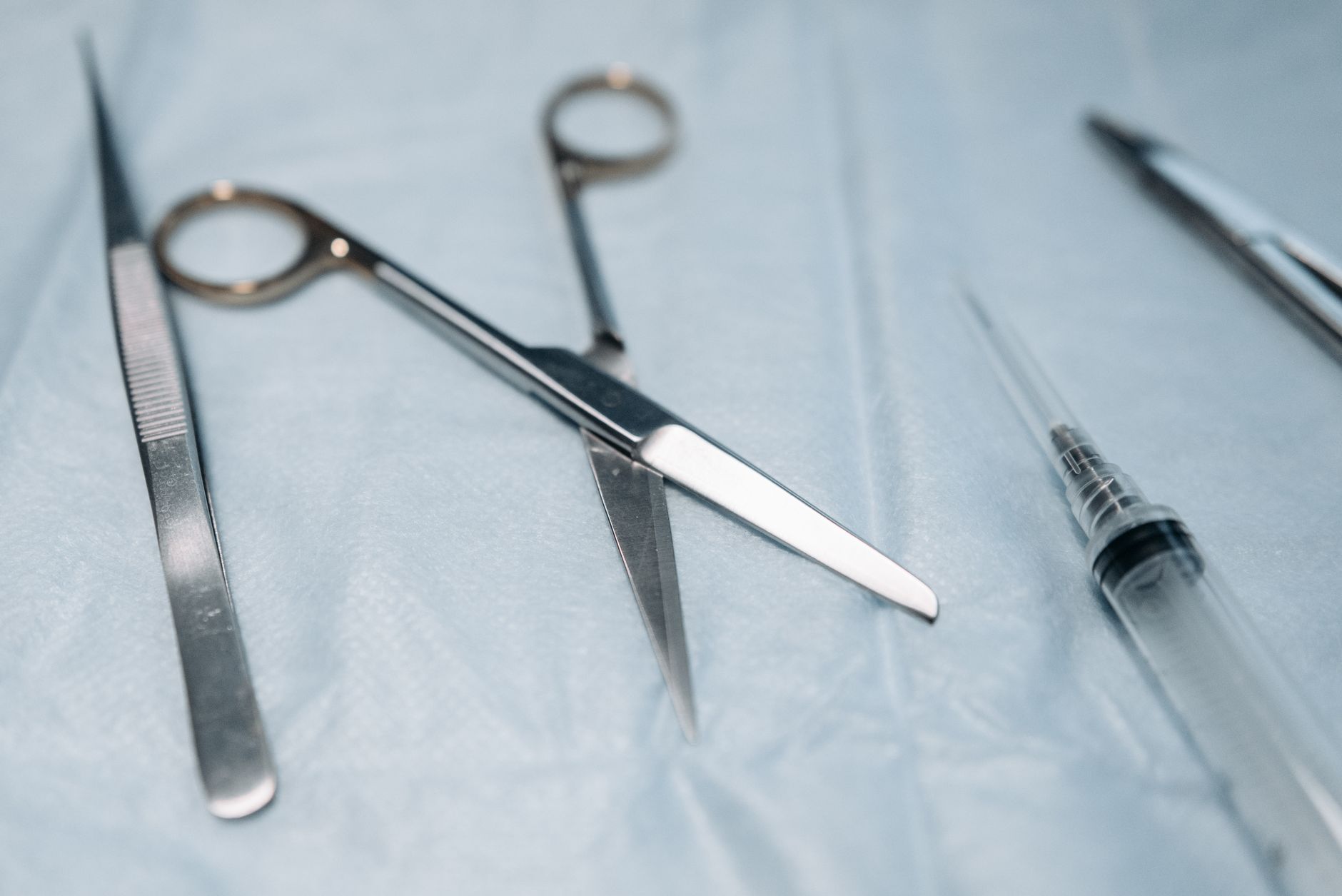
Dermaplaning, sometimes called skin‑smoothing, is a manual exfoliation technique that uses a sterile surgical scalpel or a specialized blade to gently scrape away dead skin cells and fine facial hair (peach fuzz). The process is quick—typically 10‑15 minutes—and leaves the skin feeling ultra‑smooth, allowing makeup to glide on more evenly. Professional dermaplaning is performed in a spa or dermatology office, while at‑home kits use disposable, single‑use blades that mimic the same action.
Because the blade lightly contacts the epidermis, the procedure is considered minimally invasive. It does not involve chemicals, heat, or deep skin injury, which is why many people view it as a “safe” facial treatment. However, the act of using a blade on the face does create tiny micro‑abrasions, which can increase the risk of infection if not done under sterile conditions—a particular concern during pregnancy when the immune system is naturally modulated.
Is dermaplaning safe during the first trimester of pregnancy?
During the first trimester, the embryo is undergoing organogenesis, the critical period when the major organs form. ACOG (American College of Obstetricians and Gynecologists) recommends postponing elective skin procedures—such as chemical peels, laser resurfacing, and even dermaplaning—until after this window because the evidence, while limited, does not rule out a small theoretical risk of infection or inadvertent trauma.
Most dermatologists echo this sentiment, noting that the risk of a minor skin infection could be higher in early pregnancy due to subtle immune changes. If you’re already in your first trimester and have already had a dermaplaning session, keep the area clean, avoid harsh products for a few days, and monitor for redness or pus. In most cases, no serious complications arise, but it’s still wise to discuss any skin procedures with your obstetric provider.
Because the first trimester is also a time when many women experience heightened skin sensitivity, opting for ultra‑gentle moisturizers or low‑dose AHAs can provide a glow without the need for a blade. This approach respects the precautionary principle while still letting you enjoy a fresh‑faced look.
Additional insight: If you’re already pregnant and have a strong desire for smoother skin, consider a short‑term “skin‑reset” plan using gentle, fragrance‑free cleansers and barrier‑supporting moisturizers. These products can improve texture without creating micro‑injuries, and they are well‑tolerated throughout early pregnancy.
Can I dermaplane in my second trimester without any risks?
T
he second trimester is often called the “safe window” for many elective procedures, including dental cleanings and certain cosmetic treatments. According to the NHS (National Health Service, UK) and ACOG, dermaplaning performed by a licensed professional using sterile, single‑use blades is generally considered safe during weeks 14‑27 provided there are no contraindications such as active skin infections or bleeding disorders.
Because the skin’s blood flow increases during pregnancy, your practitioner may take extra care to ensure the blade is truly sterile and that the treatment area is pre‑cleansed. Most reported side effects remain mild—temporary redness, a faint tingling sensation, or mild flaking—and resolve within a day or two. Nevertheless, it’s still advisable to limit sessions to once every four to six weeks to give the skin time to recover.
If you have a history of eczema or rosacea, let your provider know; they can adjust the technique or recommend a gentler alternative. Open communication helps tailor the experience to your unique skin profile and keeps both you and your baby safe.
Why timing matters: The second trimester also coincides with a surge in collagen production, which can aid in faster skin healing after a dermaplaning session. This physiological boost is one reason many clinicians view the period as optimal for low‑risk skin work.
What are the recommended frequency and duration for dermaplaning while pregnant?
Professional guidelines do not specify an exact “dose” for dermaplaning, but consensus among dermatologists suggests a conservative schedule: no more than one session every four to six weeks. Each session typically lasts 10‑15 minutes; a longer treatment does not increase benefit and may raise irritation risk.
For at‑home kits, the same rule applies—use the device no more than once a month, and always follow the manufacturer’s instructions regarding blade replacement. Over‑exfoliation can compromise the skin barrier, leading to dryness or heightened sensitivity, which can be uncomfortable during pregnancy when hormonal changes already make skin more reactive.
After giving birth, many women find that their skin returns to a more stable state within a few weeks, allowing them to safely increase frequency if desired. However, it’s still prudent to keep a watchful eye on how your skin feels after each session.
Practical tip: Keep a simple calendar or notes app to track the date of each dermaplaning session. This helps you stay within the recommended interval and makes it easier to discuss any concerns with your dermatologist.
Are there specific dermaplaning tools or brands safe for pregnant women?
When choosing an at‑home dermaplaning tool, look for brands that emphasize single‑use, medical‑grade stainless‑steel blades and provide clear sterilization instructions. While no official “pregnancy‑safe” certification exists for these devices, products such as the Dermalogica Dermaplaning Tool and the SmoothSkin™ Professional Dermaplaning Kit have been praised for their hygiene standards.
Key safety features to verify include:
Blade is disposable and sealed until use.
Handle is ergonomic to reduce the chance of slipping.
Manufacturer provides a clear sterilization protocol.
Even with a reputable brand, it’s best to have a professional perform the first session to ensure proper technique, then you may replicate the routine at home if you’re comfortable. Some brands also carry a CE mark (European Conformity), indicating compliance with safety standards that can add an extra layer of reassurance.
Choosing wisely: If you’re uncertain about a brand’s sterility claims, check for FDA registration or contact the manufacturer directly for documentation. A quick email can provide peace of mind before you purchase.
What are the potential risks and side effects of dermaplaning during pregnancy?
While serious complications are rare, the following risks deserve attention:
Infection: Tiny abrasions can serve as entry points for bacteria, especially if the blade isn’t sterile.
Skin irritation: Redness, mild swelling, or a temporary “tight” feeling are common and usually resolve quickly.
Hyperpigmentation: For women prone to melasma (the “mask of pregnancy”), dermaplaning can sometimes exacerbate dark patches if the skin is overly sensitive.
Bleeding: Minor pinpoint bleeding may occur, especially if you have a tendency toward easy bruising.
Very rarely, deeper infections such as cellulitis have been reported after improper sterilization. Promptly cleaning the area and monitoring for worsening symptoms can prevent escalation. If you notice any of the red‑flag signs listed later in this article, contact your provider without delay.
Contextual note: The risk profile is comparable to other superficial exfoliation methods, but pregnancy‑related immune modulation means you should be especially diligent about post‑procedure hygiene.
What safer skin‑care alternatives can pregnant women use instead of dermaplaning?
When you’re looking for a radiant complexion without a blade, consider these low‑risk options that work well with pregnancy‑related hormonal changes. They provide exfoliation, texture smoothing, or brightening effects while minimizing infection risk.
The Ordinary Lactic Acid 5% + HA: A gentle chemical exfoliant that brightens without a blade.
CeraVe Renewing SA Cleanser: Contains salicylic acid for mild exfoliation while supporting the skin barrier.
First Aid Beauty Facial Radiance Pads: Pre‑soaked pads with a low‑dose alpha‑hydroxy acid (AHA) blend.
Dermalogica Daily Microfoliant: Rice‑based powder that activates with water for a soft, brush‑like exfoliation.
Burt’s Bees Facial Scrub: A natural, sugar‑based scrub that gently buffs dead cells.
Silicone facial brush: A non‑abrasive tool that improves circulation and smoothness.
Dry brushing with a natural bristle brush: Improves lymphatic flow and exfoliates without chemicals.
Why these work: Each option either avoids mechanical abrasion or uses low‑strength acids that are deemed safe for pregnant skin, providing a glow without the infection concerns tied to blades.
How does dermaplaning affect pregnancy‑related skin conditions like melasma?
Melasma, often triggered by hormonal shifts in pregnancy, appears as brown patches on the cheeks, forehead, and upper lip. Dermaplaning can temporarily improve the appearance of fine lines and surface texture, but it may also accentuate melasma by removing the top layer of pigment, leading to a more pronounced contrast.
Most dermatologists recommend avoiding dermaplaning if you have active melasma, especially in the first trimester, and instead opting for gentle, non‑abrasive methods like the enzyme masks or low‑dose AHAs listed above. If you do choose dermaplaning, schedule it after the second trimester and follow up with a broad‑spectrum sunscreen (SPF 30 or higher) to protect the freshly exposed skin.
After delivery, melasma often fades, and the timing of any dermaplaning can be re‑evaluated based on your skin’s recovery and personal comfort.
Special consideration: Women with melasma should also be cautious with any post‑procedure products containing retinoids or high‑strength acids, as these can further irritate pigmented skin during pregnancy.
Choose a dermaplaning kit with single‑use sterile blades and always follow strict hygiene practices.
First trimester (0‑13 weeks)
During organ formation, ACOG advises postponing elective skin procedures. If you’re eager to maintain a smooth complexion, focus on gentle moisturizers and low‑dose AHAs instead. Should you already have a dermaplaning appointment, ensure the provider uses a new, sterile blade and that the treatment area is thoroughly disinfected.
Second trimester (14‑27 weeks)
This period is the most favorable for dermaplaning. The skin’s increased elasticity and blood flow support faster healing. Limit sessions to once every four to six weeks, and always opt for a licensed esthetician or dermatologist who follows strict infection‑control protocols.
Third trimester (28‑40 weeks)
As pregnancy progresses, skin may become more sensitive, and the risk of developing stretch marks rises. Many providers suggest skipping dermaplaning in the final weeks, especially if you notice increased bruising or skin tightening. If you must proceed, keep the treatment brief and avoid any post‑procedure products that could irritate the skin.
Breastfeeding
Post‑delivery, dermaplaning does not interfere with milk supply. However, maintain rigorous hygiene, as postpartum hormonal shifts can make the skin more prone to infection. Continue using a gentle cleanser and sunscreen to protect the newly exposed skin cells.
Safe dosage / amount / brands
Because dermaplaning is a mechanical procedure rather than a medication, “dosage” refers to how often you perform it and how many passes you make with the blade. The consensus among dermatologists and the FDA’s Cosmetic Safety Guidelines is:
Professional sessions: No more than one 10‑15‑minute session every 4‑6 weeks.
At‑home kits: Use a new blade once a month; limit each session to a single pass over each facial zone.
Brands with strong safety reputations: Dermalogica Dermaplaning Tool, SmoothSkin™ Professional Dermaplaning Kit, and any device that offers FDA‑registered single‑use blades.
Avoid tools that reuse blades or lack clear sterilization instructions, as these increase infection risk. If you’re uncertain about a specific brand, ask your dermatologist or check the product’s FDA registration status. Some insurance plans may cover a single professional dermaplaning session if it’s deemed medically necessary for severe acne, but this is uncommon.
Enzyme masks offer a chemical‑free way to achieve smoother skin without blades.
Side effects and risks
Most side effects are mild and temporary. Expect a faint pinkish hue or slight tingling that fades within 24 hours. However, be aware of the following red‑flag signs that warrant prompt medical attention:
Persistent redness or swelling lasting more than three days.
Visible pus, foul odor, or increasing pain—possible infection.
Unusual bruising or bleeding that doesn’t stop within a few minutes.
Fever over 100.4 °F (38 °C) accompanied by skin changes.
If any of these occur, call your obstetrician or seek urgent care. Otherwise, standard post‑procedure care—gentle cleansing, moisturization, and sunscreen—will keep your skin comfortable.
Additional precaution: Because pregnancy hormones can make skin more reactive, consider using a fragrance‑free, hypoallergenic moisturizer after dermaplaning to reinforce the skin barrier.
Safer alternatives
Choosing a non‑abrasive method reduces the chance of infection while still delivering a luminous complexion. Below are the top options that dermatologists frequently recommend for pregnant skin:
The Ordinary Lactic Acid 5% + HA – gentle AHA exfoliation that brightens without a blade.
CeraVe Renewing SA Cleanser – mild salicylic acid for smooth texture and acne control.
First Aid Beauty Facial Radiance Pads – pre‑moistened pads with low‑dose AHAs for easy use.
Dermalogica Daily Microfoliant – rice‑based powder that activates into a creamy exfoliant.
Burt’s Bees Facial Scrub – natural sugar crystals that soften skin without harsh chemicals.
Papaya Enzyme Mask – fruit enzymes dissolve surface dead cells, ideal for sensitive skin.
Silicone facial brush – non‑abrasive tool for improved circulation.
Dry brushing with a natural bristle brush – improves lymphatic flow and gentle exfoliation.
Each of these options avoids the mechanical injury associated with dermaplaning, making them a prudent choice when you want glow without added risk.
Related items — safety at a glance
Item
Verdict
One‑line note
Microdermabrasion
⚠️ Caution
Similar abrasion risk; best after first trimester.
Chemical peel
❌ Best avoided
Acids can cause irritation and affect fetal development.
Laser resurfacing
❌ Best avoided
Thermal injury risk; generally postponed until postpartum.
Low‑energy light; often used for acne or inflammation.
Microneedling (derma roller)
⚠️ Talk to doctor
Creates micro‑injuries; risk of infection higher in pregnancy.
Exfoliating acid masks
⚠️ Caution
Higher acid concentrations may irritate sensitive pregnancy skin.
Myth vs. fact
Myth: Dermaplaning is completely risk‑free because it only removes dead skin cells. Fact: While generally low‑risk, the tiny abrasions can allow bacteria to enter, especially when the immune system is altered during pregnancy.
Myth: All facial treatments are safe after the first trimester. Fact: Procedures that involve heat, chemicals, or deep skin injury (e.g., chemical peels, laser resurfacing) remain contraindicated even in later trimesters.
Myth: At‑home dermaplaning tools are as safe as professional treatments. Fact: Without the guarantee of sterile technique and proper training, at‑home kits carry a higher infection risk; use them only after a professional session and follow strict hygiene.
Key takeaways
Dermaplaning is not outright forbidden, but most experts recommend waiting until the second trimester.
Limit sessions to once every 4‑6 weeks and always use a new, sterile blade.
Watch for signs of infection or prolonged irritation; contact your provider if they appear.
Pregnant‑friendly alternatives—gentle AHAs, enzyme masks, silicone brushes—offer similar glow without the blade.
If you have melasma or other pigment changes, avoid dermaplaning until after delivery or choose milder exfoliation methods.
Post‑partum skin often stabilizes quickly, allowing you to revisit dermaplaning with a fresh perspective.
Frequently asked questions
Can dermaplaning cause infections during pregnancy?
Yes, it can. The tiny micro‑abrasions created by the blade may allow bacteria to enter the skin, especially if the tool isn’t sterile. Using a professional provider with single‑use blades and keeping the area clean greatly reduces this risk.
Is it okay to get a facial dermaplaning treatment while pregnant?
Generally, it is considered acceptable in the second trimester if performed by a licensed professional using sterile equipment. In the first trimester, most obstetricians recommend postponing the procedure, and many advise caution in the third trimester.
How often can a pregnant woman safely dermaplane?
Limit dermaplaning to once every four to six weeks. Over‑exfoliation can compromise the skin barrier, leading to dryness or irritation, which may be more uncomfortable during pregnancy.
What are the benefits of dermaplaning for pregnant skin?
Dermaplaning can temporarily remove peach‑fuzz hair and dead skin cells, making makeup glide on smoother and giving a subtle radiance. However, these benefits are short‑term and can be achieved with gentler, non‑abrasive methods.
Do I need to avoid dermaplaning if I have melasma during pregnancy?
Yes, it’s best to avoid dermaplaning if you have active melasma. The procedure may accentuate dark patches by removing the top pigmented layer, making the condition appear more pronounced.
Are there any contraindications for dermaplaning in the third trimester?
In the third trimester, increased skin sensitivity and the risk of developing stretch marks make dermaplaning less advisable. If you must proceed, ensure the provider uses a sterile blade and keep the session brief.
Can I use at‑home dermaplaning tools while pregnant?
At‑home tools can be used, but only if you follow strict hygiene: use a fresh, single‑use blade each time, disinfect the handle, and limit sessions to once a month. Consider safer alternatives like enzyme masks if you’re uncertain.
What should I expect after dermaplaning during pregnancy?
After a session, you may notice mild redness, a slight tingling sensation, and a smoother texture. Apply a gentle, fragrance‑free moisturizer and a broad‑spectrum sunscreen (SPF 30 or higher) to protect the freshly exposed skin.
Is dermaplaning safe for acne‑prone skin during pregnancy?
Dermaplaning can help acne by removing dead skin that clogs pores, but the micro‑abrasions may also trigger inflammation in some cases. If you have active breakouts, discuss with your dermatologist; a low‑dose salicylic acid cleanser is often a safer first step.
Can I dermaplane my neck or décolletage while pregnant?
These areas are more delicate and can be more sensitive to hormonal changes. Most providers advise limiting dermaplaning to the face during pregnancy and avoiding the neck or chest unless a specialist feels it’s safe.
Is dermaplaning safe for sensitive skin during pregnancy?
For sensitive skin, dermaplaning can increase irritation because the blade creates micro‑abrasions. If you notice heightened redness or stinging after a session, switch to a milder alternative like a lactate‑based cleanser or enzyme mask.
Can I combine dermaplaning with other facial treatments while pregnant?
Combining dermaplaning with strong chemical peels, laser therapy, or intense light treatments is not recommended during pregnancy. Stick to one gentle procedure at a time and always discuss the plan with your obstetrician.
When to call your doctor
Contact your obstetrician or seek urgent care if you notice any of the following after dermaplaning:
Persistent redness, swelling, or pain lasting more than 72 hours.
Visible pus, foul odor, or increasing warmth around the treated area.
Any sudden change in fetal movement after the procedure.
These signs may indicate infection or an adverse reaction that warrants professional evaluation. Remember, this article provides general information and is not a substitute for personalized medical advice.
References
American College of Obstetricians and Gynecologists (ACOG). “Guidelines for Cosmetic Procedures During Pregnancy.” 2023.
National Health Service (NHS). “Pregnancy and Skin Care.” Updated 2022.
U.S. Food and Drug Administration (FDA). “Cosmetic Product Safety.” 2021.
American Academy of Dermatology (AAD). “Dermaplaning: What You Need to Know.” 2022.
Centers for Disease Control and Prevention (CDC). “Infection Prevention in Clinical Settings.” 2020.
World Health Organization (WHO). “Guidelines for Safe Use of Cosmetic Devices.” 2021.
Mayo Clinic. “Melasma: Causes and Treatments.” 2023.
Not sure about the label on Is Dermaplaning Safe During Pregnancy products?
Snap the ingredients list and SafeFilter checks every ingredient for your stage — only 3 free scans this month, then you're locked until reset. Unlimited from $7/mo or $50/yr.
When Shubhra Mishra was expecting her first child in 2016, she was overwhelmed by conflicting food advice — one site said yes, another said never. By the time her second baby arrived in 2019, she realized millions of mothers face the same confusion.
That sparked a five-year journey through clinical nutrition papers, cultural diets, and expert conversations — all leading to BumpBites: a calm, compassionate space where science meets everyday motherhood.
Her long-term vision is to build a global community ensuring safe, supported, and free deliveriesfor every mother — because no woman should face pregnancy alone or uninformed. 🌿
🌍 Stand with mothers, shape safer guidance
Join a small circle of experts who review BumpBites articles so expecting parents everywhere can decide with confidence.