Is bouldering safe during pregnancy? It's conditionally safe, primarily in the first trimester. Understand the risks of falls and body changes. Learn expert
By Shubhra Mishra — a mom of two who turned her own confusion during pregnancy into BumpBites, a global mission to make food choices clear, safe, and stress-free for every expecting mother. 💛
Check whether any food is safe during pregnancy with the BumpBites Food Safety Checker.
Quick verdict: ⚠️ Safe with limits, but often best avoided or significantly modified as pregnancy progresses. While many forms of exercise are encouraged during pregnancy, bouldering carries unique risks, primarily related to falls and abdominal trauma, which become more significant as your body changes. Always consult your healthcare provider before continuing or starting bouldering while pregnant.
Finding out you're pregnant often means re-evaluating many aspects of your life, from your diet to your daily routine, and especially your favorite activities. If you're an avid boulderer, you're likely asking: is bouldering safe during pregnancy? Perhaps you've already hit the climbing gym a few times since your positive test and now you're wondering if you made the right call, or you're weighing whether to continue your passion. That late-night Google search for "is bouldering safe during pregnancy" is a common one, and we understand the mix of excitement and anxiety you're feeling.
The good news is that staying active during pregnancy is generally beneficial for both you and your baby. However, not all activities are created equal, and bouldering presents some specific considerations that need careful thought. At BumpBites, we're here to help you understand the nuances, backed by expert guidance, so you can make informed decisions and enjoy a healthy, active pregnancy.
Trimester/Stage
Verdict
Notes
First Trimester
⚠️ Safe with limits
Lower risk of abdominal trauma due to protected uterus, but fatigue and morning sickness may limit activity. Focus on maintaining strength and listening to your body. Avoid high falls.
Second Trimester
⚠️ Safe with limits / Talk to your doctor
Belly begins to show, shifting center of gravity. Increased relaxin can loosen joints. Higher risk of falls and potential abdominal trauma. Significant modifications and caution are essential.
Third Trimester
❌ Best avoided
Significantly altered balance, pronounced joint laxity, and high risk of falls. Abdominal trauma from a fall poses serious risks to both mother and baby, including placental abruption.
Breastfeeding
✅ Generally safe
Return to bouldering gradually. Hydration is key. Watch for nipple soreness from tight sports bras or chafing. Listen to your body as hormones continue to fluctuate post-delivery.
What is Bouldering?
Bouldering is a form of rock climbing performed on smaller rock formations or artificial rock walls, typically no higher than 15-20 feet, without the use of ropes or harnesses for safety. Instead, boulderers rely on crash pads placed on the ground to cushion potential falls. The focus is on short, challenging "problems" or routes that test strength, technique, and problem-solving skills. Unlike roped climbing, which often involves sustained endurance, bouldering is characterized by intense bursts of effort followed by rest.
Participants typically wear specialized climbing shoes and use chalk to improve grip. Bouldering can be done indoors at climbing gyms, which offer a controlled environment with padded floors, or outdoors on natural rock faces. While it's an excellent full-body workout that builds strength, flexibility, and coordination, the inherent risk of falling is a defining characteristic of the sport. This distinction from other forms of exercise becomes particularly important when considering bouldering safety during pregnancy.
Even in a controlled indoor environment, the risk of falling is always present in bouldering.
Is Bouldering Safe During Pregnancy?
W
hen considering if bouldering is safe during pregnancy, the answer isn't a simple yes or no; it's a qualified "yes, with significant caution and modifications, especially in early pregnancy, but often best avoided as pregnancy progresses." The American College of Obstetricians and Gynecologists (ACOG) generally recommends 150 minutes of moderate-intensity aerobic activity per week for pregnant individuals. However, ACOG also advises against activities with a high risk of falling or abdominal trauma. This is where bouldering presents a unique challenge.
The primary concern with bouldering during pregnancy is the unavoidable risk of falling. Even experienced climbers can fall unexpectedly, and while crash pads mitigate injury, they don't eliminate it entirely. A fall, particularly one that results in direct impact to the abdomen, can have serious consequences, including placental abruption (where the placenta separates from the uterus), preterm labor, or fetal injury. While the uterus is well-protected by the pelvis in the first trimester, this protection decreases significantly as the pregnancy advances and the uterus grows larger and extends above the pelvic bone.
Beyond the direct risk of falls, pregnancy brings several physiological changes that impact a boulderer's ability and safety. Hormones like relaxin increase joint laxity throughout the body, making ligaments and joints more pliable. While beneficial for childbirth, this can increase the risk of sprains, strains, and dislocations during strenuous activities like bouldering. Additionally, your center of gravity shifts as your belly grows, affecting balance and making falls more likely. Overheating and dehydration are also concerns during any intense exercise, and pregnant individuals need to be extra vigilant.
Ultimately, whether you can continue bouldering safely depends heavily on your individual experience level, how your pregnancy is progressing, and the advice of your healthcare provider. For most, especially as the second and third trimesters unfold, the potential risks outweigh the benefits, and safer alternatives are highly recommended.
Is Bouldering Safe in Early Pregnancy (First Trimester)?
During the first trimester, the uterus is still nestled deep within the pelvis, offering a degree of protection to the developing embryo. For this reason, the risk of direct abdominal trauma from a fall is lower compared to later trimesters. If you were bouldering regularly before pregnancy and have an uncomplicated pregnancy, your doctor might clear you to continue with significant modifications. However, this is also a period where many experience intense fatigue, morning sickness, and increased breast tenderness, which can make bouldering feel less appealing or even unsafe due to reduced energy and focus.
The primary concern in the first trimester remains the risk of falling. While direct impact to the uterus might be less likely, a hard fall could still lead to sprains, fractures, or other injuries that could complicate your pregnancy or require medication you'd prefer to avoid. Listen carefully to your body; if you feel unusually tired, nauseous, or dizzy, it's a clear sign to rest. Avoid pushing your limits, stick to easier routes, and focus on maintaining your existing strength rather than trying new, challenging problems. The ACOG generally advises against sports with a high risk of falling, even in early pregnancy, so a discussion with your doctor is crucial.
Can You Go Bouldering in Your Second Trimester?
The second trimester often brings a renewed sense of energy, but it's also when significant physical changes begin to accelerate. Your belly will start to show, shifting your center of gravity and making you less stable. This change in balance means that falls become much more likely. Furthermore, the uterus is now growing above the pelvic bone, making it more vulnerable to direct impact from a fall. The hormone relaxin, which increases joint flexibility in preparation for childbirth, is also more active, making your ligaments and joints more susceptible to injury, such as sprains or dislocations, during dynamic movements inherent in bouldering.
For these reasons, most obstetricians and organizations like the NHS strongly recommend avoiding activities with a high risk of falling, including bouldering, during the second and third trimesters. If you do choose to continue, it should only be with your doctor's explicit approval and under extremely modified conditions: sticking to very low-level climbs (traverse walls, V0-V1 problems), never climbing high enough to risk a hard fall, and always having a spotter. Many pregnant climbers find that the discomfort of a growing belly and the increased risk make bouldering less enjoyable and more dangerous in this stage.
Bouldering in the Third Trimester
By the third trimester, the risks associated with bouldering become considerably higher, and it is almost universally recommended to cease the activity. Your center of gravity is significantly altered, making falls a much greater possibility. The cumulative effects of relaxin mean your joints are at their most lax, increasing the risk of serious injury from a simple misstep or awkward landing. Any fall, even a seemingly minor one, could result in direct abdominal trauma, which carries severe risks for both you and your baby, including placental abruption, premature labor, or fetal distress.
The physical demands of bouldering, including core engagement and dynamic movements, can also put undue strain on your body, potentially exacerbating conditions like diastasis recti or pelvic floor dysfunction. The increased blood volume and metabolic rate mean you're also more prone to overheating and dehydration, which are dangerous for pregnancy. For the safety of both mother and baby, the consensus among medical professionals is that bouldering should be avoided entirely in the third trimester. Focus on gentler, low-impact exercises that support your body without putting it at risk.
Bouldering While Breastfeeding
Once your baby has arrived, and you've received clearance from your healthcare provider, you can generally return to bouldering while breastfeeding. There are no direct safety concerns for your baby related to the activity itself. However, there are a few considerations for your own comfort and well-being. Hydration is paramount, as breastfeeding significantly increases your fluid needs. Ensure you're drinking plenty of water before, during, and after your bouldering sessions to maintain milk supply and prevent dehydration.
Your body will still be recovering from childbirth, and hormonal shifts will continue to affect your joints and ligaments. Relaxin levels remain elevated for several months postpartum, so ease back into bouldering gradually to avoid injury. You might also find that tight sports bras or the impact of certain movements can cause nipple soreness or engorgement. Choose supportive, comfortable bras, and consider feeding your baby or pumping before your session to alleviate discomfort. Listen to your body and don't push yourself too hard too soon.
How to Modify Bouldering for Pregnancy Safety
If your healthcare provider has given you the green light to continue bouldering in early pregnancy, or with significant modifications in the second trimester, it's crucial to adjust your approach to prioritize safety. The goal is to maintain fitness without introducing unnecessary risks. Here’s how you can modify bouldering for pregnancy:
Stay Low: This is the most critical modification. Never climb high enough that a fall would be more than a short, controlled drop onto a crash pad. Focus on traverses (climbing horizontally) rather than vertical ascents. The moment you feel you might fall from a height, downclimb or drop safely.
Stick to Easier Grades: Forget about projecting hard problems. Focus on V0-V2 routes that require minimal effort and allow you to maintain control. The goal is movement and strength maintenance, not progression.
Prioritize Downclimbing: Instead of dropping from the top of a problem, always try to downclimb as much as possible to reduce the impact on your joints and minimize fall height.
Avoid Dynamic Moves: "Dynos" or powerful, jumping movements increase the risk of losing control and falling. Stick to static, controlled movements where at least three points of contact (two hands, one foot; or two feet, one hand) are maintained at all times.
Listen to Your Body: Fatigue, dizziness, shortness of breath, or any pain are immediate signals to stop. Pregnancy changes your energy levels and physical limits.
Stay Hydrated and Cool: Bouldering can be strenuous. Drink plenty of water before, during, and after your session. Avoid bouldering in overly hot or humid conditions to prevent overheating.
Wear Appropriate Footwear: Ensure your climbing shoes are comfortable and not too tight, as feet can swell during pregnancy.
Consider a Spotter: Even on easier problems, having a trusted spotter can help guide a fall or provide moral support, although it does not eliminate the risk.
Avoid Abdominal Compression: As your belly grows, avoid positions or movements that compress your abdomen or put direct pressure on it.
Indoor Bouldering is Preferable: If you continue, indoor bouldering gyms offer a more controlled environment, softer crash pads, and often better temperature control compared to outdoor bouldering. The unpredictability of outdoor terrain and weather adds extra layers of risk.
What Are the Risks of Bouldering While Pregnant?
While exercise is beneficial, the specific nature of bouldering introduces several risks that make it less suitable for pregnancy compared to other activities. Understanding these risks is crucial for making an informed decision:
Impact of Falls on Pregnancy and Abdominal Trauma: This is the most significant risk. Even a seemingly minor fall can lead to direct trauma to the abdomen, especially as the uterus grows beyond the protection of the pelvis. Abdominal trauma can cause serious complications such as placental abruption (where the placenta detaches from the uterine wall), preterm labor, premature rupture of membranes, or direct fetal injury. The force of a fall, even onto a crash pad, can be substantial.
Changes in Balance and Center of Gravity: As your pregnancy progresses, your growing belly shifts your center of gravity forward and upward. This alters your balance and coordination, making you inherently less stable and more prone to losing your footing or grip, thereby increasing the likelihood of a fall.
Hormonal Effects on Ligaments and Joints (Relaxin): The hormone relaxin, produced during pregnancy, increases the laxity of ligaments and joints throughout your body, preparing your pelvis for childbirth. While essential for delivery, this increased flexibility makes your joints more unstable and susceptible to sprains, strains, and dislocations during strenuous or dynamic movements common in bouldering. This applies to ankles, knees, wrists, and shoulders.
Diastasis Recti: Bouldering often involves intense core engagement, including movements that can place significant strain on the abdominal muscles. This can exacerbate or contribute to diastasis recti, a common condition where the rectus abdominis muscles (the "six-pack" muscles) separate down the midline. While diastasis recti is not dangerous, it can lead to back pain and affect core function postpartum.
Overheating Risks: Intense physical activity like bouldering can lead to overheating, which can be dangerous during pregnancy, particularly in the first trimester, as it has been linked to neural tube defects. Pregnant individuals have an increased metabolic rate and blood volume, making them more susceptible to heat stress.
Dehydration Needs During Exercise: Bouldering, like any strenuous exercise, increases your fluid needs. Dehydration during pregnancy can lead to complications such as Braxton Hicks contractions or reduced blood flow to the placenta. Maintaining adequate hydration is crucial, but it can be challenging to achieve during intense, focused activity.
Pelvic Floor Issues: The straining and high-impact landings associated with bouldering can put additional pressure on the pelvic floor, potentially contributing to or worsening issues like urinary incontinence or pelvic organ prolapse, especially as pregnancy progresses and postpartum.
Given these cumulative risks, the consensus among medical professionals is that the potential for harm outweighs the benefits of continuing bouldering, especially beyond the first trimester. Your health and the baby's safety should always be the priority.
Safe Climbing Alternatives for Pregnant Women
While bouldering becomes increasingly risky during pregnancy, staying active is still incredibly beneficial. The good news is there are plenty of safe and effective alternatives that can help you maintain strength, flexibility, and cardiovascular health without the fall risk. Here are some excellent choices:
Walking: A low-impact, accessible option that improves cardiovascular health and can be done almost anywhere.
Swimming: Provides a full-body workout without impact on joints, and the buoyancy of water can relieve pressure on your growing belly.
Prenatal Yoga: Focuses on flexibility, balance, and breathing techniques, specifically adapted for pregnant bodies.
Stationary Cycling: Offers a great cardiovascular workout with no fall risk, allowing you to control intensity.
Elliptical Training: A low-impact option that mimics running but reduces stress on joints.
Low-Impact Aerobics: Group classes or videos designed for pregnancy can keep you moving and motivated.
Prenatal Pilates: Strengthens core muscles (without exacerbating diastasis recti) and improves posture and body awareness.
Gentle Hiking: On even, well-maintained trails, hiking can offer fresh air and light cardio, but avoid uneven terrain or steep inclines.
Resistance Band Exercises: Excellent for building and maintaining muscle strength without heavy weights or high-impact movements.
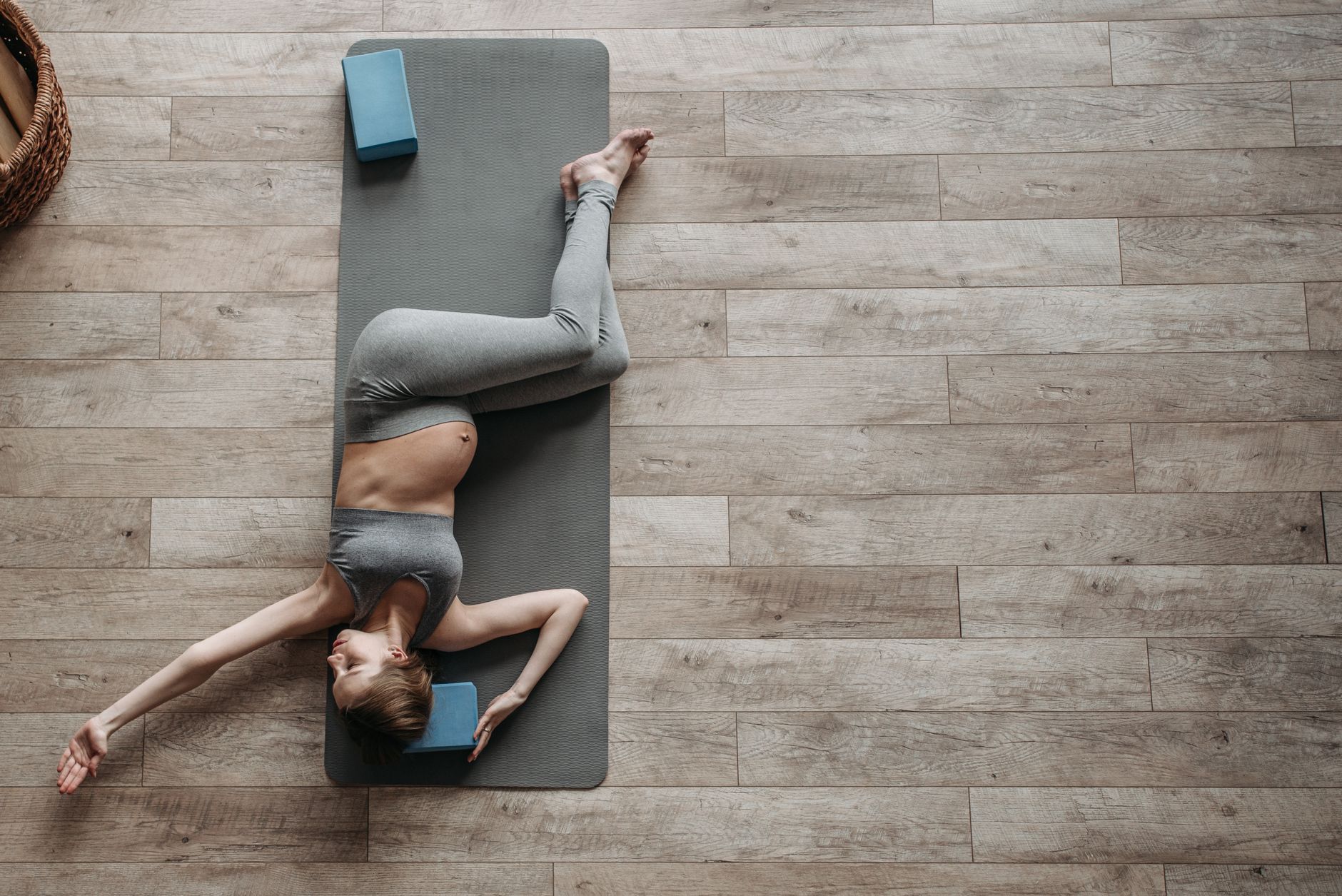
Prenatal yoga is a fantastic way to maintain flexibility, strength, and mindfulness without the risk of falls.
Related Items — Safety at a Glance
Understanding how bouldering stacks up against other physical activities during pregnancy can help you make broader choices about your fitness routine. Here's a quick look at the safety of several related or similarly intense activities:
Activity
Verdict
Note
Rock Climbing (Roped)
⚠️ Safe with limits
Safer than bouldering due to ropes, but harnesses may become uncomfortable/unsafe as belly grows; risk of falling onto rope.
Weightlifting
⚠️ Safe with limits
Generally safe if modified (lighter weights, no Valsalva maneuver), but avoid heavy lifting or exercises that strain the core.
Running
✅ Generally safe
Usually safe if you were a runner before pregnancy; listen to your body, stay hydrated, avoid overheating.
Hot Yoga
❌ Best avoided
High risk of overheating and dehydration, which can be dangerous for the baby.
Scuba Diving
❌ Best avoided
Risk of decompression sickness for the baby, even if mother is unaffected.
Horseback Riding
❌ Best avoided
High risk of falls and abdominal trauma, especially as pregnancy progresses.
Skiing (Downhill)
❌ Best avoided
High risk of falls, collisions, and injury; balance is compromised.
High-Intensity Interval Training (HIIT)
⚠️ Safe with limits
Can be modified to lower intensity; focus on listening to your body, avoid overheating and high-impact jumps.
Cycling (Road Biking)
⚠️ Safe with limits
Risk of falls from unstable balance; stationary cycling is a safer alternative.
Contact Sports
❌ Best avoided
High risk of abdominal trauma, falls, and direct blows to the body.
Myth vs. Fact
There are many misconceptions about exercise during pregnancy, especially for activities like bouldering. Let's clear up a few:
Myth: If you were an experienced boulderer before pregnancy, you can continue exactly as before.
Fact: While prior fitness is a great asset, pregnancy fundamentally changes your body. Your balance shifts, ligaments loosen, and energy levels fluctuate. Continuing bouldering without significant modifications – reducing height, avoiding dynamic moves, and sticking to much easier problems – can be dangerous. Your body's limits are different now, and pushing them can lead to injury for you or your baby.
Myth: The baby is completely protected by amniotic fluid, so a fall won't hurt them.
Fact: While amniotic fluid does provide cushioning, it's not foolproof. A significant fall, especially one involving direct impact to the abdomen, can cause serious complications like placental abruption, where the placenta detaches from the uterine wall. This is a medical emergency that can lead to severe bleeding and put both mother and baby at risk. The risk increases as the uterus grows larger and extends beyond the protection of the pelvis.
Myth: Any exercise during pregnancy is risky and should be avoided.
Fact: This is completely false! Regular, moderate exercise is highly recommended during pregnancy for most individuals. It can reduce back pain, ease constipation, decrease the risk of gestational diabetes and preeclampsia, and improve mood. The key is choosing safe activities, listening to your body, and avoiding high-risk sports like bouldering as pregnancy progresses, in favor of gentler options.
Many safe and effective alternatives can help you stay active and strong throughout your pregnancy.
Key Takeaways
Is bouldering safe during pregnancy? It's generally safe with extreme caution in the first trimester for experienced climbers, but best avoided in the second and third trimesters due to increased risks.
The primary risks include falls leading to abdominal trauma, joint instability due to relaxin, and altered balance.
If you continue, significant modifications are essential: stay low, stick to easy problems, avoid dynamic moves, and prioritize downclimbing.
Always consult your healthcare provider before continuing or starting bouldering or any strenuous exercise during pregnancy.
Listen intently to your body; any pain, dizziness, or discomfort means it's time to stop.
Many safer and highly beneficial exercise alternatives exist, such as swimming, prenatal yoga, and walking.
Frequently Asked Questions
Can you rock climb while pregnant?
Roped rock climbing is generally considered safer than bouldering due to the harness system preventing free falls, but it still carries risks. As pregnancy progresses, the harness can become uncomfortable or unsafe around the growing belly, and the impact of falling onto a rope can still be jarring. Many experts recommend avoiding it after the first trimester, or at least switching to top-roping only with a full-body harness, and always with your doctor's approval.
What exercises should pregnant women avoid?
Pregnant women should avoid activities with a high risk of falling (like bouldering, horseback riding, downhill skiing, cycling outdoors), contact sports, activities that involve direct abdominal trauma, scuba diving, and exercises that require lying flat on your back for extended periods after the first trimester. Also, avoid activities that cause overheating or dehydration, such as hot yoga.
Can I go to a climbing gym while pregnant?
You can go to a climbing gym while pregnant, but your activity within it should be significantly modified. For bouldering, this means sticking to low traverses and very easy problems, never climbing high enough to risk a hard fall. Consider using the gym's other facilities, such as the weight room for modified strength training or a yoga studio for prenatal classes, as safer alternatives.
Is it safe to lift weights while pregnant?
Yes, weightlifting is generally safe and beneficial during pregnancy, provided you modify your routine. Use lighter weights, focus on higher repetitions, and avoid holding your breath (Valsalva maneuver). Exercises that involve lying flat on your back should be avoided after the first trimester. Always listen to your body and consult your doctor or a qualified prenatal fitness expert.
What sports can you do while pregnant?
Many sports are safe and recommended during pregnancy, especially if you were active before. These include swimming, walking, jogging (if you were a runner), stationary cycling, prenatal yoga, prenatal Pilates, low-impact aerobics, and gentle hiking. The key is to choose activities with a low risk of falls, abdominal trauma, or overheating, and to listen to your body's signals.
Can you do pull-ups while pregnant?
You can generally continue doing pull-ups in early pregnancy if you were already doing them, but modifications become necessary as pregnancy progresses. As your belly grows, the movement might become uncomfortable or strain your core. Consider assisted pull-ups with a band or machine, or switch to modified back exercises that don't put direct strain on your abdomen or pelvic floor, like seated rows.
Is it safe to fall while pregnant?
No, it is generally not safe to fall while pregnant, especially as the pregnancy progresses. While the baby is protected by the uterus and amniotic fluid, a fall can lead to direct abdominal trauma, which carries serious risks such as placental abruption, preterm labor, or fetal injury. Any fall during pregnancy warrants a call to your healthcare provider to assess for potential complications.
What are the risks of exercise during pregnancy?
The risks of exercise during pregnancy primarily involve choosing inappropriate activities. These include activities with a high risk of falls or abdominal trauma, overheating, dehydration, or overexertion. However, for most healthy pregnancies, moderate, appropriate exercise has far more benefits than risks, including improved mood, better sleep, and reduced risk of gestational diabetes and preeclampsia.
When to Call Your Doctor
While staying active is encouraged during pregnancy, it's crucial to know when to seek medical attention, especially if you've been engaging in activities like bouldering or have experienced a fall. Call your doctor immediately if you experience any of the following:
Vaginal bleeding
Fluid leaking from the vagina
Regular, painful contractions
Decreased fetal movement
Dizziness or feeling faint
Headache
Chest pain
Calf pain or swelling
Muscle weakness affecting balance
Any sudden or severe abdominal pain, especially after a fall or impact
This information is for educational purposes only and is not a substitute for professional medical advice, diagnosis, or treatment. Always seek the advice of your physician or other qualified health provider with any questions you may have regarding a medical condition.
References
American College of Obstetricians and Gynecologists (ACOG). (2020). Physical Activity and Exercise During Pregnancy and the Postpartum Period. Committee Opinion No. 804.
National Health Service (NHS). (2023). Exercise in pregnancy.
Mayo Clinic. (2023). Pregnancy and exercise: Baby, let's move!
Centers for Disease Control and Prevention (CDC). (2022). Physical Activity During Pregnancy.
Not sure about the label on Is Bouldering Safe During Pregnancy products?
Snap the ingredients list and SafeFilter checks every ingredient for your stage — only 3 free scans this month, then you're locked until reset. Unlimited from $7/mo or $50/yr.
When Shubhra Mishra was expecting her first child in 2016, she was overwhelmed by conflicting food advice — one site said yes, another said never. By the time her second baby arrived in 2019, she realized millions of mothers face the same confusion.
That sparked a five-year journey through clinical nutrition papers, cultural diets, and expert conversations — all leading to BumpBites: a calm, compassionate space where science meets everyday motherhood.
Her long-term vision is to build a global community ensuring safe, supported, and free deliveriesfor every mother — because no woman should face pregnancy alone or uninformed. 🌿
🌍 Stand with mothers, shape safer guidance
Join a small circle of experts who review BumpBites articles so expecting parents everywhere can decide with confidence.