

Quick verdict: ⚠️ Talk to your doctor first. Acrylic nail extensions are generally considered low-risk during pregnancy, but the chemicals used and frequency of applications mean you should discuss them with your provider—especially in the first trimester. Occasional use (1-2 times per month) in a well-ventilated salon is typically safe after the first 12 weeks.
It’s 2 a.m., the phone’s buzzing, and you’re Googling, “is acrylic nails safe during pregnancy?” Maybe you just got a fresh set and now you’re panicking, or you’re trying to decide whether to cancel your next appointment. You’re not alone—this question keeps thousands of expectant parents up at night. The good news? The evidence suggests acrylic nails aren’t a major risk to your baby when used occasionally. But there are some important nuances to consider, like the type of chemicals used, how often you get them done, and which trimester you’re in.
In this guide, we’ll give you a clear, no-nonsense verdict on acrylic nail safety during pregnancy. We’ll break down the risks by trimester, explain how much exposure is too much, and share safer alternatives that keep your nails looking polished without the worry. We’ll also cover what to do if you’ve already had a manicure, how to spot a nail infection, and which brands are the safest. By the end, you’ll have a practical, evidence-based plan that aligns with guidelines from ACOG, the NHS, and the FDA—so you can stop stressing and start enjoying your pregnancy glow.
| Trimester / Phase | Verdict | Notes |
|---|---|---|
| First trimester | ⚠️ Talk to your doctor | Higher sensitivity to chemicals; limit to occasional use and ensure proper ventilation. Avoid strong fumes that may worsen nausea. |
| Second trimester | ✅ Generally safe | If no prior issues, occasional applications (≤1-2 per month) are acceptable. Opt for MMA-free products. |
| Third trimester | ✅ Generally safe | Same guidelines as second trimester; avoid prolonged exposure to strong fumes. Keep nails short for comfort. |
| Breastfeeding | ✅ Generally safe | Minimal systemic absorption; maintain good salon hygiene. Avoid acetone-based removers if handling baby frequently. |
What are acrylic nails?
Acrylic nails are artificial extensions created by mixing a liquid monomer (usually ethyl methacrylate or EMA) with a powdered polymer (poly(methyl methacrylate), or PMMA). When combined, these chemicals form a malleable paste that hardens into a durable nail tip. Salon technicians apply this mixture over your natural nail or a plastic tip, then shape and file it to your desired length and style. The process typically involves a primer to clean the nail, a bonding agent, and a top coat for shine.
People love acrylics because they’re long-lasting, customizable, and can transform short or brittle nails into a flawless manicure. They’re especially popular for special occasions, but many people keep them on for weeks or even months. However, the chemicals involved—particularly methyl methacrylate (MMA), which is banned in many salons—have raised concerns about inhalation exposure, skin irritation, and potential systemic effects. Understanding how these compounds work helps you make an informed decision about whether to use them during pregnancy.
It’s worth noting that not all acrylics are created equal. High-quality salons use FDA-approved, MMA-free products that release fewer volatile organic compounds (VOCs). Cheaper or unregulated brands may contain higher levels of MMA, which can cause stronger fumes and a higher risk of skin irritation. If you’re unsure about the products your salon uses, don’t hesitate to ask—they should be transparent about their ingredients.
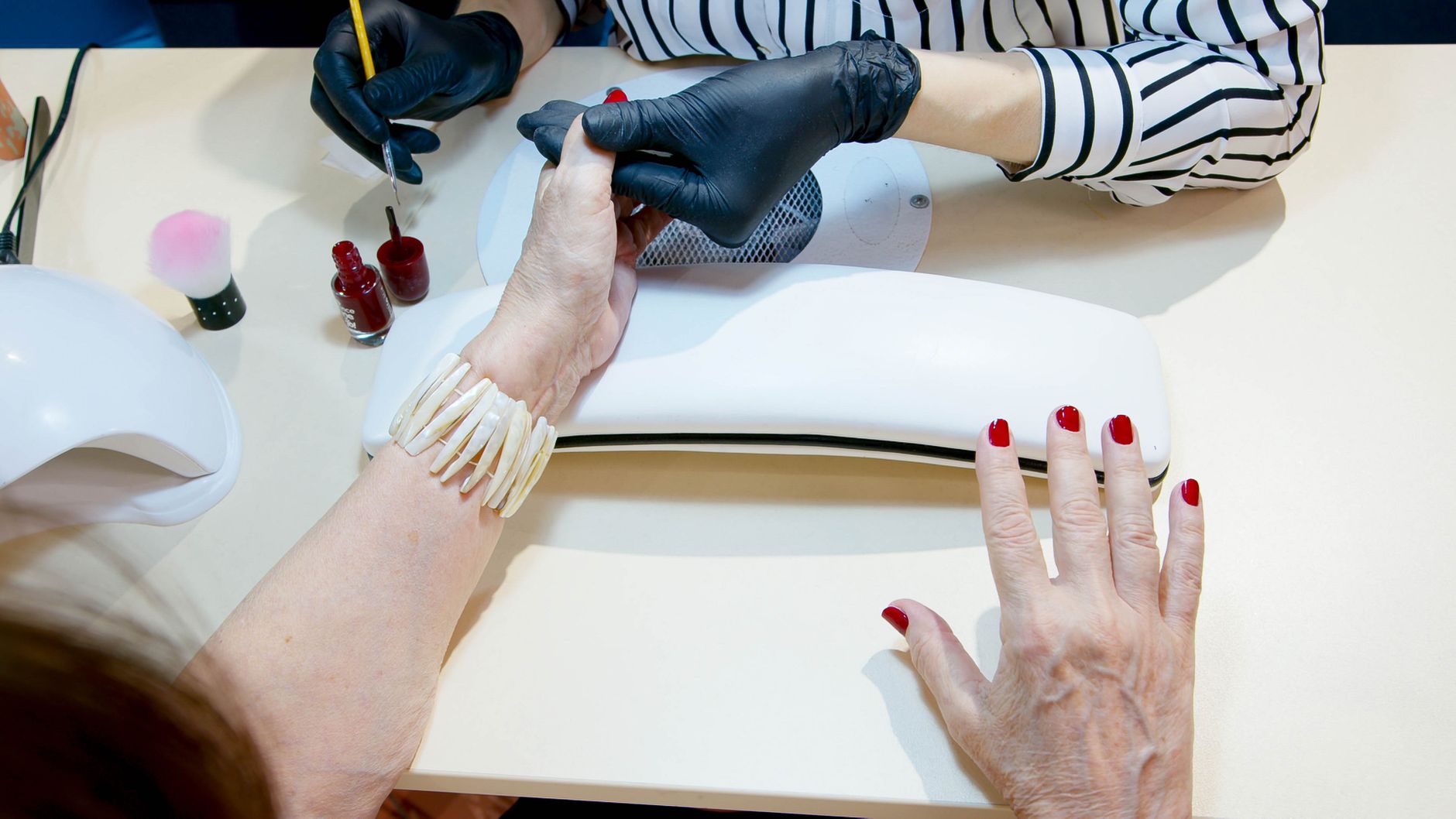
Is acrylic nail use safe during pregnancy?
The key phrase here is “occasional exposure.” Studies have shown that the levels of VOCs released during a typical acrylic nail application are well below the thresholds considered harmful to fetal development. For example, a 2020 study published in the Journal of Occupational and Environmental Medicine found that pregnant women exposed to low levels of salon chemicals did not have a higher risk of adverse pregnancy outcomes compared to unexposed women. However, the study also noted that prolonged or frequent exposure—such as working in a nail salon—could increase the risk of respiratory irritation or headaches, which are already common during pregnancy.
The Centers for Disease Control and Prevention (CDC) advises pregnant workers in nail salons to use protective equipment, such as masks and gloves, and to ensure adequate airflow to limit inhalation exposure. For clients, the risk is significantly lower, but it’s still important to take precautions. If you’re planning to get acrylic nails during pregnancy, opt for a reputable salon with good ventilation, request an MMA-free product, and limit your visits to once every 2-3 weeks.
Overall, the risk to the fetus from occasional acrylic nail use appears to be low. The bigger concerns are potential skin irritation or allergic reactions, which can lead to secondary infections—a scenario that may be more problematic during pregnancy due to changes in your immune system. If you have a history of asthma, allergies, or sensitive skin, you may want to discuss alternatives with your provider before proceeding.
Are acrylic nails safe to use during the first trimester of pregnancy?
The first trimester is a critical period of development for your baby. During these 12 weeks, the fetus’s major organs, nervous system, and limbs are forming, making it the most vulnerable time for exposure to potential teratogens—substances that can cause birth defects. While the monomers used in acrylic nails are not classified as teratogens, the strong fumes released during application can cause dizziness, nausea, or headaches, which are already common in early pregnancy due to hormonal changes.
Given these considerations, ACOG advises pregnant patients to discuss any planned salon visits with their provider, particularly during the first trimester. If you choose to proceed, select a salon with excellent ventilation, request a low-odor, MMA-free product, and limit the number of applications to no more than one every three weeks. This approach minimizes inhalation exposure while still allowing you to enjoy a manicure.
It’s also worth noting that your sense of smell may be heightened during the first trimester, making strong chemical odors more unpleasant than usual. If you find the fumes overwhelming, it’s okay to skip acrylics for now and opt for a safer alternative, like press-on nails or water-based nail polish. Your comfort and peace of mind are just as important as the manicure itself.
Why the first trimester is different
The first trimester is unique because it’s when the baby’s neural tube (which becomes the brain and spinal cord) and other vital organs are forming. While the chemicals in acrylic nails haven’t been shown to cause birth defects, the body’s increased sensitivity to smells and potential nausea can make salon visits more uncomfortable. Additionally, the immune system undergoes changes during pregnancy, which can make you more susceptible to skin irritation or infections from nail products.
If you’re experiencing morning sickness or heightened sensitivity to odors, the fumes from acrylic nails may trigger nausea or headaches. In this case, it’s perfectly reasonable to postpone your manicure until the second trimester, when these symptoms often subside. If you do decide to proceed, consider bringing a small fan or sitting near an open window to improve airflow and reduce fume exposure.
How many acrylic nail applications are considered safe during pregnancy?
There is no formal “maximum” number of acrylic nail applications set by regulatory bodies, but the consensus among nail-care professionals and obstetric guidelines is to keep the frequency low. Most experts suggest no more than one application every 2–3 weeks, translating to roughly 1–2 applications per month. This schedule limits cumulative exposure to volatile solvents and reduces the chance of developing a nail infection or skin irritation.
If you notice any irritation, redness, or swelling after an application, it’s best to pause further treatments until the issue resolves and discuss it with your obstetrician. For those who prefer a longer-lasting look, opting for a single, well-maintained set throughout the second trimester can be a practical compromise. Regular touch-ups can help prevent lifting or damage, which can create spaces for bacteria to grow.
It’s also important to consider the removal process. Acrylic nails are typically removed with acetone, a strong solvent that can dry out your skin and cuticles. To minimize irritation, ask your technician to use a non-acetone remover or soak your nails in warm, soapy water to gently loosen the acrylic. Avoid aggressive filing or picking at the nails, as this can damage your natural nail bed and increase the risk of infection.
What the research says about frequency
A 2019 study published in Environmental Health Perspectives examined the effects of salon chemical exposure on pregnant women. The study found that women who visited nail salons more than twice a month had slightly higher levels of VOC metabolites in their urine, but these levels were still well below the thresholds considered harmful. However, the study also noted that women who worked in nail salons—where exposure is much higher—had a slightly increased risk of preterm birth and low birth weight. This underscores the importance of limiting your exposure as a client, even if the risk is low.
For most pregnant women, occasional acrylic nail use (1-2 times per month) is unlikely to pose a significant risk. However, if you’re concerned about chemical exposure, you might consider reducing the frequency further or opting for a safer alternative, like gel nails or dip powder, which release fewer fumes.
What are the potential risks of acrylic nails for pregnant women?
- Inhalation of fumes: The monomers in acrylic nails release VOCs that can cause headaches, nausea, or dizziness—symptoms that overlap with early pregnancy signs. While these effects are usually temporary, they can be unpleasant, especially if you’re already dealing with morning sickness.
- Skin irritation or allergic reaction: Contact dermatitis can lead to itching, redness, and, in severe cases, secondary bacterial infection. Pregnancy can make your skin more sensitive, increasing the likelihood of a reaction.
- Nail infection: If the cuticle is damaged during application or removal, bacteria or fungi can enter, potentially causing a localized infection. Pregnant women are more susceptible to infections due to changes in their immune system.
- Chemical exposure from poor-quality products: Some low-cost brands may contain higher levels of MMA, a known irritant that can cause more severe respiratory and dermal reactions. MMA is banned in many salons but may still be used in unregulated settings.
- UV exposure from curing lamps: While not unique to acrylics, some salons use UV lamps to cure the product. Prolonged UV exposure can increase the risk of skin damage, though the brief exposure during a manicure is unlikely to be harmful.
Most of these risks are manageable with proper salon hygiene and personal care. The key is to stay vigilant for signs of irritation or infection and to maintain good ventilation during the application process. If you have a history of asthma, allergies, or sensitive skin, you may be at higher risk for adverse reactions and should discuss your options with your provider.
Understanding volatile organic compounds (VOCs)
Volatile organic compounds, or VOCs, are chemicals that evaporate at room temperature and can be inhaled. The monomers used in acrylic nails, such as ethyl methacrylate (EMA), release VOCs during application and removal. While the levels of VOCs in a typical salon visit are low, prolonged or frequent exposure can lead to respiratory irritation, headaches, or dizziness.
The Environmental Protection Agency (EPA) notes that VOCs can have both short-term and long-term health effects, depending on the level and duration of exposure. For pregnant women, the primary concern is the potential for VOCs to worsen nausea or cause discomfort. However, the risk to the fetus is minimal, as the chemicals are not known to cross the placenta in significant amounts.
To minimize your exposure to VOCs, choose a salon with good ventilation, such as one with open windows, fans, or an air filtration system. You can also ask your technician to use a low-odor product, which releases fewer fumes. If you’re particularly sensitive to smells, consider wearing a mask during your appointment to reduce inhalation of VOCs.
Can I switch to gel nails or dip powder as a safer alternative while pregnant?
Gel nails and dip powder extensions are often marketed as “low-odor” alternatives to traditional acrylics, but they come with their own considerations. Gel nails require a UV or LED lamp for curing, which emits ultraviolet light. While the exposure is brief, the American Academy of Dermatology (AAD) recommends using sunscreen on the hands or a protective glove during curing, especially for pregnant individuals who may be more sensitive to UV radiation. Some studies suggest that repeated UV exposure from nail lamps could increase the risk of skin aging or damage, though the risk of skin cancer from occasional use is low.
Dip powder systems use a fine polymer powder that is brushed onto the nail and then sealed with a liquid. The powder itself is generally low in VOCs, but the curing process can still release fine particles that may be inhaled if the salon lacks proper filtration. Dip powder is often considered a safer option because it doesn’t require UV light and releases fewer fumes than acrylics or gel. However, it’s still important to choose a salon with good ventilation and to ask about the specific products they use.
Both gel and dip powder can be safer than traditional acrylics if the salon follows strict hygiene protocols and uses low-odor, low-MMA formulations. However, the safest route remains to limit any type of artificial nail extension during the first trimester and to opt for low-UV exposure or non-UV cured options whenever possible. If you’re unsure which option is best for you, discuss it with your obstetrician or a dermatologist.
Gel nails vs. dip powder: Which is safer?
When comparing gel nails and dip powder, dip powder is generally considered the safer option for pregnant women. Here’s why:
- No UV exposure: Dip powder doesn’t require a UV or LED lamp for curing, eliminating the risk of UV-related skin damage.
- Lower VOCs: Dip powder releases fewer fumes than gel or acrylic nails, reducing the risk of respiratory irritation.
- Less skin irritation: Dip powder is less likely to cause allergic reactions or skin irritation compared to gel or acrylic products.
- Longer-lasting: Dip powder manicures tend to last longer than gel or acrylic, reducing the need for frequent salon visits.
However, gel nails have their own advantages. They’re easier to remove than dip powder and can be less damaging to your natural nails if applied and removed correctly. If you prefer gel nails, opt for a salon that uses LED lamps, which emit less UV radiation than traditional UV lamps. You can also apply a broad-spectrum sunscreen to your hands before your appointment or wear fingerless gloves to protect your skin.
Do specific acrylic nail brands pose higher risks for pregnant users?
Brand safety often hinges on the concentration of methyl methacrylate (MMA) and other volatile solvents. Reputable brands that comply with the FDA’s “no-more-than-5% MMA” rule are considered safer. Brands that advertise “MMA-free” or “low-odor” formulations typically use ethyl methacrylate (EMA), which has a lower irritation profile and releases fewer fumes. Some well-known, pregnancy-safe brands include OPI, CND, Gelish, and Kiara Sky, all of which are widely used in professional salons and comply with FDA regulations.
Conversely, some cheaper, off-brand products may not disclose their full ingredient list and could contain higher levels of MMA or other harsh chemicals. These products are often sold online or in discount beauty supply stores and may not undergo the same safety testing as professional-grade brands. When choosing a product, look for clear labeling, third-party testing, and certifications such as “ISO-9001” or “CE” that indicate adherence to safety standards. If a brand doesn’t list its ingredients or certifications, it’s best to avoid it during pregnancy.
Ultimately, the safest approach is to ask the salon staff about the specific brand they use, request an “MMA-free” option, and ensure the work area is well-ventilated. If you’re unsure about a product, you can also check the Environmental Working Group’s (EWG) Skin Deep database, which rates cosmetics and personal care products based on their safety.
How to spot a high-quality acrylic nail brand
Not all acrylic nail brands are created equal, and some are safer than others for pregnant women. Here’s how to spot a high-quality, pregnancy-safe brand:
- Look for “MMA-free” labeling: Methyl methacrylate (MMA) is a harsh chemical that can cause skin irritation, respiratory issues, and allergic reactions. Reputable brands use ethyl methacrylate (EMA) instead, which is gentler and safer.
- Check for FDA compliance: Brands that comply with FDA regulations are more likely to be safe for use during pregnancy. Look for labels that indicate the product is “FDA-approved” or “FDA-compliant.”
- Read ingredient lists: High-quality brands will list all their ingredients on the packaging or their website. Avoid products with vague labels like “fragrance” or “proprietary blend,” as these can hide harmful chemicals.
- Look for third-party certifications: Certifications like “ISO-9001,” “CE,” or “EWG Verified” indicate that the product has undergone independent safety testing.
- Ask your salon: Professional salons typically use high-quality, FDA-compliant products. If you’re unsure about a brand, ask your technician for recommendations.
How does having a nail infection from acrylic nails affect pregnancy health?
Nail infections, including paronychia (a bacterial infection of the nail fold) and onychomycosis (a fungal infection), can cause localized pain, swelling, and pus formation. While these infections are usually not life-threatening, they can become systemic if left untreated, potentially leading to fever or sepsis—conditions that pose a risk to both mother and baby. During pregnancy, your immune system undergoes changes that can make you more susceptible to infections, so it’s important to address any signs of infection promptly.
If you notice redness, warmth, swelling, or drainage around the nail, contact your obstetrician promptly. Most infections can be managed with topical antibiotics or antifungals that are safe for pregnancy, but oral medications may be prescribed if the infection spreads. Early treatment helps prevent complications and keeps you comfortable throughout your pregnancy. In some cases, your provider may recommend removing the acrylic nails to allow the infection to heal more quickly.
It’s also worth noting that untreated nail infections can lead to more serious complications, such as cellulitis (a skin infection that can spread to the bloodstream) or osteomyelitis (a bone infection). While these complications are rare, they can be dangerous during pregnancy, so it’s important to seek medical attention if you notice any signs of infection.
Preventing nail infections during pregnancy
Preventing nail infections is key to enjoying acrylic nails safely during pregnancy. Here are some tips to reduce your risk:
- Choose a reputable salon: A clean, professional salon with good hygiene practices is less likely to cause infections. Look for salons that sterilize their tools and use disposable files and buffers.
- Avoid cutting your cuticles: Cuticles act as a barrier against bacteria and fungi. Ask your technician to gently push them back instead of cutting them.
- Keep your nails dry: Moisture can create a breeding ground for bacteria and fungi. Dry your hands thoroughly after washing them, and avoid soaking your nails in water for long periods.
- Moisturize regularly: Dry, cracked skin around the nails can increase the risk of infection. Use a fragrance-free moisturizer to keep your cuticles and hands hydrated.
- Avoid picking or biting your nails: Picking at your nails or cuticles can create small openings for bacteria to enter. If you notice lifting or damage, have your nails professionally repaired.
- Monitor for signs of infection: If you notice redness, swelling, pain, or pus around your nails, contact your provider promptly for treatment.
What are the recommended nail care practices for each trimester?
First trimester
Prioritize natural nails or short, low-maintenance styles during the first trimester. If you choose to get acrylic nails, limit your applications to one every three weeks, ensure the salon uses an MMA-free product, and keep the room well-ventilated. Avoid strong nail polish removers that contain acetone for extended periods, as they can dry out your skin and cuticles. If you’re experiencing morning sickness or heightened sensitivity to smells, consider postponing your manicure until the second trimester, when these symptoms often subside.
It’s also a good idea to avoid any nail treatments that involve prolonged UV exposure, such as gel nails cured under a UV lamp. If you do opt for gel nails, apply a broad-spectrum sunscreen to your hands before your appointment or wear fingerless gloves to protect your skin. Finally, be extra vigilant about monitoring your nails for signs of irritation or infection, as your immune system may be more sensitive during this time.
Second trimester
The second trimester is often the most comfortable period for cosmetic treatments. You may continue occasional acrylic nails (≤2 per month) or switch to gel or dip powder extensions with low-UV exposure. This is also a great time to experiment with fun nail art or colors, as your energy levels are likely higher and your nausea has subsided. However, it’s still important to maintain good nail hygiene and avoid over-filing or aggressive cuticle cutting, which can increase the risk of infection.
If you’re using acrylic nails, opt for a non-acetone remover to reduce skin irritation. You can also ask your technician to use a gentle filing technique to avoid damaging your natural nails. If you notice any lifting or damage to your acrylics, have them repaired promptly to prevent bacteria from getting trapped underneath.
Third trimester
As your due date approaches, keep nail care simple to prevent accidental damage while handling daily tasks. If you have existing acrylic nails, you can keep them on as long as they remain intact and do not cause irritation. However, consider keeping them shorter for comfort, as longer nails can make it harder to perform tasks like changing diapers or dressing your baby.
Opt for gentle filing rather than aggressive trimming, and avoid any nail treatments that involve strong fumes or prolonged UV exposure. If you’re planning to get a manicure before your due date, schedule it for early in the third trimester to avoid any last-minute stress. Finally, keep a non-acetone nail polish remover on hand in case you need to remove your acrylics quickly before delivery.
Breastfeeding
Post-delivery, acrylic nails remain safe for most lactating parents. The minimal systemic absorption means there is little risk to your baby. However, continue to practice good hygiene and avoid prolonged exposure to strong solvents, as you may be handling your baby more frequently. If you’re using acetone-based removers, consider switching to a non-acetone formula to reduce skin irritation and minimize your baby’s exposure to fumes.
It’s also a good idea to keep your nails short and well-maintained to reduce the risk of scratching your baby. If you notice any signs of infection or irritation, address them promptly to avoid passing bacteria to your baby during skin-to-skin contact. Finally, be mindful of your baby’s sensitivity to smells—strong fumes from nail products may bother them, so consider using low-odor or fragrance-free products.
Postpartum nail care tips
The postpartum period can be a busy and exhausting time, but taking care of your nails can be a small way to practice self-care. Here are some tips to keep your nails healthy after delivery:
- Keep your nails short: Short nails are easier to maintain and less likely to scratch your baby. They’re also less prone to breakage, which can be a problem if you’re frequently handling your newborn.
- Moisturize regularly: Your hands and cuticles may become dry from frequent washing and sanitizing. Use a fragrance-free moisturizer to keep your skin hydrated.
- Avoid strong fumes: Your baby’s sense of smell is highly sensitive, so opt for low-odor or fragrance-free nail products to avoid overwhelming them.
- Take breaks between manicures: Give your natural nails a chance to breathe between artificial extensions. This can help prevent damage and reduce the risk of infection.
- Stay hydrated: Drinking plenty of water helps keep your nails strong and healthy. It also supports your overall recovery after childbirth.
Safe dosage / amount / brands
Because acrylic nails are a topical product, “dosage” refers to the frequency of applications and the amount of chemical exposure during each session. Experts recommend the following guidelines to minimize risks during pregnancy:
- Limit applications to no more than 1–2 times per month, spaced at least 2–3 weeks apart. This reduces cumulative exposure to VOCs and lowers the risk of skin irritation or infection.
- Choose salons that use “MMA-free” or “low-odor” acrylic brands such as OPI, CND, Gelish, or Kiara Sky. These brands comply with FDA regulations and release fewer fumes than cheaper, unregulated products.
- Avoid “DIY” acrylic kits that lack proper ingredient disclosure. These kits often contain higher levels of MMA and may not include safety instructions for proper ventilation.
- When removing acrylics, use a non-acetone remover or soak your nails in warm water with a mild soap. This reduces skin irritation and minimizes fume exposure.
- Opt for shorter nail lengths to reduce the risk of accidental damage or lifting, which can trap bacteria and lead to infection.
If you have a pre-existing condition like asthma, allergies, or sensitive skin, discuss alternatives with your provider before any application. They may recommend avoiding acrylics altogether or suggest a safer alternative, like press-on nails or water-based polish.
| Brand | MMA-Free? | Low-Odor? | Pregnancy-Safe? | Notes |
|---|---|---|---|---|
| OPI | ✅ Yes | ✅ Yes | ✅ Yes | Widely used in professional salons; complies with FDA regulations. |
| CND | ✅ Yes | ✅ Yes | ✅ Yes | Known for high-quality, low-odor products; popular among nail technicians. |
| Gelish | ✅ Yes | ✅ Yes | ✅ Yes | Offers both gel and acrylic options; low-VOC formulations available. |
| Kiara Sky | ✅ Yes | ✅ Yes | ✅ Yes | Affordable, professional-grade products; widely available online. |
| Off-brand/DIY kits | ❌ No | ❌ No | ❌ No | May contain high levels of MMA; lack safety testing and ingredient transparency. |
Side effects and risks
Most side effects from acrylic nails are mild and reversible, but it’s important to differentiate between those that are merely uncomfortable and those that require medical attention. Here’s what to watch for:
- Minor irritation: Redness, itching, or a slight burning sensation around the nail. This is usually temporary and can be relieved with a fragrance-free moisturizer or a short break from acrylics. If the irritation persists, remove the acrylics and monitor the area for signs of infection.
- Allergic reaction: Swelling, hives, or blistering around the nail or on other parts of the body. Allergic reactions to acrylic monomers are rare but can occur, especially if you have a history of allergies. If you experience these symptoms, remove the acrylics immediately and contact your provider for advice.
- Infection signs: Persistent pain, pus, fever, or spreading redness. These symptoms indicate a bacterial or fungal infection, which requires prompt medical treatment. Left untreated, infections can spread and become more serious, particularly during pregnancy.
- Systemic symptoms: Dizziness, headache, or nausea that worsens after a salon visit. While these symptoms are often related to inhalation of fumes, they can also be signs of a more serious reaction. If they persist or worsen, seek medical attention.
- Nail damage: Thinning, peeling, or discoloration of your natural nails. This can occur if acrylics are applied or removed improperly. To prevent damage, have your nails professionally removed and give your natural nails a break between applications.
Most of these issues can be avoided with proper salon hygiene, adequate ventilation, and limiting the number of applications. If you experience any persistent or severe symptoms, don’t hesitate to contact your obstetrician for guidance.
When to remove acrylic nails
While acrylic nails are generally safe during pregnancy, there are times when it’s best to remove them. Here are some scenarios where you should consider taking a break from acrylics:
- Signs of infection: If you notice redness, swelling, pain, or pus around your nails, remove the acrylics immediately and contact your provider for treatment.
- Severe irritation or allergic reaction: If you experience itching, hives, or blistering, remove the acrylics and monitor the area for improvement. If symptoms persist, seek medical advice.
- Nail damage: If your natural nails are thinning, peeling, or discolored, give them a break to recover. Overuse of acrylics can weaken your natural nails over time.
- Discomfort or pain: If your acrylics are causing discomfort, lifting, or pain, have them removed or repaired. Pregnancy can make your nails more sensitive, so it’s important to listen to your body.
- Last trimester: As your due date approaches, consider removing your acrylics to reduce the risk of infection or damage during delivery. Short, natural nails are easier to maintain and less likely to cause issues.
Safer alternatives
If you’re looking for a way to keep your nails looking polished without the potential risks of acrylic nails, there are plenty of safer alternatives to consider. Here are some options that align with pregnancy safety guidelines:
- Gel nails (low-UV exposure): Gel nails are a popular alternative to acrylics because they’re long-lasting and chip-resistant. To minimize UV exposure, use a UV-blocking glove during curing or apply a broad-spectrum sunscreen to your hands before your appointment. Opt for LED lamps, which emit less UV radiation than traditional UV lamps.
- Dip powder nails (non-toxic formula): Dip powder is a great option because it doesn’t require UV light and releases fewer fumes than acrylics or gel. Choose a powder system labeled “MMA-free” and ensure the salon has good ventilation. Dip powder manicures tend to last longer than gel or acrylic, reducing the need for frequent salon visits.

