

Quick take: Packing your hospital bag for labor is one of those small but powerful steps that can ease your mind in the final weeks of pregnancy. Most experts recommend having it ready by 36 weeks—just in case baby arrives early. You’ll want essentials for labor (like a birth plan, comfy clothes, and toiletries), postpartum recovery (pads, nipple cream, and loose PJs), and baby’s first outfit. Don’t forget snacks, phone chargers, and a going-home outfit for you and your little one. Think of it as your “just in case” suitcase—light enough to carry, but packed with everything you’ll need for those first few days.
You’re 36 Weeks Pregnant—Why Does Your Hospital Bag Feel Like a Mystery?
It’s 10 p.m., you’re scrolling through your phone, and suddenly you realize: I have no idea what to pack for the hospital. One blog says you need a robe, another says skip it. Your best friend swears by her favorite lip balm, but your cousin says hospitals provide everything. And then there’s the question of when to pack it—is 36 weeks too early? Too late?
Here’s the truth: packing your hospital bag isn’t about perfection. It’s about preparation—having the things that will make labor, delivery, and those first few postpartum days a little easier. And yes, it’s okay if you forget something (hospitals have supplies). But having a checklist? That’s the kind of small, practical step that can help you feel more in control when everything else feels unpredictable.
Below, we’ll walk you through exactly what to pack, when to pack it, and how to tailor your bag for your birth plan—whether you’re planning a vaginal delivery, a C-section, or just want to be ready for anything. We’ll also cover what to leave at home, what your partner should bring, and how to pack in a way that keeps things simple (because you’ll have enough on your mind).
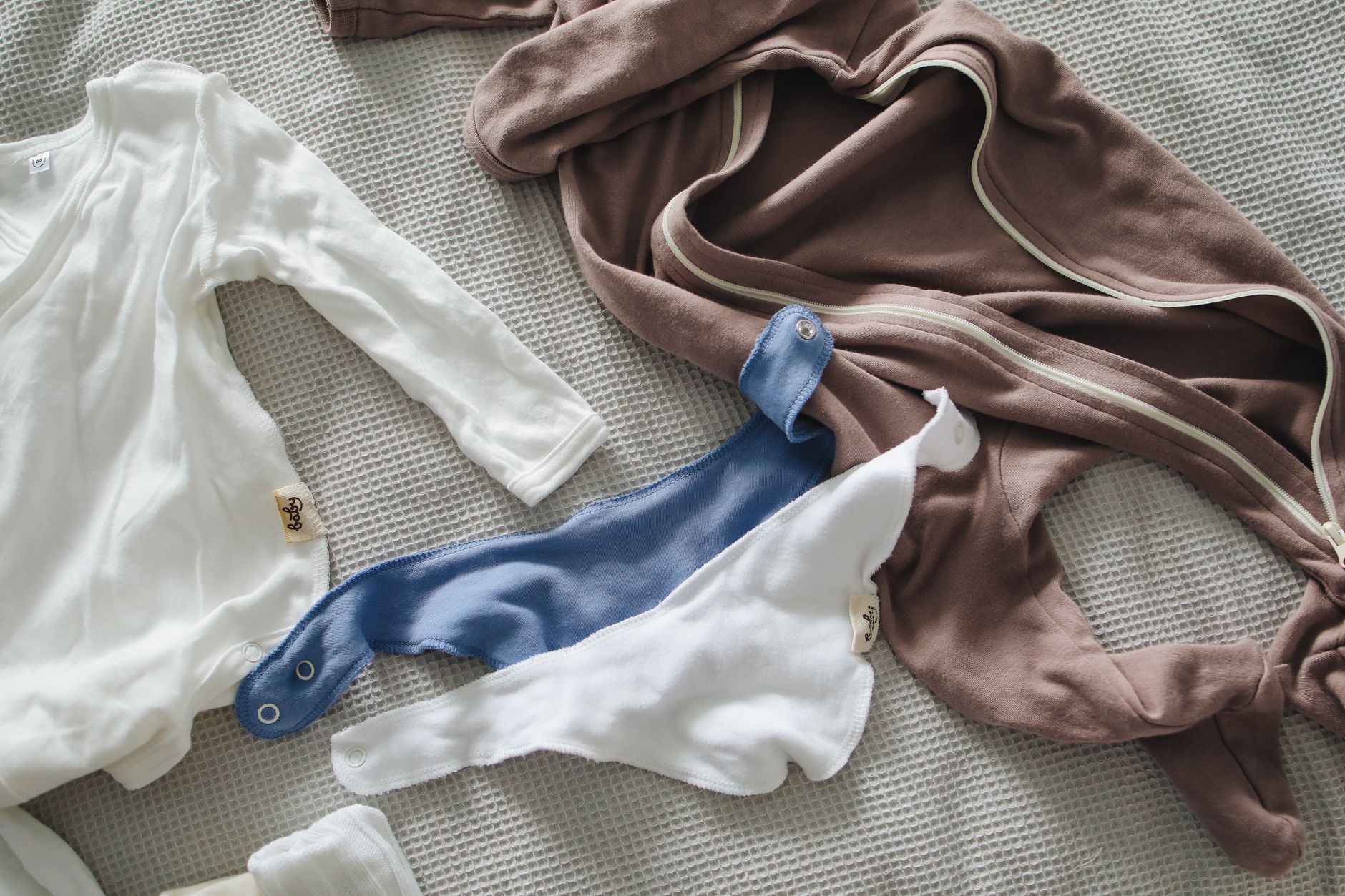
What to Pack in Your Hospital Bag for Labor (The Essentials)
Many moms tell us the same thing: “I wish I’d packed lighter, but I also wish I’d brought my own pillow.” The key is to focus on comfort, convenience, and the things the hospital won’t provide. Here’s what to include:
For Labor and Delivery
- Birth plan (if you have one) – A printed copy (or a few) to share with your care team. Even if you’re flexible, it’s a good way to communicate your preferences.
- Comfortable labor clothes – A loose, soft nightgown or oversized T-shirt (something you don’t mind getting messy). Some moms prefer a sports bra or a nursing bra if they plan to breastfeed.
- Non-slip socks or slippers – Hospitals can be chilly, and you’ll want something easy to slip on if you’re walking the halls.
- Lip balm – Labor can leave your lips dry, and hospitals aren’t known for their moisturizing options.
- Hair ties or a headband – If you have long hair, you’ll want to keep it out of your face.
- Massage tools – A tennis ball, handheld massager, or even a frozen water bottle (for rolling on your lower back).
- Music or a playlist – If you have a favorite calming playlist, bring a portable speaker or headphones.
- Phone and charger (with a long cord!) – You’ll want to text family, take photos, and maybe even time contractions. A 10-foot charging cable is a game-changer.
- Snacks and drinks – Labor can be long, and hospital food isn’t always great. Pack light, easy-to-digest snacks like granola bars, crackers, or honey sticks. Electrolyte drinks (like coconut water or sports drinks) can help keep your energy up.
- Pillow from home – Hospital pillows are notoriously thin. If you’re particular about your pillow, bring one in a non-white case (so it doesn’t get mixed up with hospital linens).
- Eye mask and earplugs – Hospitals are bright and noisy. These can help you rest between contractions or after delivery.
For Postpartum Recovery
- High-waisted mesh underwear or disposable postpartum underwear – Hospitals provide mesh underwear, but some moms prefer their own. Look for soft, stretchy, high-waisted options.
- Maternity pads (heavy-duty) – You’ll need these for postpartum bleeding (lochia). Some moms prefer overnight pads or even adult diapers for the first few days.
- Peri bottle – Hospitals usually provide one, but if you want a specific kind (like the Fridababy Fridet), bring your own. It’s a lifesaver for cleaning up after using the bathroom.
- Nipple cream – If you plan to breastfeed, lanolin-based cream can soothe sore nipples. (The hospital may provide some, but it’s good to have your own.)
- Comfortable going-home outfit – Think loose, stretchy clothes (like maternity leggings and a nursing-friendly top). You’ll still look about 5–6 months pregnant when you leave, so don’t pack your pre-pregnancy jeans.
- Toiletries – Travel-sized shampoo, conditioner, body wash, toothbrush, toothpaste, deodorant, and face wipes. Hospitals provide basics, but if you have sensitive skin or favorite products, bring them.
- Nursing bras and breast pads – Even if you’re not sure about breastfeeding, your milk will come in a few days after delivery. Disposable or washable breast pads can help with leaks.
- Loose, comfy PJs or nightgowns – You’ll want something easy to nurse in (if you’re breastfeeding) and soft enough for sore muscles.
- Flip-flops for the shower – If you plan to shower at the hospital, these are a must.
For Baby
- Going-home outfit – A onesie, socks, and a hat (hospitals provide these, but many parents like to bring their own). Don’t forget a weather-appropriate layer (like a swaddle or jacket).
- Car seat – This is non-negotiable. Hospitals won’t let you leave without one, and it must be properly installed. Practice installing it before labor day!
- Swaddle blankets – Hospitals provide some, but if you have a favorite (like a muslin or velcro swaddle), bring it.
- Baby mittens – Newborns can scratch their faces, so these are helpful.
- Diapers and wipes – Hospitals provide these, but if you have a preferred brand (or want to use cloth diapers), bring your own.
- Baby nail clippers or file – Newborn nails can be sharp!
- Pacifier (if you plan to use one) – Some parents wait until breastfeeding is established, but if you want to try one, bring it.
When to Pack Your Hospital Bag for Labor (And Why 36 Weeks Is the Magic Number)
You’ve probably heard it before: pack your hospital bag by 36 weeks. But why? And what happens if you wait until 38 or 39 weeks?
The short answer: babies come when they’re ready. While most first-time moms deliver between 39 and 41 weeks, about 12% of babies are born prematurely (before 37 weeks), according to the March of Dimes. If your little one decides to arrive early, you don’t want to be scrambling to pack (or worse, forgetting something important).
Here’s a simple timeline to follow:
- By 34–36 weeks: Start gathering items. Make a list, buy what you need, and set aside things you already own (like your favorite pillow or toiletries).
- By 36 weeks: Have your bag fully packed and ready to go. Keep it somewhere easy to grab—like by the front door or in the car.
- After 36 weeks: Double-check your bag before any big outings (like a baby shower or a long car trip). You don’t want to be far from home when contractions start!
One mom shared her story: “I waited until 38 weeks to pack my bag. Then, at 38 weeks and 5 days, my water broke in the middle of the night. I was so panicked—I threw random things into a bag while my husband tried to install the car seat. We forgot my phone charger, my going-home outfit, and the baby’s hat. I ended up wearing a hospital gown home, and my husband had to run to Target at 3 a.m. for a charger. Lesson learned: pack early!”
If you’re having a scheduled C-section, you might think you have more time. But even scheduled deliveries can change—your baby might decide to come early, or your doctor might move up the date. It’s best to be prepared.
Hospital Bag Checklist for First-Time Moms (What No One Tells You)
If this is your first baby, you’re probably wondering: “What do I actually need? And what’s just extra?” The truth is, first-time moms tend to overpack—because they don’t know what to expect. But here’s the good news: you don’t need as much as you think.
Hospitals provide a lot of basics (like diapers, wipes, peri bottles, and mesh underwear), so you can keep your bag light. The key is to focus on comfort, convenience, and the things that will make your stay more pleasant.
Here’s a first-time mom’s hospital bag checklist, with notes on what you can skip:
| Category | Pack This | Skip This (Hospital Provides It) |
|---|---|---|
| For Labor |
|
|
| For Postpartum |
|
|
| For Baby |
|
|
| For Partner |
|
|
One first-time mom put it this way: “I packed a huge suitcase—like, I could’ve gone on vacation for a week. Then I got to the hospital and realized I only used about 10% of what I brought. The hospital gave me mesh underwear, pads, a peri bottle, and even a onesie for the baby. All I really needed was my phone, lip balm, snacks, and a change of clothes for me and the baby. Next time, I’m packing a small duffel!”
What to Wear to the Hospital for Labor (Comfort Over Style)
Let’s be real: no one cares what you wear during labor. The goal is comfort, not fashion. But if you’re wondering what to pack (or what to wear when you arrive), here’s the breakdown:
What to Wear To the Hospital
- Loose, stretchy clothes – Think maternity leggings, an oversized T-shirt, or a maxi dress. You want something easy to move in (and easy to take off if you’re in active labor).
- Slip-on shoes – Flip-flops, slides, or slip-on sneakers. You don’t want to deal with laces or tight shoes.
- A robe or cardigan – Hospitals can be chilly, and a lightweight robe is easy to throw on and off.
- Hair ties or a headband – If you have long hair, you’ll want to keep it out of your face.
What to Wear During Labor
- A hospital gown – Most women end up wearing the hospital’s gown because it’s easy for monitoring and delivery. But if you prefer, you can bring your own labor gown (a loose, front-opening gown designed for birth).
- A sports bra or nursing bra – If you plan to breastfeed, a nursing bra is helpful. Otherwise, a soft sports bra is fine.
- Nothing at all – Some women prefer to labor naked (especially if they’re using a birthing tub or want skin-to-skin contact right after birth). Hospitals are used to this—do what feels right for you!
What to Wear After Delivery
- Loose, comfy PJs or a nightgown – You’ll want something soft and easy to nurse in (if you’re breastfeeding).
- High-waisted postpartum underwear – These are gentle on your incision (if you had a C-section) or sore muscles (if you had a vaginal delivery).
- A going-home outfit – Think maternity leggings, a nursing-friendly top, and a cardigan. You’ll still look about 5–6 months pregnant, so don’t pack your pre-pregnancy clothes.
- Slippers or flip-flops – Easy to slip on if you’re walking around the room or heading to the shower.
One mom’s advice: “Pack a dark-colored robe or cardigan. I brought a white one, and it got stained with blood and amniotic fluid. A dark color hides everything—and you won’t care about stains when you’re holding your baby.”
Hospital Bag Essentials for Labor and Delivery (The Non-Negotiables)
If you’re short on time (or just want the absolute must-haves), here’s the bare minimum you should pack for labor and delivery:
For You
- Phone + long charging cable – You’ll need it for photos, texts, and timing contractions.
- Lip balm – Labor dries out your lips, and hospitals don’t always have good options.
- Snacks + drinks – Labor is a marathon, not a sprint. Pack light, easy-to-digest snacks (granola bars, crackers, honey sticks) and electrolyte drinks.
- Comfy going-home outfit – Loose, stretchy clothes (maternity leggings + a nursing top).
- Toiletries (travel-sized) – Toothbrush, toothpaste, deodorant, face wipes, and any skincare essentials.
- Nursing bras + breast pads – Even if you’re not sure about breastfeeding, your milk will come in a few days after delivery.
- High-waisted postpartum underwear – Hospitals provide mesh underwear, but some moms prefer their own.
- Maternity pads (heavy-duty) – For postpartum bleeding (lochia).
For Baby
- Going-home outfit – A onesie, socks, and a hat. (Hospitals provide these, but many parents like to bring their own.)
- Car seat (installed!) – Non-negotiable. Hospitals won’t let you leave without one.
- Swaddle blanket – Hospitals provide some, but if you have a favorite, bring it.
For Your Partner
- Change of clothes (2–3 outfits) – Labor can be messy, and your partner might want to freshen up.
- Toiletries – Toothbrush, deodorant, etc.
- Snacks + drinks – They’ll need energy too!
- Phone charger – So they can update family and friends.
Everything else is nice to have, but not essential. If you forget something, hospitals have supplies, or your partner can run to the store. The most important thing is that you and your baby are safe and healthy.
How to Pack a Hospital Bag for Labor and Postpartum (The Smart Way)
Packing your hospital bag isn’t just about what you bring—it’s about how you pack it. A well-organized bag can save you time, stress, and frustration when you’re in the middle of labor (or trying to find your phone charger at 3 a.m.).
Here’s how to pack smart:
1. Choose the Right Bag
- Size: A medium-sized duffel or backpack (big enough to fit essentials, but not so big that it’s cumbersome).
- Compartments: Look for a bag with pockets or dividers so you can organize items by category (labor, postpartum, baby, partner).
- Easy to carry: You’ll be carrying this bag while in labor (or your partner will), so make sure it’s comfortable to hold or sling over a shoulder.
2. Organize by Category
Use packing cubes, ziplock bags, or small pouches to group items together. Here’s a simple way to organize:
- Labor essentials: Phone, charger, lip balm, snacks, birth plan, hair ties, massage tools.
- Postpartum essentials: Maternity pads, peri bottle, nipple cream, toiletries, going-home outfit, nursing bras.
- Baby essentials: Going-home outfit, swaddle blankets, mittens, car seat (installed!).
- Partner essentials: Change of clothes, toiletries, snacks, phone charger.
3. Pack for Easy Access
- Put labor items at the top: When you arrive at the hospital, you’ll want quick access to your phone, snacks, and comfort items.
- Keep postpartum items handy: After delivery, you’ll want your peri bottle, pads, and toiletries within reach.
- Baby’s going-home outfit should be easy to find: You don’t want to dig through your bag when it’s time to leave.
4. Use a Separate Bag for Extras
If you’re bringing a lot of extras (like extra clothes, books, or gifts for siblings), pack them in a separate bag that can stay in the car. That way, your main bag stays light and easy to carry.
5. Double-Check Before You Leave
Before you head to the hospital, do a quick check:
- Is your car seat installed?
- Do you have your phone, charger, and ID?
- Is your birth plan in the bag?
- Do you have snacks and drinks?
One mom’s tip: “I packed my bag in sections and labeled each pouch with a sticky note. When I got to the hospital, my partner knew exactly where to find my lip balm or the baby’s hat. It made everything so much easier.”
Hospital Bag Checklist for a C-Section (What to Pack for a Different Kind of Birth)
If you’re having a planned C-section (or want to be prepared in case of an unplanned one), your hospital bag will look a little different. Recovery from a C-section is more like recovering from surgery—you’ll need to take it easy, avoid lifting anything heavy, and keep your incision clean and dry.
Here’s what to add or adjust for a C-section:
For Labor and Delivery
- Loose, high-waisted underwear – You’ll want underwear that sits above your incision (not rubbing against it). Look for soft, stretchy, high-waisted options.
- Abdominal binder or belly wrap – Some women find these helpful for support after a C-section. Ask your doctor if they recommend one.
- Extra pillows – You might want to hug a pillow against your incision when you cough, laugh, or move.
- Slip-on shoes – You won’t want to bend over to tie shoes for a while, so slip-ons are a must.
For Postpartum Recovery
- Loose, front-opening PJs or nightgowns – You’ll want something easy to put on and take off (without lifting your arms too high).
- High-waisted postpartum underwear – Again, these should sit above your incision.
- Maternity pads (heavy-duty) – You’ll still have postpartum bleeding (lochia), so pack plenty of pads.
- Peri bottle – Even though you won’t have a vaginal delivery, you’ll still need this for cleaning up after using the bathroom.
- Nipple cream – If you plan to breastfeed, your milk will still come in, and your nipples might get sore.
- Compression socks – These can help with swelling and circulation after surgery.
- Stool softeners – Pain medication and surgery can make constipation worse. Ask your doctor if they recommend bringing some.
- Going-home outfit – Think loose, stretchy maternity leggings and a nursing-friendly top. You’ll still look about 5–6 months pregnant, and you won’t want anything tight around your incision.
For Baby
The same as for a vaginal delivery—just make sure your car seat is installed and ready to go!
For Your Partner
- Extra snacks + drinks – You might be in the hospital longer after a C-section (usually 2–4 days), so your partner will need to stay fueled.
- Entertainment – Books, a tablet, or downloaded movies can help pass the time.
One mom who had a C-section shared: “I wish I’d packed a bigger water bottle with a straw. After surgery, I was so thirsty, but it was hard to sit up and drink. A straw made it so much easier.”
Current evidence suggests that most women stay in the hospital for 2–4 days after a C-section, according to the American College of Obstetricians and Gynecologists (ACOG). Use that time to rest, recover, and ask your care team any questions you have about incision care, breastfeeding, or postpartum healing.
Doctor’s Note
From our medical team: Packing your hospital bag is a great way to feel prepared for labor and delivery, but remember: the hospital will provide most of the medical essentials. Focus on comfort items (like your own pillow, snacks, and lip balm) and things that will make your stay more pleasant. If you’re having a C-section, pack loose, high-waisted clothes and an abdominal binder if your doctor recommends one. And don’t forget the car seat—it’s the one thing you can’t leave without! If you have questions about what to pack, ask your provider at your next prenatal visit. We’re here to help.
Myth vs. Fact
Myth: You need to pack a huge suitcase for the hospital—like you’re moving in for a week.
Fact: Hospitals provide a lot of basics (diapers, wipes, peri bottles, mesh underwear), so you only need a medium-sized bag. Focus on comfort and convenience, not quantity.
Myth: If you pack your bag too early, you’ll jinx your due date.
Fact: Babies come when they’re ready—packing early just means you’re prepared. Most experts recommend having your bag ready by 36 weeks.
Myth: You can’t bring your own pillow or blanket to the hospital.
Fact: You can bring your own pillow (just use a non-white case so it doesn’t get mixed up with hospital linens). Many moms find it more comfortable than the hospital’s pillows.
Key Takeaways
- Pack your hospital bag by 36 weeks—just in case baby arrives early.
- Focus on comfort, convenience, and the things the hospital won’t provide (like your own pillow, snacks, and lip balm).
- For labor, pack loose clothes, non-slip socks, hair ties, massage tools, and a long phone charger.
- For postpartum, include high-waisted underwear, maternity pads, a peri bottle, nipple cream, and a going-home outfit.
- For baby, don’t forget the going-home outfit, car seat (installed!), and swaddle blankets.
- If you’re having a C-section, pack loose, high-waisted clothes, an abdominal binder (if recommended), and slip-on shoes.
- Keep your bag light and organized—you won’t use everything you pack.
- Double-check that your car seat is installed before you leave for the hospital.
Frequently Asked Questions
What are the essentials to pack in a hospital bag for labor?
The essentials include your phone and charger, lip balm, snacks, a comfy going-home outfit, toiletries, maternity pads, nipple cream, and baby’s going-home outfit and car seat. Hospitals provide basics like diapers, wipes, and mesh underwear,

