

Quick take: Grieving a grandmother before your baby is born is a unique, overwhelming experience — and it’s completely normal. Your emotions may feel raw, confusing, or even "wrong" at times, especially as your body changes and your baby grows. This grief isn’t just about loss; it’s about the future you imagined together, the traditions you’ll miss, and the love you’ll carry forward. You don’t have to "get over it" before your baby arrives. Instead, lean on small moments to honor her memory, seek support when it feels heavy, and give yourself permission to feel — all of it. Your baby will sense your love, not your sorrow.Grandma Passed Before Baby Born Grief: A Modern Mom's Honest Guide

It was 3 a.m., and the phone call shattered the quiet. My grandmother — the woman who had held my hands during every ultrasound, who had whispered lullabies to my imaginary baby before I even knew I was pregnant — had passed away. I sat on the edge of my bed, clutching my phone, my belly still so small it barely showed. Around me, my partner and I exchanged glances, our own grief tangled with the shock of the news. How do you grieve someone you’ve only just started imagining as part of your life? How do you carry that love forward when you can’t share it yet?
If you’re reading this, you’re likely navigating this exact ache. The grief of losing a grandmother before your baby is born isn’t just about the person who’s gone — it’s about the future you’d planned together, the traditions you’ll miss, and the love you’ll carry into motherhood alone. And yes, it’s okay to feel all of it: the joy of the baby’s life, the sorrow of the life cut short, and the confusion of how to move forward when the world feels so heavy.
This guide is for you. We’ll explore how to cope with the emotional storm, whether your grief might affect your pregnancy, how to honor your grandmother’s memory, and where to turn for support. You’re not alone in this — even if it feels that way right now.
--- ## How to cope with grief after grandma dies before baby is bornGrief after losing a grandmother before your baby is born can feel like an invisible weight, one that shifts and changes as your pregnancy progresses. It’s not uncommon to experience waves of emotions — sadness, guilt, relief, or even numbness — all at once. These feelings are valid, even if they don’t make sense in the moment. The key is to create small rituals and routines that help you process your grief in a way that feels manageable.
One reader described it this way: *"I’d wake up in the middle of the night, my heart racing, convinced I’d forgotten to tell my grandmother about my baby’s latest ultrasound. It wasn’t that I’d forgotten — it was that I was grieving the future I’d never get to share with her."* That future — the stories, the traditions, the love — is what you’re mourning. And that’s okay.
Here are some ways to start coping:
- Allow yourself to feel — all of it. Grief isn’t linear. One day you might laugh at a memory; the next, you’ll cry over a song or a scent that reminds you of her. There’s no "right" way to grieve.
- Talk about her. Share stories with your partner, friends, or even your baby (yes, your baby can hear you!). Describe her laugh, her favorite recipes, or the way she’d hold your hand during doctor’s appointments. Your baby will sense your love, even if she can’t remember.
- Create small rituals. Light a candle on her birthday or during a special time of year. Leave a note for her under your pillow or in your pregnancy journal. These small acts can help you feel connected to her memory.
- Be gentle with yourself. Some days will be harder than others. If you can’t cry, that’s okay. If you need to scream into a pillow, that’s okay too. Your grief is yours alone to experience.
If you’re feeling overwhelmed, remember that grief doesn’t have to be all-consuming. It can coexist with the joy of your pregnancy. As one mom put it: *"I’d cry during my morning scan, but by the time I got home, I’d be laughing about the funny things my grandmother used to say. It was messy, but it was real."*
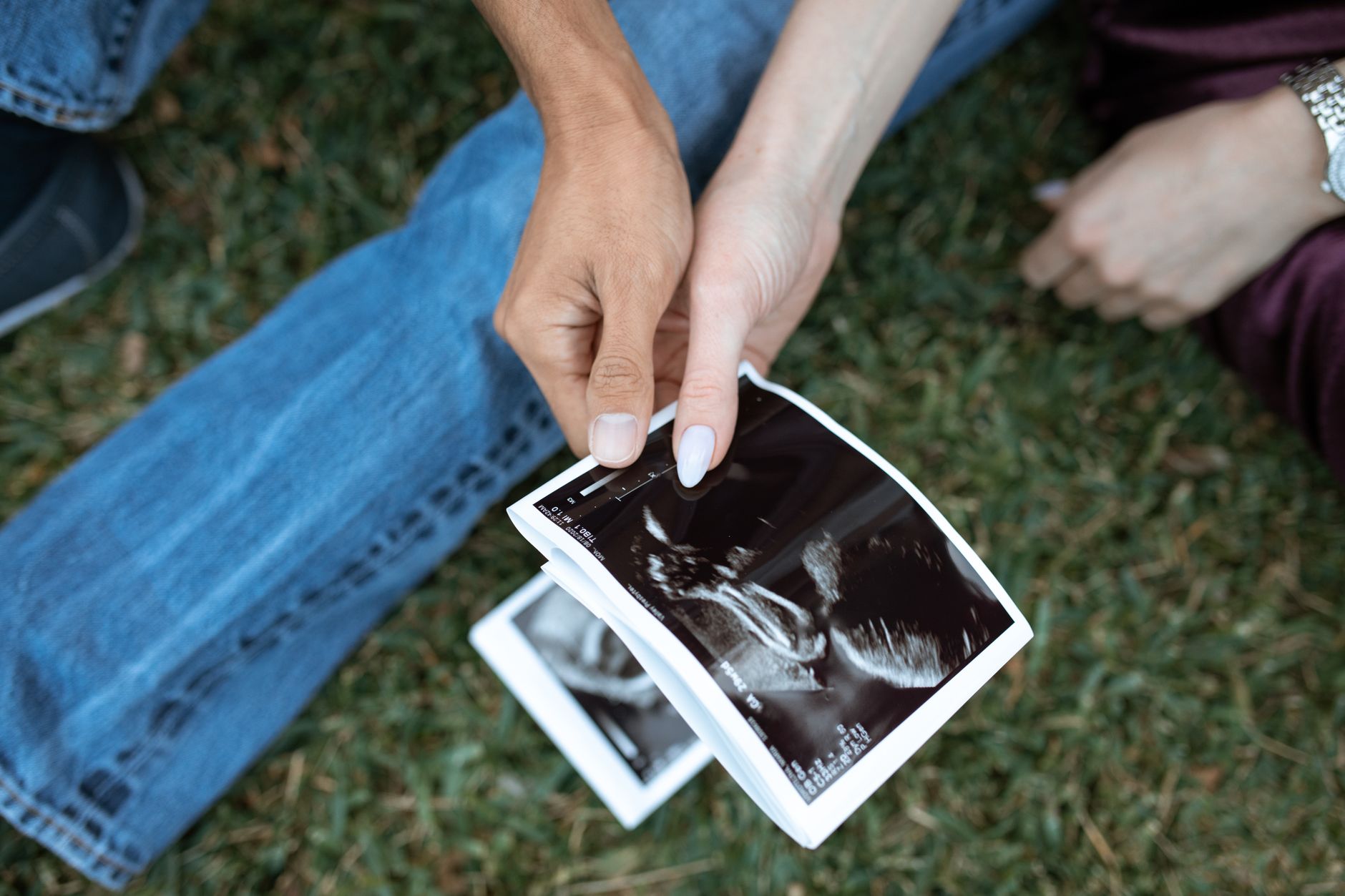
You don’t have to carry this grief alone. Support groups — both in-person and online — can provide a safe space to share your feelings, hear others’ stories, and find comfort in knowing you’re not the only one feeling this way. Here are some places to start:
- Online communities:
- Reddit’s r/grieving has threads dedicated to pregnancy and loss, where you can share your story anonymously.
- Facebook groups like Pregnancy and Grief offer a mix of support and resources.
- Text lines like Crisis Text Line (text "HOME" to 741741) provide immediate support if you’re feeling overwhelmed.
- Local grief counseling centers: Many hospitals and community centers offer grief support groups, especially for pregnant women. Ask your healthcare provider or check with local hospitals for recommendations.
- Virtual therapy: Platforms like BetterHelp or Talkspace offer affordable, confidential therapy sessions with grief specialists.
If you’re unsure where to start, your obstetrician or midwife can often point you toward local resources. And remember: there’s no "wrong" way to participate. Some days you might just listen; other days, you might share. Both are valid.
--- ## Can grief from grandma's death affect pregnancy outcomesThis is a question many grieving moms-to-be ask themselves: *Will my grief hurt my baby?* The short answer is that while grief itself won’t directly harm your baby, the stress and emotional strain it causes can sometimes affect your physical health — and in turn, your pregnancy. For example, chronic stress has been linked to higher cortisol levels, which may contribute to pregnancy complications like preterm labor or gestational diabetes American Psychological Association (APA). But it’s important to note that these risks are more closely tied to prolonged, untreated stress rather than the grief itself.
That said, grief can also make it harder to prioritize self-care — things like eating well, staying hydrated, or getting enough rest. If you’re feeling overwhelmed, it’s okay to ask for help. Your partner, family, or a healthcare provider can step in to ensure you’re taking care of yourself and your baby.
One study published in the Journal of Women’s Health found that women who experienced significant stress during pregnancy were more likely to have babies with lower birth weights. However, this was often tied to lifestyle factors (like poor nutrition or lack of sleep) rather than the stress itself. The takeaway? Grief is heavy, but it doesn’t have to derail your pregnancy if you’re mindful of your needs.
If you’re worried about how your grief might be affecting your pregnancy, talk to your healthcare provider. They can help you monitor your physical health and connect you with resources if needed. And remember: your baby is resilient. They sense your love, not your sorrow.
--- ## How to honor a grandmother during pregnancy after her passingHonoring your grandmother’s memory doesn’t have to be grand or elaborate. Small, meaningful gestures can bring comfort and help you feel connected to her during this special time. Here are a few ideas:
- Create a memory box. Fill a small box with mementos — a lock of her hair, a handwritten letter, a photo, or a recipe card. Keep it with you during appointments or place it near your bed at night.
- Plant something in her name. Choose a plant that reminds you of her — maybe the same flowers she loved or a tree to grow for your baby. Watching it flourish can be a beautiful symbol of life continuing.
- Write her a letter. Pour out your thoughts, memories, and hopes for your baby. You can read it aloud to your partner or even burn it in a safe, outdoor ceremony as a way to release your grief.
- Cook her favorite meal. If she had a signature dish, make it during your pregnancy. Light a candle, play her favorite music, and enjoy it mindfully. Share it with your partner or friends who can help you carry her memory forward.
- Name your baby after her. If you’re open to it, naming your child after your grandmother can be a powerful way to honor her legacy. Even if you don’t, you can still choose a middle name or nickname that reminds you of her.
One mom we spoke with said: *"I started wearing my grandmother’s ring during my pregnancy. It was small and delicate, just like her. Every time I touched it, I felt closer to her, and it helped me feel like she was still part of this journey with me."* These rituals don’t have to be complicated — they just have to feel meaningful to you.
Grief doesn’t follow a timeline, but there are some general patterns many women experience when grieving a loved one before their baby is born. It’s normal to feel:
- Surprise or disbelief. It can take time to accept that your grandmother isn’t here to meet your baby. This is especially true if she passed suddenly or unexpectedly.
- Guilt or regret. You might wonder if you could have done more, or if you’re not grieving "enough." These feelings are common and often tied to the "what ifs" of life.
- Anticipatory grief. This is the sadness you feel about the future you’ll miss with her. It’s a normal part of grieving someone you love deeply.
- Relief or numbness. Some women feel a mix of emotions, including relief that their grandmother isn’t suffering, or numbness as a way to cope with the overwhelming pain.
- Flashes of joy. You might laugh at a memory or feel a surge of happiness when thinking about the life you’ll share with your baby — and that’s okay too.
If your grief feels overwhelming or persistent, it might be helpful to speak with a therapist who specializes in grief and pregnancy. They can help you navigate these emotions in a healthy way. As the American Psychological Association (APA) notes, grief is a deeply personal experience, and there’s no "right" way to feel.
One reader shared: *"I thought I’d be in constant tears, but instead, I’d have moments of clarity where I’d feel nothing at all. It was confusing, but I realized it was just my brain trying to protect me. I didn’t have to feel anything all the time."* Give yourself permission to have these varied experiences.
--- ## What are the signs of complicated grief in expectant mothersWhile grief is a normal part of losing someone you love, sometimes it can become complicated — meaning it interferes with your daily life, your ability to cope, or your physical health. Complicated grief may look like:
| Sign | What It Might Look Like | When to Seek Help |
|---|---|---|
| Intense, prolonged sadness | Feeling numb or hopeless for weeks or months, even when reminded of happy memories. | If it lasts longer than a few months without relief. |
| Difficulty functioning | Struggling to work, sleep, or care for yourself or your baby. | If daily tasks feel impossible to manage. |
| Avoidance of reminders | Avoiding pregnancy appointments, photos, or conversations about your grandmother. | If avoidance becomes a pattern and you’re isolating yourself. |
| Physical symptoms | Headaches, stomachaches, or fatigue that don’t improve with rest. | If symptoms persist and affect your pregnancy. |
| Guilt or shame | Feeling guilty for not grieving "enough" or for feeling happy during your pregnancy. | If guilt becomes overwhelming or interferes with your joy. |
| Thoughts of harm | Having intrusive thoughts about yourself or your baby. | Seek help immediately. This is a sign of severe distress and requires professional support. |
If any of these signs resonate with you, it’s a good idea to reach out to a therapist or counselor. Grief therapy can help you process your emotions in a safe, structured way. You’re not failing if you need support — you’re taking a proactive step toward healing.
--- ## How to talk to a partner about grandma's death during pregnancyLosing a grandmother during pregnancy can strain even the strongest relationships. Your partner might be grieving in their own way, and communicating openly can help you both navigate this difficult time. Here’s how to start:
- Share your feelings honestly. Use "I" statements to express how you’re feeling without placing blame. For example, *"I’ve been feeling really lonely lately, and I wish we could talk about Grandma more."*
- Acknowledge their grief too. Your partner may be grieving in ways that look different from yours. Ask them how they’re feeling and listen without judgment.
- Create shared rituals. Plan a small way to honor your grandmother together, like lighting a candle during dinner or visiting her favorite park.
- Set boundaries together. Decide as a couple how much you want to talk about her loss. Some couples find comfort in silence; others need to discuss it regularly. There’s no right answer.
- Seek couples counseling if needed. If communication becomes difficult, a therapist can help you both navigate your emotions as a team.
One couple we spoke with said: *"We didn’t know how to talk about it at first, so we started by just sitting together in silence. Then, one day, we wrote down our favorite memories of her and read them aloud to each other. It helped us feel closer to her — and to each other."*
If you’re struggling to connect, remember that grief can create distance. Be patient with yourself and your partner as you both learn to navigate this new reality.
--- ## Grief counseling for pregnant mothersIf your grief feels unmanageable or is affecting your ability to care for yourself or your baby, grief counseling can be a lifeline. Many therapists specialize in perinatal grief (grief related to pregnancy and childbirth) and can provide tailored support. Here’s what to expect:
- How it works: Counseling typically involves weekly sessions where you explore your feelings, memories, and the impact of your loss. Therapists may use techniques like journaling, art therapy, or guided imagery to help you process your grief.
- What to expect in a session: You’ll likely start by sharing your story and discussing how your grandmother’s death has affected you. Your therapist may ask about your symptoms, your support system, and any challenges you’re facing. Sessions are confidential and judgment-free.
- Cost and insurance coverage: Many therapists accept insurance, and some offer sliding-scale fees based on income. Virtual therapy is also an option, which can be more convenient if you’re unable to leave your home.
- How to find a practitioner:
- Ask your healthcare provider for a referral.
- Check directories like the Psychology Today Therapist Directory or the GriefShare network.
- Look for therapists who specialize in perinatal grief or loss.
If you’re hesitant to start therapy, remember that it’s a safe space to explore your emotions without judgment. Many women find that counseling helps them feel more connected to their baby and more at peace with their grief.
--- ## Support for expectant moms grieving a grandparentBeyond therapy, there are many ways to find support as an expectant mom grieving a grandparent. Here are some resources to explore:
- Online communities:
- Supportiv offers a private community for pregnant and postpartum women grieving a loss.
- Grief Healing provides forums and resources for those grieving a loved one.
- Books and podcasts:
- *The Grieving Parent’s Handbook* by Alan D. Wolfelt
- *The Expectant Grieving Mother* by Sherrie Campbell
- Podcasts like *The Grief Podcast* or *Perinatal Mood & Anxiety Disorder Podcast*
- Local resources:
- Check with your local hospital or hospice for grief support groups.
- Many libraries offer free grief counseling or booklets on coping with loss.
- Financial and practical support:
- If grief has affected your ability to work, look into financial assistance programs or resources for new moms.
- Consider hiring a doula or postpartum support worker to help with daily tasks while you focus on healing.
You don’t have to figure this out alone. Reach out to friends, family, or online communities who understand what you’re going through. As one mom put it: *"I thought I had to carry this grief by myself, but when I finally reached out to a support group, I realized I wasn’t. There were so many women who ‘got it’ in ways I never expected."*
--- ## How to celebrate a grandmother's memory during pregnancyCelebrating your grandmother’s memory doesn’t have to be a big event — it can be small, quiet moments that bring you comfort. Here are a few ideas to honor her during your pregnancy:
- Create a memory jar. Write down favorite memories, inside jokes, or things you’d want your baby to know about your grandmother. Read them aloud during your pregnancy or save them for your baby to read when they’re older.
- Cook her favorite recipe. Make her signature dish during your pregnancy and enjoy it with your partner or friends. Share a story about her while you eat.
- Plant a tree or garden. If she loved nature, plant something in her honor — a tree, flowers, or herbs. Watching it grow can be a beautiful way to remember her.
- Listen to her favorite music. Create a playlist of songs she loved and listen to it during your pregnancy or during labor. Music can evoke powerful emotions and help you feel connected to her.
- Write a letter to your baby. Share stories about your grandmother and how much she loved children. You can read it aloud to your baby during pregnancy or keep it for them to read when they’re older.
One mom we spoke with said: *"I started a tradition of lighting a candle on her birthday and reading her favorite poem. It was a small thing, but it helped me feel like she was still part of our journey."* These rituals can be as simple or elaborate as you’d like — the key is that they feel meaningful to you.
--- ## Myth vs. Fact: Grieving a grandmother before baby is bornGrief is full of myths, especially when it comes to pregnancy. Here’s what’s true — and what isn’t:
- Myth: You should be over it by now. Fact: Grief doesn’t follow a timeline. There’s no "right" time to feel better. Your emotions are valid, no matter when you experience them.
- Myth: Your grief will hurt your baby. Fact: While stress can sometimes affect pregnancy outcomes, your grief itself won’t harm your baby. What matters most is how you care for yourself.
- Myth: You have to talk about it all the time. Fact: Some days you might want to share your feelings; other days, you might need silence. There’s no wrong way to grieve.
- Myth: You’re failing if you feel happy during your pregnancy. Fact: It’s normal to feel joy alongside grief. Your love for your baby doesn’t diminish your love for your grandmother.
- Myth: You should do everything alone. Fact: Asking for help is a sign of strength, not weakness. Lean on your partner, friends, or a therapist when you need to.
Remember: there’s no "right" way to grieve. Your journey is unique, and it’s okay to feel all of it.
--- ## Key takeawaysHere’s what you need to remember as you navigate this grief:
- Your grief is valid, even if it feels confusing or overwhelming.
- Small rituals can help you honor your grandmother’s memory during your pregnancy.
- Support groups and therapy can provide a safe space to process your emotions.
- Your baby will sense your love, not your sorrow — so be gentle with yourself.
- It’s okay to feel happy, sad, numb, or relieved — all at once.
- You don’t have to carry this alone. Reach out to friends, family, or professionals when you need to.
What should I do if my grandmother dies before my baby is born?
First, give yourself permission to feel whatever comes up — sadness, relief, confusion, or even joy. Then, consider creating small rituals to honor her memory, like lighting a candle or writing her a letter. If your grief feels overwhelming, reach out to a therapist or support group. You’re not alone in this.
Can losing a grandmother affect my pregnancy?
Grief itself won’t harm your baby, but chronic stress or poor self-care can sometimes affect pregnancy outcomes. Focus on eating well, staying hydrated, and getting enough rest. If you’re worried, talk to your healthcare provider.
How long does grief last after a grandmother dies?
Grief doesn’t have a timeline. Some days will be harder than others, and that’s okay. What matters is that you give yourself time and compassion as you process your emotions.
Is it normal to feel grief during pregnancy?
Absolutely. Grief is a normal part of losing someone you love, especially when you’re building a new life. It’s okay to feel all of it — sadness, joy, confusion, or relief — during your pregnancy.
What support is available for pregnant mothers grieving a grandparent?
There are many resources, including online communities like Reddit’s r/grieving, support groups, and therapists who specialize in perinatal grief. Don’t hesitate to reach out — you deserve support.
How can I honor my grandmother while pregnant?
Small gestures can make a big difference. Try writing her a letter, cooking her favorite meal, or planting something in her name. These rituals can help you feel connected to her memory during your pregnancy.
--- ## When to see a doctor or specialistWhile grief is a normal part of losing someone you love, there are times when it’s important to seek professional help. Contact your healthcare provider or a therapist if you experience:
- Persistent feelings of hopelessness or numbness for more than a few months.
- Difficulty functioning in daily life, such as sleeping, eating, or caring for yourself or your baby.
- Intrusive thoughts of harm to yourself or your baby.
- Physical symptoms like headaches, stomachaches, or fatigue that don’t improve with rest.
- Avoidance of pregnancy appointments or conversations about your grandmother.
If you’re struggling, your obstetrician or midwife can refer you to a therapist or grief counselor who specializes in perinatal loss. You’re not failing if you need help — you’re taking a proactive step toward healing.
--- ## References- American Psychological Association (APA). Grief and Loss.
- Journal of Women’s Health. (2018). Stress and Pregnancy Outcomes.
- The Menopause Society (NAMS). Perinatal Grief Resources.
- GriefShare. Support Groups for Grieving Families.
- Wolfelt, A. D. (2019). *The Grieving Parent’s Handbook*. Companion Press.

