Quick take: The golden month postpartum recovery is a culturally rooted period of rest, nourishment, and healing after birth, traditionally lasting 30–40 days. It’s not just about physical recovery—it’s about rebuilding your body, mind, and energy with gentle movement, nutrient-rich foods, and emotional support. Think of it as your body’s "reboot mode," where small, consistent efforts (like pelvic floor exercises or hydration) compound into big results. If you’re feeling overwhelmed, remember: this phase is designed for you to slow down, not speed up.
---
Golden Month Postpartum Recovery: A Modern Mom’s Honest Guide
---
It was 3 a.m., and I was staring at my newborn’s tiny face, my own body feeling like it had been run over by a truck. The hospital had discharged us at midnight, and now, here I was, wide-eyed and exhausted, trying to figure out how to survive the next 30 days. My mother-in-law had mentioned something about the "golden month" — a time for rest and recovery after birth. But what did that even look like in reality? Would I really get to sleep all day? Would my body actually heal if I just ate soup and watched Netflix? And why did everyone keep saying I "shouldn’t lift anything heavier than my baby"? I had no idea where to start.
If you’re reading this, you’re probably in the same boat. Maybe you’ve heard whispers about the golden month — a period of intentional recovery after birth — but you’re not sure how to make it work in your life. Or perhaps you’re a first-time mom, feeling lost in the sea of advice (some helpful, some conflicting) about what to eat, how to move, and how to even *think* during this time. The truth? The golden month isn’t about perfection. It’s about progress — small, steady steps toward healing your body, mind, and energy. And yes, it’s okay if some days you only manage to pee and eat a granola bar.
This guide is here to break it down for you, step by step. We’ll cover what to expect physically and emotionally, what to eat (and what to avoid), safe ways to move your body, how to manage pain without relying on over-the-counter fixes, and where to find support when you feel alone. We’ll also debunk myths, share real stories from moms who’ve been there, and point you to resources that actually work. By the end, you’ll have a clear plan — not a to-do list, but a roadmap — to help you navigate this transformative time with a little more confidence and a lot less guilt.
Let’s start with the basics: what is the golden month, really?
---
What to expect during the golden month postpartum recovery
The golden month (also called the "postpartum month" or "40 days" in many cultures) is a period of focused recovery after birth, rooted in traditions that prioritize rest, nourishment, and gentle healing. While the exact practices vary — from bed rest in some cultures to light movement in others — the core idea is the same: your body has just undergone one of the most intense physical changes of your life, and it needs time to reset. Think of it like your body’s "reboot mode," where you’re not just healing wounds or regaining strength, but also rebuilding your energy, hormones, and even your sense of self.
Physically, your body is working overtime. Your uterus is contracting to return to its pre-pregnancy size (a process called involution), your hormones are fluctuating wildly (more on that here), and your pelvic floor muscles are stretched and weakened from pregnancy and birth. Even if you had a vaginal birth, the tissues down there are healing like fresh stitches. If you had a C-section, your incision is still closing, and your core muscles are separated (a condition called diastasis recti). Your body is doing incredible work, but it needs support.
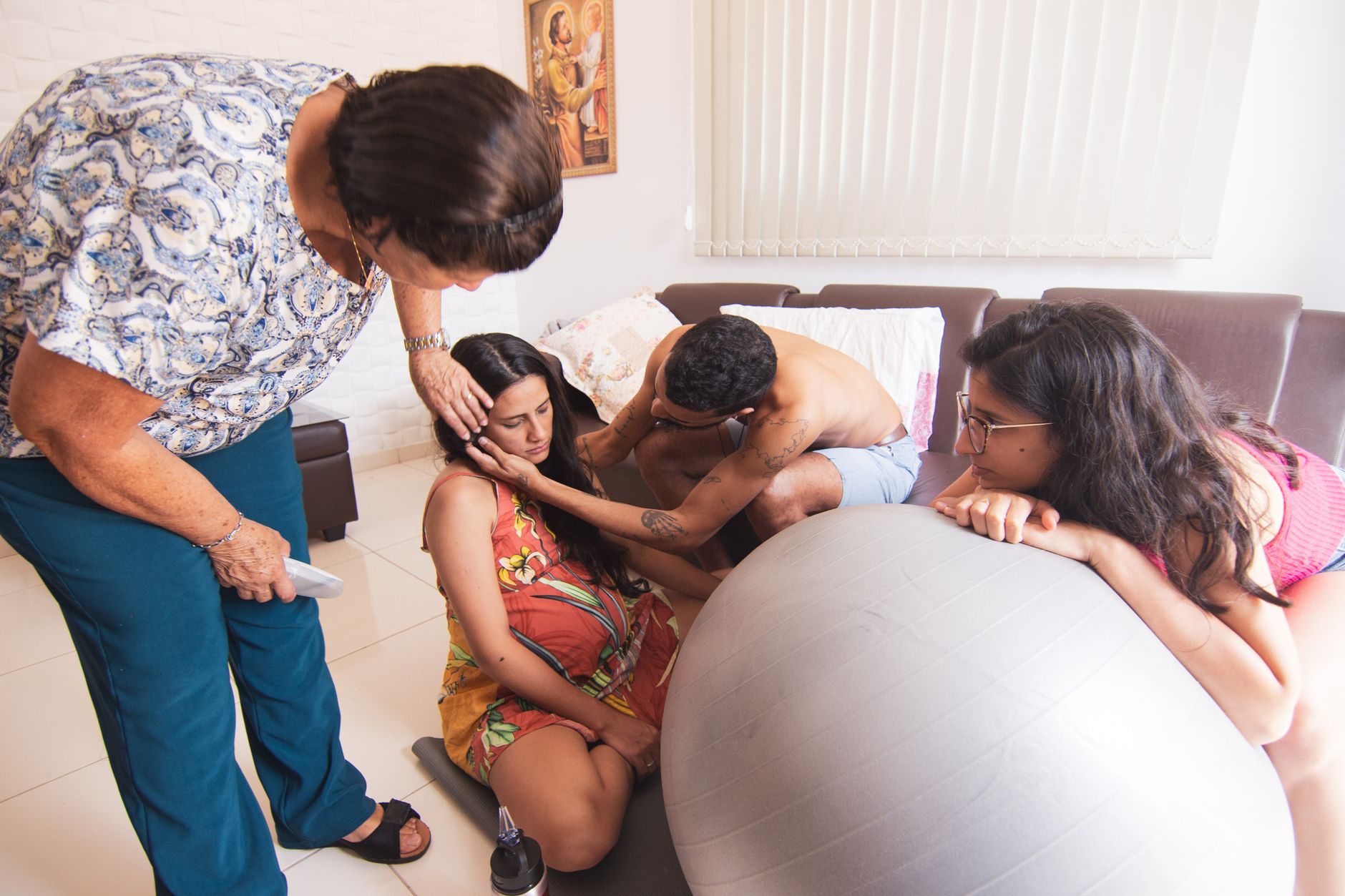
Emotionally, the golden month is a rollercoaster. You might feel euphoric one minute (thanks, postpartum hormones!) and overwhelmed the next. Sleep deprivation can make even small tasks feel impossible, and the emotional highs and lows can leave you questioning your sanity. That’s normal. This is also a time when many women experience baby blues (mood swings, crying spells, anxiety) or, in rarer cases, postpartum depression or anxiety (PPD/PPA). The golden month is your opportunity to lean into support — whether that’s asking for help with household tasks, joining a support group, or simply allowing yourself to rest without guilt.
Socially, the golden month is about setting boundaries. You might have well-meaning friends and family offering to bring meals or help with the baby, but you could also feel pressure to "bounce back" or "get back to normal." This is where the golden month tradition shines: it’s a cultural reminder that you are not alone, and your recovery matters. You’re allowed to say no to social events, decline visitors, and focus on healing — even if it feels counterintuitive.
Here’s what many moms say they wish they’d known:
- Your body will feel different every day — some days better, some days worse. That’s okay.
- You don’t have to "fix" everything at once. Small steps (like drinking more water or doing a 5-minute pelvic floor exercise) add up.
- It’s okay to feel overwhelmed. This is a big adjustment, and your brain is still adjusting too.
- You’re allowed to ask for help. Whether it’s a friend bringing you dinner or a postpartum doula helping with the baby, support is key.

---
Golden month postpartum recovery diet plan
Food is fuel — and during the golden month, your body needs the right kind of fuel to heal. Think of your diet as a way to reduce inflammation, support your immune system, and give your body the nutrients it needs to repair itself. The golden month isn’t about restrictive diets or "cleanses"; it’s about nourishing foods that help your body recover faster and feel better.
What to eat:
- Iron-rich foods (spinach, lentils, red meat, fortified cereals): Iron helps replenish blood loss from birth, especially if you had a vaginal delivery or had a large baby. Pair iron-rich foods with vitamin C (like orange juice or bell peppers) to boost absorption.
- Protein (eggs, chicken, fish, tofu, Greek yogurt): Protein helps repair tissues and supports muscle recovery. Aim for lean sources to keep your energy up without weighing you down.
- Healthy fats (avocados, nuts, seeds, olive oil): Fats help your body absorb vitamins and reduce inflammation. Think of them as the "glue" that holds your cells together as they heal.
- Fiber-rich foods (oats, berries, whole grains, vegetables): Fiber helps with digestion, which can be sluggish postpartum due to hormonal changes and pain medications. It also keeps you regular, which is important when you’re recovering.
- Hydrating foods (cucumber, watermelon, celery, coconut water): Staying hydrated is critical for healing, especially if you’re breastfeeding. Aim for at least 8–10 cups of water a day, and include hydrating foods in your meals.
What to limit:
- Caffeine: Can disrupt your sleep and dehydrate you. If you’re breastfeeding, limit caffeine to 200–300 mg per day (about one cup of coffee).
- Alcohol: Can interfere with breastfeeding and your body’s ability to heal. If you’re breastfeeding, avoid alcohol altogether.
- Processed sugars: Can cause energy crashes and inflammation. Opt for natural sweeteners like fruit instead.
- Highly processed foods: Can slow down your metabolism and make you feel sluggish. Focus on whole, unprocessed foods as much as possible.
What to avoid:
- Raw sprouts, unpasteurized cheese, and undercooked meats: These can carry bacteria like listeria, which is dangerous for you and your baby if you’re breastfeeding.
- Excessive salt: Can cause water retention and bloating, which might make your postpartum body feel heavier than it is.
- Foods that cause bloating or gas: Like beans, cruciferous vegetables (broccoli, cabbage), or dairy (if you’re lactose intolerant). These can be uncomfortable when your body is still healing.
Sample meal plan for the golden month:
Breakfast: Overnight oats with chia seeds, almond butter, and sliced banana (protein + fiber + healthy fats).
Snack: Greek yogurt with honey and walnuts (probiotics + healthy fats).
Lunch: Grilled salmon with quinoa and steamed spinach (iron + protein + vitamin C).
Snack: Hummus with carrot and cucumber sticks (fiber + healthy fats).
Dinner: Lentil soup with a side of roasted sweet potatoes (iron + fiber).
Evening: Herbal tea (like chamomile or peppermint) to aid digestion and relaxation.
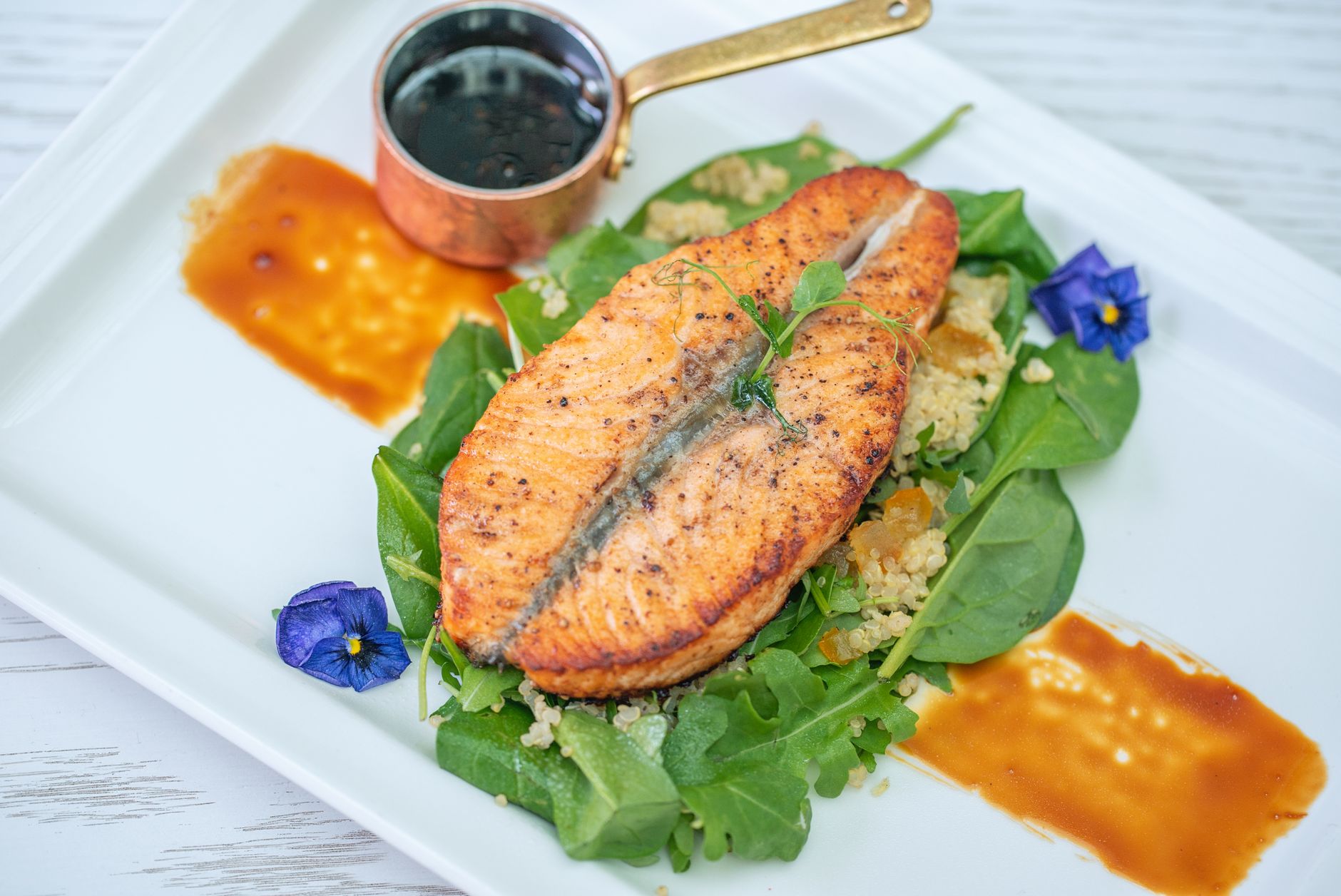
Pro tip: If cooking feels overwhelming, meal prep on the weekends. Batch-cook soups, stews, or casseroles and freeze portions. Many communities also have postpartum meal trains where friends and family sign up to bring you nourishing meals during this time. Don’t be afraid to ask for help!
---
Golden month postpartum recovery exercises for new moms
Movement during the golden month isn’t about working out or "getting back in shape." It’s about gently rebuilding your body, strengthening your core, and improving circulation — all while being kind to your healing tissues. The key is pelvic floor care and gentle movement. Think of it as "reconnecting" with your body after the intense changes of pregnancy and birth.
Pelvic floor exercises:
Your pelvic floor muscles support your bladder, uterus, and bowels, and they’re often weakened after birth. Kegels (contracting and relaxing these muscles) are a great place to start. Here’s how to do them:
- Find your pelvic floor muscles by stopping the flow of urine mid-stream (don’t do this while actually peeing — just practice identifying the muscles).
- Contract these muscles for 5 seconds, then release for 5 seconds. Do this 10 times, 3 times a day.
- As you get stronger, try holding for longer (up to 10 seconds) or doing quick, rapid contractions (like a "lift and squeeze").
Safe postpartum movements:
- Walking: Start with short, slow walks (5–10 minutes) and gradually increase as you feel stronger. Walking helps with circulation, digestion, and mood.
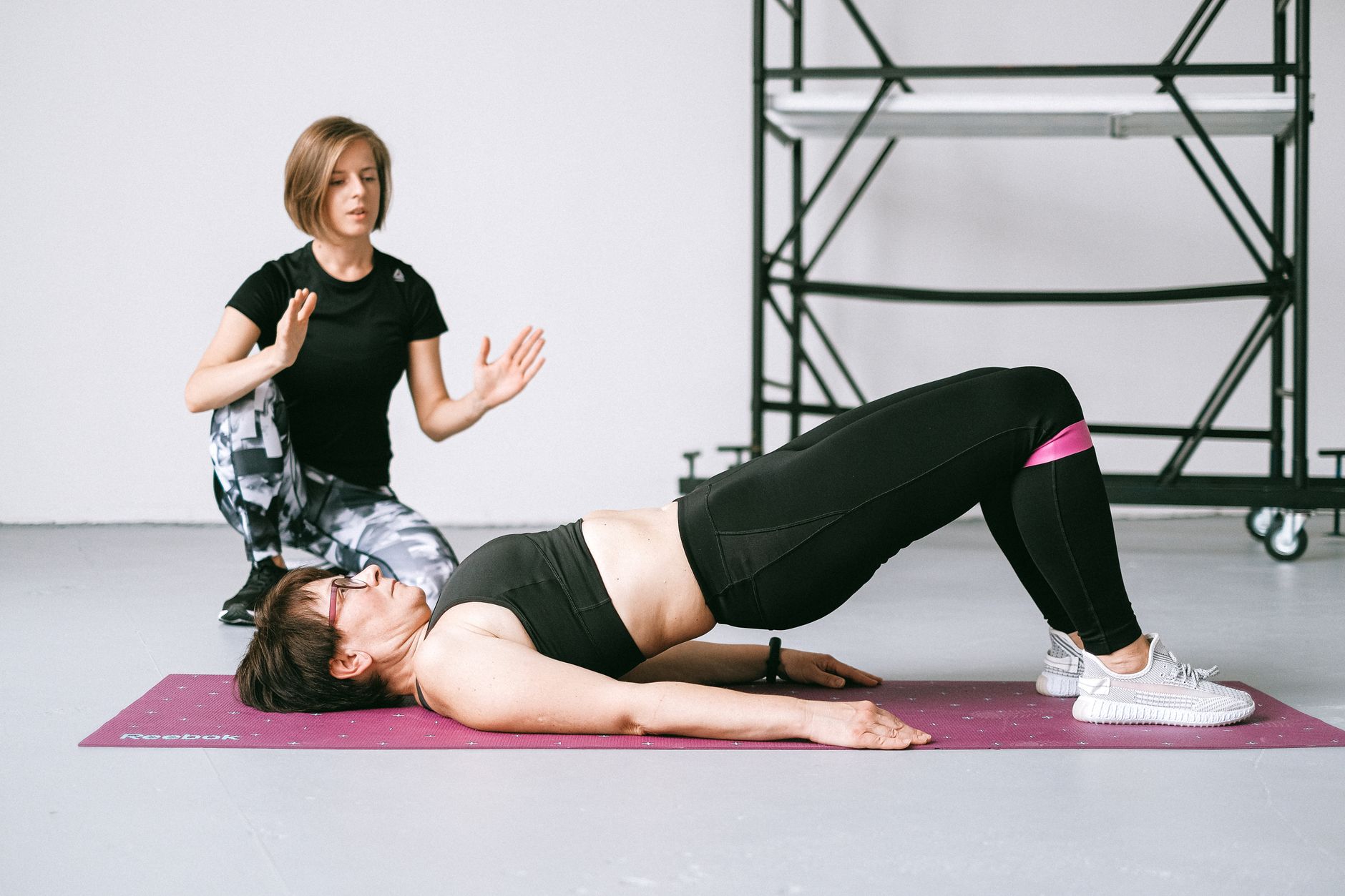
- Pelvic tilts: Lie on your back with knees bent and feet flat. Gently tilt your pelvis upward, engaging your core, then release. Do 10 repetitions, 2–3 times a day.
- Seated marches: Sit in a chair and lift one knee at a time, as if marching. This helps wake up your core without straining your pelvic floor.
- Diaphragmatic breathing: Lie on your back with knees bent. Place one hand on your belly and the other on your chest. Breathe deeply into your belly (like you’re inflating a balloon), then exhale slowly. Do this for 5 minutes, 2–3 times a day. This helps reconnect your core and improves oxygen flow.
When to avoid certain movements:
- Heavy lifting: Avoid lifting anything heavier than your baby (or a light bag of groceries) until your provider says it’s okay. This usually takes 4–6 weeks after vaginal birth and 6–8 weeks after C-section.
- High-impact exercises: Like running, jumping, or HIIT. These can strain your pelvic floor and delay healing.
- Crunches or sit-ups: These can worsen diastasis recti (separation of your abdominal muscles). Instead, focus on gentle core engagement, like pelvic tilts or seated marches.
- Overstretching: Avoid yoga poses that require deep backbends or wide-legged splits until your body is ready.
Postpartum belly wrap benefits: Many moms find comfort and support in a postpartum belly wrap, which can help with core engagement and reduce back pain. If you’re curious, check out how they work and what to look for.
---
How to manage pain during golden month postpartum recovery
Pain is a normal part of postpartum recovery, but it doesn’t have to be constant or unbearable. Many moms experience discomfort from healing tissues, hormonal shifts, or simply the physical strain of breastfeeding and carrying a baby. The good news? There are plenty of ways to manage pain naturally and safely.
Common sources of postpartum pain:
- Perineal soreness (after vaginal birth): Caused by stitches, tearing, or episiotomy. This usually improves within a few weeks but can be painful during bowel movements or sex.
- C-section pain: Incision pain, muscle soreness, and difficulty breathing deeply due to the incision.
- Pelvic floor pain: Often felt as pressure, discomfort, or pain during sex or heavy lifting.
- Headaches or migraines: Caused by hormonal shifts or dehydration.
- Back or hip pain: Due to posture changes, muscle strain, or pelvic floor weakness.
Natural pain management strategies:
- Heat therapy: Apply a warm compress or heating pad to sore areas (like your perineum or back) for 15–20 minutes at a time. Heat helps relax muscles and improve circulation.
- Cold therapy: Use an ice pack wrapped in a cloth for 10–15 minutes to reduce swelling or bruising (especially after a C-section or episiotomy).
- Sitz baths: A shallow bath with warm water (or add Epsom salts for extra relaxation) to soothe perineal soreness. Sit for 10–15 minutes, 2–3 times a day.
- Over-the-counter pain relief: Acetaminophen (like Tylenol) is generally safe for breastfeeding moms. Avoid NSAIDs (like ibuprofen) unless approved by your provider, as they can affect breastfeeding and may not be safe for your baby.
- Gentle movement: Walking or stretching can help reduce stiffness and improve mood. Avoid anything that causes sharp pain.
- Pelvic floor physical therapy: If you’re experiencing persistent pain, a pelvic floor therapist can help strengthen or relax your muscles as needed. Many therapists offer virtual sessions, which can be convenient for new moms.
When to seek medical help:
- Severe pain that doesn’t improve with rest or over-the-counter pain relief.
- Fever or chills, which could indicate an infection.
- Heavy bleeding (soaking a pad in less than 2 hours) or clots larger than a golf ball.
- Signs of infection, like redness, swelling, or pus around your incision (C-section) or perineum (vaginal birth).
- Pain during urination or difficulty urinating, which could indicate a UTI.

---
Golden month postpartum recovery timeline for healing
Every body heals at its own pace, but having a general timeline can help you feel more prepared and less anxious. Below is a rough guide to what to expect physically and emotionally during the golden month (and beyond).
Week 1–2:
- Physical: Heavy bleeding (lochia) continues, though it should start to lighten in color. Your uterus is still contracting to return to its pre-pregnancy size. You might feel sore, tired, and emotionally raw.
- Emotional: Hormonal shifts can lead to mood swings, anxiety, or even tears. This is normal — your body is adjusting to life without pregnancy hormones.
- Movement: Focus on rest and gentle walks. Avoid heavy lifting or strenuous activity.
Week 3–4:
- Physical: Lochia should be mostly yellow or white by now, with little to no spotting. Your uterus is nearly back to its original size, but your pelvic floor and core muscles are still weak. You might notice increased energy but also more discomfort as your body continues to heal.
- Emotional: Some moms feel a sense of relief as the initial shock wears off, while others struggle with postpartum depression or anxiety. This is a critical time to lean on your support system.
- Movement: Start gentle pelvic floor exercises and short walks. Avoid high-impact activities.
Week 5–6:
- Physical: Most moms have returned to their provider for a postpartum checkup by now. Your provider will check your healing progress, including your pelvic floor and incision (if you had a C-section). You might still feel some soreness or heaviness in your lower abdomen.
- Emotional: Many moms start to feel more connected to their baby and more confident in their parenting abilities. Others may still feel overwhelmed or depressed. If you’re struggling, don’t hesitate to reach out to a therapist or support group.
- Movement: Gradually increase activity, but avoid anything that causes pain or discomfort. Start considering postpartum-specific workouts (like those outlined in our recovery timeline guide).
Beyond the golden month:
- Your body will continue to heal for months (or even years) after birth. Some moms experience lingering pelvic floor issues, hormonal imbalances, or emotional challenges. Be patient with yourself.
- If you had a C-section, your incision will take 6–8 weeks to fully heal. Avoid heavy lifting and high-impact activities until your provider gives the okay.
- Your pelvic floor and core muscles may take 3–6 months to fully regain strength. Focus on gradual, consistent exercises.
Timeline comparison: Vaginal birth vs. C-section
---
Golden month postpartum recovery mental health tips
The golden month isn’t just about physical healing — it’s also a time to nurture your mental and emotional well-being. Hormonal shifts, sleep deprivation, and the overwhelming responsibility of caring for a newborn can take a toll on your mood. But there are ways to support your mental health during this time.
Prioritize rest:
Sleep is non-negotiable during the golden month. Your body needs it to heal, and your brain needs it to function. Here’s how to make the most of your limited sleep:
- Nap when the baby naps — even if it’s just 20 minutes. Every little bit helps.
- Ask for help with overnight shifts. If your partner or a family member can take a few hours overnight, use that time to rest or shower.
- Create a sleep sanctuary. Dim the lights, keep the room cool, and use white noise or a fan to block out distractions.
- Set realistic expectations. You won’t get 8 hours of uninterrupted sleep for a while. Focus on quality over quantity.
Connect with others:
Isolation is one of the biggest risks during the golden month. You might feel like you’re supposed to "handle it all alone," but that’s not true. Reach out to friends, family, or support groups. Many moms find comfort in sharing their struggles and successes with others who understand.
Practice self-compassion:
You’re allowed to feel overwhelmed, frustrated, or even resentful. These are normal emotions, especially when you’re sleep-deprived and adjusting to a new routine. Instead of judging yourself for feeling "less than," try to be kind to yourself. Remind yourself that you’re doing your best, and that’s enough.
Seek professional help if needed:
If you’re experiencing persistent sadness, anxiety, or feelings of hopelessness, don’t hesitate to reach out to a therapist or counselor. Postpartum depression and anxiety are real and treatable conditions. Many therapists specialize in postpartum mental health and can offer support tailored to your needs.
Practical mental health tips:
- Journaling: Write down your thoughts and feelings to process them. Try prompts like, "What’s one thing I’m grateful for today?" or "What’s one thing I need to let go of?"
- Mindfulness or meditation: Even 5 minutes a day can help reduce stress. Apps like Headspace or Calm offer guided sessions for new moms.
- Limit news and social media: Constant exposure to negative news or unrealistic portrayals of motherhood can increase anxiety. Set boundaries for yourself.
- Talk to your provider: If you’re struggling, your healthcare provider can screen you for postpartum depression or anxiety and refer you to resources.

---
Golden month postpartum recovery support groups online
You don’t have to navigate the golden month alone. Online support groups can provide a safe space to share your experiences, ask questions, and find comfort in knowing you’re not the only one feeling this way. Here are some of the best online communities for new moms:
Facebook Groups:
- Postpartum Support International (PSI) Community: A global network of moms and support groups focused on postpartum mental health. Learn more here.
- The Golden Month Club: A private Facebook group dedicated to helping moms navigate the golden month with resources, tips, and encouragement.
- Postpartum Healing & Recovery: A supportive community where moms share their recovery journeys, from C-section healing to pelvic floor exercises.
Reddit Communities:
- r/postpartum: A moderated subreddit for moms discussing postpartum recovery, mental health, and breastfeeding.
- r/PostpartumDepression: A space for moms to share their experiences with postpartum depression and anxiety.
Online Courses and Workshops:
- Postpartum Progress: Offers online courses on postpartum recovery, including topics like pelvic floor healing and mental health. Check it out here.
- The Postpartum Recovery Guide: A comprehensive online guide with resources on nutrition, movement, and emotional support.
Apps for Support:
- Postpartum Recovery App: A free app with checklists, meal plans, and tips for navigating the golden month.
- Moodpath: A mental health app that tracks your mood and provides resources for postpartum depression and anxiety.
When to join a support group:
- You’re feeling isolated or overwhelmed.
- You’re struggling with postpartum depression or anxiety.
- You have questions about healing or recovery that your provider hasn’t addressed.
- You want to connect with other moms who understand what you’re going through.
Pro tip: If you’re not sure where to start, ask your healthcare provider for recommendations. They may know of local or online groups that align with your needs.
---
Golden month postpartum recovery postpartum bleeding duration
Postpartum bleeding, or lochia, is a normal and expected part of recovery after birth. It’s your body’s way of shedding the lining of the uterus and clearing out excess blood and tissue. However, the amount, color, and duration of bleeding can vary widely from mom to mom. Here’s what to expect and when to seek medical help.
What is lochia?
Lochia is the vaginal discharge that follows childbirth. It consists of blood, tissue, and mucus, and it changes in color and consistency over time. There are three stages of lochia:
- Rubra (days 1–4): Bright red blood, similar to a heavy period. This is the heaviest stage of bleeding.
- Serosa (days 5–10): Pink or brownish discharge with a lighter consistency. The bleeding should be much lighter than the first few days.
- Alba (days 11–40+): White or yellowish discharge, similar to vaginal discharge. By this stage, most moms have stopped bleeding entirely.
How long does postpartum bleeding last?
On average, lochia lasts about 4–6 weeks, but it can vary. Some moms stop bleeding sooner, while others may take longer — especially if they’re breastfeeding, as the hormone prolactin can delay uterine contractions and healing.
When to expect changes:
- By day 5–7, your bleeding should start to lighten in color and decrease in volume.
- By week 2, most moms have transitioned to a pink or brownish discharge.
- By week 4–6, many moms have stopped bleeding entirely, though some may have occasional spotting for a few more weeks.
Signs that bleeding is abnormal:
- Soaking a pad in less than 2 hours (heavy bleeding after the first few days).
- Clots larger than a golf ball.
- Bleeding that continues to get heavier after the first week.
- Bleeding that lasts longer than 6 weeks without improvement.
- Bleeding accompanied by fever, chills, or a foul-smelling discharge (signs of infection).
How to manage postpartum bleeding:
- Use maxi pads, not tampons: Tampons can introduce bacteria into the vaginal area and increase the risk of infection.
- Change pads frequently: This helps reduce the risk of infection and keeps you comfortable.
- Apply a heating pad: Can help reduce cramping and improve circulation.
- Stay hydrated: Helps your body flush out excess blood and reduces the risk of blood clots.
- Avoid heavy lifting: Can increase bleeding by putting pressure on your uterus.
- Rest when possible: Helps your body heal and reduces stress on your pelvic floor.

---
Postpartum recovery after C-section vs. vaginal birth
Whether you had a C-section or a vaginal birth, your postpartum recovery will look different — and that’s okay. The golden month is about healing your body in whatever way it needs, and understanding the differences can help you set realistic expectations.
C-section recovery:
- Incision healing: Your body will take 6–8 weeks to fully heal from your incision. You may feel soreness, stiffness, or even sharp pain as the incision heals.
- Pelvic floor and core strength: Your pelvic floor muscles are still weakened, and your abdominal muscles may be separated (diastasis recti). It can take 3–6 months to regain strength.
- Movement: Avoid heavy lifting



