Quick take:
Raising a gifted child alongside an average sibling is a balancing act that requires patience, intentionality, and a willingness to embrace differences. The key is to celebrate each child’s unique strengths, set individual expectations, and create an environment where both feel valued—even when their paths look different. Resentment often stems from unmet emotional needs, not just academic disparities. Start by observing their dynamics, then implement strategies to foster connection, manage comparisons, and nurture a growth mindset in both.
Gifted Child and Average Sibling: A Modern Mom’s Honest Guide
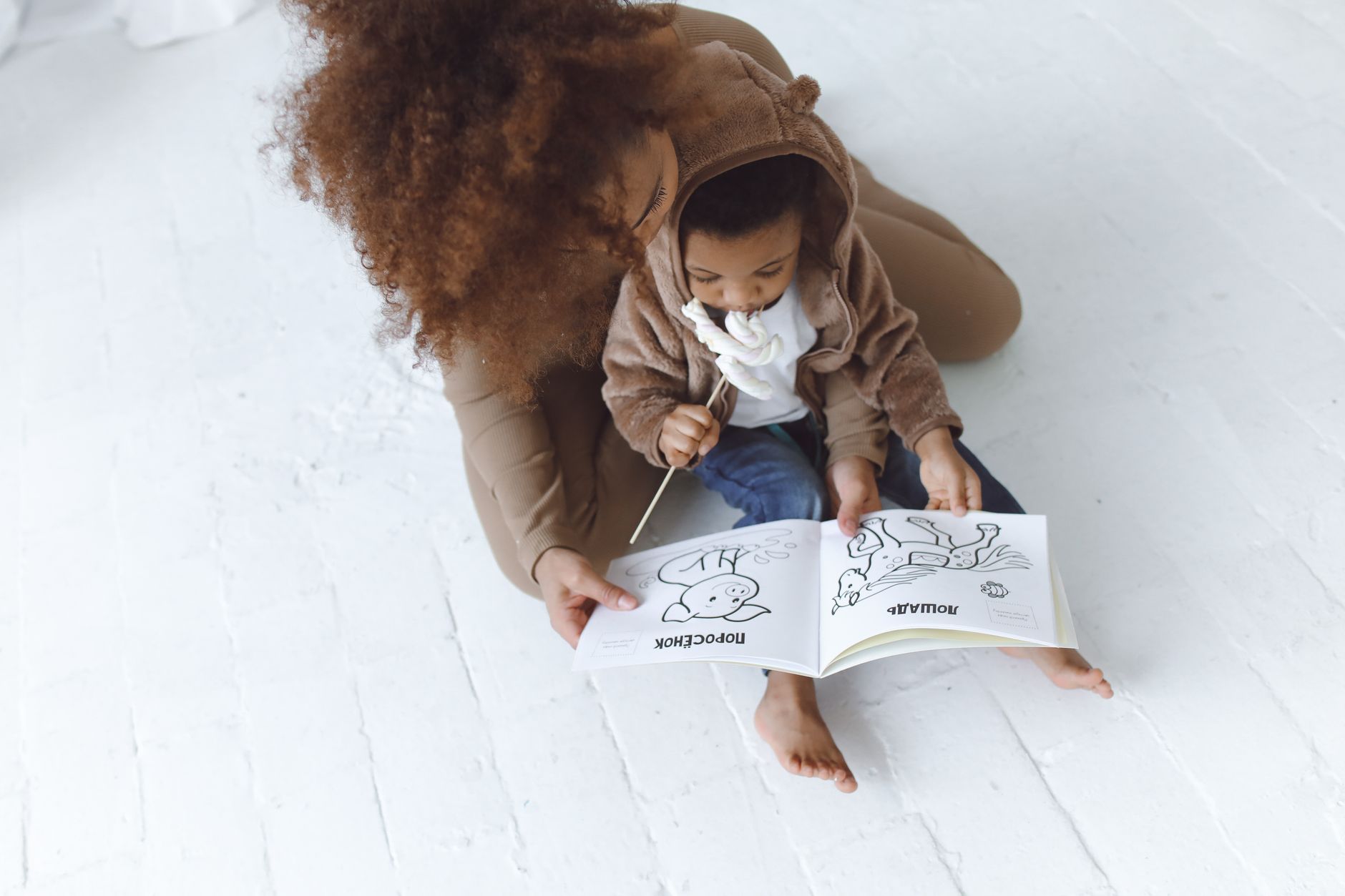
It was 8:30 p.m. on a Tuesday, and I was standing in the kitchen, staring at two very different reactions to the same homework assignment. My daughter, a gifted 8-year-old, had already completed her advanced math worksheet and was now building a Lego spaceship while reciting the periodic table to herself. My son, a neurotypical 6-year-old, was still struggling to write his name legibly, his pencil gripping so tight his knuckles had turned white. The contrast was jarring—not just in their abilities, but in their emotional responses. My daughter’s frustration wasn’t about the work; it was about the *waiting*. My son’s frustration was about the work itself, and the fear that he’d never keep up.
That moment crystallized something I’d been feeling for months: the quiet, gnawing tension of raising two children whose paths were so different. I loved them both deeply, but I was starting to wonder if I was doing something wrong. Was I neglecting my son by pushing my daughter’s potential? Was I setting my daughter up for disappointment by not challenging her more? And how do you even *start* to bridge the gap between a child who can read at a third-grade level by age 5 and one who’s still mastering the alphabet?
If you’re a mom in this exact boat—or if you’ve ever looked at your children and felt that same ache of imbalance—you’re not alone. The reality of raising a gifted child alongside an average sibling is a topic that’s often overlooked in parenting conversations. We talk about sibling rivalry, but rarely do we address the *kind* of rivalry that arises when one child’s brain operates at a different speed than the other’s. We discuss favoritism, but the favoritism here isn’t about preference; it’s about the invisible expectations we place on each child based on their abilities.
This guide is for you. It’s for the mom who watches her gifted child’s eyes glaze over in a classroom designed for "average" learners, while her other child struggles to keep up. It’s for the mom who hears her gifted child complain, *"Why does she get all the help?"* or her average child whisper, *"I wish I could be as smart as [sibling]."* It’s for the mom who’s exhausted by the emotional landmines of comparisons, the guilt of not being able to give both children exactly what they need, and the fear that one child will resent the other—or worse, resent *you*.
Here’s the truth: You’re not failing. The challenges you’re facing are real, but they’re also manageable. With the right strategies, you can create a home where both children feel seen, supported, and connected—even when their strengths and struggles look nothing alike.
---
## How to Balance Raising a Gifted Child and an Average Sibling Without Resentment
The first step in preventing resentment is recognizing that it often stems from unmet emotional needs, not just academic disparities. Resentment in a gifted child might look like boredom, frustration, or a sense of being "left behind" as their sibling progresses at a slower pace. In an average sibling, it might manifest as jealousy, insecurity, or the belief that they’re being overlooked. The key is to address these needs proactively, not reactively.
Start by observing their dynamics. Are there moments when one child feels sidelined? Does your gifted child withdraw when their sibling needs extra help, or does your average child feel overshadowed by their sibling’s achievements? These observations will help you tailor your approach. For example, if your gifted child seems disengaged during family activities, it might not be because they’re bored—it could be because they’re feeling invisible when their sibling is the center of attention.
Another critical strategy is to set individual expectations. It’s tempting to compare their progress, but this only fuels resentment. Instead, focus on each child’s goals. Ask yourself: What does success look like for my gifted child? What does it look like for my average sibling? For the gifted child, success might mean mastering a new subject area or developing a passion project. For the average sibling, it might mean building confidence in a skill they’re still learning. Celebrate these milestones separately, and avoid pitting one child against the other.
Communication is your best tool here. Talk to each child individually about their feelings and frustrations. A gifted child might not express their emotions in the same way as a neurotypical child, but they’re still experiencing them. For example, your gifted child might say, *"I’m just tired,"* when they really mean, *"I’m frustrated because I can’t keep up with my sibling’s progress."* Use open-ended questions like, *"What’s something you’ve been looking forward to this week?"* or *"Is there anything that feels hard for you right now?"* to encourage honesty.
Finally, create routines that include both children. Gifted children often thrive on structure and challenge, while average siblings may need more repetition and reinforcement. Find activities that cater to both needs. For instance, if your gifted child loves science experiments, involve your average sibling by having them assist with simpler tasks, like measuring ingredients or recording observations. This way, both children feel included, and the gifted child gets to share their passion without feeling like they’re "teaching" their sibling.
How to Help Your Older Child Adjust to a Newborn Sibling offers a useful framework for managing sibling dynamics when one child’s world is upended by a new arrival. While the context is different, the principles of setting individual expectations and fostering connection apply here too.
---
## Signs Your Gifted Child Is Feeling Left Behind by Their Average Sibling’s Progress
Gifted children are often highly sensitive to social dynamics, including sibling relationships. If your gifted child feels left behind, they might not say it outright—they might act it out. Here are some red flags to watch for:
- Withdrawal or emotional outbursts: A gifted child who suddenly seems disinterested in activities they once loved, or who throws tantrums over small frustrations, may be feeling unfulfilled.
- Comparative language: Phrases like *"Why can’t I do that?"* or *"My sibling is so slow"* can indicate a sense of being held back.
- Rejection of help: If your gifted child refuses assistance with tasks they’re capable of, it might be because they’re frustrated by their sibling’s slower pace.
- Perfectionism or low tolerance for repetition: Gifted children often struggle with tasks that require repetition, as they’re used to moving quickly. If they’re avoiding activities that feel "too slow," they may be feeling stifled.
- Physical symptoms: Headaches, stomachaches, or fatigue can sometimes stem from emotional stress, especially in gifted children who are used to operating at a high level.
If you notice these signs, it’s time to have a conversation. Approach your child with curiosity, not judgment. Try saying, *"I’ve noticed you’ve been really quiet lately. Is there something on your mind?"* or *"Sometimes I feel like I don’t understand what you’re going through. Can you help me?"* Gifted children often appreciate directness and honesty, so be prepared for an open and possibly intense discussion.
---
## Tips for Preventing Sibling Rivalry Between a Gifted and Neurotypical Child
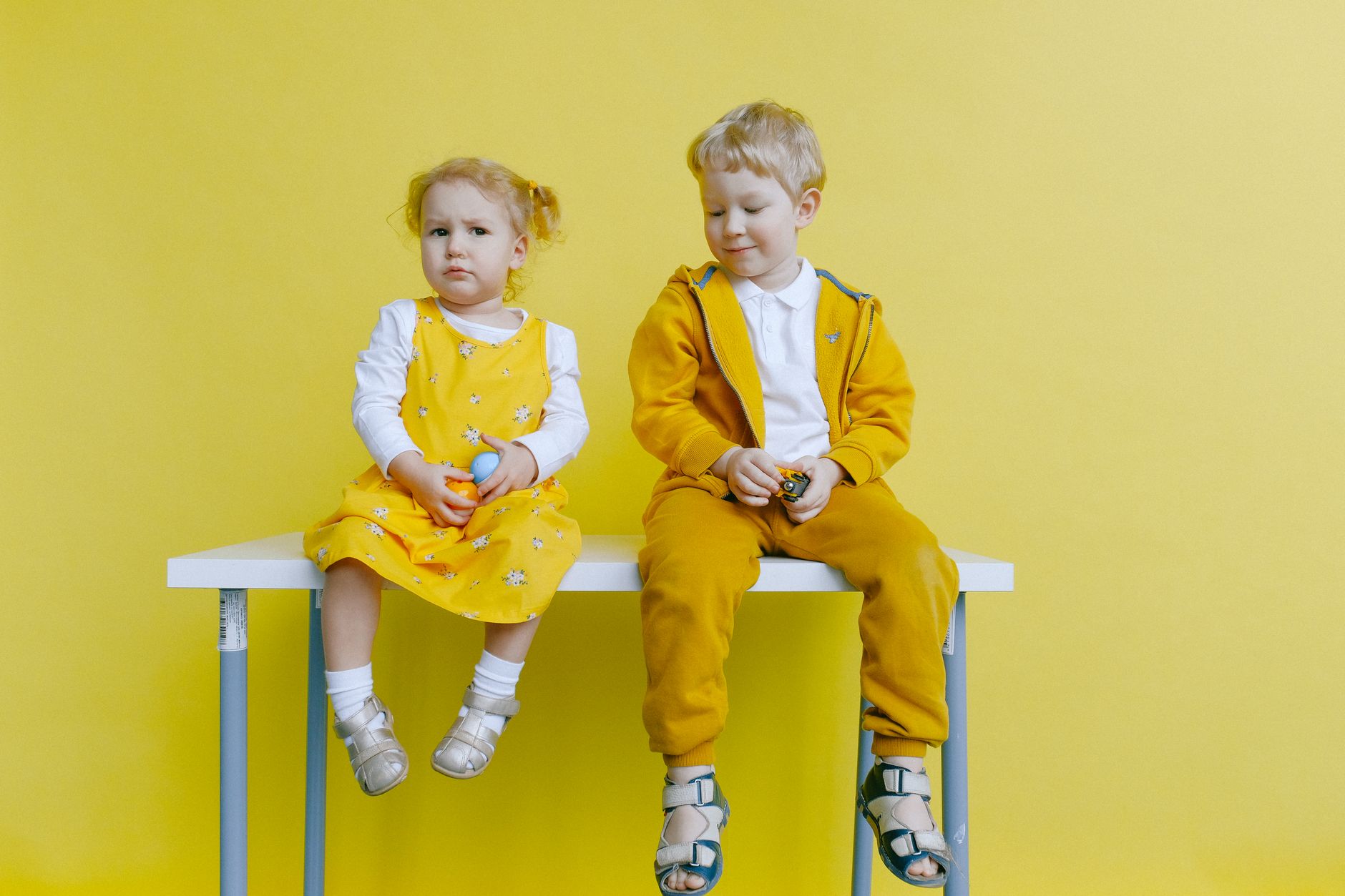
Sibling rivalry is a normal part of growing up, but it can take on a more complex form when one child is gifted and the other is neurotypical. The key to prevention is proactive inclusion and individualized attention. Here’s how to do it:
- Encourage shared interests: Find activities that both children enjoy, even if they’re at different skill levels. For example, if your gifted child loves building models, involve your average sibling by having them help with smaller pieces or decorating. This builds teamwork and reduces competition.
- Avoid labeling: Phrases like *"You’re so smart"* or *"You’re so slow"* can create a power dynamic that fuels rivalry. Instead, focus on effort and progress. Say things like *"I love how you solved that problem!"* or *"You’re working so hard on that—great job!"*
- Create "special time" for each child: Dedicate one-on-one time with each child to build their confidence and sense of individuality. This could be a favorite activity, a walk, or even just sitting down to talk. When each child feels valued in their own right, they’re less likely to compete for your attention.
- Mediate conflicts calmly: When sibling disputes arise, avoid taking sides. Instead, help them express their feelings and find a solution together. For example, if your gifted child is frustrated that their sibling isn’t keeping up, guide them to say, *"I feel bored when I have to wait. Can we find something else to do?"* This teaches emotional regulation and problem-solving.
- Celebrate differences: Frame their unique strengths as assets, not liabilities. For instance, you might say, *"Your sibling is great at patience, and that’s what helps them learn new things. You’re great at thinking quickly, and that helps you come up with creative ideas."* This reinforces the idea that everyone has something valuable to offer.
If rivalry persists, consider family meetings where each child can share their feelings and ideas. Use a visual timer to ensure everyone gets a turn to speak without interruption. This builds communication skills and helps children feel heard.
---
## How to Set Fair Expectations When One Child Excels Academically While the Other Doesn’t
Setting fair expectations is one of the biggest challenges for parents of gifted and neurotypical siblings. The temptation to compare is strong, but it’s essential to resist. Instead, focus on individualized goals that align with each child’s abilities and interests.
Start by assessing their strengths and challenges. For your gifted child, this might involve identifying their passions—science, art, music, or a specific subject. For your average sibling, it might involve building confidence in foundational skills like reading, writing, or social interactions. Use assessments like IQ tests or achievement tests (if appropriate) to gain insights, but remember that these are just tools—they don’t define your child’s worth.
Next, set SMART goals (Specific, Measurable, Achievable, Relevant, Time-bound) for each child. For example:
- Gifted child: *"By the end of the year, I want you to research and present on a topic you’re passionate about."*
- Average sibling: *"I want you to practice writing your name neatly every day for two weeks."*
Avoid setting goals that require one child to "keep up" with the other. Instead, focus on progress within their own context.
Use a visual progress tracker for each child. This could be a chart on the fridge, a whiteboard, or a digital app. For the gifted child, track achievements like completing a project or mastering a new skill. For the average sibling, track small wins like finishing a worksheet or improving handwriting. Seeing progress—no matter how incremental—builds confidence and motivation.
Finally, communicate openly with their teachers. If your gifted child is in school, advocate for enrichment opportunities, such as advanced classes, clubs, or independent projects. For your average sibling, work with their teacher to ensure they’re receiving the support they need without feeling "held back." Schools often have resources like resource rooms, special education services, or differentiated instruction that can help bridge the gap.
---
## Parenting Strategies to Keep Both Children Engaged and Happy in the Same Household
Keeping two children with vastly different needs engaged and happy can feel like juggling flaming torches. The secret is to design your home environment to accommodate both their learning styles and emotional needs. Here’s how:
Myth: Gifted children don’t need structure—they’ll find their own way.
Fact: Gifted children often thrive with flexible structure. They need clear expectations but also the freedom to explore their passions. Without structure, they may become restless, bored, or even rebellious. The key is to provide a framework that allows them to take ownership of their learning.
1. Create learning zones: Designate areas of the home for different types of activities. For example:
- Quiet zone: A cozy corner with books, puzzles, and calming activities for when your gifted child needs to focus or your average sibling needs a break from stimulation.
- Active zone: A space for movement-based activities, like building with blocks, playing with playdough, or doing outdoor play. This can help your average sibling who may need kinesthetic learning.
- Collaborative zone: A table or area where both children can work together on projects, like cooking, crafting, or science experiments.
2. Rotate activities: Gifted children often lose interest quickly, while average siblings may need repetition to master a skill. Rotate activities weekly to keep both children engaged. For example:
- Week 1: Science experiments (gifted child leads; average sibling assists).
- Week 2: Art projects (both children create independently).
- Week 3: Outdoor adventures (hiking, nature walks, scavenger hunts).
This rotation prevents boredom for the gifted child and provides variety for the average sibling.
3. Incorporate their interests: Gifted children often have intense passions. Lean into these! If your child loves space, plan a "space week" with documentaries, model-building, and stargazing. Involve your average sibling by having them help with simpler tasks, like drawing pictures of planets or counting stars. This makes the activity inclusive and meaningful for both.
4. Use technology mindfully: Screen time can be a double-edged sword. For gifted children, educational apps and online courses can provide enrichment. For average siblings, interactive games and videos can reinforce learning. However, set clear limits and co-view or co-play to ensure both children are engaged in meaningful ways.
5. Plan "special" time: Dedicate time each week for activities that cater to both children’s needs. For example:
- Monday: Family game night (choose games with different levels of complexity).
- Wednesday: Cooking together (gifted child follows recipes; average sibling measures ingredients).
- Friday: Outdoor adventure (hiking, bike rides, or a trip to the park).
These activities build connection and reduce the likelihood of resentment.
---
## How to Celebrate Each Child’s Strengths Without Making One Feel Inferior or Superior
Celebrating one child’s achievements while ensuring the other doesn’t feel left behind is a tightrope walk. The goal is to create a culture of appreciation for individuality without fostering comparison or resentment. Here’s how to do it:
1. Use specific, child-centered praise: Instead of saying *"You’re so smart!"* (which can put pressure on the gifted child and make the average sibling feel inadequate), try:
- For the gifted child: *"I love how you thought of that solution! You’re so creative!"*
- For the average sibling: *"You worked so hard on that drawing! I can tell you put a lot of effort into it."*
This focuses on effort, creativity, and hard work rather than innate ability.
2. Create a "strengths jar": Have each child write down one thing they’re proud of each week and add it to a jar. At the end of the month, read them aloud together. This reinforces the idea that everyone has unique strengths and accomplishments.
3. Avoid public comparisons: Never say things like *"Your sibling is so much better at this!"* or *"Why can’t you be more like your brother?"* These comments can damage self-esteem and create lasting resentment. Instead, focus on individual progress.
4. Celebrate milestones differently: If your gifted child earns a high score on a test, celebrate it with a special activity—maybe a trip to the zoo or a favorite restaurant. For your average sibling, celebrate their progress with a small reward, like a new book or a fun outing. Tailor the celebration to their interests and needs.
5. Use a "highs and lows" routine: At the end of each day, ask each child to share one high point and one low point. This builds emotional intelligence and ensures both children feel heard. For example:
- Gifted child: *"My high was solving that math problem on my own. My low was when my sibling spilled my juice."*
- Average sibling: *"My high was when I finished my coloring page. My low was when I got frustrated with my letters."*
This normalizes their experiences and reduces the likelihood of them feeling like their feelings aren’t valid.

---
## Real Mom Stories: Managing a Gifted Child and an Average Sibling’s Emotional Needs
No one understands the nuances of raising a gifted child alongside an average sibling better than other moms who’ve walked this path. Here are a few stories—with lessons learned—that resonate deeply with many parents:
-
Sarah’s Story: "The Boredom vs. The Struggle"
Sarah’s daughter, Emily, was a gifted reader by age 4, while her son, Jake, was still mastering his letters. Sarah struggled with the guilt of leaving Emily to her own devices while she worked with Jake on phonics. One day, Emily snapped, *"You always help Jake, but I don’t need help!"* Sarah realized she was unintentionally reinforcing the idea that Jake’s needs were more important. She started setting aside dedicated time for Emily to explore her own interests—reading, writing, or science experiments—while Jake received the support he needed. The key was scheduling, not prioritizing. Both children knew they’d get their turn.
-
Maria’s Story: "The Jealousy Under the Surface"
Maria’s son, Leo, was a gifted problem-solver, while her daughter, Mia, struggled with social skills. Maria assumed Leo was the one feeling left behind, but it was actually Mia who was jealous of Leo’s confidence. When Mia started acting out in school, Maria realized she needed to address Mia’s feelings directly. She started a "superpower" journal where Mia could write about her own strengths, and Leo learned to be a "helper" by teaching Mia games or sharing his favorite books. This shift in perspective changed everything.
-
Jamie’s Story: "The Power of Shared Passions"
Jamie’s daughter, Ava, loved animals, while her son, Noah, loved building. Jamie initially struggled to find activities that would engage both children, but then she discovered a local farm where they could both participate. Ava could help with the animals, and Noah could build a small pen for the goats. This shared experience not only kept both children happy but also strengthened their bond. Jamie learned that finding common ground—even in vastly different interests—could bridge the gap between their worlds.
These stories highlight a common theme: the need to see each child’s world through their own eyes. What feels like a small frustration to one child might be a huge emotional hurdle for another. By listening, observing, and adapting, you can create a home where both children feel valued and connected.
---
## How to Structure Family Time So Both Kids Feel Included and Valued
Family time should be a source of joy and connection, not a source of tension. The challenge is designing activities that engage both a gifted child and an average sibling without one feeling sidelined. Here’s how to structure family time effectively:
1. Use the "Two-Child Rule": When planning activities, ask yourself: *"Can both children participate meaningfully?"* If the answer is no, adjust the activity. For example, if your gifted child wants to build a model airplane and your average sibling wants to color, find a way to combine both. Maybe the airplane is a collaborative project, or the sibling colors a scene from the airplane’s journey.
2. Create "Choice Boards": Offer a menu of activities during family time, allowing each child to choose what they’d like to do. This gives them a sense of control and reduces competition. For example:
- Art station: Drawing, painting, or crafting.
- Science station: Simple experiments or nature exploration.
- Movement station: Dance, yoga, or outdoor play.
- Reading station: Books or audiobooks.
This way, both children can engage in activities that suit their interests and abilities.
3. Rotate leadership roles: Gifted children often enjoy taking charge, while average siblings may need guidance. Rotate who leads activities to ensure both children feel included. For example:
- One week, the gifted child plans a family game night.
- The next week, the average sibling picks a movie or snack.
- Alternate weeks where both children collaborate on a project.
This builds confidence in the average sibling and prevents the gifted child from always being "in charge."
4. Incorporate "quiet time" for the gifted child: If your gifted child becomes restless during family activities, it’s okay to give them a break. Set up a quiet space with books, puzzles, or independent projects. This doesn’t mean they’re excluded—it means they’re engaged in a way that suits their needs. You can check in with them periodically to ensure they’re still included in the family dynamic.
5. End with a "debrief": At the end of family time, have a quick check-in where each child shares one thing they enjoyed and one thing they’d like to try next time. This reinforces that everyone’s preferences matter and encourages collaboration.
---
## How to Teach a Gifted Child Patience When Their Sibling Struggles with Basic Skills
One of the most common frustrations for gifted children is watching their sibling struggle with tasks they’ve already mastered. This can lead to impatience, frustration, or even resentment. Teaching patience requires a mix of emotional regulation strategies and role modeling. Here’s how to approach it:
1. Validate their feelings: Gifted children often feel invisible when their sibling needs help. Acknowledge their frustration without dismissing it. Try saying, *"I know it can feel really frustrating when you have to wait, and I want you to know that I see how hard it is for you."* This builds emotional safety and reduces defensiveness.
2. Use "time-in" instead of time-out: When your gifted child becomes impatient, guide them to take a break to regulate their emotions. Instead of saying *"Time-out!"* try saying *"Let’s take a deep breath together. Breathe in for 4… hold for 4… breathe out for 6. How do you feel now?"* This teaches them to pause and reflect.
3. Teach "helper mode": Gifted children often want to "fix" their sibling’s struggles, which can create tension. Instead, encourage them to be a "helper" in a way that feels meaningful to them. For example:
- Your gifted child could read a book to their sibling.
- They could help their sibling with a simple task, like counting objects or matching colors.
- They could create a game that reinforces the skill their sibling is learning.
This shifts the dynamic from frustration to collaboration.
4. Model patience: Children learn by observing. If you become frustrated when your average sibling struggles, your gifted child will pick up on that energy. Stay calm and patient yourself, even when it’s challenging. You might say, *"I know this is hard, but I believe in you. Let’s take it one step at a time."*
5. Use visual timers: Gifted children often have a strong sense of time. A visual timer can help them understand that waiting is temporary. For example, if your sibling needs 10 minutes to complete a task, set a timer and say, *"You’ll have 10 minutes to finish, and then we’ll move on to something else."* This gives them a sense of control and reduces anxiety.
6. Praise effort, not speed: Instead of saying *"You’re so fast!"* try *"I love how you’re so patient and helpful!"* This reinforces the idea that patience is a valuable trait.
---
## What to Do When Your Gifted Child Complains Their Average Sibling Gets More Attention
If your gifted child feels like they’re getting less attention, it’s often because their sibling’s needs are more visible. This can create a sense of injustice, especially if your gifted child is used to being the "star" of the family. Here’s how to address it:
- Listen without defending: When your gifted child complains, don’t immediately explain why their sibling needs more help. Instead, listen and validate their feelings. Try saying, *"I hear how you feel. It makes sense that you’d want more attention."* This builds trust and opens the door for a productive conversation.
- Clarify expectations: Sometimes, gifted children assume that more attention means more praise or more time. Clarify that attention isn’t about favoritism—it’s about meeting each child’s unique needs. Say, *"We give your sibling extra help because they’re still learning, and that’s okay. You get attention too, but in different ways."*
- Offer "special time" for them: Dedicate one-on-one time each week where your gifted child can do something they love—whether it’s reading, building, or exploring a passion project. This reassures them that they’re not being overlooked.
- Involve them in helping their sibling: Gifted children often feel more secure when they can contribute to their sibling’s world. Give them age-appropriate ways to help, like reading to their sibling or teaching them a game. This shifts the dynamic from competition to collaboration.
- Avoid comparisons: Never say things like *"Your sibling needs more help, so you don’t."* Instead, focus on the positive. Say, *"You’re so smart, and that’s why you can help your sibling in so many ways!"*
If your gifted child’s complaints persist, consider therapy or counseling. A child therapist can help them process their emotions and develop coping strategies. Many therapists specialize in giftedness and can provide tailored support.
---
## How to Explain Giftedness to an Average Sibling Without Causing Jealousy
Explaining giftedness to an average sibling can be tricky. The goal is to foster understanding without creating feelings of inferiority or jealousy. Here’s how to approach it:
- Use simple, relatable language: Instead of using complex terms like "asynchronous development" or "intra-psychic conflict," explain it in a way your average sibling can understand. For example, you might say, *"Your sibling’s brain works a little differently. They can learn things faster, but that doesn’t mean they’re better than you. It just means they need different things to help them grow."*
- Focus on strengths, not labels: Avoid saying *"Your sibling is gifted."* Instead, highlight their unique strengths. For example, *"Your sibling is really good at thinking quickly and coming up with new ideas. That’s something special about them!"* This shifts the focus from a label to a positive trait.
- Share examples of everyone’s strengths: Create a list of things each child is good at. For example:
- Gifted sibling: Solves puzzles quickly, remembers lots of facts, loves science.
- Average sibling: Great at drawing, really kind to others, good at sports.
This reinforces the idea that everyone has something unique to offer.
- Use stories and examples: If your average sibling is younger, use stories or examples from books, movies, or real life. For example, you might say, *"You know how in Inside Out, Joy and Sadness are both important? Your sibling’s brain is like Joy—they think really fast—but you’re like Sadness or Fear, and that’s okay too!"* This helps them see giftedness as just one part of who their sibling is.
- Avoid comparisons in front of them: Never say things like *"Your sibling is so much smarter than you"* or *"You’ll catch up someday."* This can create resentment. Instead, focus on what each child brings to the family.
- Encourage questions: Let your average sibling ask questions and answer them honestly. If they ask *"Why can’t I be like my sibling?"* you might say, *"Everyone grows at their own pace. Your sibling’s brain works fast, but yours is just as special in its own way."*
---
## Parenting Advice for Gifted Kids Who Feel Bored in School While Their Sibling Struggles
Gifted children who feel bored in school often experience a range of emotions: frustration, resentment, or even anger. The key is to address their needs without undermining their sibling’s progress. Here’s how:
- Advocate for enrichment opportunities: Work with your child’s teacher to provide challenges within the classroom. This could include:
- Advanced assignments or projects.
- Mentorship with older students or teachers.
- Independent research or passion projects.
Schools often have gifted education programs, but you may need to push for them.
- Encourage self-directed learning: Gifted children often thrive when they can explore their own interests. Provide resources like books, documentaries, or online courses that align with their passions. Websites like Khan Academy, Coursera, or TED-Ed offer free, engaging content for learners of all ages.
- Create a "passion project" time: Dedicate time each week for your gifted child to pursue a project they’re passionate about. This could be anything from writing a story to building a model to learning a new language. The goal is to give them a sense of ownership over their learning.
- Avoid labeling them as "bored": Instead of saying *"You’re so bored in school,"* try *"I know school can feel slow sometimes. What do you think would make it more interesting?"* This shifts the focus from frustration to problem-solving.
- Connect with other gifted kids: Gifted children often feel isolated in school. Encourage them to connect with peers who share their interests, whether through clubs, online communities, or local groups. This can provide a sense of belonging and reduce feelings of boredom.



