

Quick take: An ectopic pregnancy is a devastating loss—one that can leave you feeling numb, guilty, or overwhelmed. The emotional recovery isn’t linear, but you’re not alone. Grief isn’t just sadness; it’s also confusion, anger, and even moments of relief. Lean on professional support, trusted friends, and small, consistent acts of self-care. Your heart will heal, even if it doesn’t feel like it now. **And remember: your body’s healing timeline doesn’t match your emotional one—be patient with yourself.**Ectopic Pregnancy Emotional Recovery: A Modern Mom’s Honest Guide

It was 6 weeks into my pregnancy. I had just announced the news to my partner, and my period was late—again. But when I called the doctor, the words “ectopic pregnancy” shattered what I thought was my first trimester. The doctor’s voice was calm, but my stomach dropped. An ectopic pregnancy means the fertilized egg implants outside the uterus, usually in the fallopian tube. It can’t survive, and if left untreated, it can be life-threatening. I remember lying in the hospital bed, staring at the ceiling, wondering how I’d ever feel whole again.
That moment—when the reality of loss hits—is the hardest. The physical recovery is one thing: surgery, healing, and monitoring for complications. But the emotional recovery? That’s a journey no one prepares you for. You might feel numb one day and drowning the next. You might ask, “Why me?” or “What did I do wrong?” These questions aren’t just about the pregnancy; they’re about your identity as a woman, a partner, and a future mom. You’re not alone in this. Millions of women have walked this path, and while there’s no “right” way to grieve, there are ways to navigate the storm.
This guide is for you—whether you’re still processing the shock, wondering if your emotions are “normal,” or searching for ways to move forward. We’ll talk about the emotional rollercoaster, how to talk to loved ones, where to find support, and how to rebuild your life after loss. Because you deserve to heal, even when healing feels impossible.
--- ## **How to Cope with Emotional Shock After an Ectopic Pregnancy**When you first hear the words “ectopic pregnancy,” your brain is in overload. One minute, you’re dreaming of baby showers; the next, you’re hearing that the pregnancy can’t continue. The shock can feel like a physical blow—your body might even experience symptoms similar to a miscarriage, like cramping or bleeding, which can heighten the sense of loss.
In the immediate aftermath, it’s okay to feel disconnected. Some women describe it as “being in a fog.” Others feel intense anger, guilt, or shame—even if there’s nothing to blame yourself for. An ectopic pregnancy isn’t your fault. It’s a medical complication that affects about 1 in 50 pregnancies, according to the American College of Obstetricians and Gynecologists (ACOG). But that doesn’t make the grief any easier.
Here’s what helps in those first days:
- Give yourself permission to feel nothing. Grief isn’t linear. You might cry one minute and feel numb the next. Both are valid.
- Avoid making big decisions. Your brain is foggy, and your emotions are raw. Wait until you’re feeling more grounded before planning a memorial, talking to your employer, or making long-term changes.
- Lean on a “grief buddy.” If you have a partner, friend, or family member who understands, let them hold space for you. If no one does, consider reaching out to a support group (we’ll cover this later). You don’t have to do this alone.
- Write it out. Journaling doesn’t have to be structured. Scribble your thoughts, tear up the page, or write a letter you’ll never send. The act of putting words to your pain can help process it.
One reader wrote to us: *“I kept thinking, ‘But I wanted this baby so badly.’ And then I realized—my body didn’t want it either. That didn’t make it any less real, but it helped me stop blaming myself.”* If you’re struggling to untangle your emotions, our guide to emotional recovery after miscarriage can offer more tools for navigating this fog.
--- ## **The Physical Aftermath: How Your Body Heals (and Why It Matters Emotionally)**After surgery to treat an ectopic pregnancy, your body goes through a physical recovery process that can mirror the emotional one—both unpredictable and deeply personal. The fallopian tube may be damaged, and you might experience fatigue, pain, or even hormonal fluctuations as your body adjusts. These physical symptoms can amplify emotional distress, making it feel like your body is “rejecting” you or “punishing” you for your grief.
It’s important to recognize that these reactions are normal. The NHS notes that physical recovery can take weeks to months, and emotional healing often takes even longer. During this time, small acts of physical care—like gentle movement (walking, yoga), balanced nutrition, and adequate sleep—can help regulate your nervous system and create a foundation for emotional stability.
“I remember lying in bed for days, convinced my body was betraying me,” one reader shared. “But my therapist helped me see that my body wasn’t ‘against’ me—it was just healing from trauma. That shift in perspective made a difference.” If you’re struggling with physical symptoms, consider speaking to your doctor about pain management or fatigue relief strategies tailored to your recovery.
--- ## **What Are the Signs of Depression After an Ectopic Pregnancy?**An ectopic pregnancy loss can trigger major depression, especially if you were deeply attached to the pregnancy. Depression after loss isn’t just sadness—it’s a persistent feeling of hopelessness, fatigue, or even numbness that interferes with daily life. Here’s what to watch for:
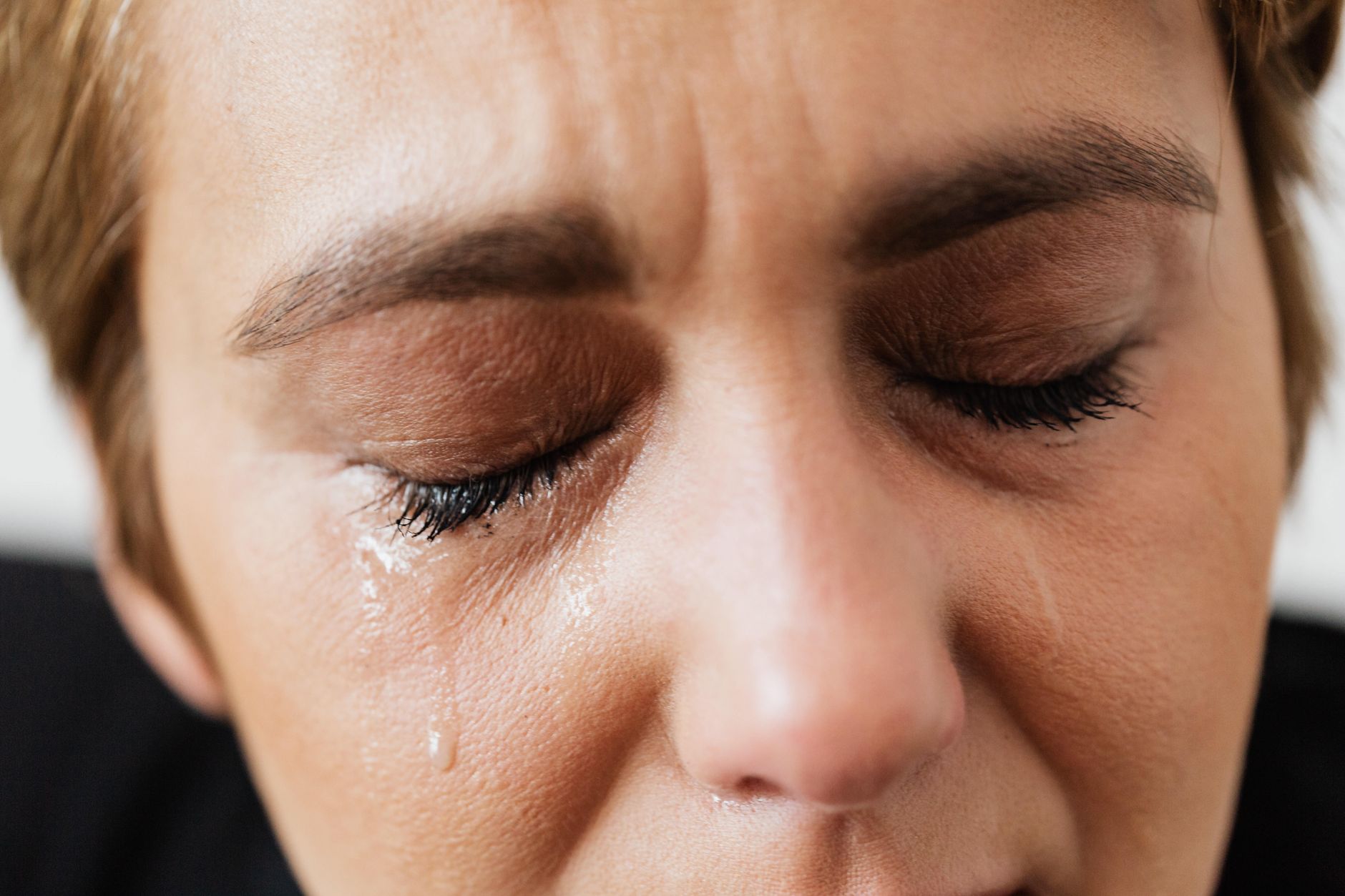
Common Emotional and Physical Symptoms
- Emotional: Intense sadness, irritability, guilt, or shame; feeling empty or detached from loved ones; loss of interest in activities you once enjoyed.
- Physical: Fatigue, changes in appetite (eating too much or too little), sleep disturbances (insomnia or oversleeping), or unexplained aches and pains.
- Cognitive: Difficulty concentrating, racing thoughts, or feeling like you’re “going crazy.”
- Behavioral: Withdrawing from social interactions, neglecting self-care, or feeling restless or agitated.
If these symptoms last for more than two weeks and start affecting your ability to function—whether it’s showing up to work, caring for pets, or even getting out of bed—it’s time to seek help. Depression after loss is treatable, but it requires support.
“I thought I’d just ‘get over it’ after a few weeks,” one mom told us. “But by month three, I couldn’t even look at baby clothes without crying. I finally admitted I needed therapy, and it was the best thing I did.”
If you’re unsure whether your feelings are depression or just grief, our guide to emotional regulation for moms can help you distinguish between the two.
--- ## **How to Talk to Family About an Ectopic Pregnancy Loss**Talking to loved ones about an ectopic pregnancy can feel like walking through a minefield. Some people will say the “right” things; others might say nothing at all. Others might even minimize your pain—*“At least you can try again!”*—which can feel like a punch to the gut. Here’s how to navigate these conversations:
What to Say (and What Not to Say)
- Do:
- Be honest about what you need. *“I need you to just listen right now.”*
- Share what helps you. *“It would mean a lot if you could bring me coffee on my bad days.”*
- Acknowledge their discomfort. *“I know this is hard for you too, and I appreciate you being here.”*
- Don’t:
- Compare your loss to others’. *“At least you didn’t have a full-term pregnancy.”*
- Pressure you to “move on.” *“You should be happy you’re healthy!”*
- Assume you’re “over it.” Grief isn’t a race.
If your partner or family members don’t know how to respond, share resources like our guide to emotional labor to help them understand what you’re going through. Sometimes, just saying, *“I need you to be my safe person right now,”* sets clear expectations.
One reader shared: *“My mom-in-law said, ‘Well, you can always adopt.’ I wanted to scream, ‘This isn’t about adoption—it’s about the baby I lost!’ But instead, I said, ‘I know you mean well, but right now, I just need you to be quiet and hold my hand.’ That was enough.”*
--- ## **How to Prepare for Future Pregnancies After an Ectopic Pregnancy**If you’re considering trying for another baby after an ectopic pregnancy, it’s natural to feel a mix of hope and anxiety. While the risk of another ectopic pregnancy is slightly higher, many women go on to have healthy pregnancies. The key is working with your healthcare provider to monitor your fallopian tubes and address any underlying issues, such as pelvic inflammatory disease (PID) or previous surgeries, which may increase the risk.
Your doctor may recommend:
- Monitoring with ultrasounds or blood tests to track your pregnancy early.
- Avoiding smoking, excessive alcohol, or recreational drugs to reduce risks.
- Managing chronic conditions like endometriosis or fibroids, which may contribute to ectopic pregnancies.
- Discussing fertility treatments if you’re concerned about timing or success rates.
“I was terrified to try again,” one reader admitted. “But my doctor assured me that with proper monitoring, I had a very good chance of a healthy pregnancy. It took time, but I felt ready when I was ready.” If you’re exploring this path, our guide to trying to conceive after loss can offer emotional support as well.
--- ## **Counseling Options for Ectopic Pregnancy Emotional Recovery**Professional support doesn’t mean you’re “weak”—it means you’re taking control of your healing. Counseling can help you process your loss, manage depression or anxiety, and rebuild your sense of self after a pregnancy loss. Here’s what’s available:
Types of Therapy That Help
| Therapy Type | What It Helps With | What to Expect |
|---|---|---|
| Grief Counseling | Processing loss, managing guilt, and finding meaning | Safe space to talk about your feelings without judgment |
| Cognitive Behavioral Therapy (CBT) | Anxiety, intrusive thoughts, and negative thought patterns | Learning to challenge and reframe unhelpful thoughts |
| Trauma-Informed Therapy | Processing the physical and emotional trauma of surgery or loss | Gentle, structured approach to healing from a traumatic experience |
| Support Groups (In-Person or Online) | Feeling less alone, sharing experiences, and learning coping strategies | Group discussions led by a facilitator or peer leader |
If therapy feels out of reach, many therapists offer sliding-scale fees or virtual sessions. Organizations like the Ectopic Pregnancy Trust also provide free counseling resources.
“I was terrified to try therapy,” one mom admitted. “But my therapist helped me realize that my grief wasn’t ‘wrong’—it was just different. She taught me how to sit with the pain instead of pushing it away.”
--- ## **Support Groups for Ectopic Pregnancy Survivors**Finding a community of women who “get it” can be a game-changer. Support groups—whether in-person or online—offer a space to share without fear of judgment. Here’s where to start:
Where to Find Support
- Online Communities:
- In-Person Groups:
- Check local hospitals or fertility clinics—they often host support groups.
- Organizations like the Ectopic Pregnancy Trust list UK-based groups.
- If you’re in the U.S., American Pregnancy Association may have resources.
- Memorial Options:
- Plant a tree, light a candle, or create a memory box. Some women find comfort in small rituals.
- If you’re religious or spiritual, consider a memorial service or prayer group.
“I thought I’d never meet someone who ‘got it,’” one reader said. “But in an online group, I found women who had gone through the exact same surgery, the exact same grief. Just knowing I wasn’t alone made everything feel a little lighter.”
--- ## **Self-Care Routines After an Ectopic Pregnancy**Self-care isn’t about bubble baths and face masks—it’s about small, consistent acts of kindness to your body and mind. After an ectopic pregnancy, your nervous system is on high alert. Gentle routines can help ground you.

A Simple Self-Care Plan
- Morning:
- Start with a 5-minute stretch or gentle yoga flow (try this 10-minute routine).
- Drink a glass of water with lemon—hydration helps with both physical and emotional recovery.
- Write down one thing you’re grateful for, even if it’s small (*“I’m grateful for my partner’s hug last night.”*).
- Afternoon:
- Take a 10-minute walk outside—sunlight helps regulate your circadian rhythm.
- Eat a balanced meal (think protein + veggies + healthy fats). Avoid isolation eating.
- If you’re up for it, call or text a friend. Even a quick, *“Hey, just checking in,”* can help.
- Evening:
- Dim the lights and try a 4-7-8 breathing exercise (inhale for 4, hold for 7, exhale for 8). Repeat 3 times.
- Write in a journal—no structure needed. Dump your thoughts onto the page.
- End with a warm shower or bath. Add Epsom salts if you’re sore.
“I used to think self-care was selfish,” another mom shared. “But after my ectopic pregnancy, I realized it wasn’t about me—it was about giving myself the space to heal so I could show up for others.”
--- ## **How to Manage Anxiety After an Ectopic Pregnancy**Anxiety after an ectopic pregnancy is common. You might worry about future pregnancies, your body’s ability to carry a baby, or even the idea of “trying again.” Here’s how to manage it:
Tools for Anxiety Relief
- Grounding techniques:
- Try the 5-4-3-2-1 method: Name 5 things you see, 4 things you feel, 3 things you hear, 2 things you smell, and 1 thing you taste.
- Hold an ice cube in your hand or splash cold water on your face to snap out of a panic.
- Limit triggers:
- Avoid social media for a while if it’s overwhelming.
- If pregnancy content is hard, mute or unfollow accounts that trigger you.
- Talk to your doctor:
- If anxiety is interfering with your daily life, ask about therapy or medication. SSRIs (like Zoloft or Lexapro) can help some women.
- Consider a referral to a psychiatrist who specializes in perinatal mental health.
- Create a “worry journal”:
- Write down anxious thoughts when they arise, then schedule a time to address them (e.g., “I’ll worry about this at 8 PM” and then move on).
“I used to lie awake at night imagining every possible worst-case scenario,” one mom confessed. “But my therapist taught me to ask, ‘What’s the evidence for this fear?’ Most of the time, there wasn’t any.”
--- ## **How Long Does Emotional Recovery Take After an Ectopic Pregnancy?**There’s no “right” timeline for grief. Some women feel better in a few months; others take years. The key is to be patient with yourself. Here’s what to expect:
What’s “Normal” vs. When to Seek Help
| Phase | Duration | What It Looks Like | Red Flags (When to Seek Help) |
|---|---|---|---|
| Acute Grief (0–3 months) | Highly variable | Shock, denial, intense sadness, physical symptoms (fatigue, nausea) | Suicidal thoughts, inability to function, or extreme withdrawal |
| Adjustment (3–12 months) | 3–12 months | Fluctuating emotions, moments of relief, rebuilding routines | Persistent depression, anxiety, or substance use to cope |
| Integration (1+ years) | 1+ years | Acceptance isn’t “over it”—it’s finding new meaning and purpose | Chronic numbness, avoidance of all reminders of loss |
“I thought I’d ‘get over it’ by my due date,” one mom laughed bitterly. “But my body was ready to carry a baby, and my heart wasn’t. It took me two years to feel like I could even *want* another pregnancy.”
If you’re struggling to move forward after a year, it might be time to revisit therapy or explore trauma-informed care. Our guide to emotional recovery after a D&C can offer more insight into the timeline of healing.
--- ## **What Is Normal Emotional Response to an Ectopic Pregnancy?**Grief after an ectopic pregnancy isn’t just sadness—it’s a complex mix of emotions. Here’s what’s considered “normal”:
Common Emotional Reactions
- Shock and numbness: Your brain can’t process the news right away. This is your body’s way of protecting you.
- Guilt or shame: *“Did I do something wrong?”* or *“I wanted this baby so badly.”* These thoughts are normal, but they don’t mean you’re at fault.
- Anger: At the doctor, at your body, at life. Anger is a valid part of grief.
- Relief (yes, relief): Some women feel a mix of sadness and relief—relief that the pregnancy ended before it became life-threatening.
- Identity crisis: *“Who am I now?”* or *“Can I still be a mom?”* These questions are common after loss.
- Physical symptoms: Fatigue, headaches, or even symptoms that mimic early pregnancy (nausea, breast tenderness). Your body is still adjusting.
“I was so shocked when I started crying at the sight of a baby blanket,” one reader admitted. “I thought I’d be ‘over it’ by now. But then I realized—it’s not about being ‘over it.’ It’s about learning to live with it.”
--- ## **How to Create a Memorial That Honors Your Loss**Creating a memorial can be a meaningful way to acknowledge your loss and find closure. It doesn’t have to be grand—it can be as simple or personal as you’d like. Some women plant a tree, light a candle, or create a memory box with mementos from their pregnancy. Others choose to write a letter to their baby, share their story in a support group, or even create a digital memorial on platforms like Memorialize or Remembering Our Babies.
If you’re religious or spiritual, you might consider a memorial service, prayer, or blessing. For example, some women hold a private ceremony at home with loved ones, while others choose to participate in a community memorial event. The key is to make it meaningful to you. As the Ectopic Pregnancy Trust suggests, memorializing your loss can help you process your grief and find a sense of peace.
“I wrote a letter to my baby, telling them how much I loved them and how I hoped they’d find happiness,” one reader shared. “It wasn’t easy, but it helped me feel like I was giving them a proper goodbye.” If you’re unsure where to start, consider exploring our guide to creating a memorial after loss for inspiration.
--- ## **Myth vs. Fact: Ectopic Pregnancy Emotional Recovery**There are a lot of myths about grief after an ectopic pregnancy. Here’s the truth:
Myth: “You’ll just ‘get over it’ after a few months.”
Fact: Grief isn’t a race. Some women feel better in weeks; others take years. There’s no timeline, and comparing your journey to others’ is unfair to yourself. According to the National Institute of Mental Health (NIMH), complicated grief can last for months or even years, and it’s important to give yourself the time you need.
Myth: “If you try for another baby too soon, you’ll just get another ectopic pregnancy.”
Fact: Most women who’ve had one ectopic pregnancy can have a healthy pregnancy afterward. Talk to your doctor about monitoring and timing. Our guide to postpartum recovery can help you navigate the physical and emotional sides of trying again.
Myth: “Talking about your loss will make it worse.”
Fact: Suppressing grief can actually prolong it. Sharing your story—even in small doses—helps your brain process the loss. That’s why support groups and therapy work. Research from the Miscarriage Association supports the idea that open communication about loss can reduce long-term emotional distress.
--- ## **Key Takeaways**- Your emotions are valid—no matter what they are.
- An ectopic pregnancy isn’t your fault, and you’re not “broken.”
- Small, consistent acts of self-care (even on bad days) help your nervous system regulate.
- Professional support—whether therapy, counseling, or support groups—isn’t a sign of weakness; it’s a sign of strength.
- It’s okay to want another baby someday. It’s also okay to not want one. Both are normal.
- If you’re struggling to function, reach out. You deserve help.
- Your body’s healing timeline doesn’t match your emotional one—be patient with yourself.
What emotional changes happen after an ectopic pregnancy?
After an ectopic pregnancy, you might experience a wide range of emotions—sadness, anger, guilt, relief, or even numbness. These reactions are normal because your body and mind are processing a profound loss. Some women also feel a sense of relief that the pregnancy ended before it became life-threatening, while others struggle with grief over the baby they imagined. Physical symptoms like fatigue, headaches, or even nausea can also mimic early pregnancy symptoms, adding to the emotional toll. If these emotions feel overwhelming or persistent, consider speaking to a therapist or counselor who specializes in perinatal loss.
How do I know if I need therapy after an ectopic pregnancy?
If your grief is interfering with your daily life—whether it’s keeping you from work, isolating you from loved ones, or causing persistent depression or anxiety—it’s a sign you could benefit from therapy. Other red flags include suicidal thoughts, substance use to cope, or an inability to function for weeks or months. Therapy can help you process your loss in a safe space and develop coping strategies. If you’re unsure, start with a grief counselor or therapist who specializes in perinatal loss. Many therapists offer sliding-scale fees or virtual sessions to make support more accessible.
Can I still have children after an ectopic pregnancy?
Yes, most women who’ve had one ectopic pregnancy can have a healthy pregnancy afterward. However, your risk of another ectopic pregnancy is slightly higher. Your doctor may recommend monitoring or lifestyle changes to reduce risks. If you’re ready to try again, talk to your OB/GYN about the best approach for your body. Our guide to emotional labor can also help you prepare for the emotional side of trying again.
What are the signs of depression after an ectopic pregnancy?
Signs of depression after an ectopic pregnancy include persistent sadness, loss of interest in activities you once enjoyed, fatigue, changes in appetite or sleep, feelings of guilt or worthlessness, and difficulty concentrating. If these symptoms last for more than two weeks and start affecting your ability to function, it’s important to seek help. Depression is treatable, and support—whether through therapy, medication, or support groups—can make a big difference. If you’re struggling, reach out to your healthcare provider or a mental health professional for guidance.
How long does it take to recover emotionally from an ectopic pregnancy?
There’s no set timeline for emotional recovery after an ectopic pregnancy. Some women feel better in a few months, while others take years. The key is to be patient with yourself and give yourself permission to grieve at your own pace. If you’re struggling to move forward after a year, it might be time to revisit therapy or explore trauma-informed care. Remember, healing isn’t linear, and it’s okay to have good days and bad days. According to the NHS, grief can take as long as it takes, and there’s no rush to “get over it.”
What support is available for women who have had an ectopic pregnancy?
There are many resources available for women recovering from an ectopic pregnancy. Online communities like r/EctopicPregnancy on Reddit or the Ectopic Pregnancy Trust offer peer support. In-person support groups are often available through hospitals, fertility clinics, or organizations like the Miscarriage Association. Professional counseling—whether grief counseling, CBT, or trauma-informed therapy—can also provide a safe space to process your loss. If you’re unsure where to start, reach out to your OB/GYN or a perinatal mental health specialist. Additionally, the Postpartum Support International directory can help you find a therapist in your area.
How can I help a friend or partner who’s grieving an ectopic pregnancy?
Supporting someone after an ectopic pregnancy can feel challenging, but your presence and empathy can make a world of difference. Avoid minimizing their pain by saying things like *“At least you’re healthy”* or *“You can always try again.”* Instead, offer simple but meaningful support: *“I’m here for you,”* *“Would it help if I brought you dinner?”* or *“I don’t have the right words, but I want you to know I care.”* Encourage them to share their story if they’re ready, and avoid pushing them to “move on.” Let them set the pace for their healing. If they’re open to it, share resources like our guide to supporting a partner through grief to help you both understand what they’re going through.
--- ## **When to See a Doctor or Specialist**While emotional recovery is personal, there are times when you should seek professional help:
- If you’re experiencing persistent suicidal thoughts or feelings of hopelessness.
- If you’re unable to function in daily life for more than two weeks (e.g., can’t get out of bed, neglect self-care, or isolate completely).
- If you’re using substances (alcohol, drugs) to cope with your emotions.
- If you’re struggling with physical symptoms like severe fatigue, panic attacks, or insomnia that don’t improve.
- If you’re considering trying for another baby soon and want to discuss risks with your OB/GYN.
- If you’re experiencing intrusive thoughts or flashbacks related to the surgery or loss, which may indicate PTSD.
If you’re in the U.S., you can find a perinatal mental health specialist through the Postpartum Support International directory. In the UK, the Anxiety UK offers resources for grief-related anxiety. If you’re struggling with trauma-related symptoms, consider reaching out to a therapist specializing in trauma-informed care.
Remember: You’re not failing if you need help. Healing is a journey, and asking for support is a sign of strength.
--- ## **References**- The Ectopic Pregnancy Trust. (n.d.). Emotional Support After an Ectopic Pregnancy. https://www.ectopicpregnancy.org/
- American College of Obstetricians and Gynecologists (ACOG). (2023). Ectopic Pregn

