Yes—if you have certain risk factors, you may develop gestational diabetes. Use our quick self‑assessment to spot age, weight, family history, and lifestyle clues that indicate higher risk during pregnancy.
By Shubhra Mishra — a mom of two who turned her own confusion during pregnancy into BumpBites, a global mission to make food choices clear, safe, and stress-free for every expecting mother. 💛
Check whether any food is safe during pregnancy with the BumpBites Food Safety Checker.
Quick take: Most women who develop gestational diabetes (GDM) have identifiable risk factors, but the condition can also appear without any warning signs. The safest way to know if you’re at risk is to discuss your personal history with your provider and, when appropriate, use a validated risk calculator.
It’s 2 a.m., you’ve just finished a cup of tea, and a sudden, vague fatigue makes you wonder: “Am I at risk for gestational diabetes?” You’re not alone—thousands of expectant parents scroll through the same late‑night worry. The good news is that a clear picture emerges when you combine what we know about GDM, your own health background, and the routine prenatal care you’ll receive.
🔢 Calculate it for your situation: Use our Gestational Diabetes Risk for a personalized result in seconds.
In this guide we’ll define gestational diabetes, walk through the most common risk factors and symptoms, explain how doctors diagnose it, and outline the short‑ and long‑term complications. We’ll also share lifestyle tweaks that can lower your odds, and give you a practical self‑assessment tool you can try at home. By the end, you’ll have a solid sense of where you stand and what steps to take next.
What is gestational diabetes?
Gestational diabetes mellitus (GDM) is a form of high blood sugar that first appears during pregnancy and usually disappears after delivery. It occurs when the placenta produces hormones that make the body’s cells less responsive to insulin—a hormone that moves glucose from the bloodstream into cells for energy. In most pregnancies, the pancreas can compensate by producing more insulin, but when it can’t keep up, blood glucose rises and GDM develops.
According to the American College of Obstetricians and Gynecologists (ACOG) and the Centers for Disease Control and Prevention (CDC), GDM affects roughly 7 percent of pregnancies in the United States, with similar rates reported in the United Kingdom (about 6‑9 percent according to NHS data). While many women with GDM have no obvious symptoms, the condition can increase the risk of complications for both mother and baby if left untreated.
Because the hormonal environment of pregnancy is unique, GDM is considered a “temporary” form of diabetes. However, the physiological stress of pregnancy can unmask underlying insulin resistance that persists after birth, which is why a history of GDM is a strong predictor of future type 2 diabetes. The World Health Organization (WHO) notes that GDM contributes to a growing global burden of metabolic disease, underscoring the importance of early detection.
How does gestational diabetes differ from type 1 or type 2 diabetes?
Onset: GDM appears only during pregnancy; type 1 and type 2 diabetes are chronic conditions that exist before conception.
Cause: Type 1 diabetes is an autoimmune disease, type 2 is largely linked to insulin resistance and lifestyle, while GDM is primarily driven by pregnancy hormones.
Duration: GDM usually resolves after birth, though women who have had GDM are at higher risk of developing type 2 diabetes later in life.
Risk factors for gestational diabetes
Under
standing risk factors helps you and your provider gauge the likelihood of GDM early in pregnancy. Some are modifiable, while others—like age or family history—are not. Below is a comprehensive list, grouped by category.
Non‑modifiable risk factors
Age ≥ 35 years: The CDC notes that risk rises sharply after age 35.
Family history of diabetes: A first‑degree relative (parent or sibling) with type 2 diabetes doubles your risk.
Previous pregnancy with GDM: If you’ve had GDM before, the chance of recurrence is 30‑84 percent.
Previous delivery of a large baby (≥ 4 kg or 9 lb lb): This suggests your body may have struggled with glucose regulation before.
Certain ethnic backgrounds: Women of South Asian, Hispanic, African‑American, Native American, or Pacific Islander descent have higher rates of GDM.
Modifiable risk factors
Overweight or obesity (BMI ≥ 25 kg/m²): Each unit of BMI above 25 adds about 5‑10 percent to GDM risk.
Excessive weight gain before pregnancy: Gaining more than 5 kg (11 lb) prior to conception can increase insulin resistance.
Physical inactivity: Regular moderate exercise (150 minutes per week) is linked to lower GDM rates.
Unhealthy diet: Diets high in refined carbs and saturated fats, and low in fiber, are associated with higher risk.
Polycystic ovary syndrome (PCOS): Women with PCOS have a two‑ to three‑fold higher chance of developing GDM.
Other considerations
Sometimes, medications such as glucocorticoids (used for asthma or autoimmune conditions) can raise blood glucose levels temporarily, which may unmask a predisposition to GDM.
Emerging research suggests that certain genetic variants, particularly those affecting the TCF7L2 gene, may further increase susceptibility. While genetic testing isn’t routine, it highlights that risk is a blend of inherited and environmental factors.
Risk factor
Typical impact on GDM risk
Age ≥ 35
1.5‑2 times higher risk
BMI ≥ 30
2‑3 times higher risk
Family history of type 2 diabetes
~2 times higher risk
Previous GDM
30‑84 % chance of recurrence
South Asian ethnicity
1.5‑2 times higher risk
These numbers are averages from ACOG and WHO guidelines; individual risk can vary. If several of these apply to you, you may benefit from early screening.
Connecting with other expectant parents can help you stay informed about GDM risks and resources.
Symptoms of gestational diabetes
Unlike type 2 diabetes, many women with GDM experience no obvious symptoms. However, some may notice subtle signs, especially if blood sugar spikes are significant.
Increased thirst and urination: Your kidneys work harder to clear excess glucose, leading to more trips to the bathroom.
Fatigue: Fluctuating glucose can make you feel unusually tired, even after adequate rest.
Blurred vision: High blood sugar can affect the lenses of your eyes.
Recurrent infections: Yeast infections or urinary tract infections can be more common.
Unexplained weight loss: Though rare, some women lose weight despite normal or increased appetite.
Because these symptoms overlap with normal pregnancy changes, they’re not reliable for self‑diagnosis. That’s why routine screening is essential.
Subtle symptoms can be missed, especially when they develop gradually. Keeping a brief daily log of thirst, bathroom trips, and energy levels can help you and your provider spot patterns that merit earlier testing.
How gestational diabetes is diagnosed
Screening typically occurs between 24 and 28 weeks of gestation, though high‑risk women may be tested earlier. The standard protocol in the United States follows the two‑step approach endorsed by ACOG:
Glucose challenge test (GCT): You drink a 50‑gram glucose solution, and blood is drawn an hour later. A level ≥ 140 mg/dL (7.8 mmol/L) is considered a positive screen.
If the GCT is positive, a diagnostic oral glucose tolerance test (OGTT) follows: After an overnight fast, you consume a 100‑gram glucose drink. Blood glucose is measured fasting, and at 1, 2, and 3 hours. GDM is diagnosed if two or more values exceed the thresholds (fasting ≥ 95 mg/dL, 1‑hour ≥ 180 mg/dL, 2‑hour ≥ 155 mg/dL, 3‑hour ≥ 140 mg/dL).
In the United Kingdom, the NHS recommends a one‑step 75‑gram OGTT for all pregnant women, with diagnostic cut‑offs of fasting ≥ 92 mg/dL, 1‑hour ≥ 180 mg/dL, or 2‑hour ≥ 153 mg/dL.
Both approaches aim to capture abnormal glucose handling before it harms the fetus. If you’re concerned about your risk, you can use a validated self‑assessment tool to discuss the results with your provider. Try the Gestational Diabetes Risk calculator to see how your personal factors stack up.
Some clinicians also incorporate fasting plasma glucose or HbA1c as adjuncts, especially when the two‑step test is impractical. The FDA approves the glucose solutions used in these tests, ensuring consistent dosing across clinics.
Complications of gestational diabetes
When left untreated, high blood glucose can affect both the mother and the baby. Below is a snapshot of the most common short‑term and long‑term outcomes.
Risks for the baby
Macrosomia: Excess glucose leads to larger babies, increasing the chance of birth injuries such as shoulder dystocia.
Pre‑term birth: High glucose can trigger early labor.
Neonatal hypoglycemia: After birth, a baby’s insulin surge can cause low blood sugar, sometimes requiring IV dextrose.
Respiratory distress syndrome: Elevated insulin interferes with lung maturation.
Future obesity and type 2 diabetes: Children exposed to GDM have higher odds of metabolic disease later in life.
Risks for the mother
Preeclampsia: GDM raises the risk of high‑blood‑pressure disorders.
Cesarean delivery: Larger babies and other complications increase C‑section rates.
Future type 2 diabetes: Up to 50 percent of women with GDM develop type 2 diabetes within ten years.
Cardiovascular disease: Long‑term studies link GDM to higher rates of heart disease.
Prompt diagnosis and management dramatically reduce these risks. Most women with GDM deliver healthy babies when blood sugar is well‑controlled.
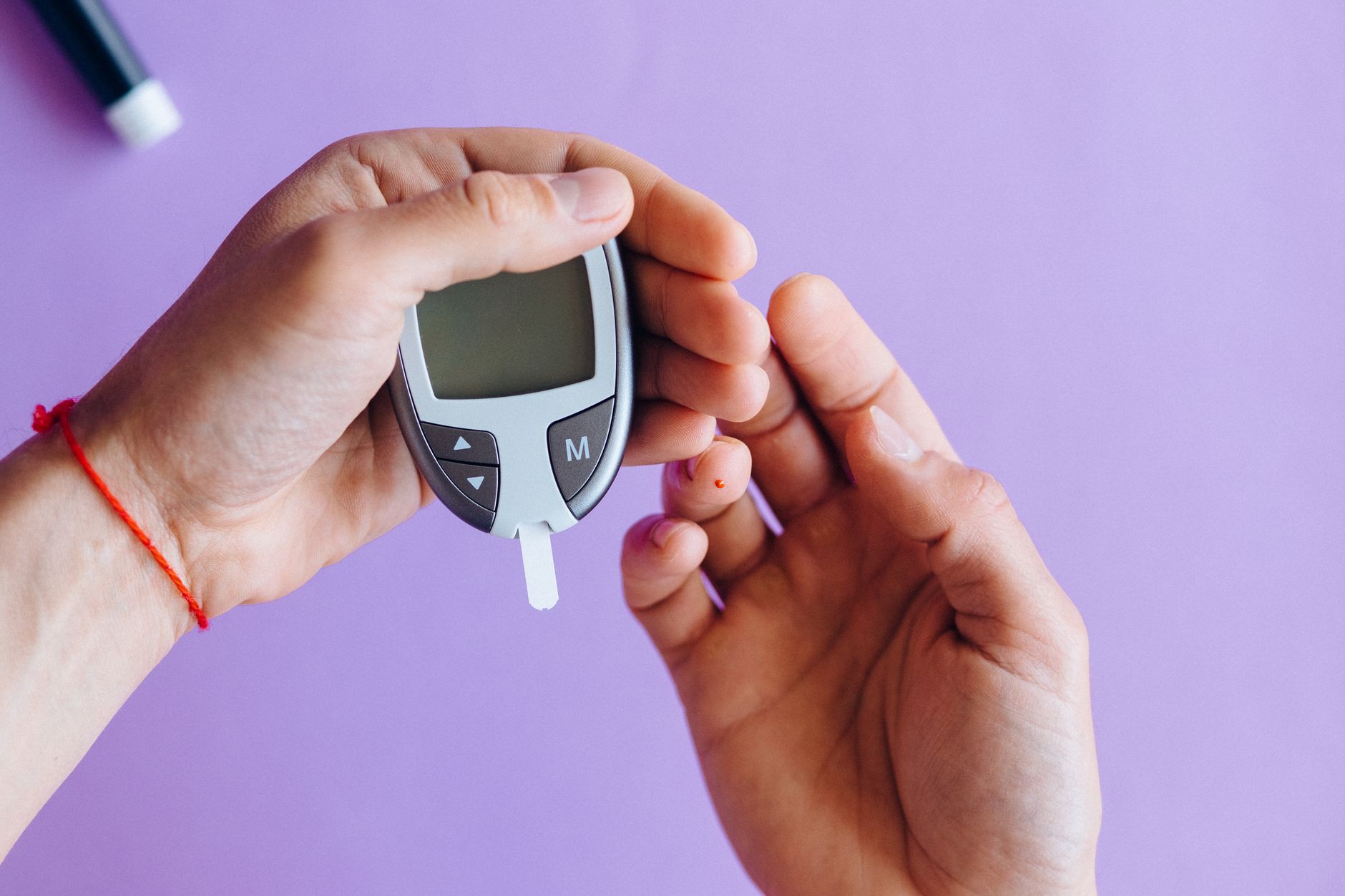
Monitoring blood sugar at home is a key part of GDM management.
Management and treatment of gestational diabetes
Once GDM is confirmed, a stepwise plan is usually followed:
Medical nutrition therapy (MNT): A registered dietitian helps you create a balanced meal plan that spreads carbohydrate intake evenly across the day, aiming for 30‑45 g of carbs per meal and 15‑20 g per snack.
Physical activity: Moderate exercise (e.g., brisk walking) for at least 150 minutes per week improves insulin sensitivity.
Blood glucose monitoring: Most providers ask you to check fasting and 1‑hour post‑meal levels using a home glucometer.
Medication: If diet and exercise don’t keep glucose within target (fasting < 95 mg/dL, 1‑hour < 140 mg/dL), insulin is the first‑line therapy. Some clinicians may prescribe metformin, but insulin remains the gold standard according to ACOG.
Delivery planning: Your obstetrician may schedule delivery a week or two earlier if blood sugar control is suboptimal, to reduce fetal complications.
Most women achieve good control with diet and exercise alone. When medication is needed, insulin regimens are individualized and closely monitored, with frequent prenatal visits to adjust dosages.
In addition to the core steps, many clinics now incorporate continuous glucose monitoring (CGM) for high‑risk patients. CGM provides real‑time trends and can help fine‑tune dietary choices without the need for multiple finger‑sticks each day. While not yet routine for every pregnancy, CGM is endorsed by the American Diabetes Association for selected cases.
Telehealth platforms have also become valuable, allowing you to log glucose readings and receive rapid feedback from diabetes educators without leaving home. This flexibility can reduce stress and improve adherence, especially for those juggling work or childcare.
Lifestyle changes to reduce your risk of gestational diabetes
Even if you have non‑modifiable risk factors, adopting healthy habits can lower the odds of developing GDM.
Nutrition tips
Choose whole grains (brown rice, quinoa) over refined carbs.
Incorporate high‑fiber foods such as beans, lentils, and leafy greens.
Prioritize lean protein (fish, poultry, tofu) to stabilize glucose spikes.
Limit sugary drinks, desserts, and processed snacks.
Stay hydrated with water; aim for at least 8 cups daily.
Physical activity recommendations
Take a 30‑minute walk after meals.
Try low‑impact classes like prenatal yoga or swimming.
Use a standing desk or take short movement breaks if you work sitting.
Consult your provider before starting a new exercise routine, especially if you have other health concerns.
Weight management
If you’re entering pregnancy with a BMI ≥ 25, aim for a modest weight gain as outlined by the Institute of Medicine—generally 7‑11 kg (15‑24 lb) for overweight women and 5‑9 kg (11‑20 lb) for those with obesity. Gaining weight too quickly can worsen insulin resistance.
Stress and sleep
Chronic stress and poor sleep can raise cortisol, which interferes with insulin action. Simple practices—such as a nightly relaxation routine, short mindfulness sessions, or ensuring 7–9 hours of sleep—may help keep blood sugar steadier. The NHS cites adequate sleep as a supportive factor for glucose regulation during pregnancy.
Understanding blood‑sugar targets in pregnancy
Blood‑glucose goals during pregnancy are tighter than in non‑pregnant adults because the fetus is directly exposed to maternal glucose. The American College of Obstetricians and Gynecologists (ACOG) recommends the following targets for women with GDM:
Fasting glucose < 95 mg/dL (5.3 mmol/L)
1‑hour post‑meal < 140 mg/dL (7.8 mmol/L)
2‑hour post‑meal < 120 mg/dL (6.7 mmol/L) (if using a 75‑gram OGTT protocol)
Maintaining these numbers reduces the risk of macrosomia and neonatal hypoglycemia. Your provider will teach you how to interpret glucometer readings, and may adjust targets slightly based on your individual situation. Consistency is key—measure at the same times each day and record results in a logbook or a smartphone app.
Preparing for the glucose challenge test
The glucose challenge test (GCT) can feel intimidating, but a few practical steps make it smoother. Schedule the test for a time when you’re not fasting; you’ll be asked to drink a sweet‑tasting solution, then wait an hour for the blood draw. Bring a light snack for after the test, stay hydrated, and wear a short‑sleeved shirt for easy arm access.
If you’re prone to nausea, have a small piece of fruit or a cracker before the test (the drink is taken on an empty stomach, but a brief snack afterward can prevent dizziness). Discuss any medication you’re taking with your provider beforehand, as some drugs (e.g., steroids) may affect the results. Most labs follow FDA‑approved protocols, ensuring consistency across sites.
Understanding insulin resistance in pregnancy
Insulin resistance is a normal physiological change in pregnancy; it helps spare glucose for the growing fetus. However, when the pancreas cannot increase insulin output enough, blood sugar climbs into the diabetic range. This “physiological insulin resistance” peaks in the second and third trimesters, which is why screening is typically done after 24 weeks.
Factors that exacerbate this resistance include excess adipose tissue, inflammatory markers, and certain hormonal imbalances (e.g., elevated placental lactogen). Lifestyle interventions—especially balanced meals and regular activity—can blunt the rise in insulin resistance, keeping glucose within target ranges.
Postpartum follow‑up and future diabetes risk
Even after delivery, the story doesn’t end. GDM usually resolves within six weeks postpartum, but the metabolic “memory” can linger. The American Diabetes Association (ADA) advises a 75‑gram OGTT at 6‑12 weeks after birth to confirm that glucose levels have returned to normal.
If the test is normal, most clinicians recommend annual fasting glucose or HbA1c screening thereafter, because up to half of women develop type 2 diabetes within ten years. Lifestyle interventions that worked during pregnancy—balanced meals, regular activity, and weight management—continue to be protective.
Breastfeeding also offers a modest protective effect. A systematic review in the British Medical Journal (BMJ) found that breastfeeding for at least six months reduced the risk of postpartum type 2 diabetes by about 20 percent among women with prior GDM. Discuss lactation support with your provider early, as it can be a valuable part of your long‑term health plan.
Practical meal‑planning ideas for GDM
Putting theory into practice can feel overwhelming. Below is a simple “plate” model you can use at each meal:
Half the plate: Non‑starchy vegetables (spinach, bell peppers, broccoli). These are low in carbs and high in fiber.
Quarter of the plate: Lean protein (grilled chicken, baked fish, tofu, or legumes).
Quarter of the plate: Controlled carbohydrate (½ cup cooked quinoa, 1 small sweet potato, or 1 slice whole‑grain bread).
Snack ideas include a small apple with a tablespoon of almond butter, Greek yogurt with berries, or a handful of nuts. Pair each snack with a protein source to blunt glucose spikes.
When dining out, ask for sauces on the side, choose grilled over fried, and request whole‑grain options when available. Most restaurants are happy to accommodate reasonable requests, especially when you explain you’re managing gestational diabetes.
Importance of prenatal care in detecting gestational diabetes
Regular prenatal visits give your provider multiple opportunities to screen for GDM, discuss risk factors, and intervene early. The typical schedule includes visits every four weeks until 28 weeks, then every two weeks, and weekly near term. During these appointments, your provider will:
Review your medical and family history.
Measure your weight and blood pressure.
Order the glucose challenge test at the appropriate gestational age.
Provide nutrition counseling and, if needed, refer you to a diabetes educator.
Because many risk factors are known before pregnancy, you can also schedule a preconception appointment to discuss your GDM risk. Early conversations allow for lifestyle adjustments that may lower the odds of developing GDM once you’re pregnant.
From our medical team: If you have several risk factors—especially a prior GDM pregnancy, a BMI over 30, or a strong family history—ask your provider about early glucose testing. Early detection gives you more time to implement diet, exercise, and, if necessary, medication, keeping both you and your baby safe.
🔢 Ready to crunch your numbers? Use our Gestational Diabetes Risk for a personalized result in seconds.
Myth vs. fact
Myth: “If I feel fine, I can’t have gestational diabetes.”
Fact: Up to 70 percent of women with GDM are asymptomatic; only systematic screening reliably identifies the condition.
Myth: “Gestational diabetes always leads to a baby with diabetes.”
Fact: Properly managed GDM reduces the risk of neonatal complications, and most babies born to mothers with GDM have normal glucose metabolism.
Myth: “I can’t eat carbs if I have GDM.”
Fact: Carbohydrates are essential; the goal is to choose complex carbs and spread intake throughout the day to avoid spikes.
Key takeaways
Gestational diabetes affects about 7 percent of pregnancies, often without obvious symptoms.
Age ≥ 35, BMI ≥ 30, family history of diabetes, prior GDM, and certain ethnicities increase risk.
Screening usually occurs at 24‑28 weeks; early testing is advised for high‑risk women.
Dietary changes, regular exercise, and blood‑glucose monitoring are first‑line treatments; insulin is added if needed.
Good prenatal care and timely screening dramatically lower the chance of complications for both mother and baby.
Postpartum follow‑up with a glucose tolerance test is essential to confirm resolution and to monitor future diabetes risk.
Frequently asked questions
What causes gestational diabetes?
Gestational diabetes is caused by pregnancy hormones that make cells less sensitive to insulin, combined with genetic and lifestyle factors that limit the pancreas’s ability to produce enough insulin.
How common is gestational diabetes?
Approximately 7 percent of pregnancies in the United States develop GDM, with similar rates (6‑9 percent) reported in the United Kingdom.
Can gestational diabetes be prevented?
While you can’t change age or family history, maintaining a healthy weight, eating a balanced diet, and staying active before and during pregnancy can lower your risk.
What are the symptoms of gestational diabetes?
Most women have no symptoms, but increased thirst, frequent urination, fatigue, blurred vision, or recurrent infections can be warning signs.
How is gestational diabetes diagnosed?
Doctors use a two‑step screening: a 50‑gram glucose challenge test followed, if needed, by a 100‑gram oral glucose tolerance test. In the UK, a single 75‑gram OGTT is standard.
What are the risks of gestational diabetes?
If untreated, GDM can lead to large‑for‑gestational‑age babies, pre‑term birth, neonatal hypoglycemia, preeclampsia, and a higher likelihood of developing type 2 diabetes later in life for both mother and child.
Can I exercise if I have gestational diabetes?
Yes. Moderate activity such as brisk walking, swimming, or prenatal yoga is encouraged and can improve insulin sensitivity. Always check with your provider before starting a new routine, especially if you have other health concerns.
How long does gestational diabetes last after delivery?
In most cases, blood‑glucose levels return to normal within six weeks postpartum. However, a follow‑up oral glucose tolerance test at 6‑12 weeks is recommended to confirm resolution, and annual screening thereafter is advised because of the elevated risk of type 2 diabetes.
What foods should I avoid if I'm at risk for gestational diabetes?
Focus on limiting sugary drinks, refined pastries, and high‑glycemic snacks like white bread or candy. Instead, choose whole‑grain options, fresh fruit, and protein‑rich foods that keep blood sugar stable throughout the day.
Can I still have a vaginal birth with gestational diabetes?
Yes. Most women with well‑controlled GDM deliver vaginally. A cesarean may be recommended only if the baby is very large or if other obstetric complications arise. Discuss your birth plan with your provider early.
When to call your doctor
If you experience any of the following, contact your obstetrician or midwife right away: persistent high‑grade fever, sudden severe abdominal pain, vision changes, excessive swelling, or signs of preeclampsia (severe headache, blurred vision, rapid weight gain). Also call if you notice a fasting blood glucose consistently above 95 mg/dL or a 1‑hour post‑meal reading above 140 mg/dL when monitoring at home.
This article provides general information and is not a substitute for personalized medical advice. Always discuss your specific situation with your healthcare provider.
References
American College of Obstetricians and Gynecologists. “Gestational Diabetes Mellitus.” Practice Bulletin No. 190, 2022.
Centers for Disease Control and Prevention. “Gestational Diabetes.” CDC Diabetes Data & Statistics, 2023.
World Health Organization. “Diagnostic criteria and classification of hyperglycaemia first detected in pregnancy.” WHO Guidelines, 2022.
National Health Service (NHS). “Gestational diabetes.” NHS Pregnancy Care, 2023.
International Association of Diabetes and Pregnancy Study Groups (IADPSG). “Recommendations on the diagnosis and classification of hyperglycaemia in pregnancy.” Diabetes Care, 2021.
American Diabetes Association. “Standards of Medical Care in Diabetes—2023.” Diabetes Care, 2023.
Institute of Medicine. “Weight Gain During Pregnancy: Reexamining the Guidelines.” National Academies Press, 2020.
British National Formulary (BNF). “Insulin therapy in pregnancy.” BNF, 2022.
National Institute for Health and Care Excellence (NICE). “Gestational diabetes: management.” NICE Clinical Guideline NG3, 2022.
American Diabetes Association. “Continuous Glucose Monitoring in Pregnancy.” Diabetes Care, 2021.
British Medical Journal. “Breastfeeding and risk of type 2 diabetes after gestational diabetes.” BMJ, 2020.
Not sure about the label on Am I At Risk For Gestational Diabetes Quick Self Assessment products?
Snap the ingredients list and SafeFilter checks every ingredient for your stage — only 3 free scans this month, then you're locked until reset. Unlimited from $7/mo or $50/yr.
When Shubhra Mishra was expecting her first child in 2016, she was overwhelmed by conflicting food advice — one site said yes, another said never. By the time her second baby arrived in 2019, she realized millions of mothers face the same confusion.
That sparked a five-year journey through clinical nutrition papers, cultural diets, and expert conversations — all leading to BumpBites: a calm, compassionate space where science meets everyday motherhood.
Her long-term vision is to build a global community ensuring safe, supported, and free deliveriesfor every mother — because no woman should face pregnancy alone or uninformed. 🌿
🌍 Stand with mothers, shape safer guidance
Join a small circle of experts who review BumpBites articles so expecting parents everywhere can decide with confidence.